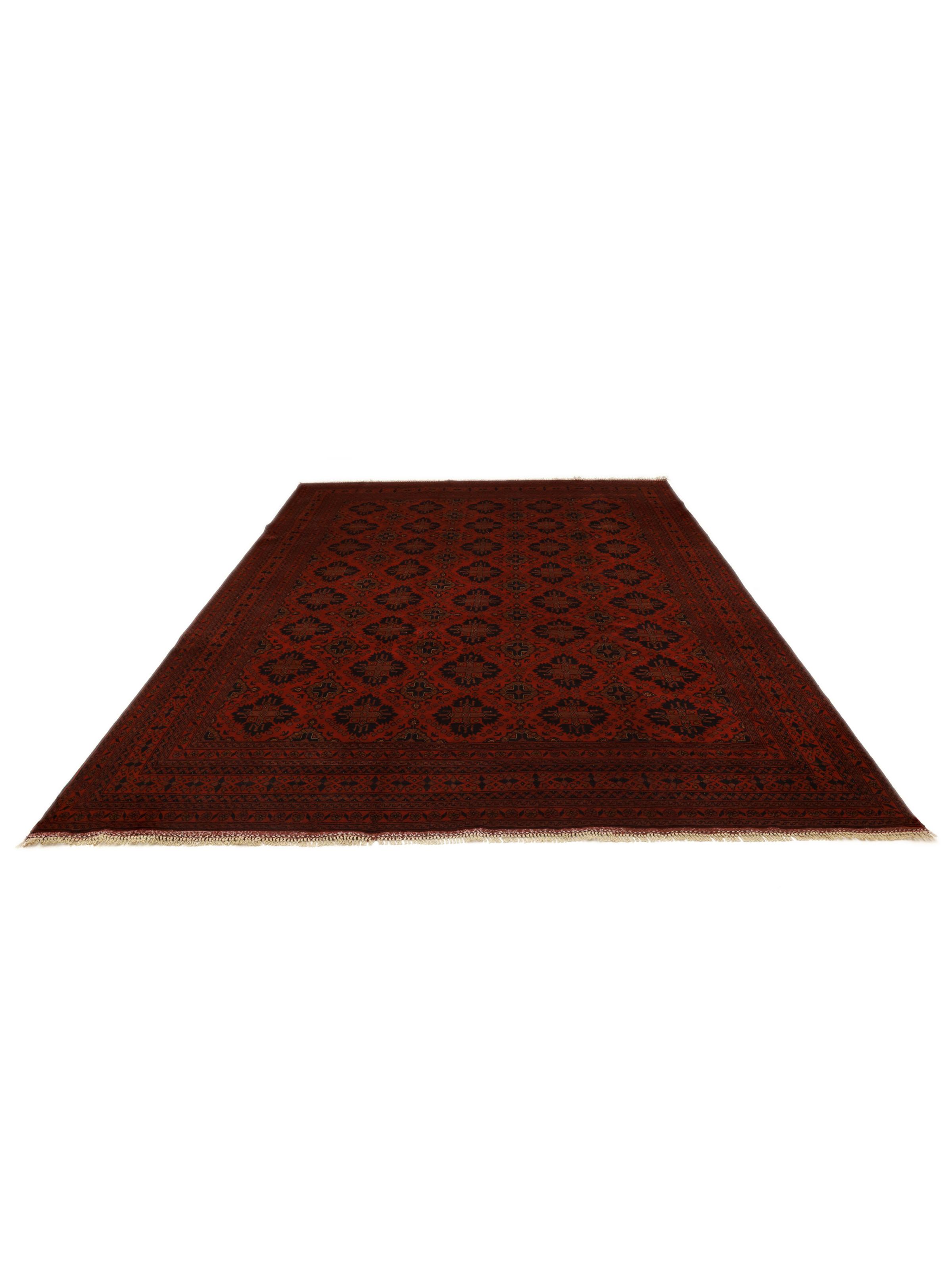
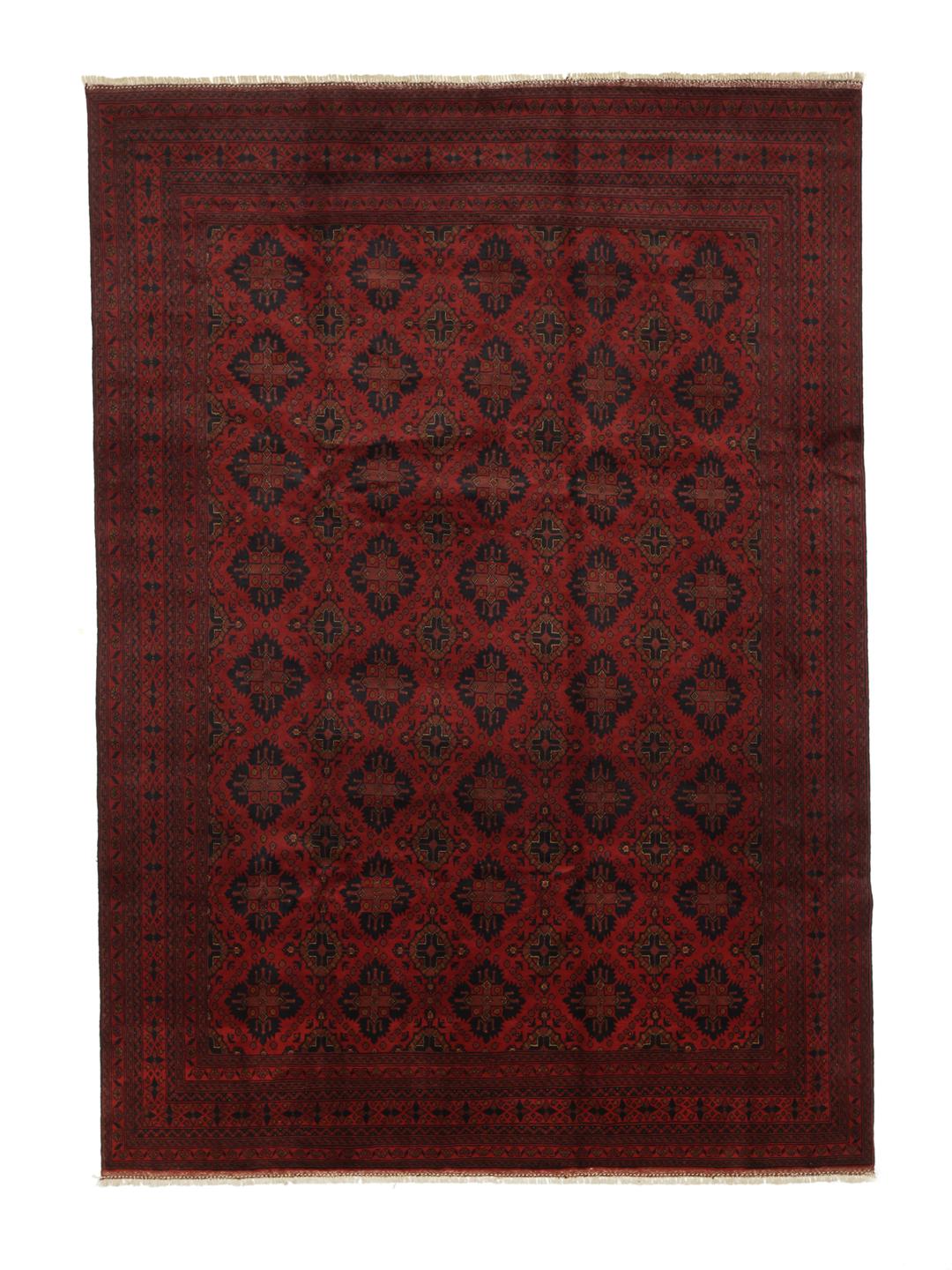
The Khal Mohammadi rug is named after the legendary Afghan weaver who first developed its distinctive style. Originating from the northern regions of Afghanistan, these rugs have become some of the most respected examples of modern weaving from the Middle East. They are deeply rooted in the nomadic traditions of the region, evolving from functional tribal textiles into refined pieces that are sought after by collectors worldwide for their authenticity and bold character.
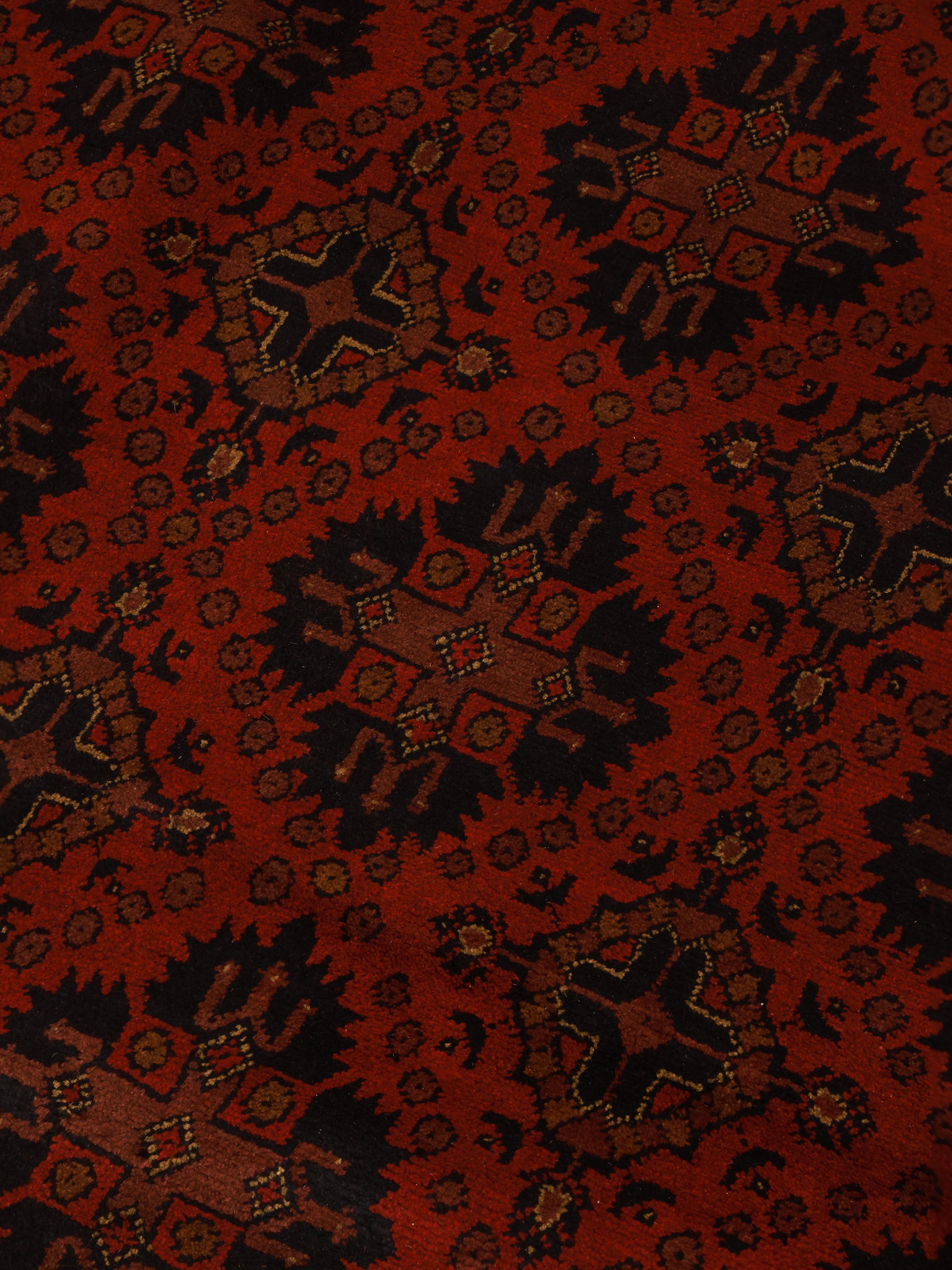
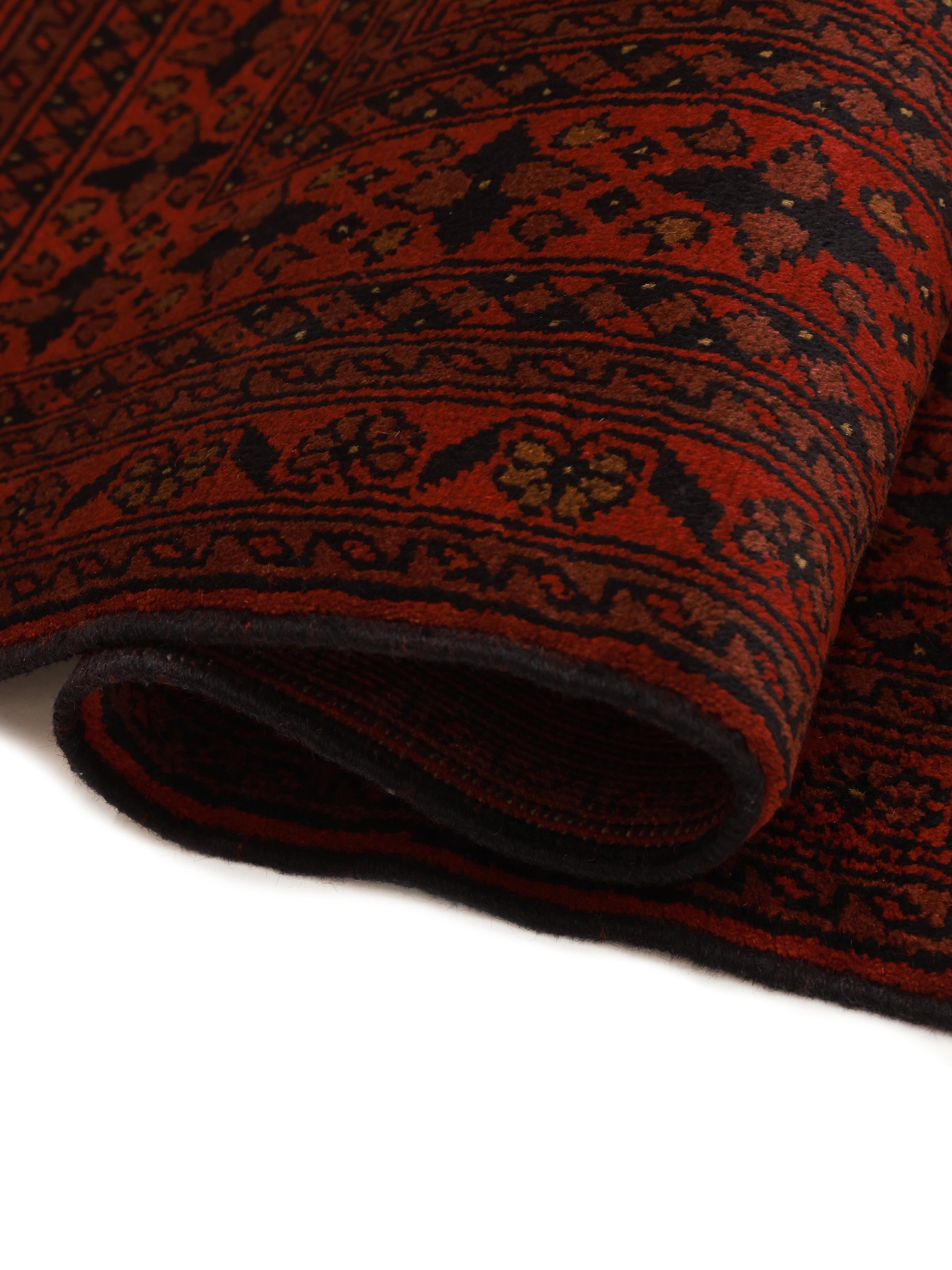
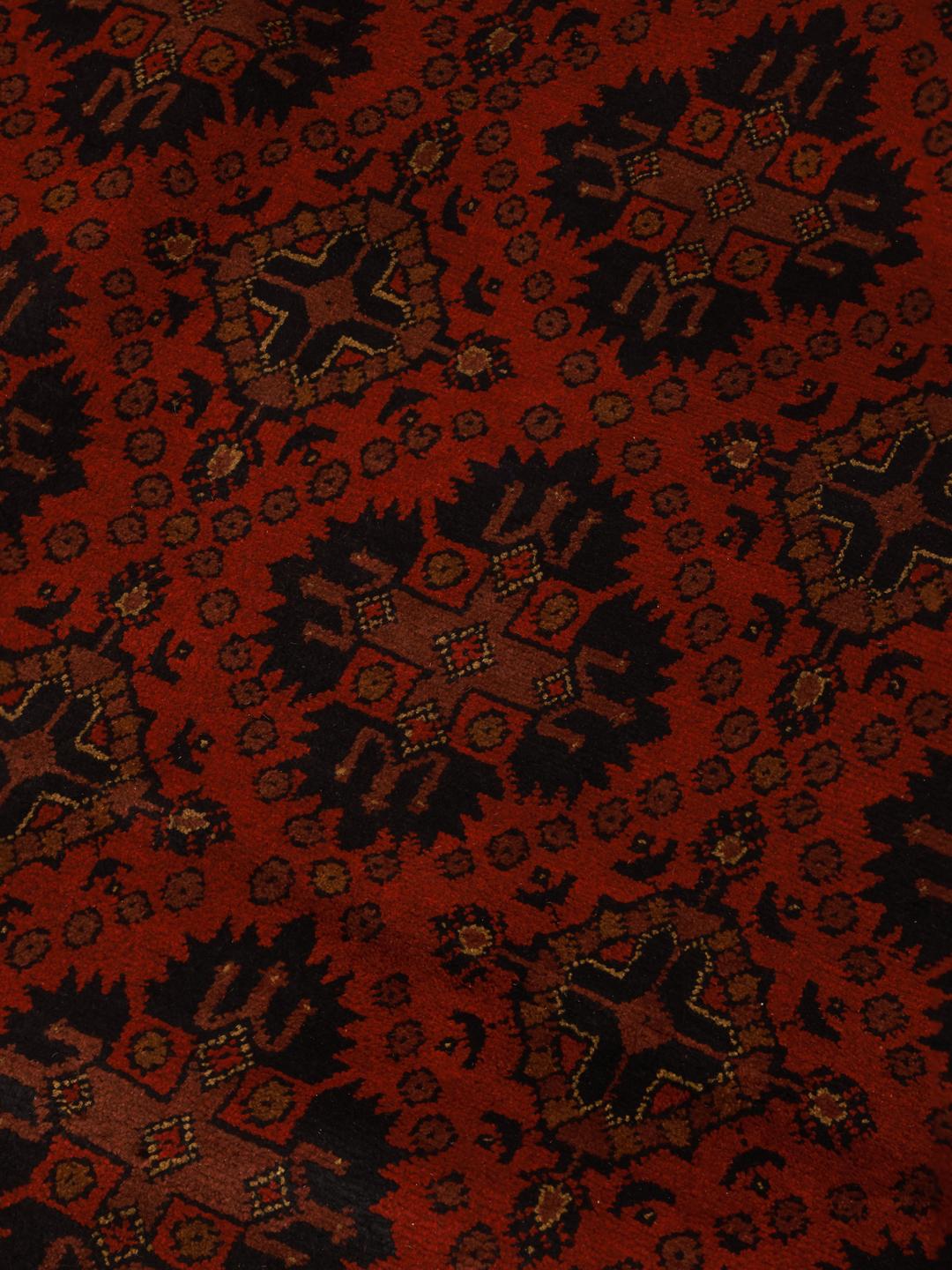
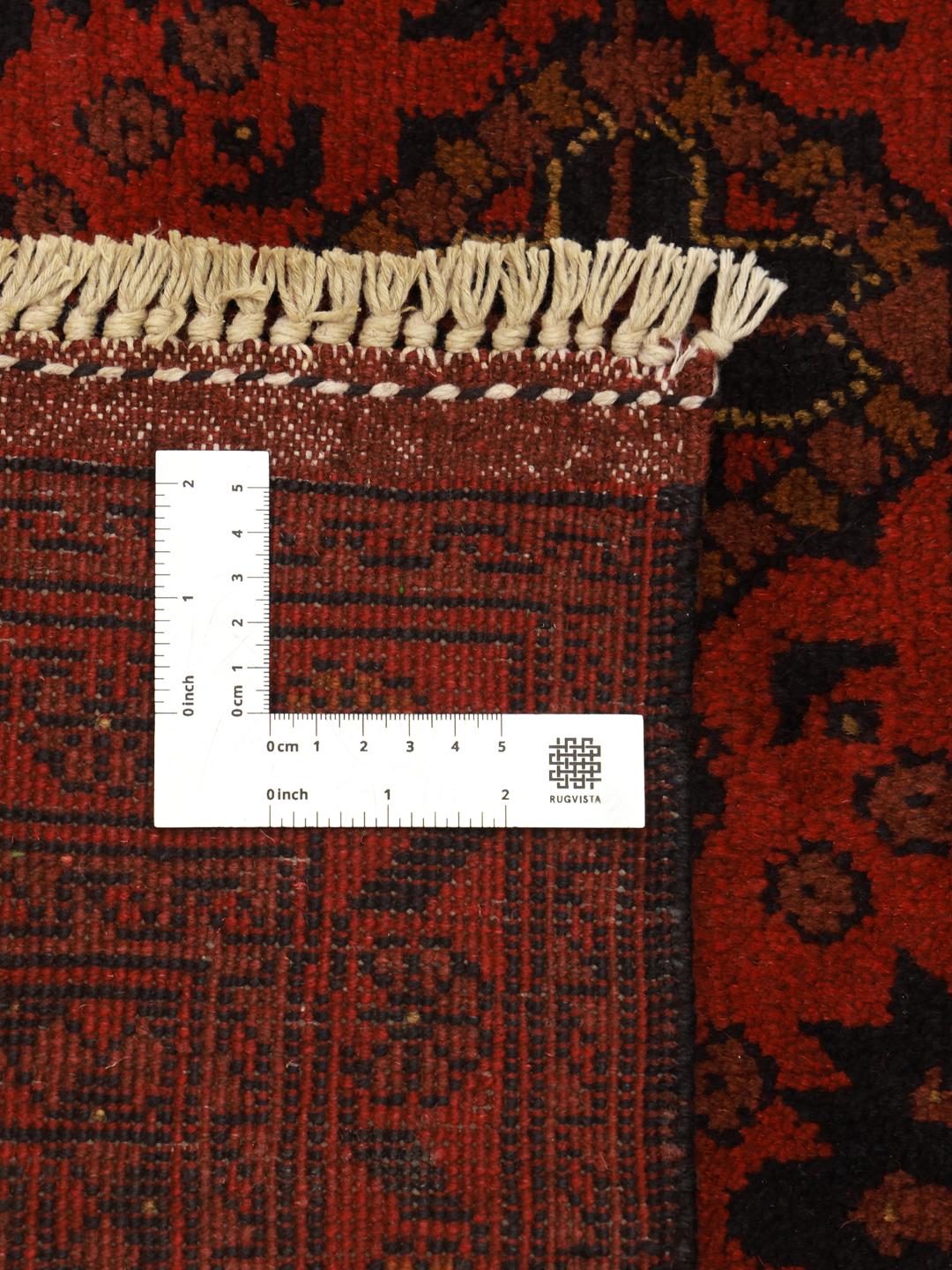
The craft of these rugs relies on the use of high-quality wool, often sourced from local mountain sheep, which is known for its natural lustre and resilience. The wool is typically hand-spun to retain its natural oils, which contributes to the soft, velvety feel of the pile. This attention to material quality is fundamental to the longevity of the rug, ensuring it develops a beautiful patina as it is used in the home over many years.
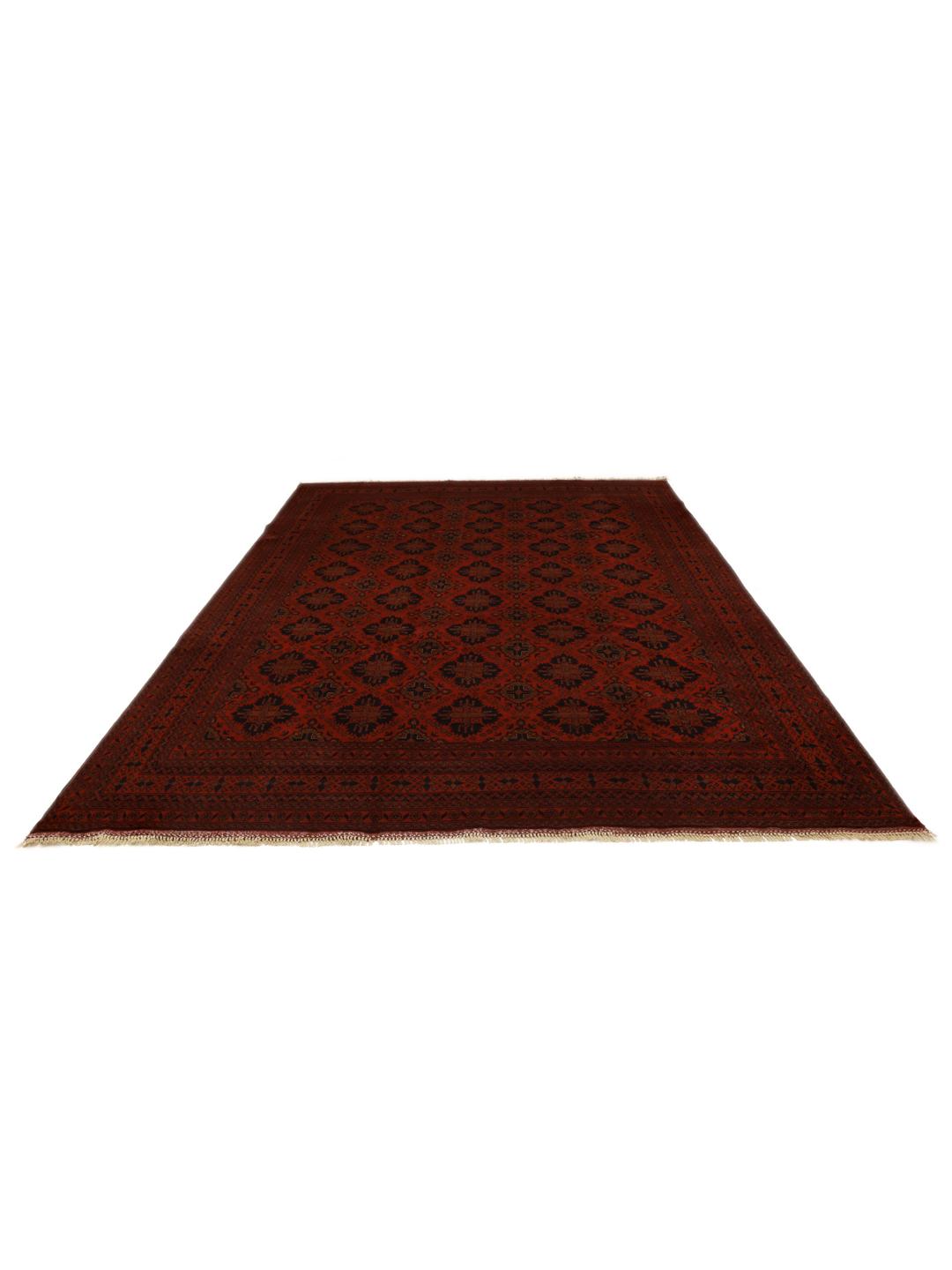
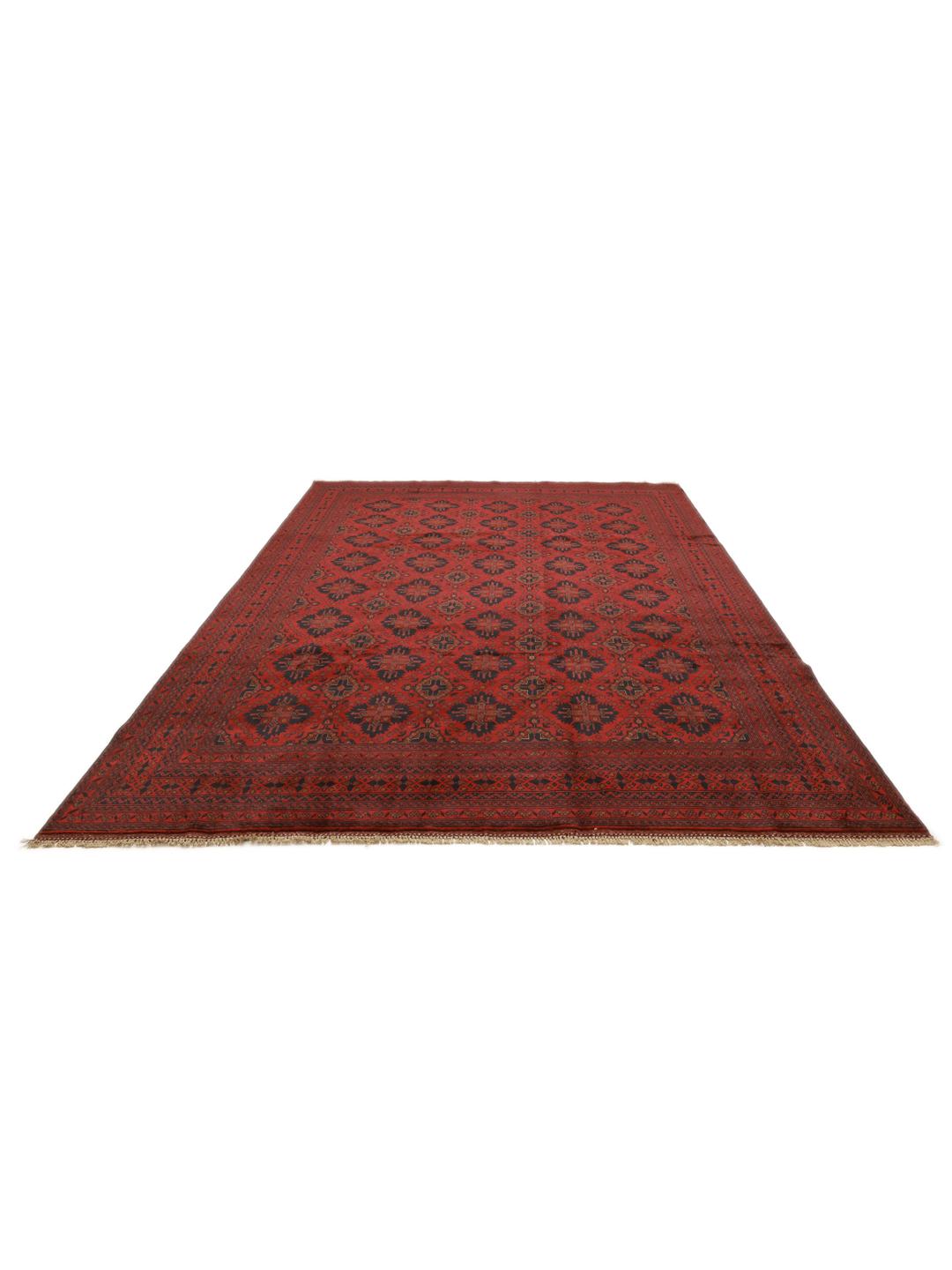
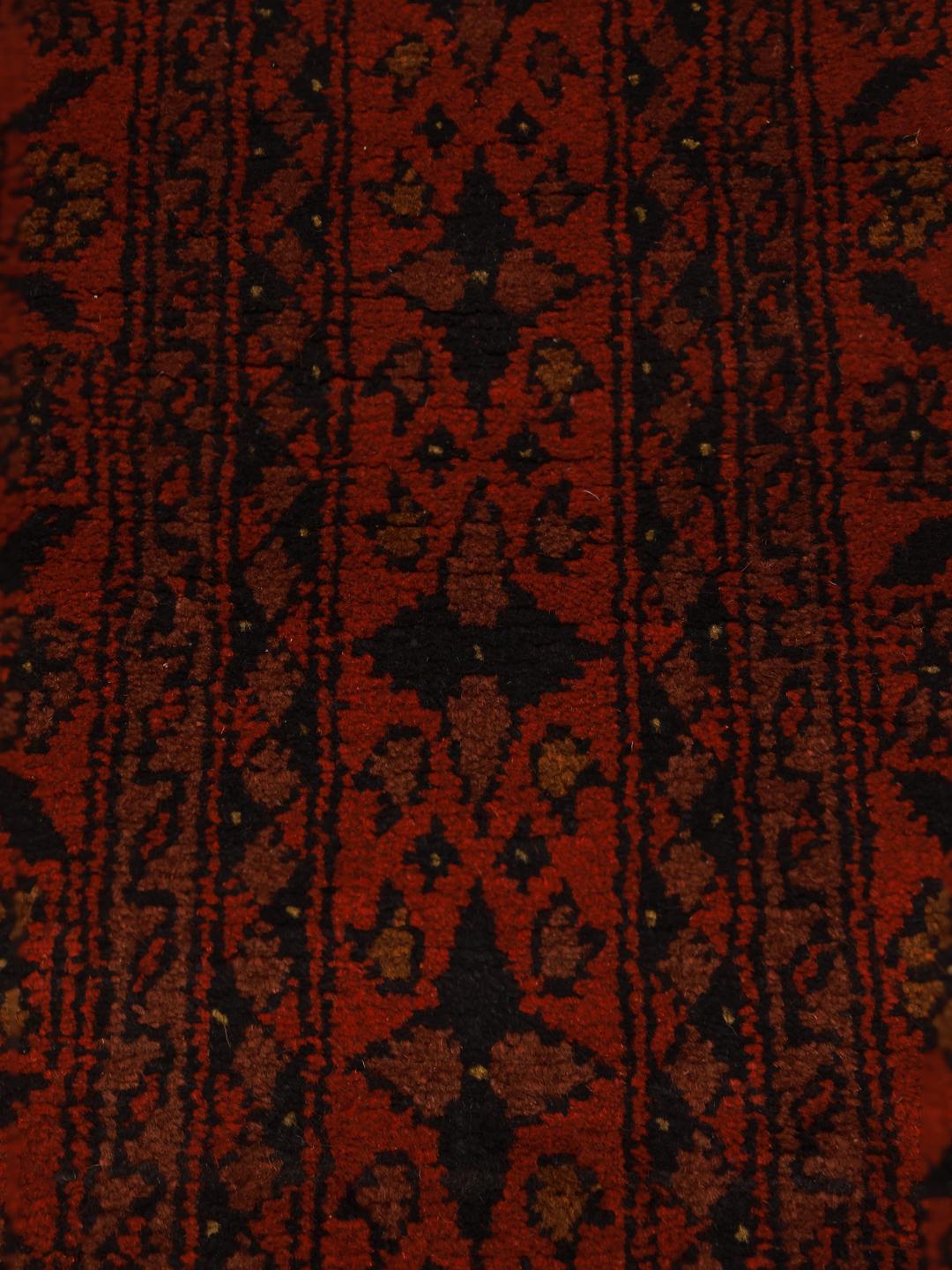
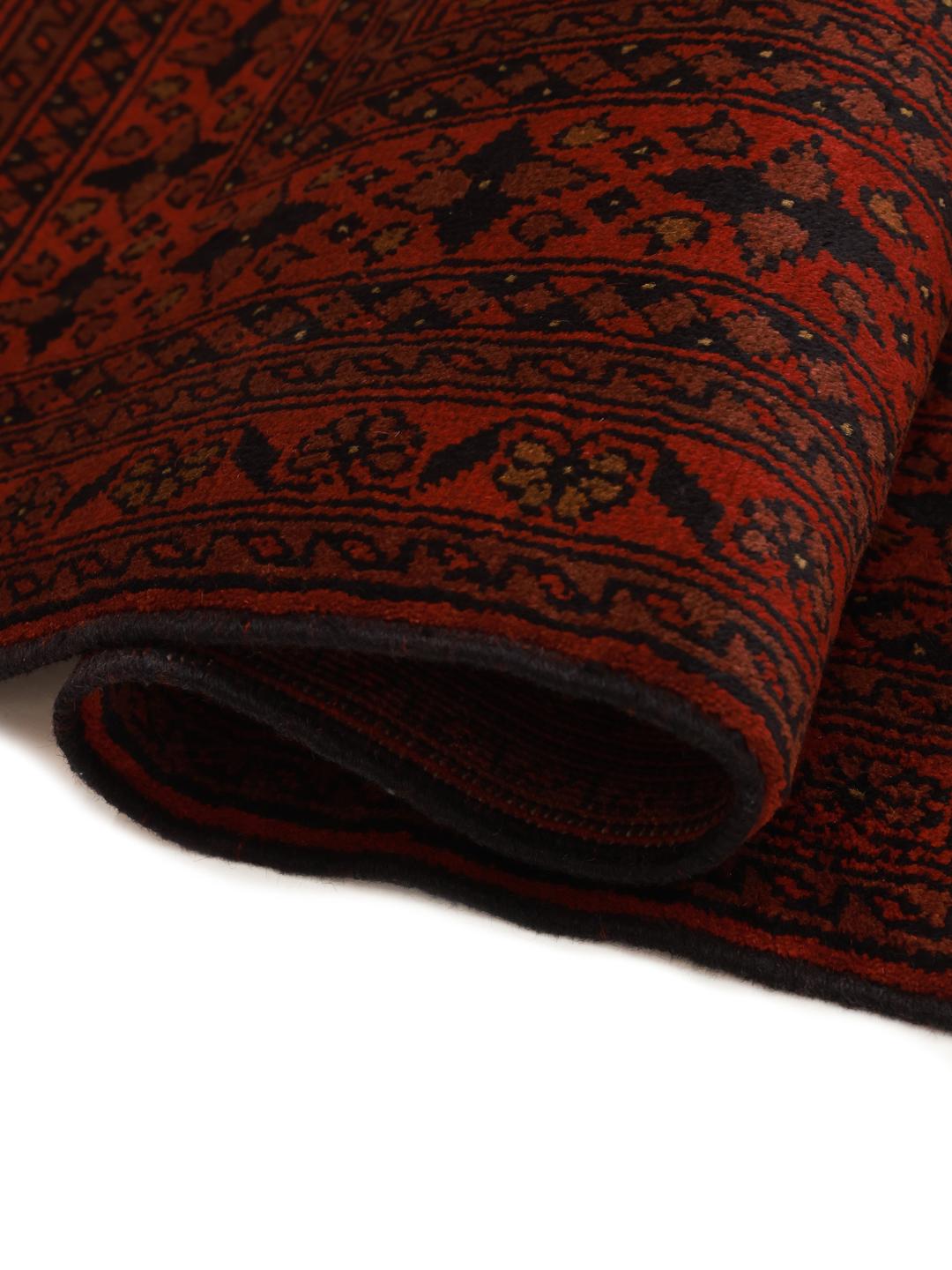
Visually, the Khal Mohammadi is famous for its rich, deep colour palette, often dominated by shades of dark-red, terracotta, and near-black accents. The field is typically adorned with the classic 'gul' motif, which are repeating octagonal or elephant-foot shapes that provide a rhythmic, balanced aesthetic. These patterns are enclosed by borders that reflect the geometric precision traditional to the region, making the rug a bold statement piece.
Collecting a Khal Mohammadi rug is an investment in cultural heritage and human skill. Because these rugs are produced in small batches by independent weavers, each one reflects the individual interpretation of the patterns passed down through generations. Owning this rug means participating in a living history, keeping alive a craft that values slow, deliberate work over mass production.