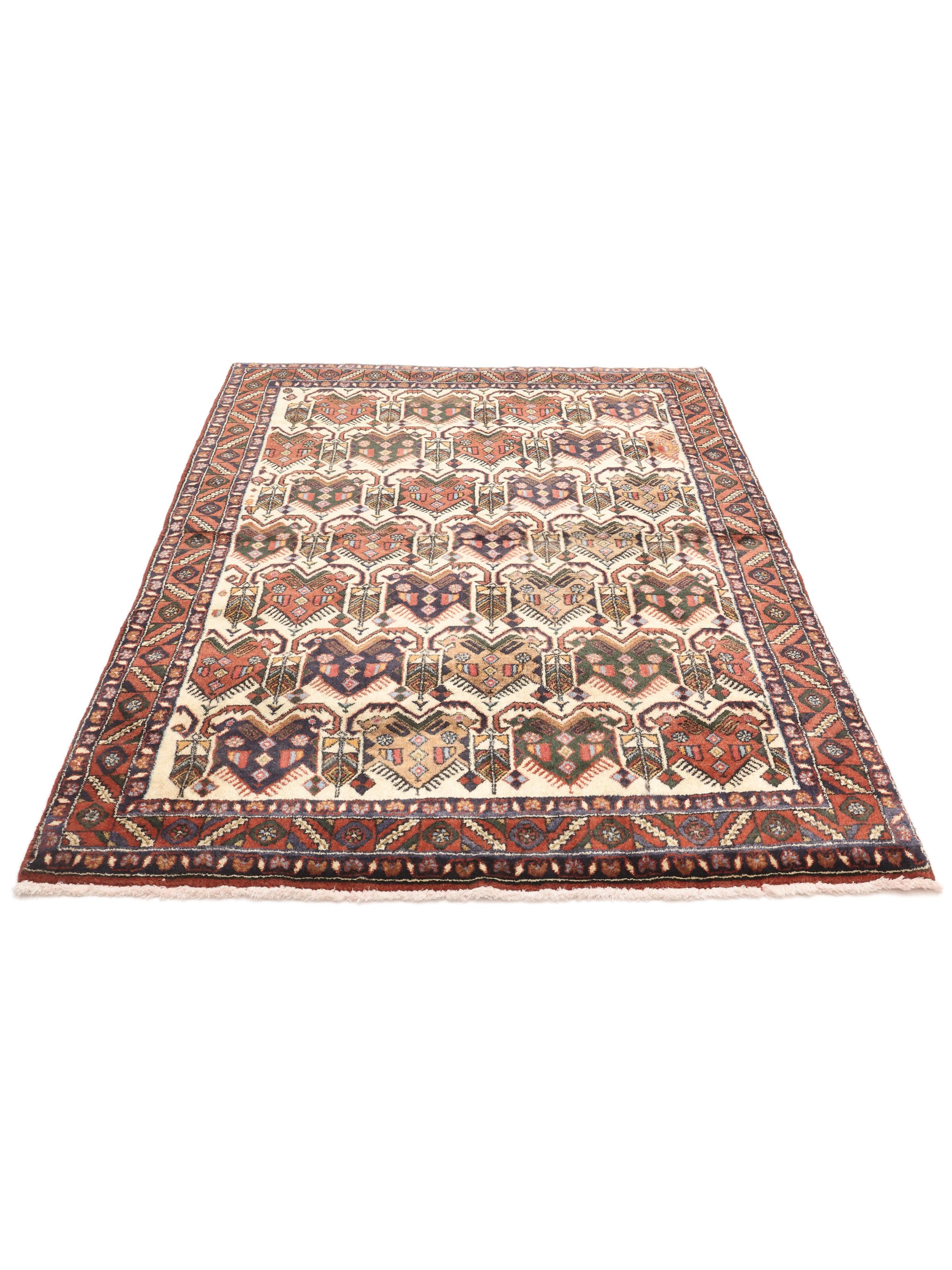
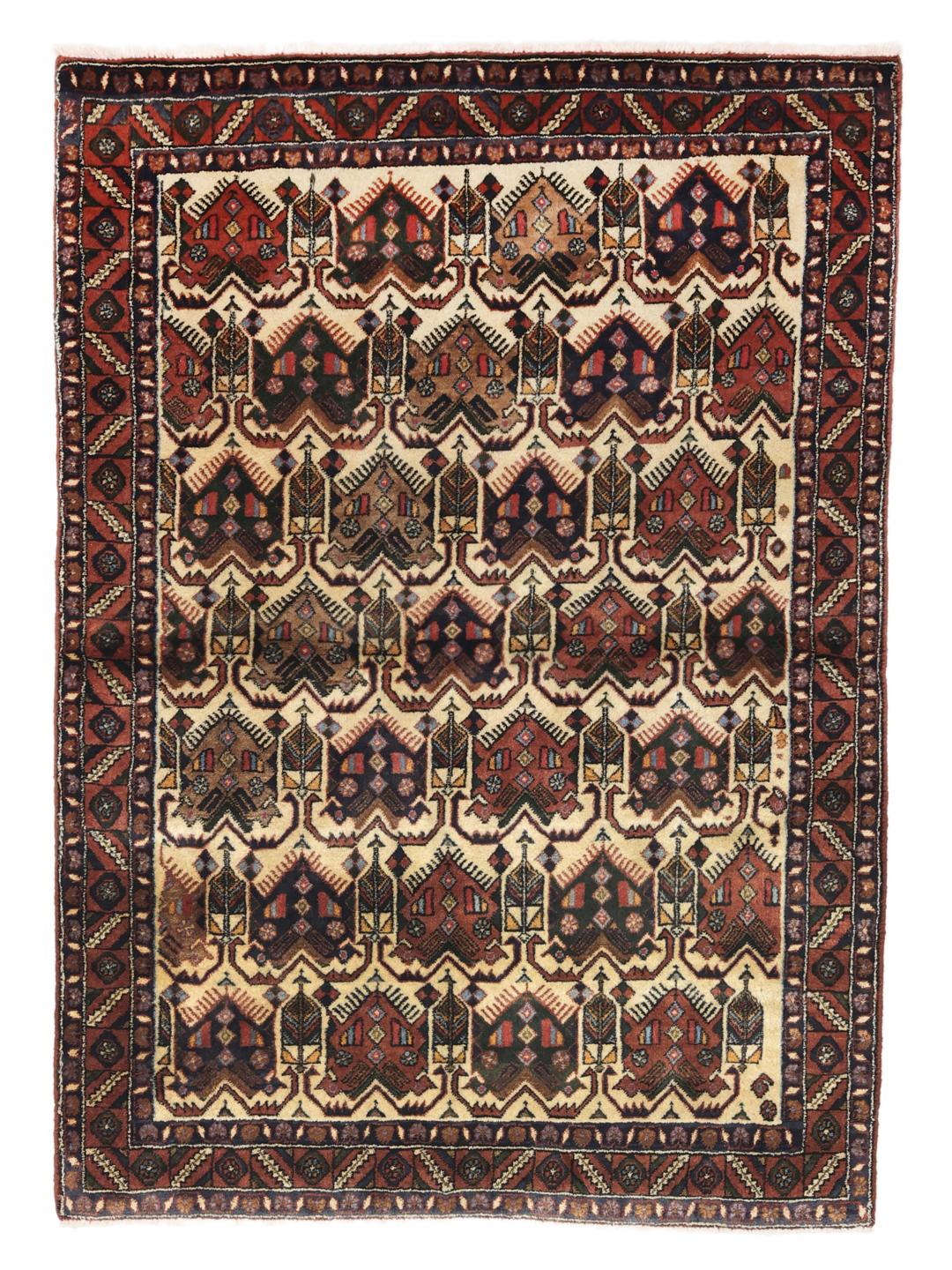
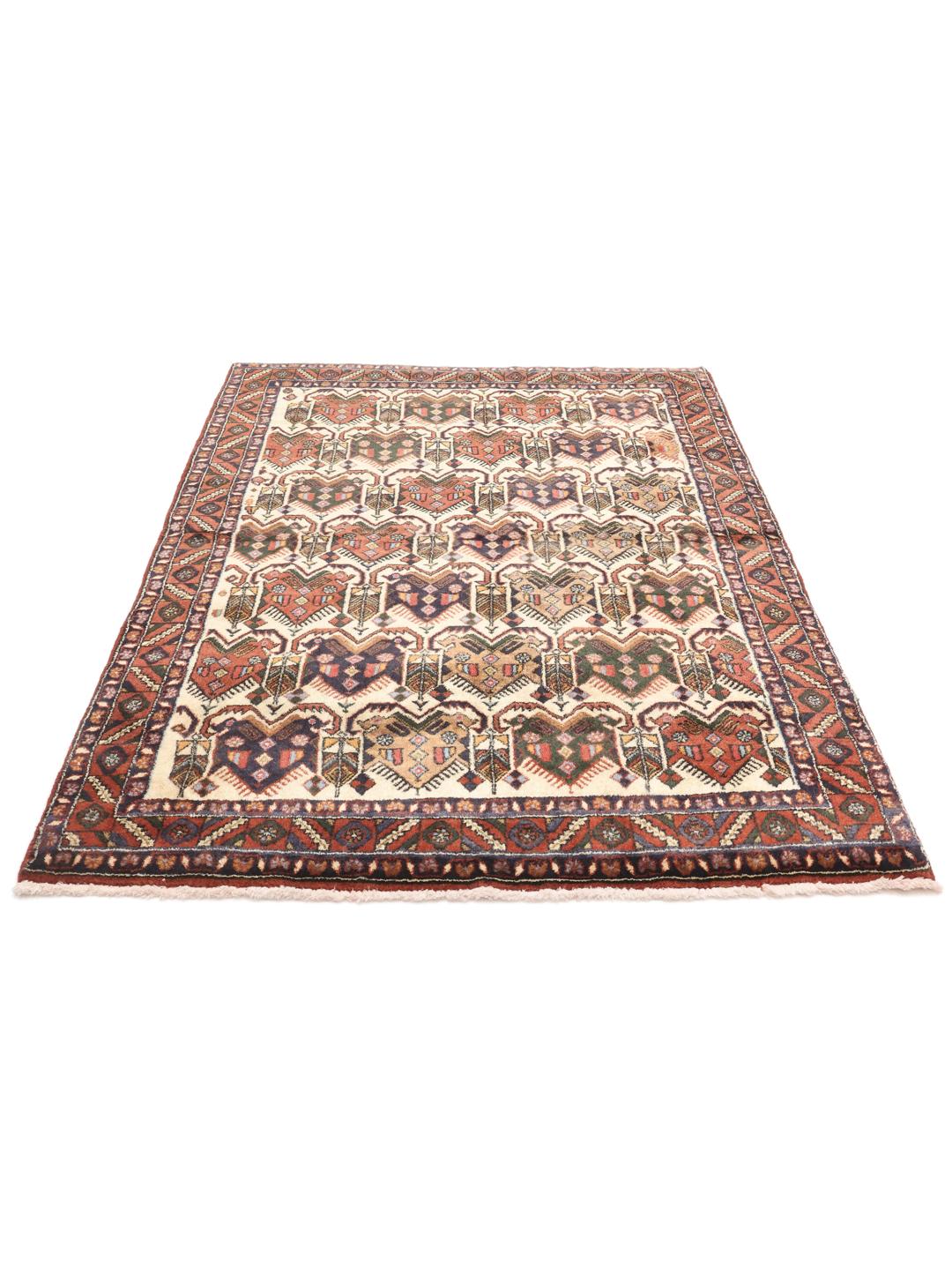
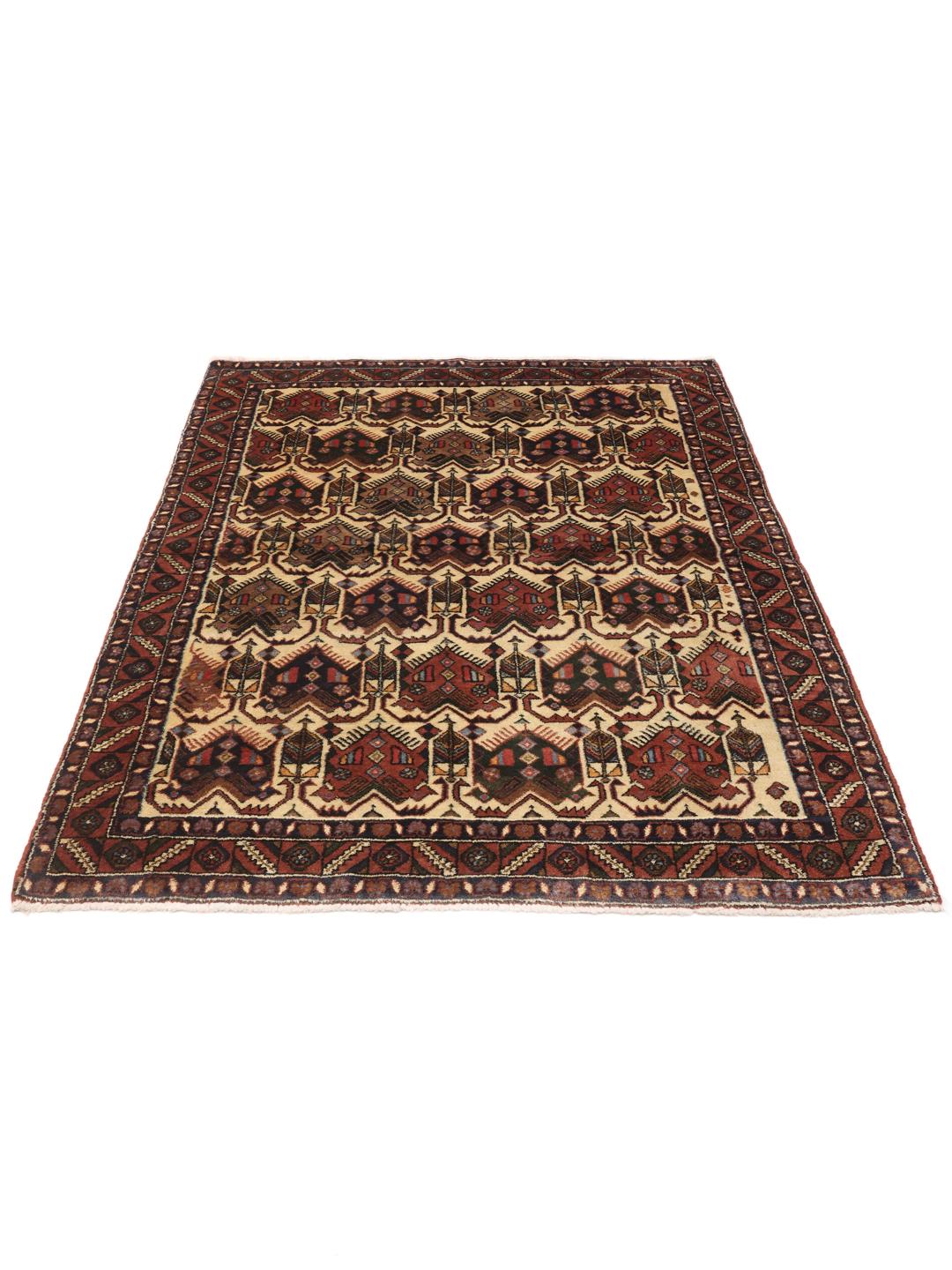
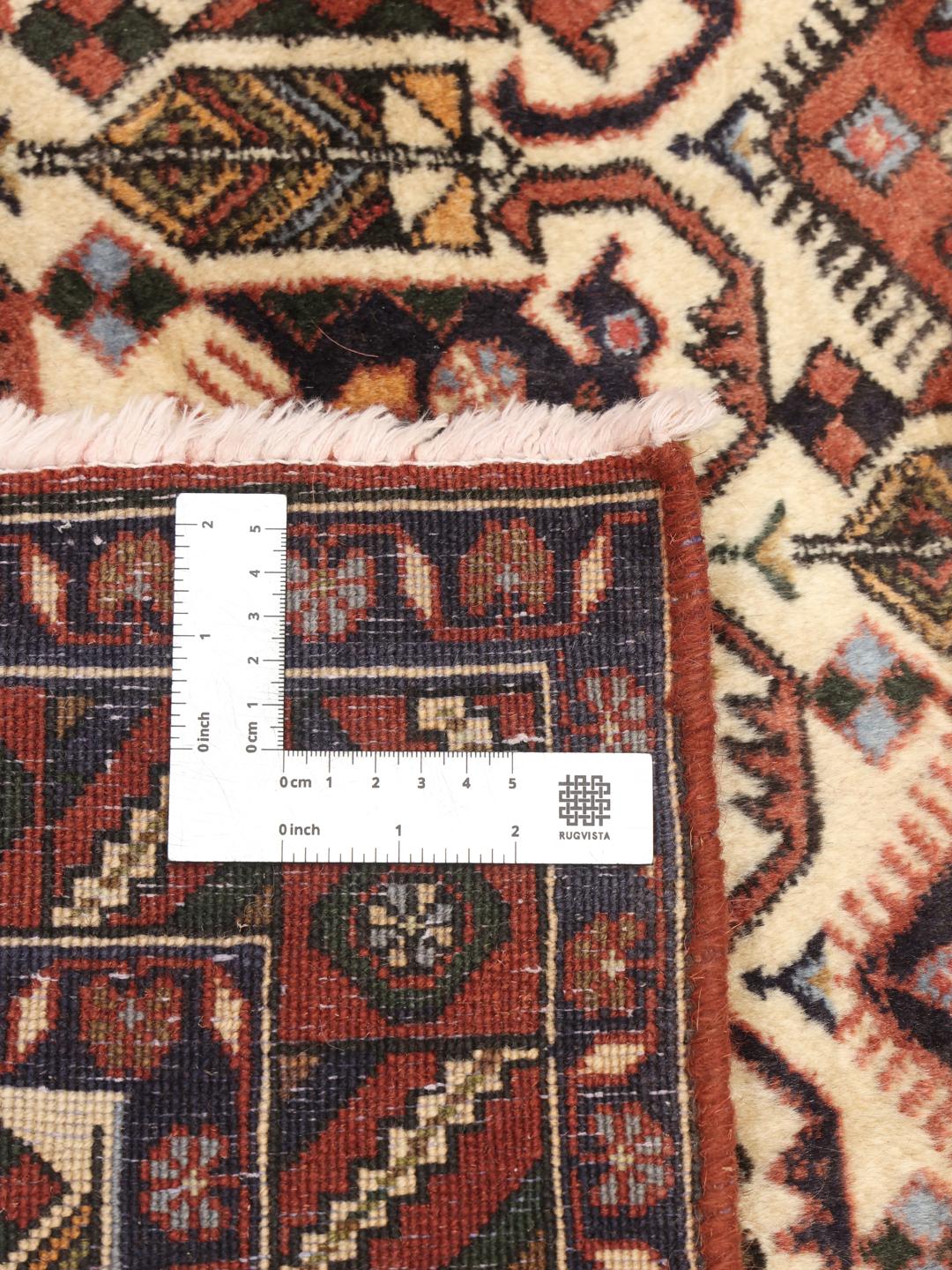
The Afshar Shahre Babak rugs originate from the nomadic and semi-nomadic Afshar tribes of the Middle East. These people have a long history of weaving, traditionally creating functional items for their tents, such as bags and floor coverings, which were designed to withstand the harsh conditions of their environment. Over time, their weaving style evolved into the sophisticated, highly sought-after rugs seen today, reflecting the cultural identity of a people with a deep connection to the land.
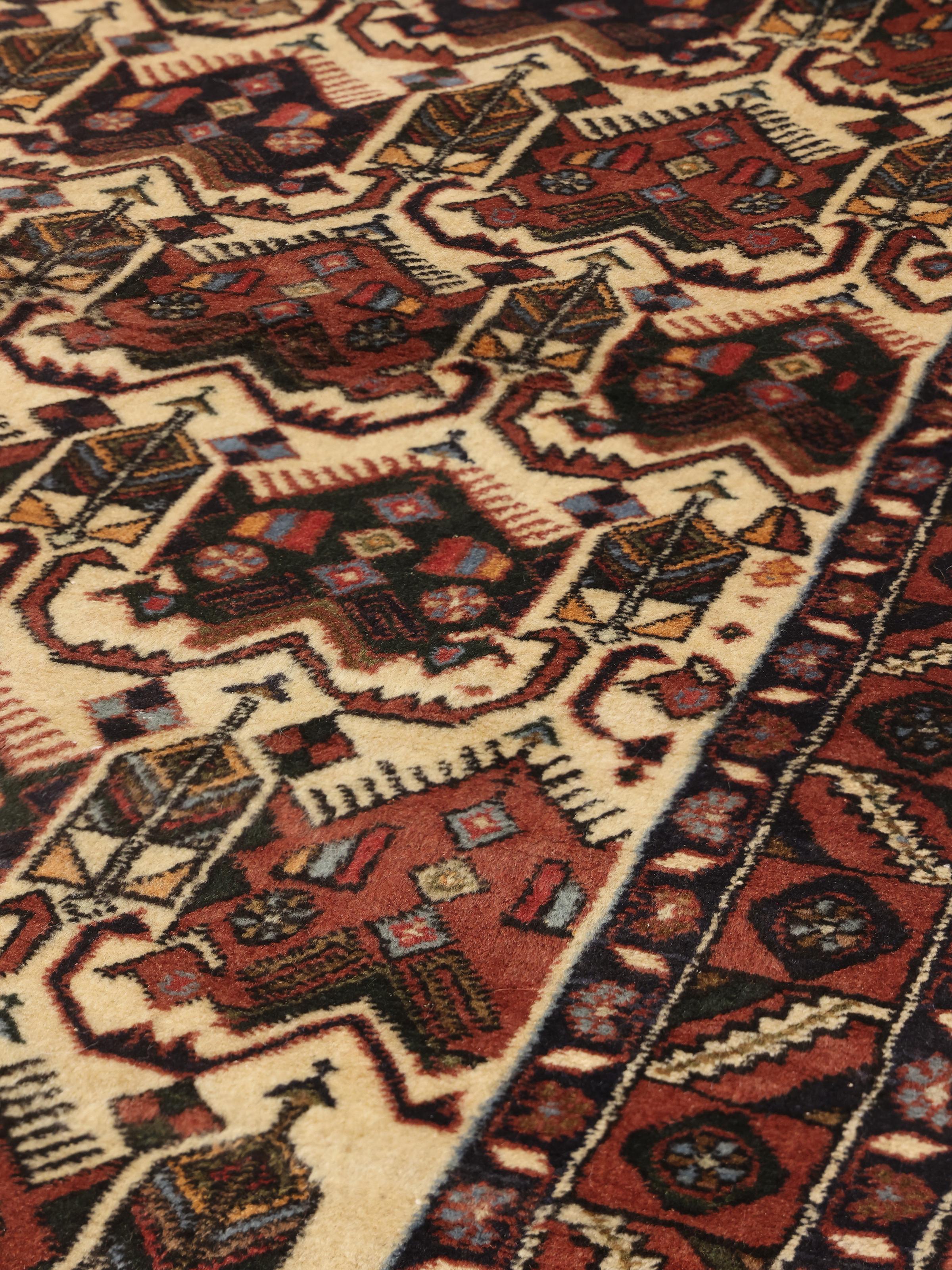
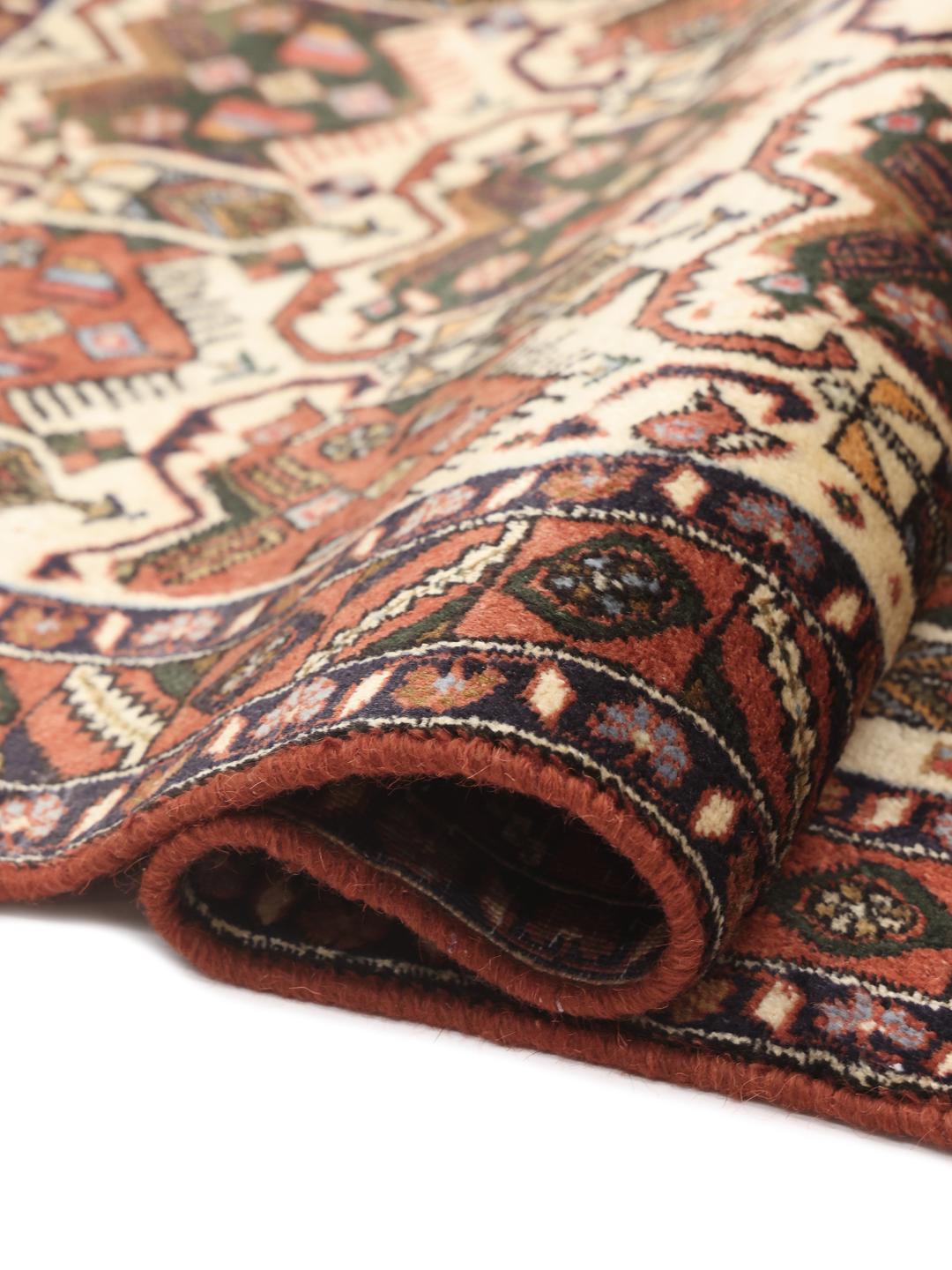
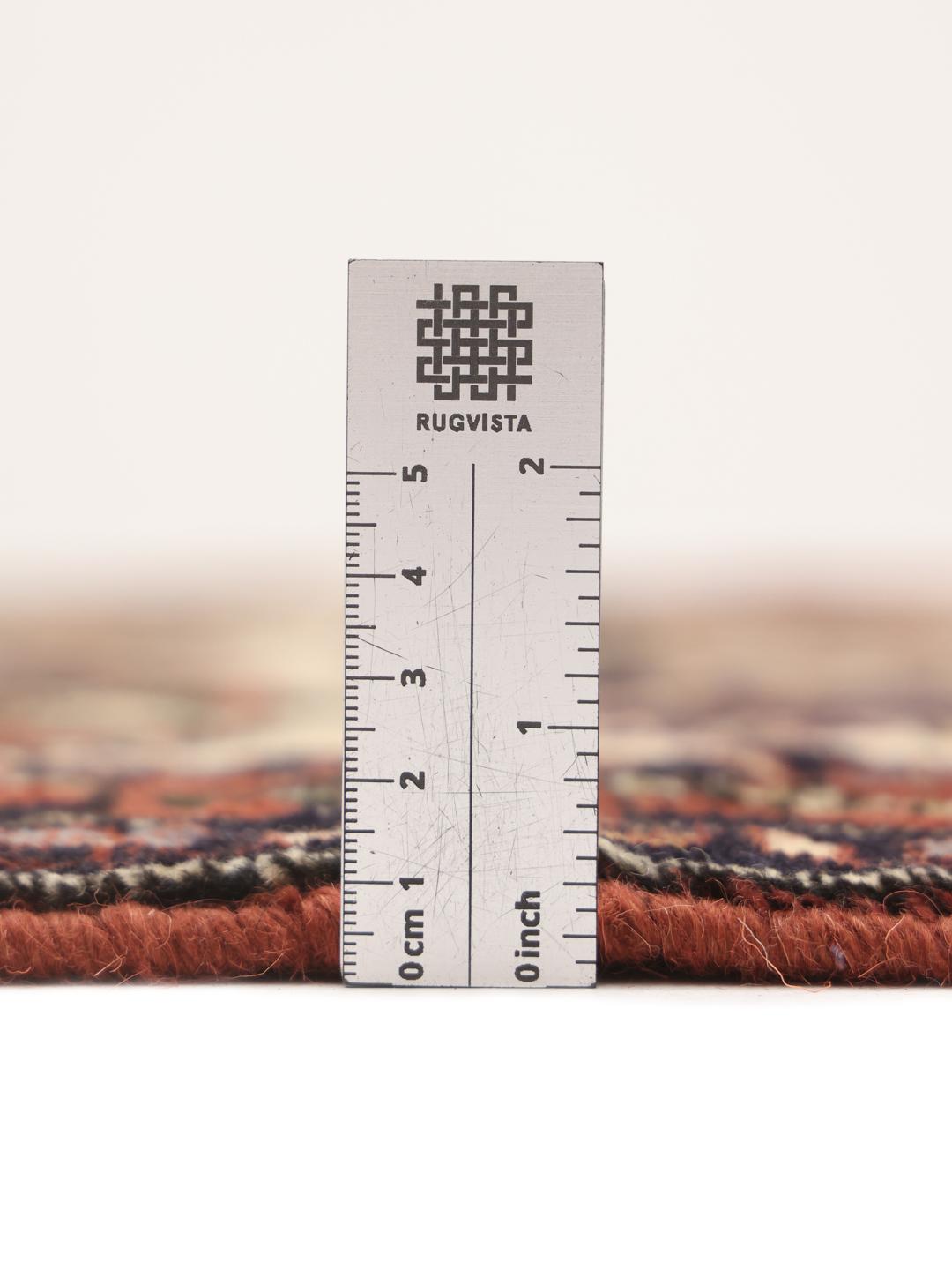
The terminology used to describe these rugs often points to the specific regional characteristics of the weave. The Afshar tradition is known for its sturdy construction and the use of natural dyes, which develop a beautiful, muted patina over time. The materials are carefully prepared, with the pile being spun to a specific tension that ensures both comfort and longevity. This technical foundation is what allows these rugs to maintain their value and appeal for generations.
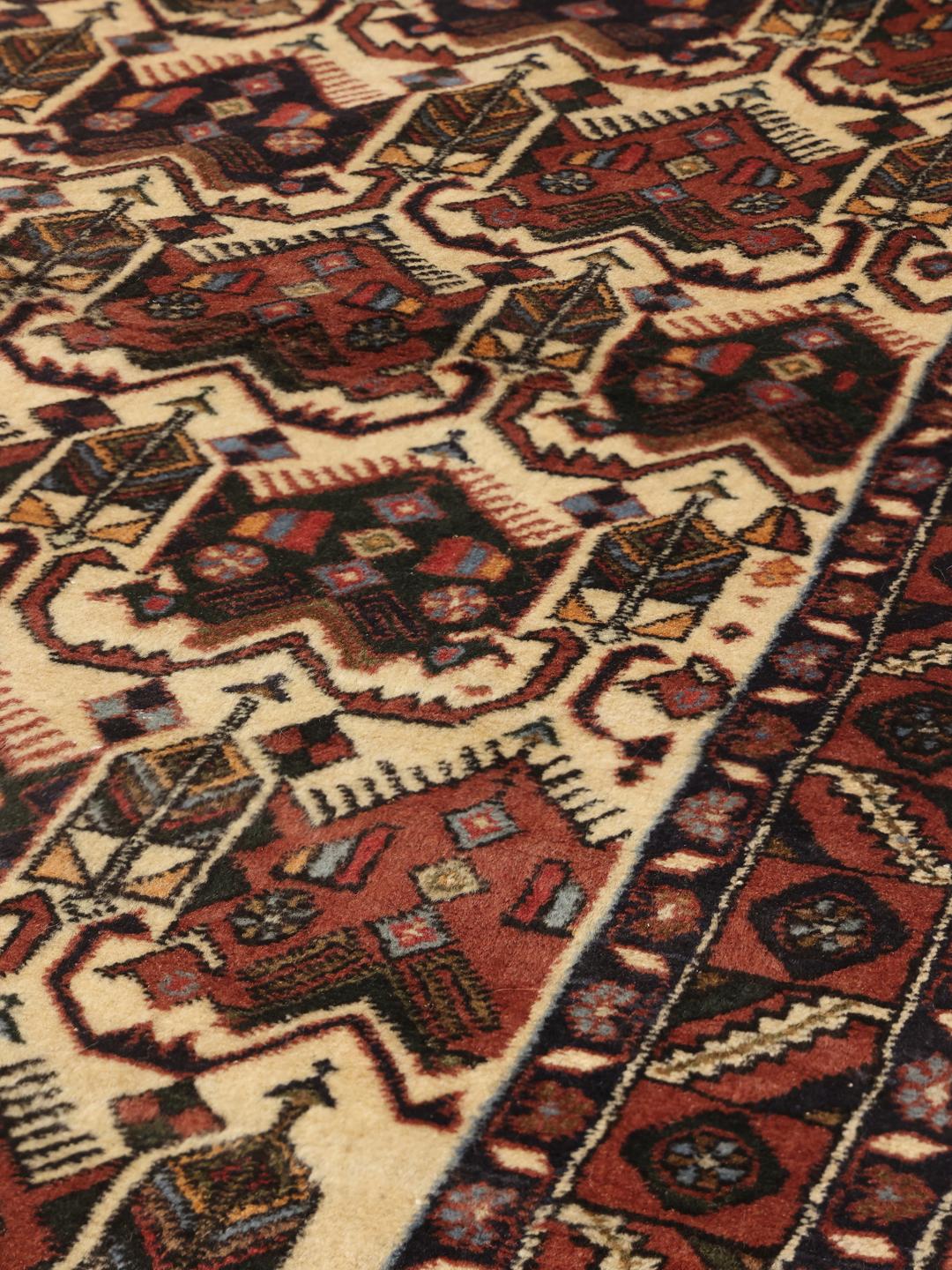
Visually, Afshar rugs are celebrated for their geometric design language. One of the most iconic elements is the use of stylized, repeating floral or medallion motifs that fill the central field with a rhythmic, balanced energy. These patterns are often framed by elaborate, multi-layered borders that demonstrate the weaver's mastery of symmetry. The specific patterns found in this rug tradition serve as a visual shorthand for the tribe's history and aesthetic values, making each piece a narrative of its origin.
These rugs are highly valued by collectors for their authenticity and the human effort behind every thread. Owning an Afshar rug is an opportunity to preserve a piece of living history, as the traditional methods are increasingly rare in a modern, automated world. It is a testament to the skill of the weaver and the endurance of a tradition that prioritises quality, cultural expression, and the creation of objects that bring lasting warmth and character to the home.