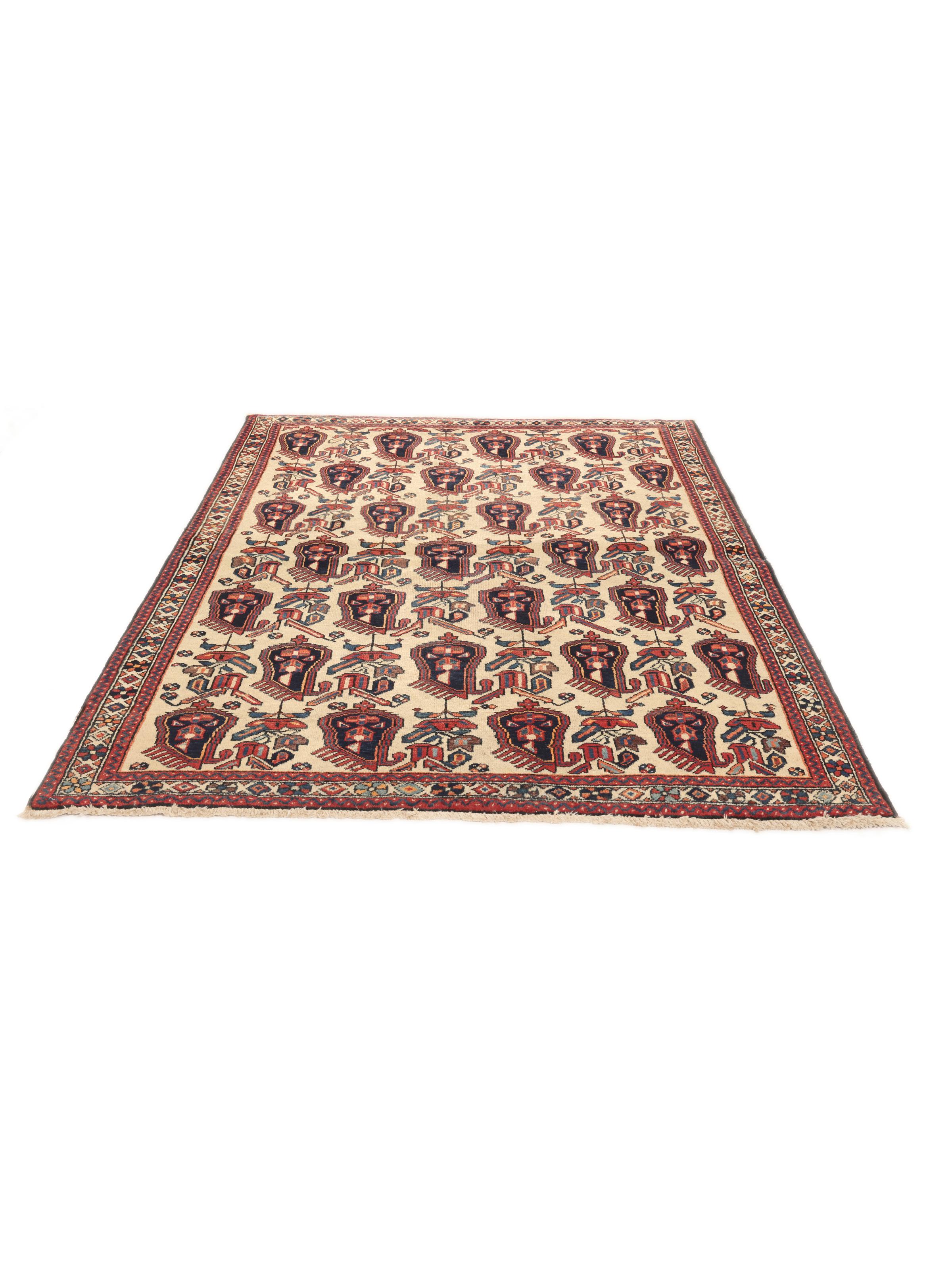
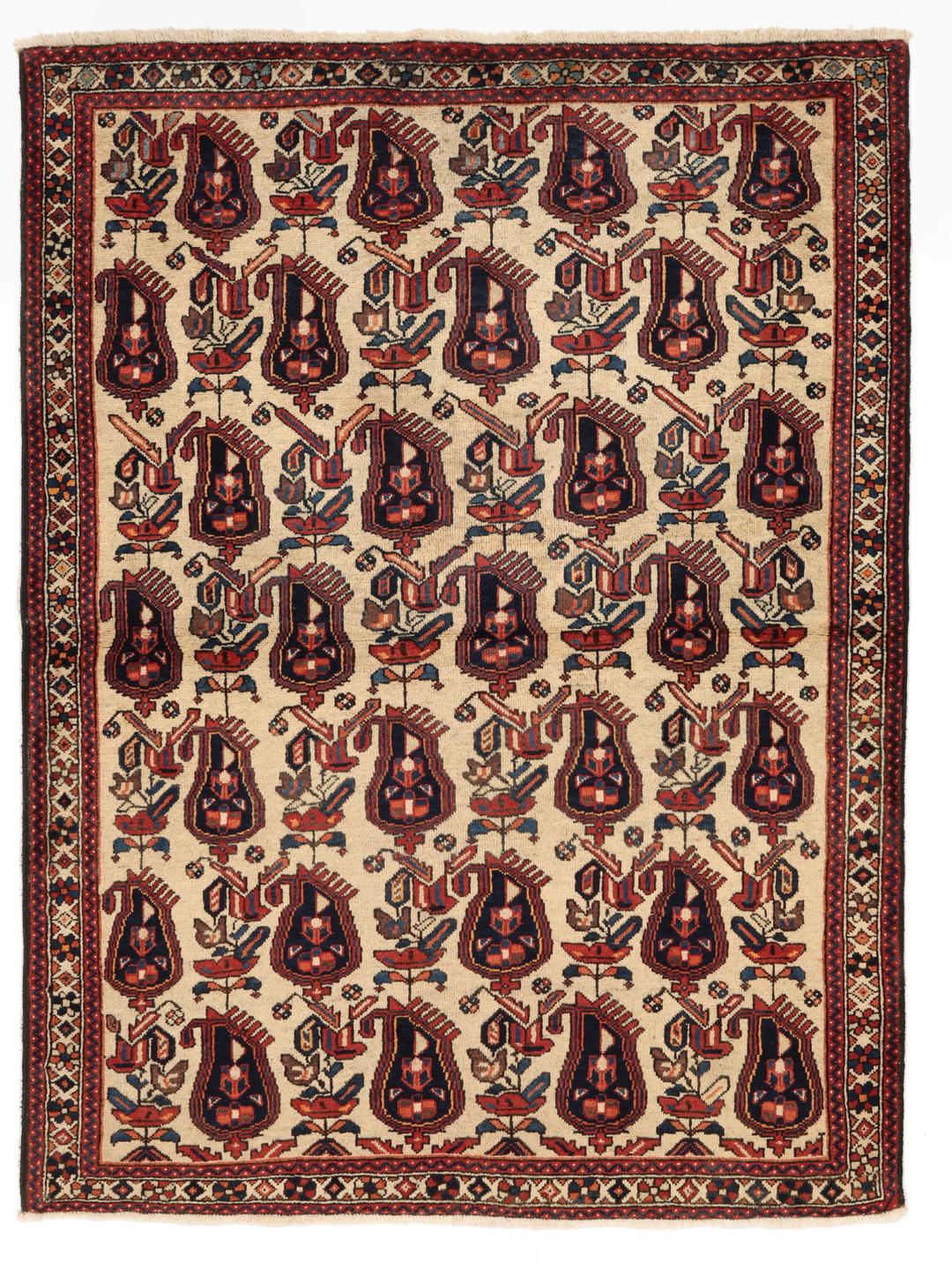
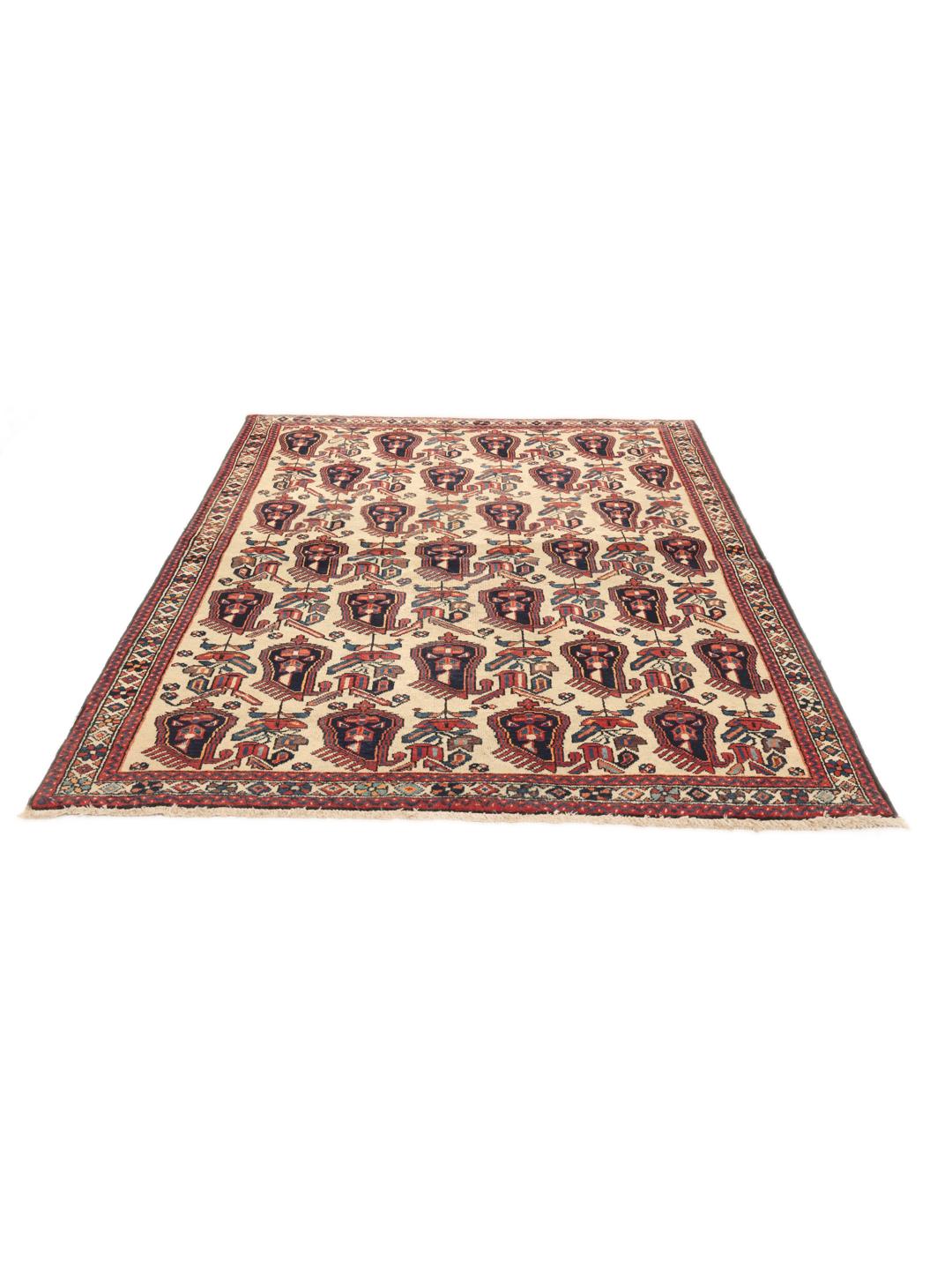
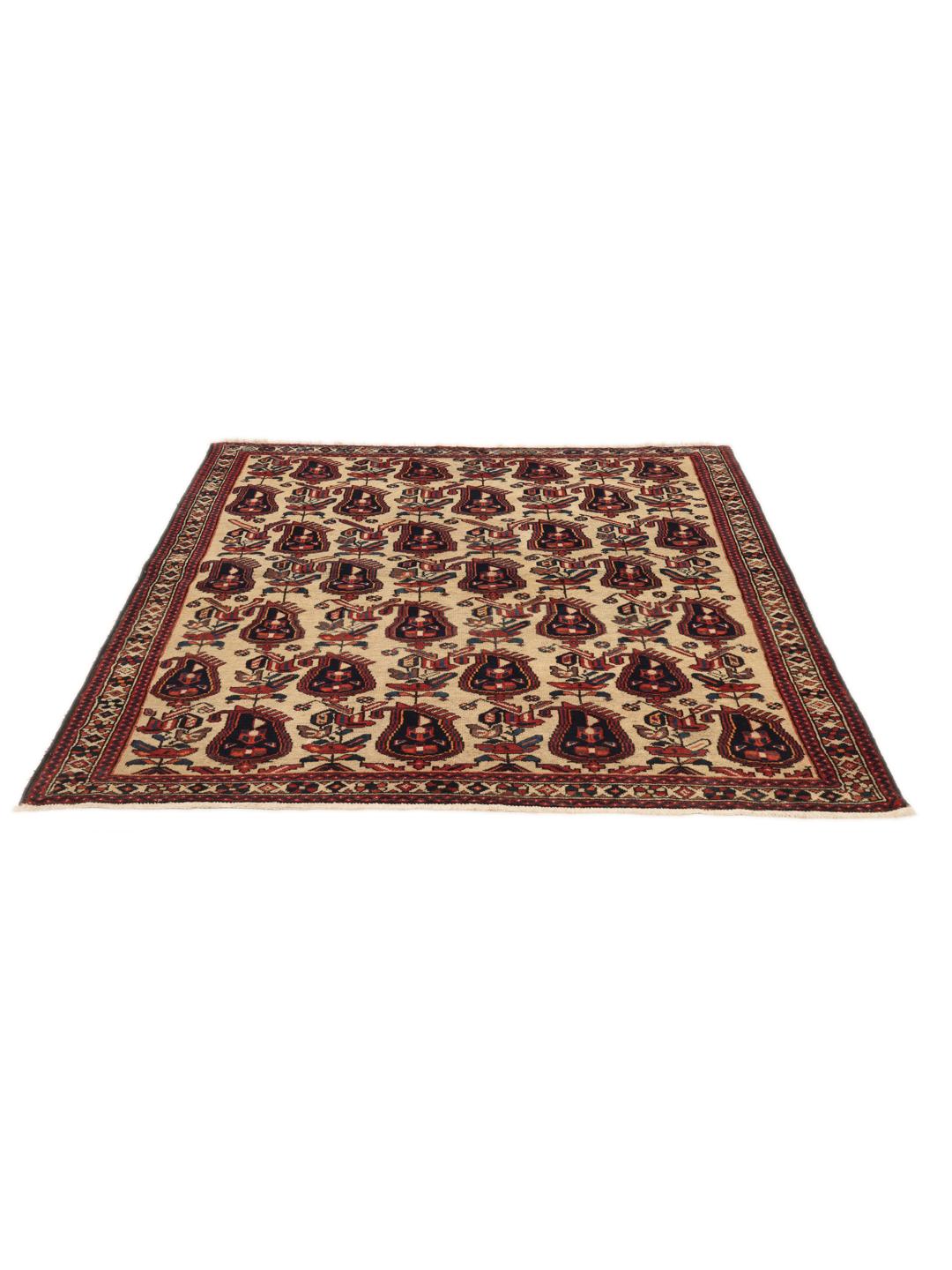
The Afshar tribes, traditionally nomadic people from the Kerman province in the Middle East, have long been celebrated for their distinct and highly recognisable weaving style. These rugs are deeply tied to the Sirjan region, a centre of trade and craft where nomadic traditions intersect with settled village life. Historically, these weavers moved with the seasons, a lifestyle that influenced the compact, durable nature of their textiles.
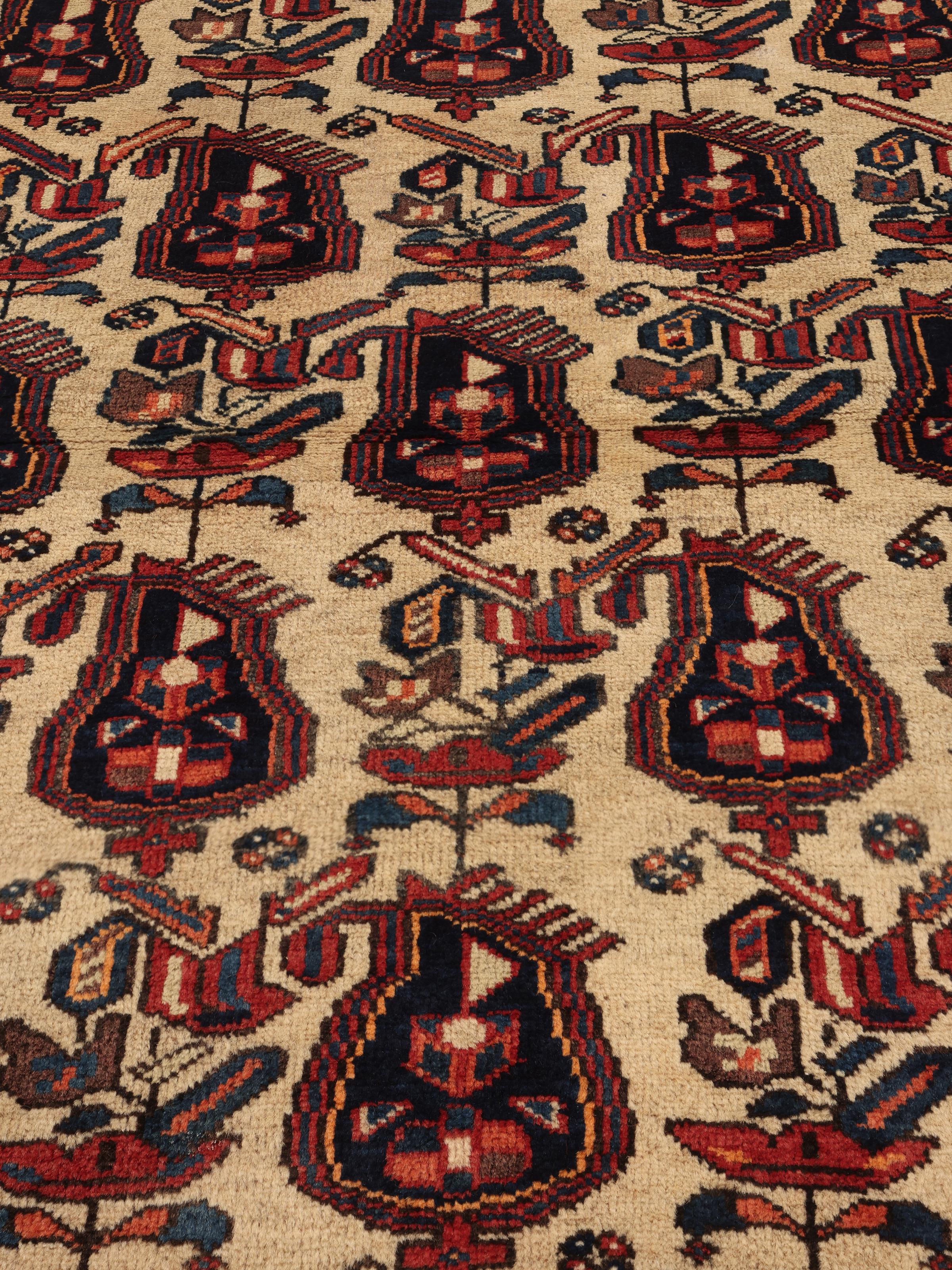
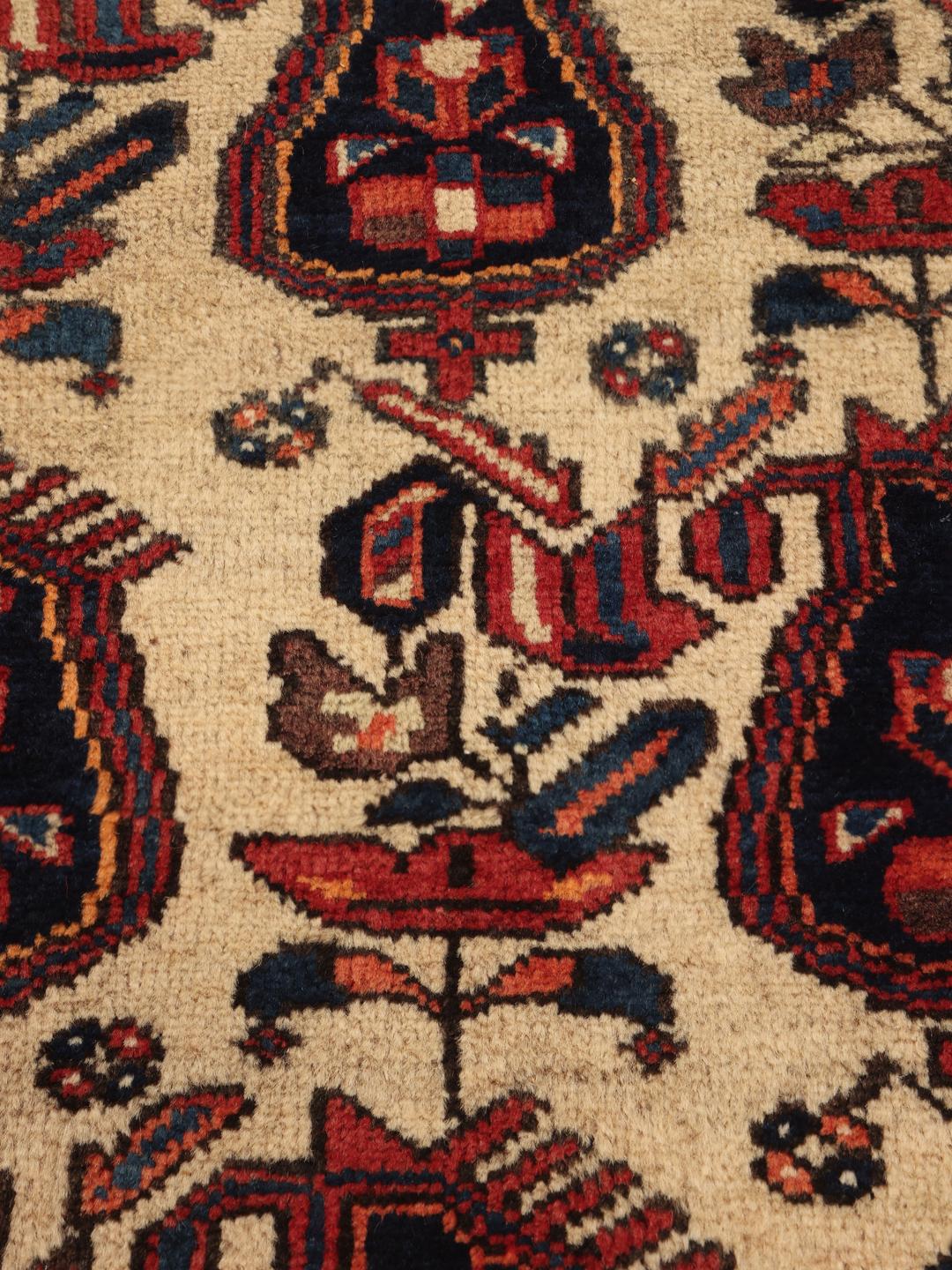
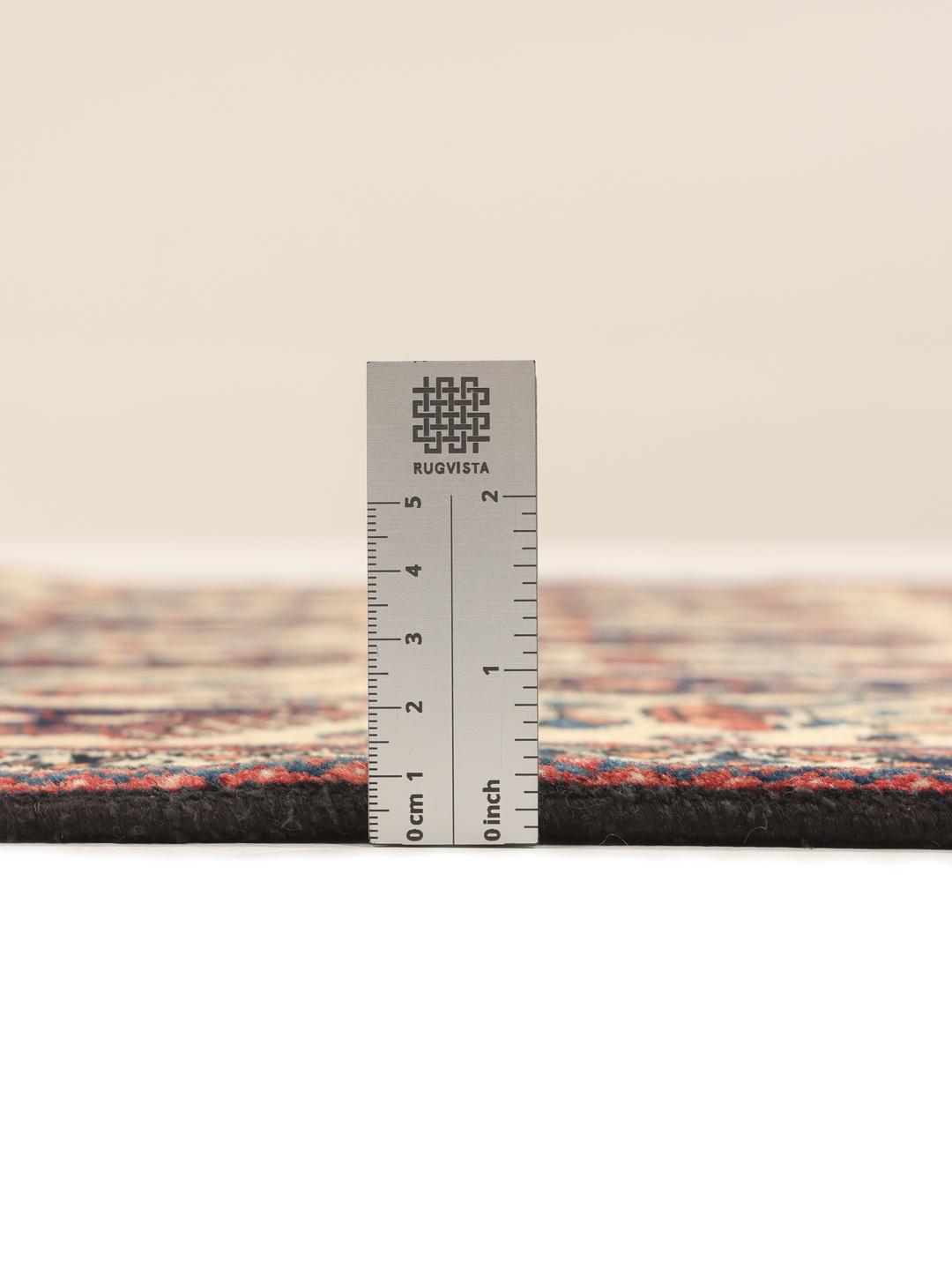
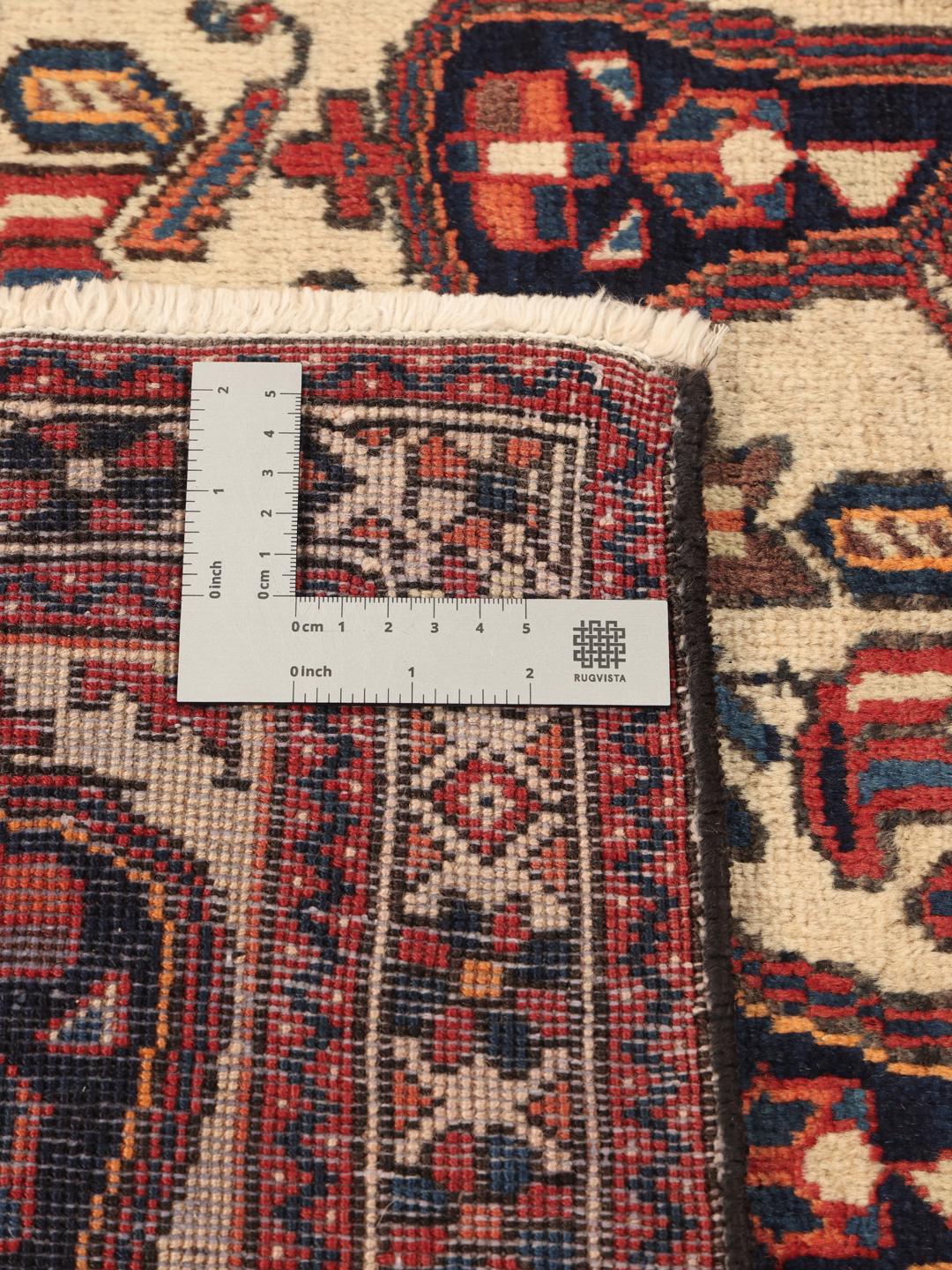
What defines the quality of an Afshar rug is the combination of a cotton foundation and a high-quality wool pile. This construction is intentional; the cotton provides a stable, sturdy base that prevents the rug from stretching, while the wool is prized for its ability to take vibrant, deep dyes. The result is a rug that is both sturdy enough for nomadic travel and elegant enough for a formal home setting.
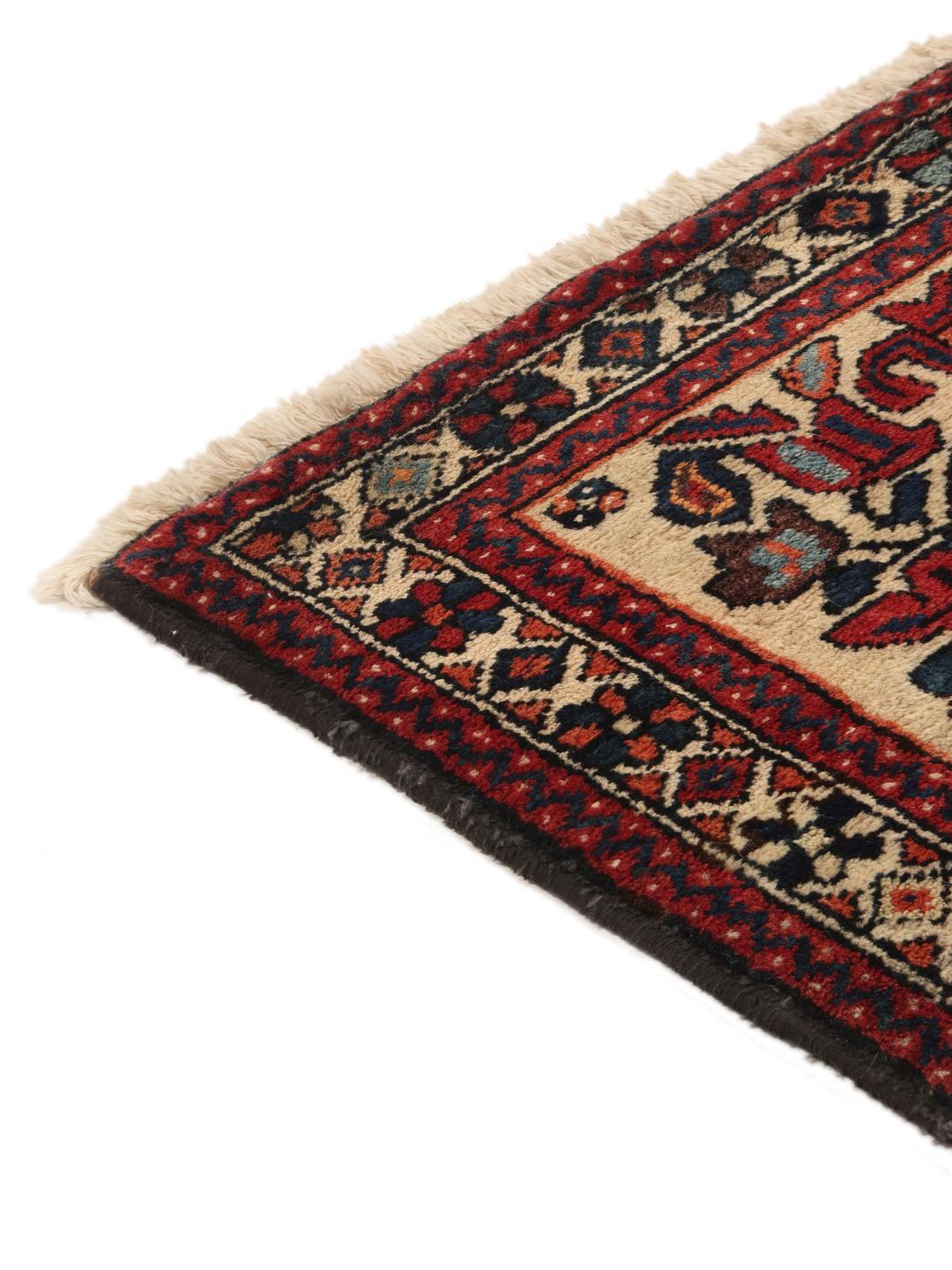
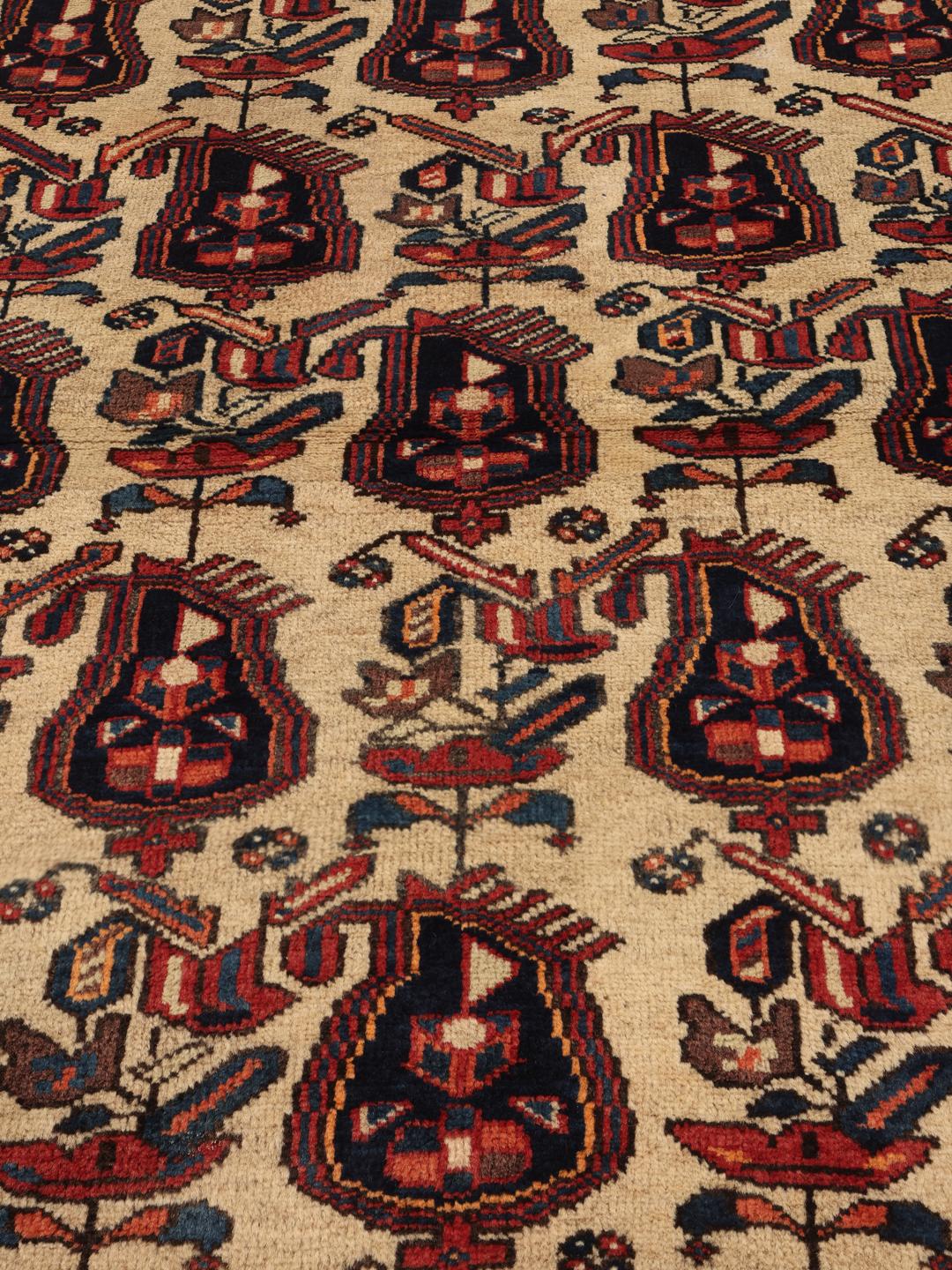
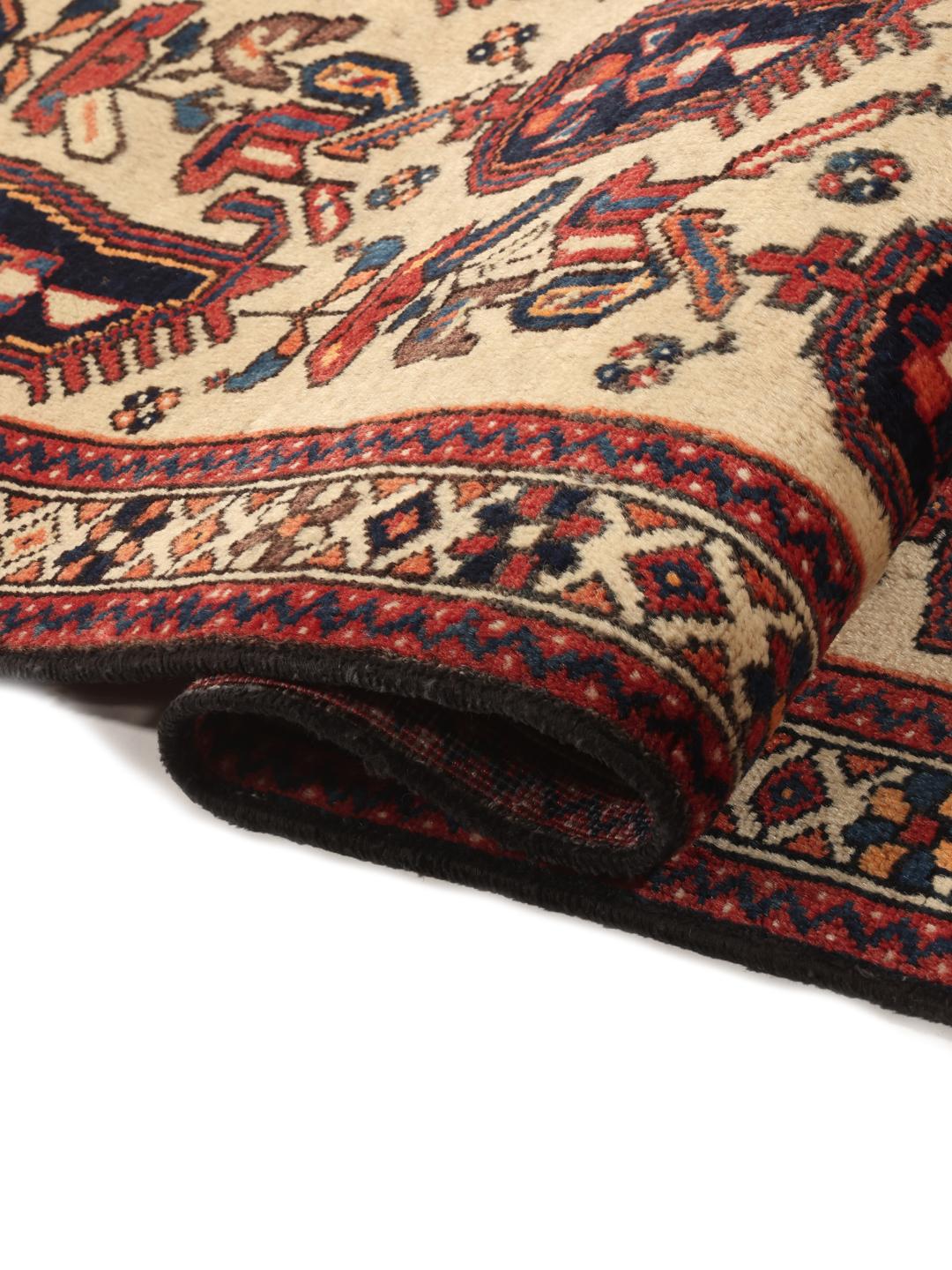
Visually, Afshar rugs are known for their bold, geometric approach to floral motifs. While many rugs from the region feature complex, flowing curves, the Afshar tradition often simplifies these into stylised, repeating patterns that possess a rhythmic, almost architectural quality. The borders often feature intricate, repetitive geometric designs that frame the central field, providing a sense of order and balance that anchors the overall composition.
Owning an Afshar rug is an act of preserving a dying art form. As nomadic lifestyles have shifted toward urban centres, the traditional methods and regional variations of these rugs have become increasingly rare. To collect an Afshar is to value the skill of the hand-weaver and the cultural legacy of a people who have translated their environment and heritage into intricate, knotted stories.