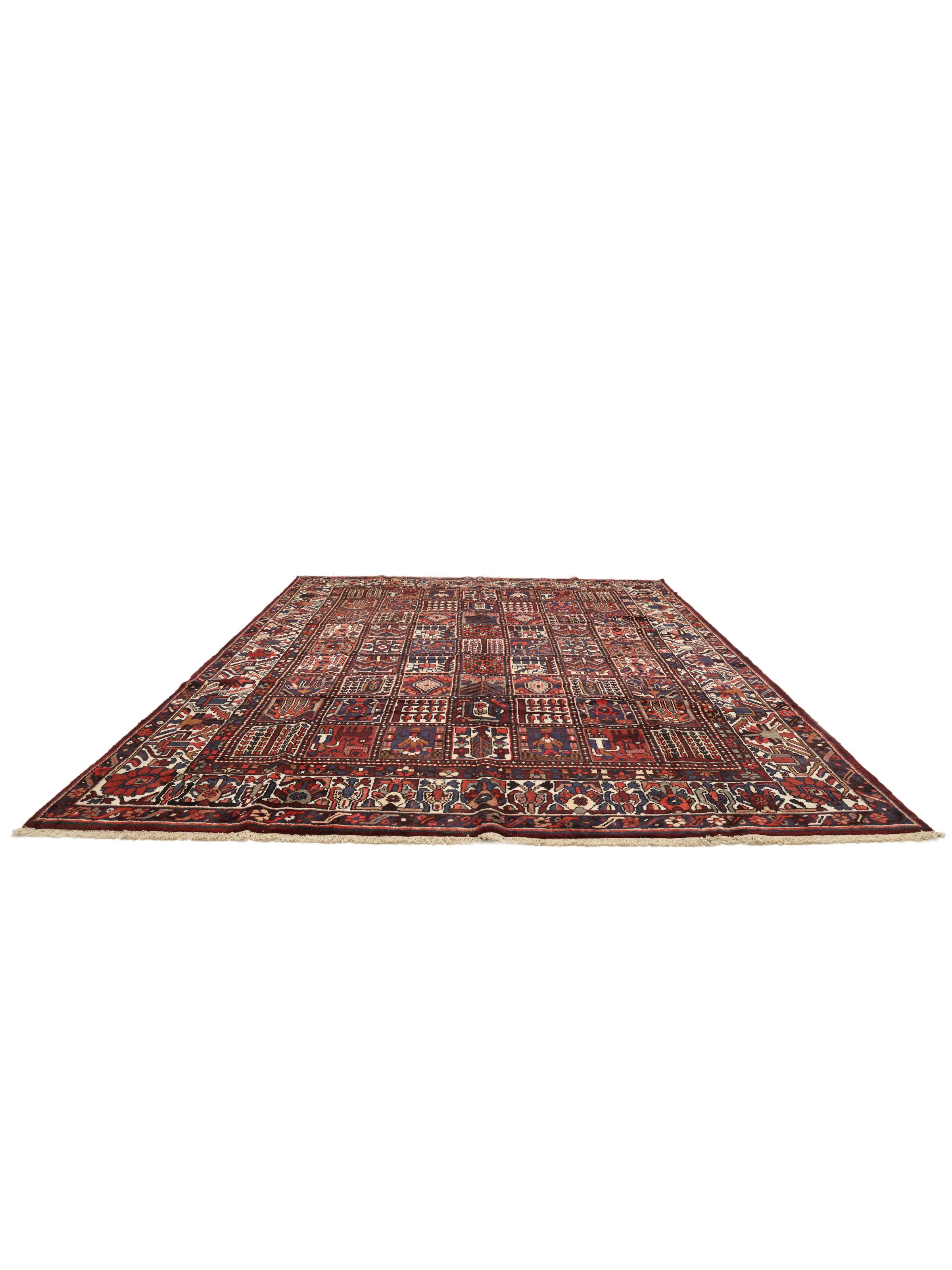
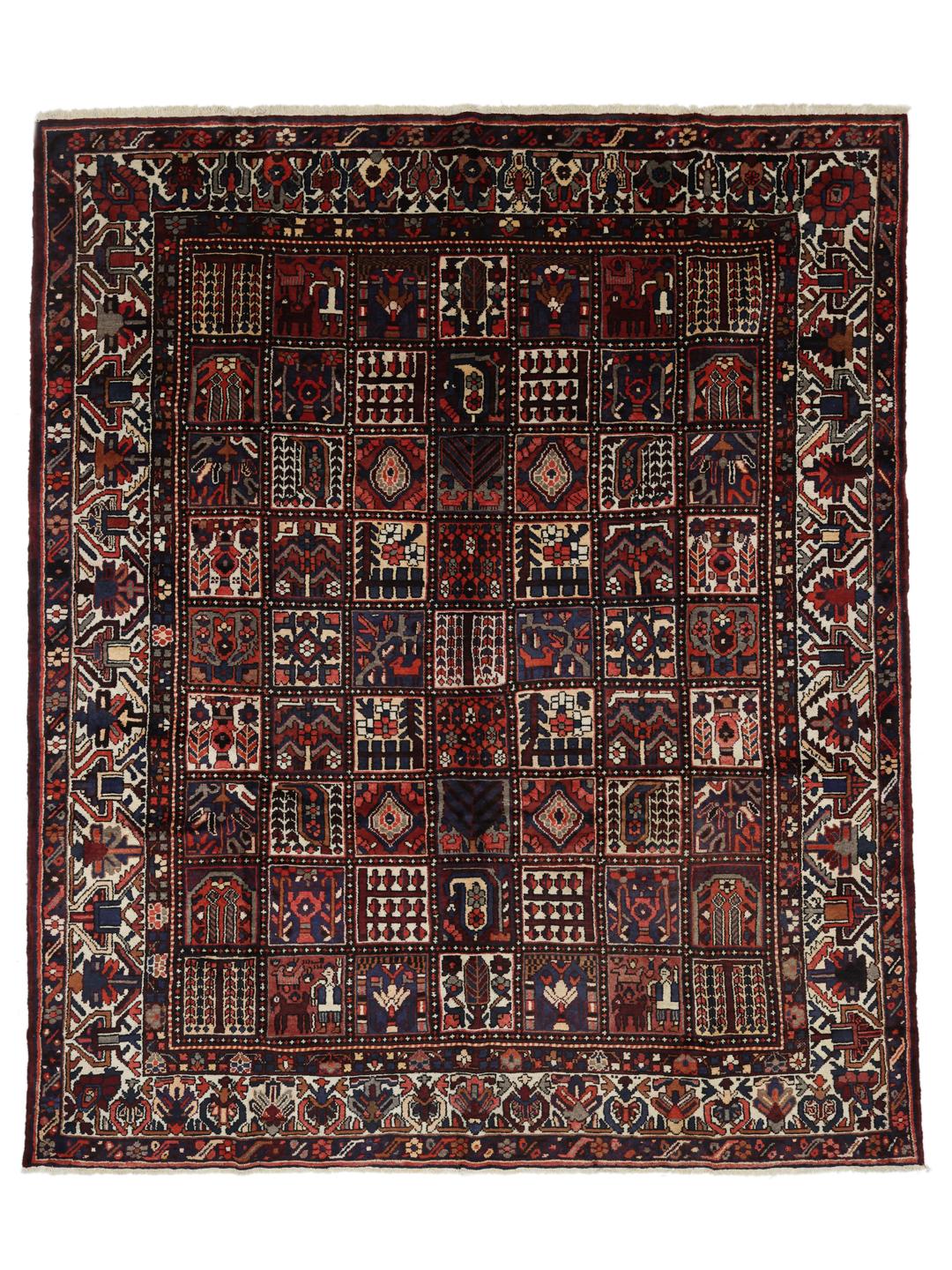
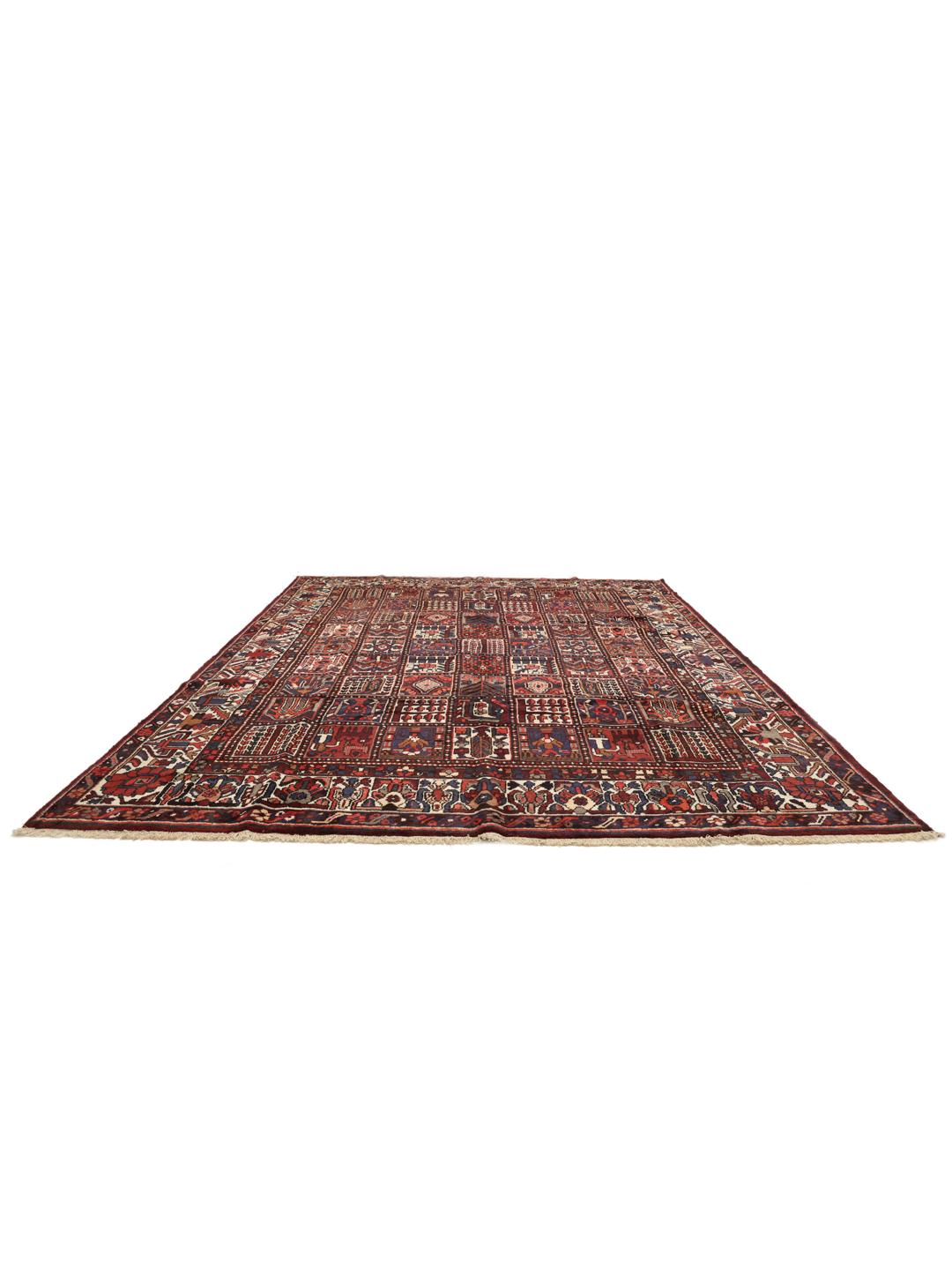
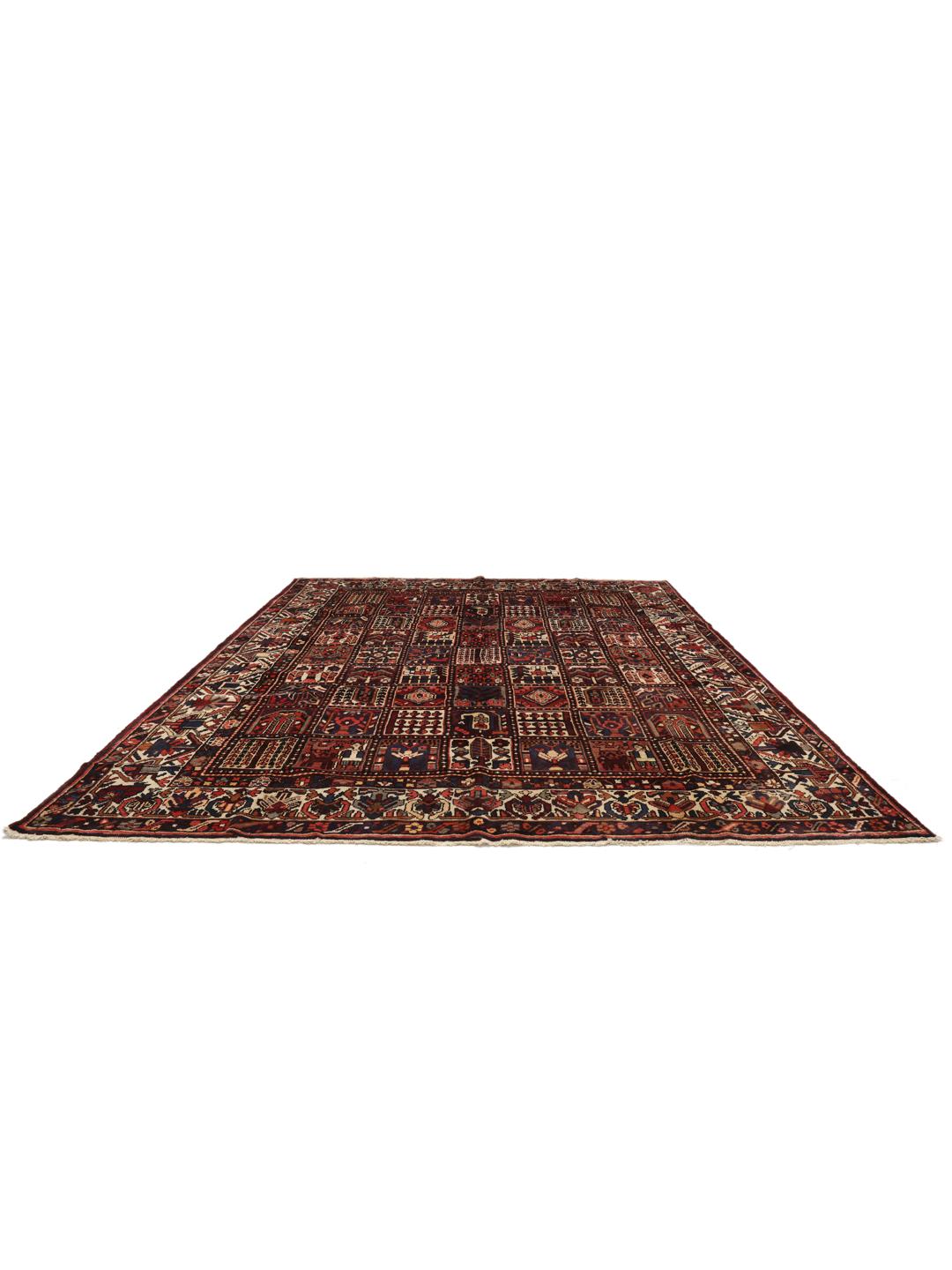
The Bakhtiari rug tradition originates from the mountainous regions of the central Middle East, where the Bakhtiari tribe has practised the art of weaving for centuries. These rugs are deeply connected to the semi-nomadic lifestyle of the region, reflecting the landscapes, gardens, and cultural stories of the tribal people. The evolution of these rugs has seen them transition from functional nomadic necessities to celebrated works of art that are sought after by collectors worldwide.
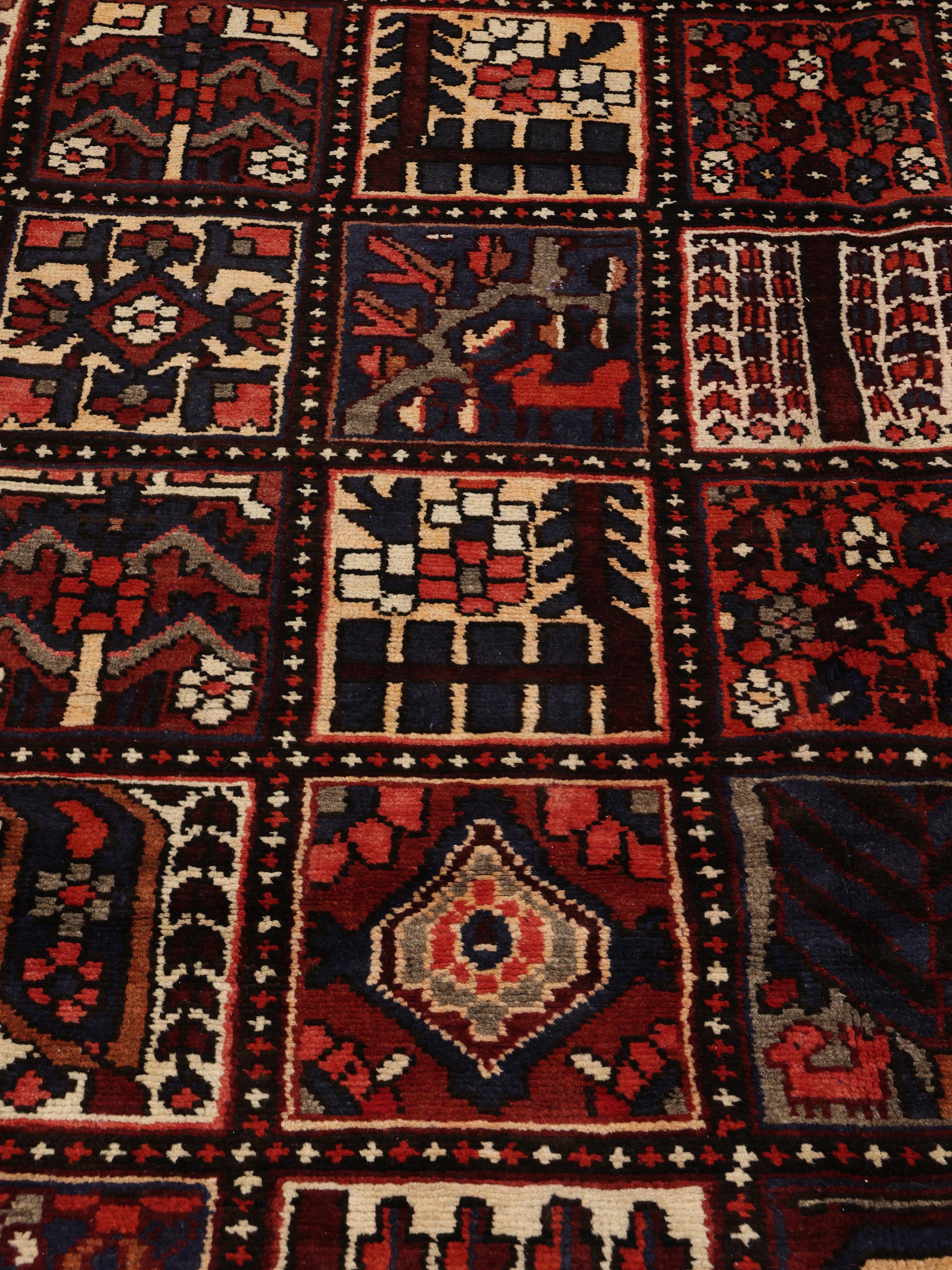
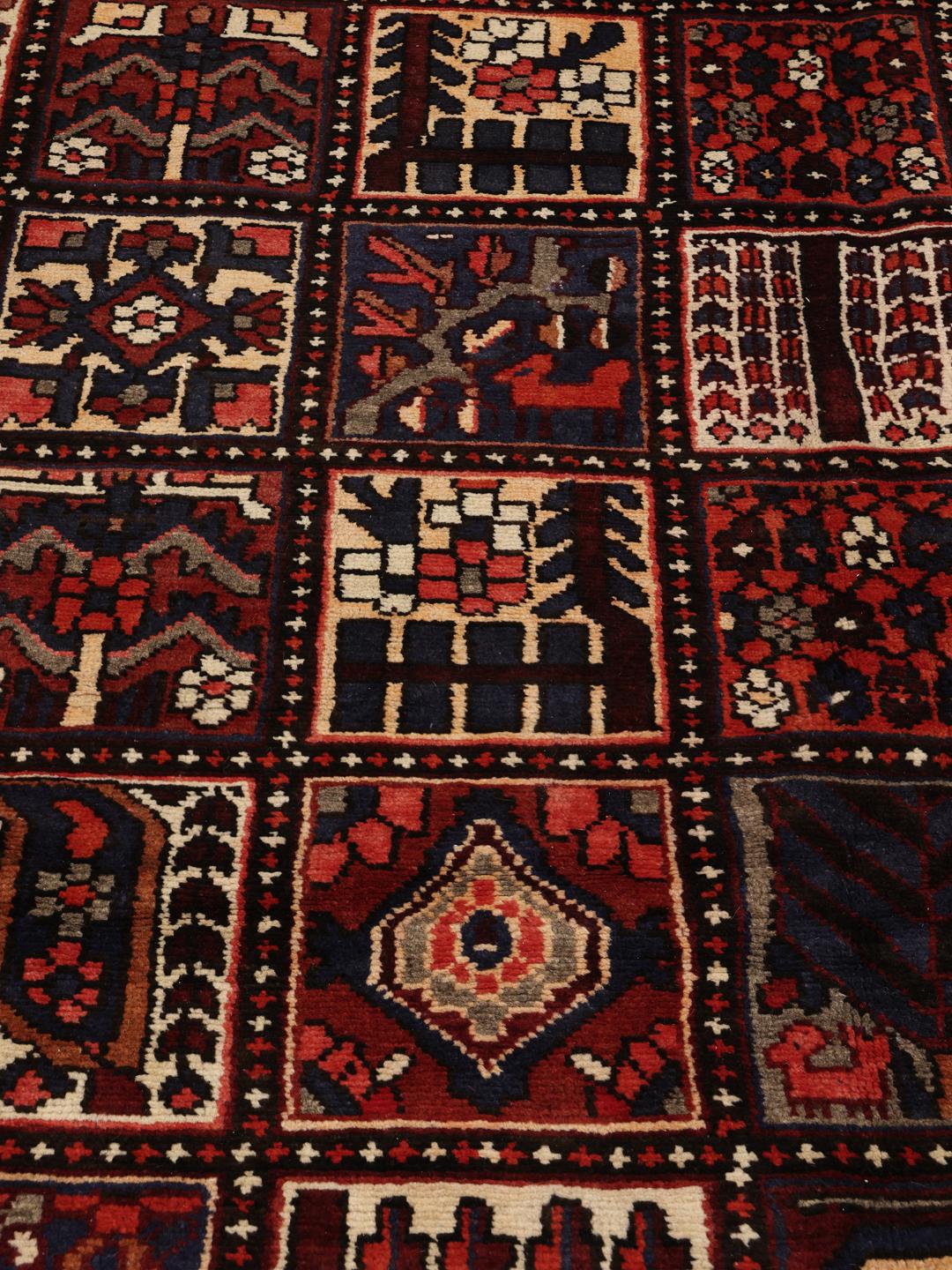
The signature design element of this tradition is the 'khesti' or garden panel motif. This style divides the rug into a grid of distinct squares, each containing its own symbolic representation, such as flowers, trees, or birds. This layout is meant to replicate the layout of a traditional Middle Eastern garden, known as a 'chahar bagh', which is divided into four sections by water channels. This design is not only visually striking but also serves as a canvas for the weaver to display their creativity and mastery of detail.
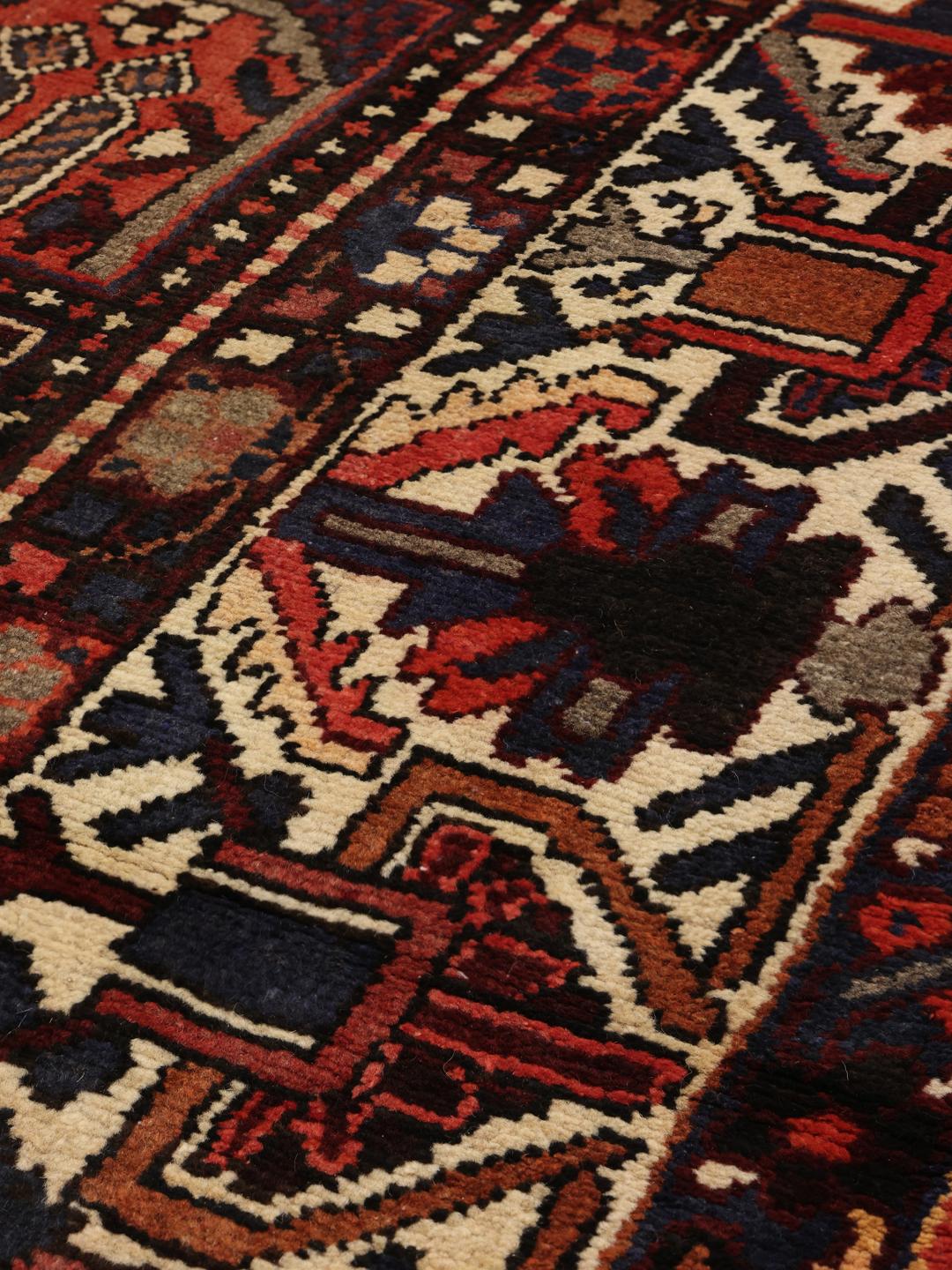
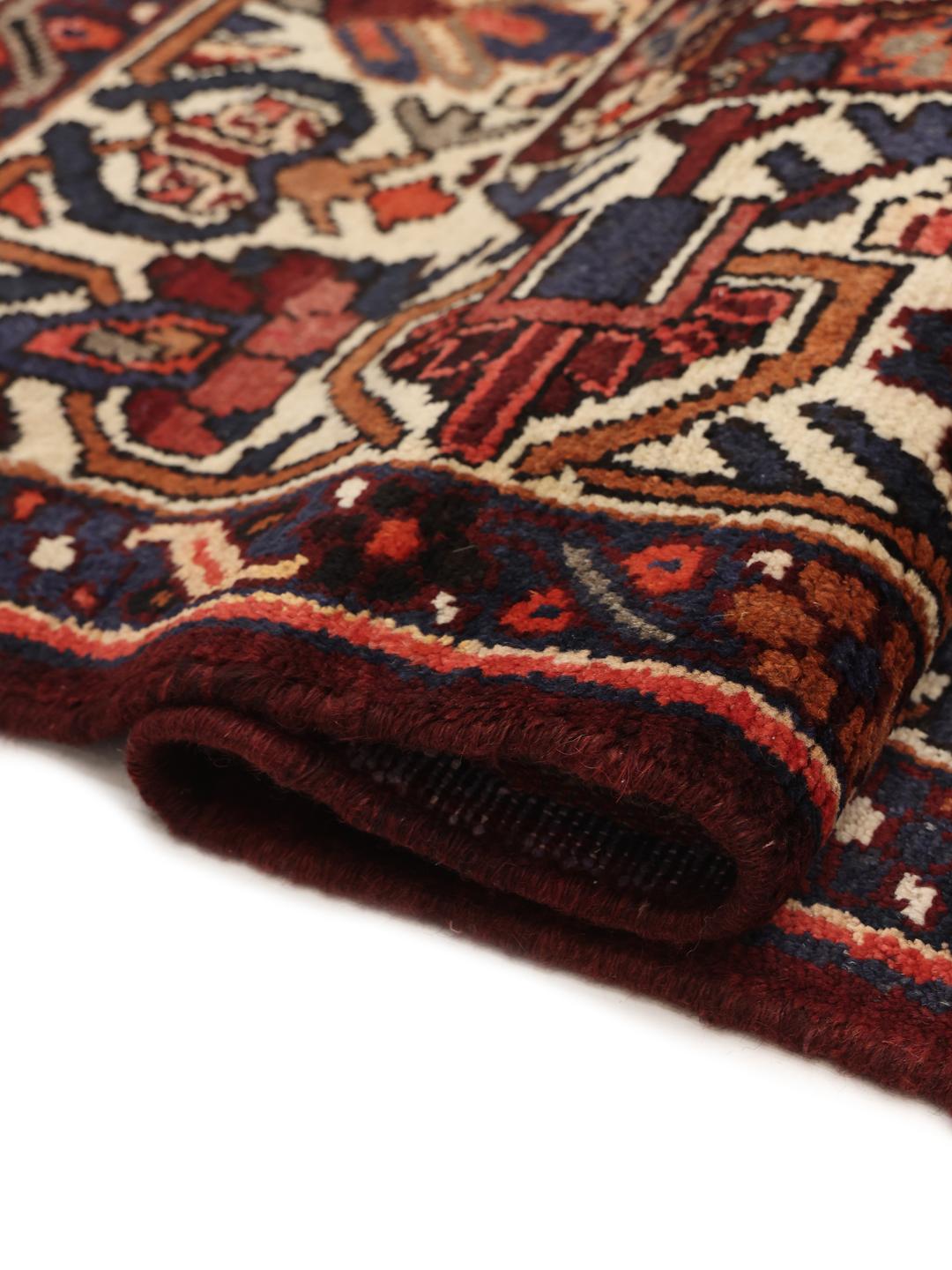
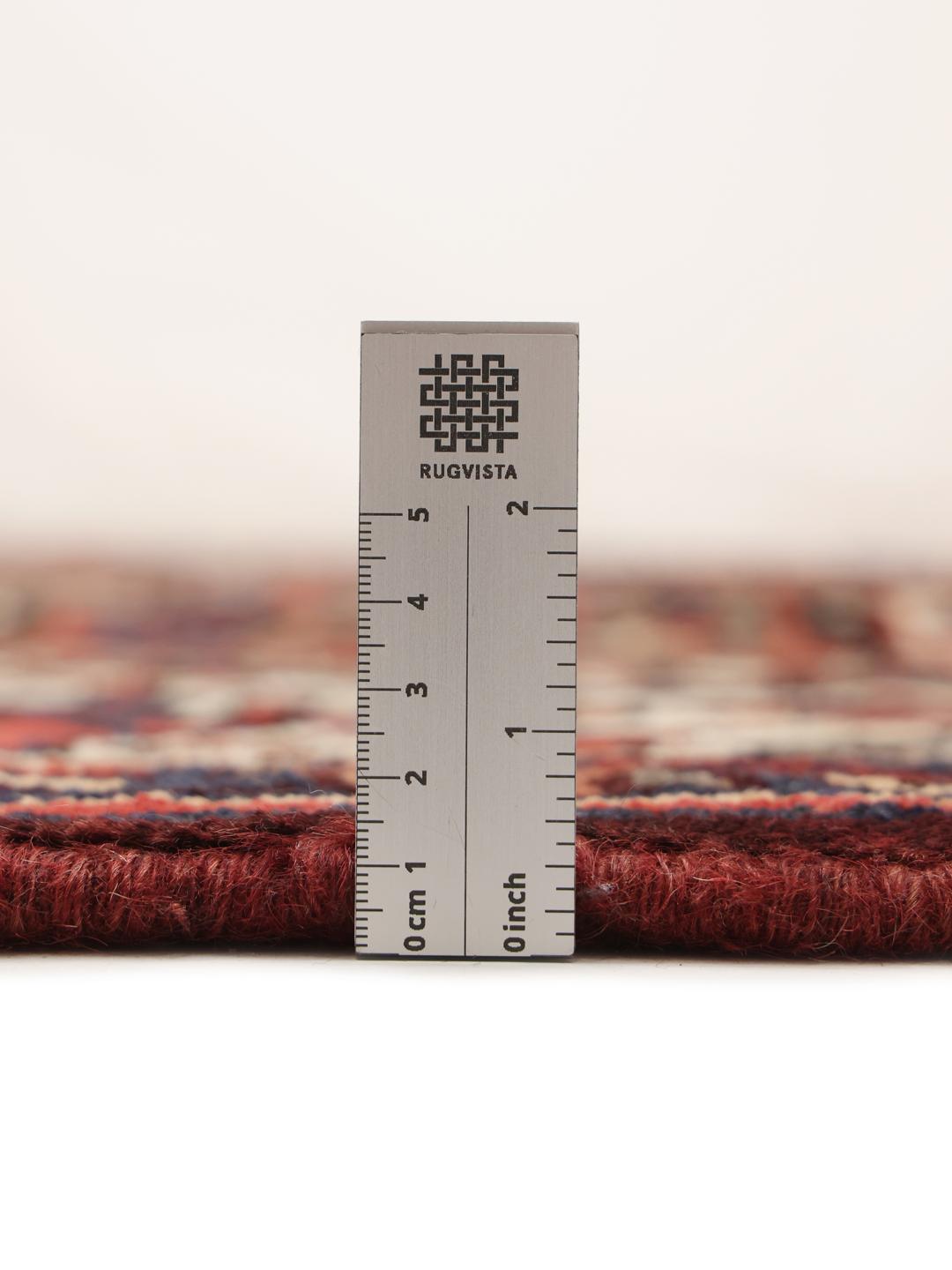
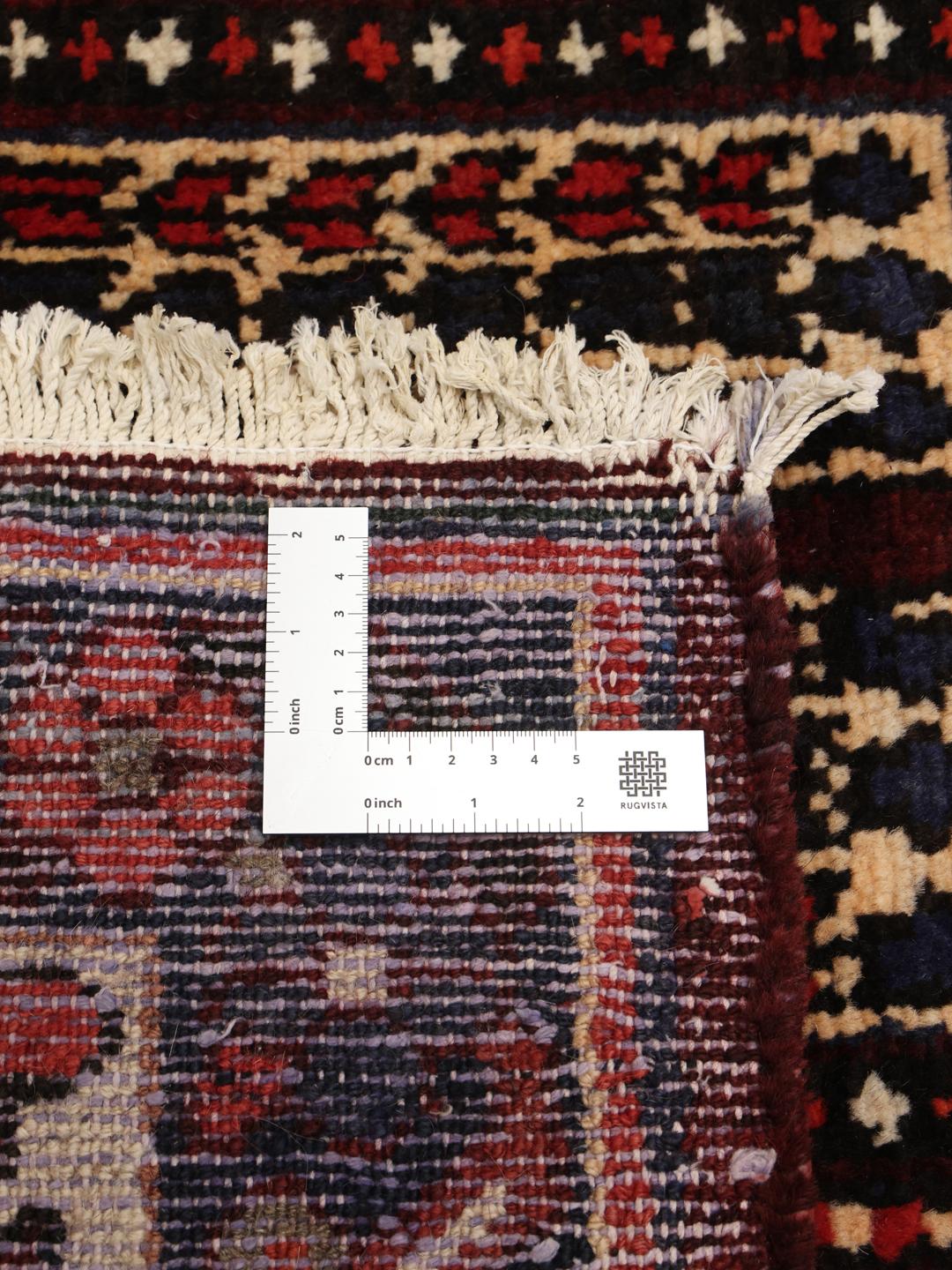
In terms of technical quality, the use of high-quality Wool is central to the Bakhtiari tradition. The Wool is known for being durable and capable of holding rich, deep dyes, which contribute to the rug's longevity and vibrant appearance. The combination of a sturdy foundation and a dense, hand-knotted pile creates a rug that is built to last, often serving as a family heirloom that gains character and beauty with age.
Owning a Bakhtiari rug is a way to connect with a long-standing tradition of skill and regional heritage. These rugs are valued for their complexity, the time-intensive nature of their production, and the cultural narrative woven into every panel. When you choose a piece from this tradition, you are acquiring more than just a floor covering; you are securing a piece of history that embodies the patience and artistic vision of its makers.