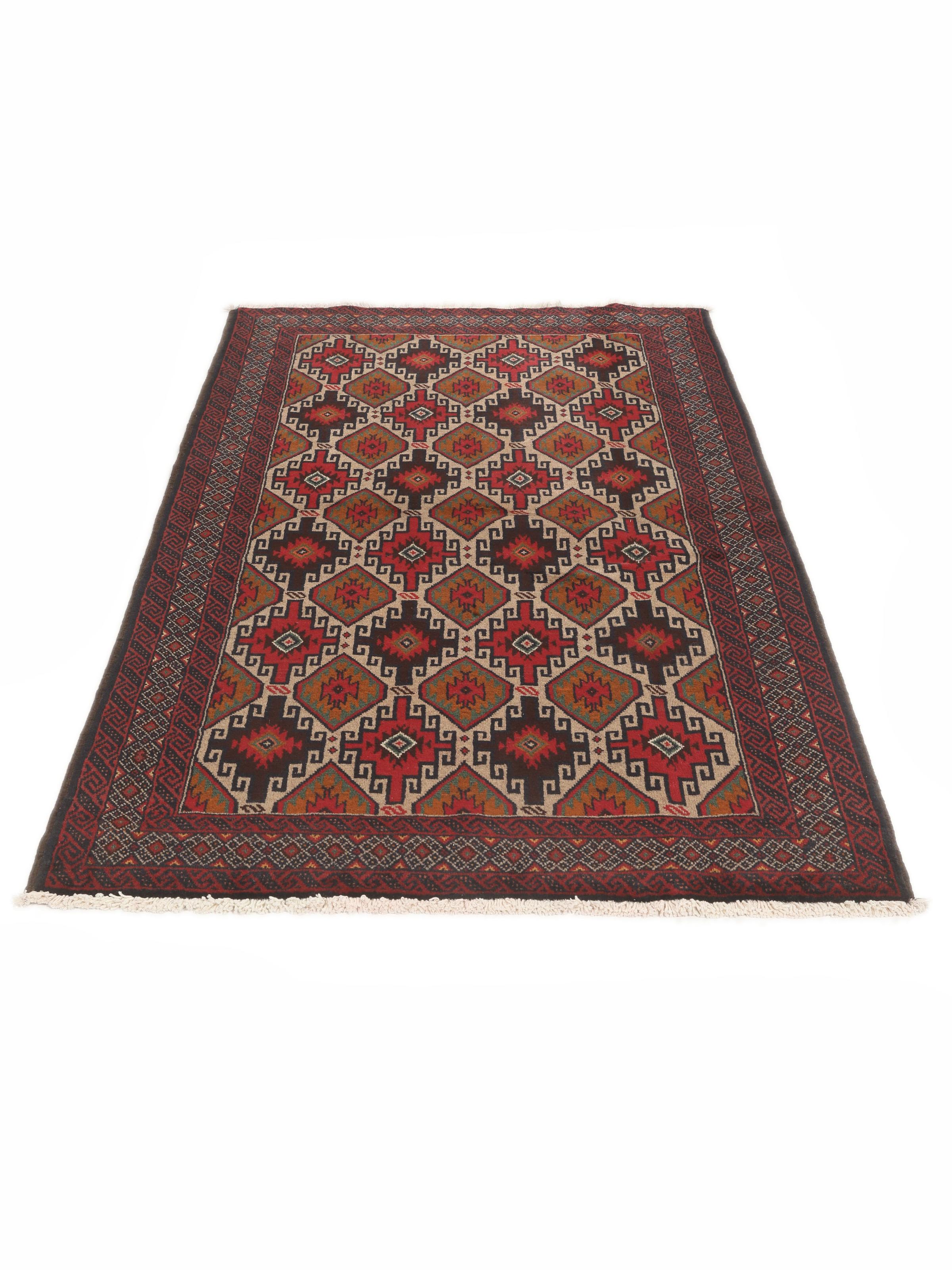
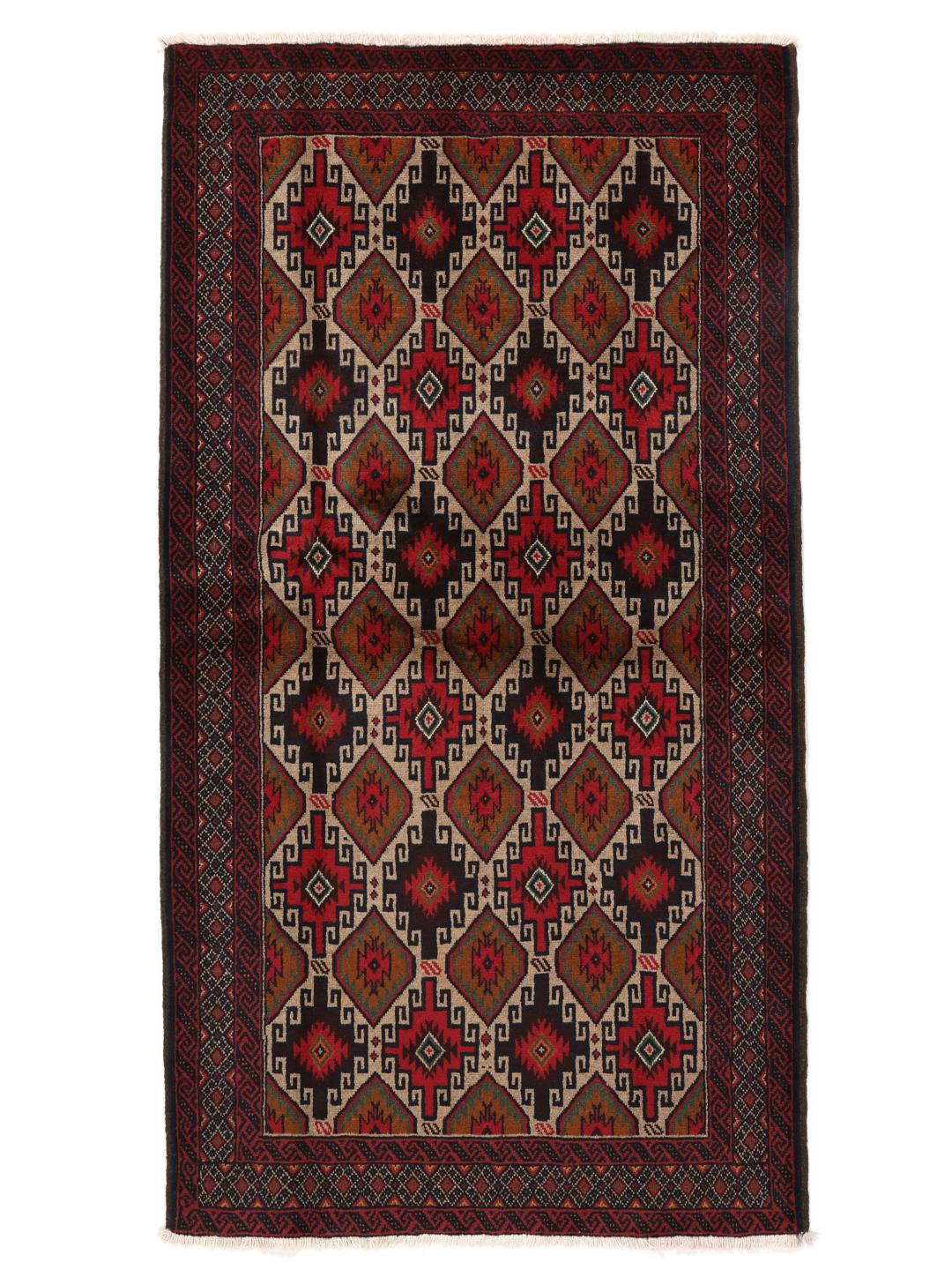
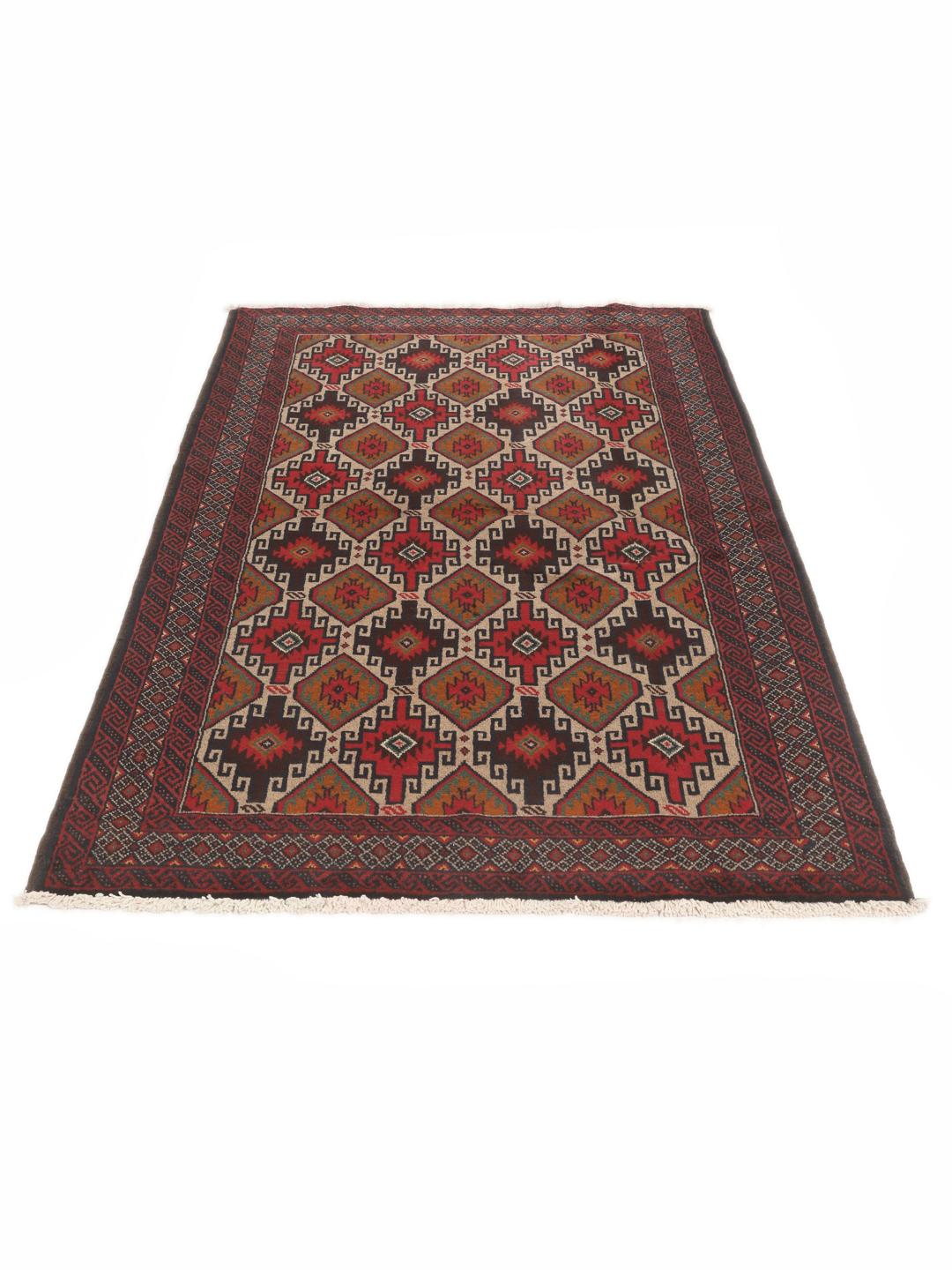
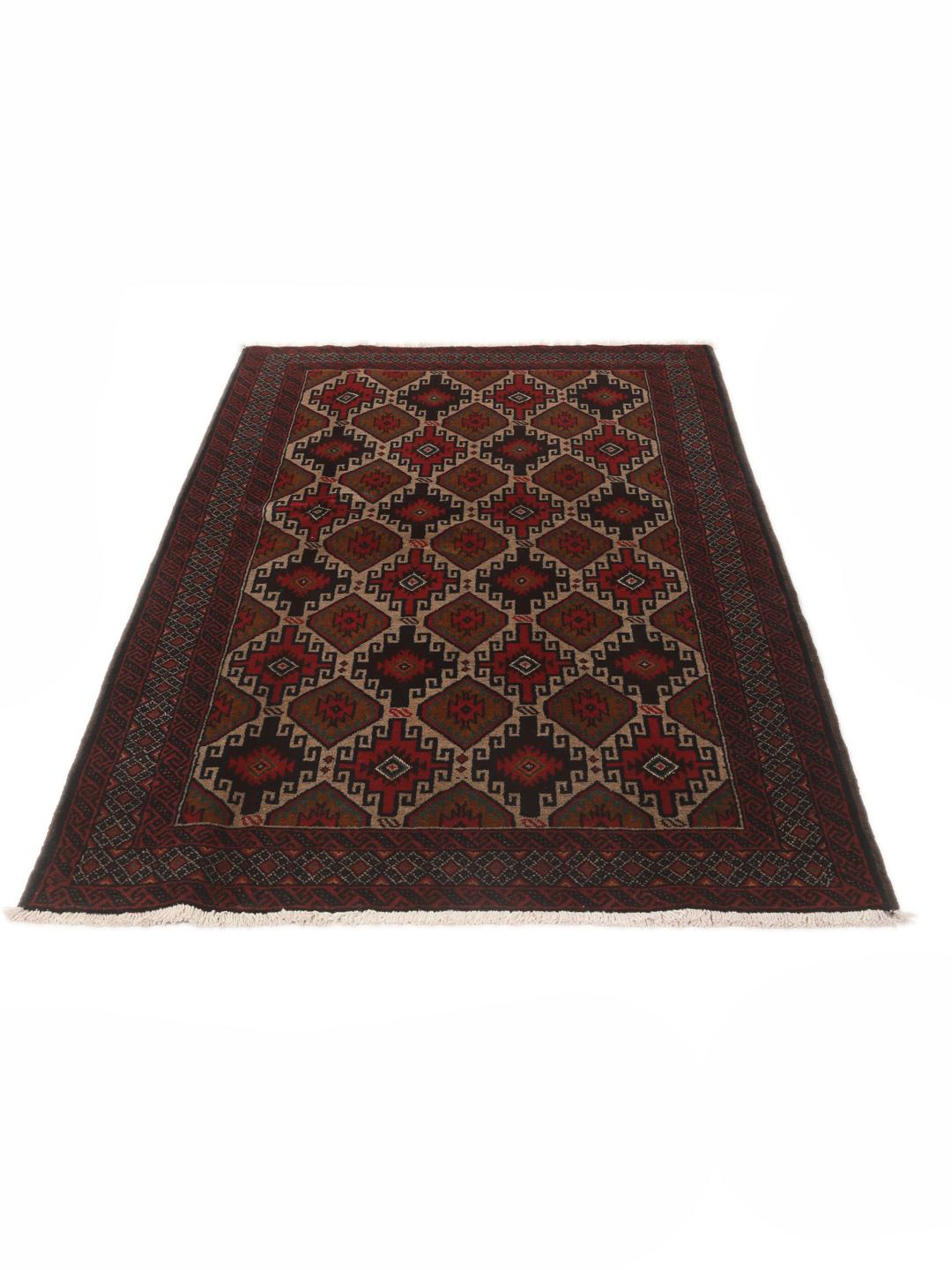
Baluch rugs originate from the nomadic and semi-nomadic tribes residing in the border regions between the Middle East, Afghanistan, and Pakistan. These weavers have a long-standing tradition of creating textiles that reflect their environment and cultural identity, often using local Wool that is prized for its soft texture and natural lustre. The history of these rugs is intertwined with the lifestyle of the Baluch people, who have historically travelled across vast landscapes, carrying their weaving looms and techniques with them.
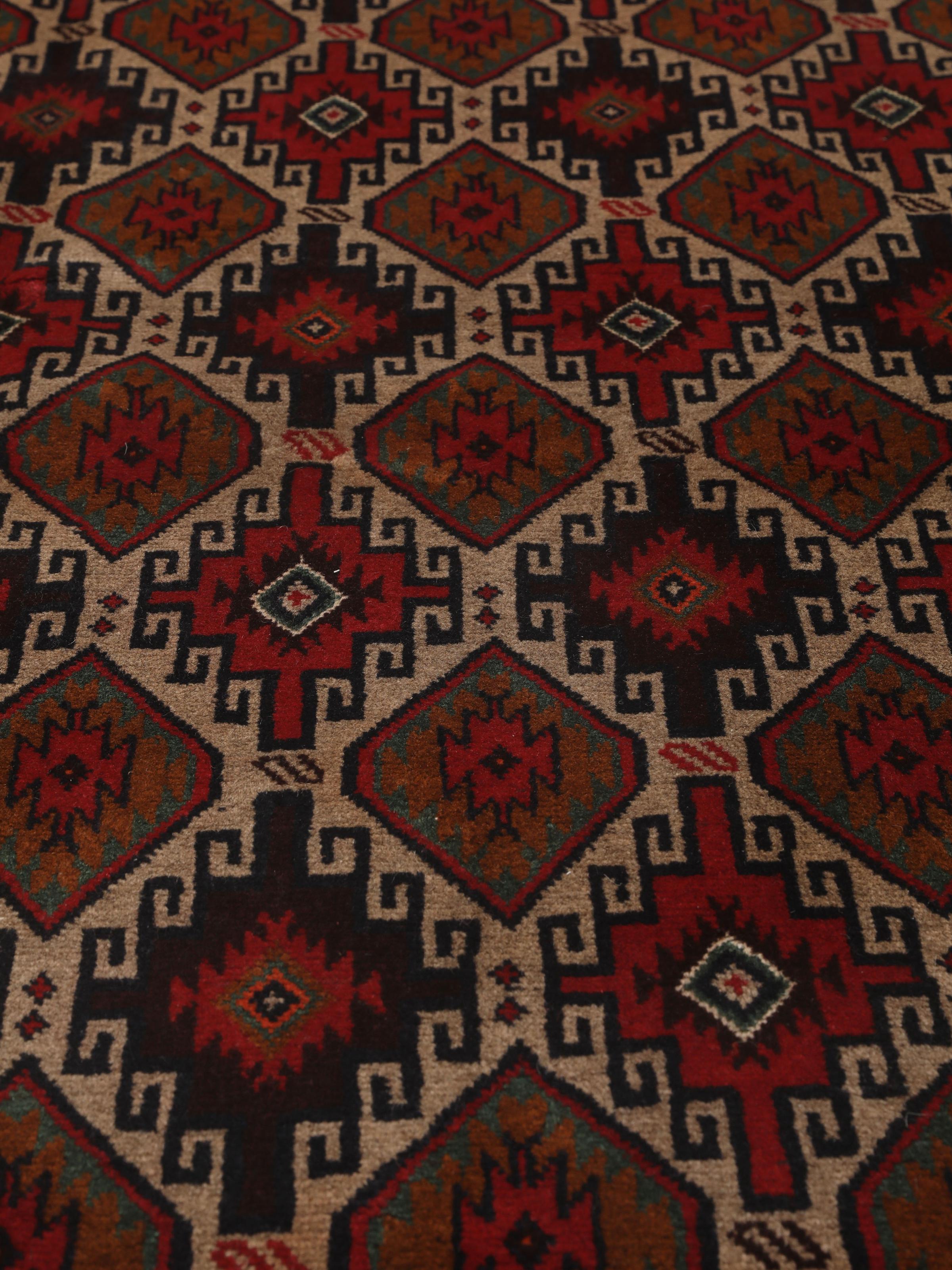
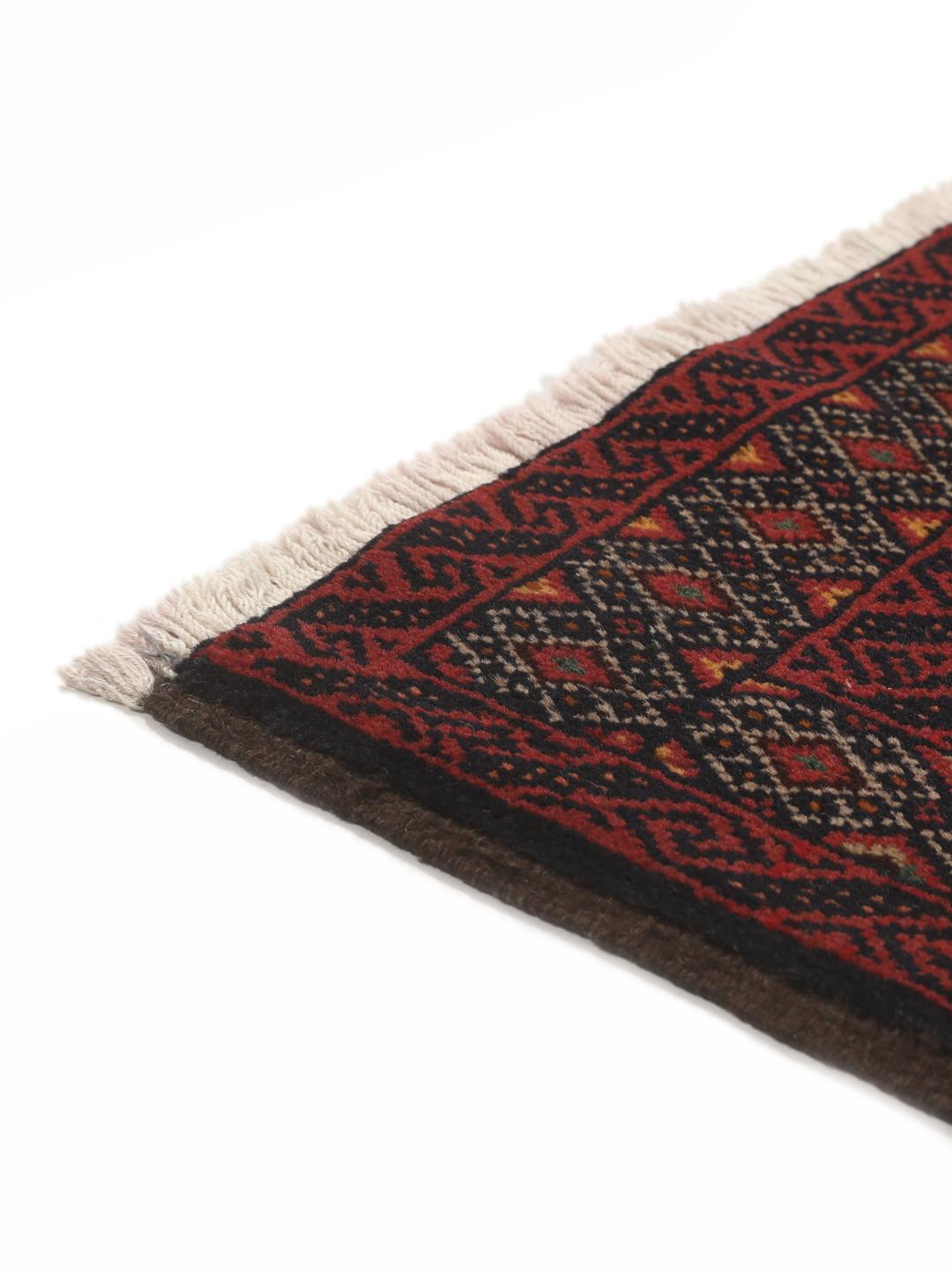
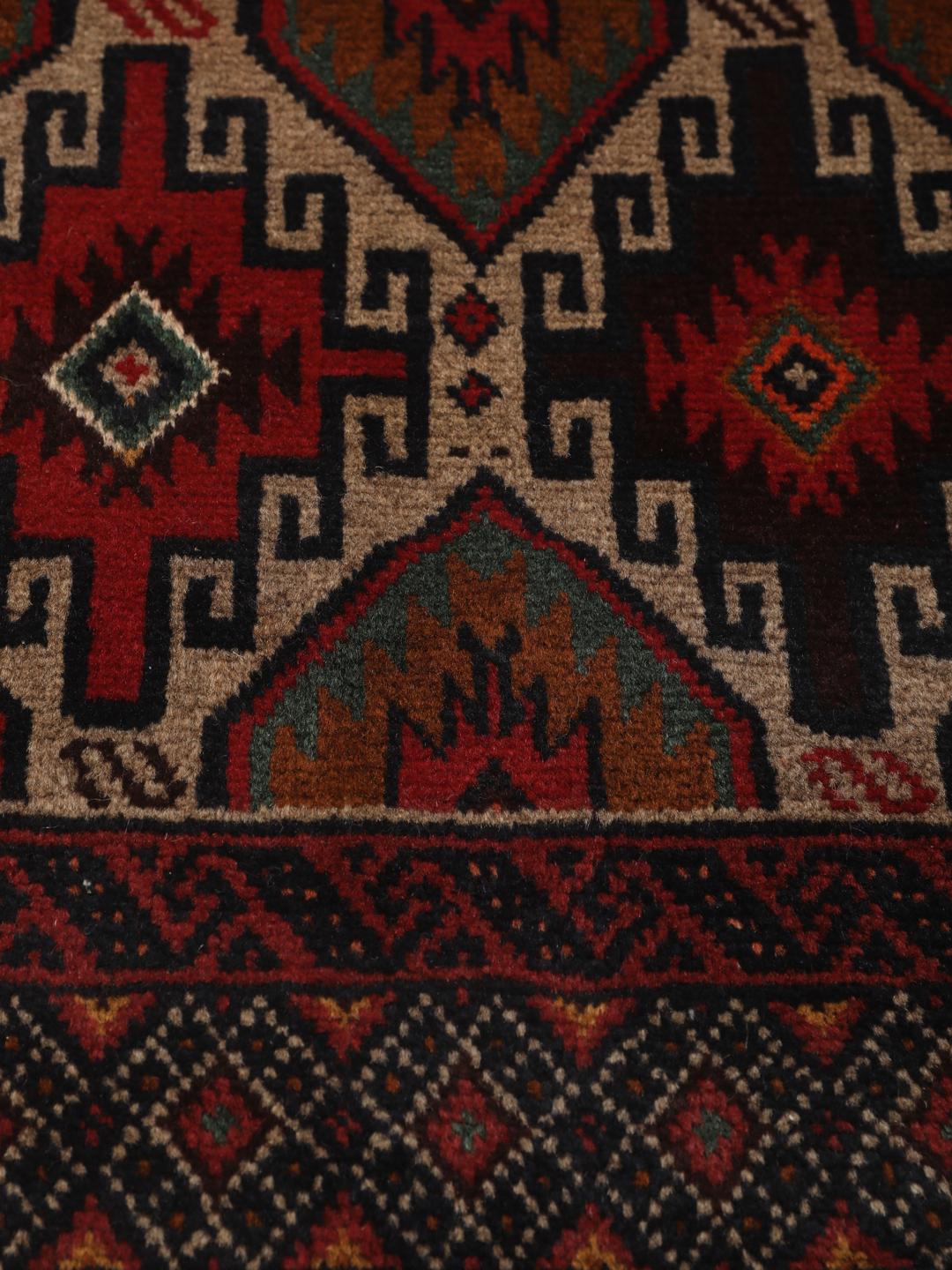
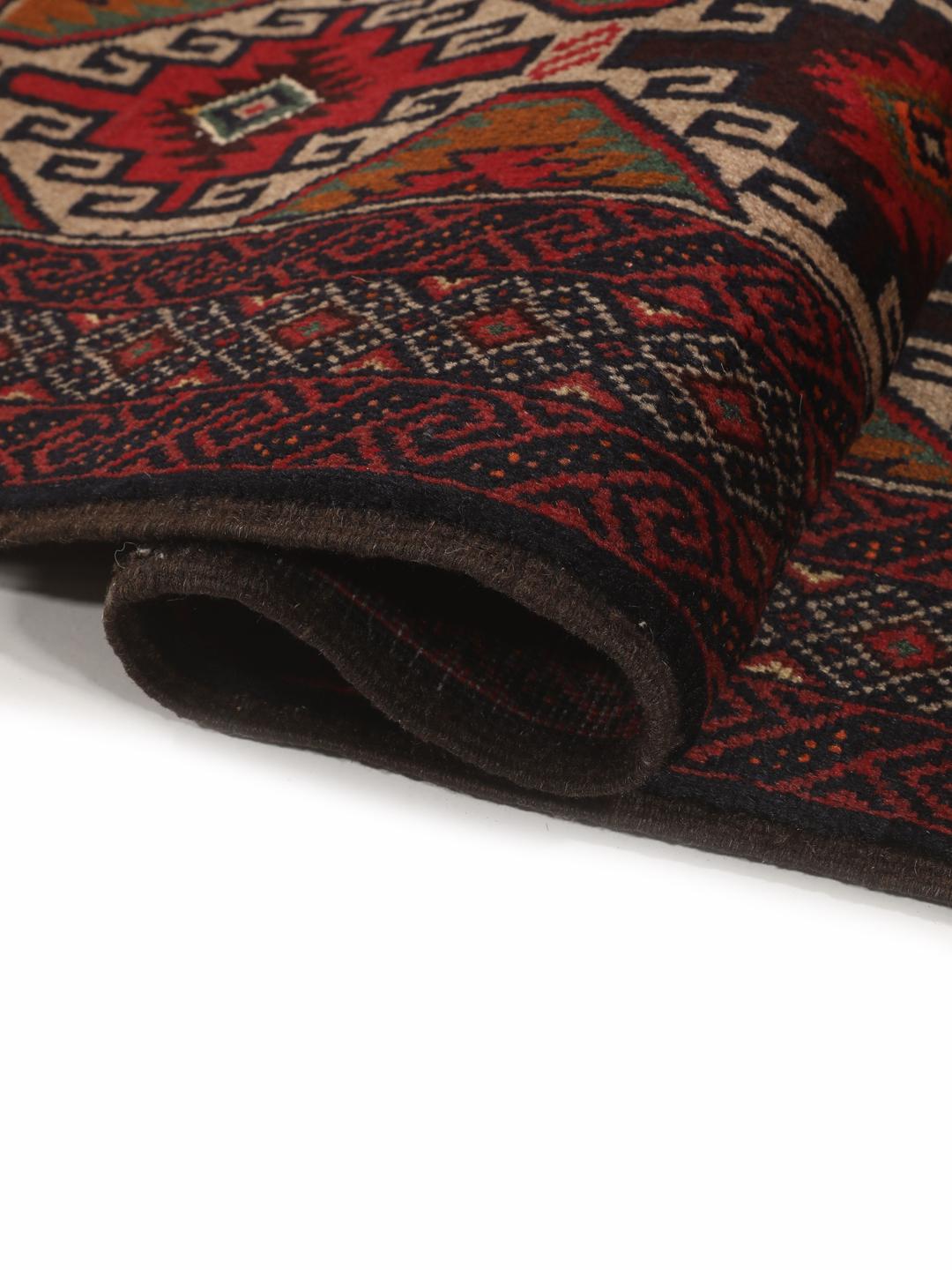
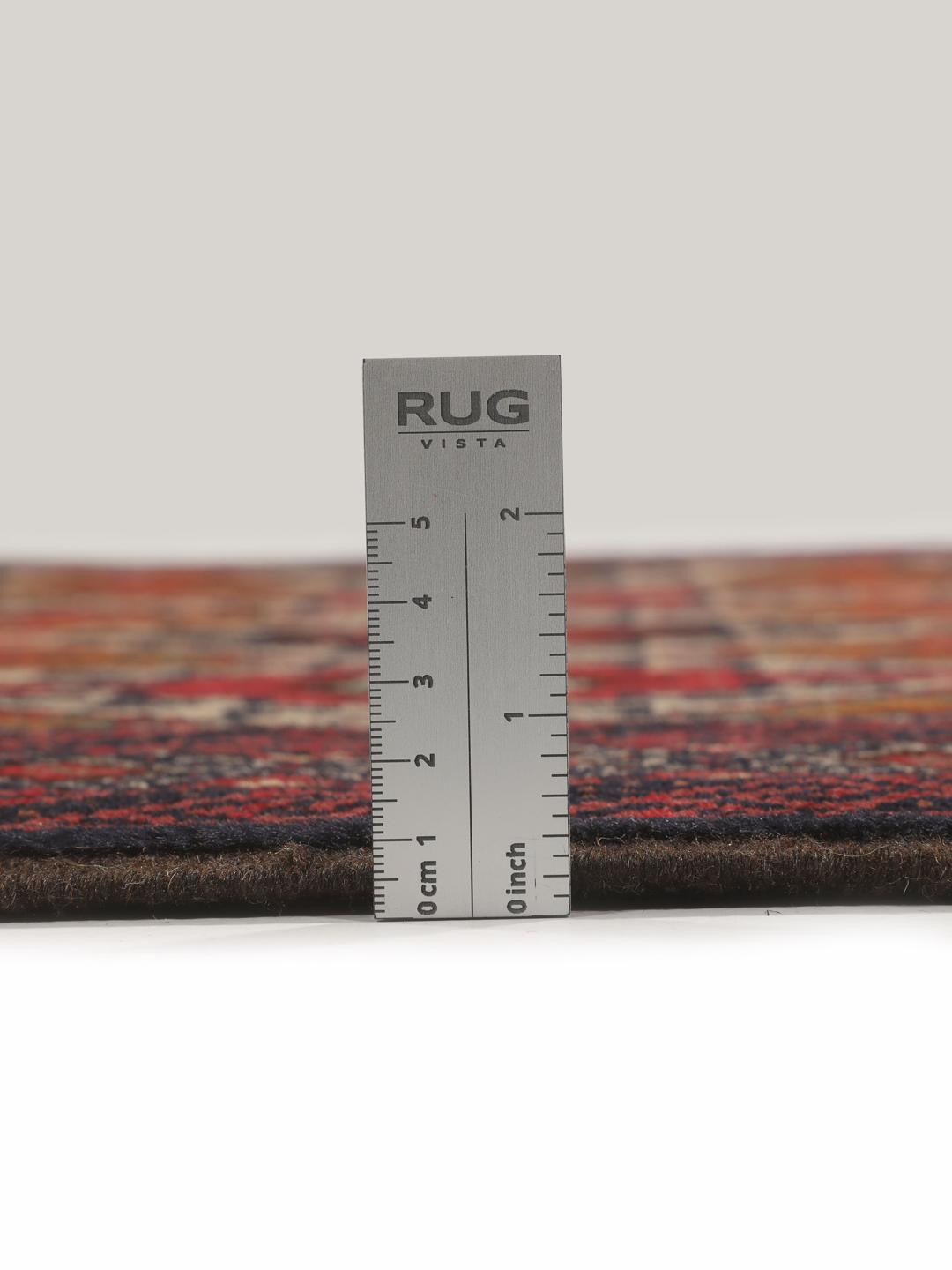
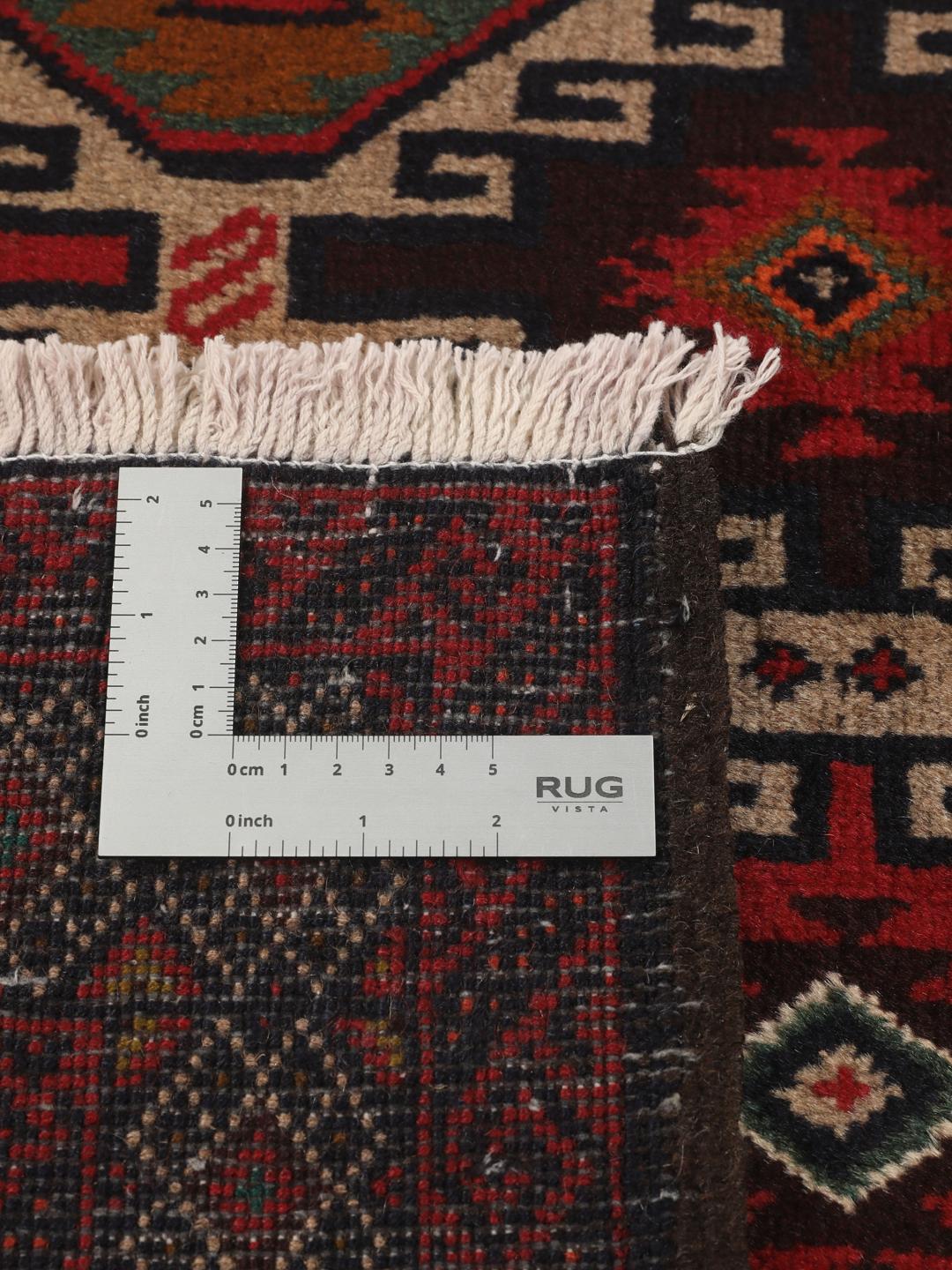
The craft of these rugs is defined by their unique construction, which often features a Wool pile on a cotton foundation. This combination is highly valued because it provides the rug with a natural resilience, ensuring that the intricate patterns remain clear and the pile stays dense even after years of use. The term Baluch signifies a specific style of tribal weaving that prioritises durability and expressive, often darker, colour palettes that have become a hallmark of this tradition.
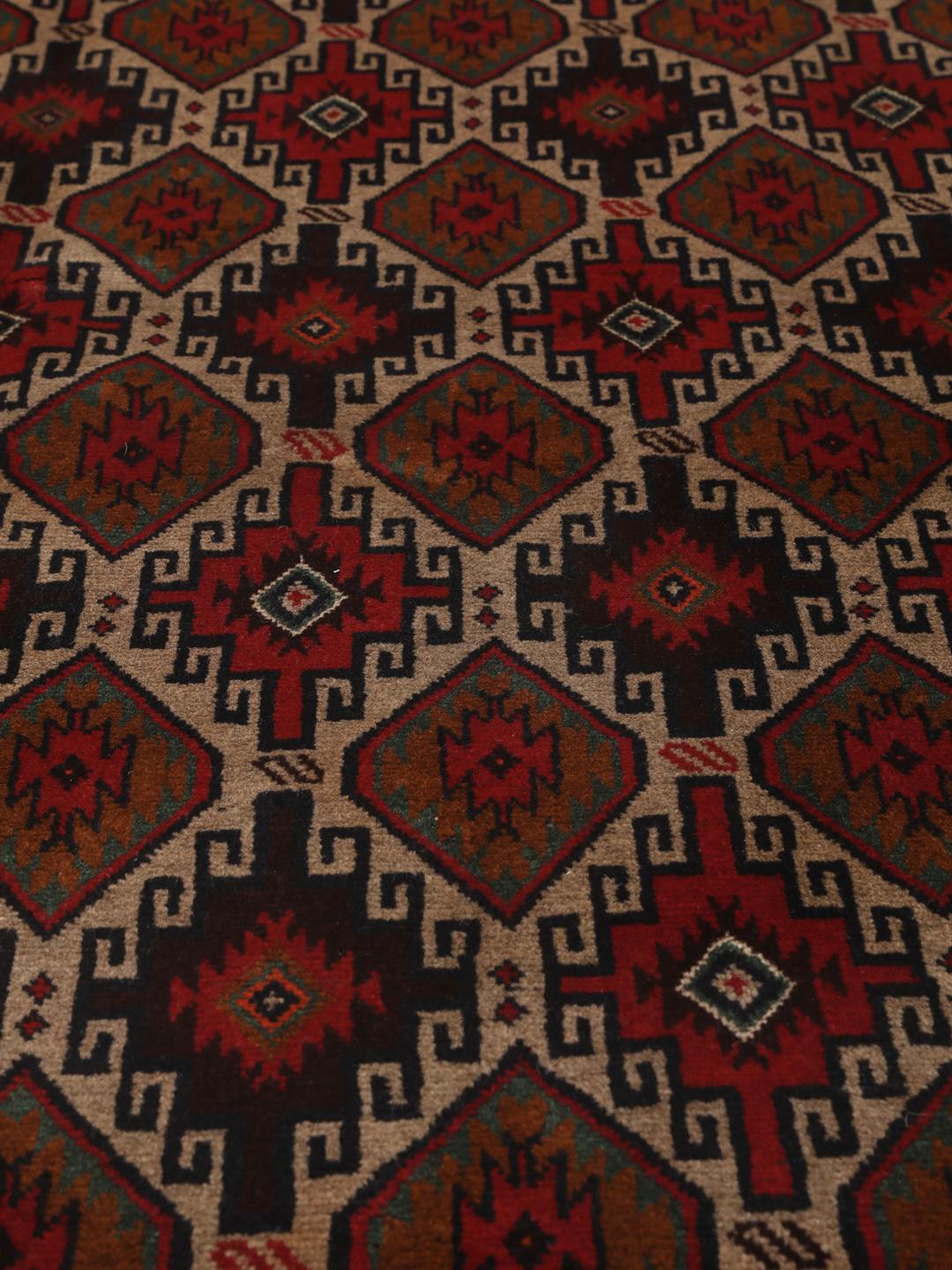
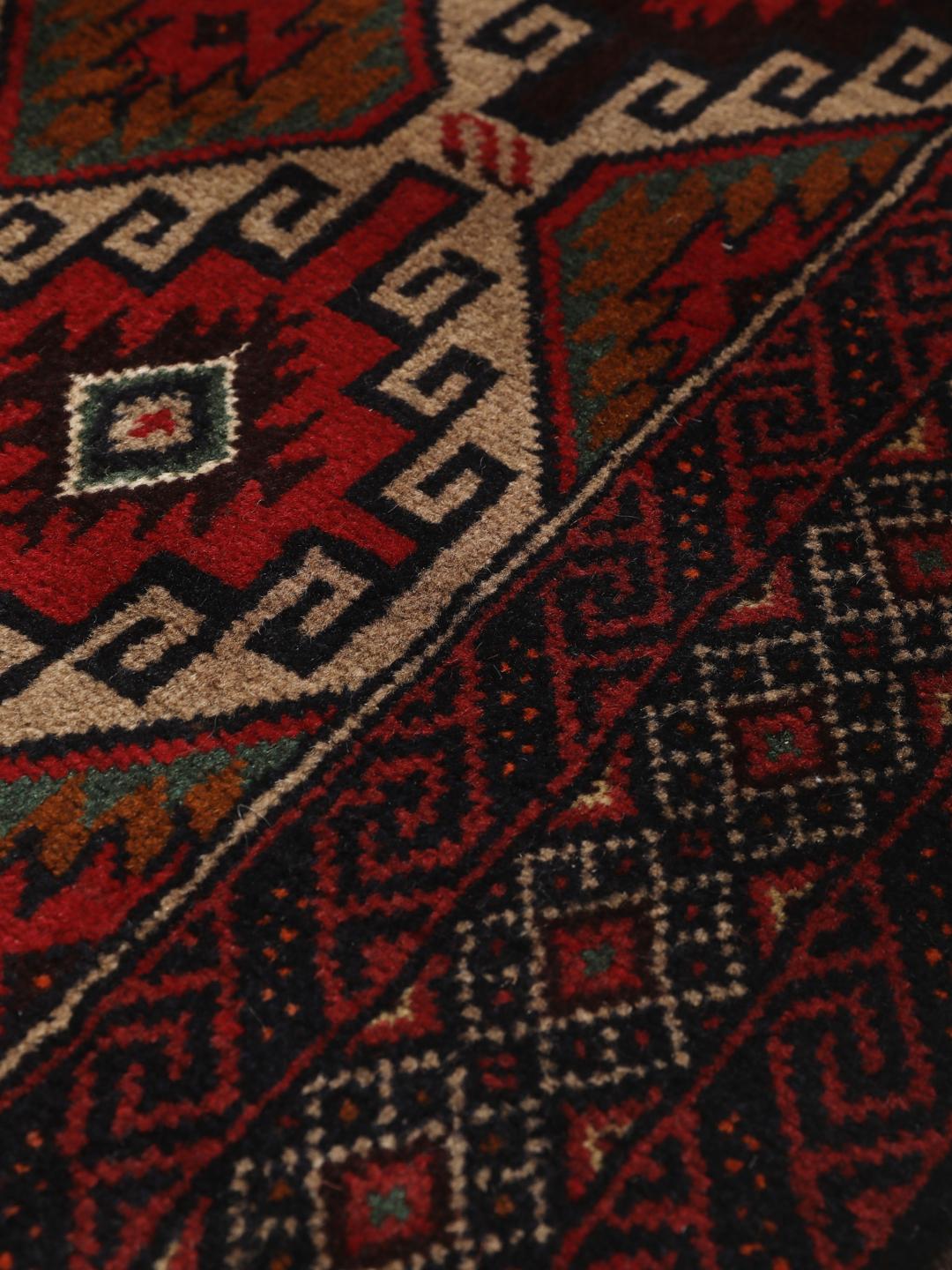
Design-wise, these rugs are celebrated for their bold geometric motifs, often incorporating diamonds, lozenges, and stylized floral elements. The borders are typically filled with complex, repetitive patterns that frame the central field, providing a sense of balance and rhythm to the overall composition. While red and black are traditional colours for this style, the specific way they are combined in this rug creates a distinctive look that sets it apart as a notable example of tribal design.
Collectors value Baluch rugs for their authenticity and the human skill required to produce them. Each rug is a narrative of the weaver's craft, representing a connection to ancient techniques that have been passed down through generations. To own a piece from this tradition is to possess a tangible link to a rich cultural history, making it a prized addition for those who appreciate the intersection of heritage, skill, and lasting functional quality.