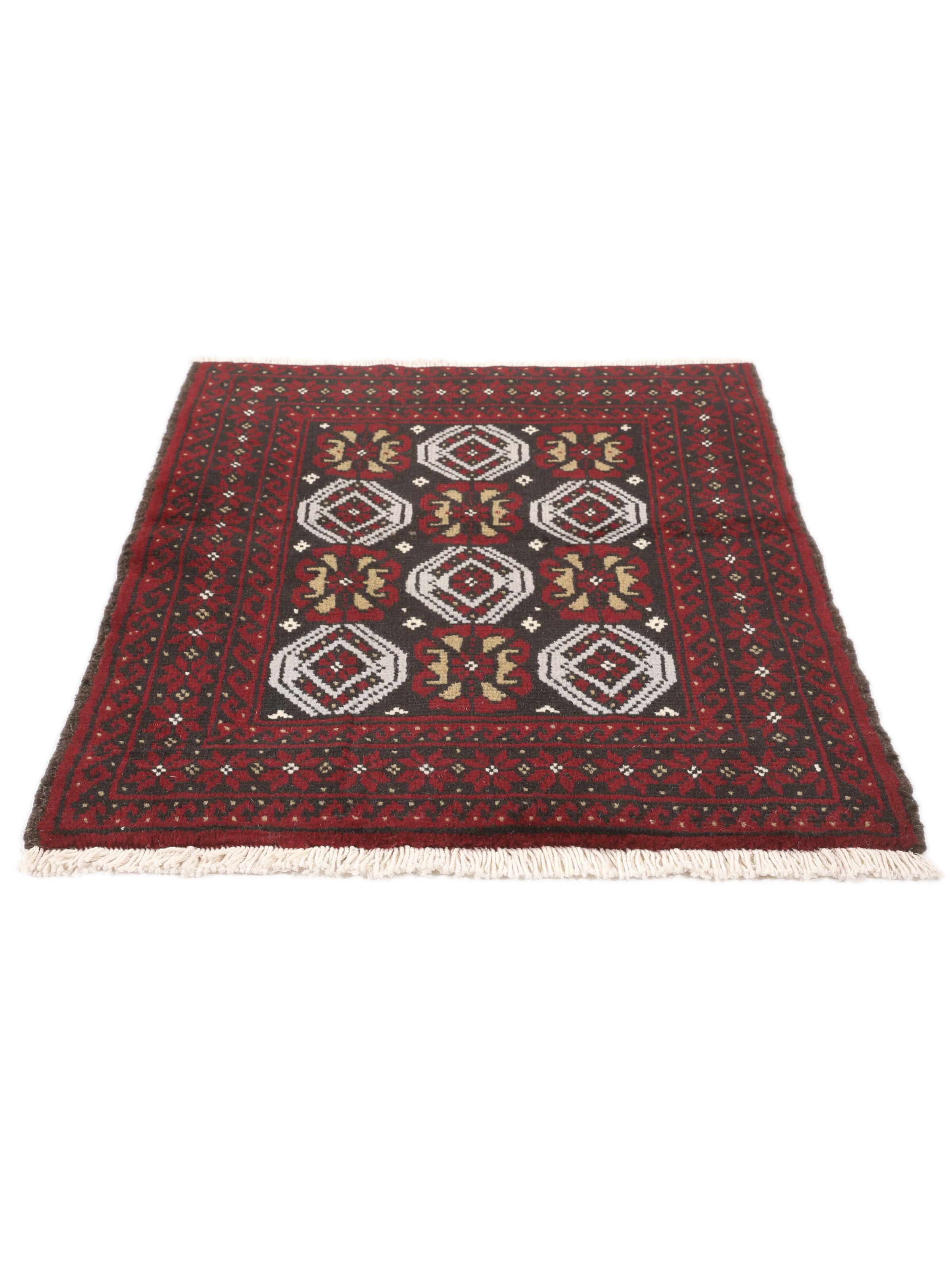
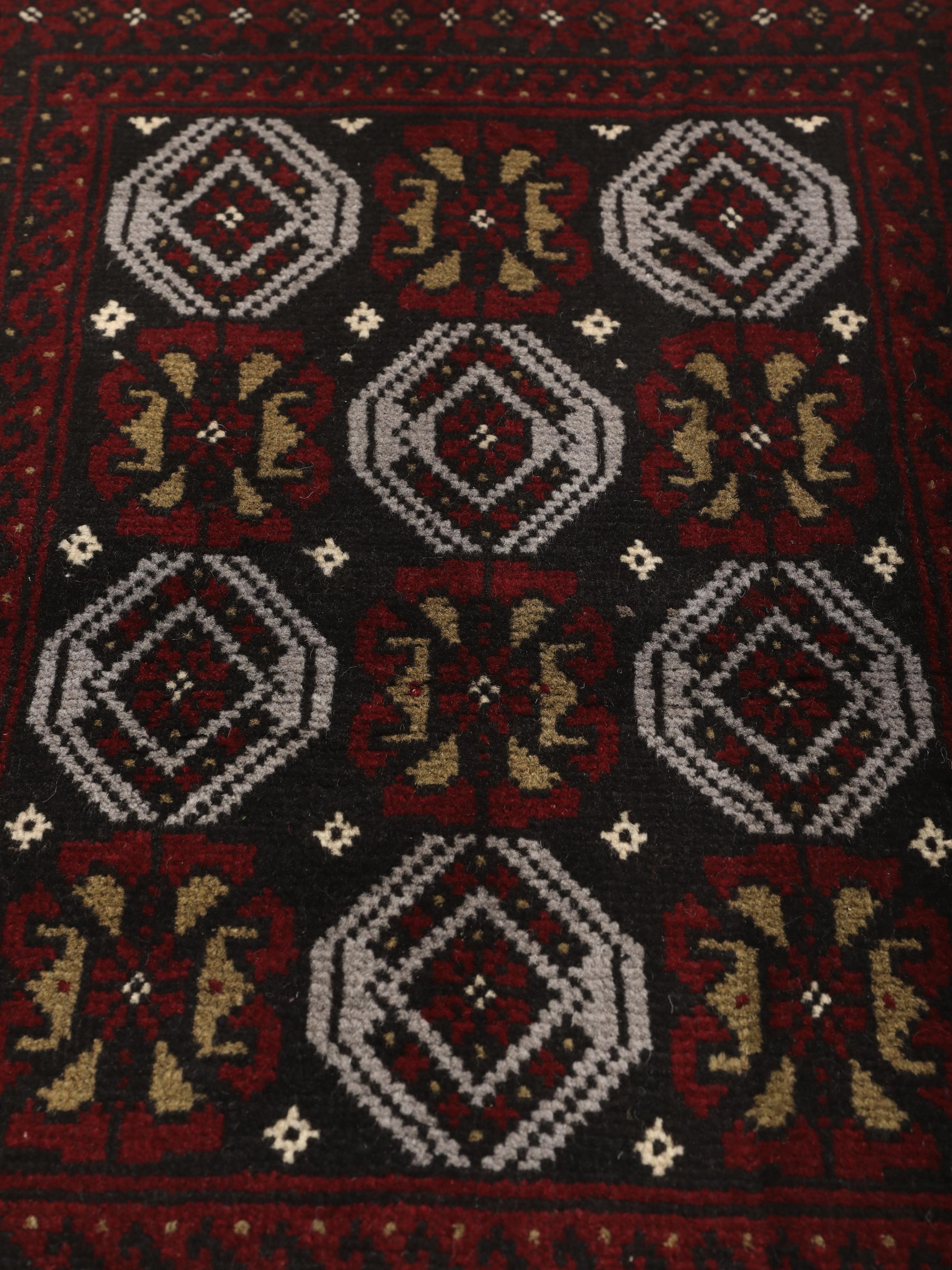
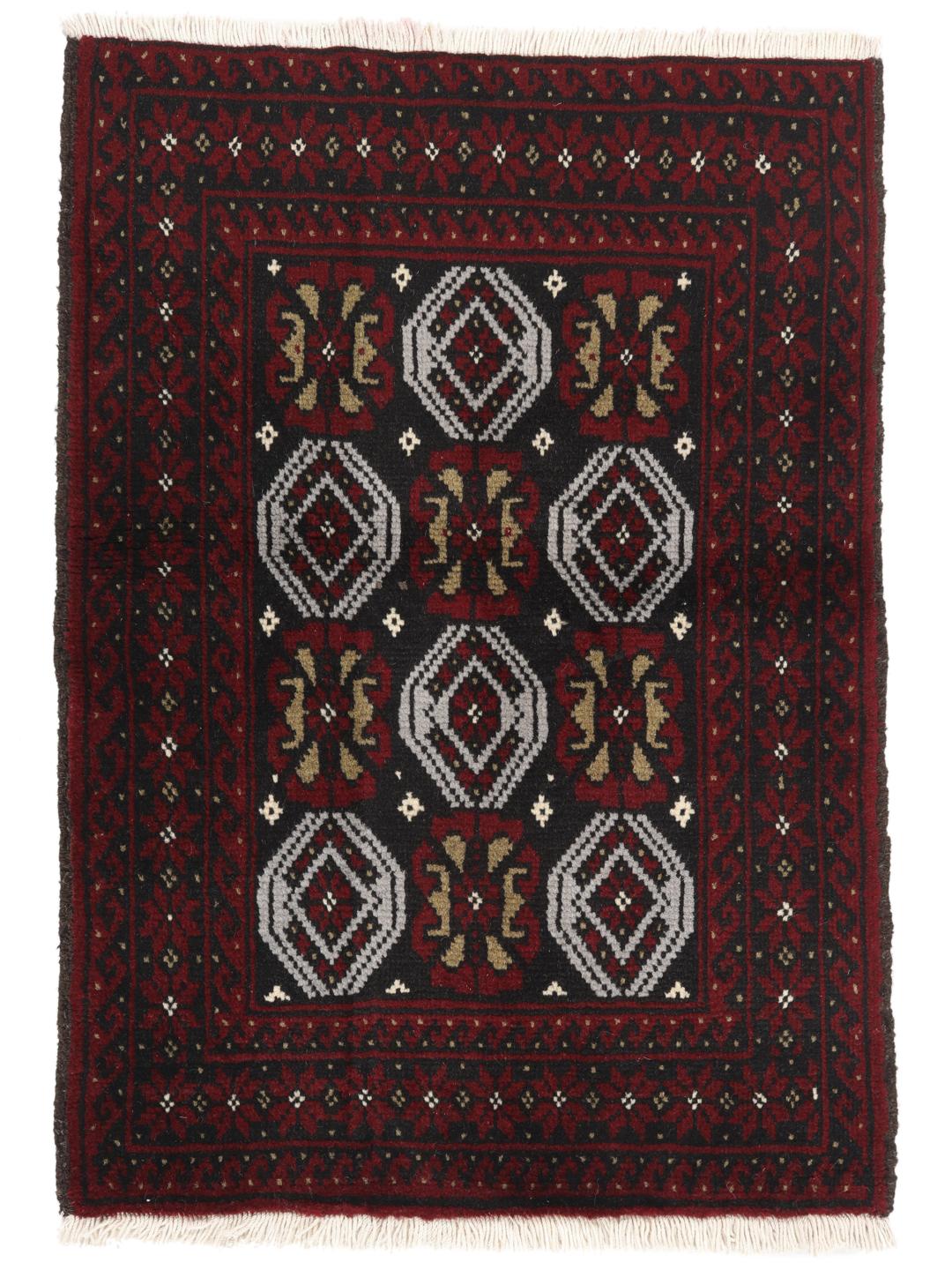
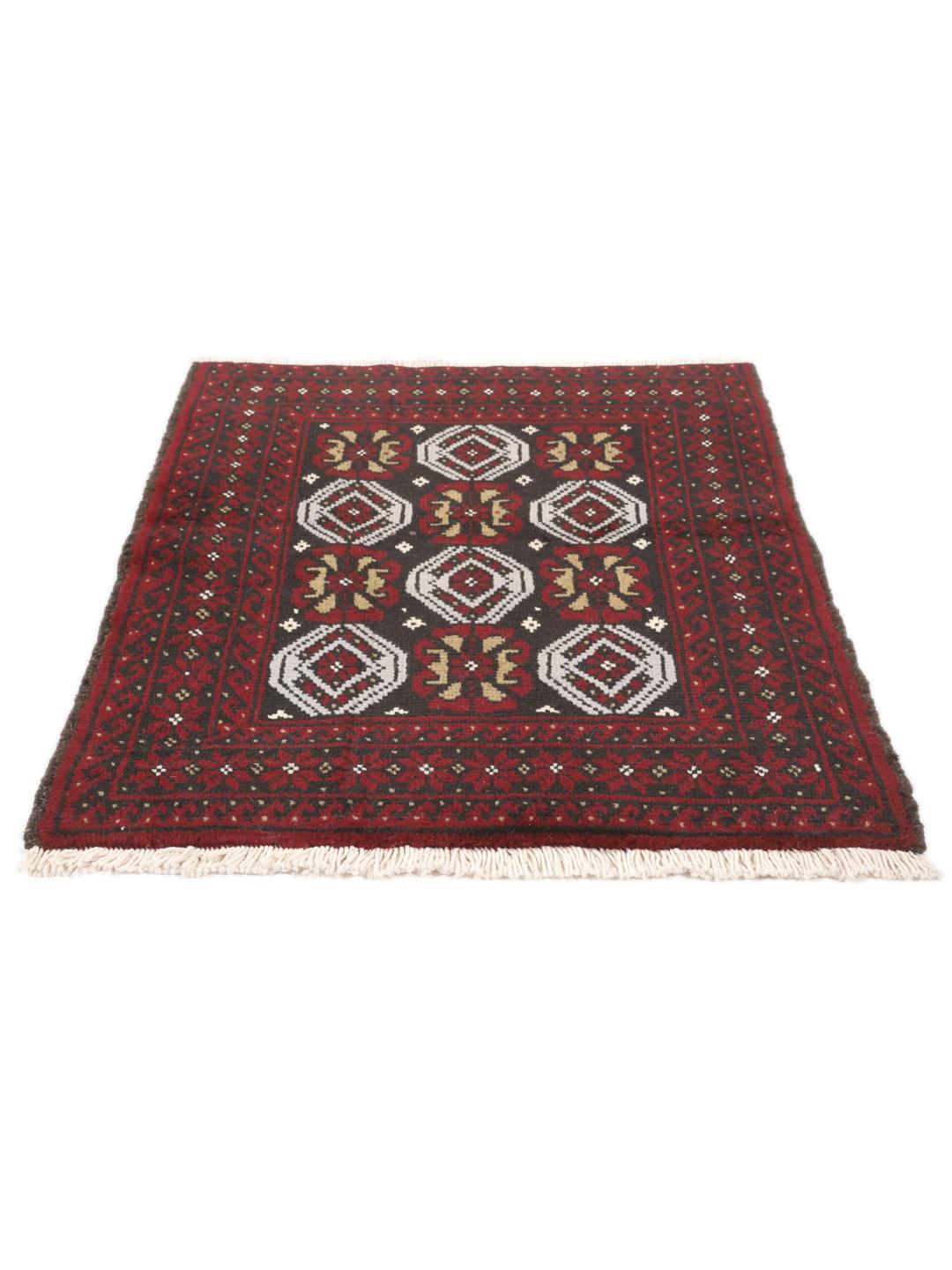
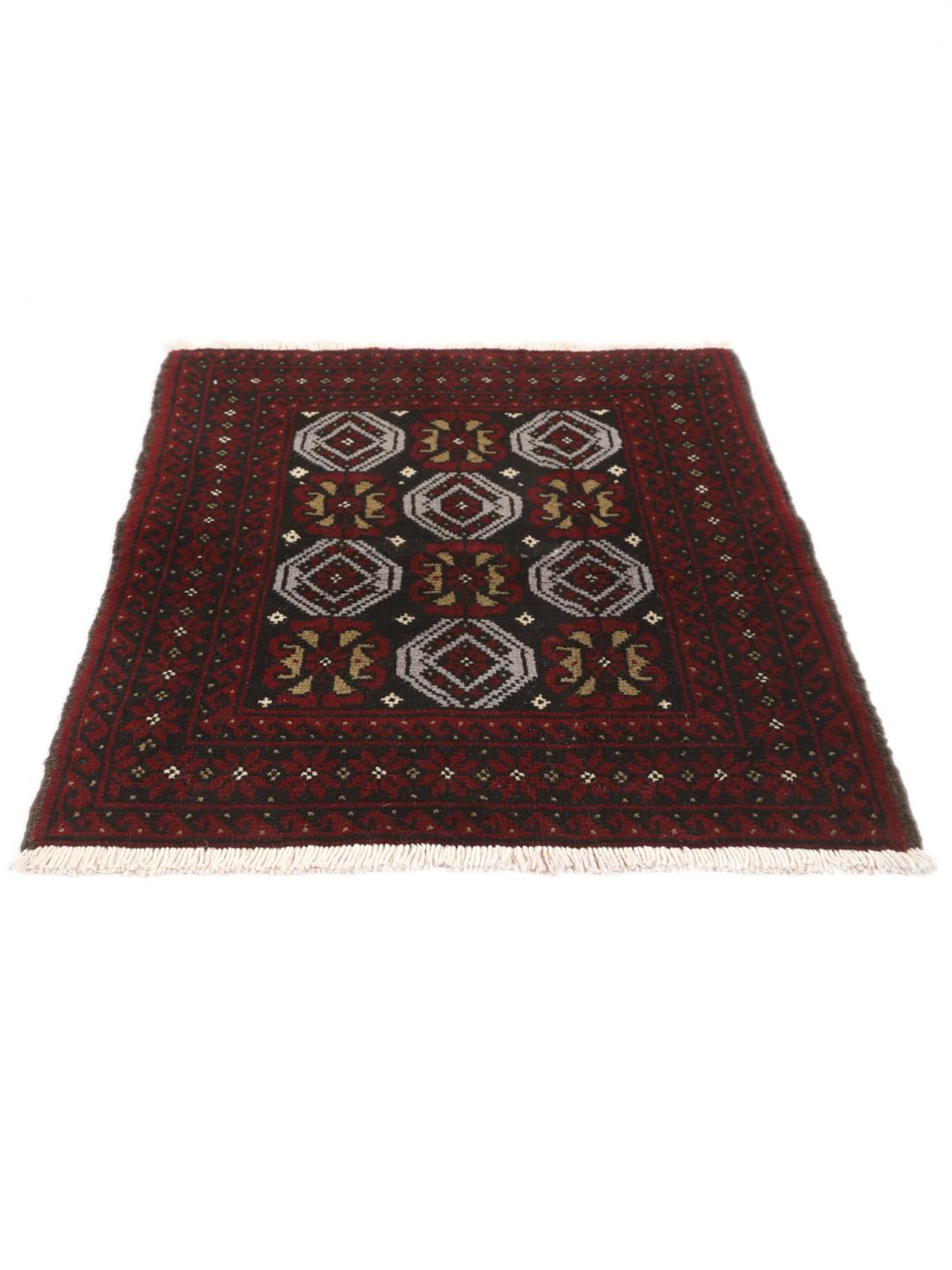
The Baluch rugs originate from the nomadic and semi-nomadic tribes inhabiting the border regions between the Middle East, Afghanistan, and Pakistan. These weavers have historically travelled across vast, rugged landscapes, carrying their loom traditions with them. This nomadic heritage is reflected in the portability and functional design of their textiles, which were traditionally used as floor coverings, tent decorations, and storage bags.
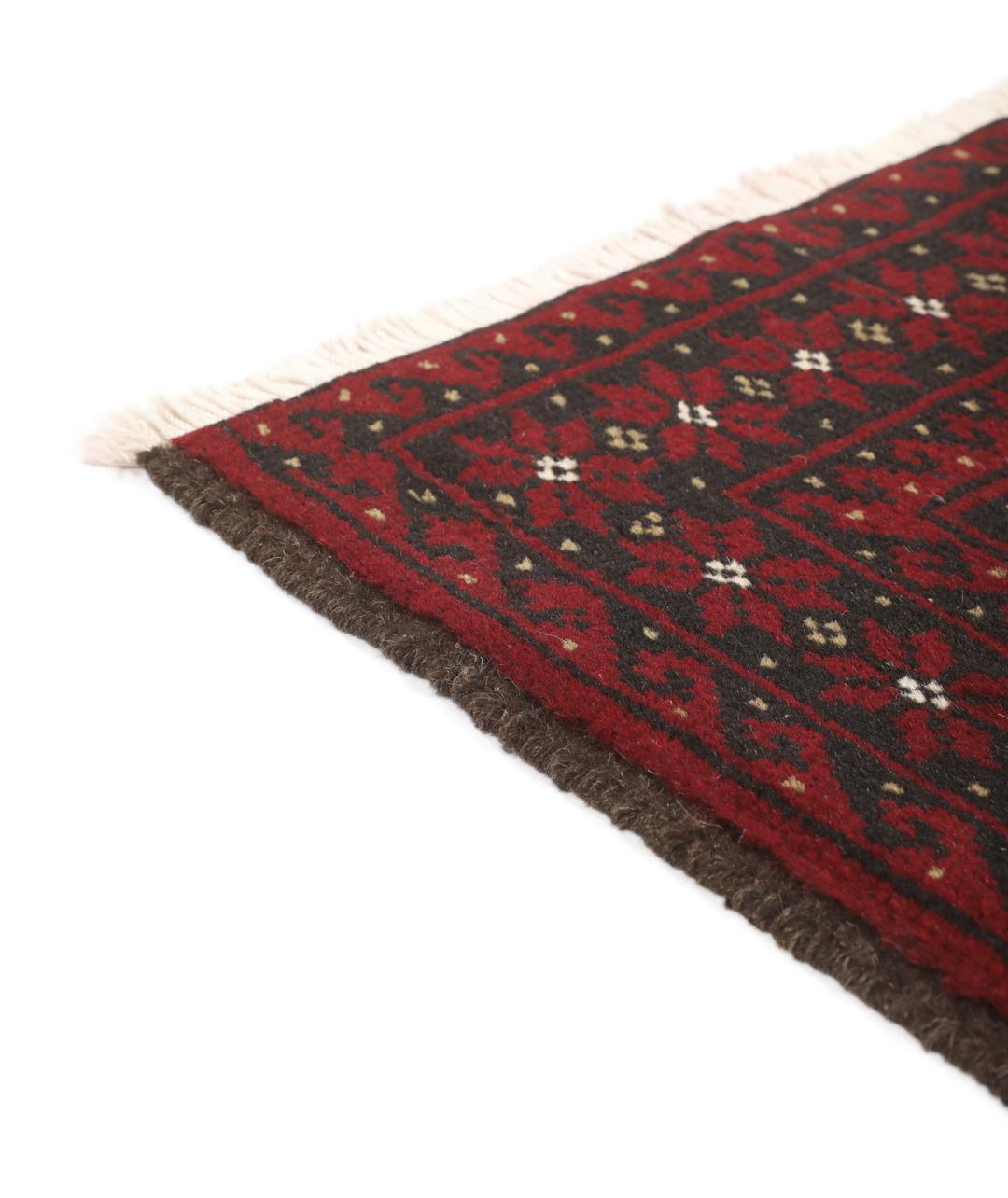
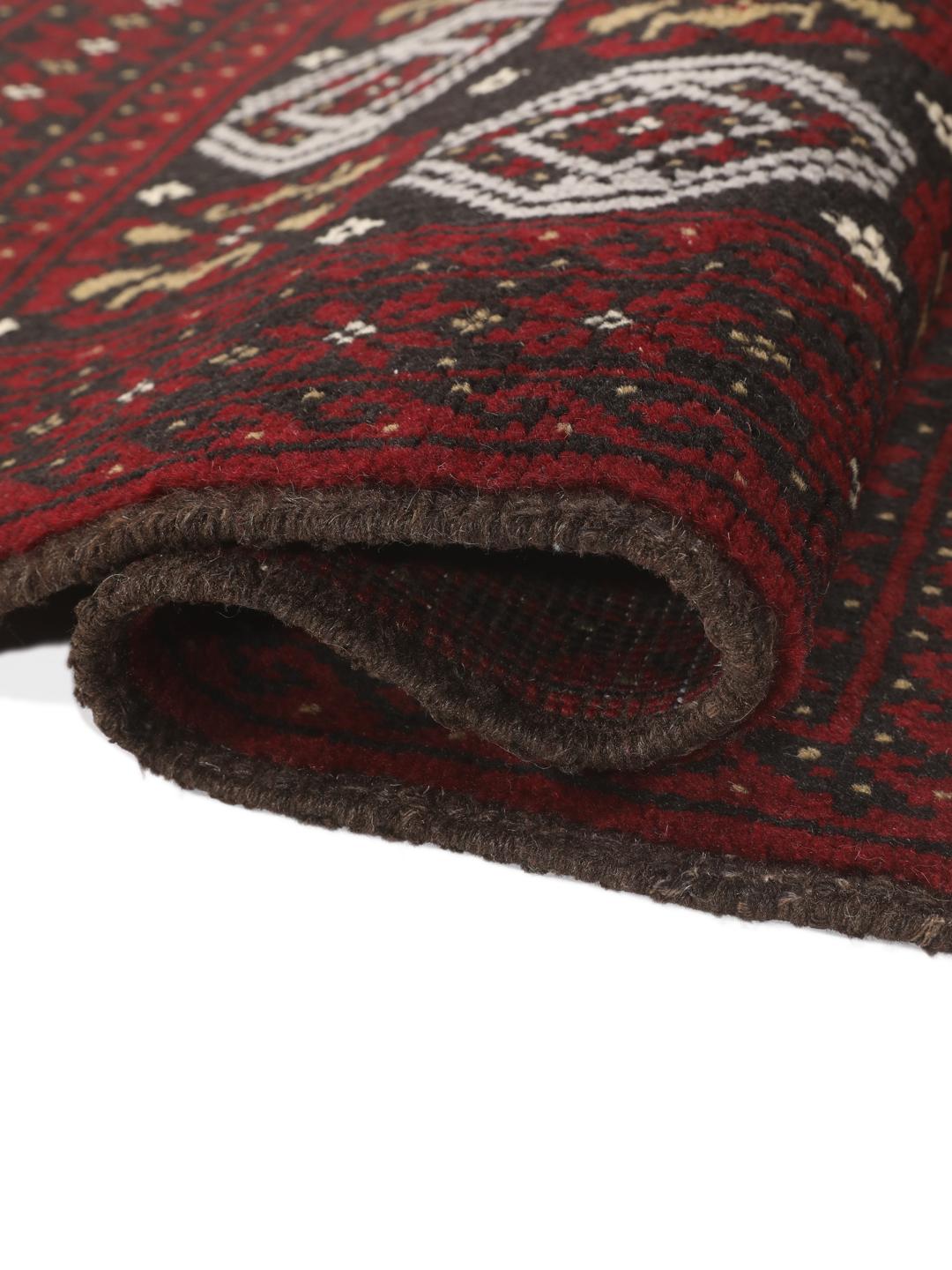
The term 'Baluch' refers to the tribal group responsible for these distinctive pieces. The quality of these rugs is defined by their construction, which often utilises high-quality wool sourced from mountain-dwelling sheep. This wool is prized for its natural oils and strength, which contribute to the soft yet resilient feel of the finished pile. The use of traditional dyes, often derived from local plants and minerals, gives these rugs their signature earthy and deep colour palettes.
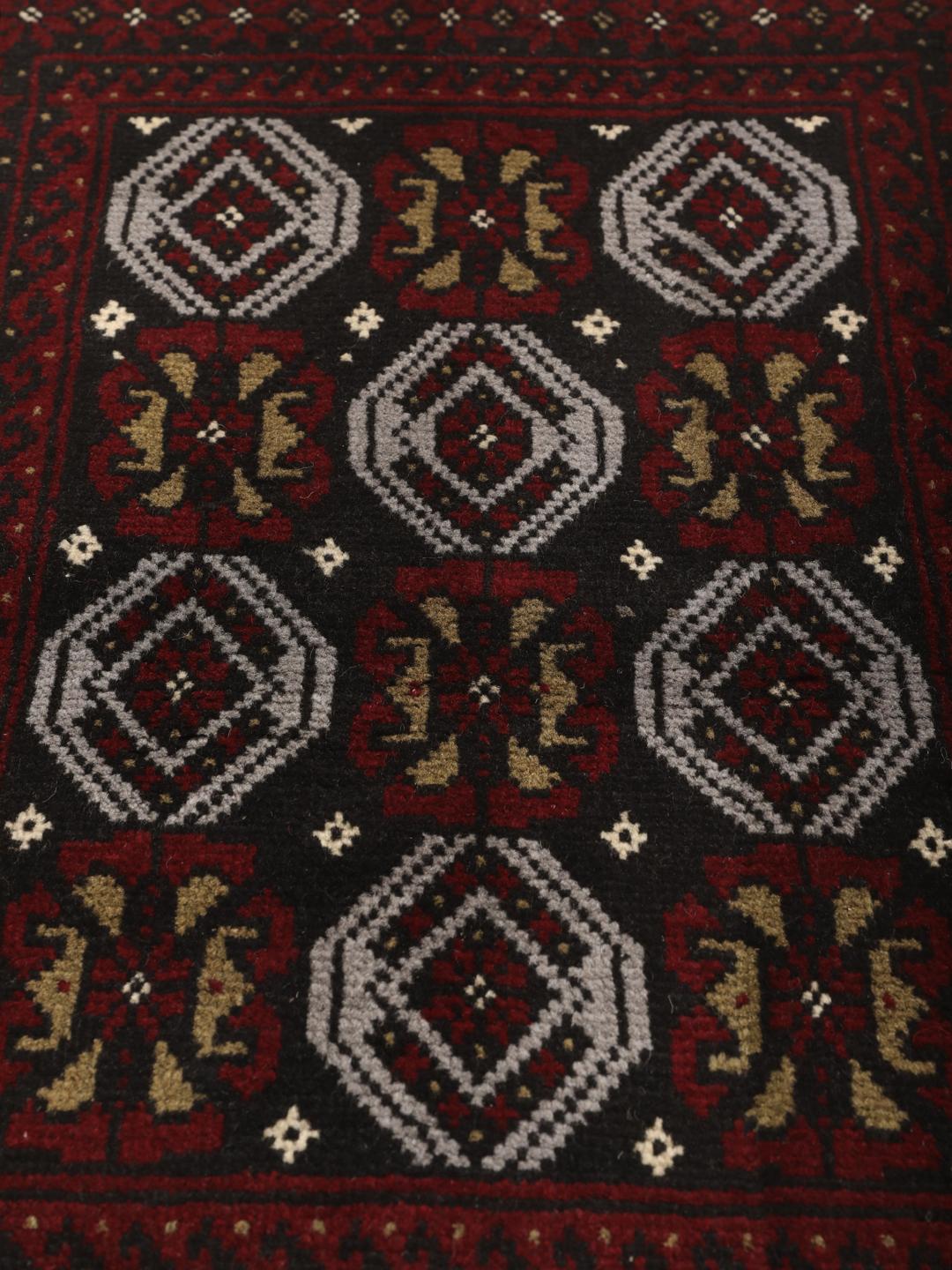
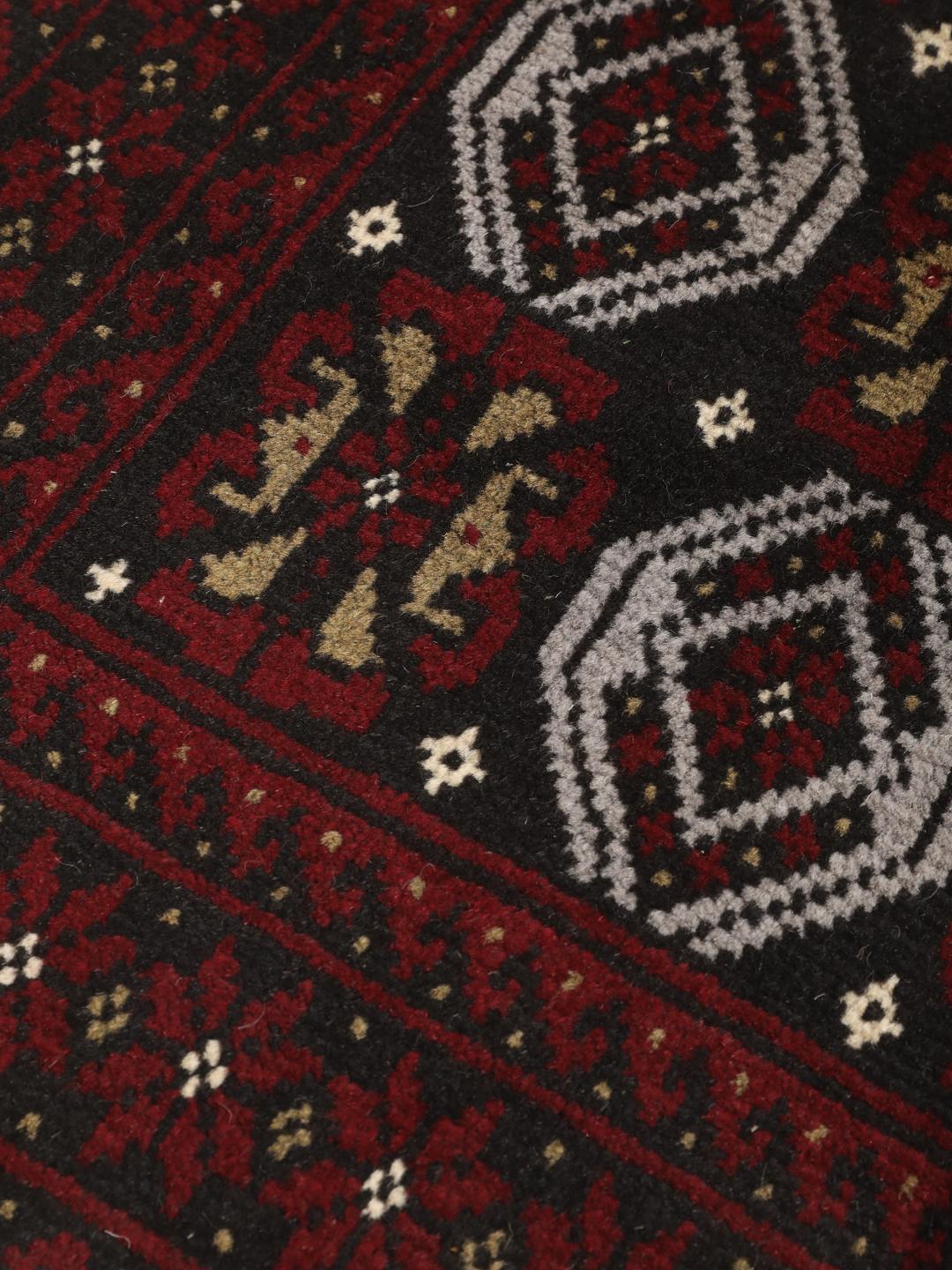
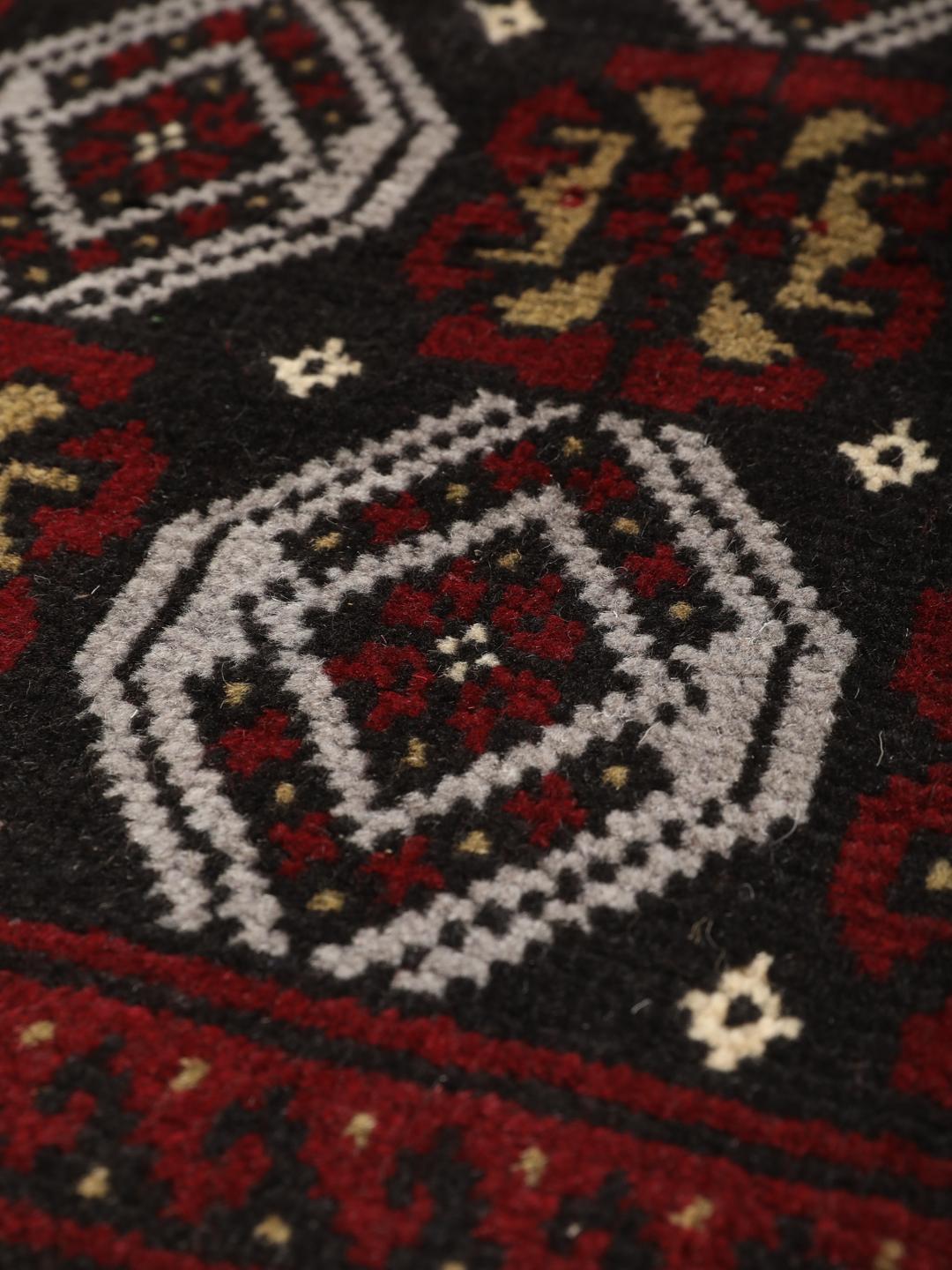
Visually, Baluch rugs are celebrated for their intricate geometric motifs and symbolic patterns. You will frequently find repeating medallions, stylised floral elements, and protective diamond shapes woven into the field. These designs are not merely decorative but often serve as a visual language, telling stories of tribal identity and regional folklore through a structured, repetitive layout that is balanced by a formal, multi-layered border.
Collecting a piece from this tradition is an act of preserving a dying art form. As modern production methods become more common, the number of artisans who possess the skill to create these rugs is dwindling. Owning a Baluch rug means connecting with a legacy of resilience and artistic expression, making it a valued addition for those who appreciate the cultural weight and human effort embedded in every stitch.