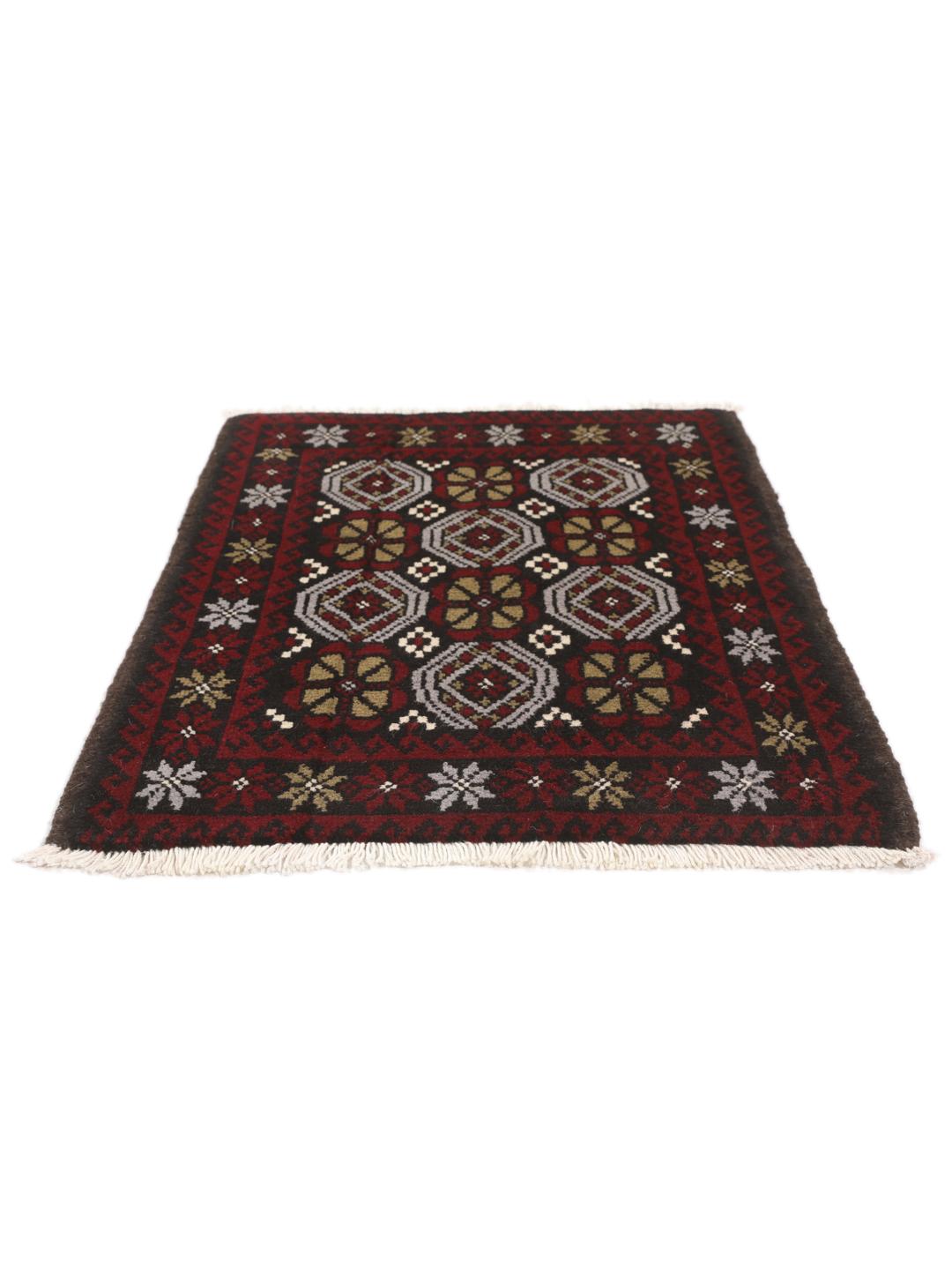
The Baluch rugs originate from the nomadic and semi-nomadic tribes residing in the borderlands of the Middle East. These tribes have a long-standing tradition of weaving that is deeply connected to their lifestyle, environment, and social structure. Over centuries, these weavers have developed a distinct visual language that is recognised globally for its warmth and complexity, often reflecting the natural landscapes and cultural motifs of their home region.
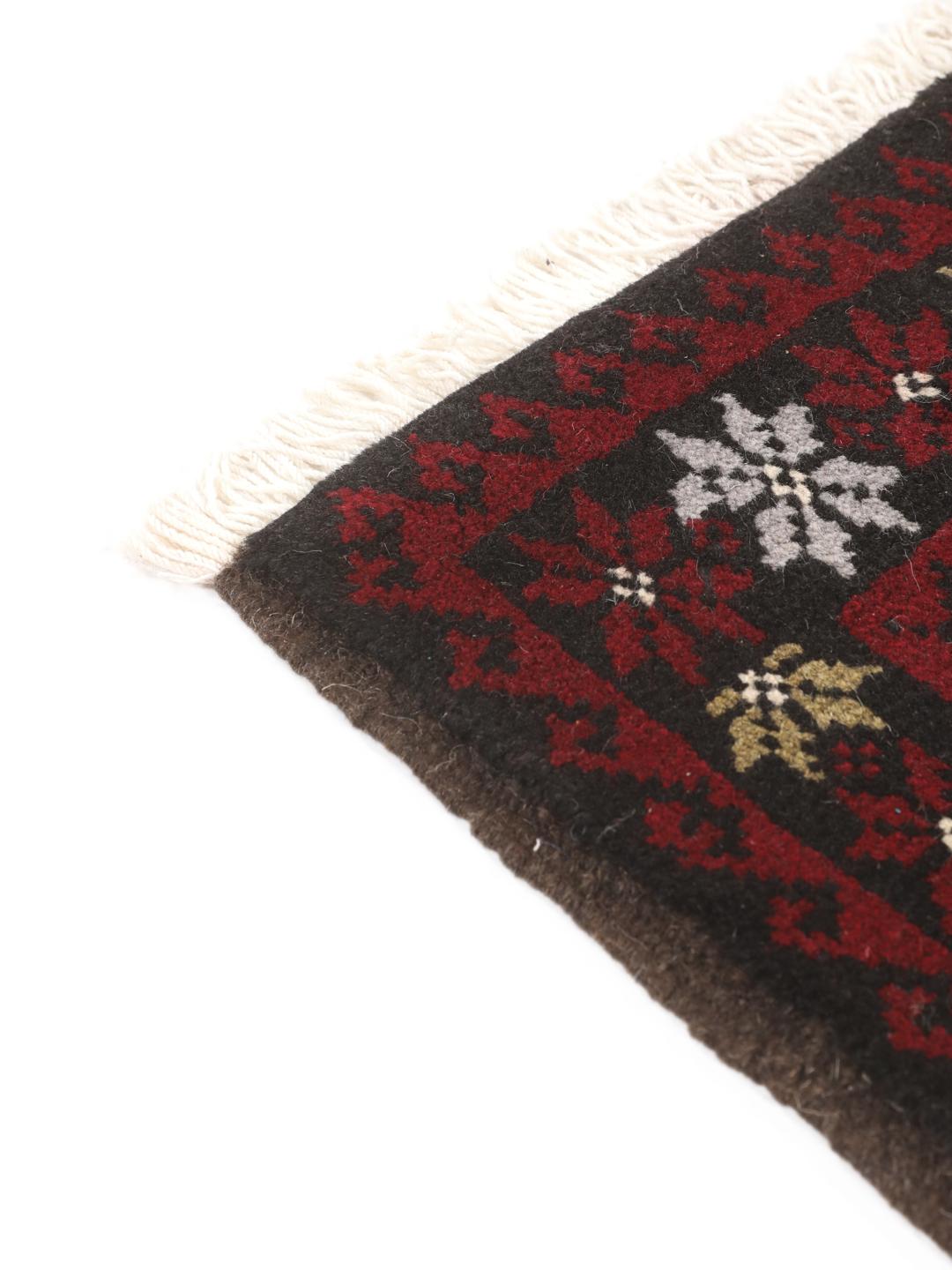
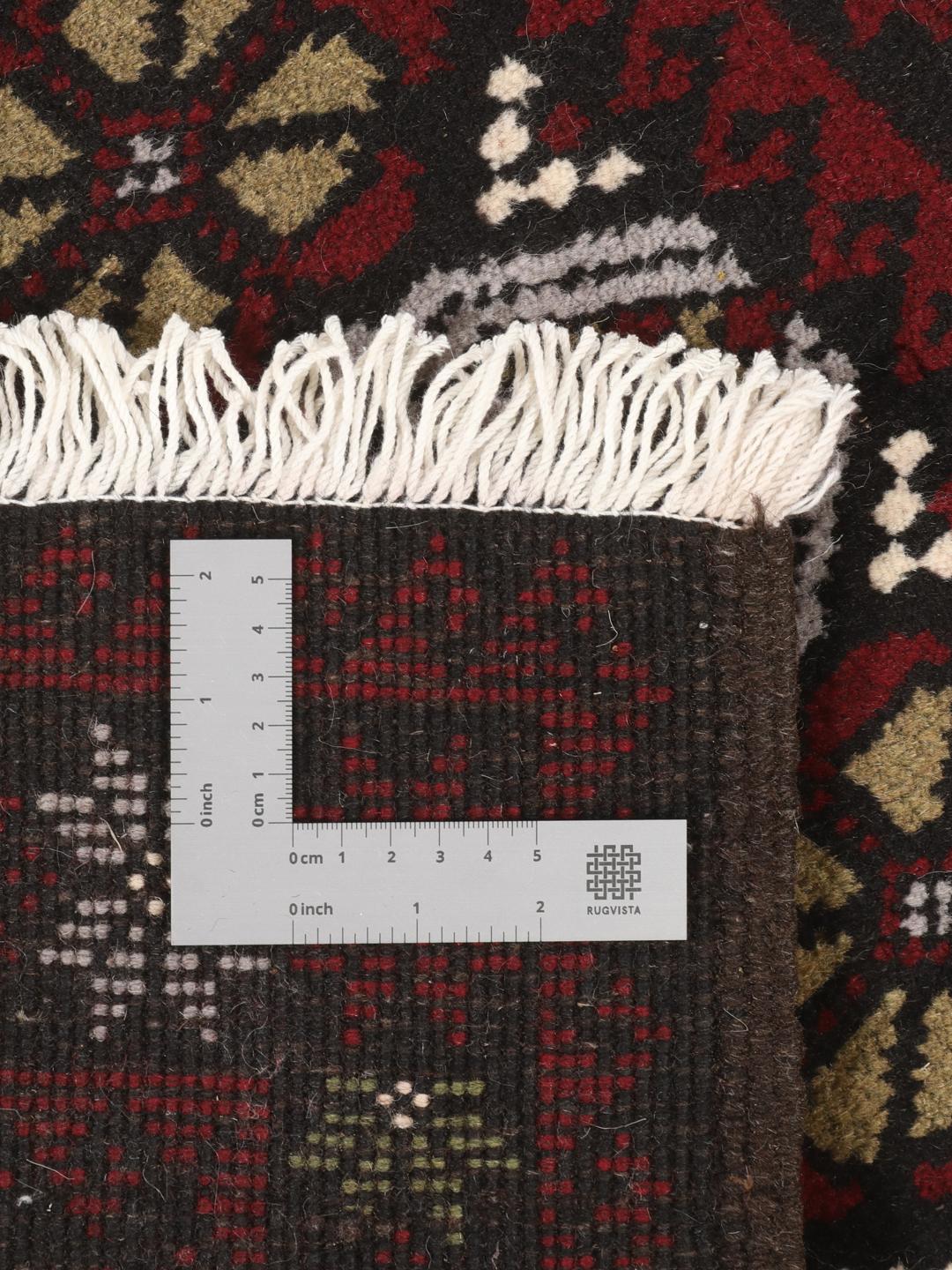
The craft of these rugs is defined by the use of high-quality wool, which is often sourced locally. The weaving process is a deeply ingrained cultural practice, with techniques passed down through families. The result is a rug that is both sturdy and flexible, designed originally to be used in portable tents where durability and ease of transport were essential. This history of utility has produced a style that is remarkably resilient.
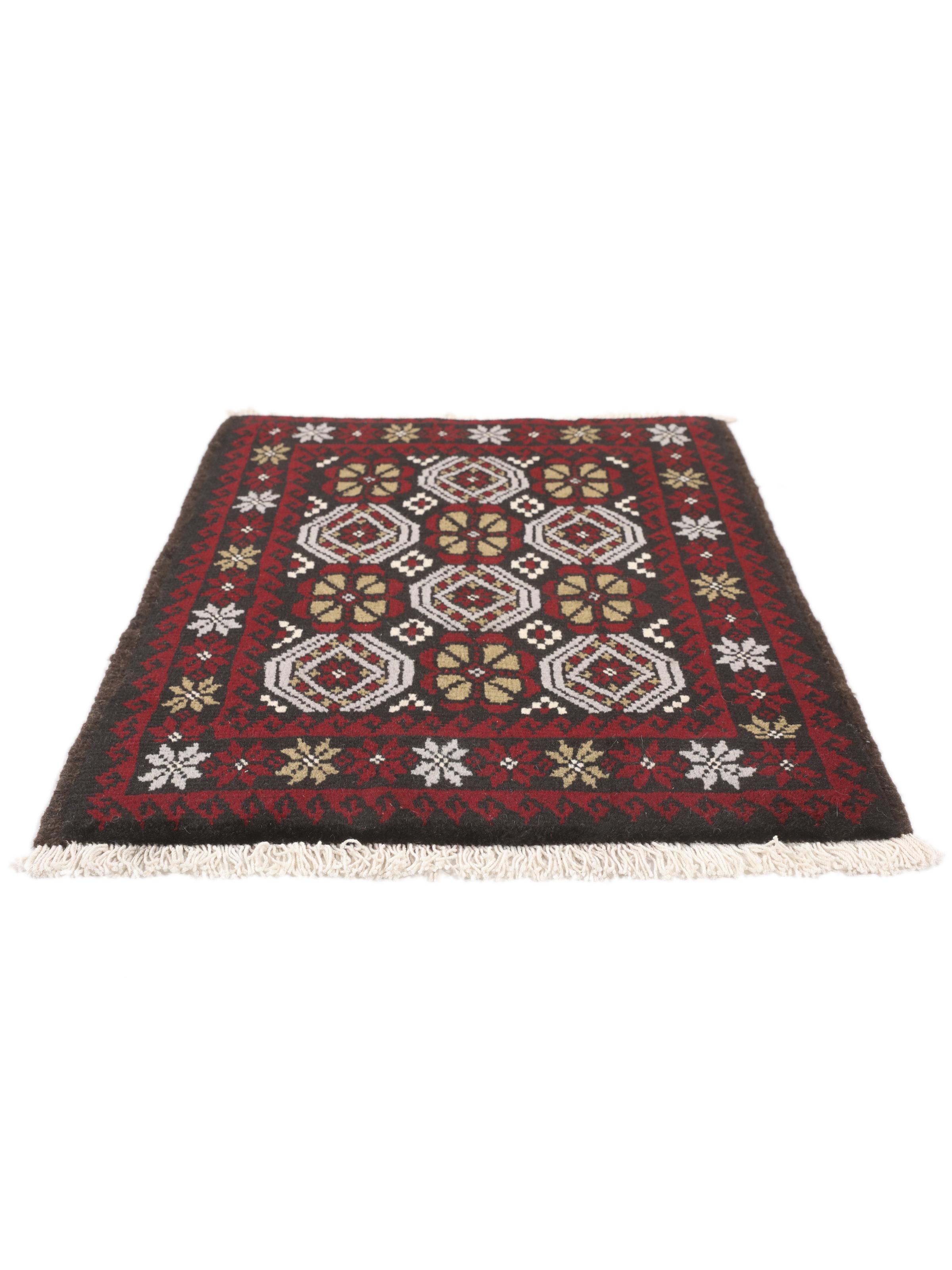
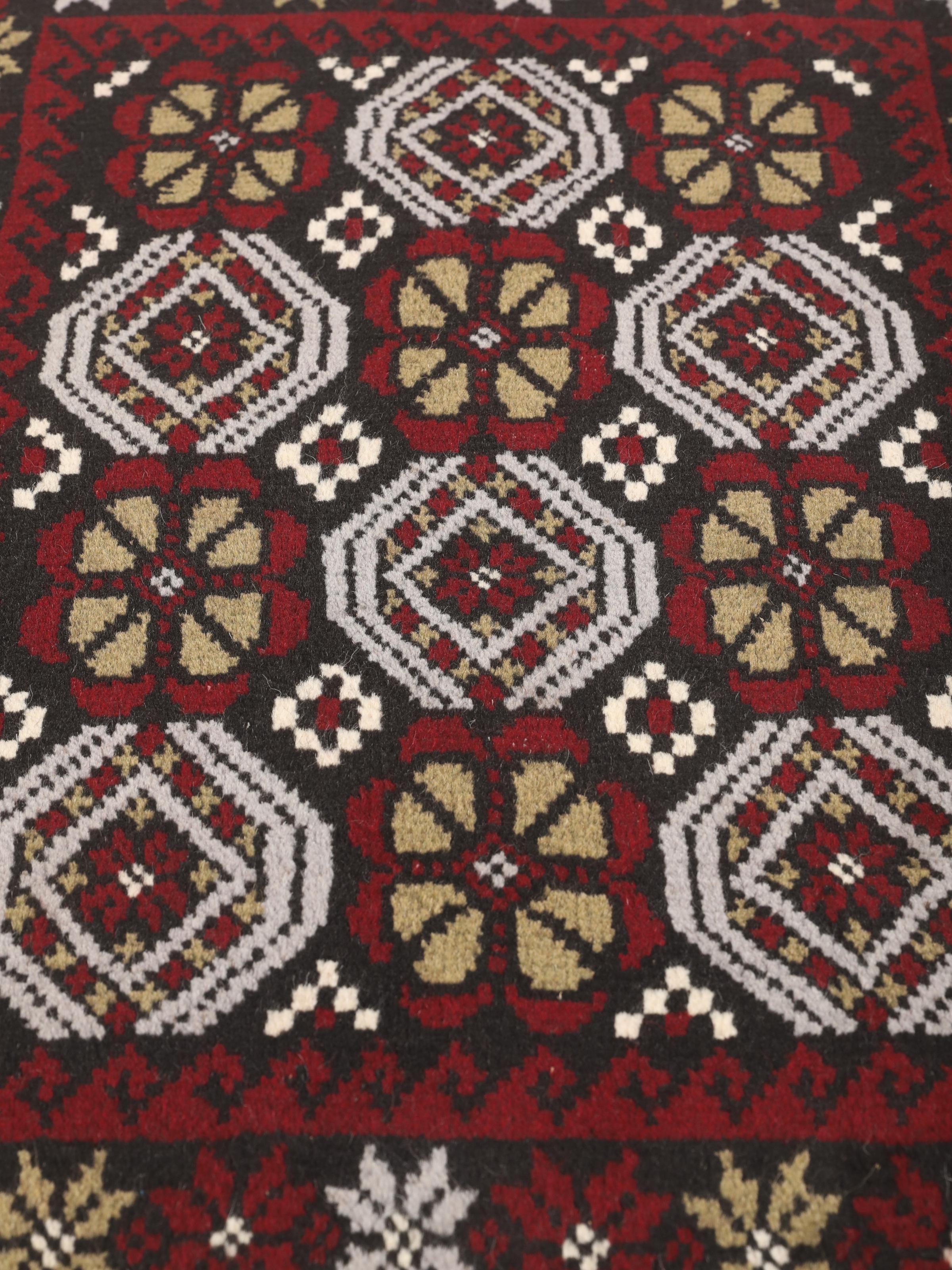
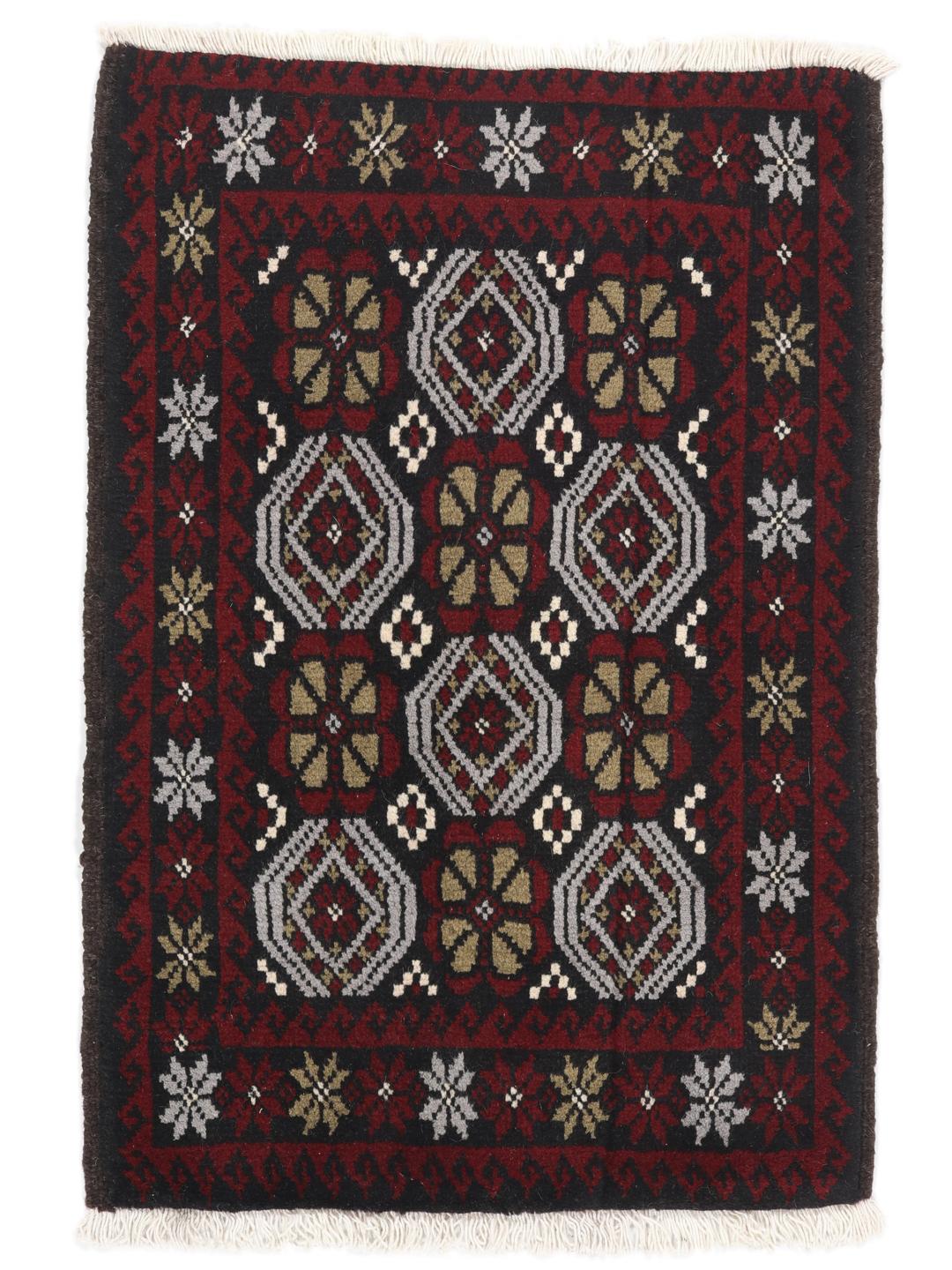
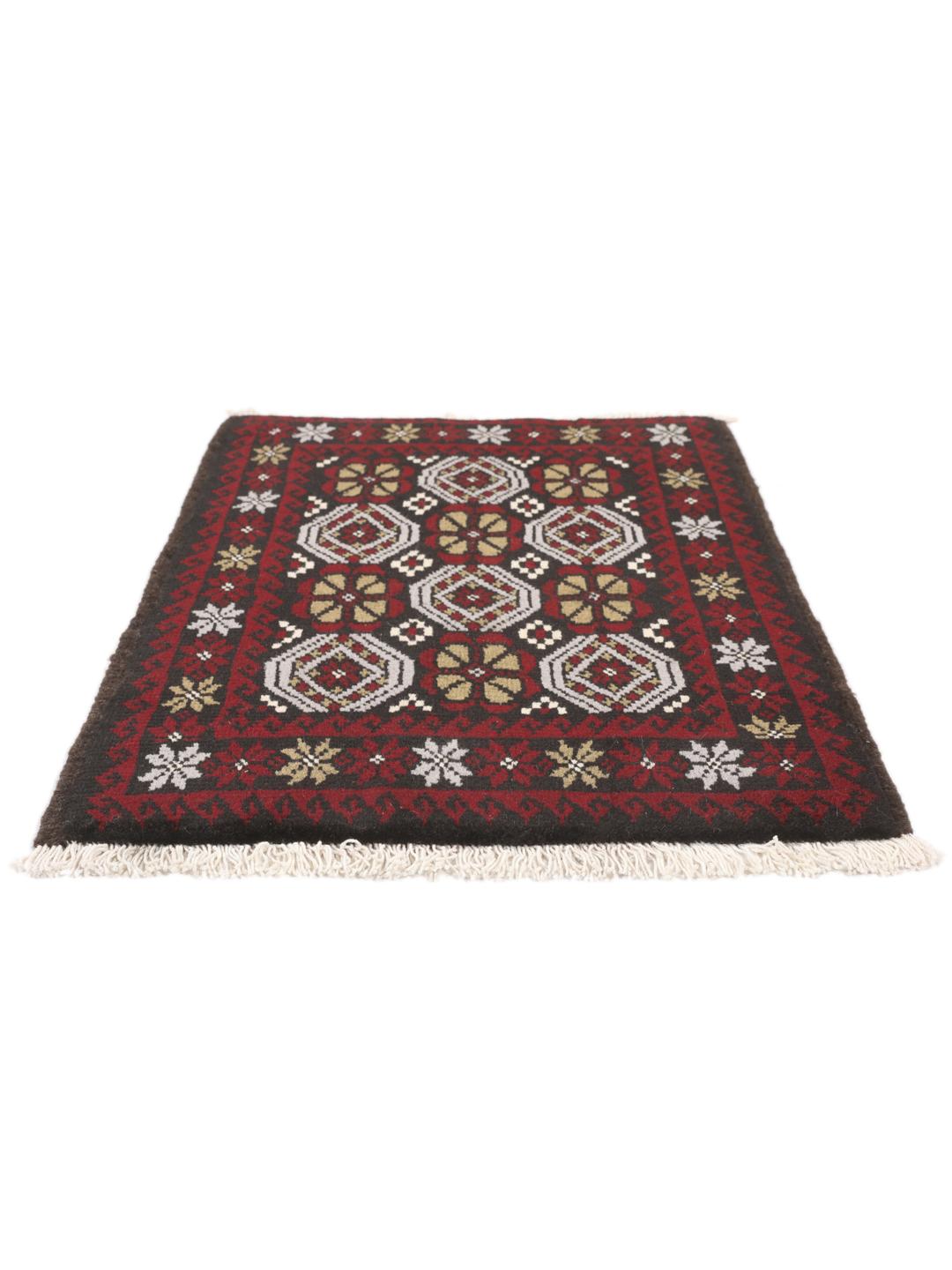
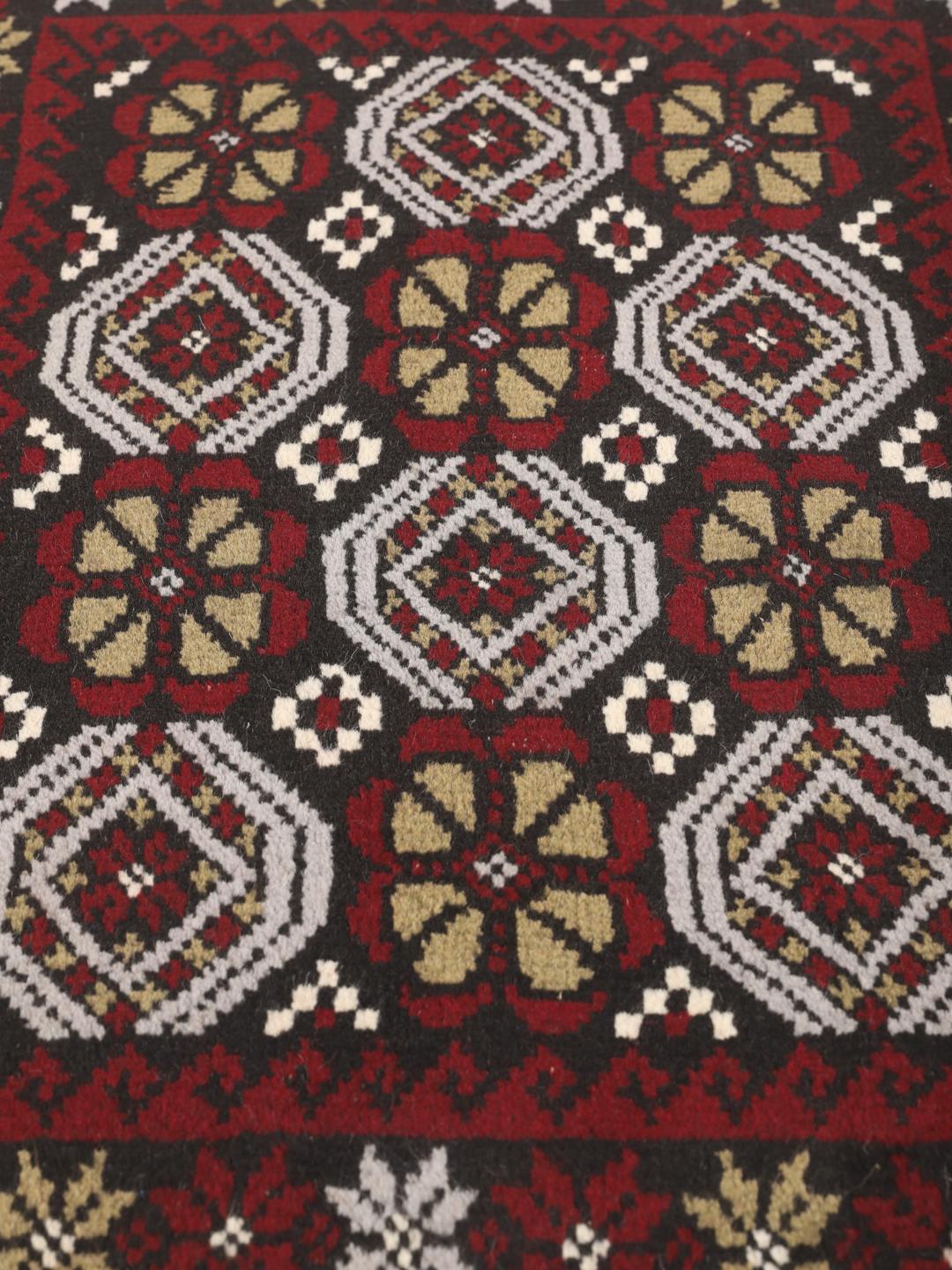
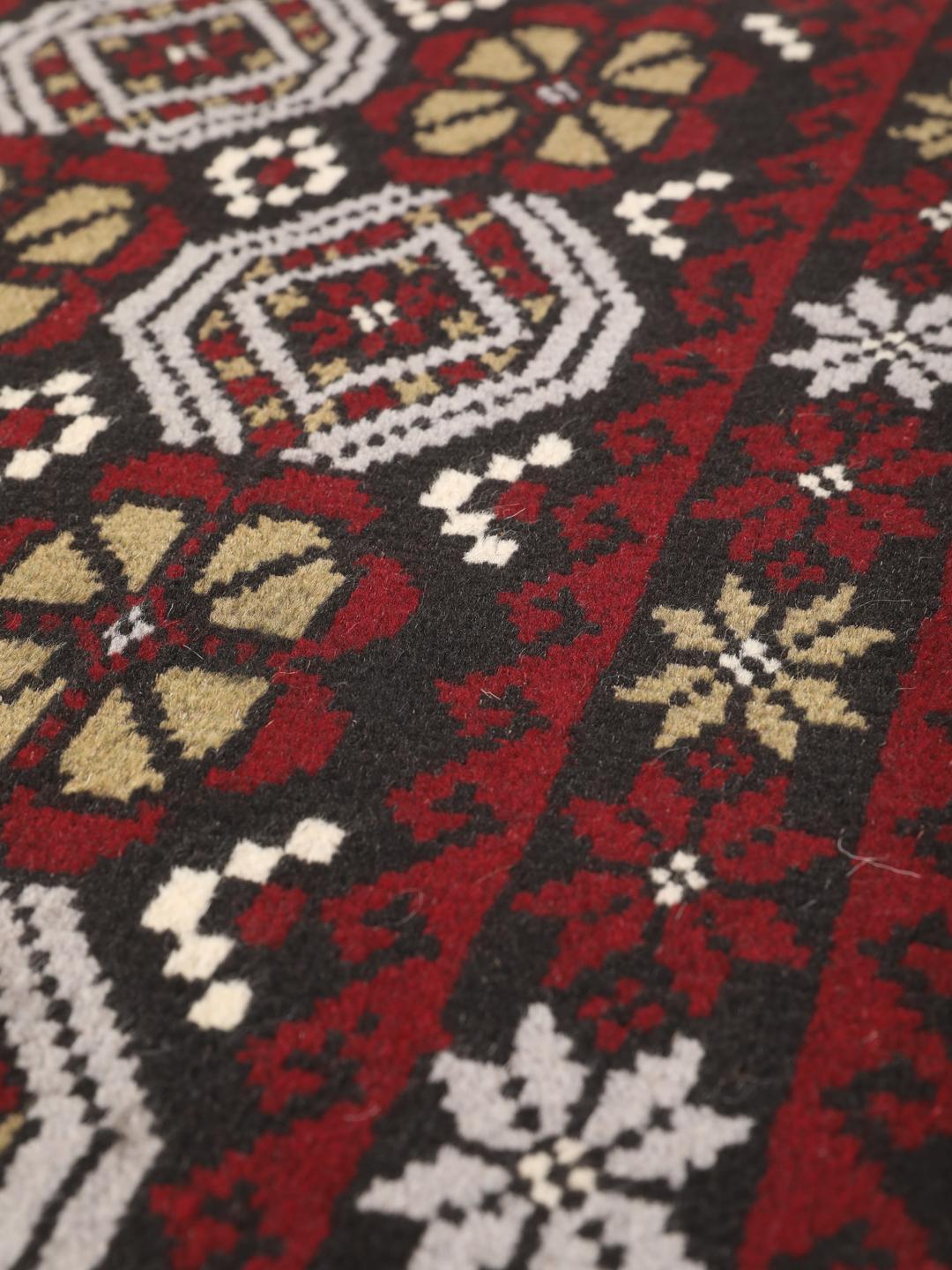
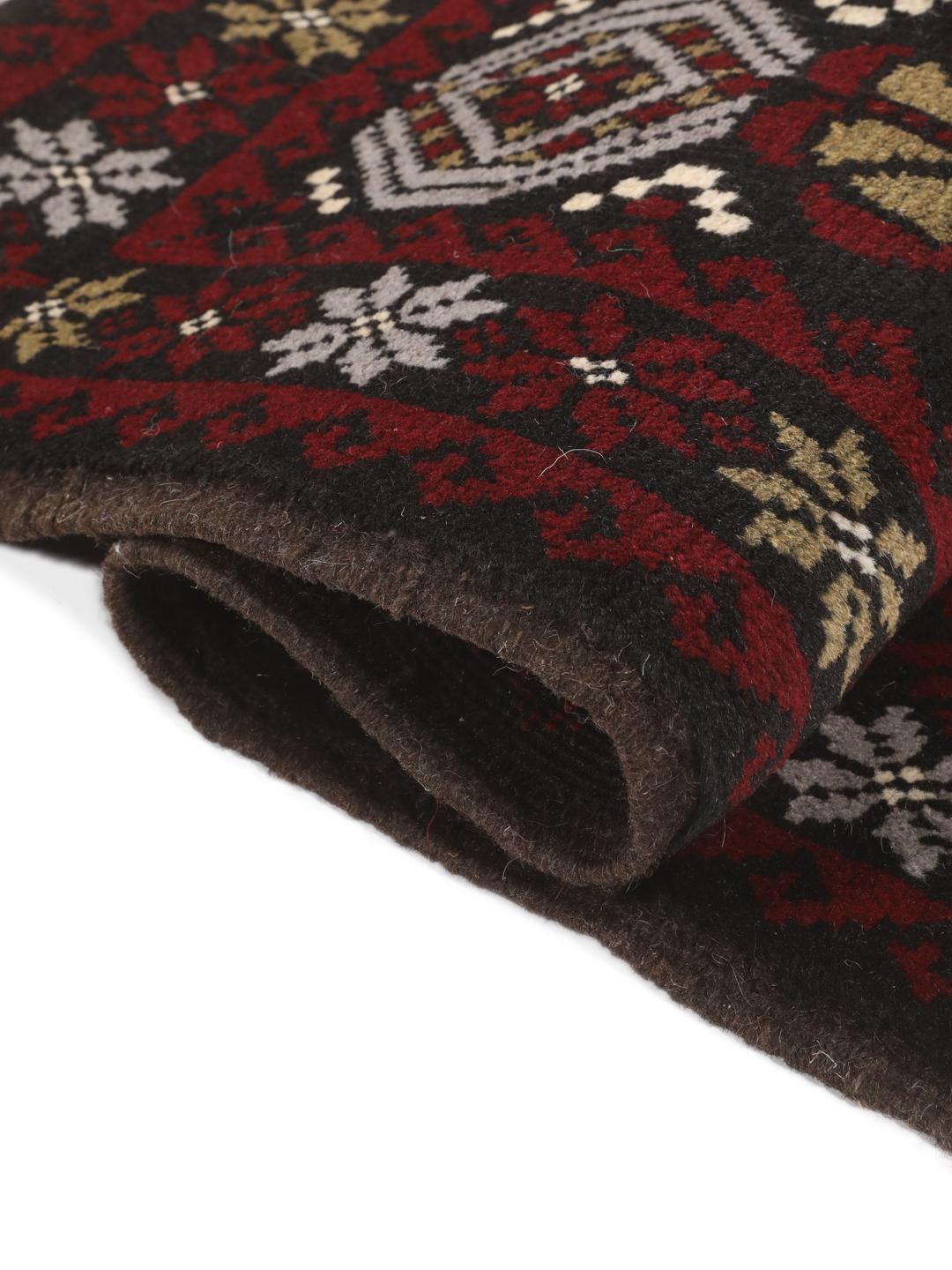
Signature design elements for Baluch rugs often include geometric motifs, stylised floral patterns, and intricate borders. The colour palettes are typically grounded in deep, earthy tones, with dark-red and dark-grey being traditional favourites. These rugs often feature a repeating medallion or gul, which serves as a central point of interest, framed by borders that showcase the weaver's ability to balance complex geometry with traditional aesthetics.
Owning a Baluch rug is more than just purchasing a floor covering; it is an investment in a piece of cultural history. Collectors value these rugs for their authenticity and the human effort embedded in every strand of wool. When you bring one into your home, you are celebrating the skill of the artisans and the enduring nature of a craft that has survived and thrived across centuries, offering a tangible link to the past.