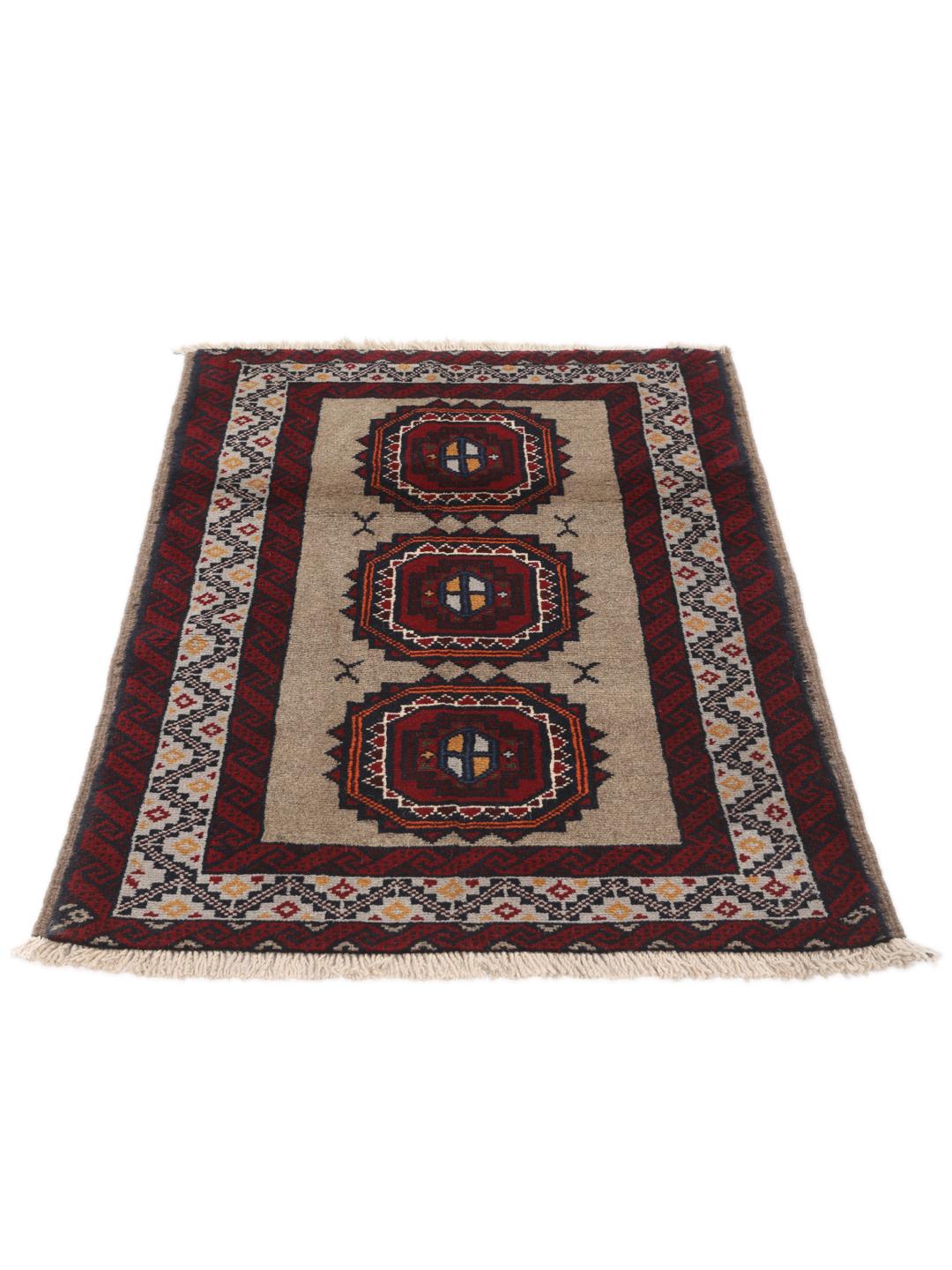
Baluch rugs originate from the nomadic and semi-nomadic tribes of the border regions between the Middle East and neighbouring countries. These weavers have historically been known for their ability to create intricate, highly portable rugs that reflect their environment and cultural identity. The migration of these tribes over centuries has led to a rich exchange of design influences, resulting in a tradition that is both geographically diverse and culturally distinct.
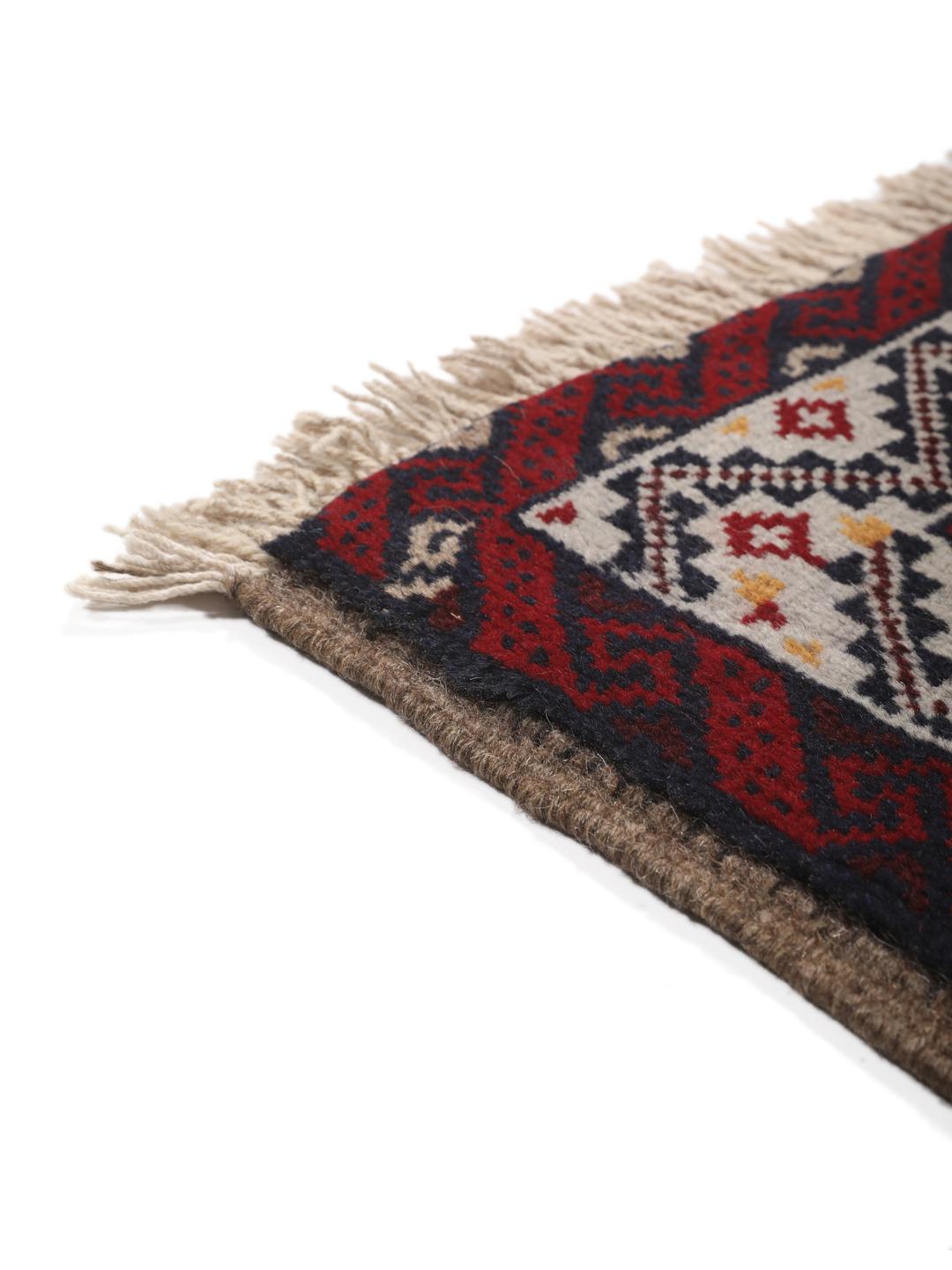
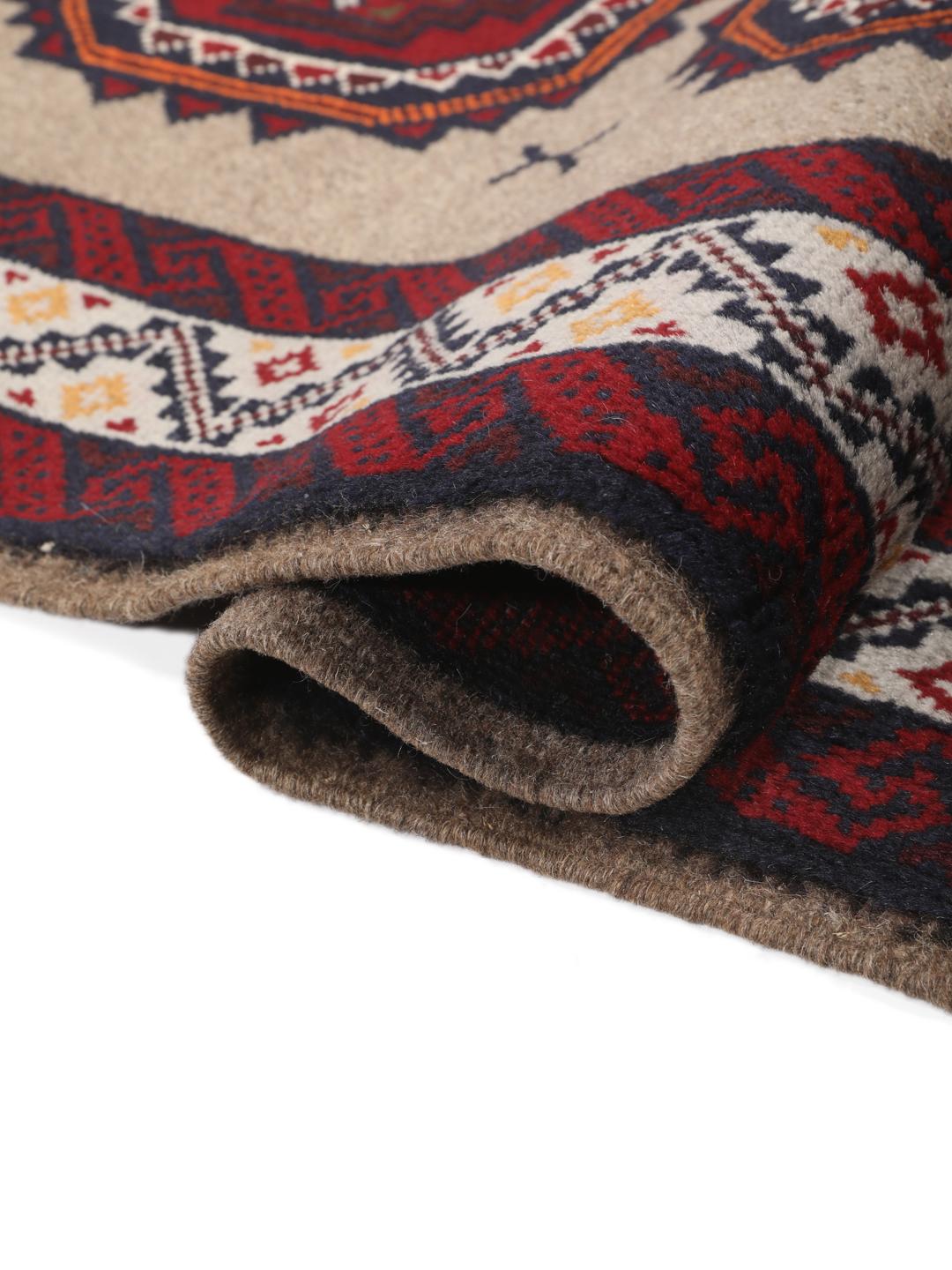
The term Baluch refers not only to the tribal identity but also to a specific style of weaving that favours durability and deep, earthy tones. Traditionally, these rugs are made using wool, which is prized for its natural lanolin content, providing a soft yet resilient pile. This material choice is essential for the nomadic lifestyle, as it offers warmth and protection against harsh climates, a feature that translates perfectly into the comfort of a modern home.
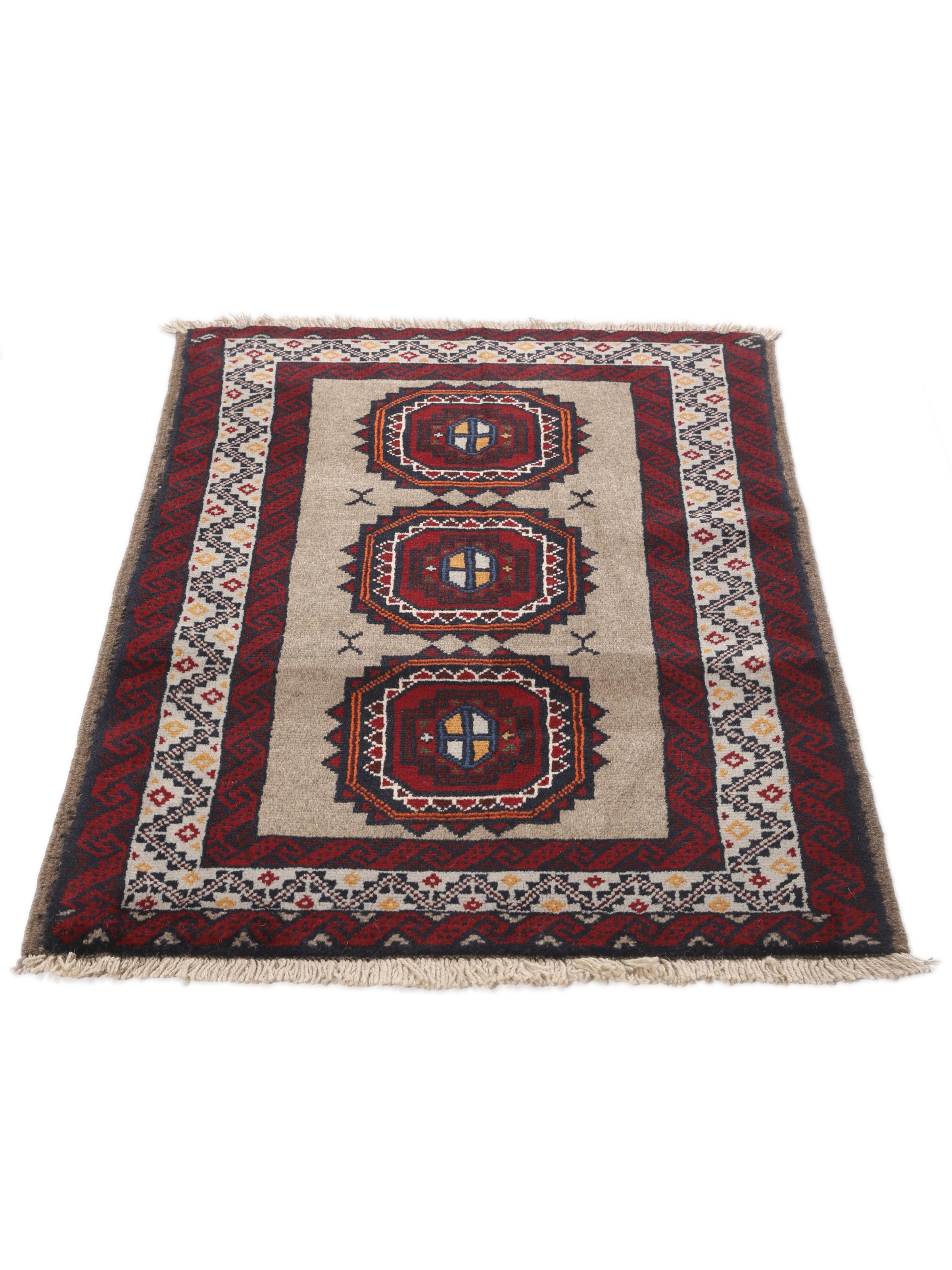
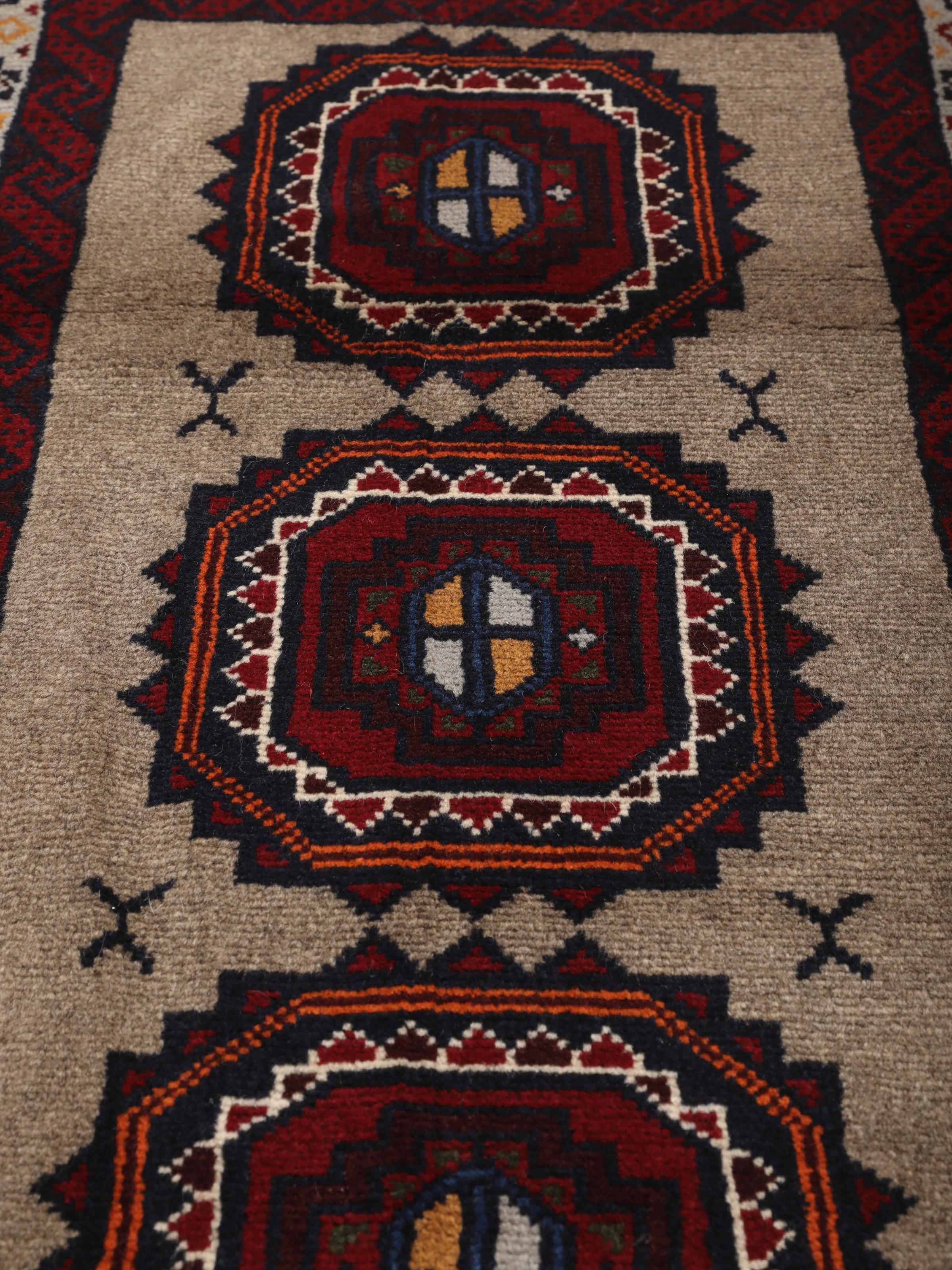
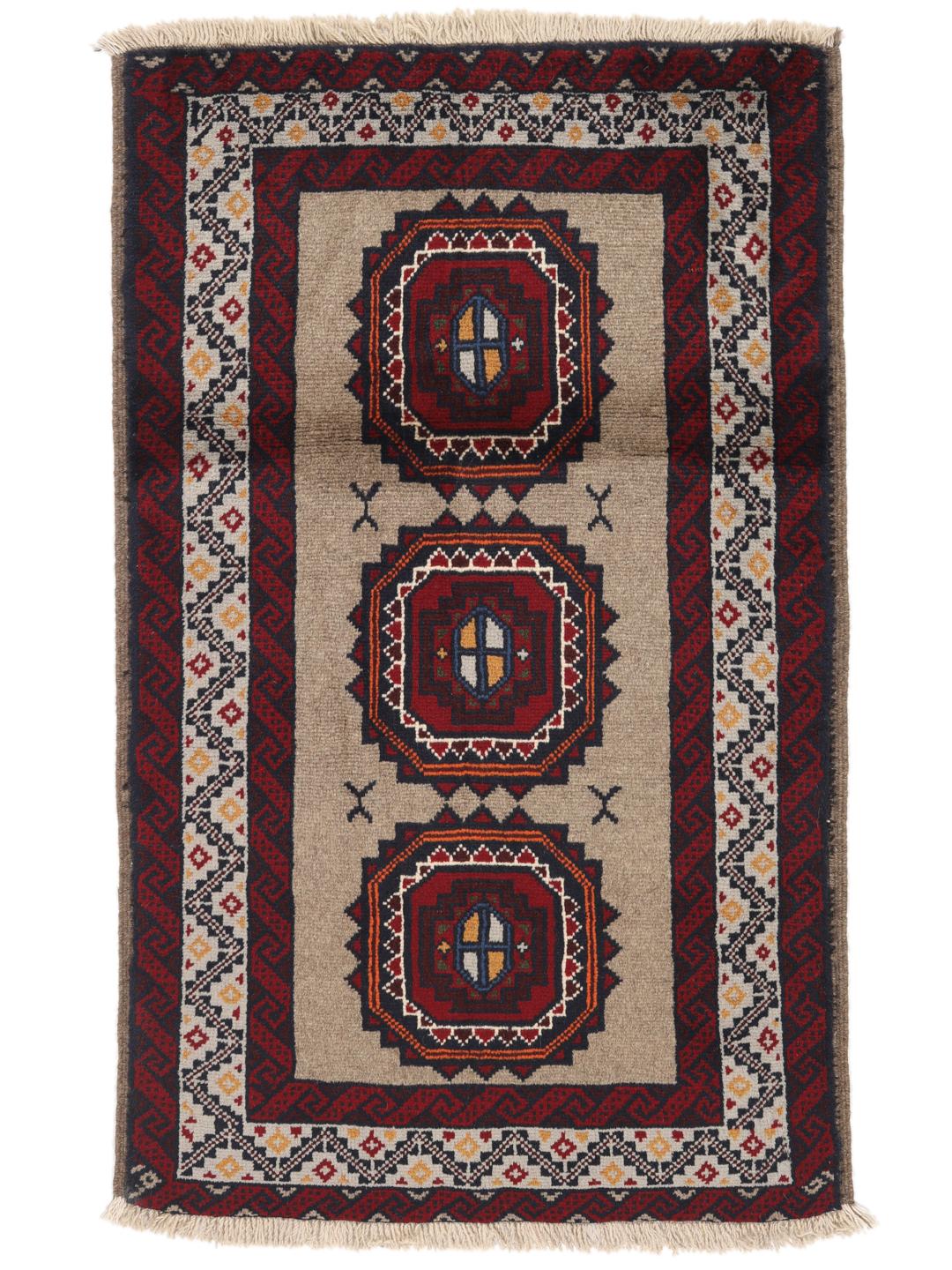
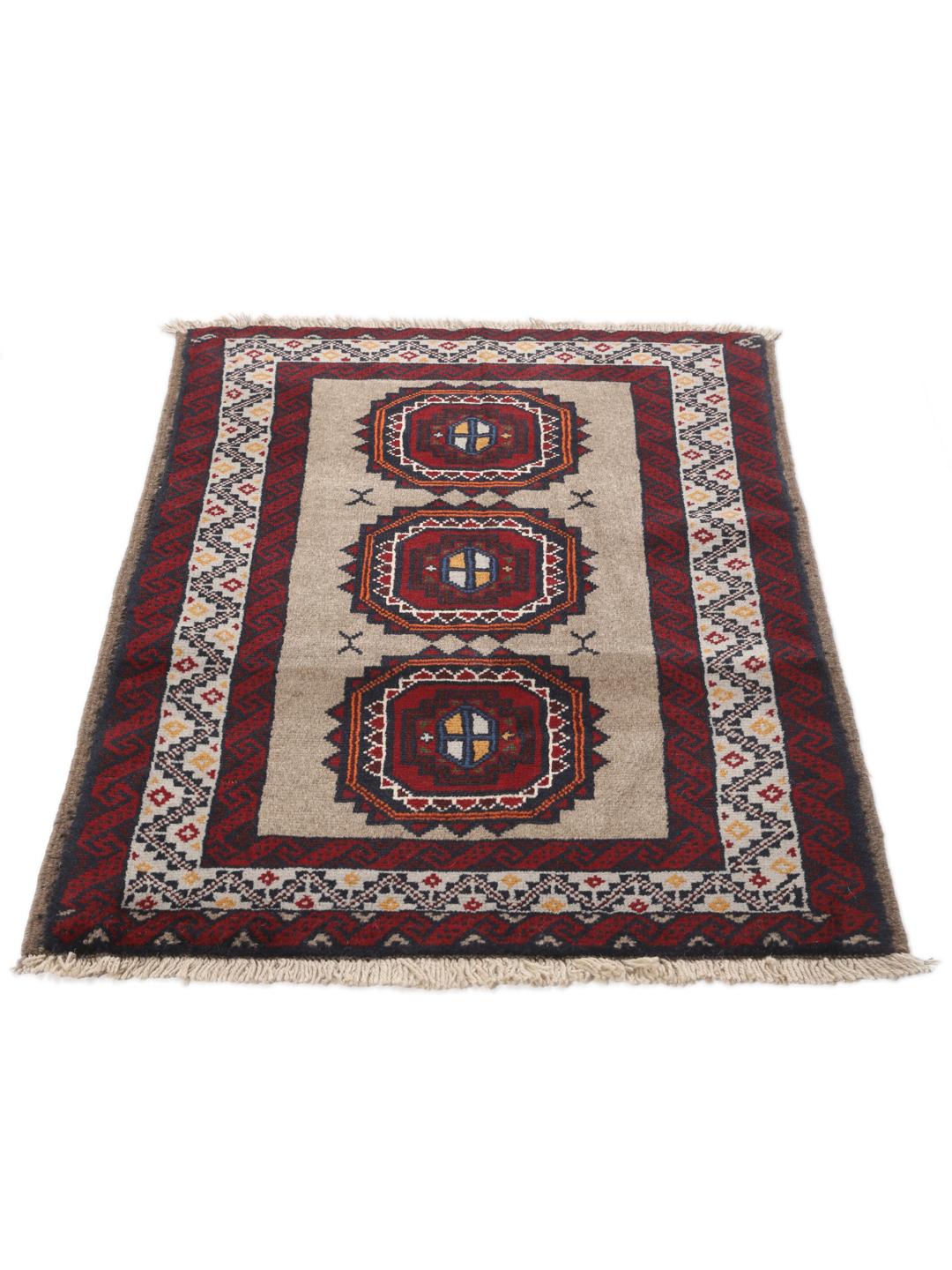
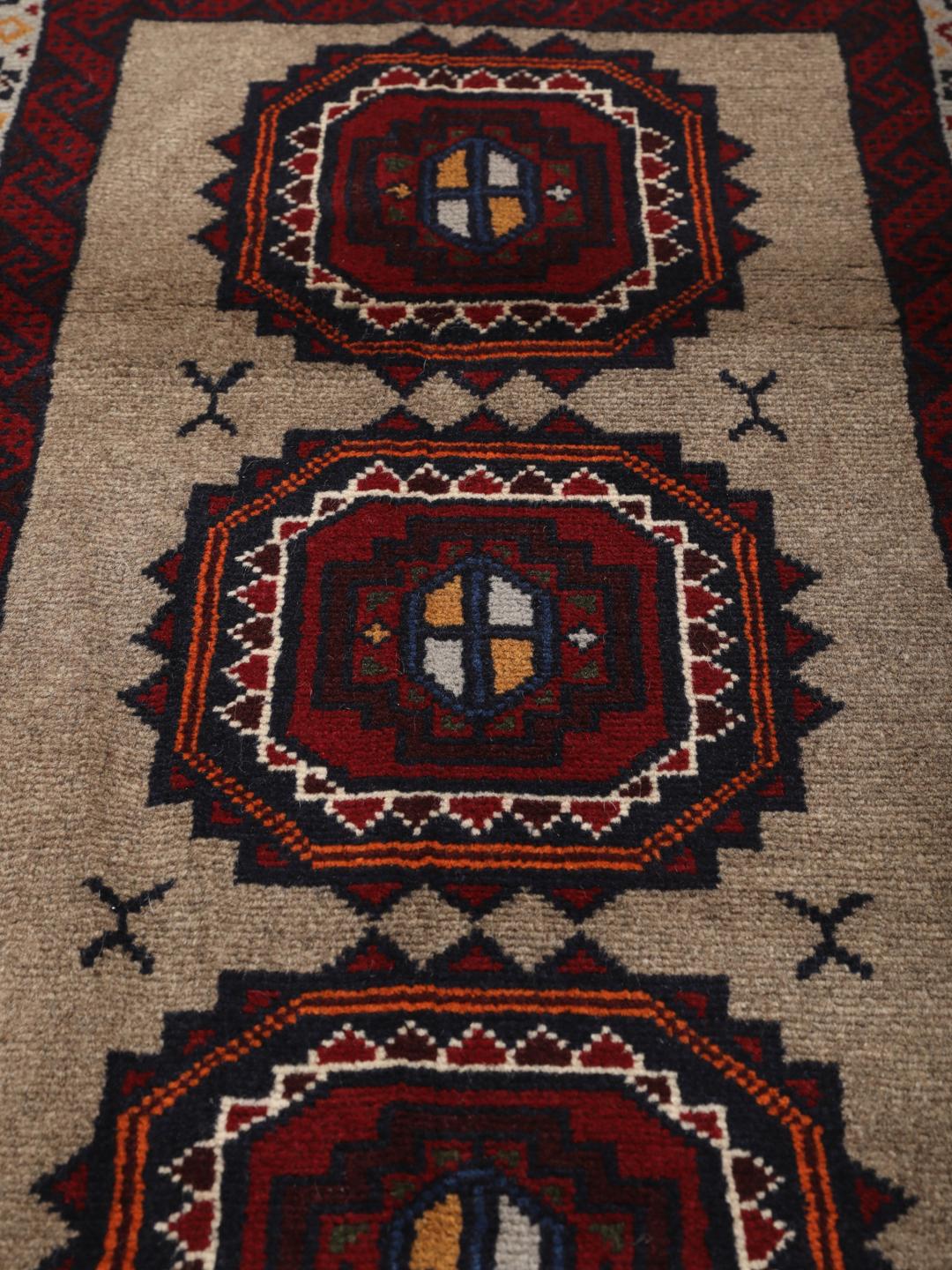
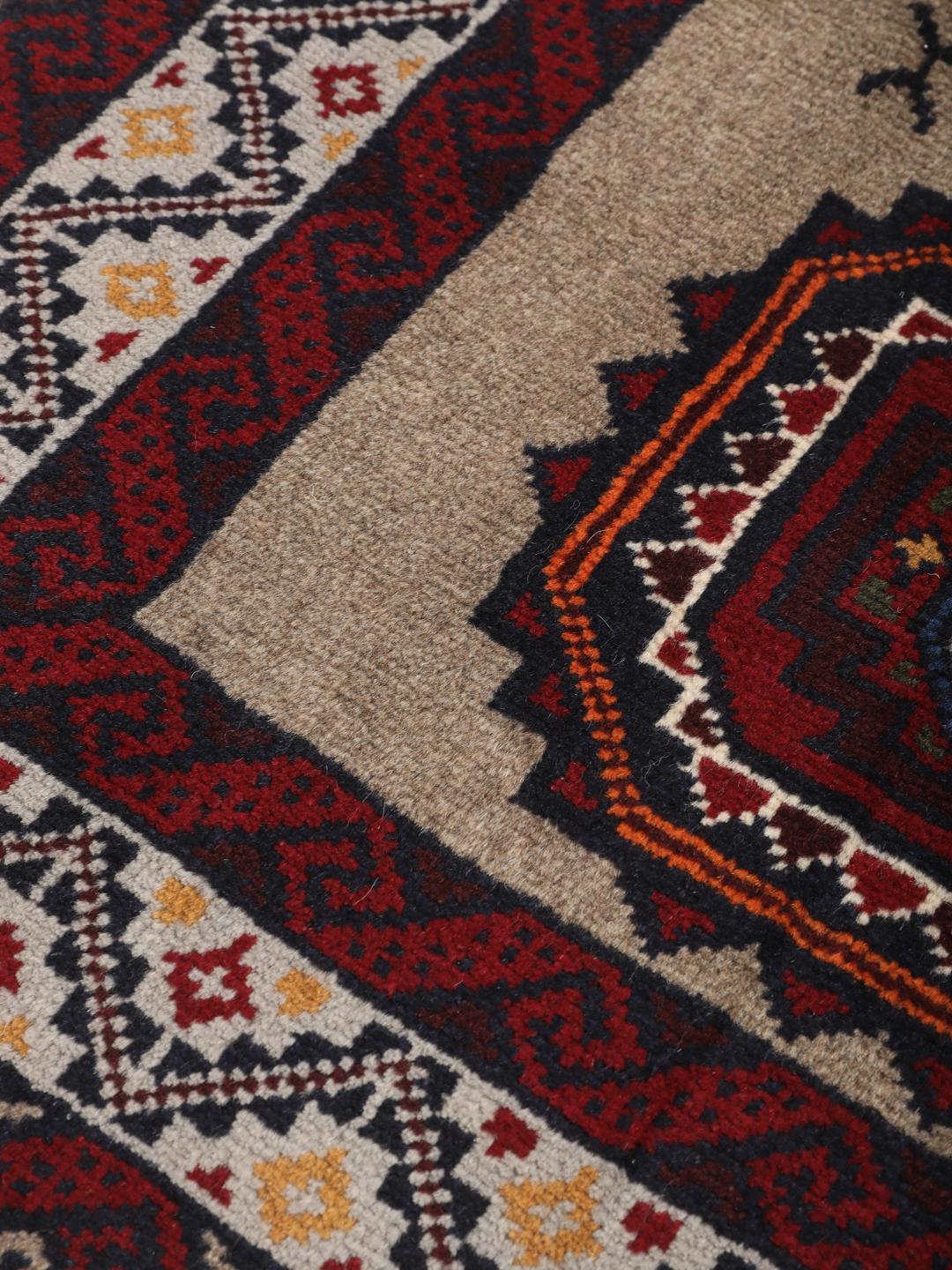
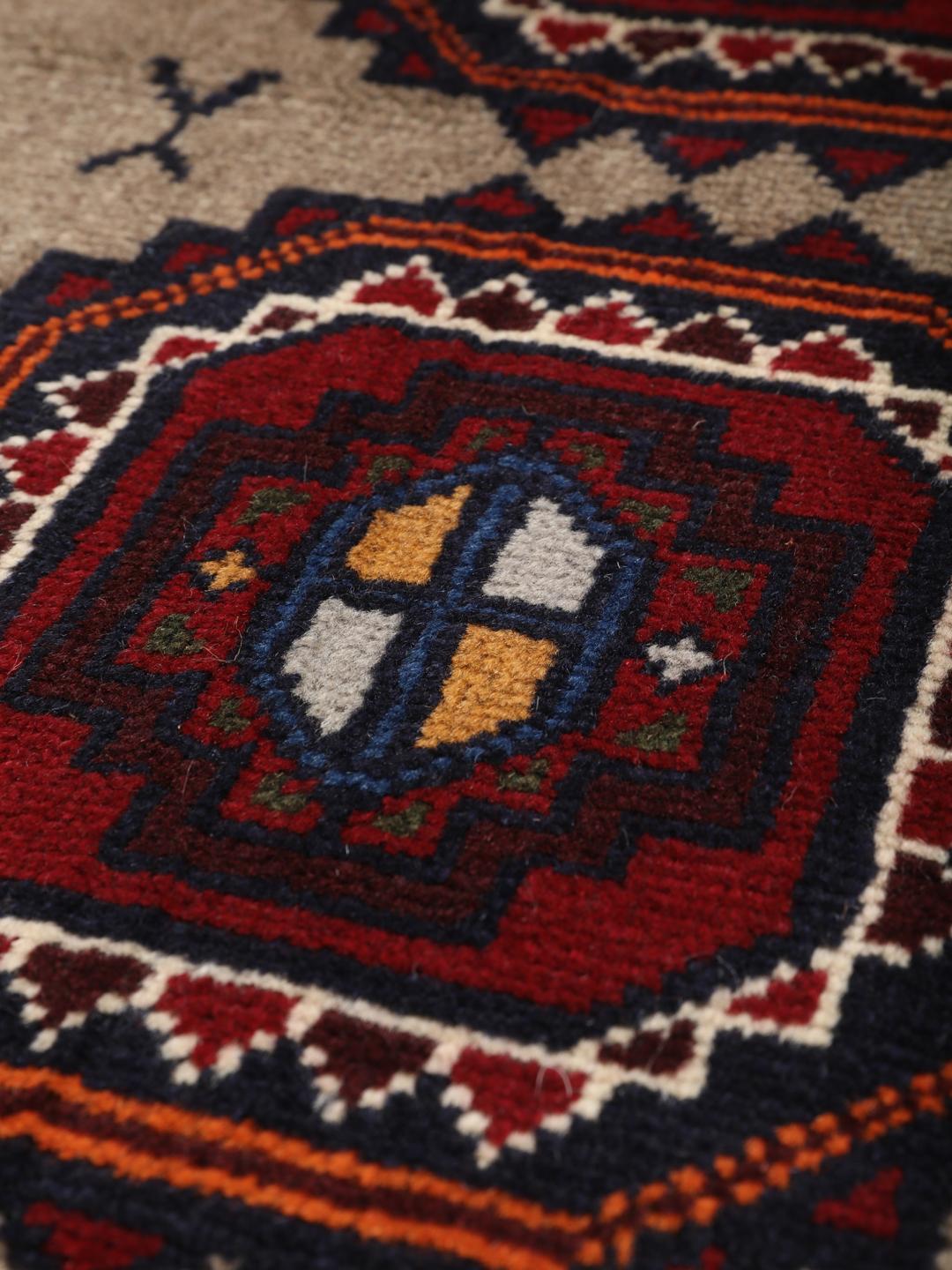
Design-wise, these rugs are celebrated for their geometric rigour and bold, symbolic motifs. You will often find repeating medallions, known as guls, or intricate tribal patterns that have been passed down through generations. The borders are frequently just as detailed as the centre, showcasing a mastery of symmetry and colour balance that makes these pieces highly recognisable to collectors and enthusiasts alike.
Owning a Baluch rug is an investment in a living heritage. These pieces are valued for their authenticity and the sheer skill required to produce them without the aid of modern machinery. Collectors treasure them because they represent a direct link to a craft tradition that prioritises the weaver's individual expression and the timeless appeal of natural, hand-dyed wool.