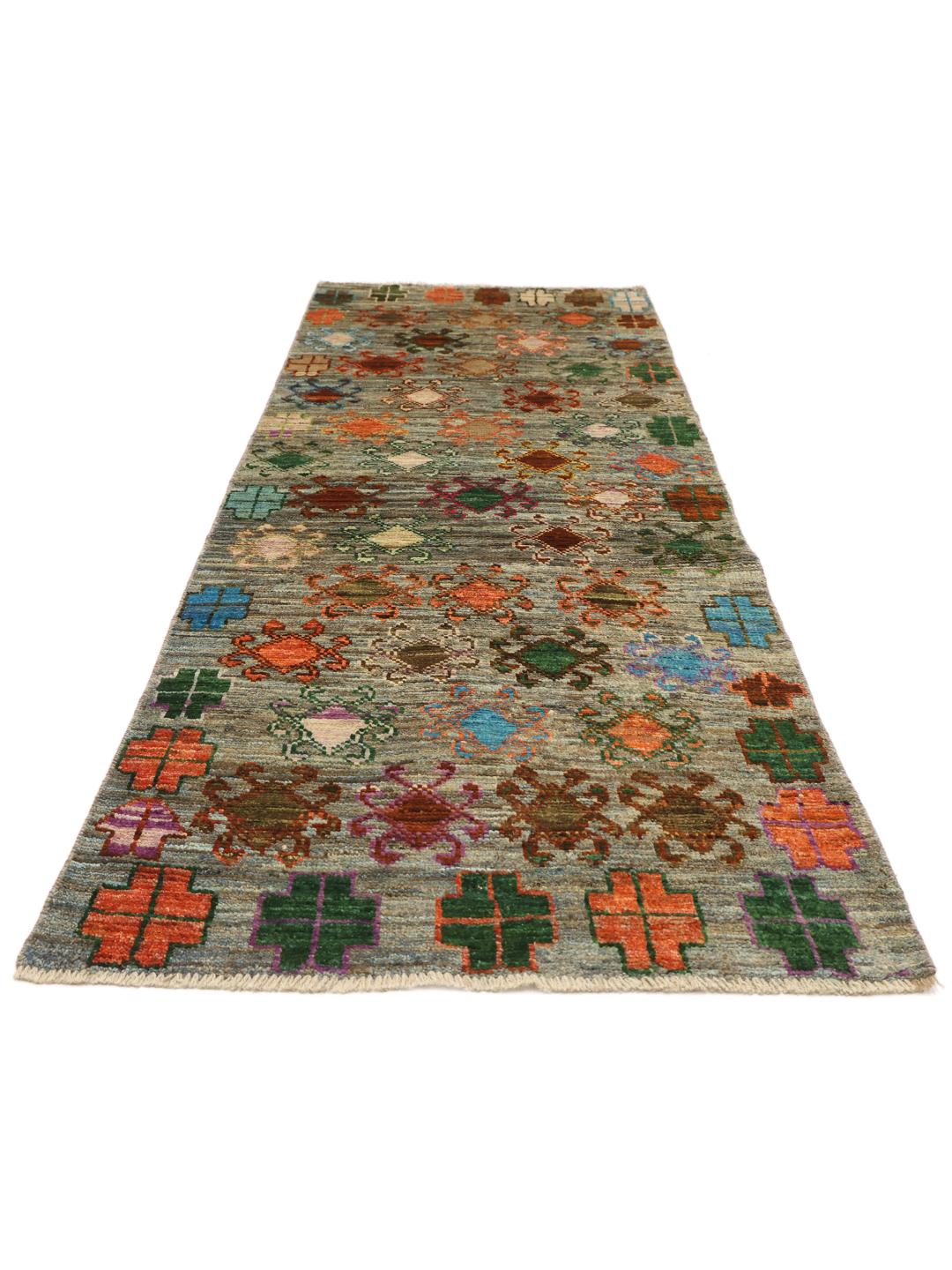
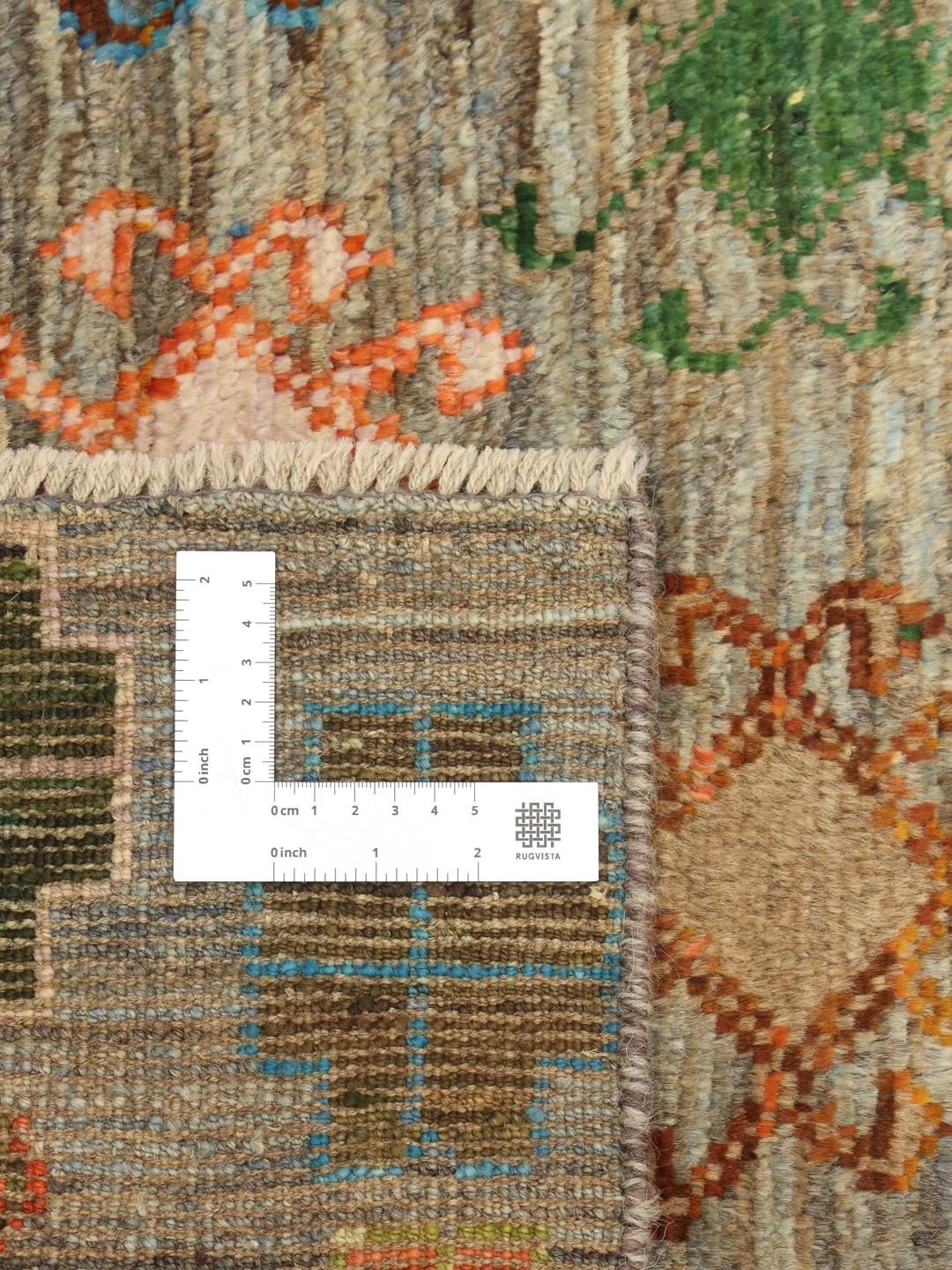
Berber-style rugs are deeply rooted in the history of nomadic tribes, representing a tradition of weaving that has been passed down through generations. While the term is often associated with the mountainous regions of North Africa, the style has evolved and been interpreted by artisans across the Middle East and Central Asia. Today, Afghan weavers bring their own unique perspective to this tradition, blending ancient weaving techniques with vibrant, expressive designs that reflect their regional heritage.
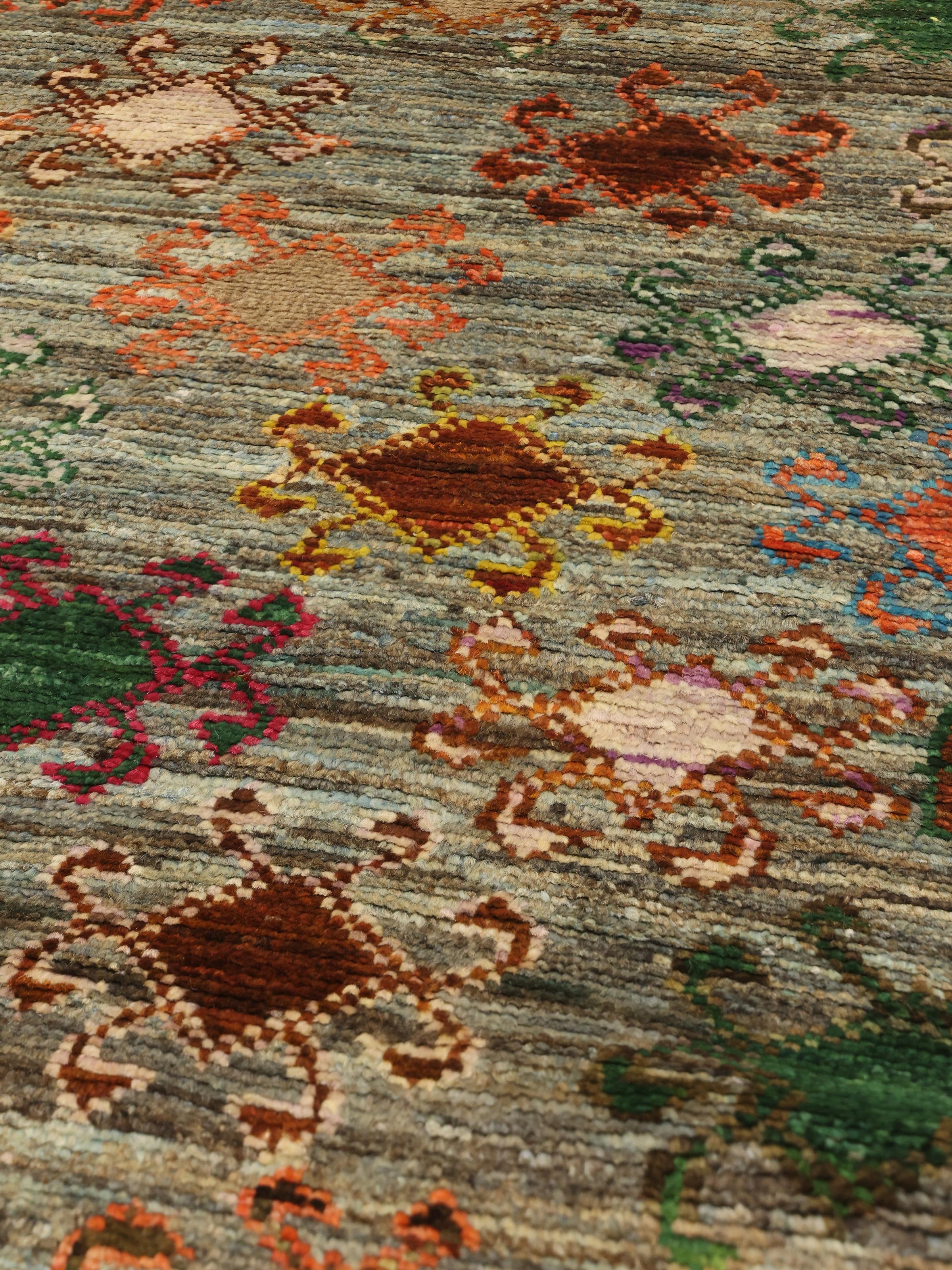
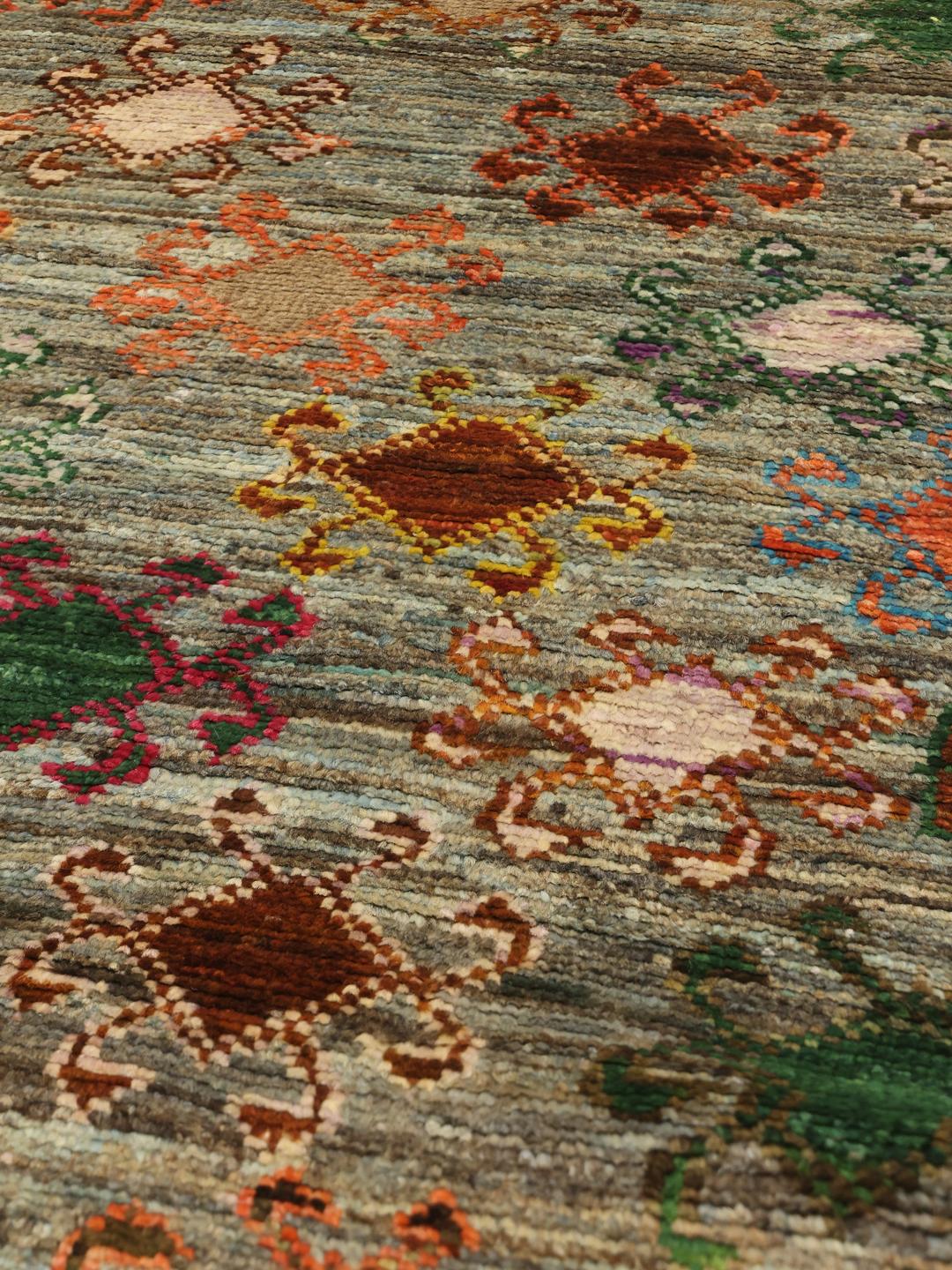
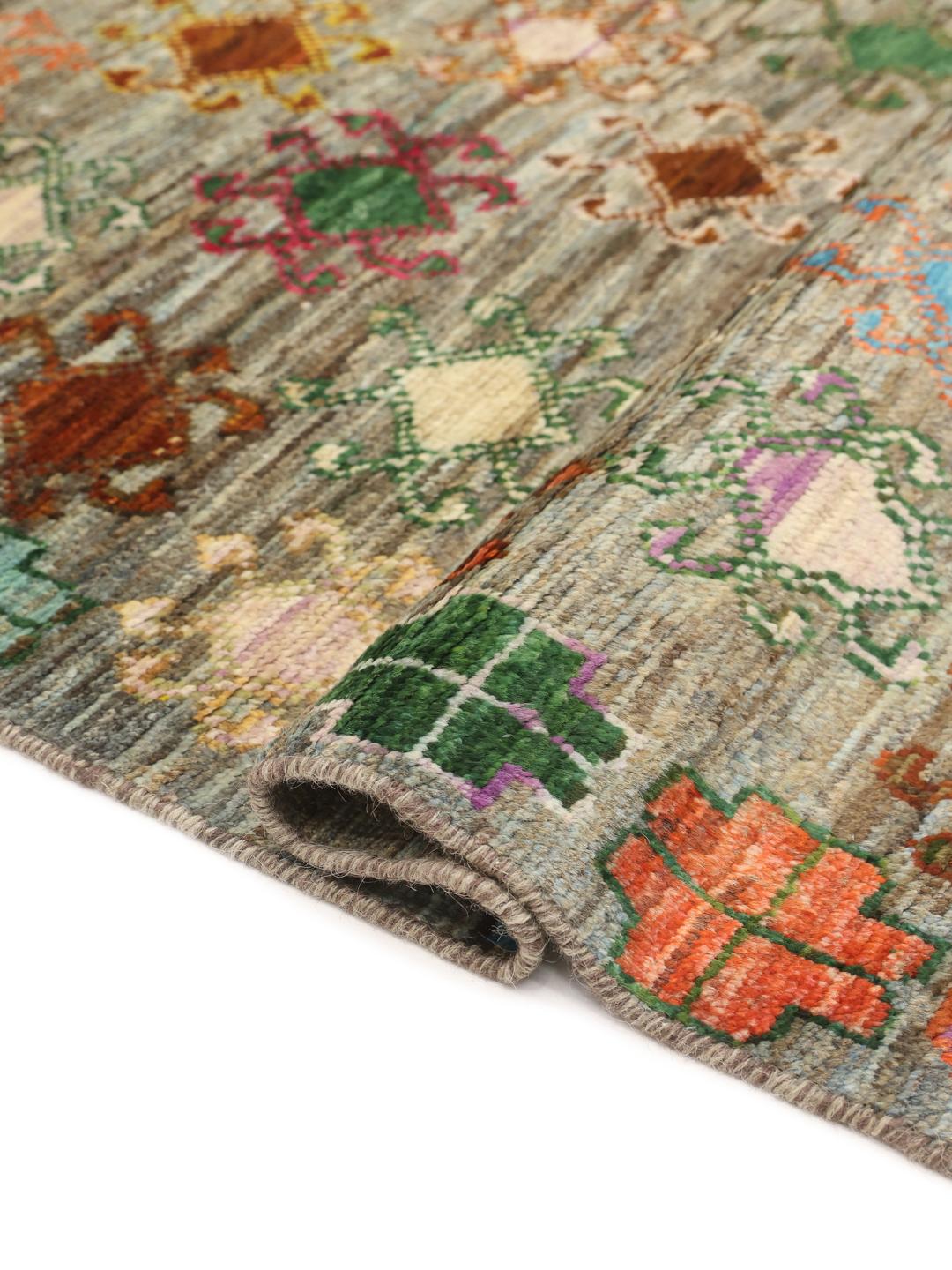
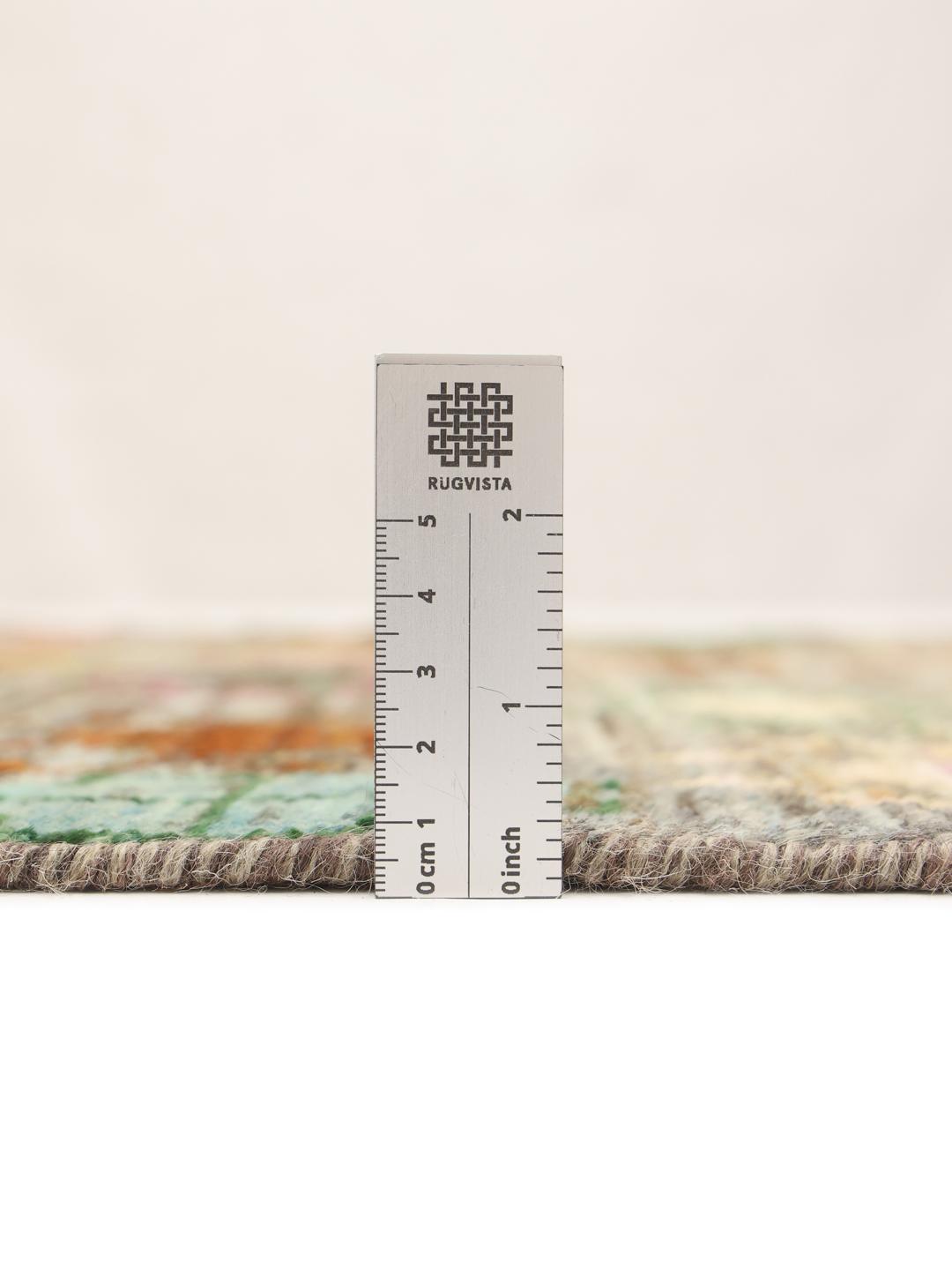
The construction of these rugs typically involves the use of high-quality wool, prized for its natural lanolin content which makes the fibres both soft and naturally dirt-repellent. In this tradition, the hand-knotting process is the hallmark of quality. By tying each knot by hand, weavers are able to create a pile that is not only dense and luxurious but also incredibly resilient, ensuring the rug remains a staple in the home for decades.
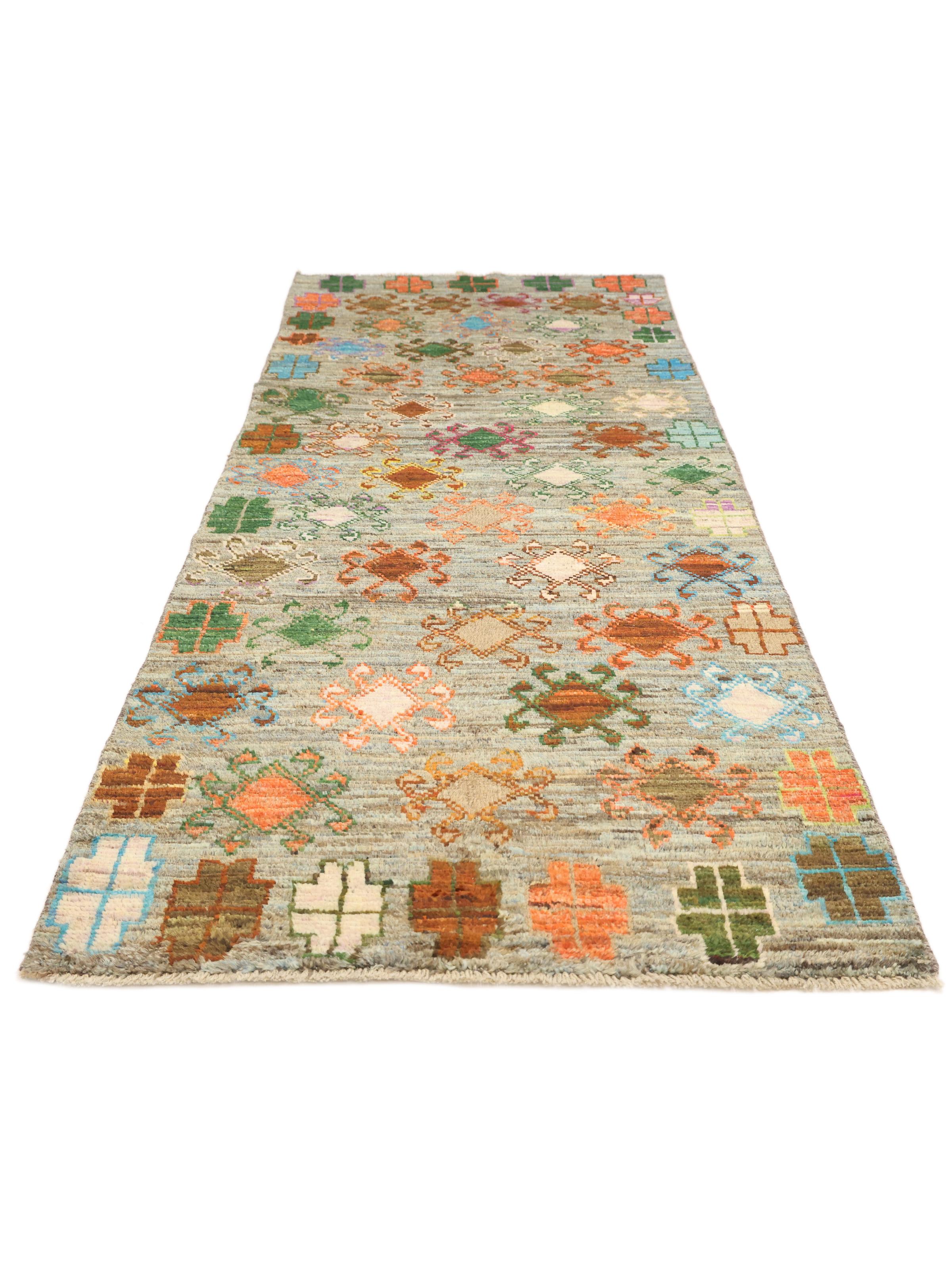
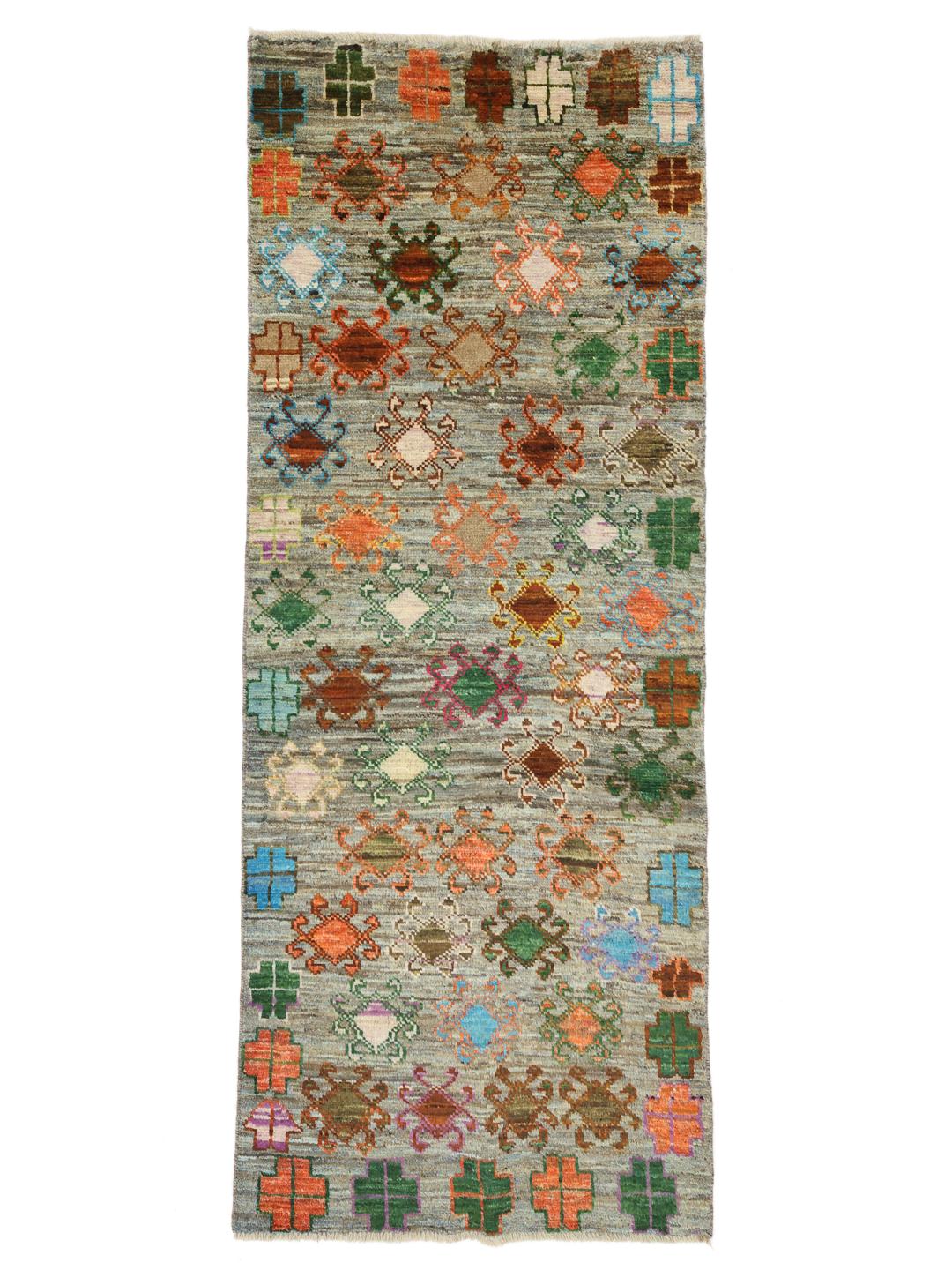
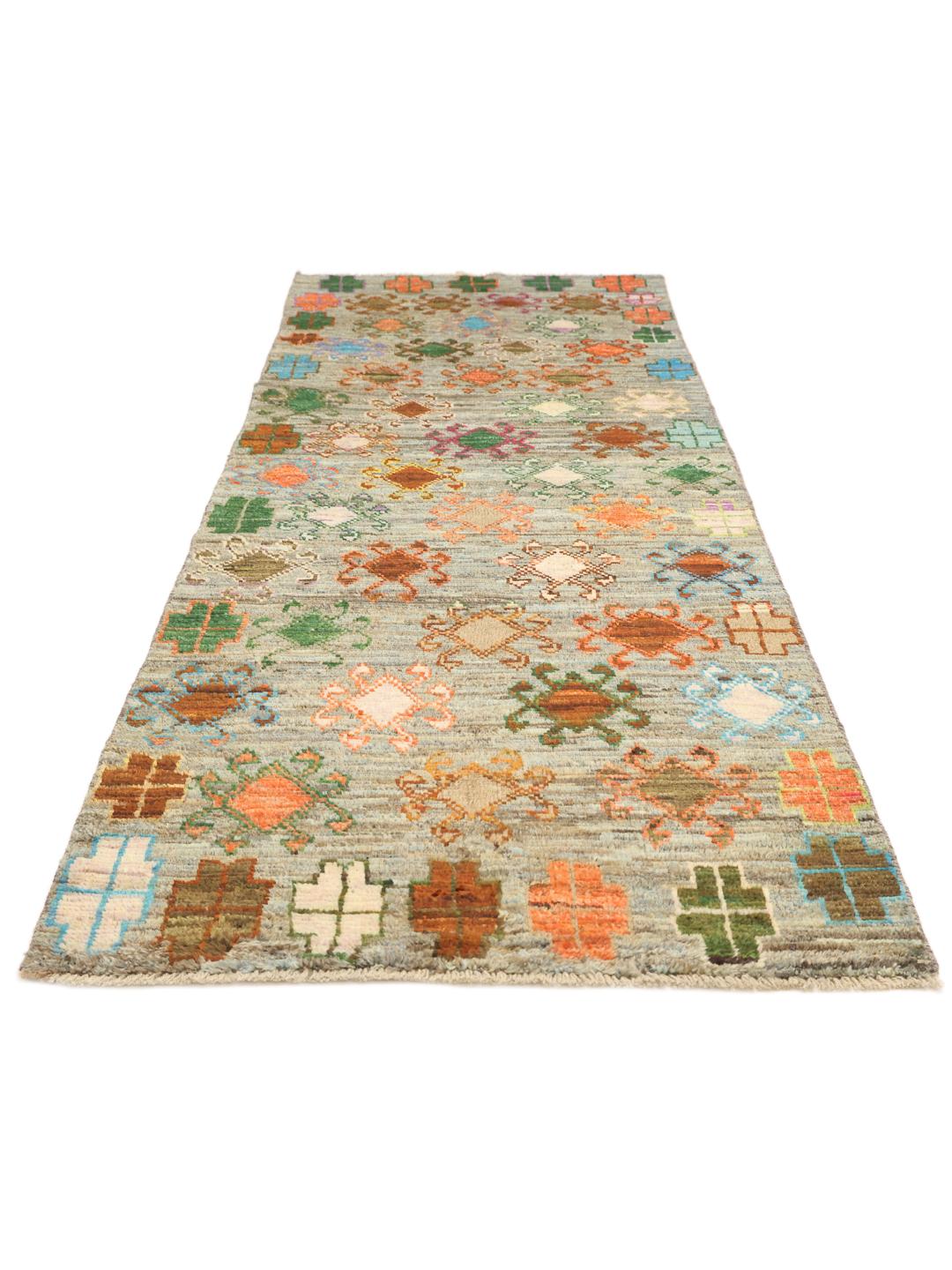
Visually, these pieces are known for their spontaneous and often abstract motifs. Unlike more formal, symmetrical carpets, the Berber-inspired aesthetic celebrates free-form shapes and a playful use of colour. The motifs often carry symbolic meanings, representing aspects of daily life, nature, or tribal history, making each rug a canvas for storytelling. The contrast between the grounded background colours and the vivid, multi-coloured accents is a signature look that brings energy to any room.
Collecting a rug from this tradition is an investment in cultural preservation. It represents a bridge between the ancient world of nomadic craftsmanship and the contemporary need for warmth and individuality in our living spaces. By choosing a hand-knotted piece, you are supporting a legacy of skill that values human effort over mass production, ensuring that this art form continues to thrive in the modern world.