The Berber tradition is deeply rooted in the history of nomadic cultures, primarily associated with the indigenous tribes of North Africa. Over centuries, these weaving traditions have evolved and travelled, influencing rug-making styles across various regions. Today, the spirit of this tradition is kept alive by artisans in the Middle East who adapt these ancestral techniques into contemporary, vibrant designs.
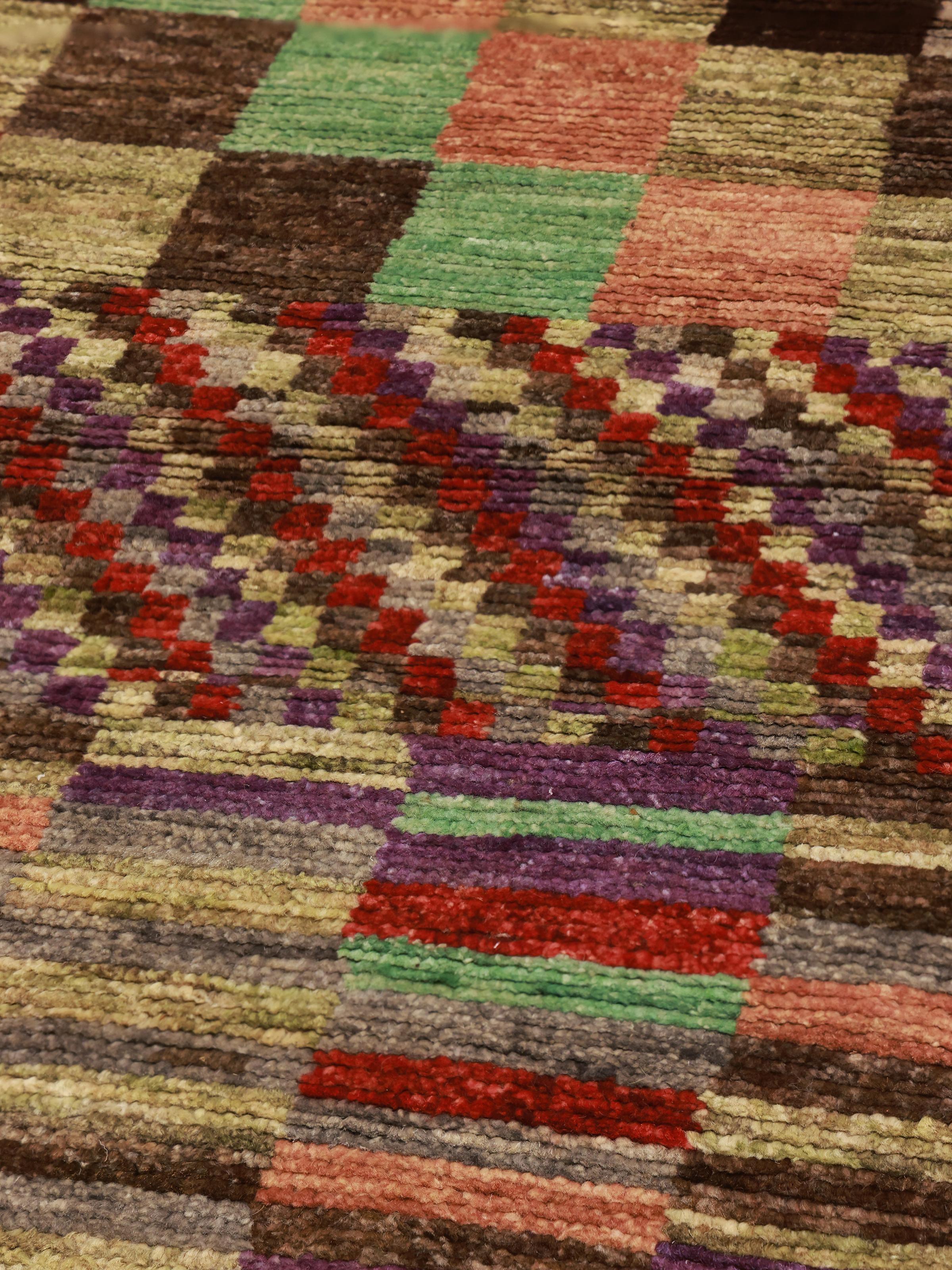
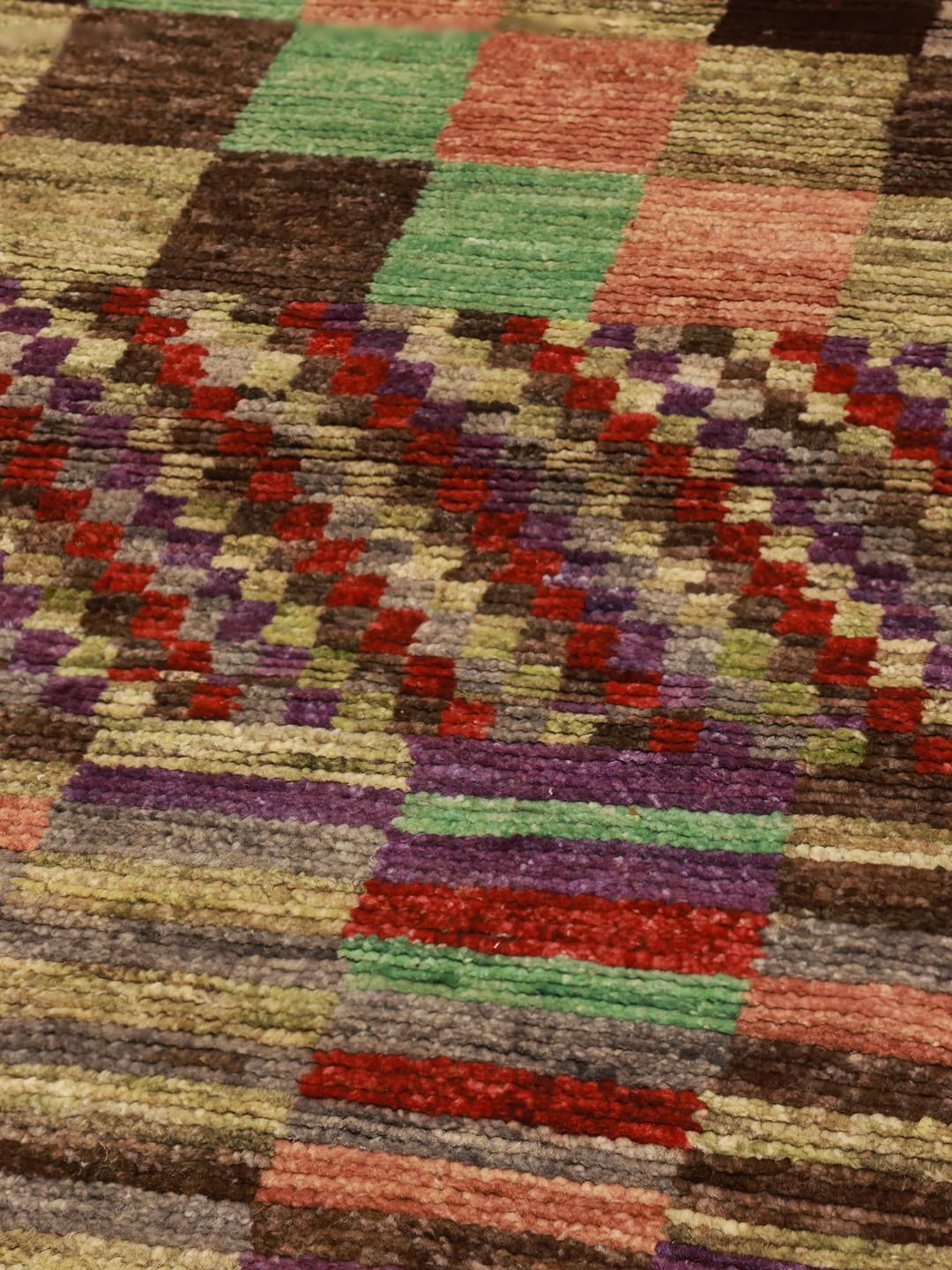
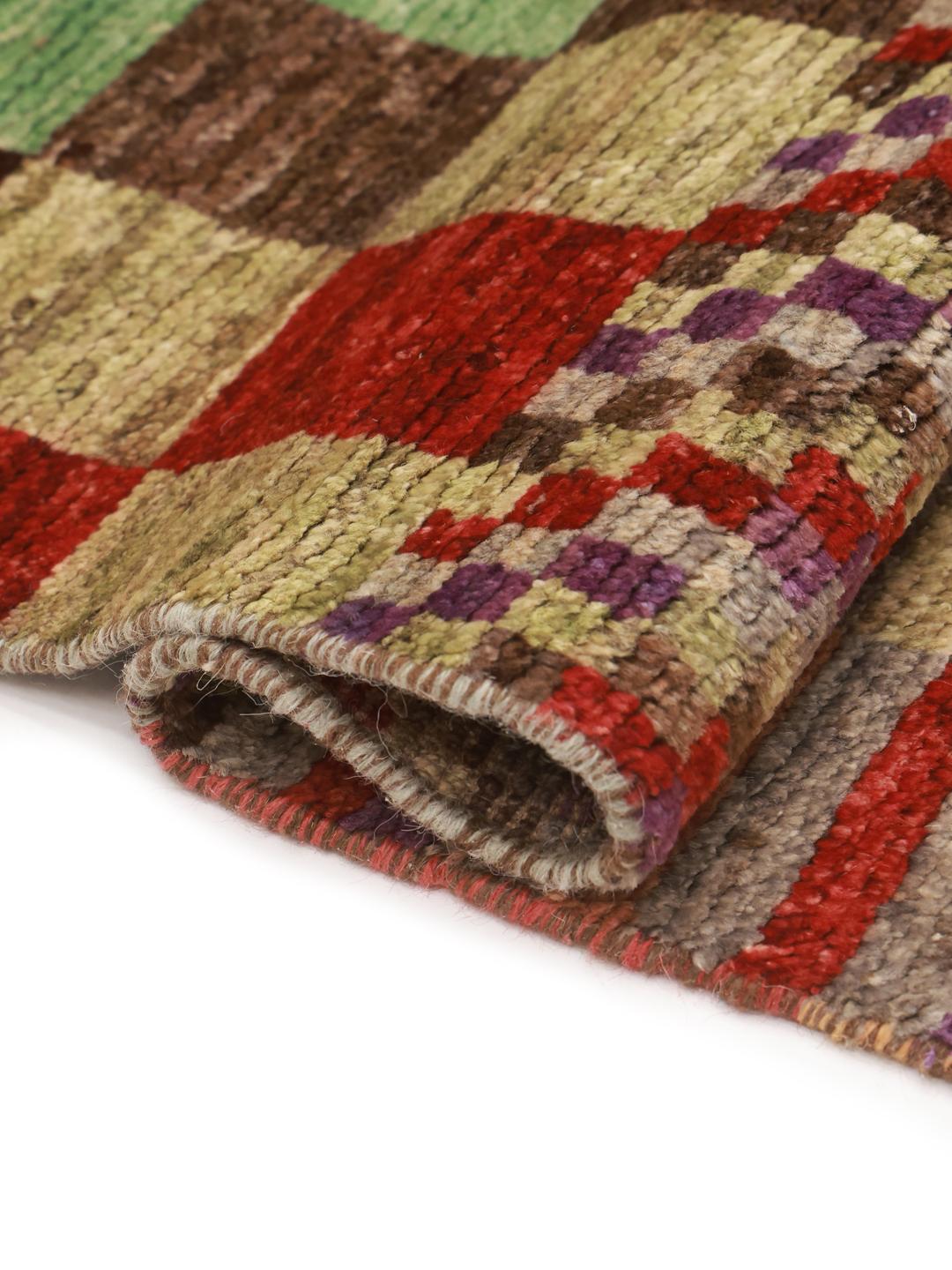
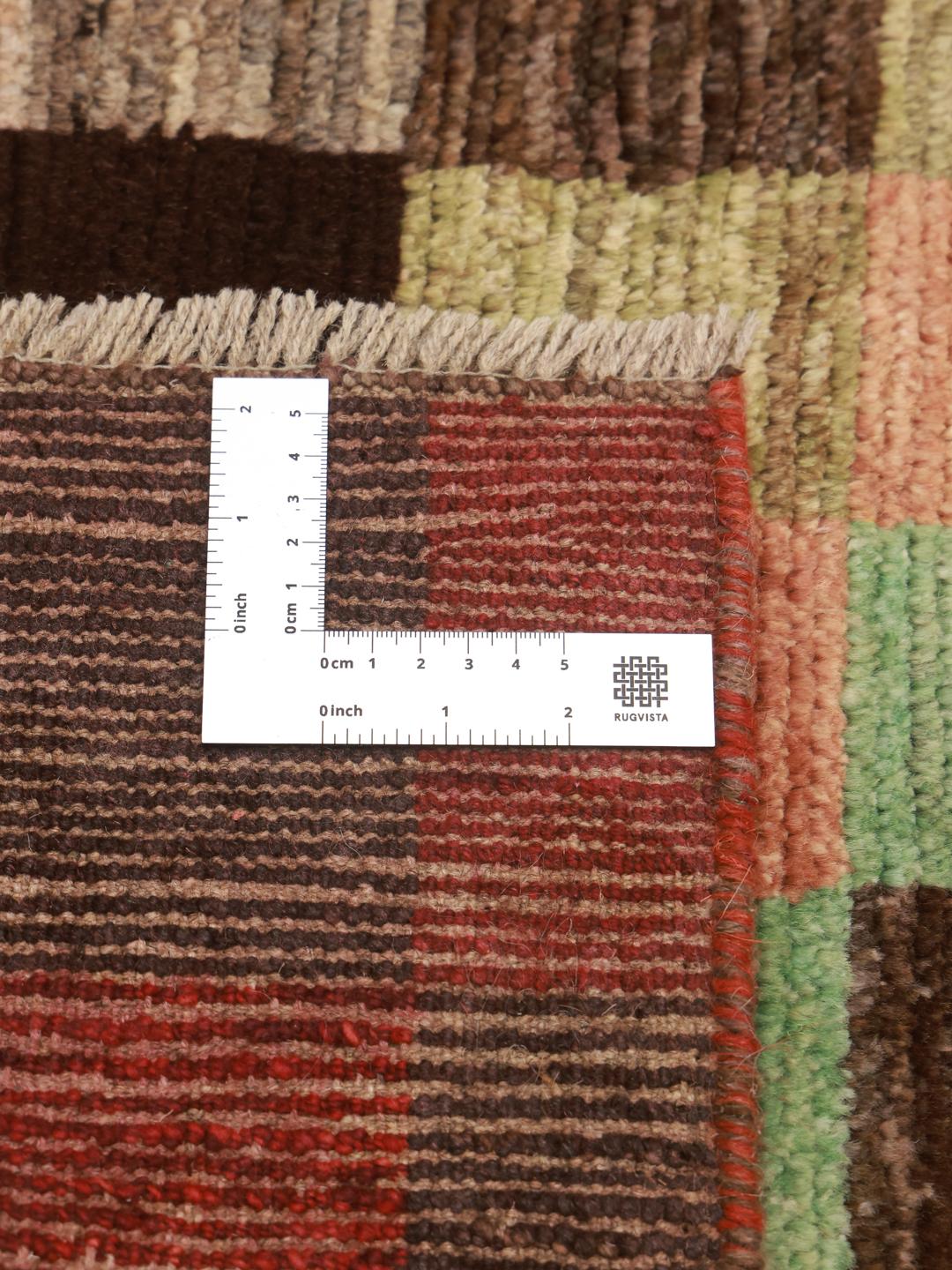
The term hand-knotted refers to the classic method of securing the pile to the foundation, a process that defines the quality and longevity of the rug. In this style, the weaver ties individual knots of wool around the warp threads, building the design row by row. This method is highly valued because it creates a dense, resilient pile that can withstand years of use while retaining its soft, inviting feel.
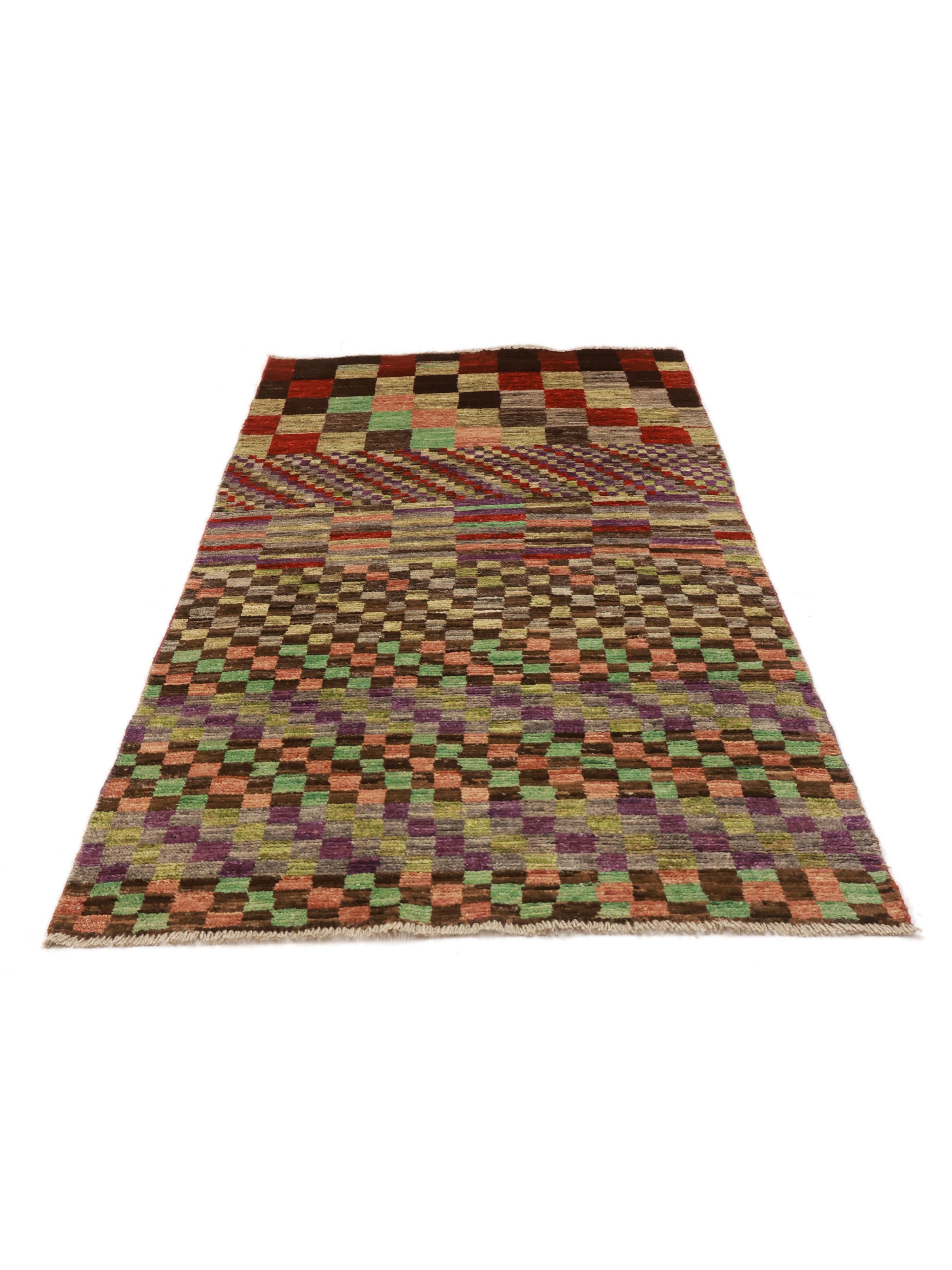
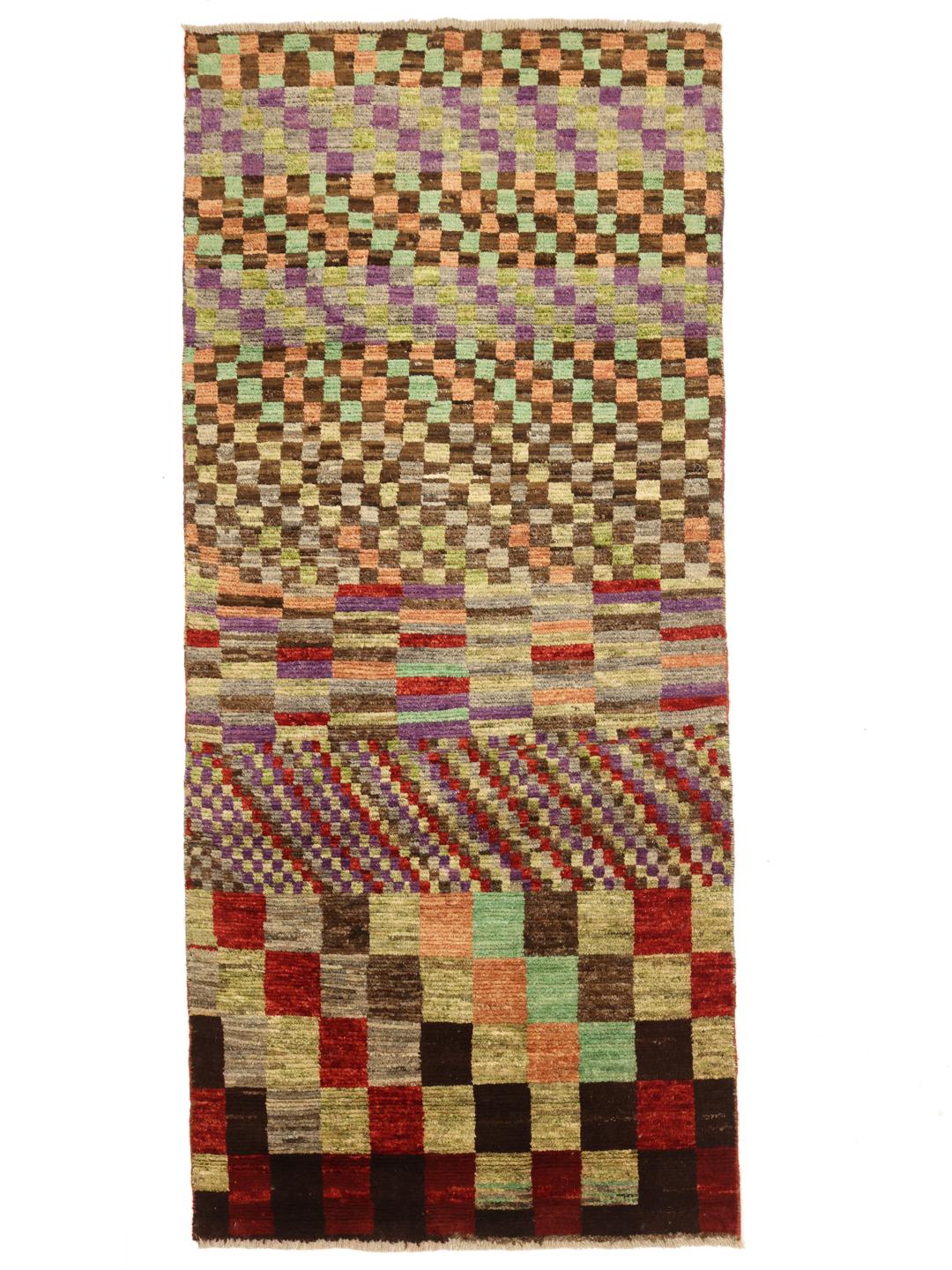
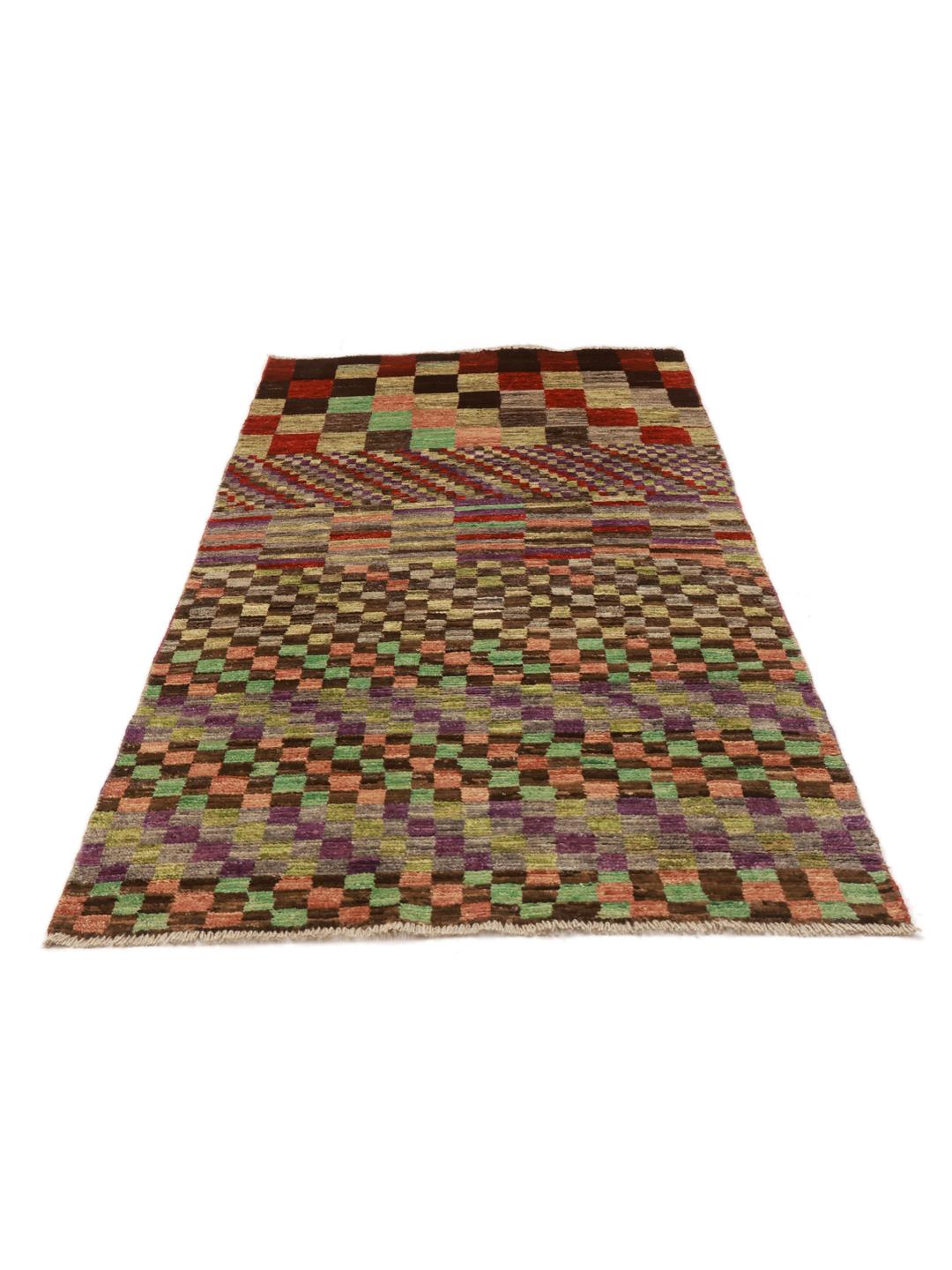
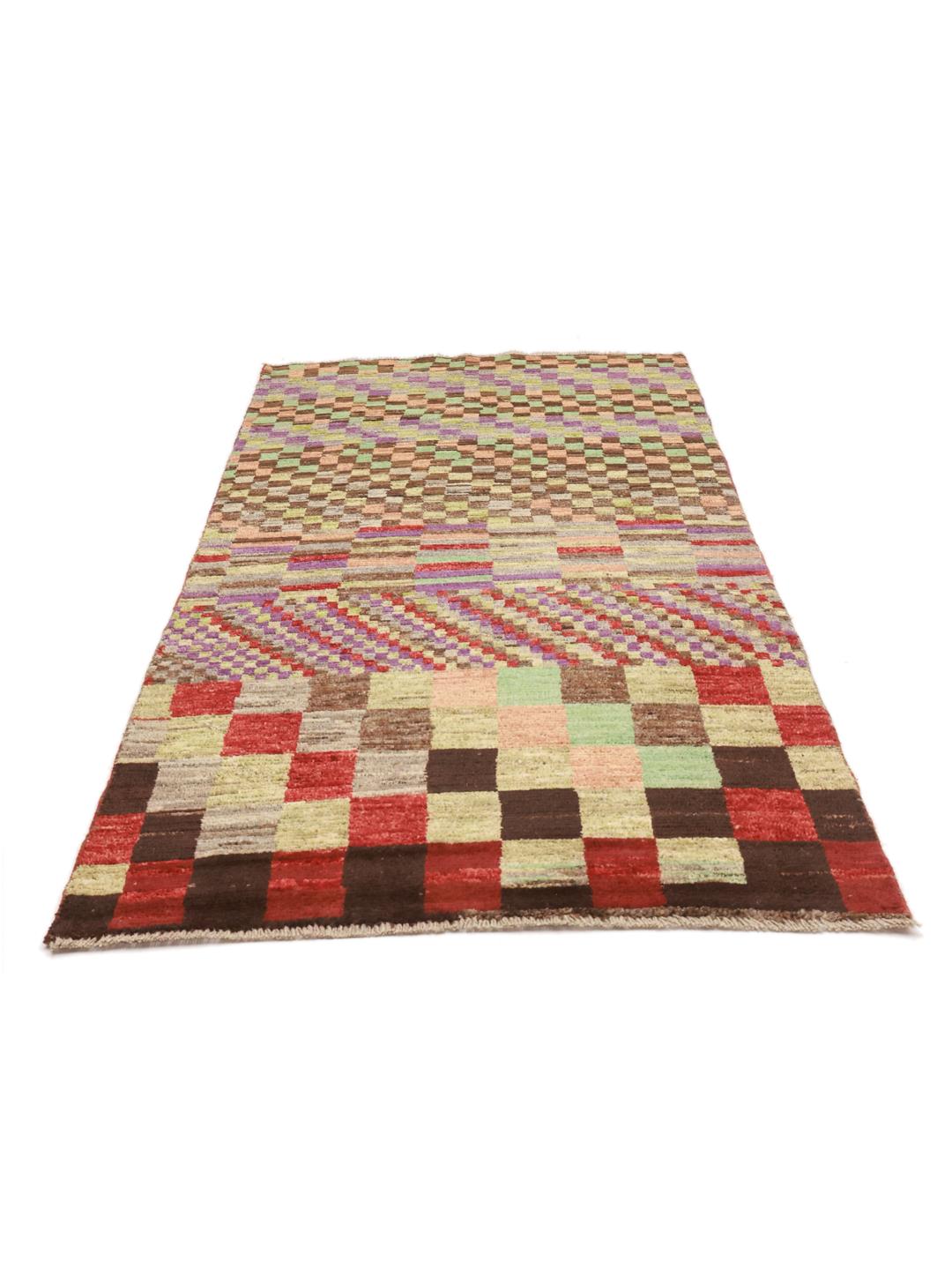
Visually, Berber-inspired rugs are celebrated for their bold, geometric motifs and free-spirited use of colour. Traditionally, these designs were not just decorative but often held symbolic meanings, representing the weaver's environment, their family, or stories of their daily life. While this runner features a modern, playful checkerboard layout, it honours the tradition of using vibrant, contrasting colours to create a striking focal point.
Collecting a rug from this tradition is an act of preserving a rich cultural heritage. Each piece acts as a bridge between ancient craftsmanship and the modern home, offering more than just utility. By choosing a hand-knotted rug, you are investing in a legacy of skill and human artistry that brings depth and character to any space.