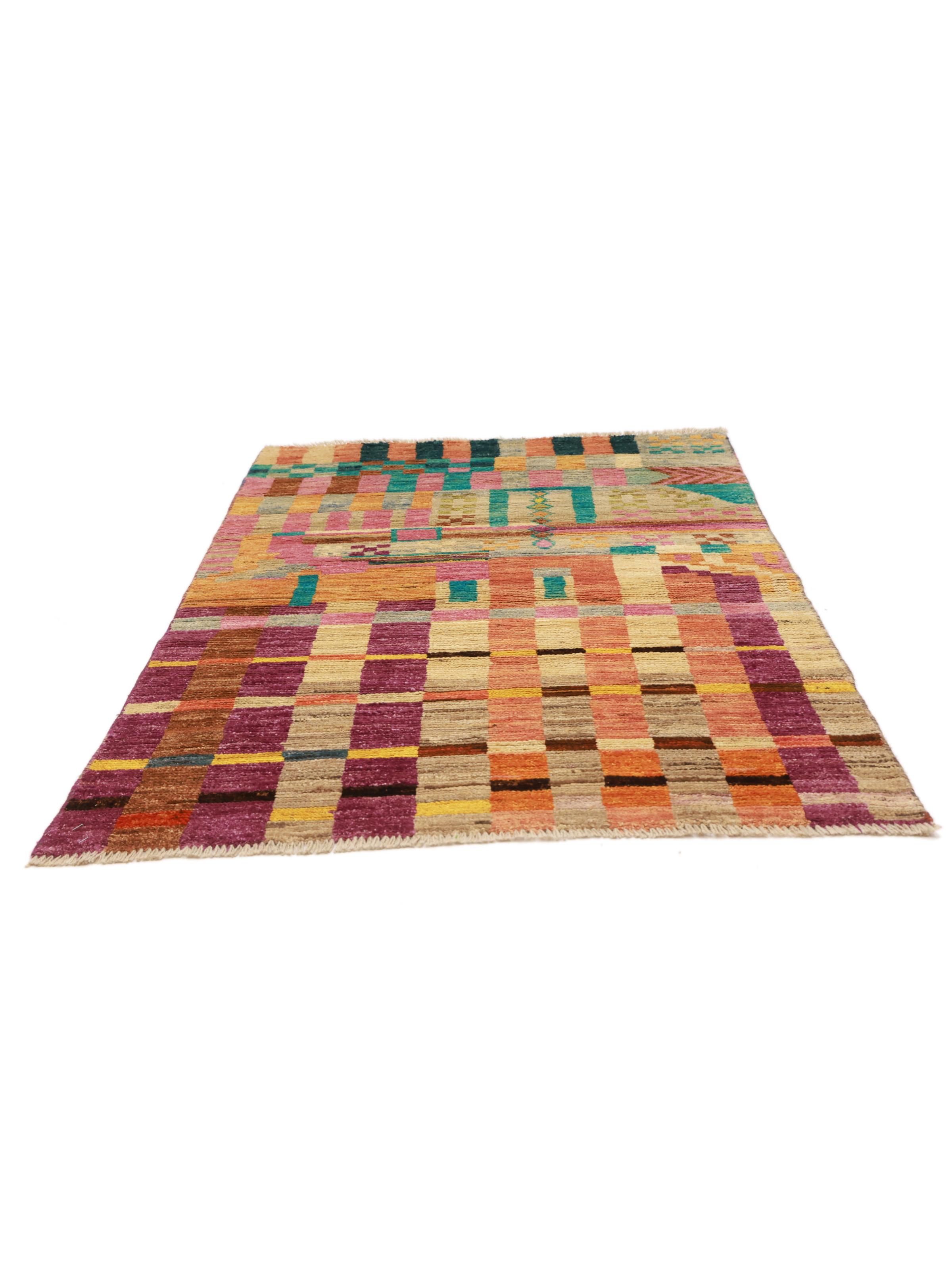
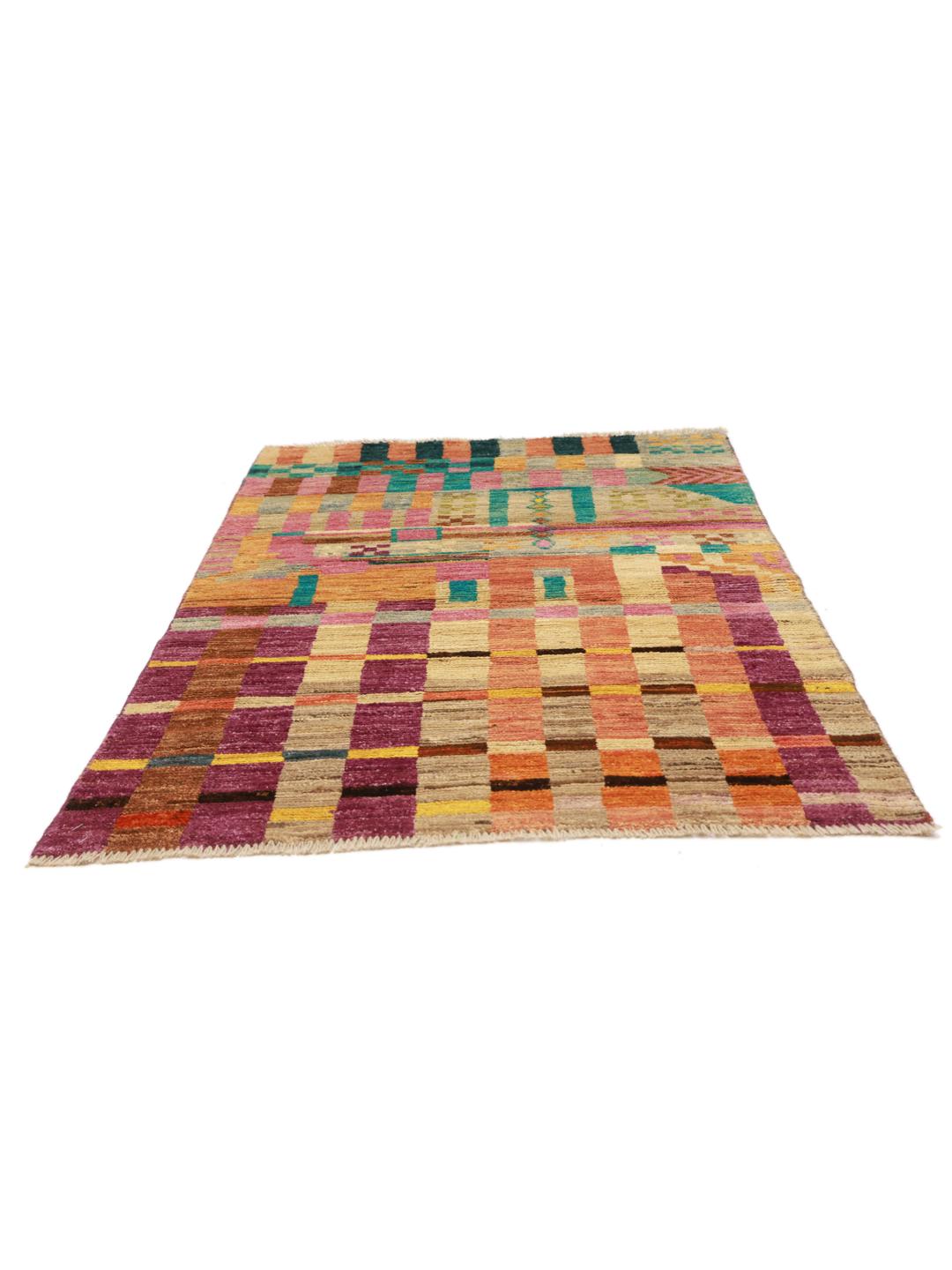
Berber rugs are rooted in a deep, ancient tradition that spans across the mountainous regions of North Africa and has evolved through various cultural exchanges. While the style is most famously associated with the Atlas Mountains, the tradition of weaving such rugs has been adopted and adapted by skilled artisans in Afghanistan, who bring their own regional sensibilities to the craft. This migration of techniques showcases how weaving traditions travel and transform, blending local expertise with historical design influences.
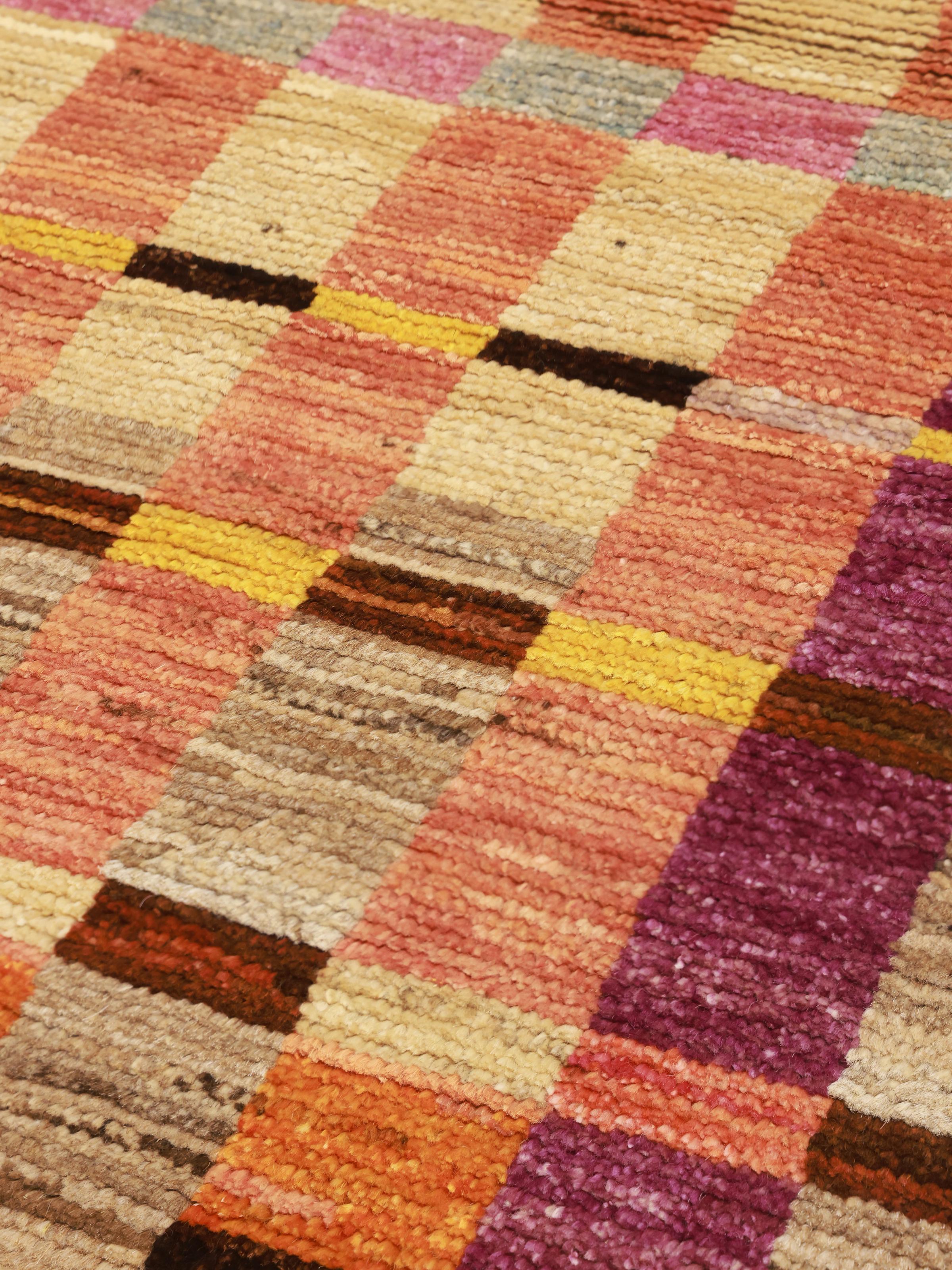
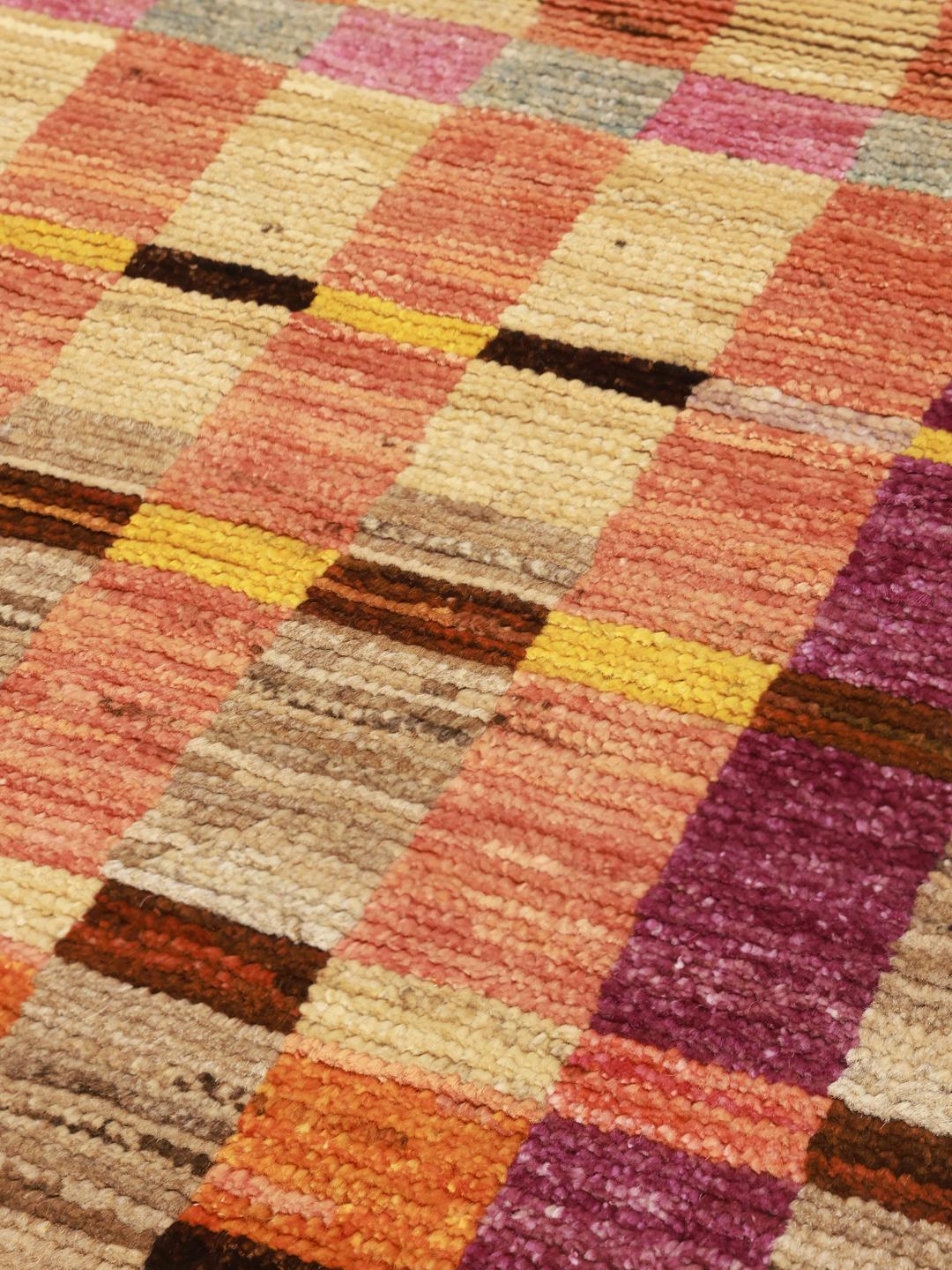
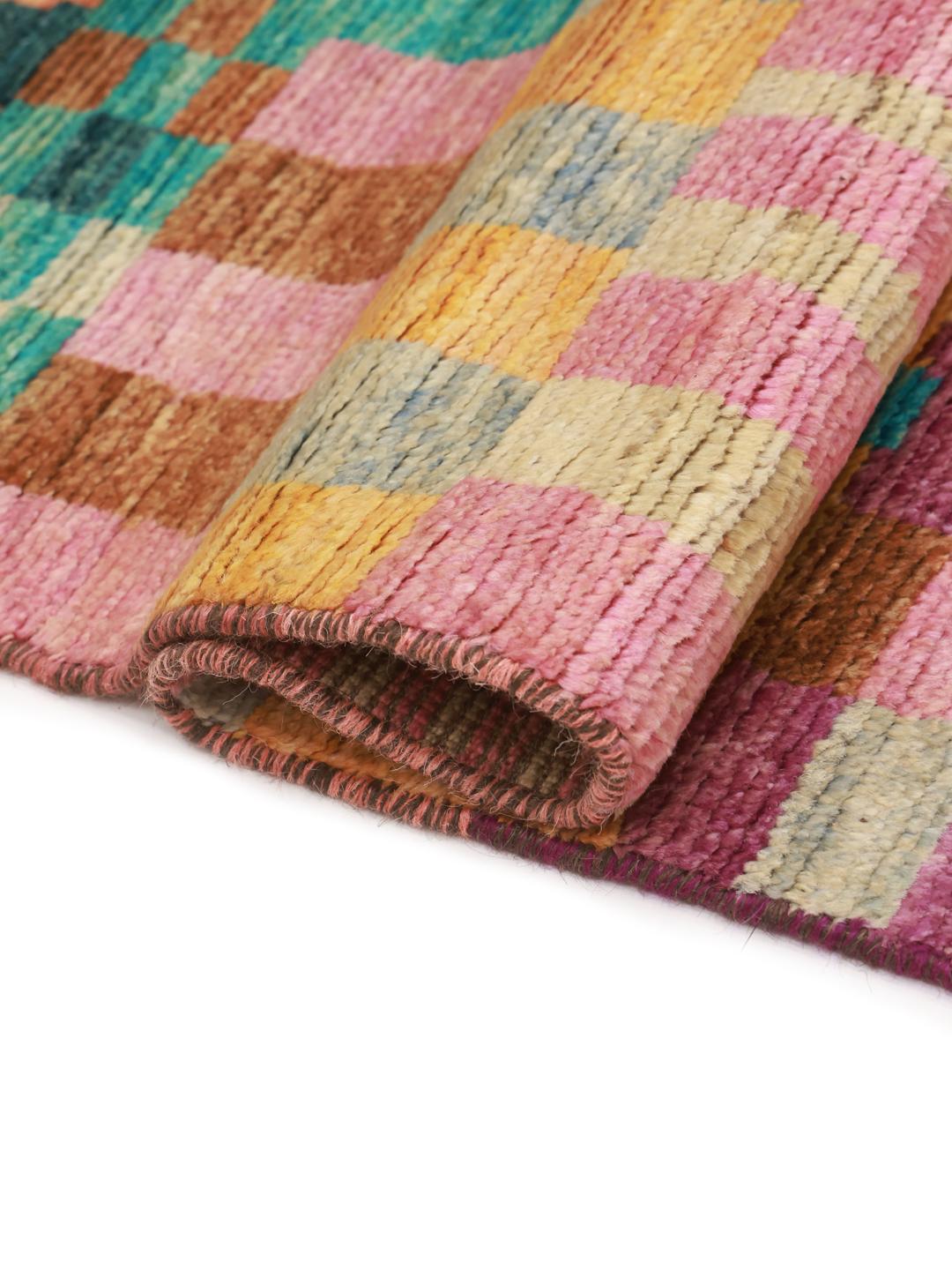
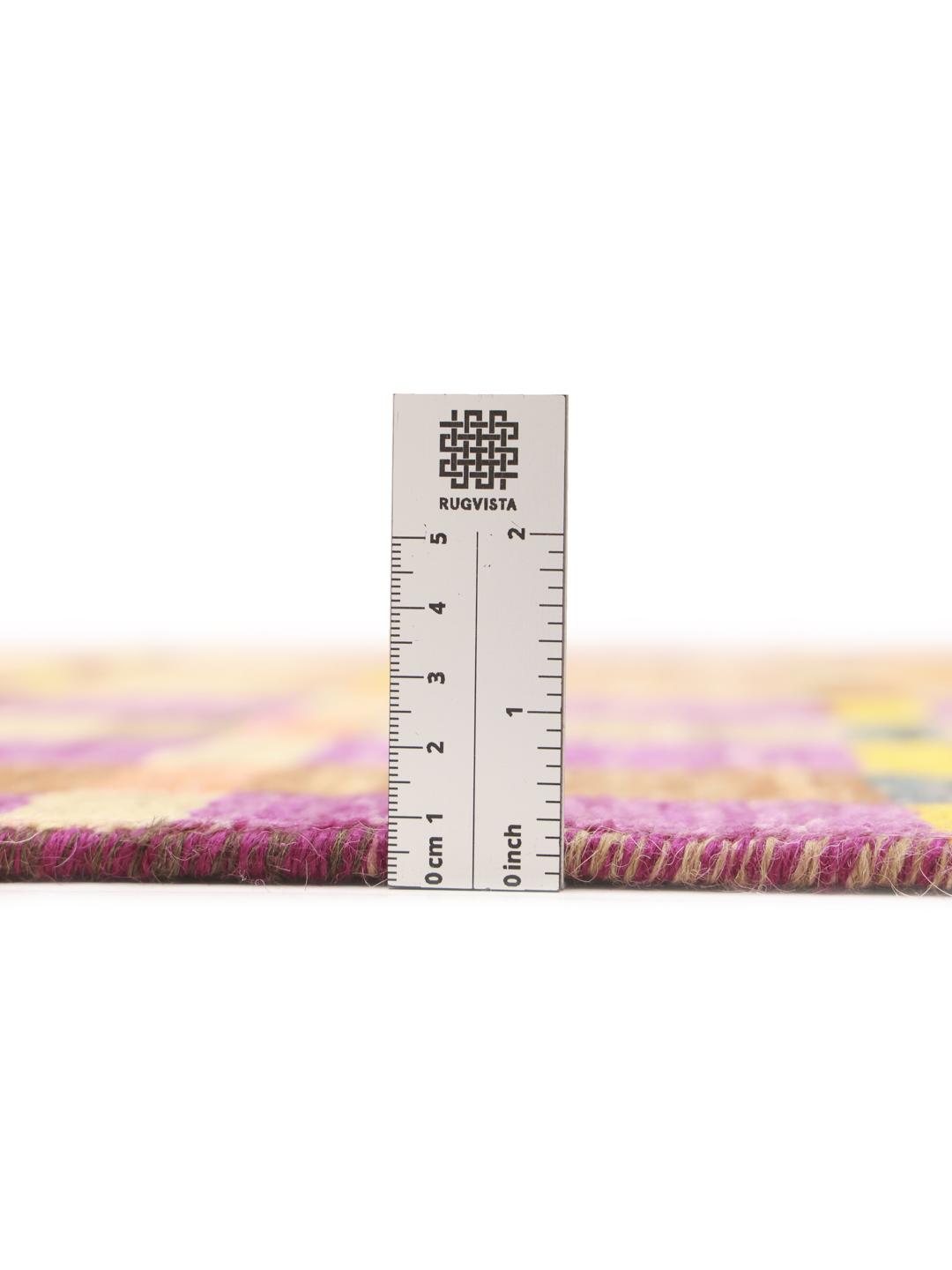
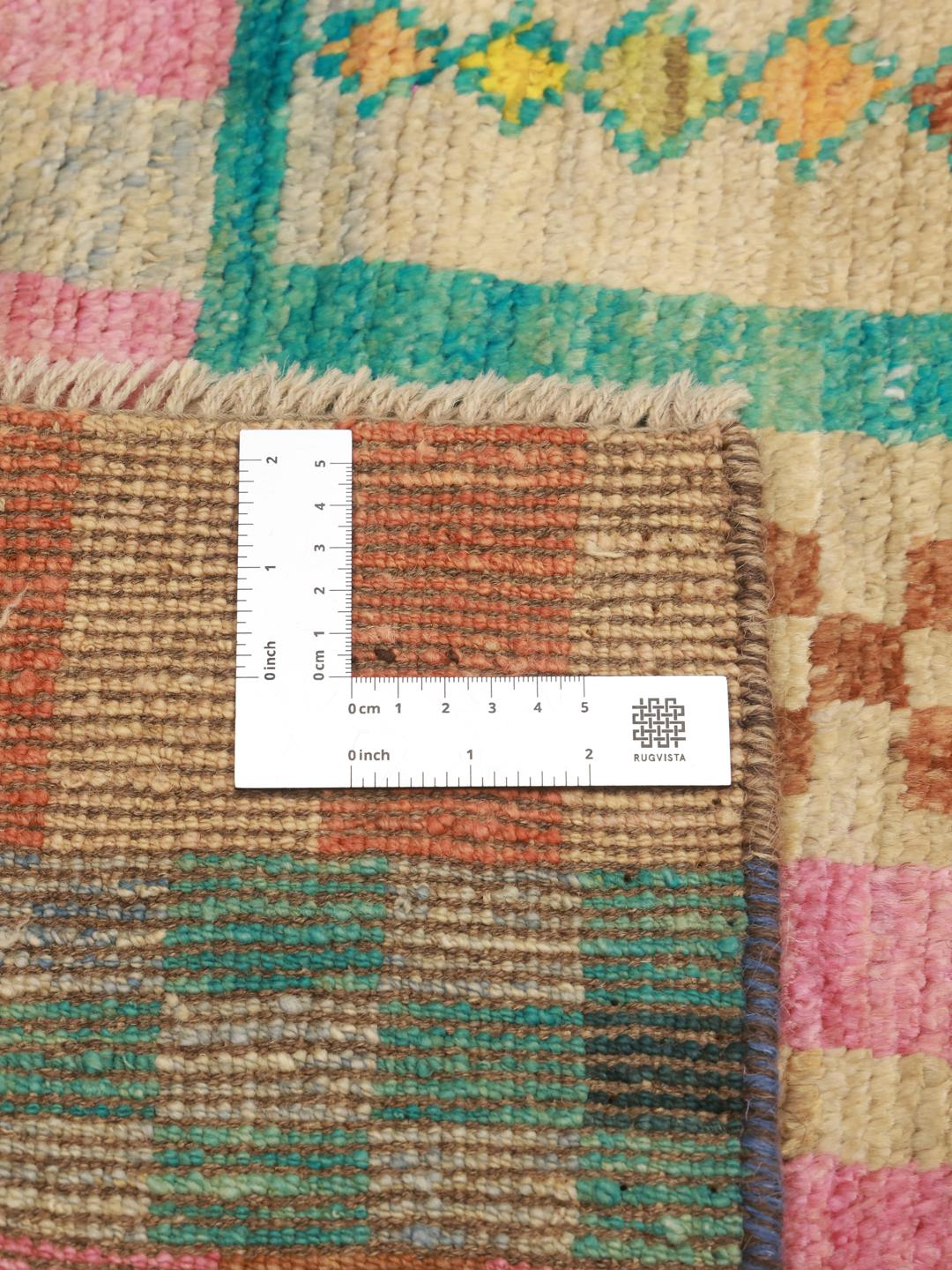
The term Berber generally refers to the indigenous weaving styles that prioritise functional warmth and bold, expressive aesthetics. In this context, the hand-knotted construction is key to the quality of the finished piece. By using high-quality wool, these rugs are designed to be both resilient and soft, offering a level of comfort that is synonymous with the tradition. The dense pile created by hand-knotting ensures that the rug is not only warm but also capable of maintaining its shape and texture over many years.
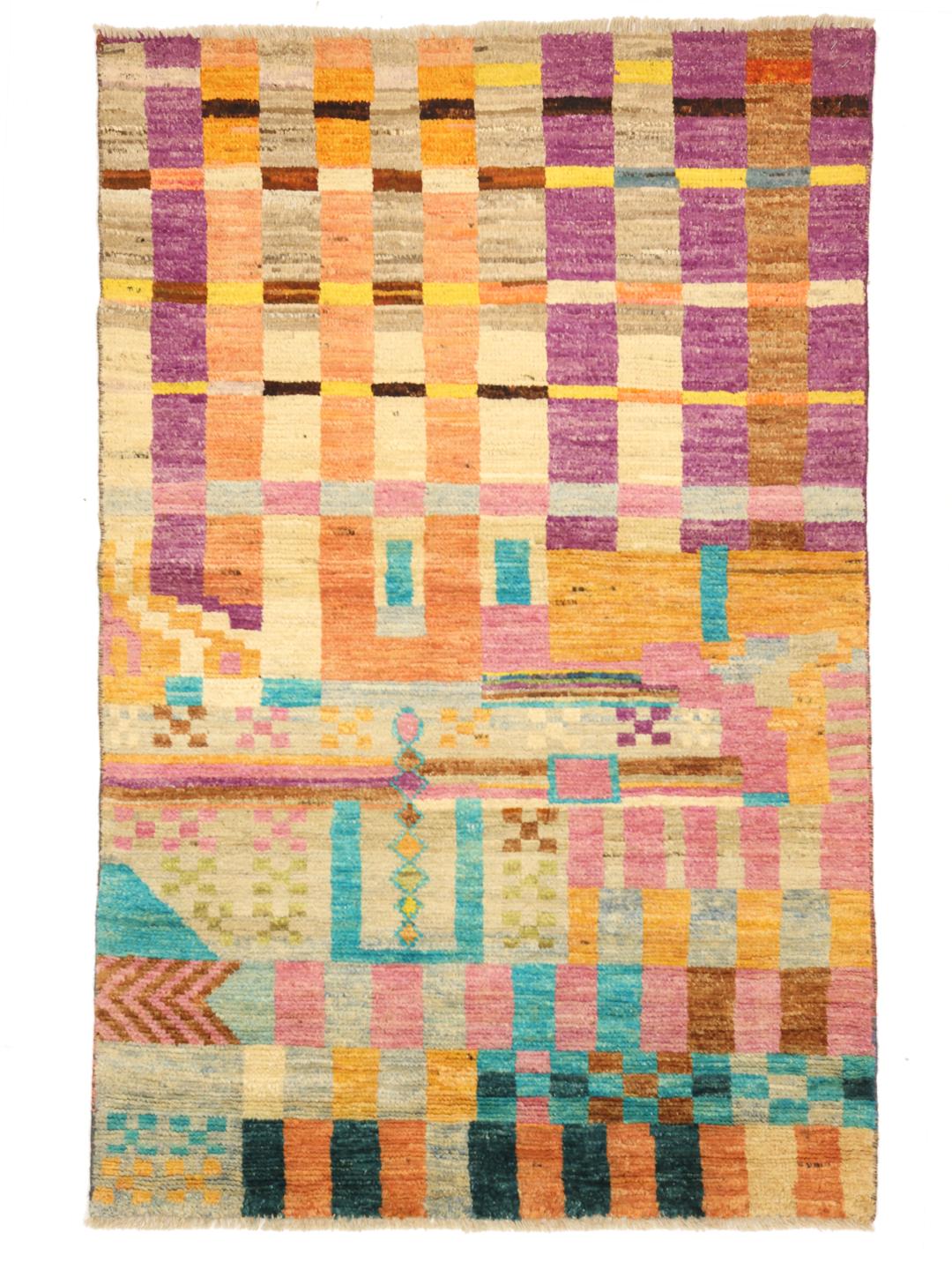
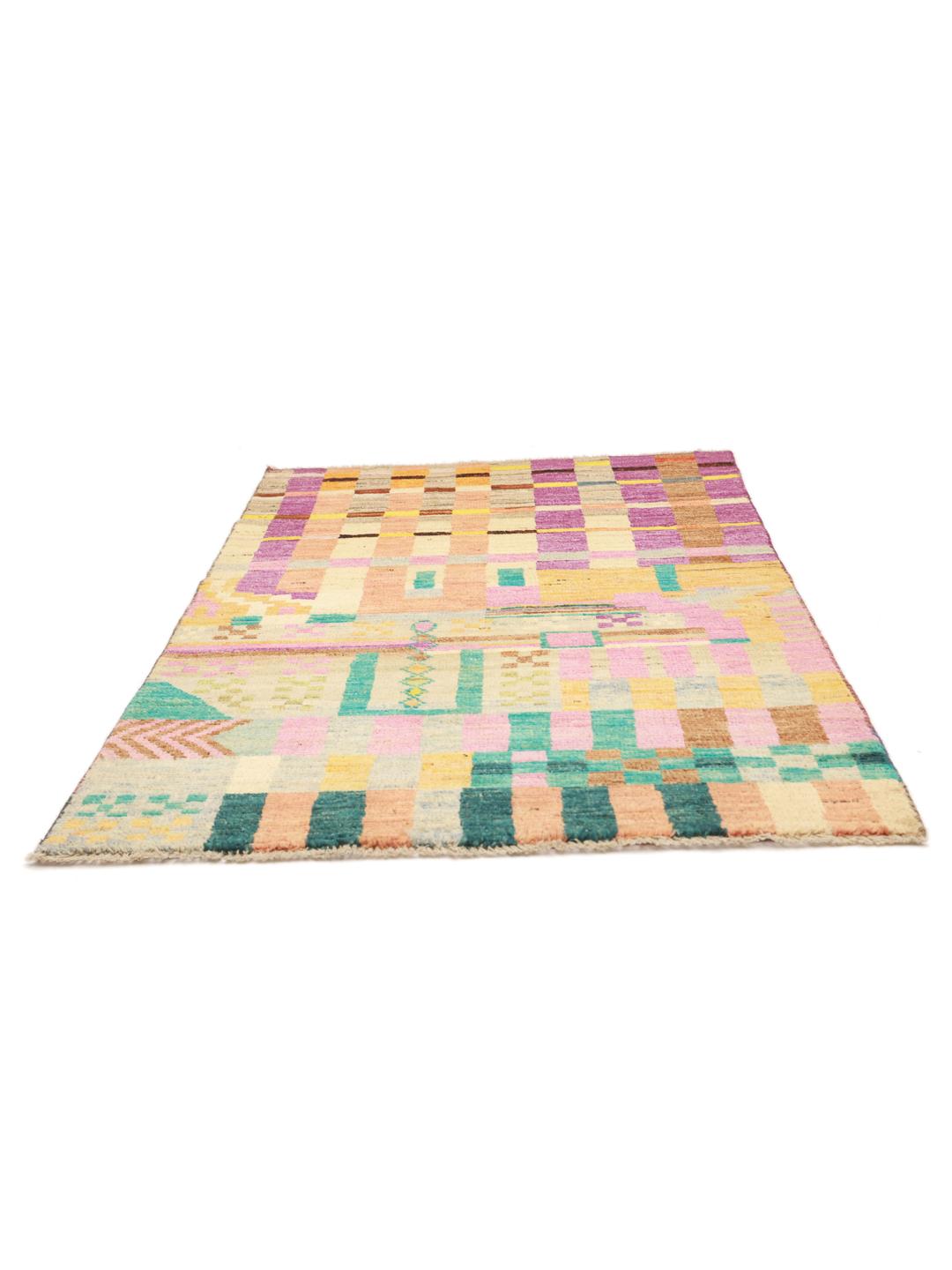
Visually, these rugs are defined by their use of bold geometric forms and a lively, often spontaneous approach to colour. Unlike more formal, symmetrical designs, these pieces often feature a more free-form, artistic layout that reflects the weaver's personal expression. The vibrant blocks seen in this piece are a hallmark of the style, creating a dynamic visual rhythm that draws the eye and anchors a room’s decor with personality and charm.
Owning a hand-knotted rug of this tradition is an act of supporting a heritage of craftsmanship that values human skill over industrial speed. These rugs are highly collected for their authentic, soulful quality and the way they bring a touch of the maker's world into your home. Each rug serves as a bridge to the past, reminding us of the enduring value of objects made with care, patience, and a deep respect for the materials at hand.