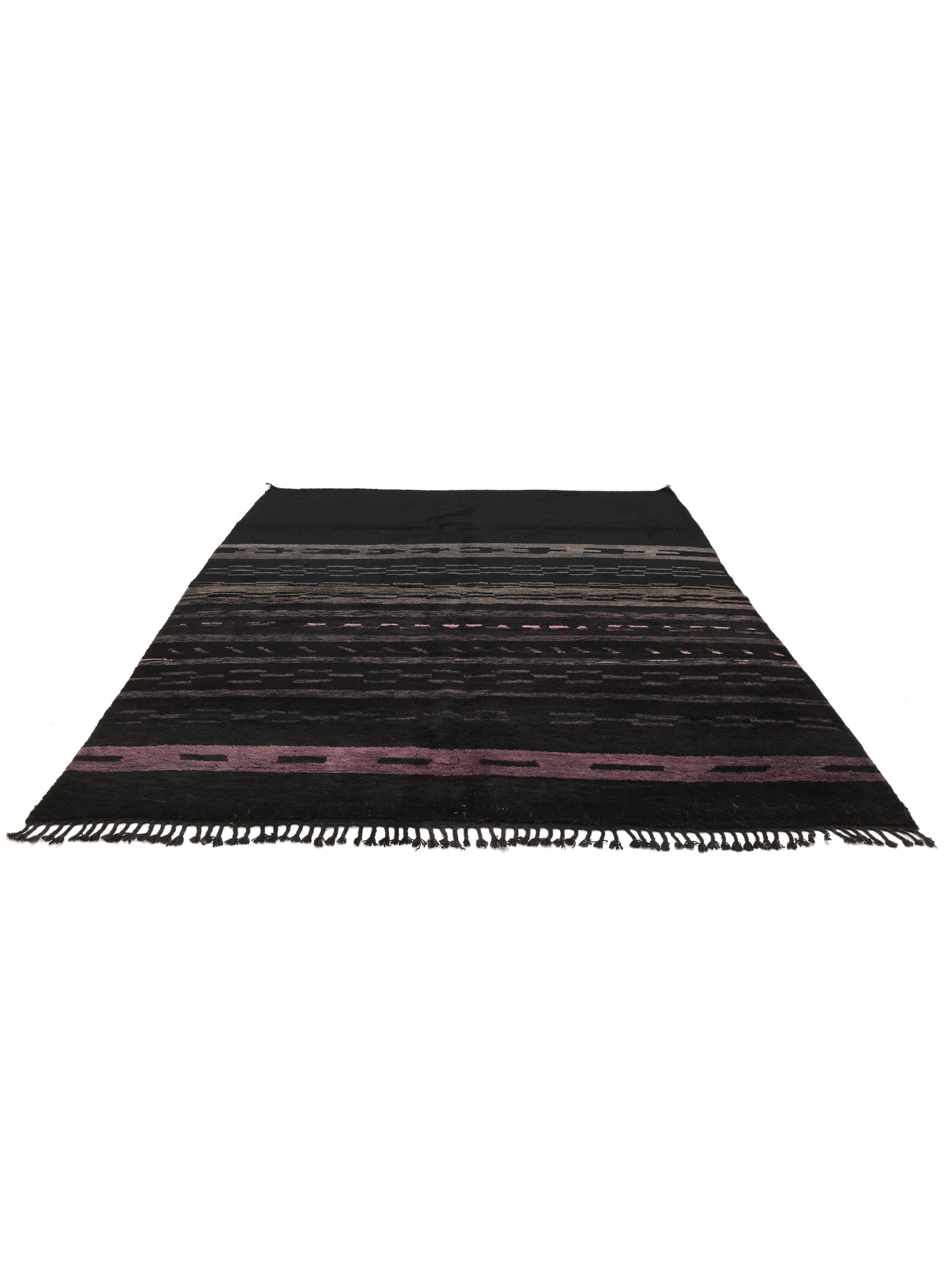
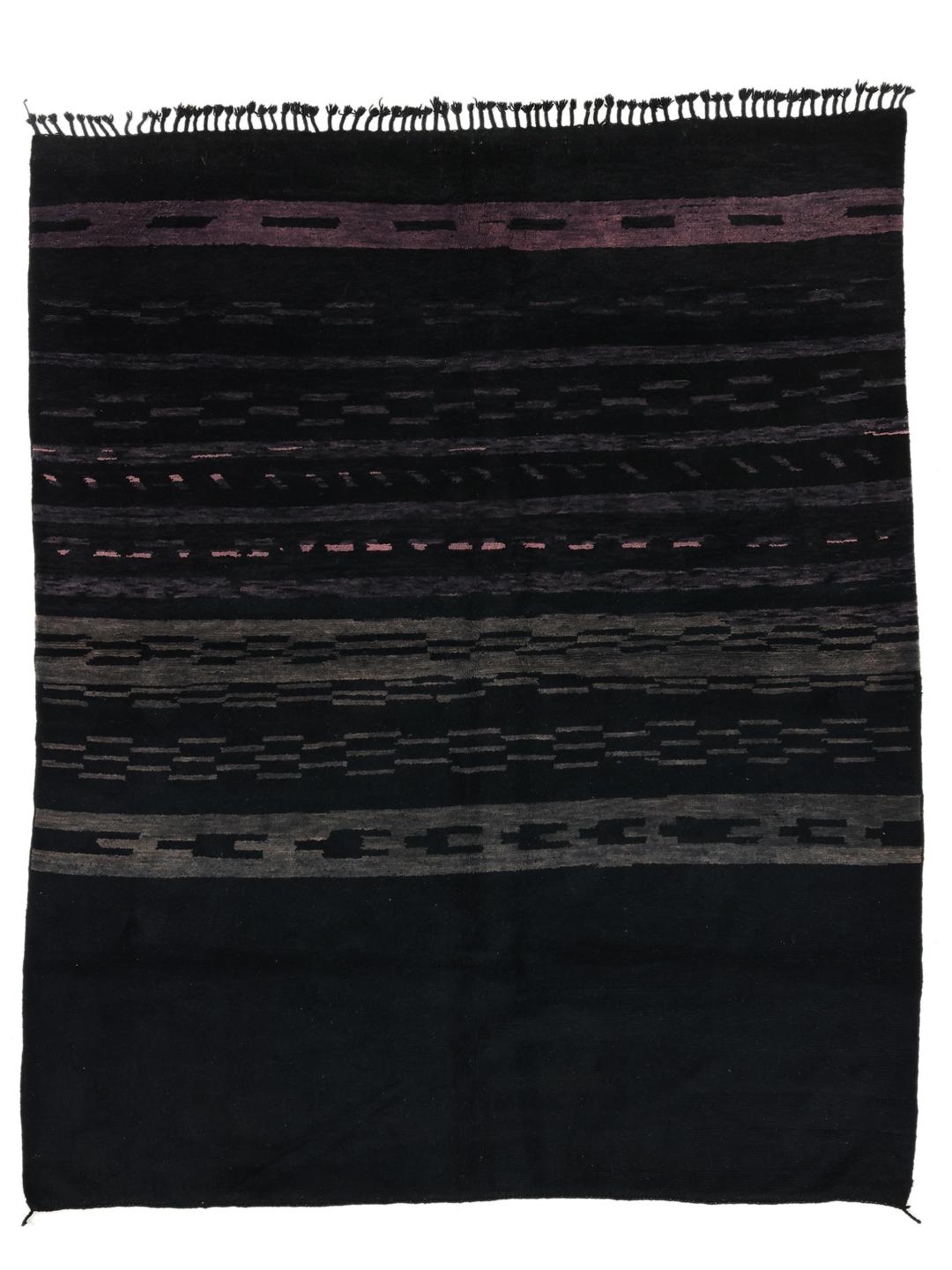
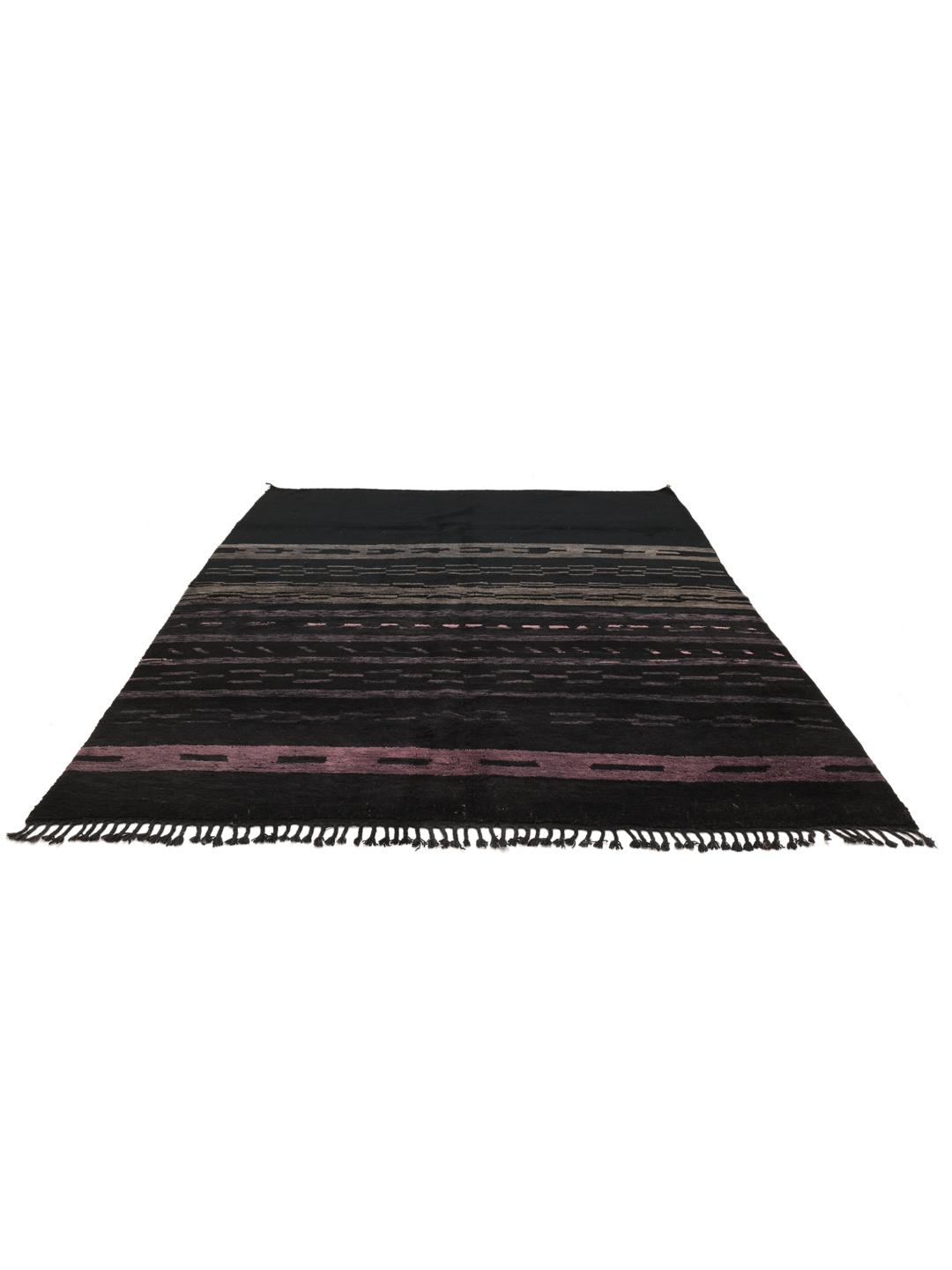
Berber rugs originate from the Atlas Mountains of Morocco, where they have been crafted by indigenous tribes for centuries. These rugs were traditionally woven not just as floor coverings, but as essential household items for warmth, bedding, and as protective layers during the harsh mountain winters. Their history is deeply intertwined with the nomadic and semi-nomadic lifestyles of the Berber people, who passed down weaving techniques through generations.
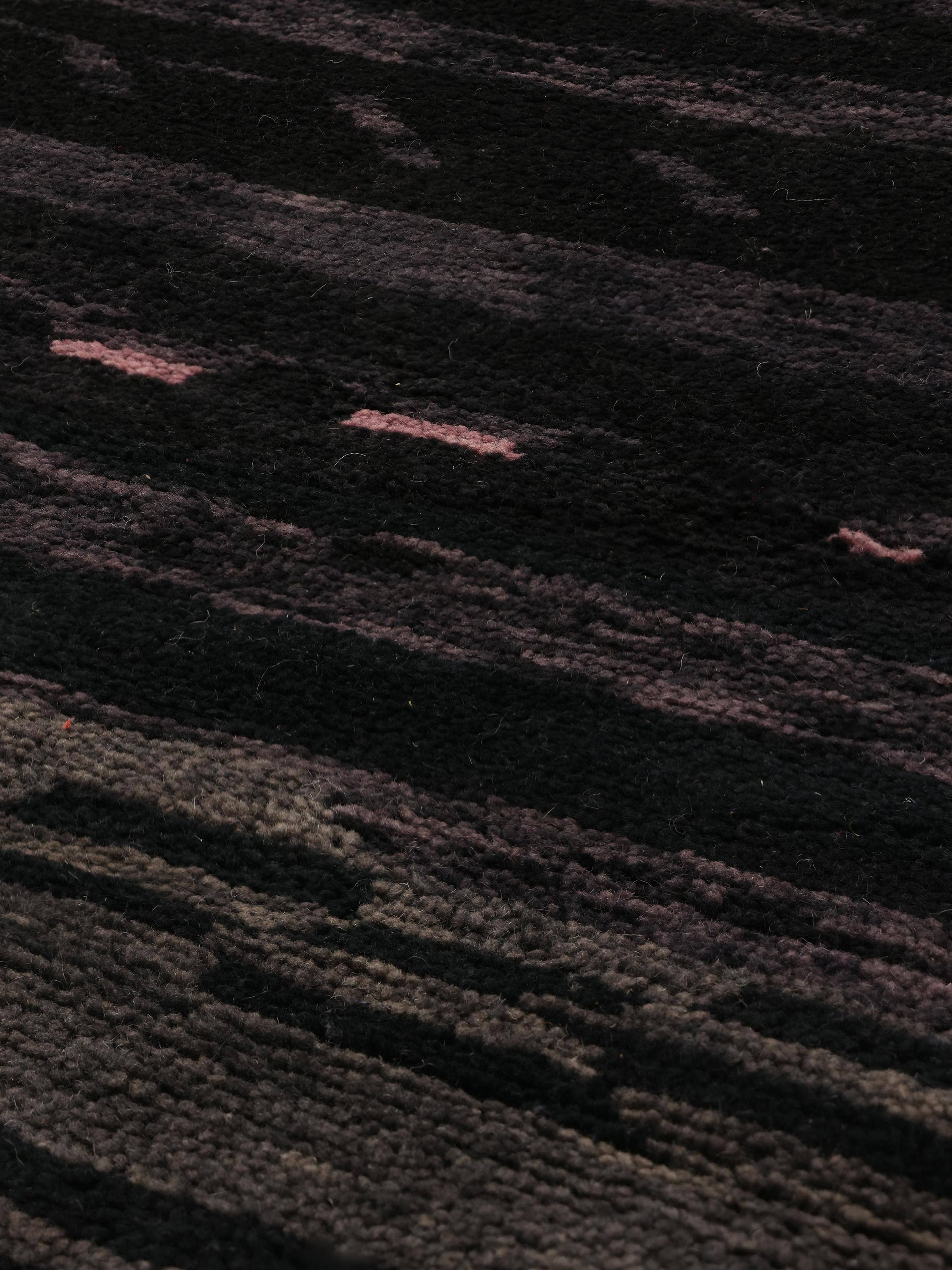
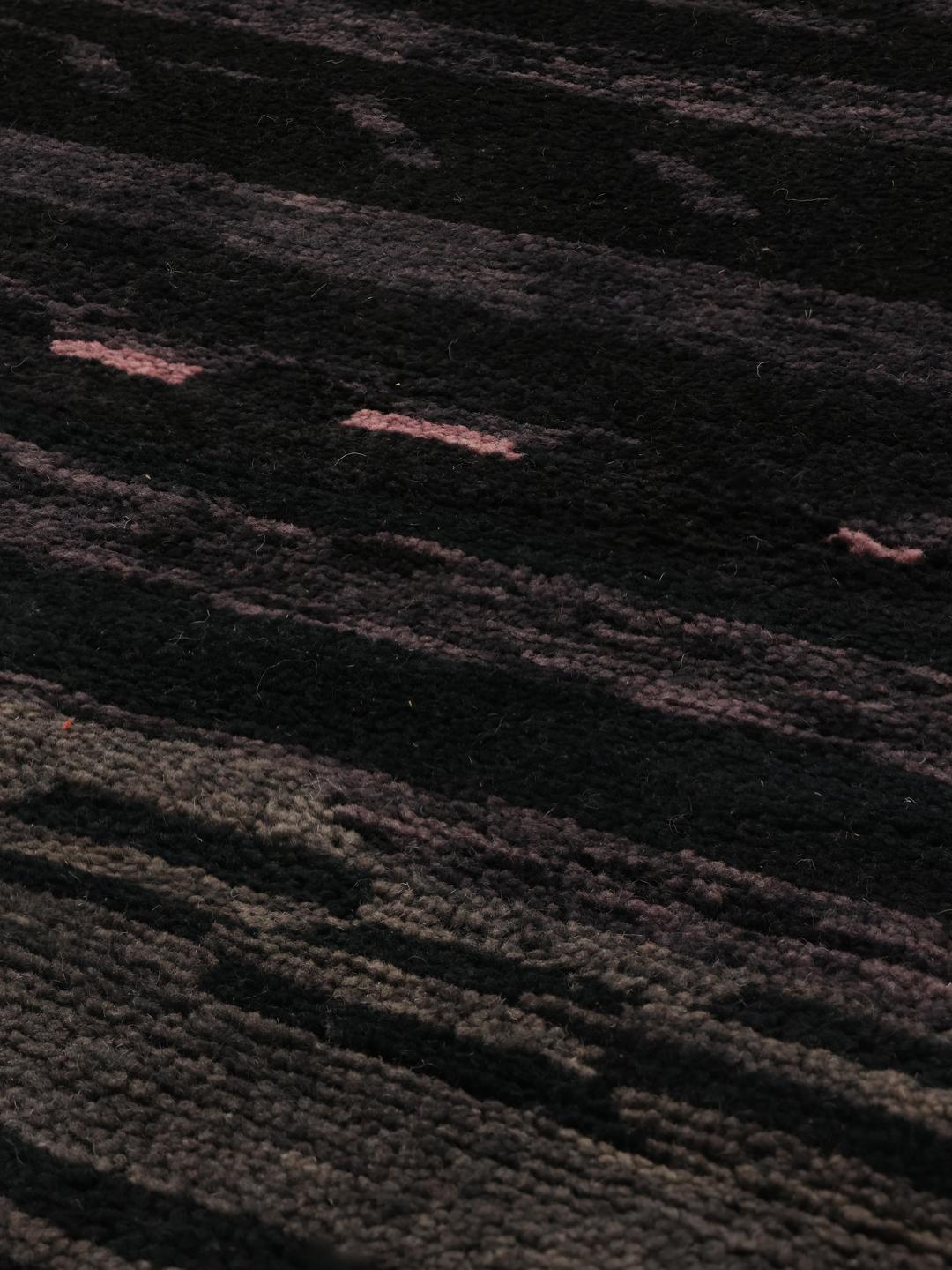
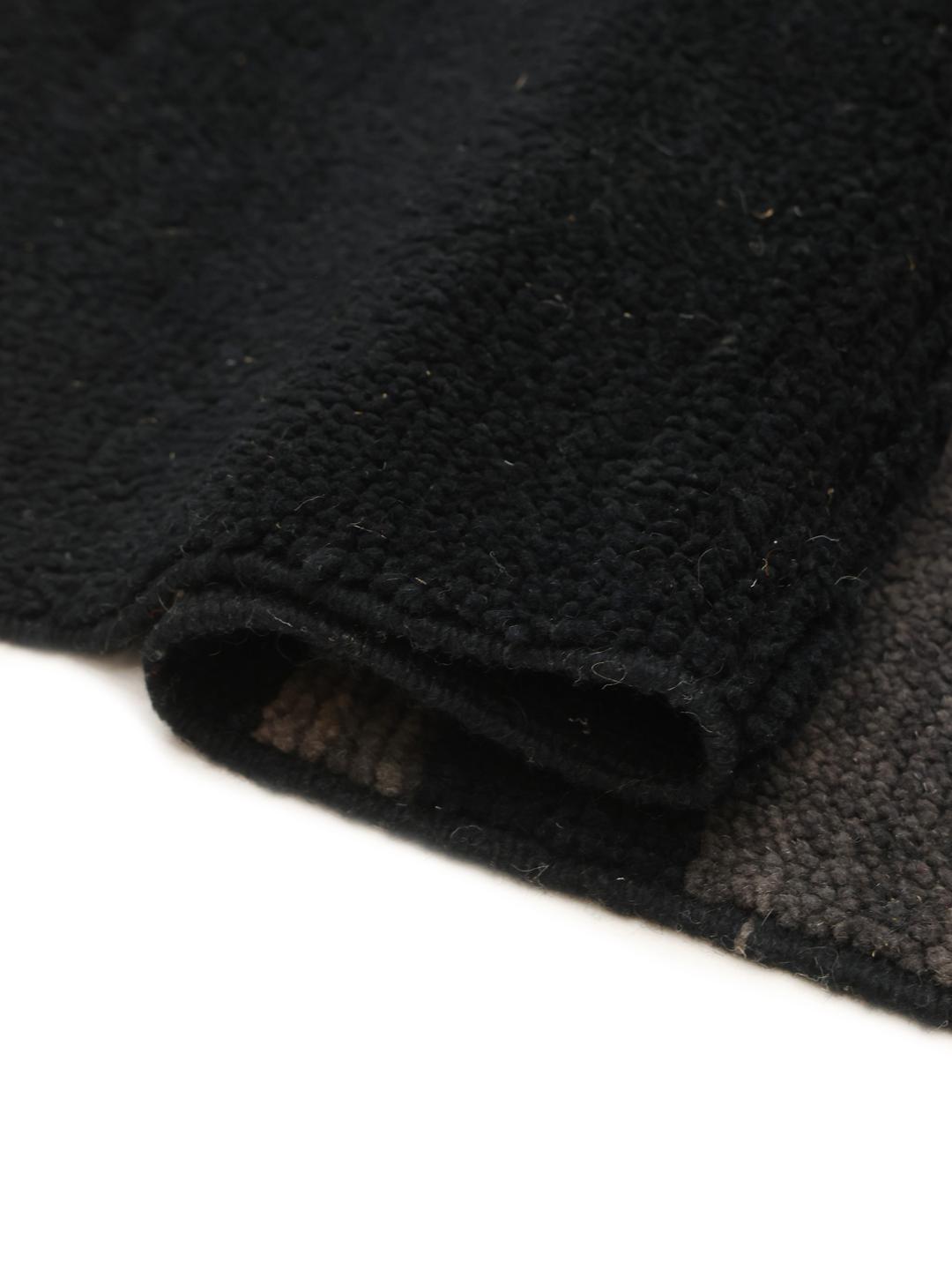
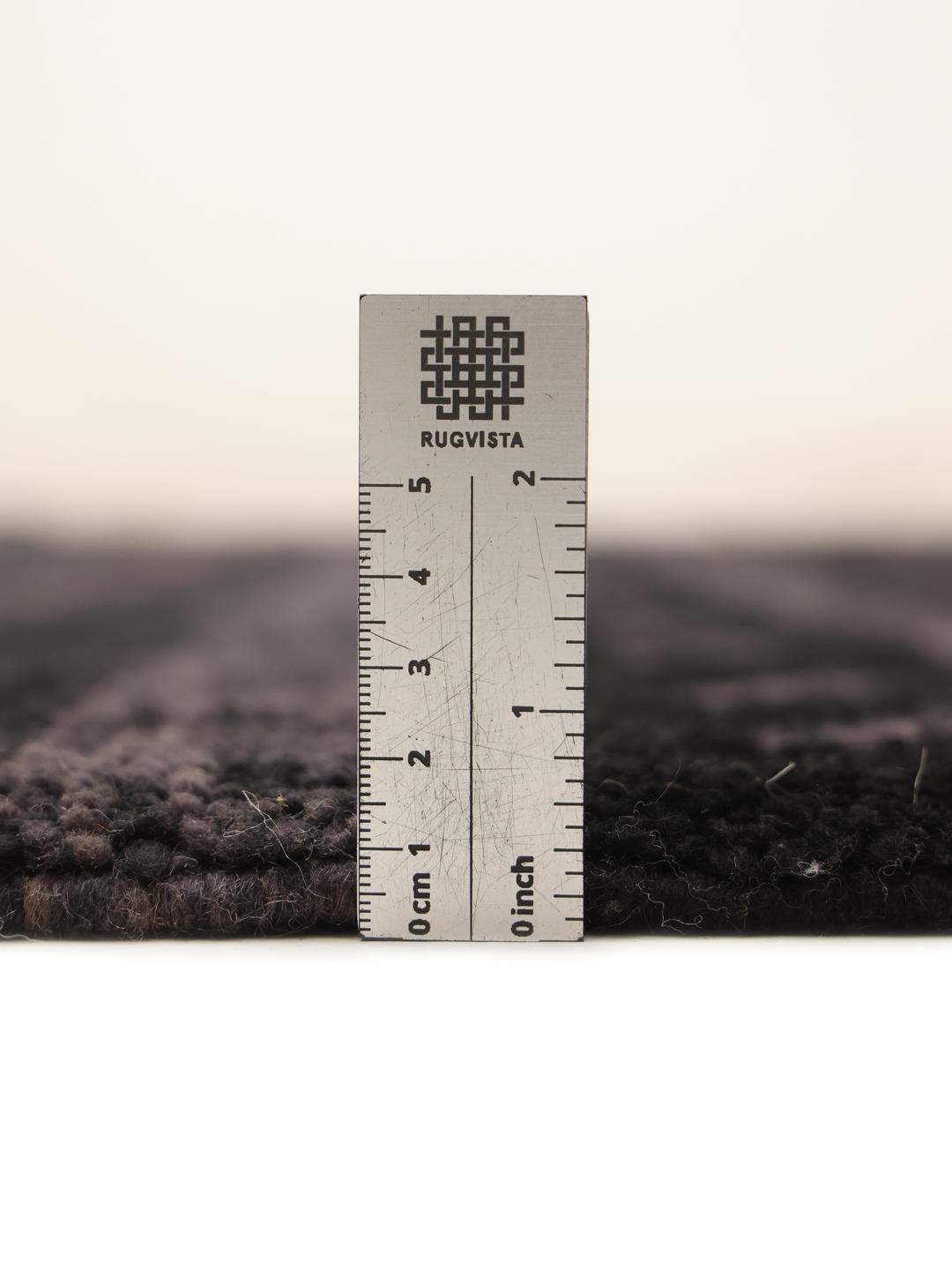
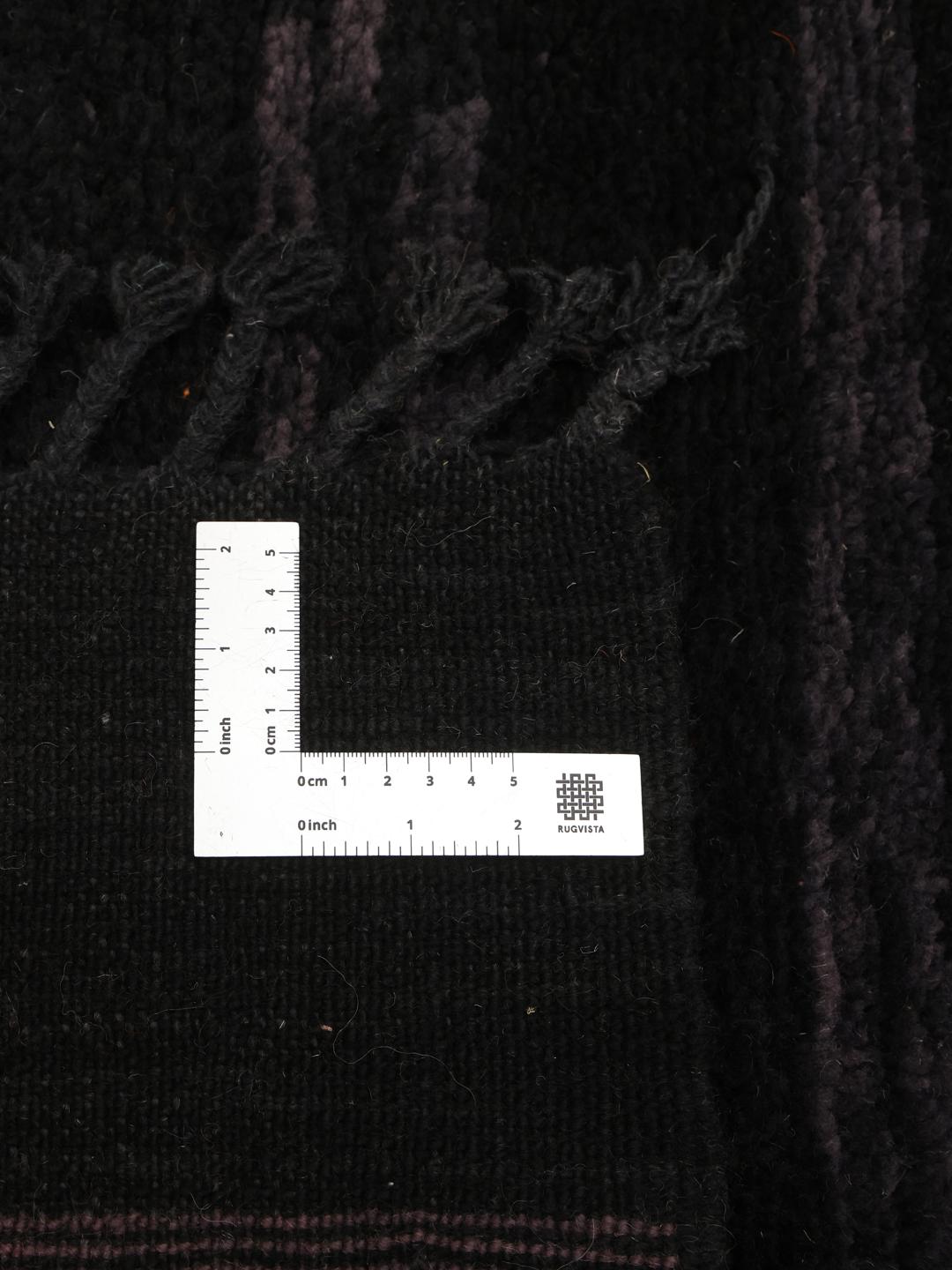
The term Beni Ourain refers specifically to the confederation of tribes from the Middle Atlas region known for their distinctive approach to weaving. These rugs are typically characterised by their thick, high-pile wool, which provides exceptional insulation. The construction process involves a focus on the quality of the wool, often sourced from local sheep, which results in a lustrous and soft finish that remains a hallmark of authentic Moroccan craft.
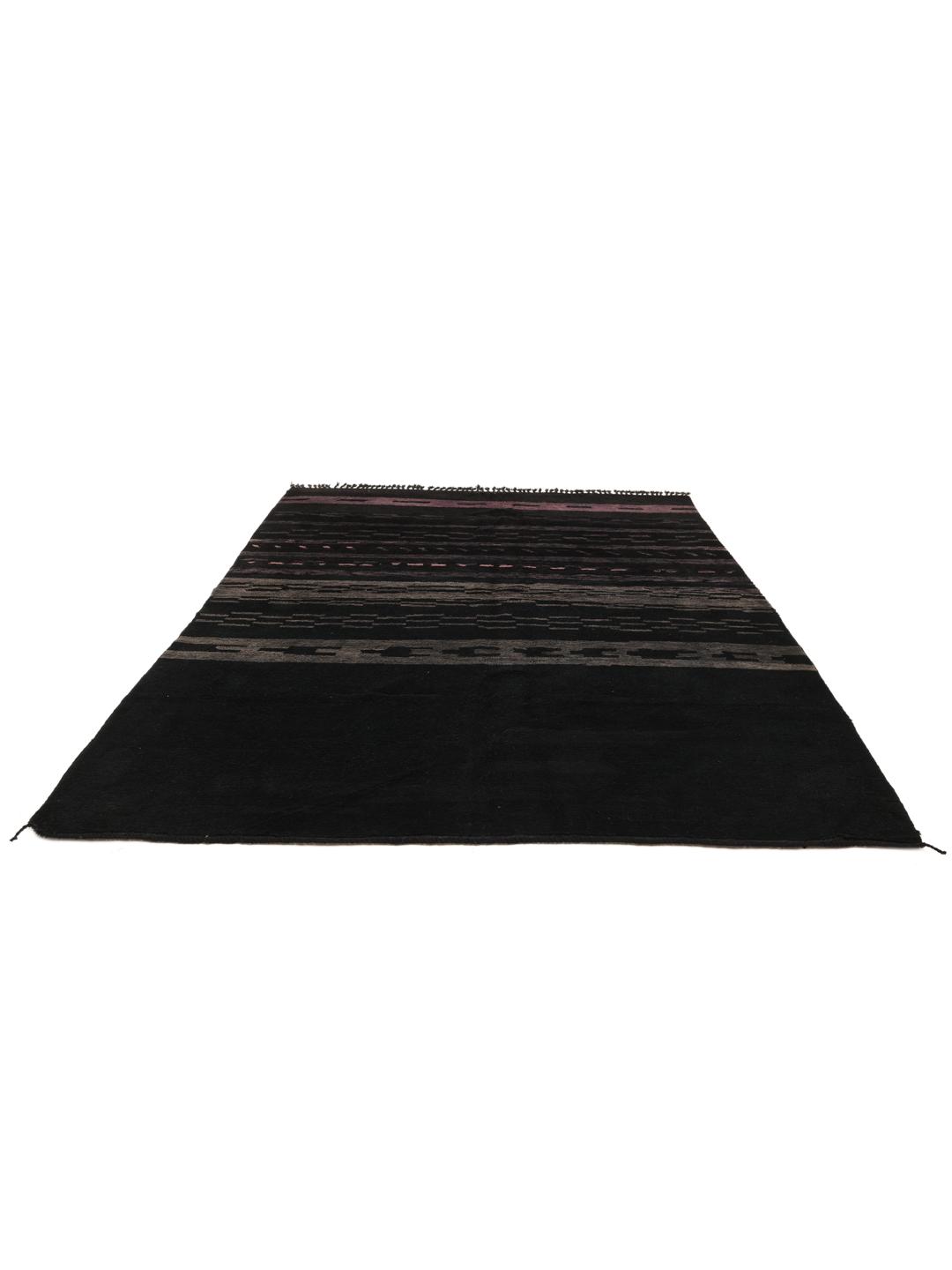
Visually, these rugs are celebrated for their minimalist and often abstract design language. While many associate the style with ivory fields and dark geometric lines, the tradition is vast and includes pieces with deep, dark palettes and complex, rhythmic patterns. The motifs are often symbolic, reflecting the weaver's surroundings, life events, or cultural stories, making each piece a canvas for personal and communal expression.
Today, these rugs are highly sought after by collectors and interior designers for their raw, organic beauty and cultural significance. Owning a piece from this tradition is an investment in a living heritage. It represents a bridge between ancient craftsmanship and contemporary living, offering a sense of authenticity and human connection that is increasingly rare in the modern world.