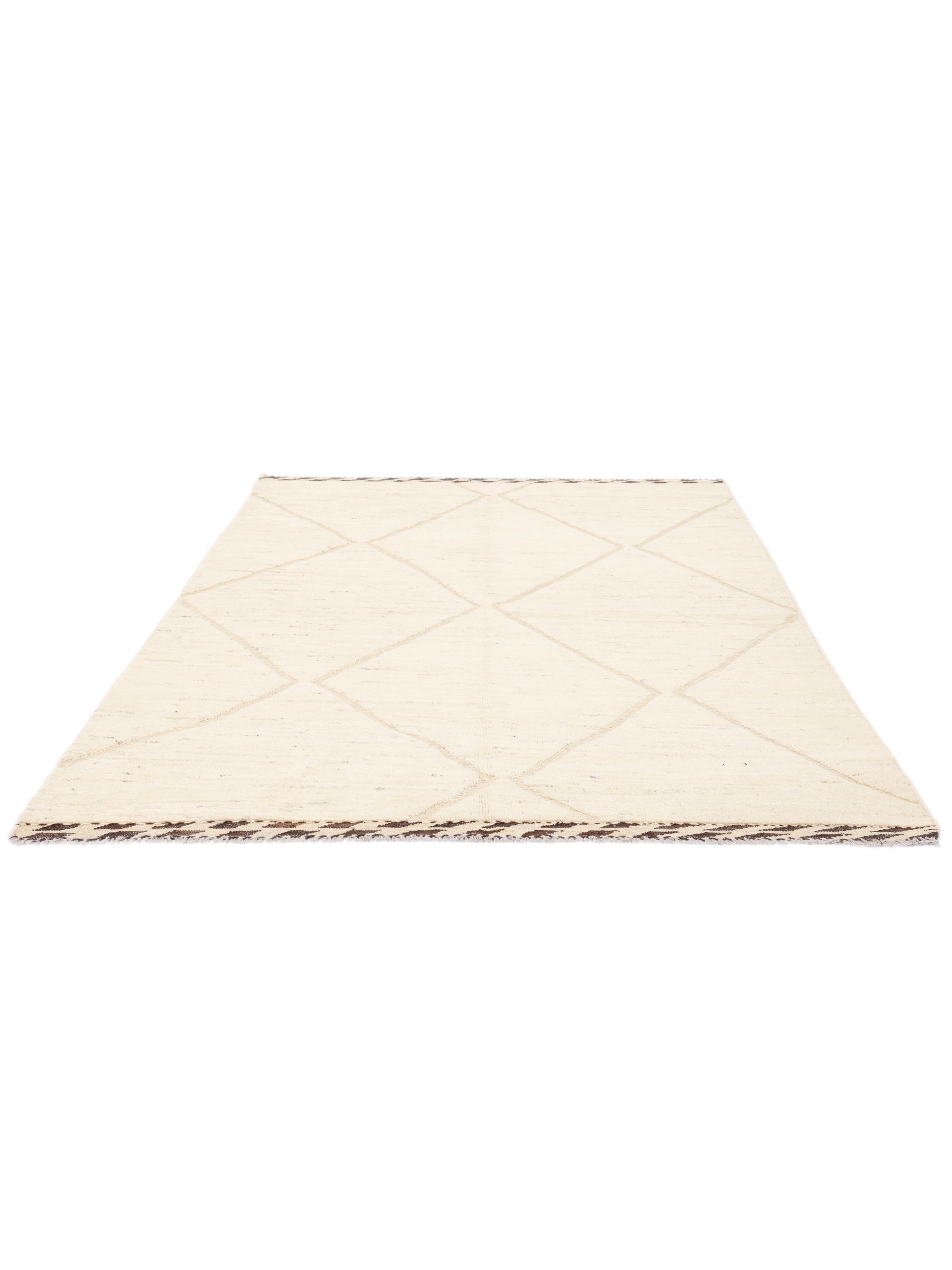
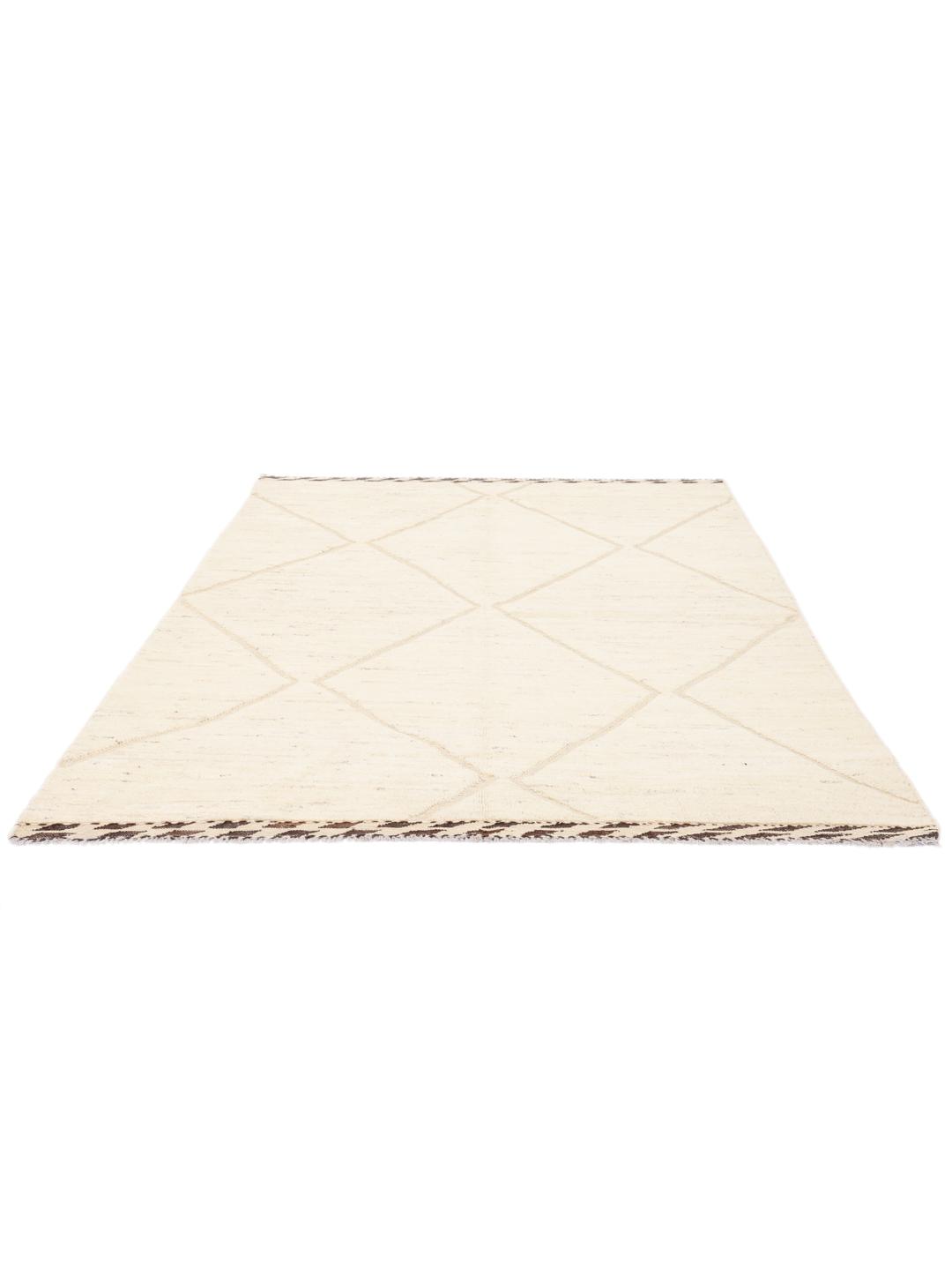
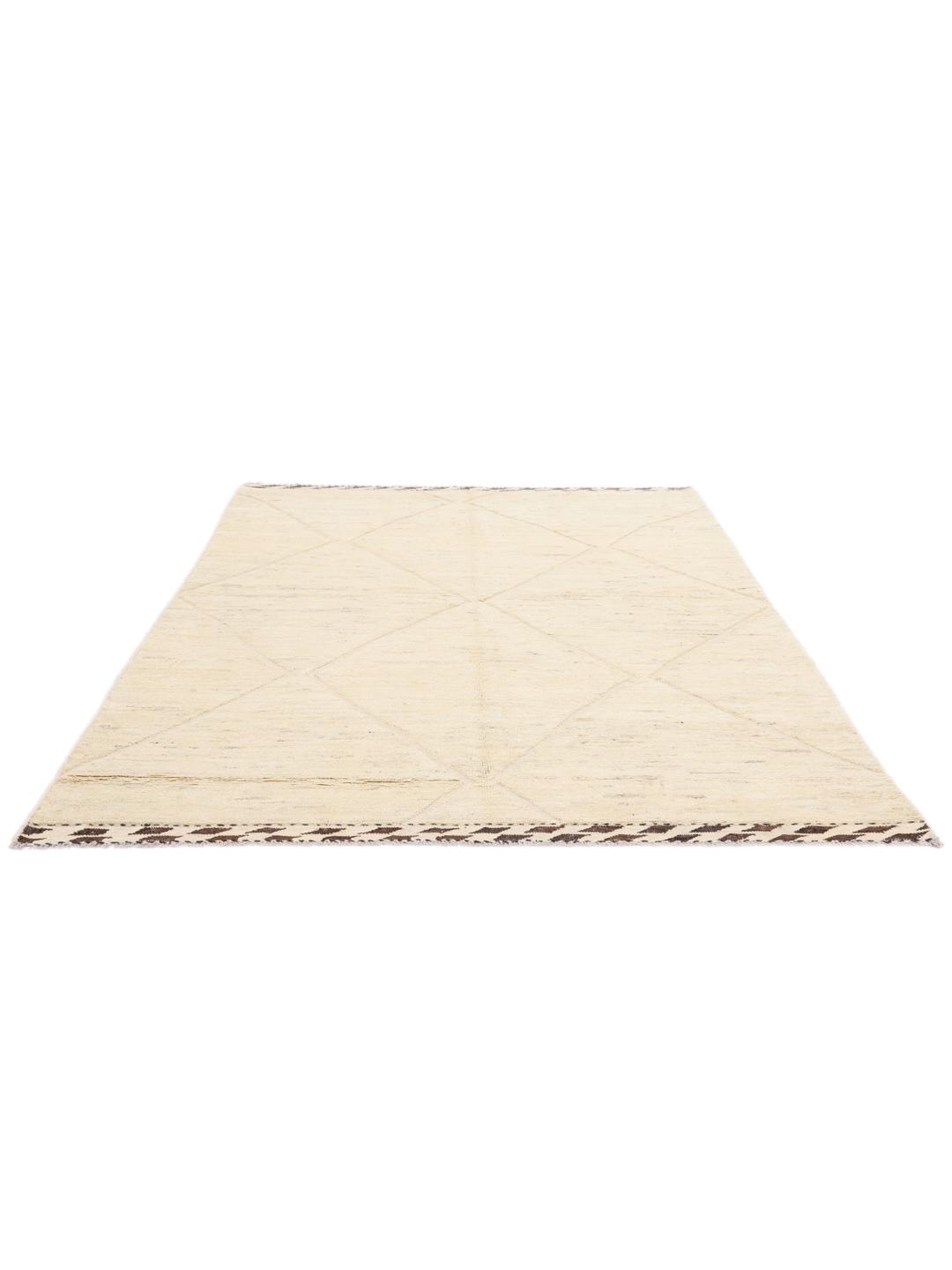
Berber style rugs are deeply rooted in the traditions of North African tribes, characterised by their minimalist aesthetic and use of natural materials. Over time, these design principles have travelled and been embraced by weavers in regions like Afghanistan, where the spirit of the original style is interpreted through local craft expertise. This evolution has resulted in a unique blend of heritage and regional skill, creating rugs that feel both ancient and contemporary.
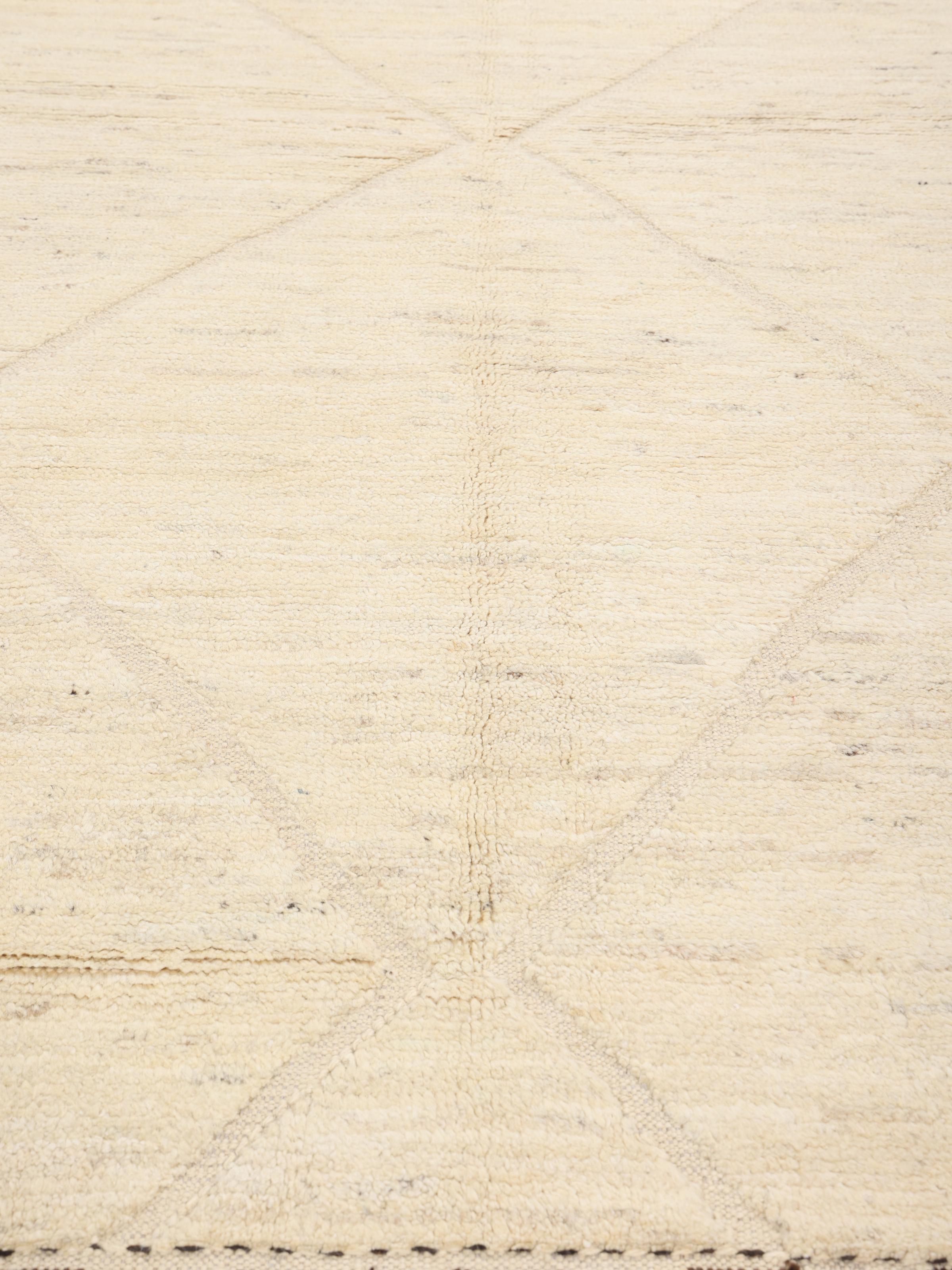
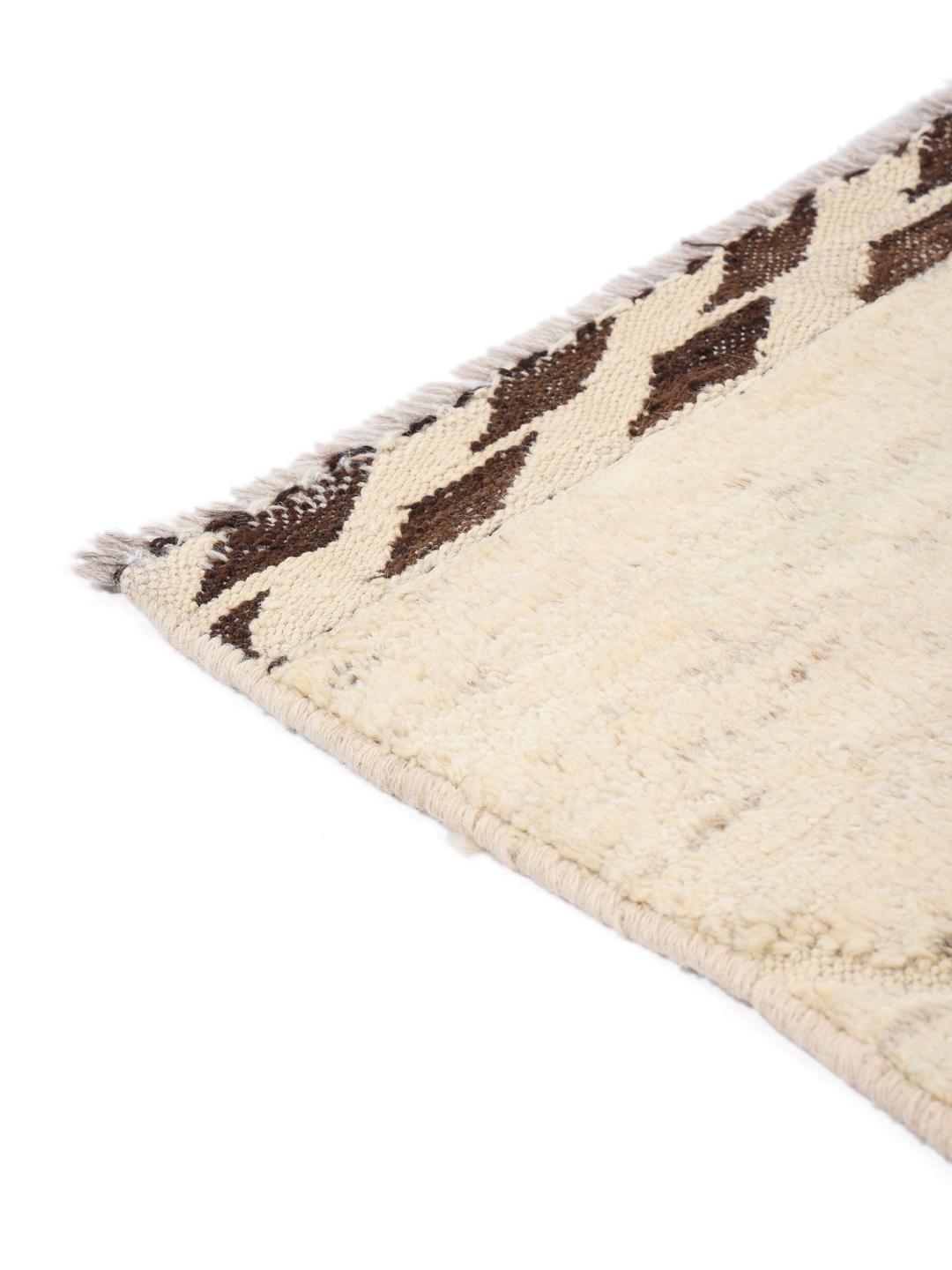
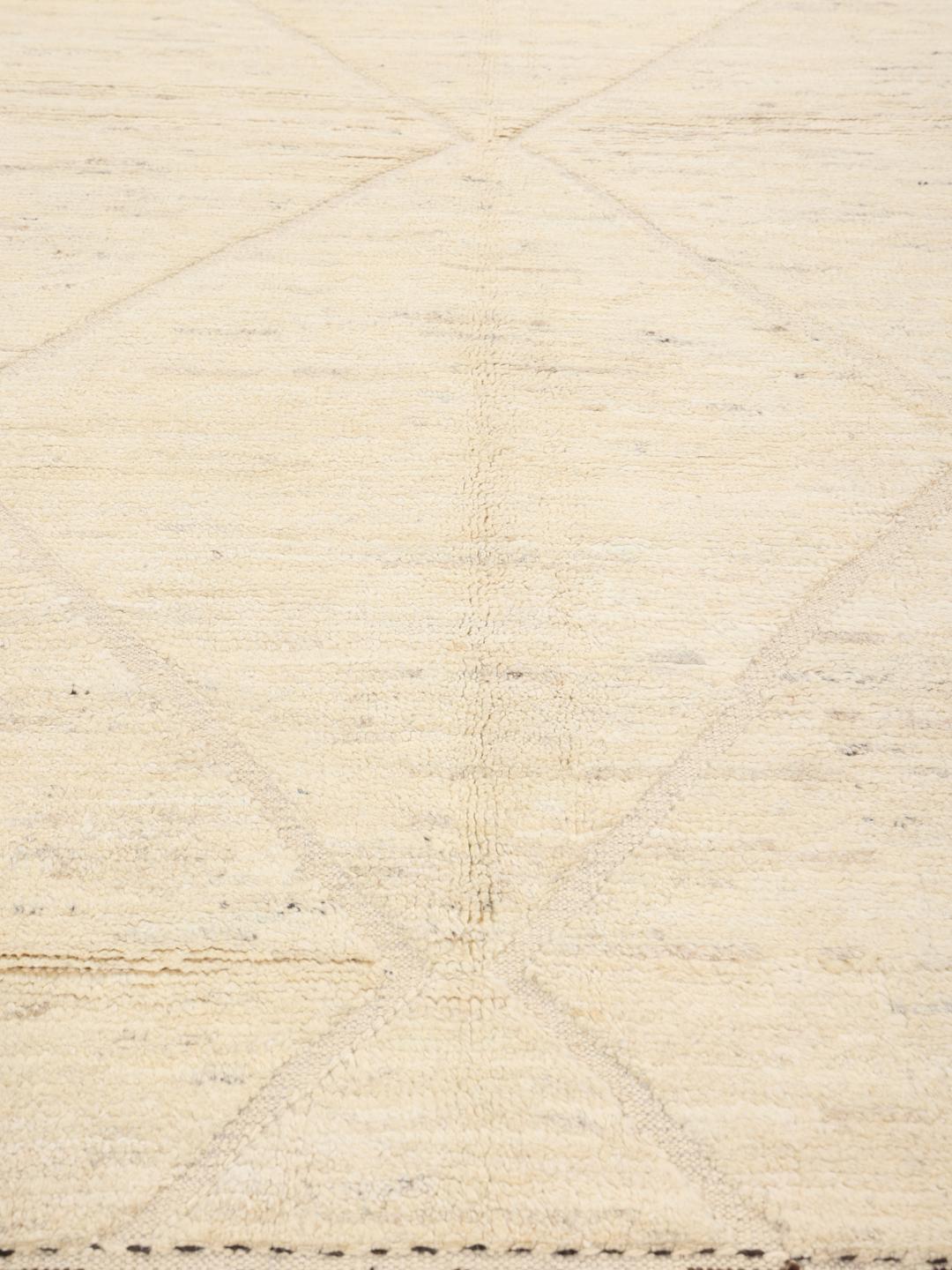
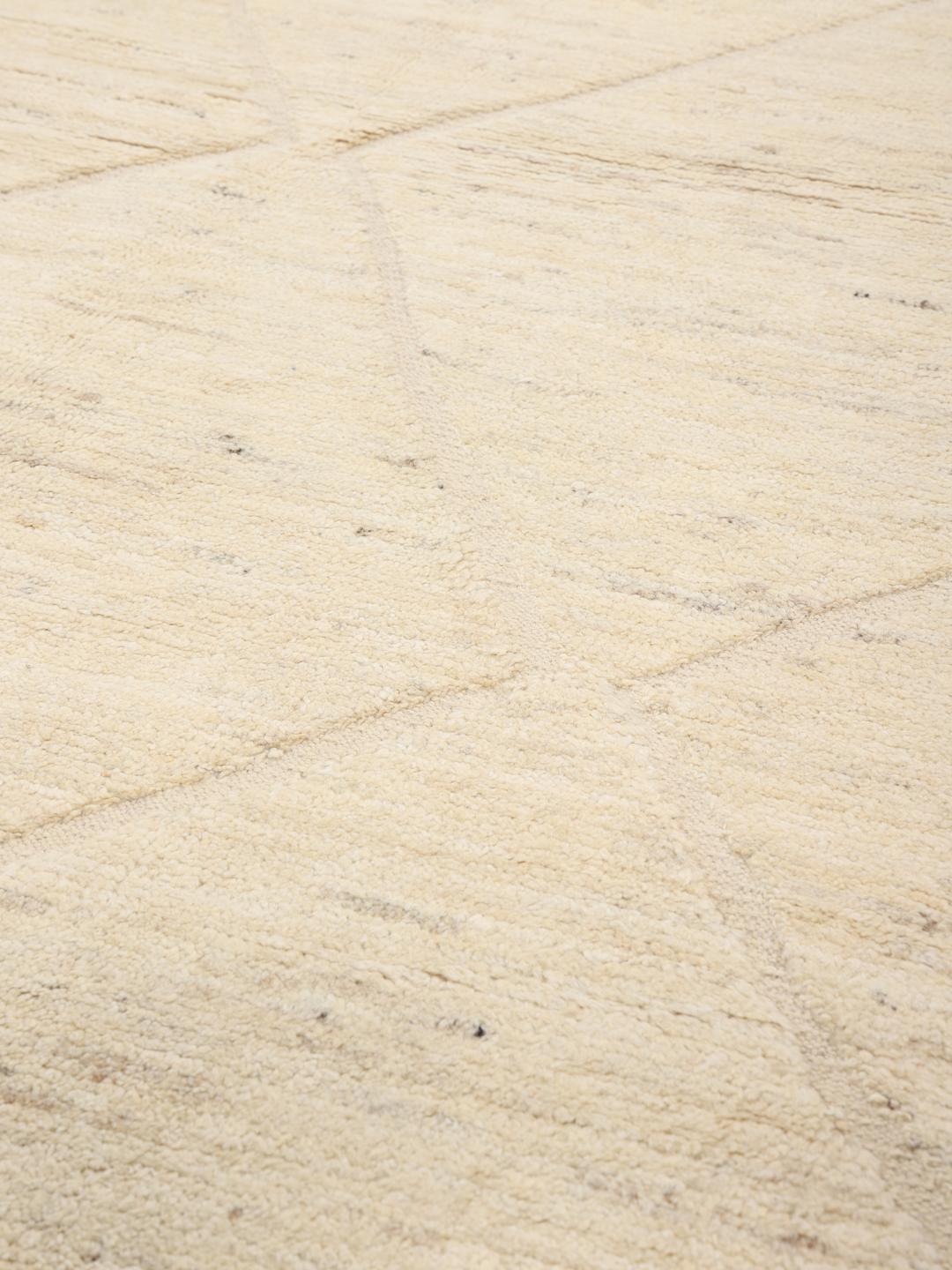
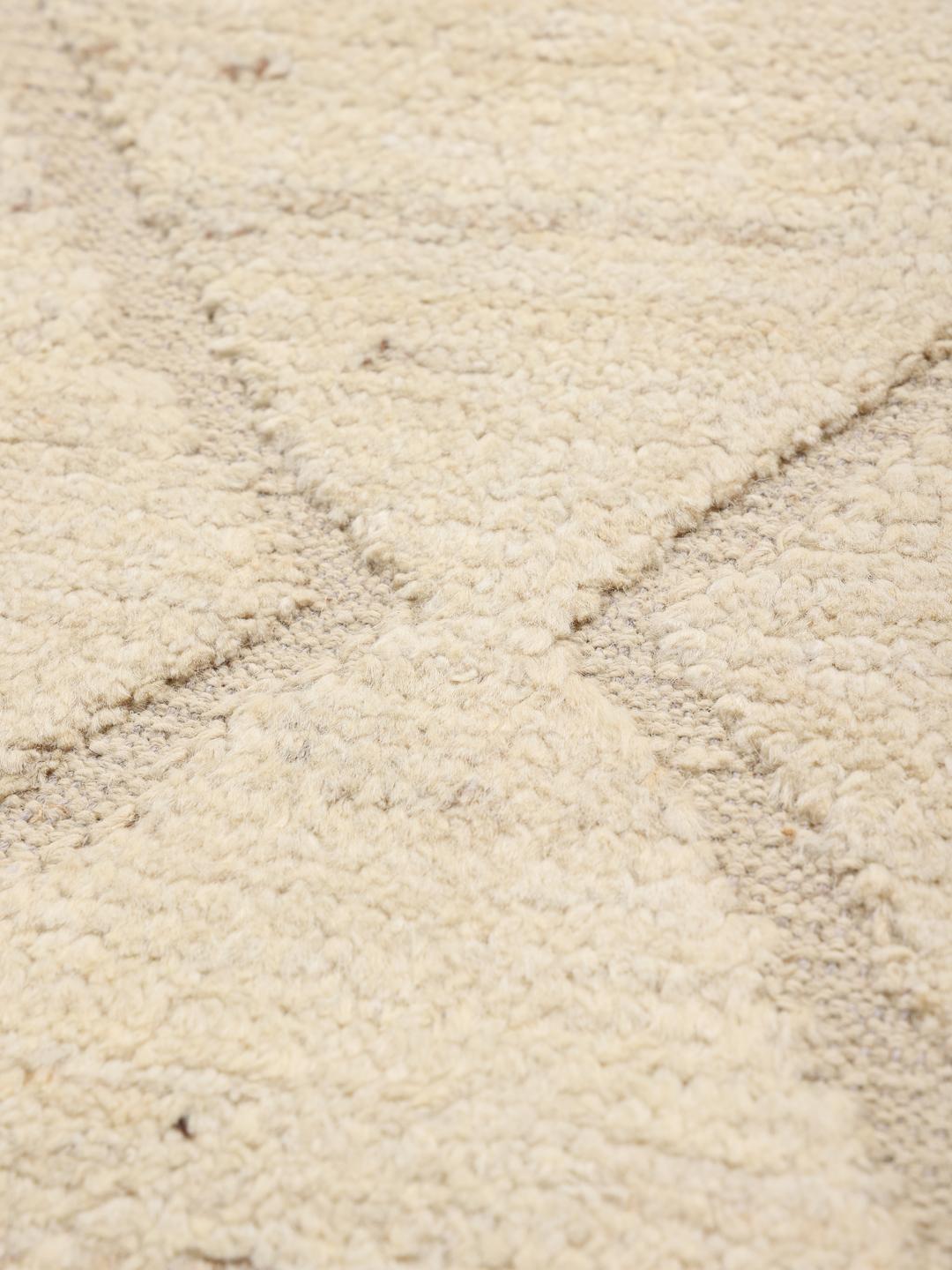
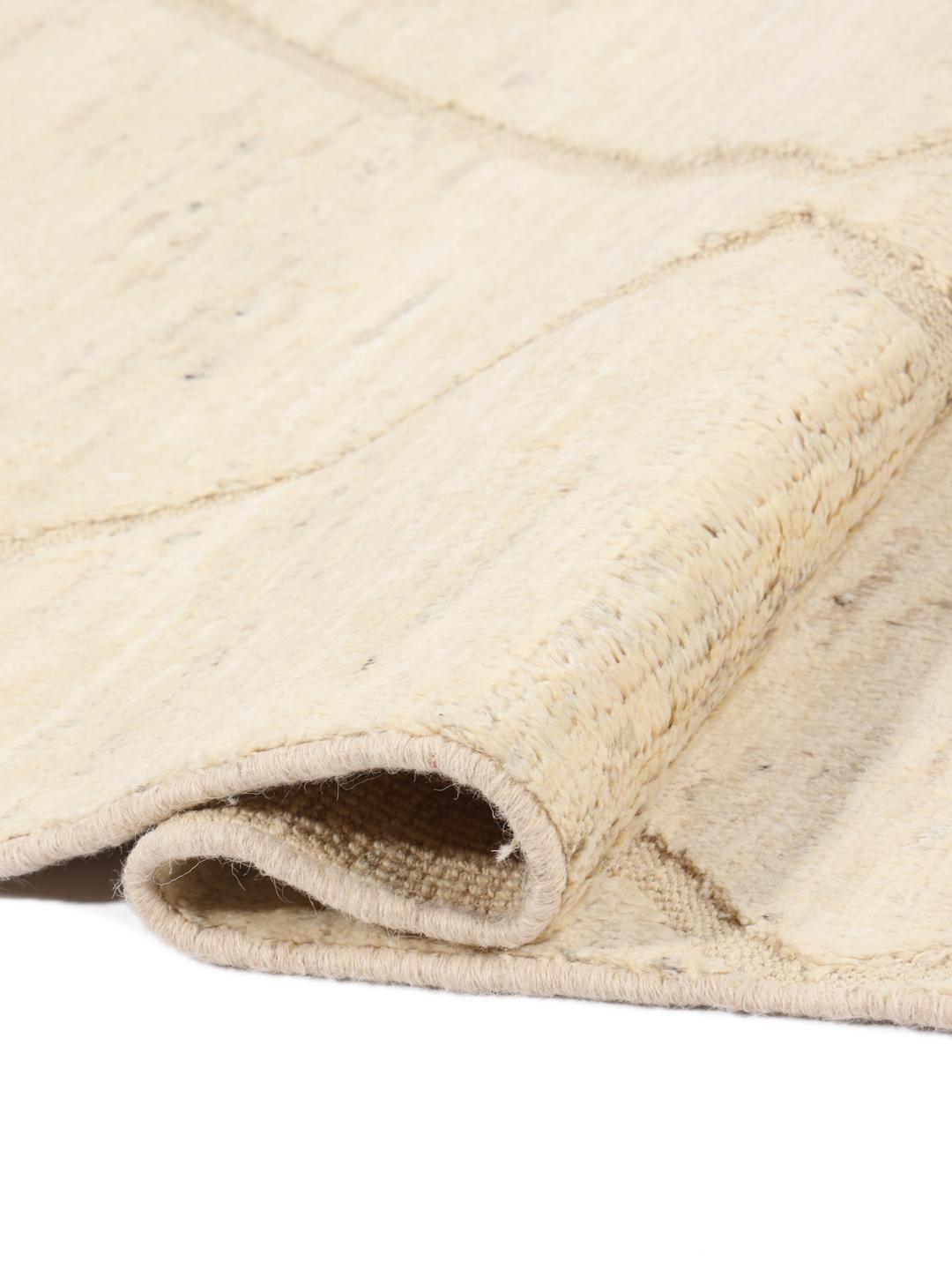
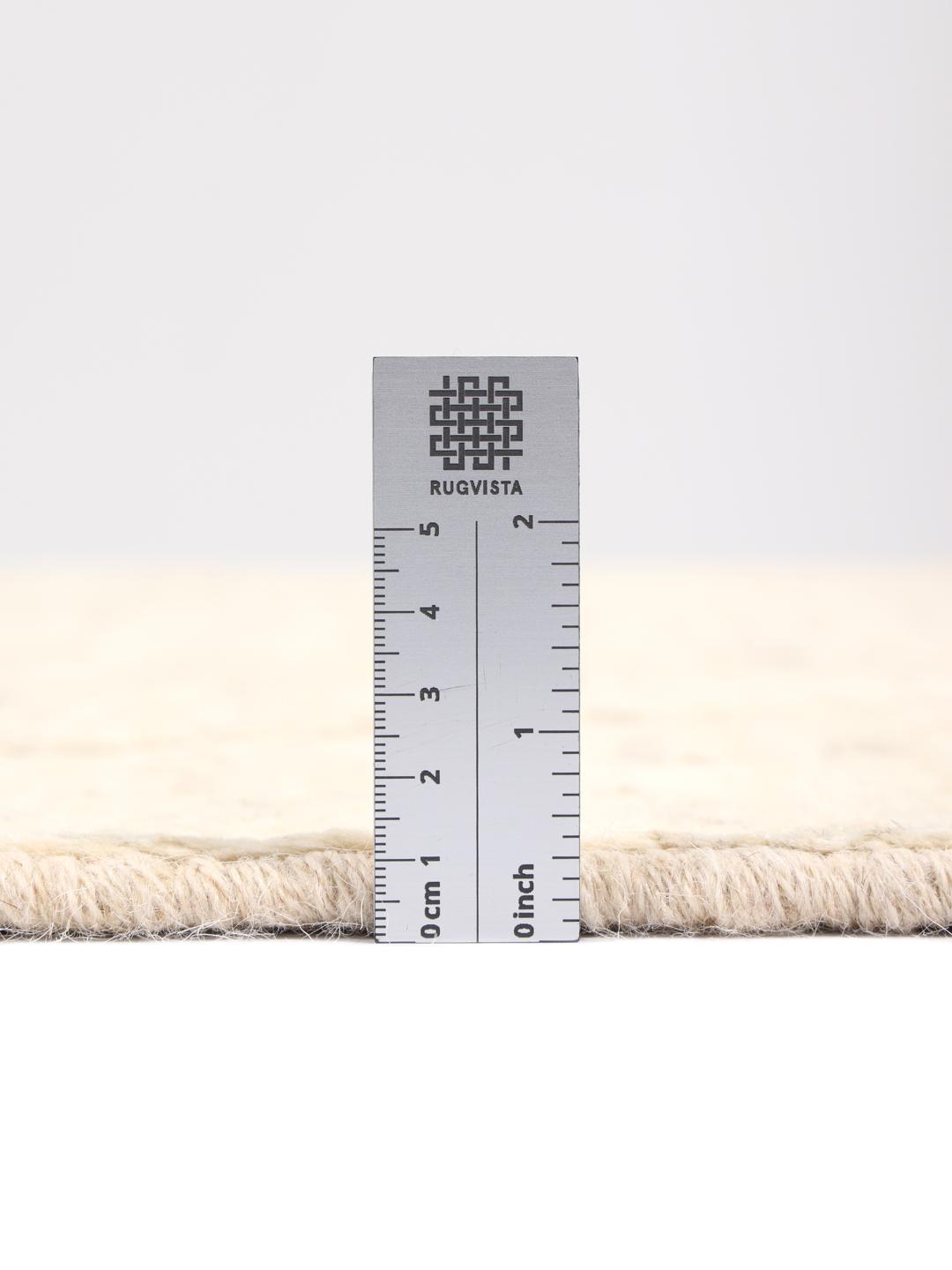
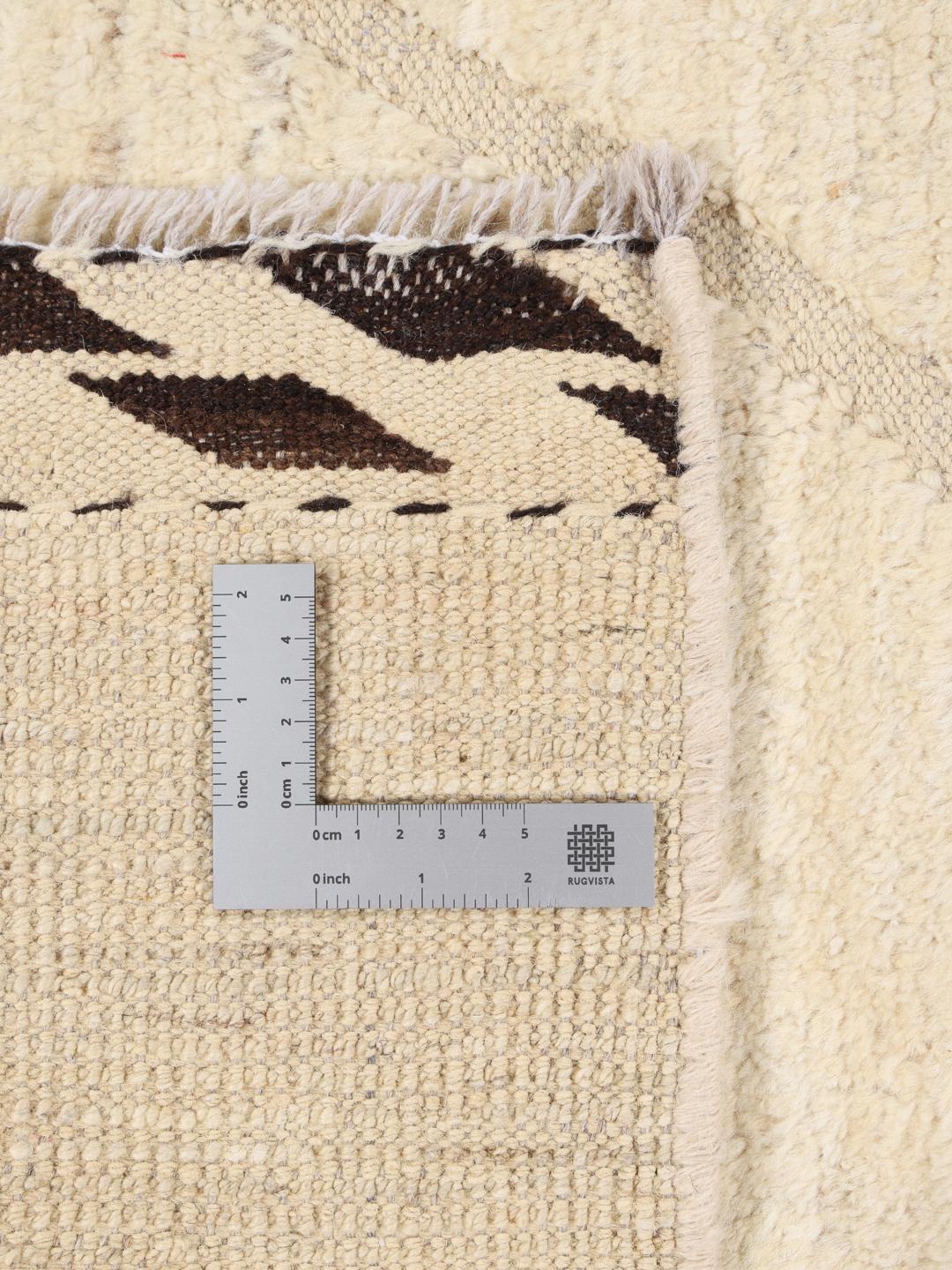
The terminology used to describe these rugs often centres on the tactile quality of the wool and the specific knotting techniques used to build the pile. In this tradition, the focus is on achieving a dense, soft surface that showcases the natural beauty of the wool. By using traditional methods, weavers ensure that the final product is not only visually appealing but also durable enough to serve as a long-lasting floor covering.
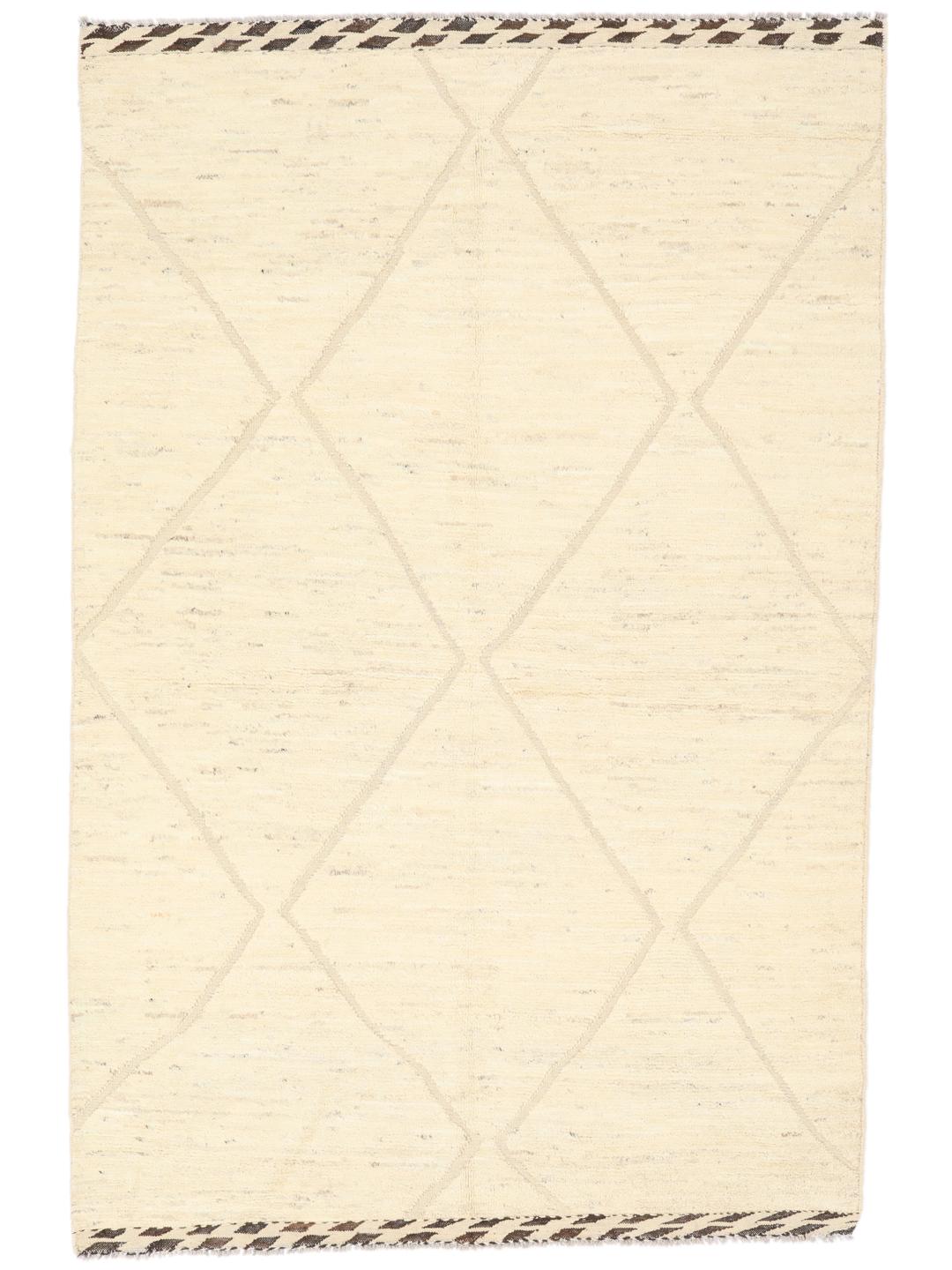
Signature design elements of this tradition often include simple, bold geometric motifs like diamonds or lozenges, which stand out against a neutral field. These patterns are typically kept minimal, allowing the texture and the quality of the wool to take centre stage. The border often features simple, repeating motifs that frame the centre field, providing a cohesive look that fits seamlessly into a variety of home styles.
Collecting a rug from this tradition is about more than just decor; it is about honouring a history of human skill and patience. These pieces are valued for their ability to bring a sense of history and warmth into a modern setting. By choosing a handmade rug, you are supporting a tradition that values quality over speed, ensuring that you own a piece of cultural heritage that will only grow more beautiful with age.