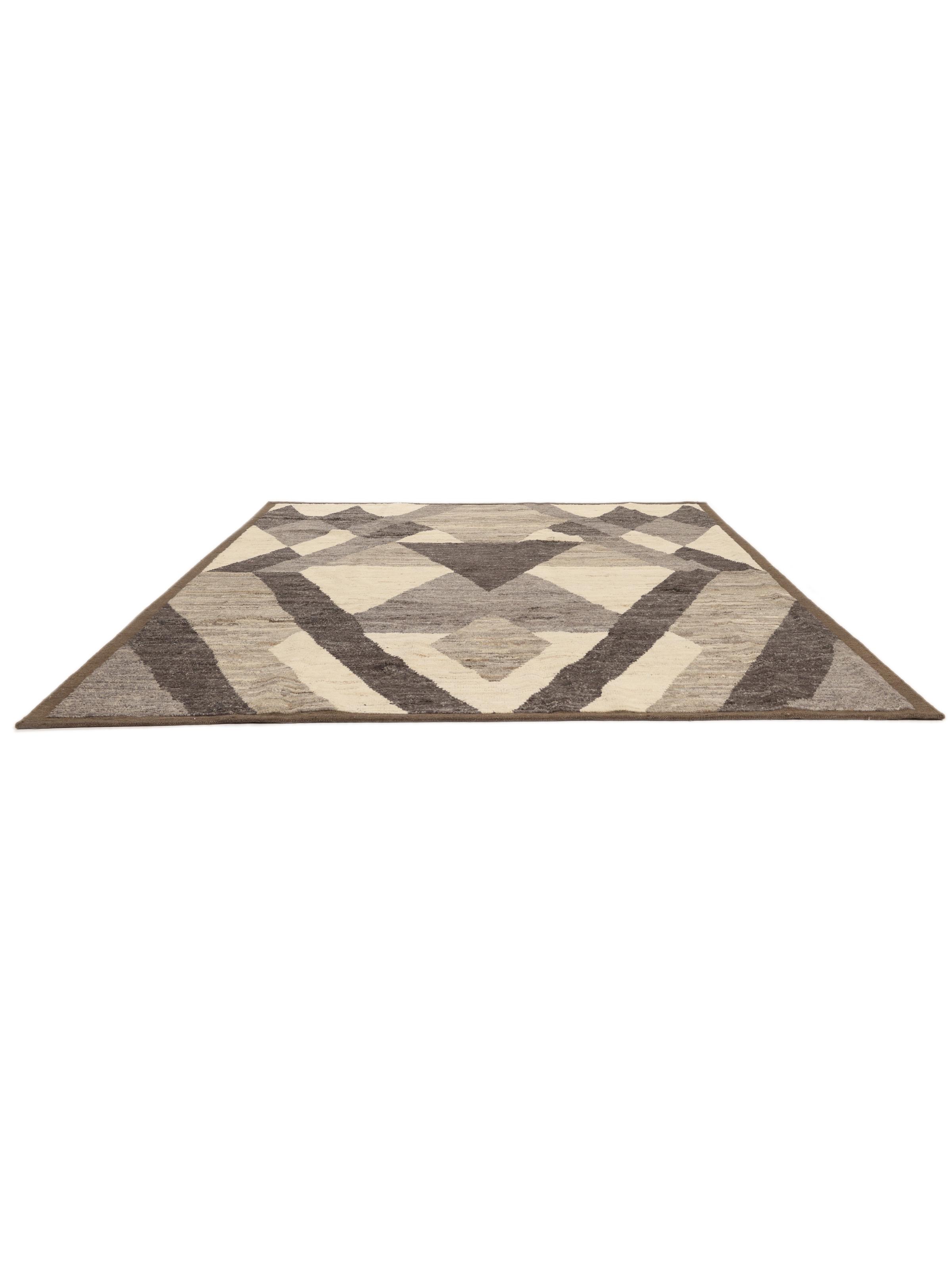
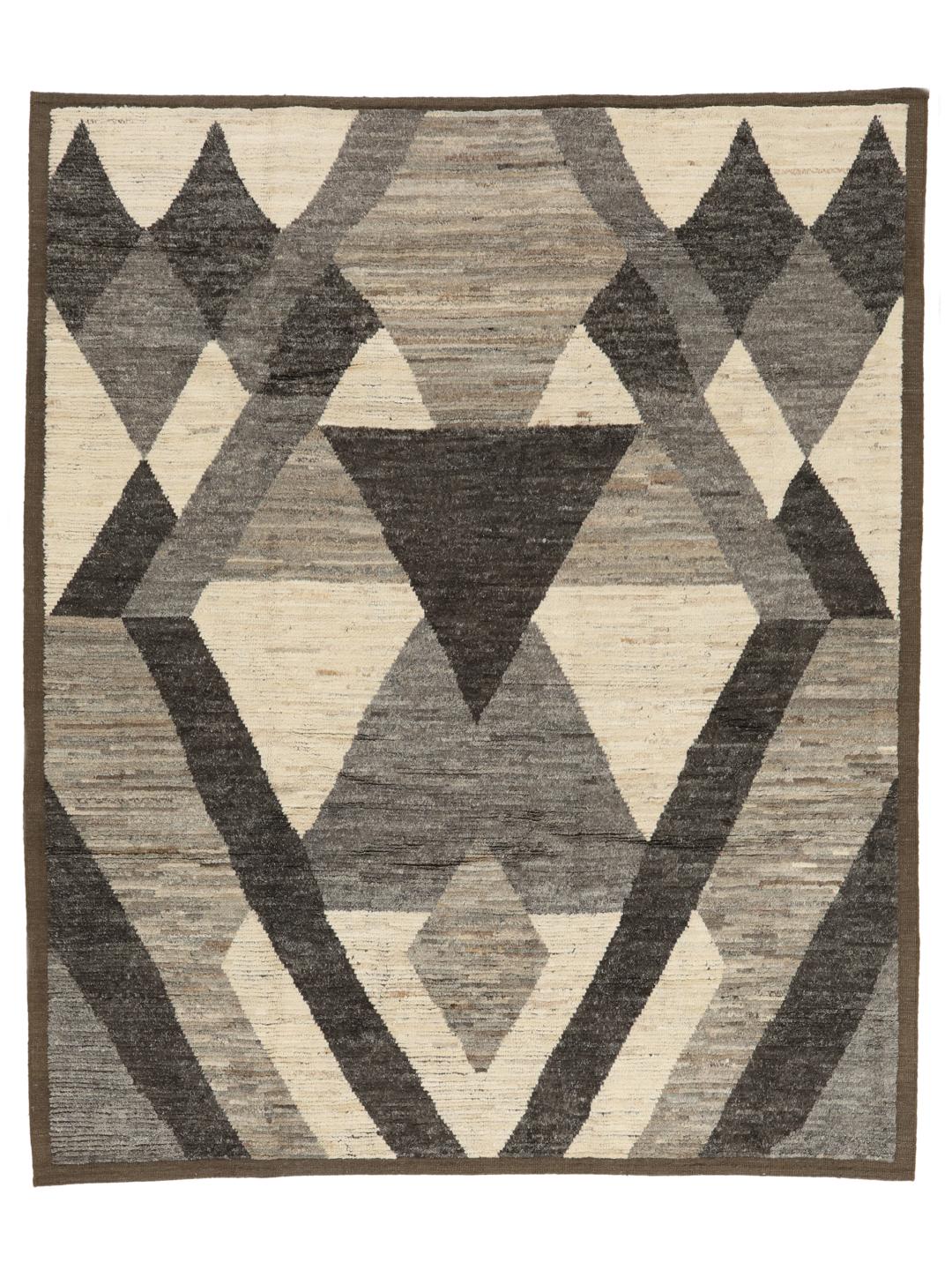
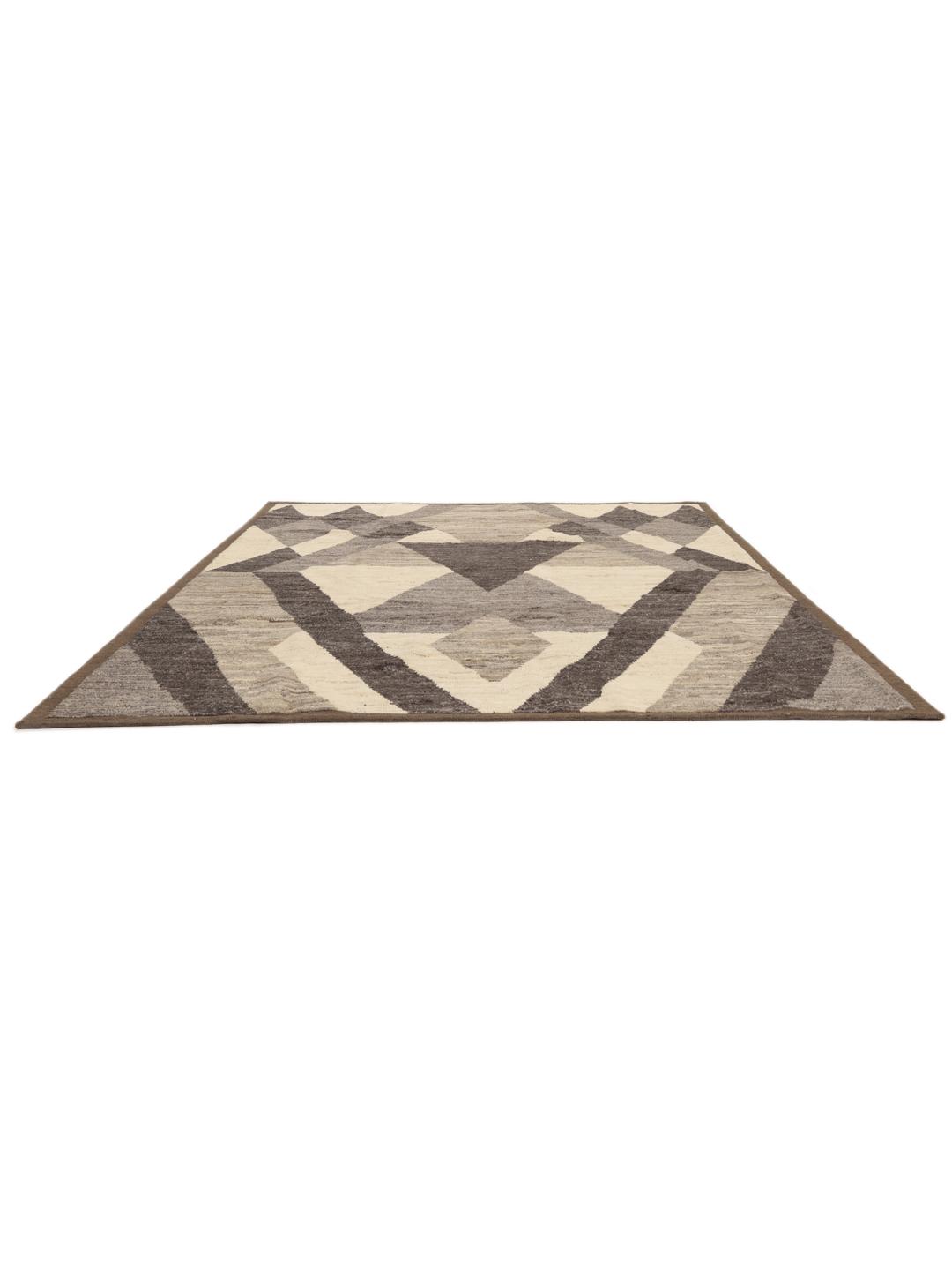
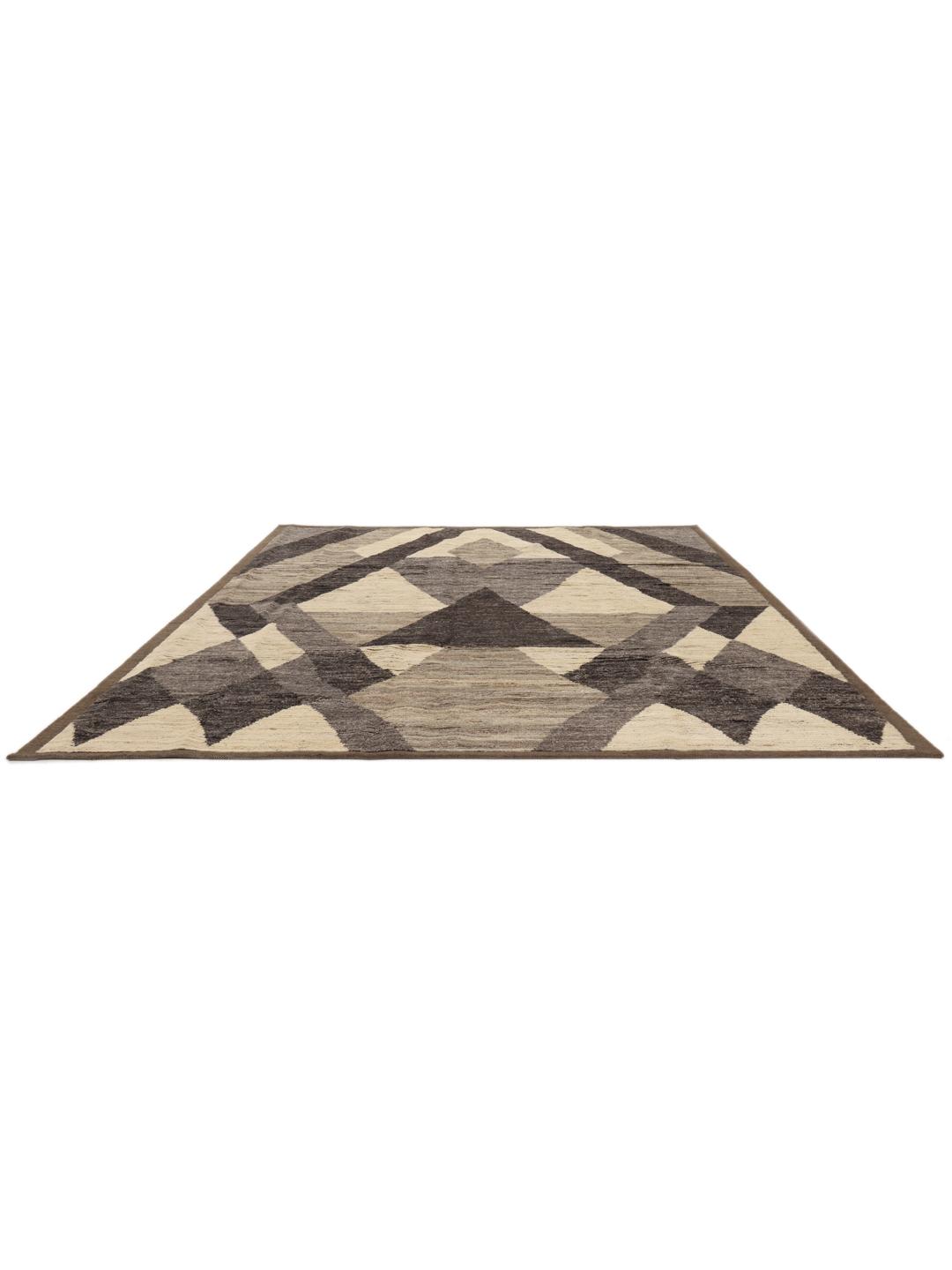
Berber-inspired rugs from Afghanistan represent a fascinating evolution in rug-making traditions. While the original Berber style originates from the nomadic tribes of North Africa, Afghan weavers have masterfully adapted these aesthetic principles, blending them with their own deep-rooted techniques of knotting and Wool processing.
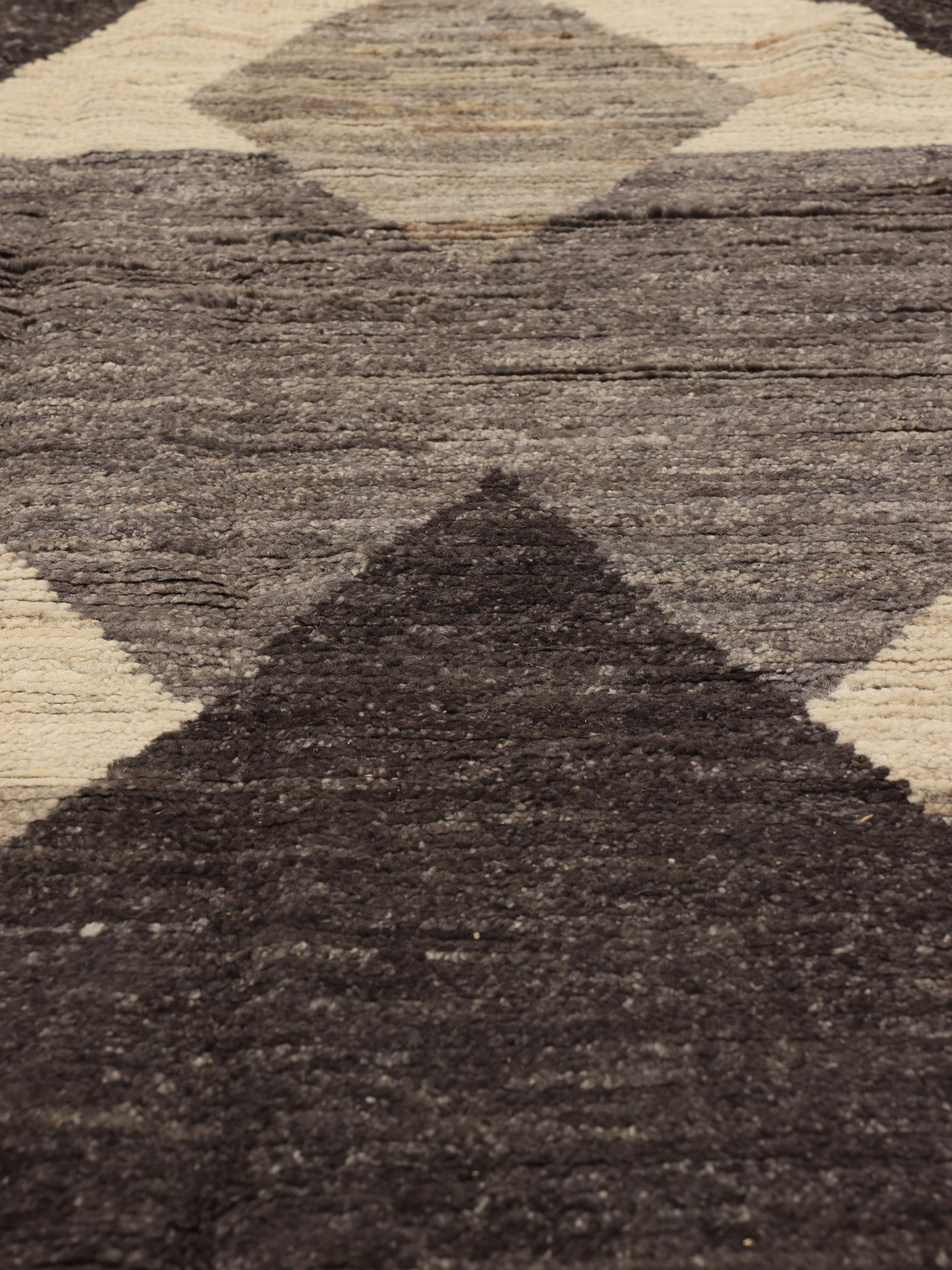
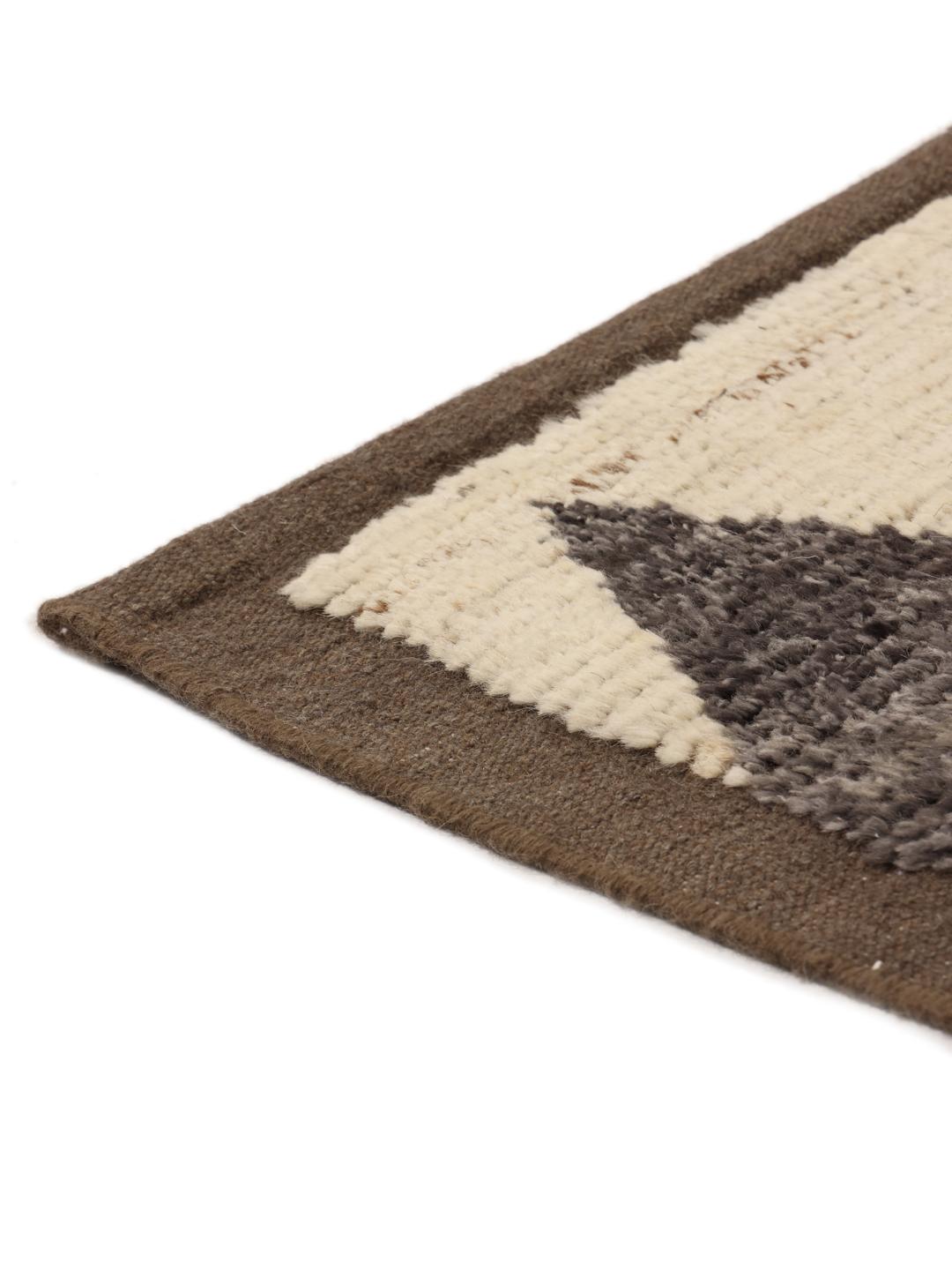
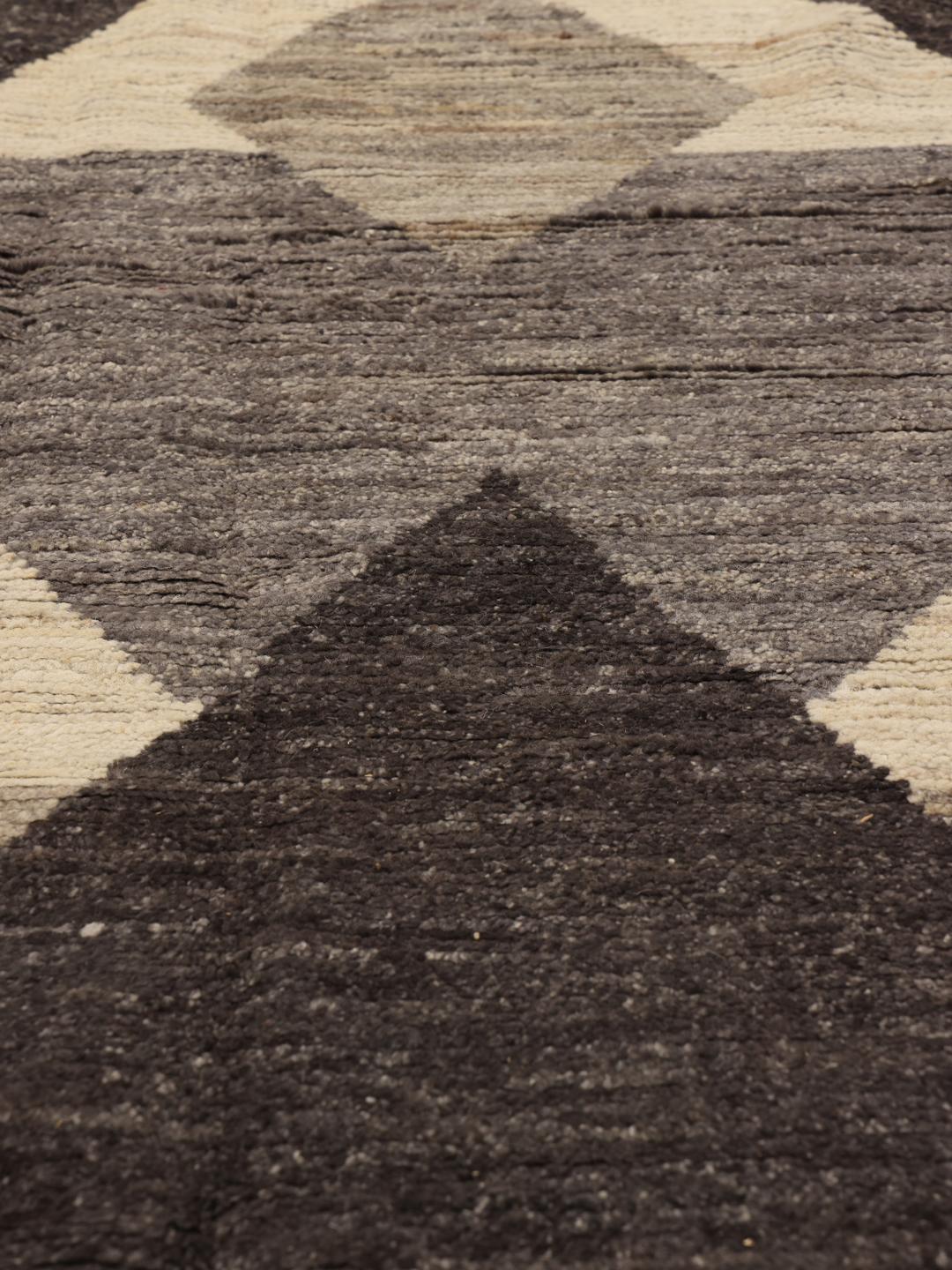
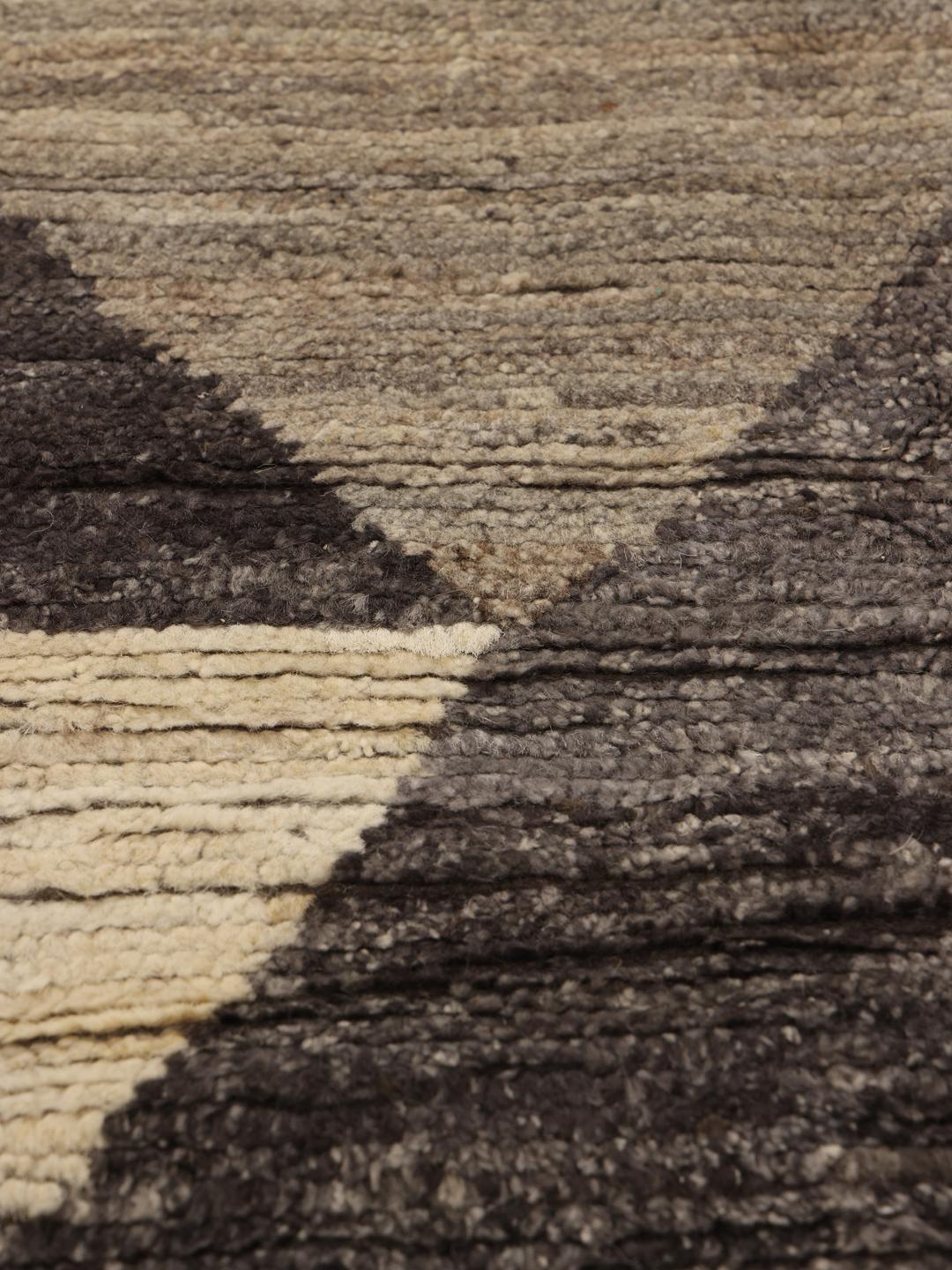
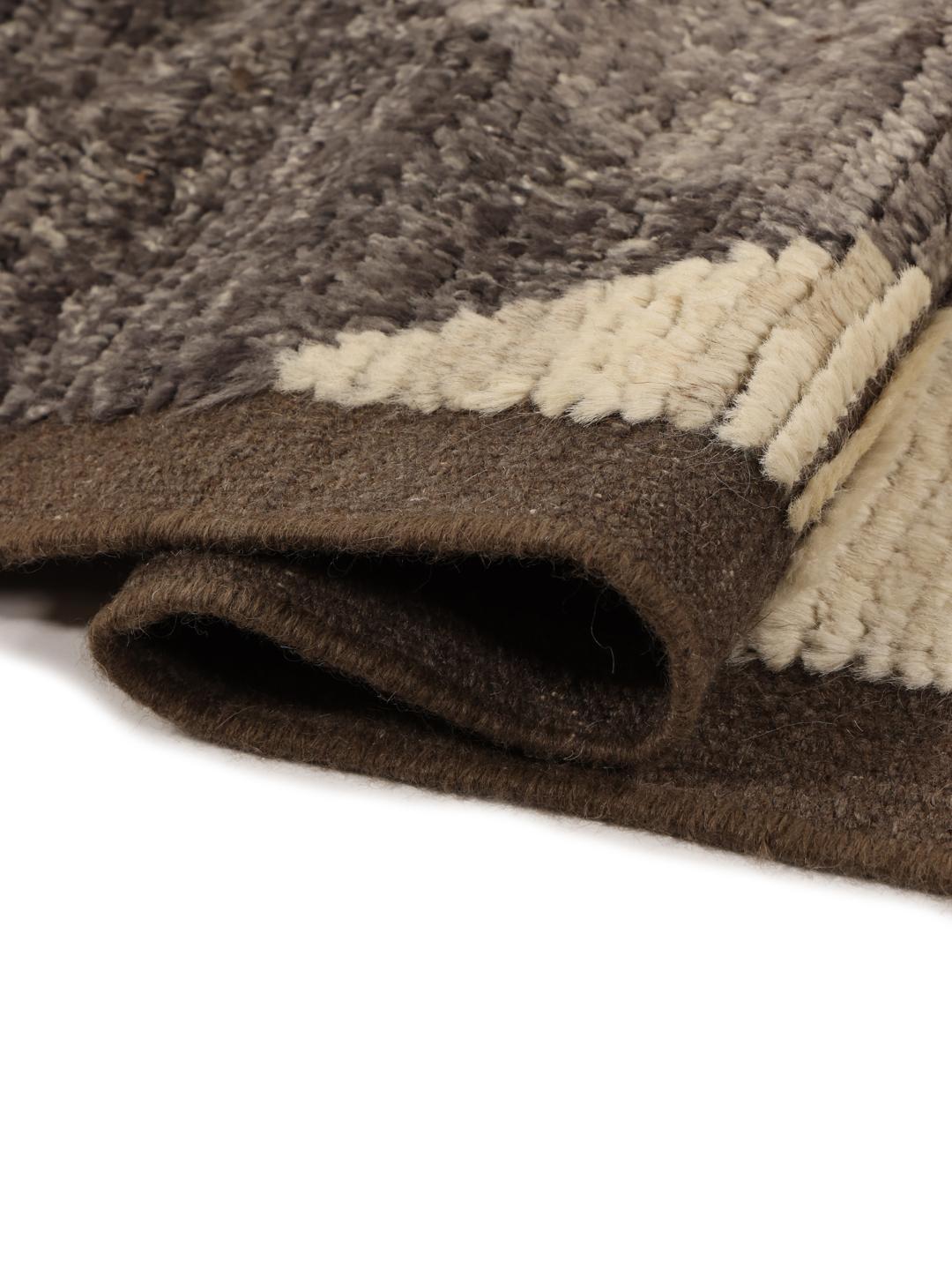
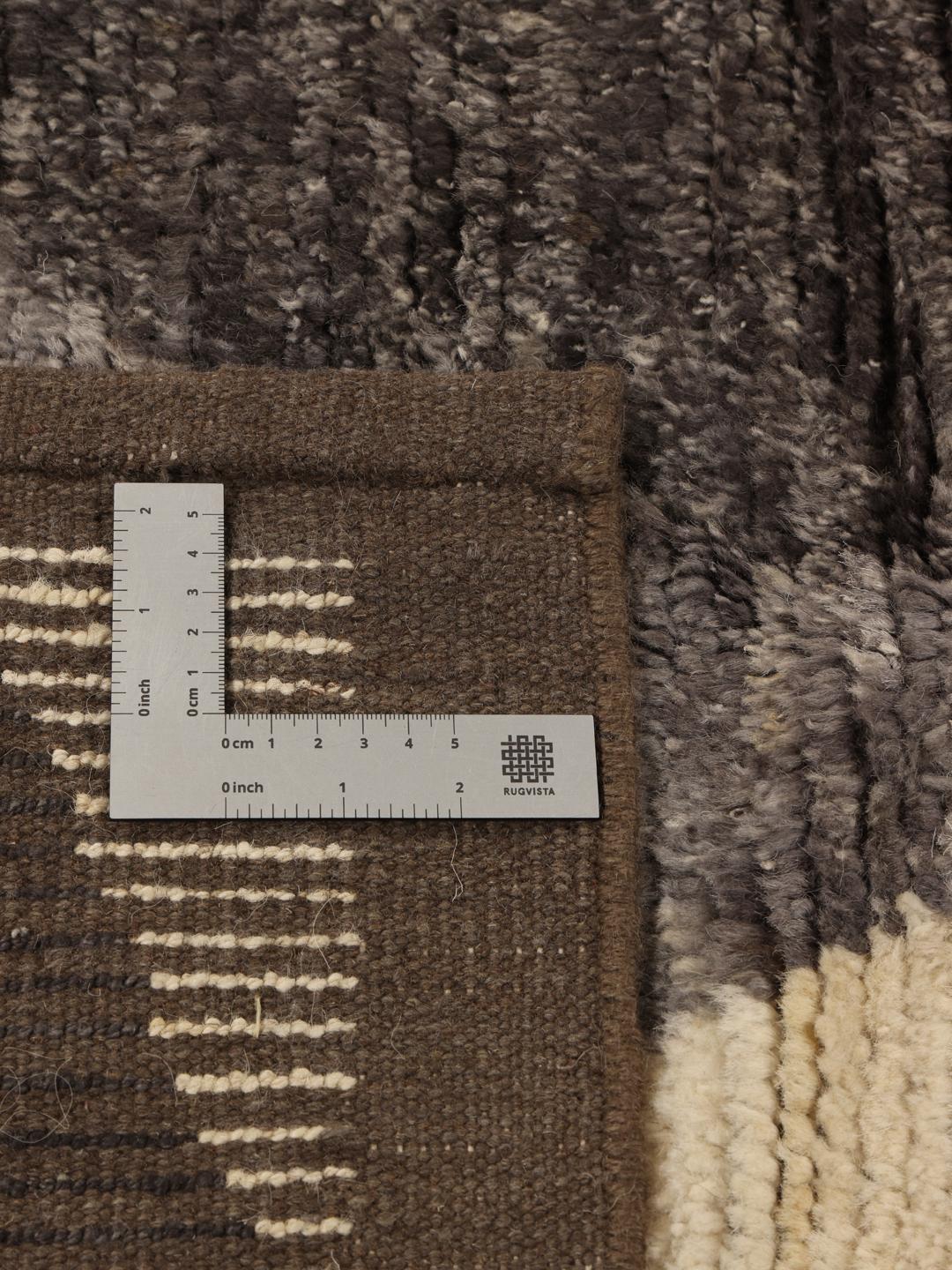
The term hand-knotted refers to the time-honoured method of tying individual strands of Wool onto a foundation, one by one. This technique is the hallmark of quality in rug production, creating a durable and dense pile that is far superior to rugs made using modern, automated methods. It is a slow, rhythmic process that reflects the dedication of the maker.
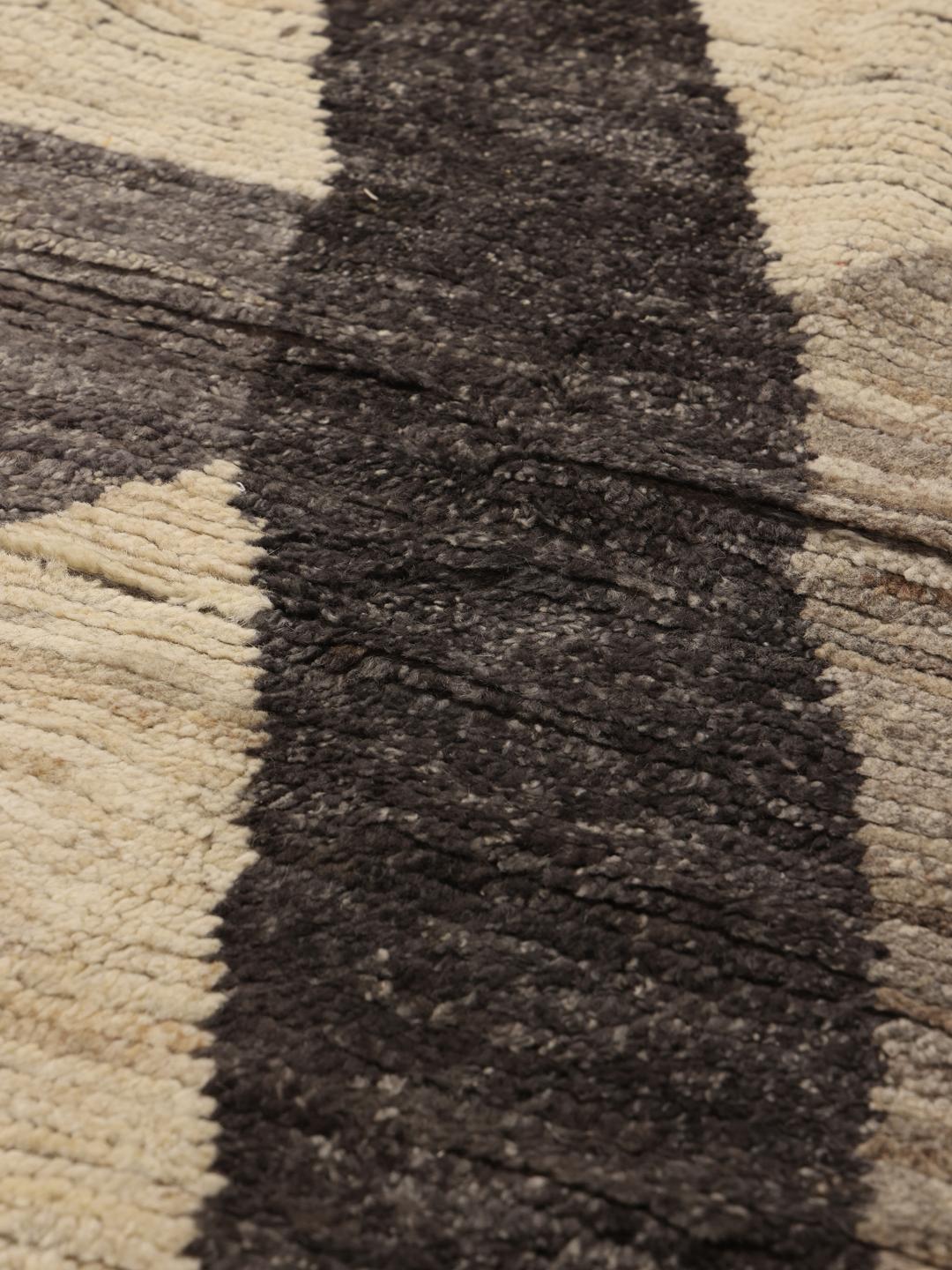
The design language of this piece is defined by its strong geometric motifs. These shapes are often inspired by the landscape and cultural symbols of the region, translated into a modern, abstract form. The use of natural, undyed Wool alongside darker, earthy tones is a classic hallmark of this style, emphasising a focus on raw, authentic materials.
Owning a hand-knotted rug from this region is an investment in cultural heritage. Collectors value these pieces not only for their visual impact but for the human skill embedded in every fibre. It is a way to bring a piece of history into your home, ensuring that the legacy of these ancient craft traditions continues to thrive.