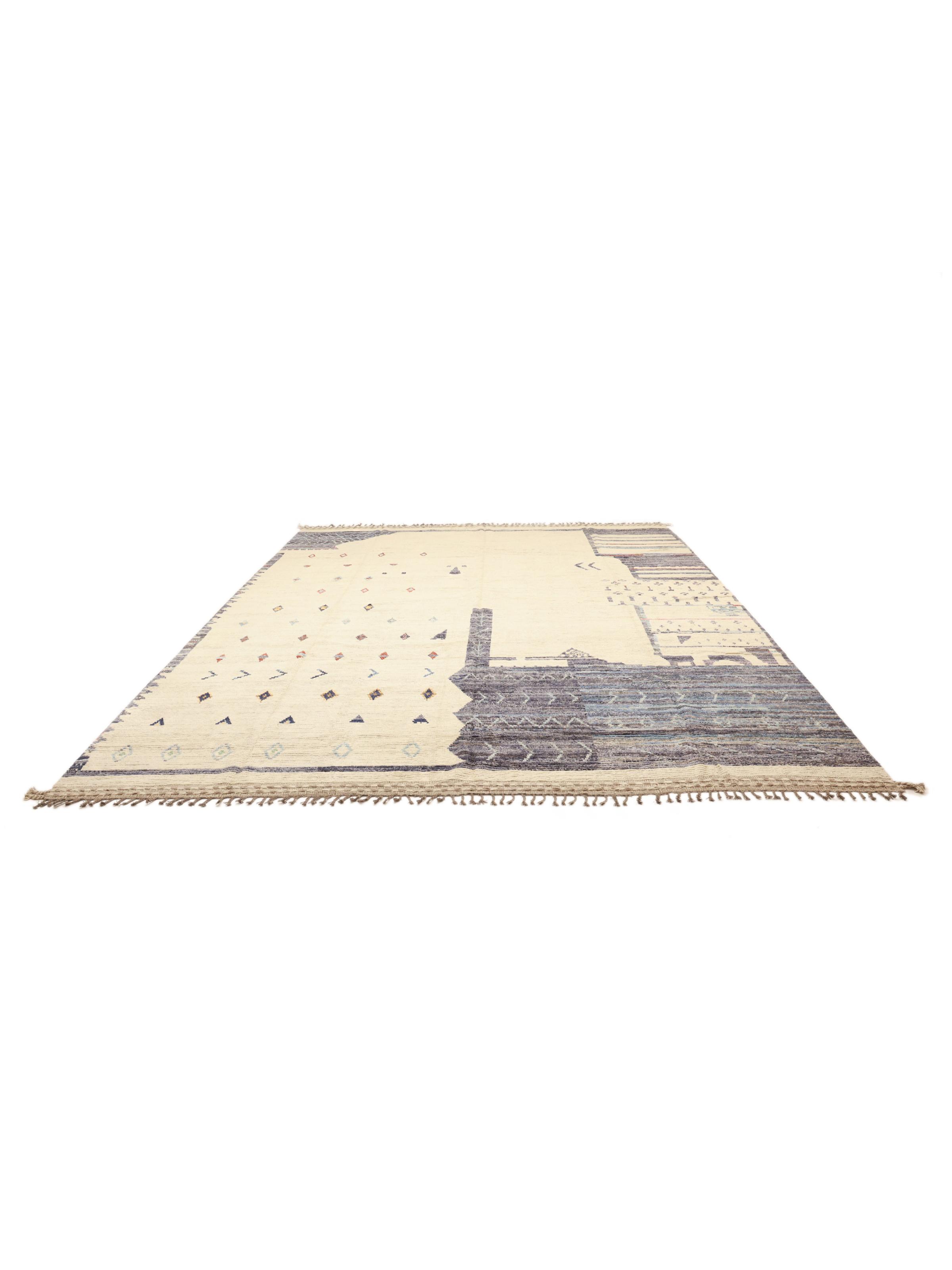
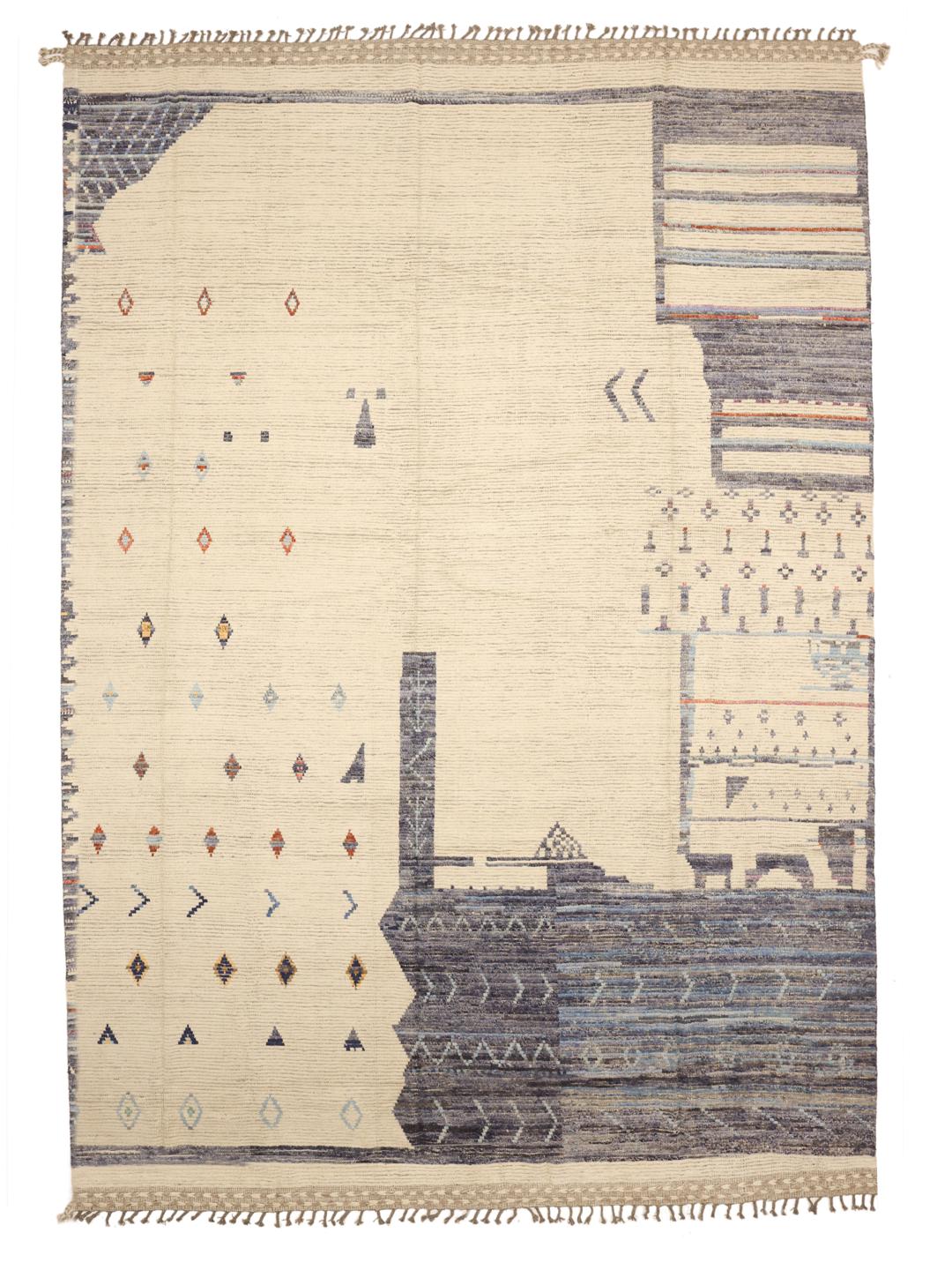
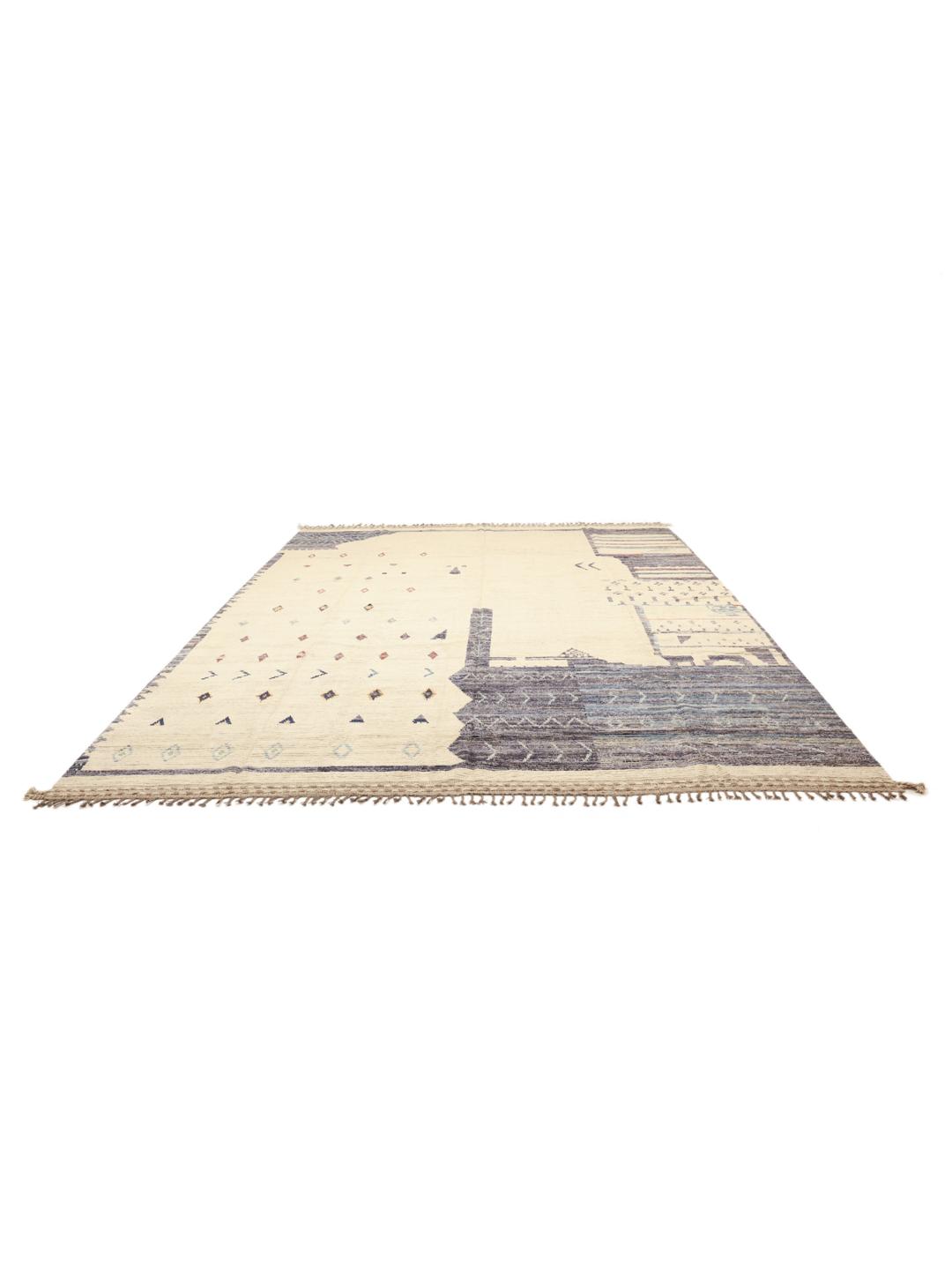
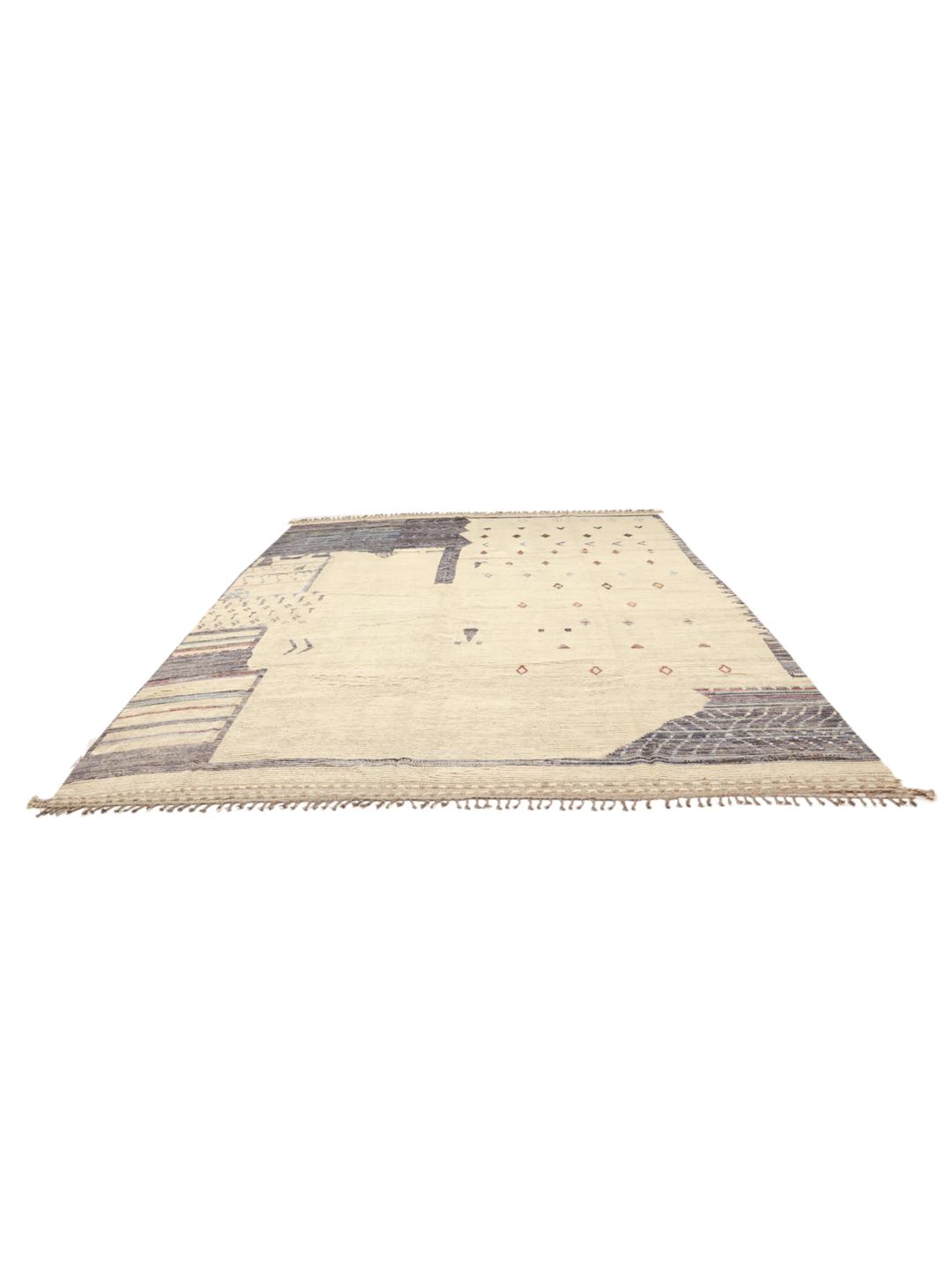
The Berber-style rugs woven in Afghanistan are a fascinating evolution of a long-standing tradition. While the term Berber originally refers to the indigenous peoples of North Africa and their iconic, shaggy, minimalist rugs, the style has been adopted and adapted by weavers in Afghanistan. These Afghan artisans have embraced the spirit of the Berber aesthetic, blending it with their own deep-rooted knowledge of regional weaving techniques to create something entirely new.
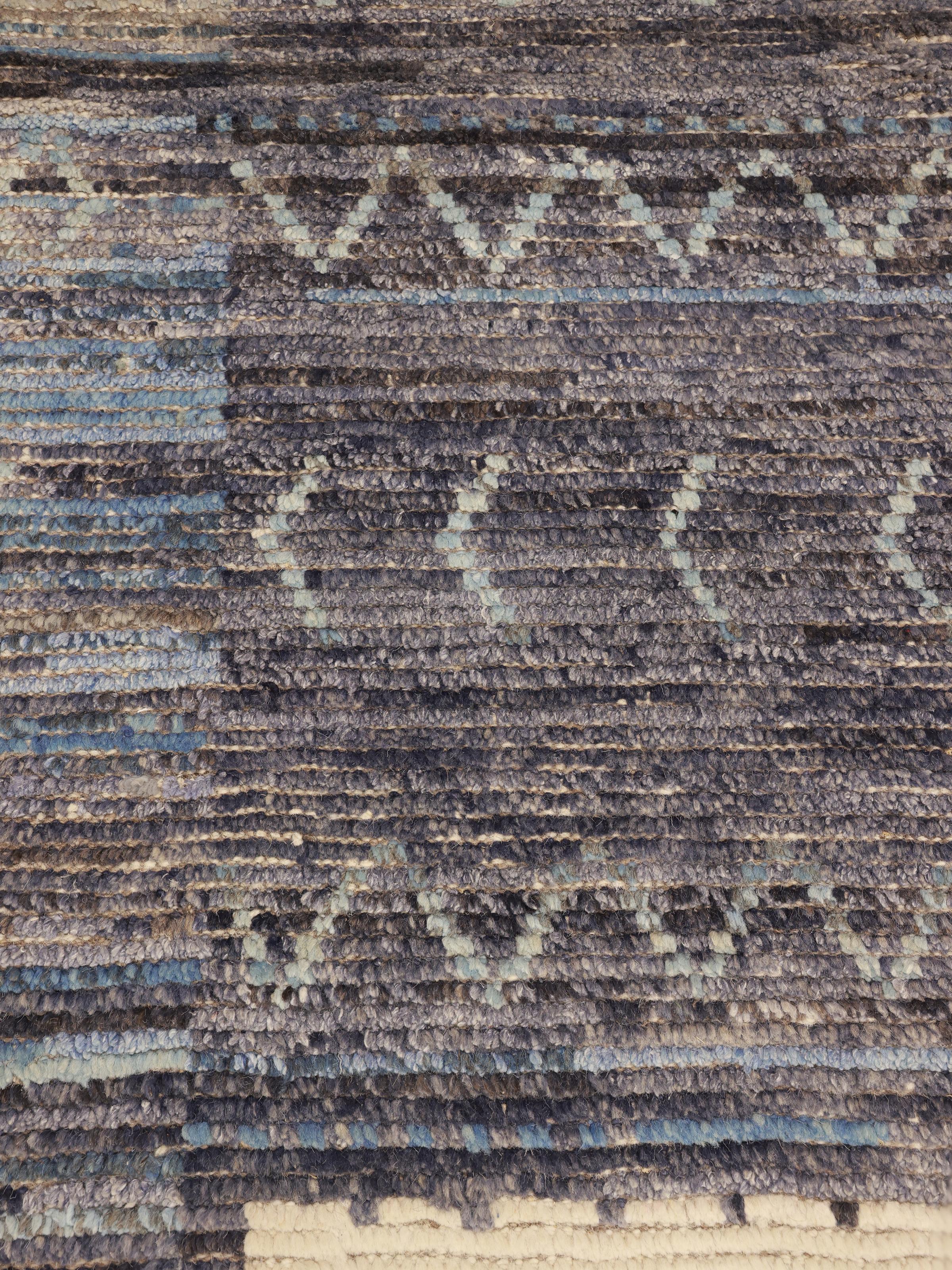
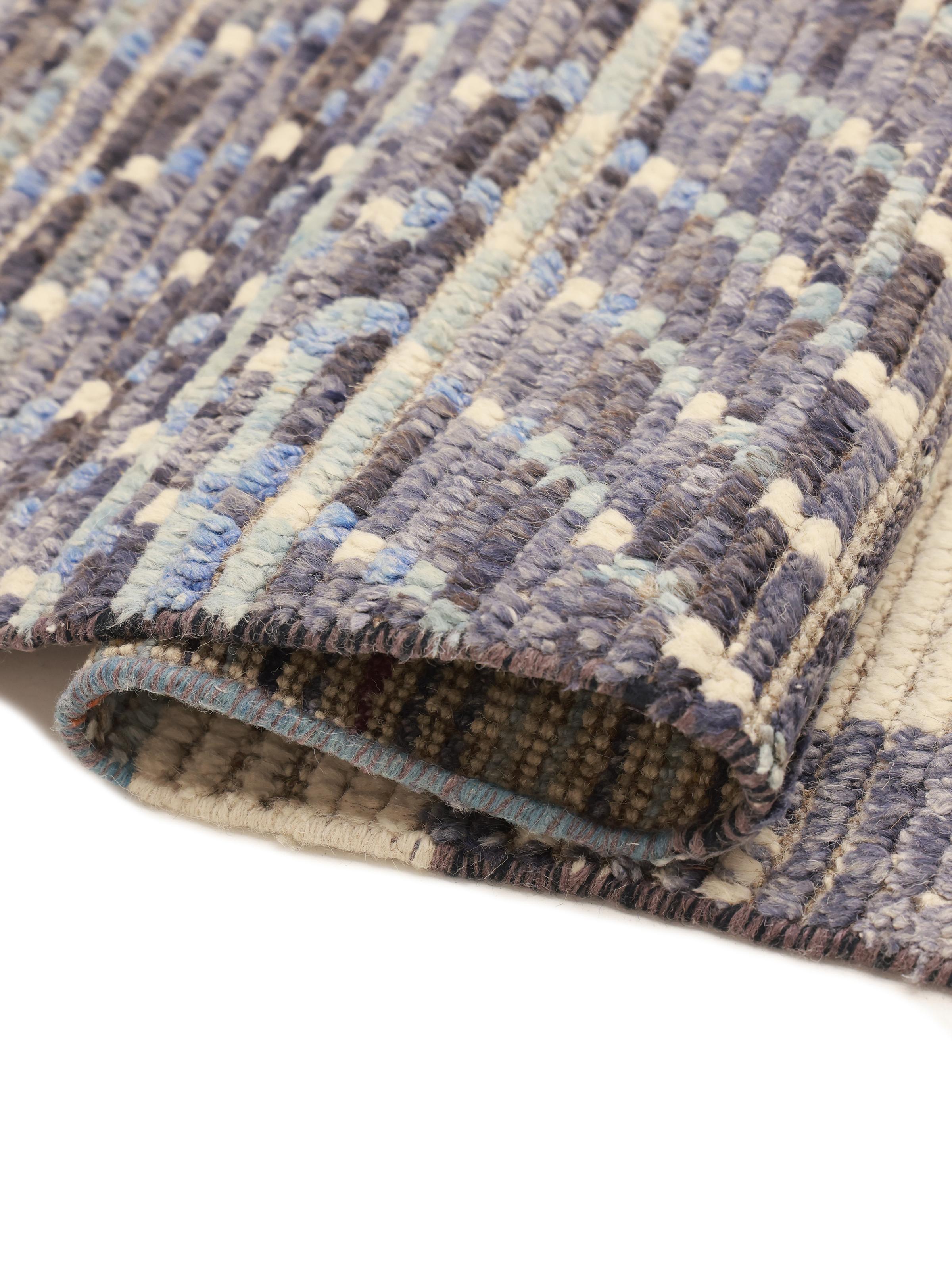
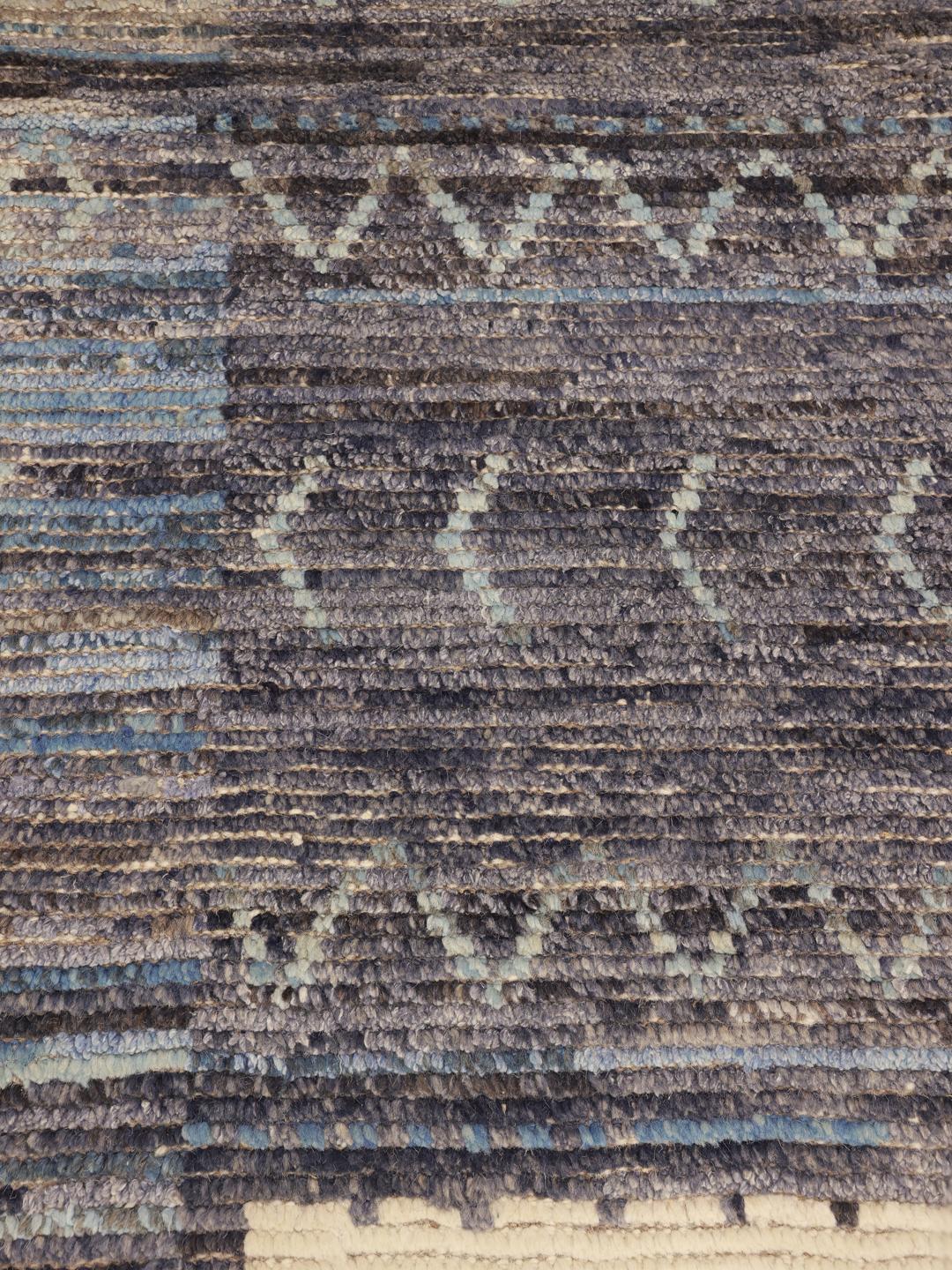
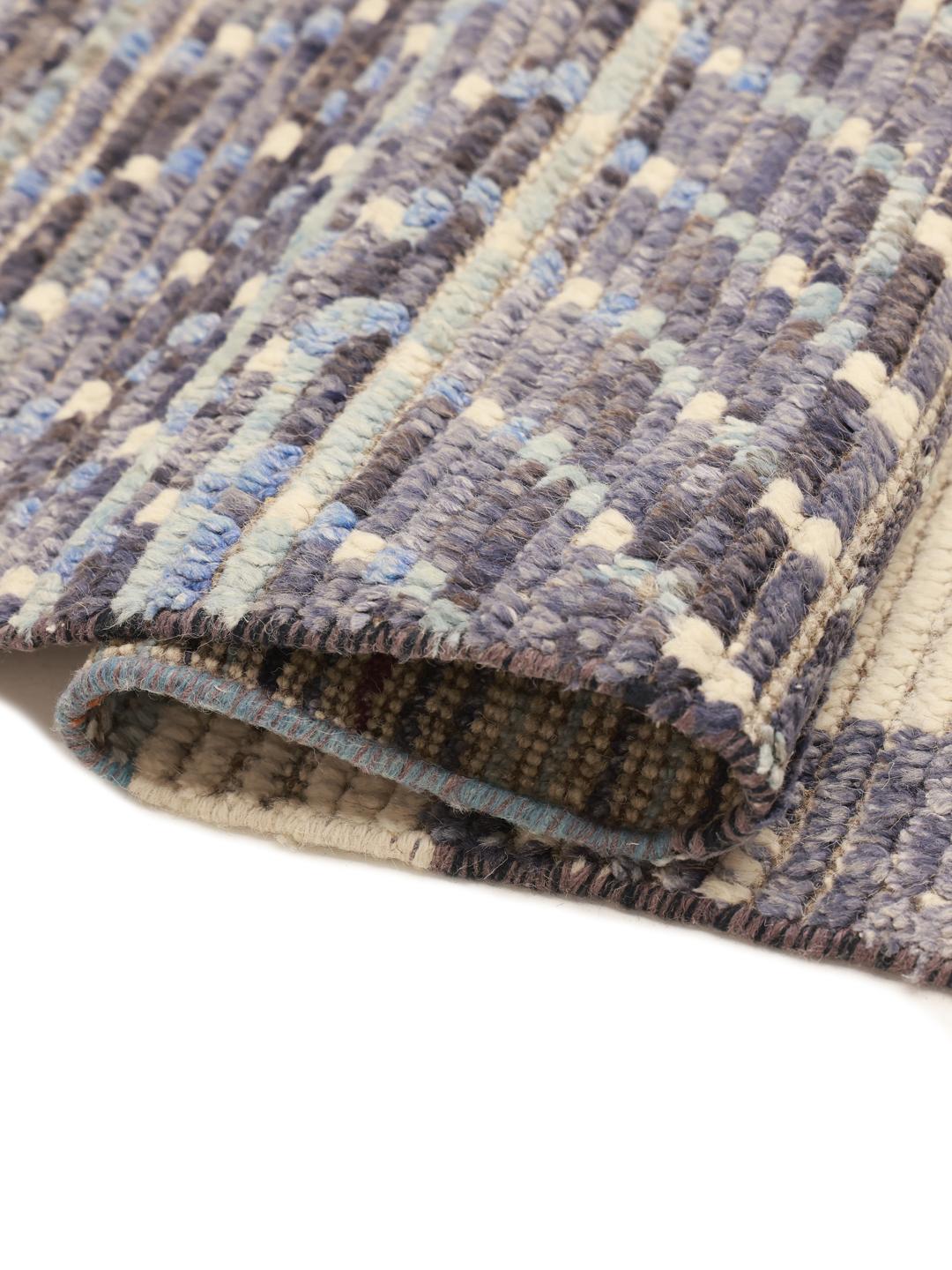
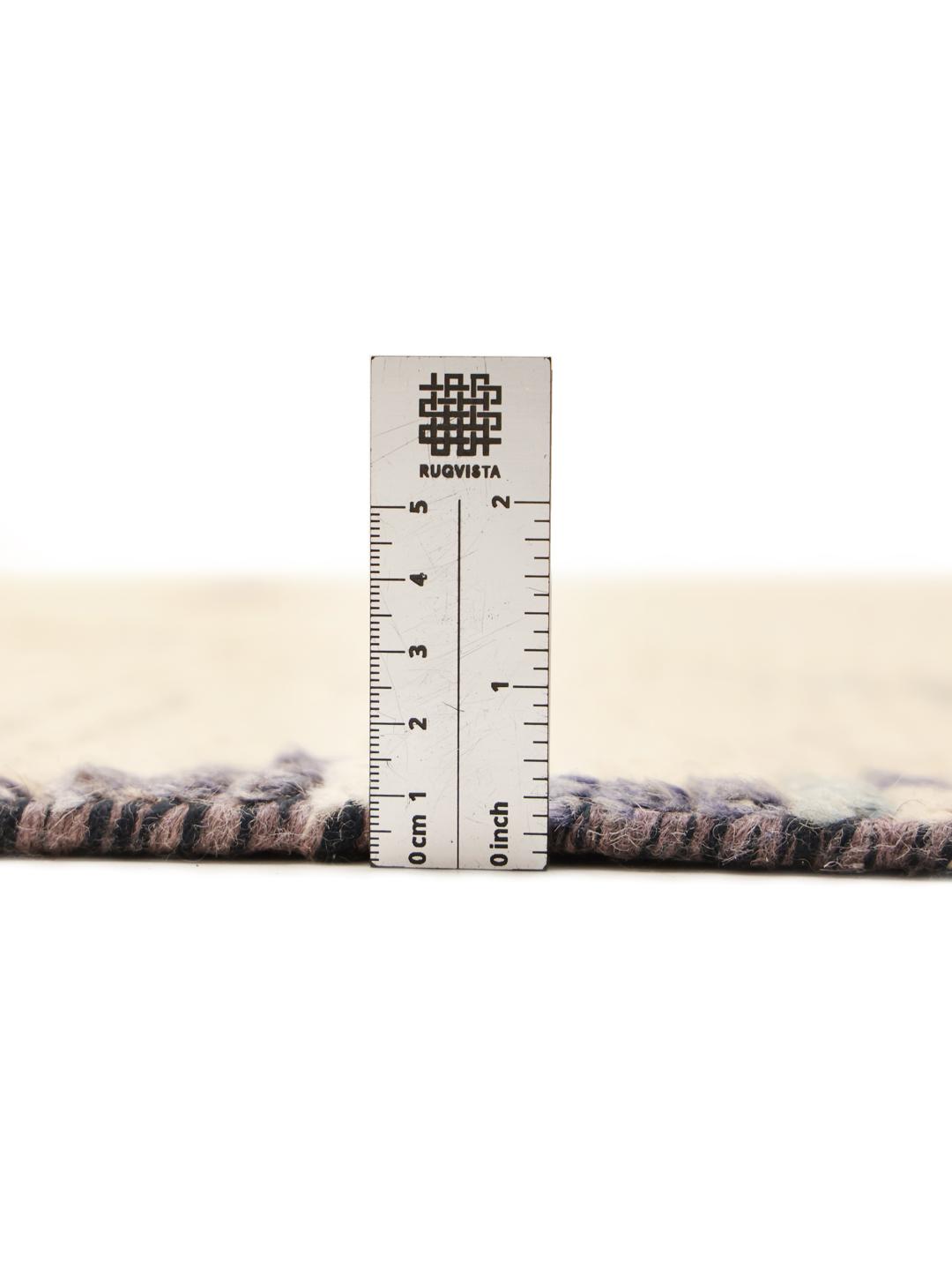
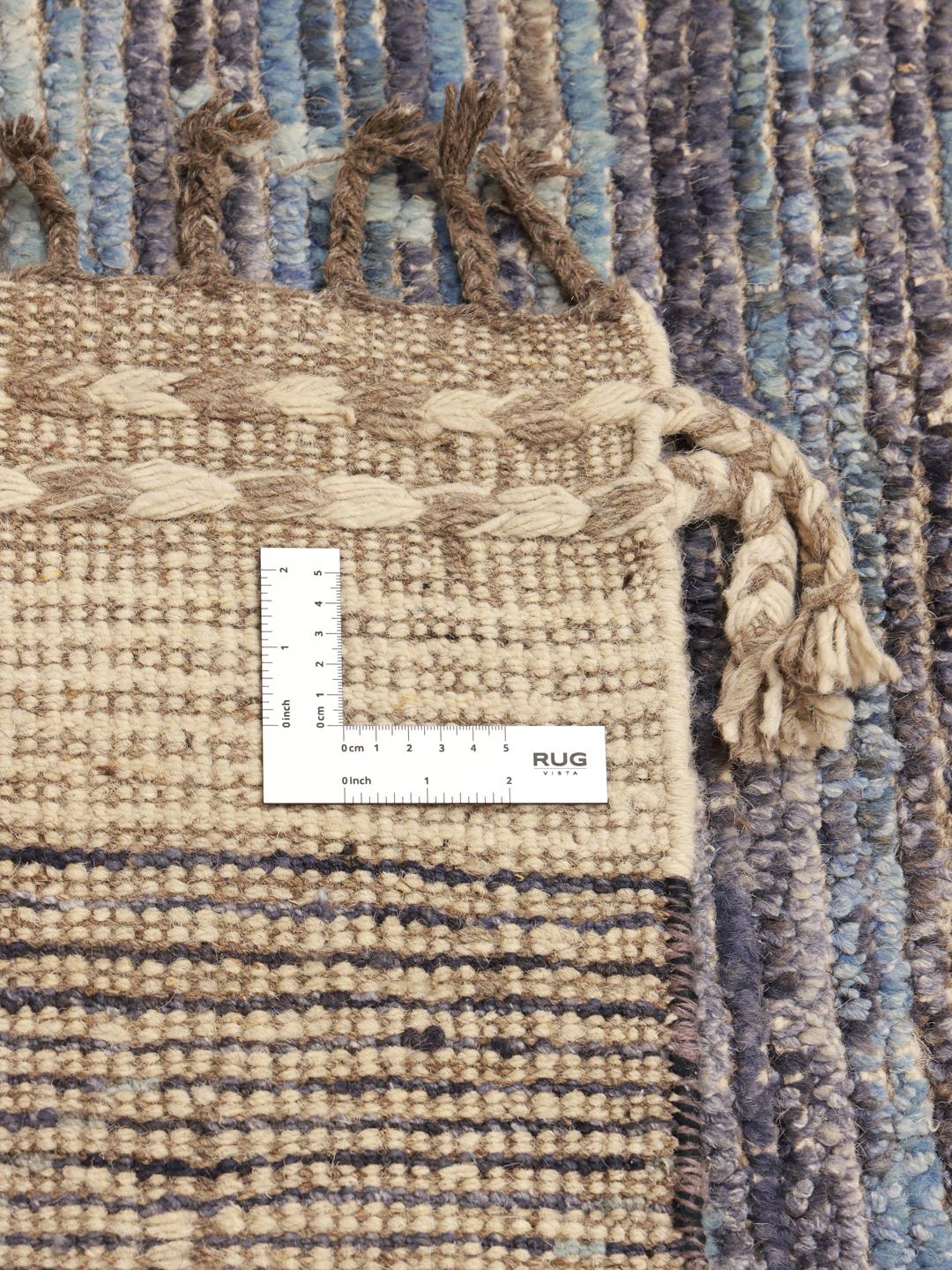
Understanding the quality of these rugs often comes down to the materials and the way they are handled. The use of hand-spun wool is central to this tradition, as it retains natural lanolin that gives the pile a soft, resilient feel and a subtle, healthy sheen. This material choice is intentional, designed to produce a rug that is both comfortable for daily use and capable of enduring the wear and tear of an active household.
Visually, these rugs are defined by their neutral, earthy palettes and sparse, symbolic motifs. Unlike the dense, complex patterns found in many other Middle Eastern rug traditions, these pieces often feature open fields of ivory or beige, punctuated by small, geometric shapes or linear symbols that tell a subtle story. This minimalist approach allows the textures and the natural quality of the wool to take centre stage.
Collecting a piece from this tradition is an investment in both heritage and skill. Owning one of these rugs means you are participating in a living history, where ancient techniques are kept alive by modern hands. These rugs are highly valued for their ability to bring a sense of grounded, organic warmth to contemporary homes, serving as a testament to the enduring appeal of human-made beauty.