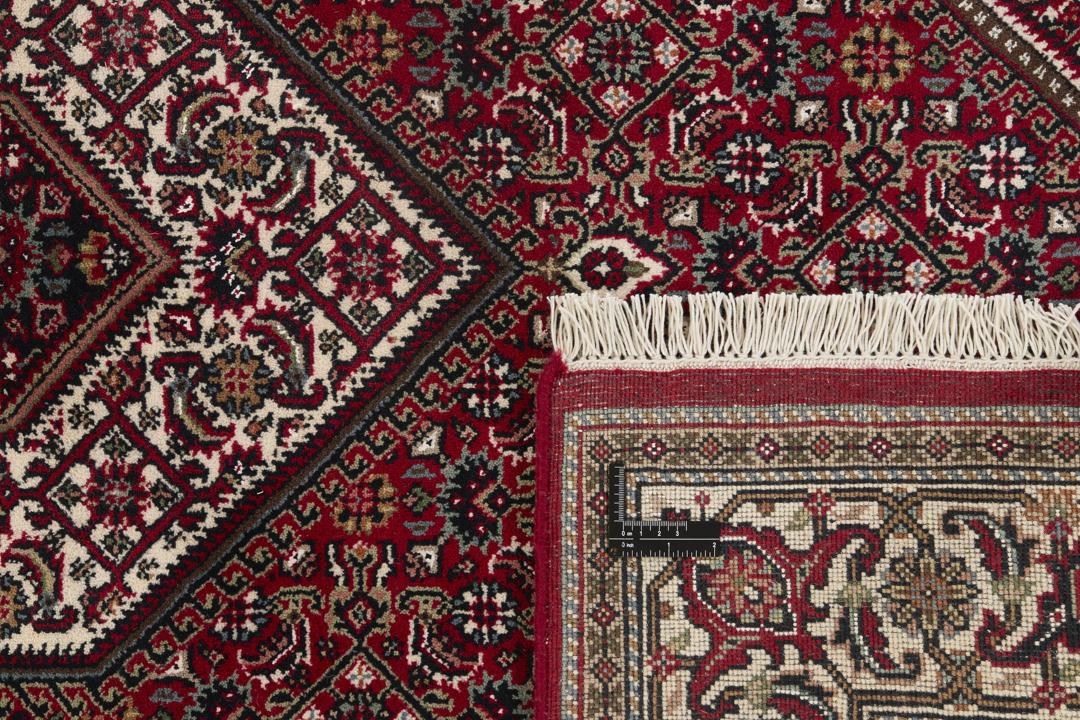
The Bidjar rug tradition originates from the Kurdish town of Bijar in the Middle East, a region famed for producing what are often called the iron rugs of the industry. These rugs earned their reputation for being exceptionally heavy, dense, and durable, crafted to withstand generations of daily use in harsh climates.
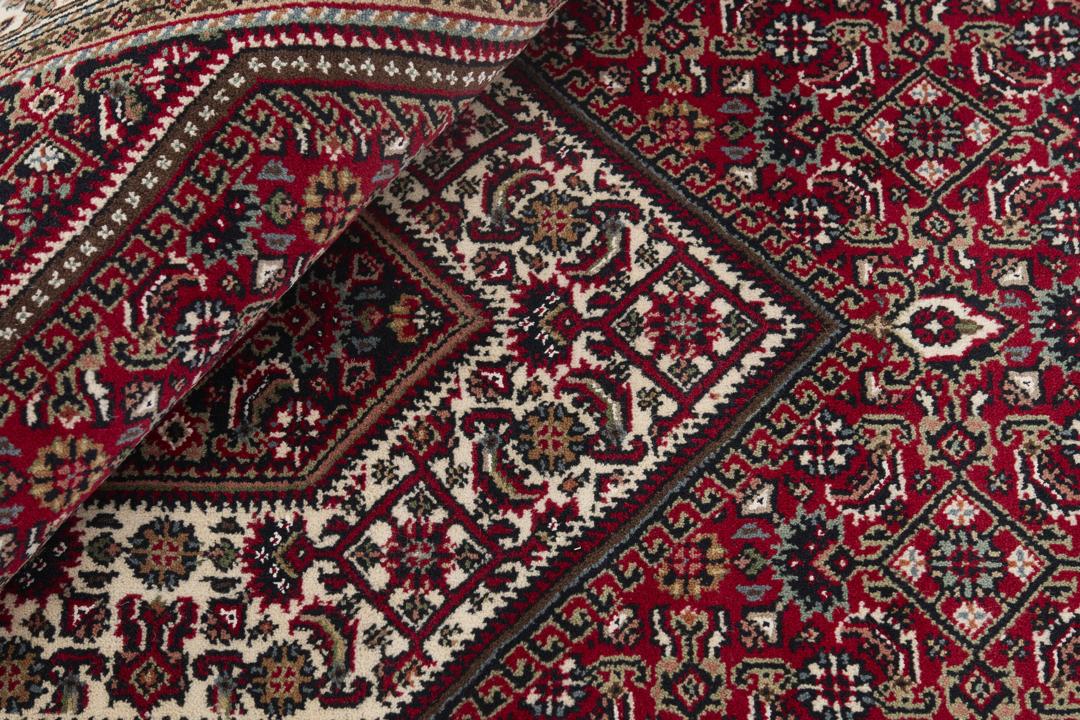
The hallmark of this tradition is a specific weaving technique that creates an incredibly tight foundation. By packing the horizontal threads firmly against the vertical ones, the artisans create a pile that stands upright, giving the rug its signature density and longevity. This technical approach is what makes these pieces feel so substantial and sturdy.
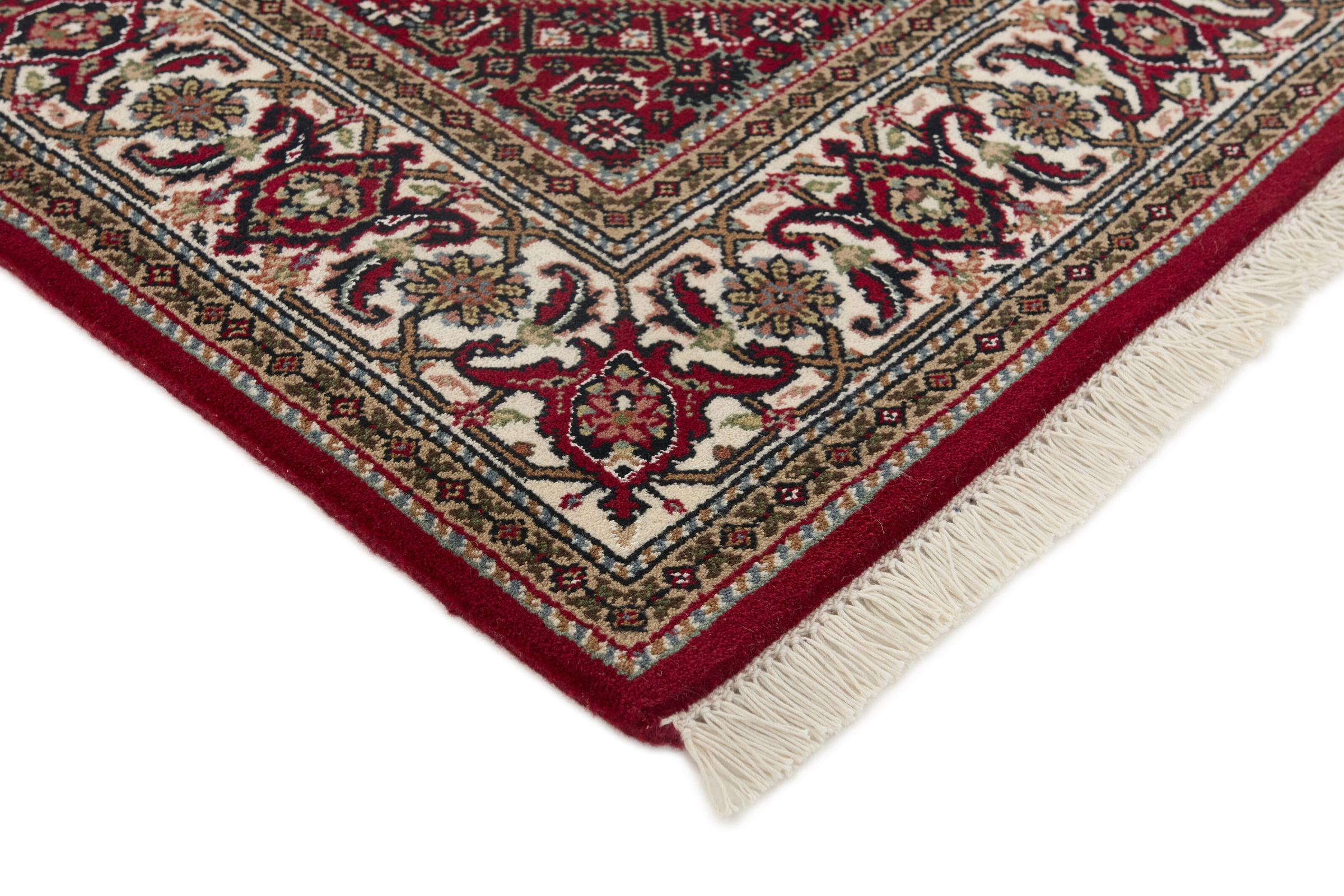
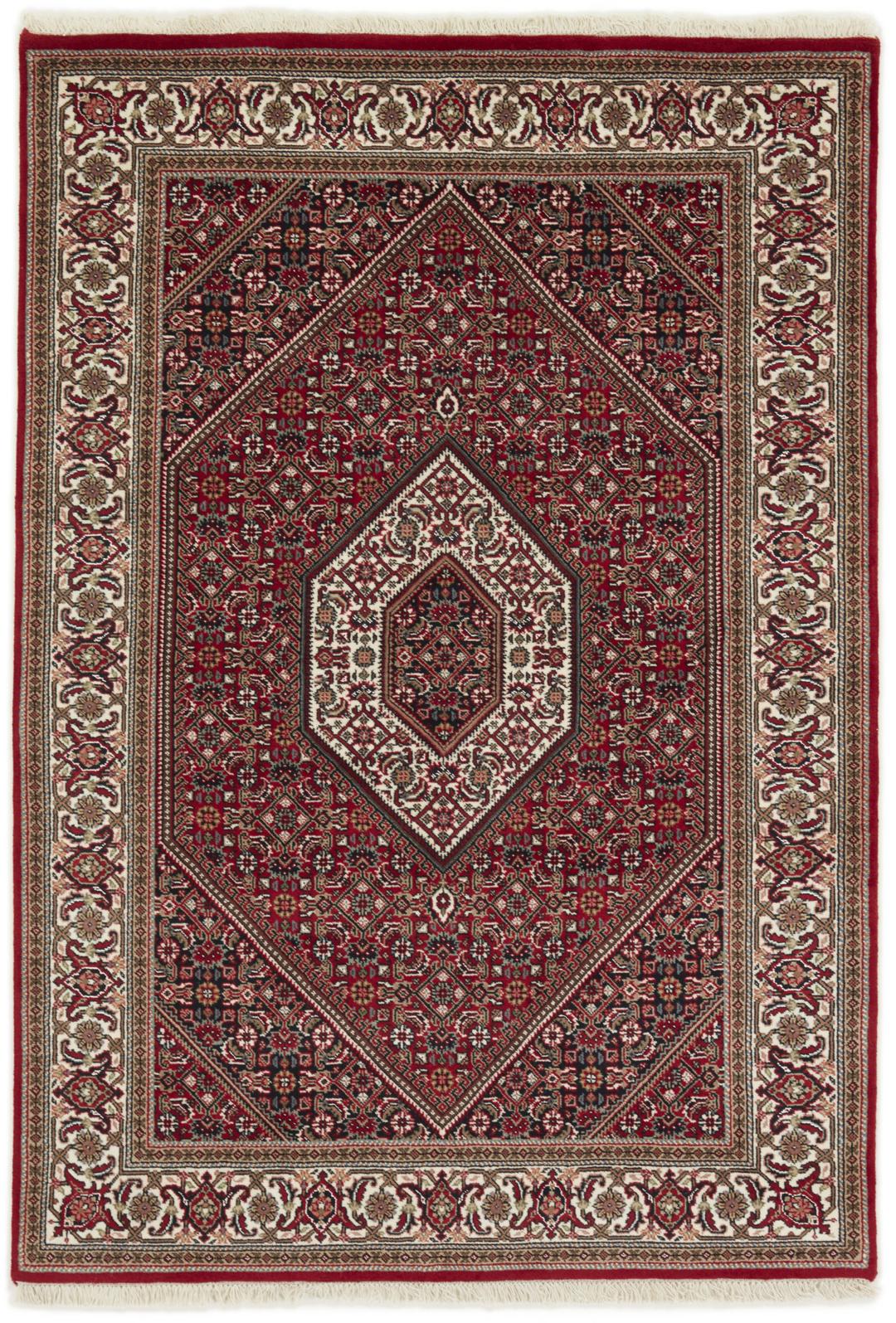
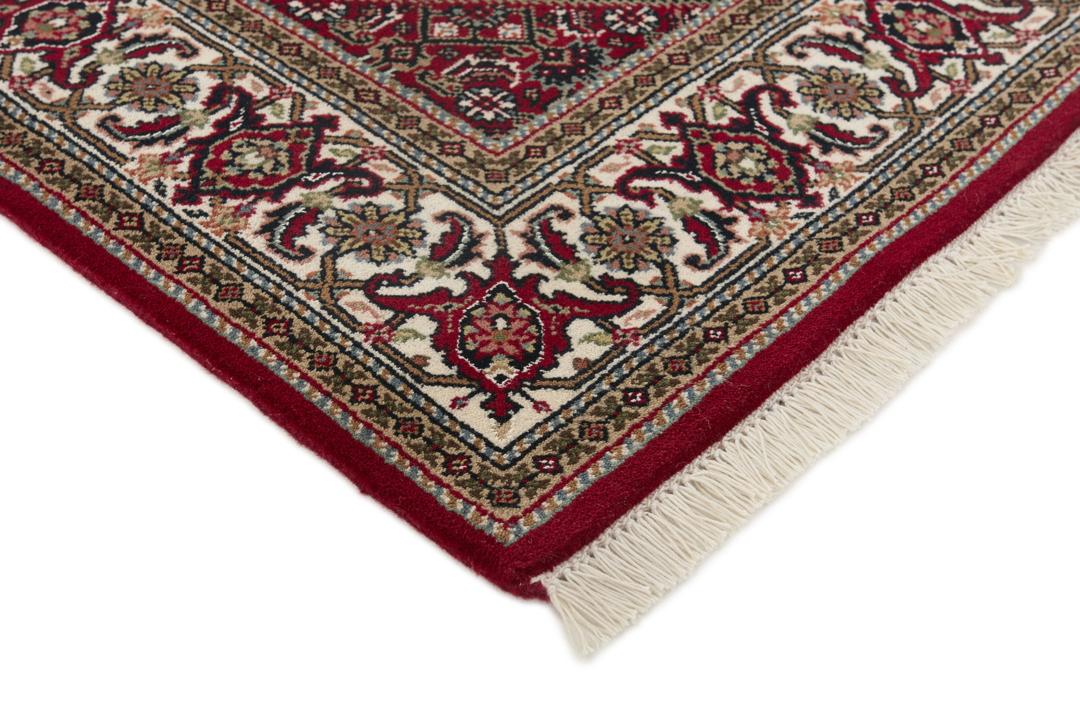
Visually, these rugs are often defined by their bold, geometric interpretations of floral motifs and the classic herati pattern. While traditional pieces often feature vibrant, earthy palettes, the design language is always formal and balanced. This specific piece captures that heritage, blending classic aesthetic sensibilities with the skilled hand-knotting traditions of India.
Collecting a rug from this tradition is an investment in human skill and cultural continuity. These pieces are valued not just for their aesthetic appeal, but for their ability to anchor a room with their presence and historical weight. Owning one is a way of participating in a long-standing craft tradition that prioritises quality above all else.