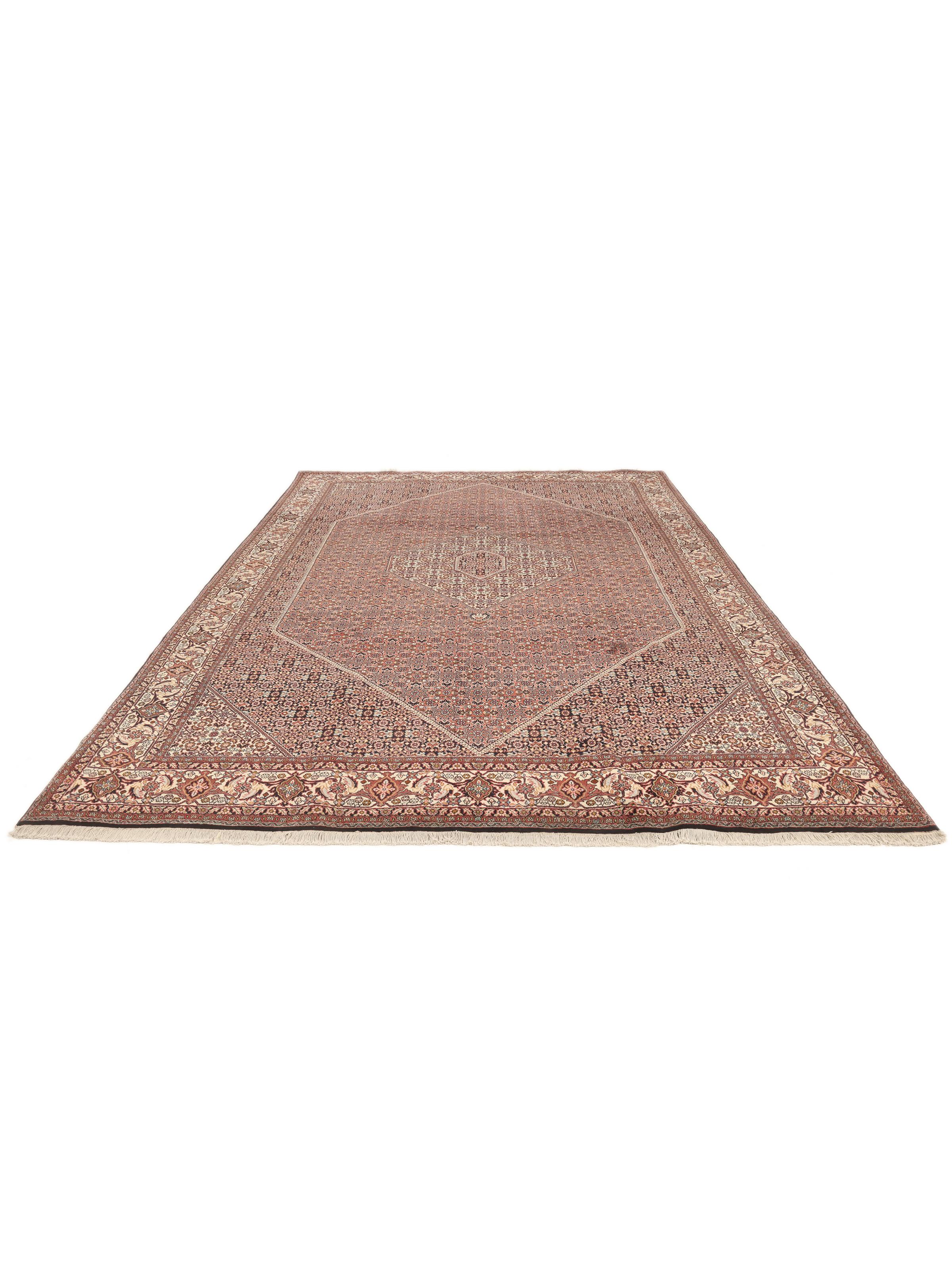
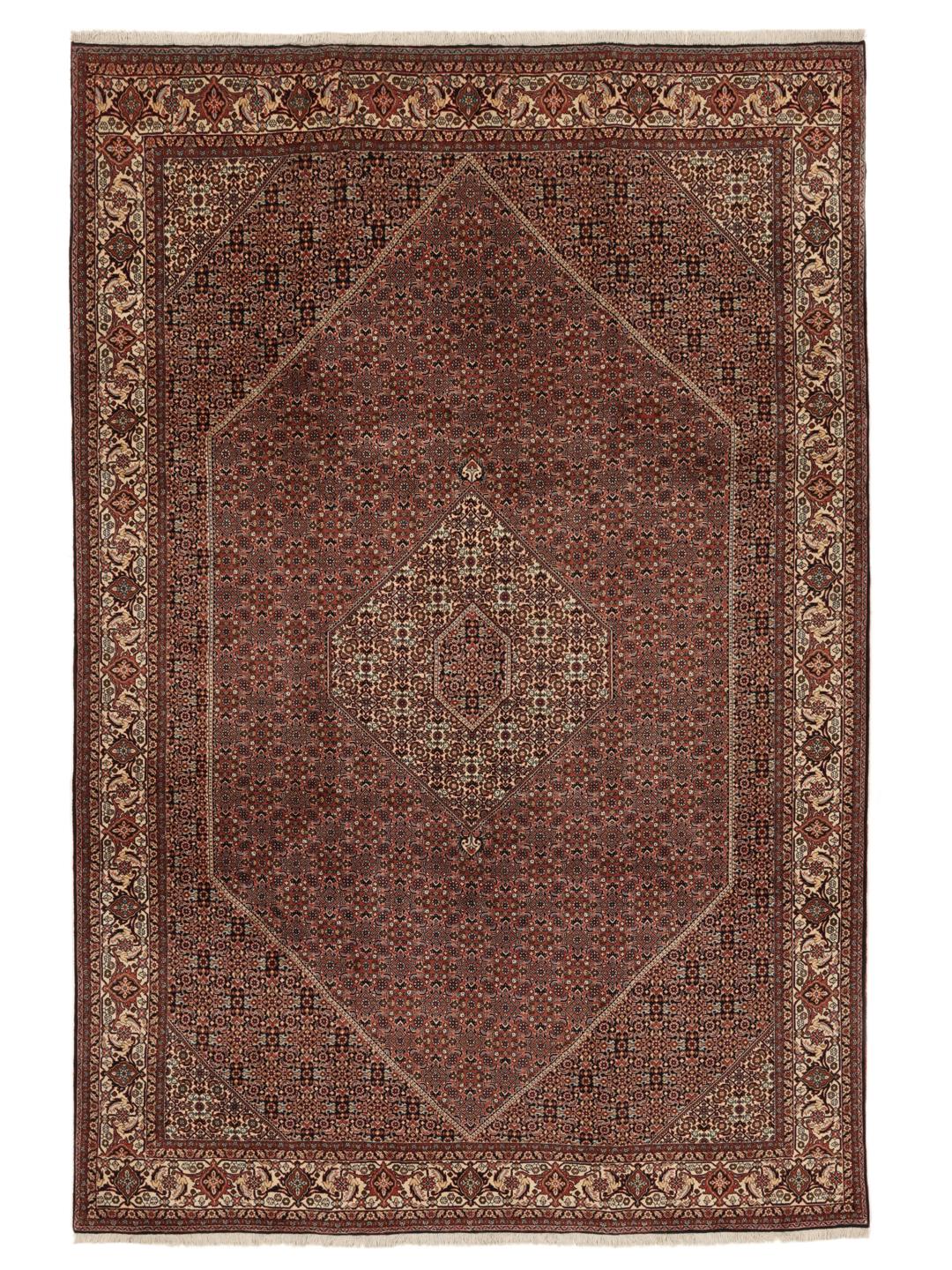
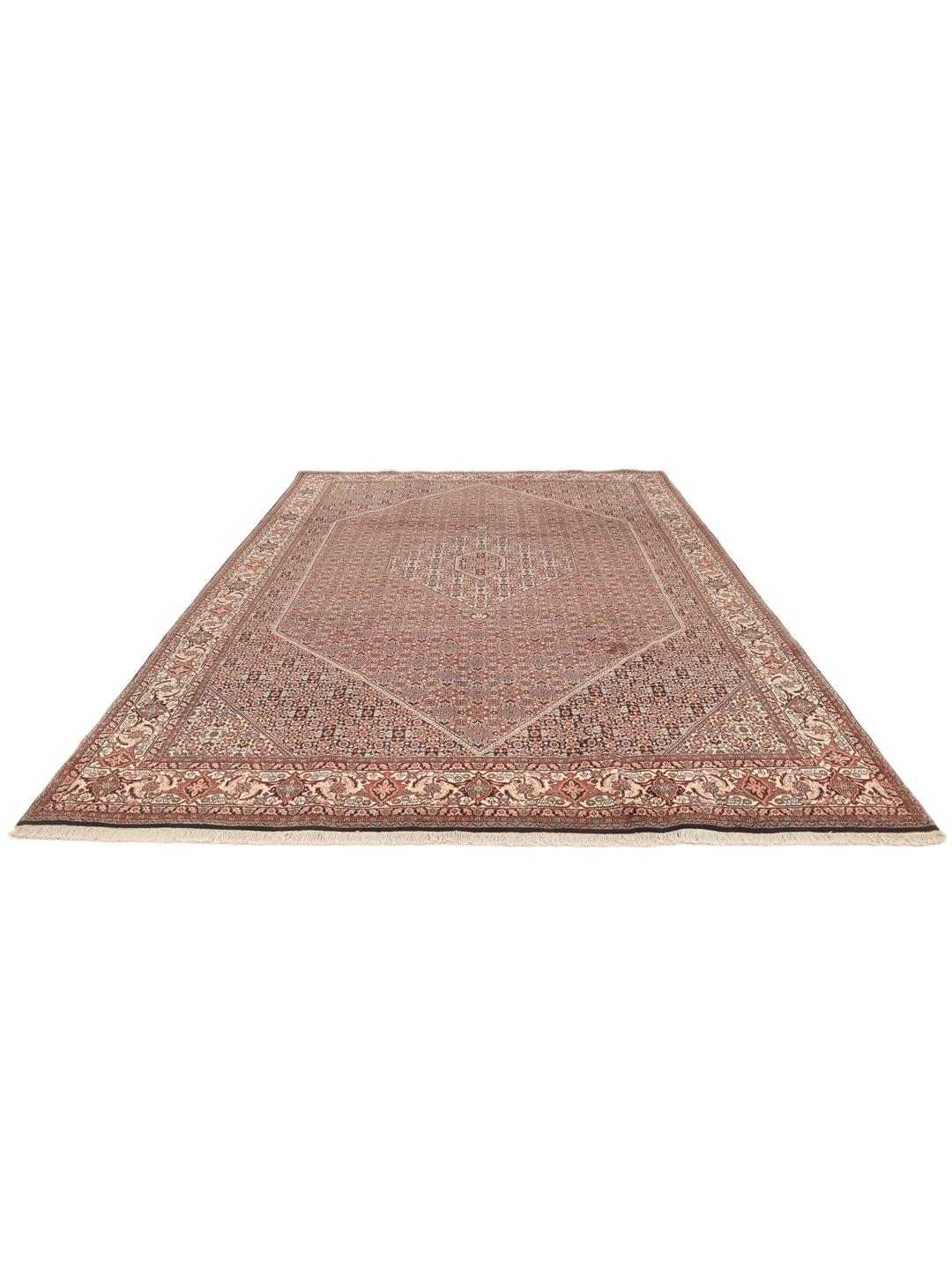
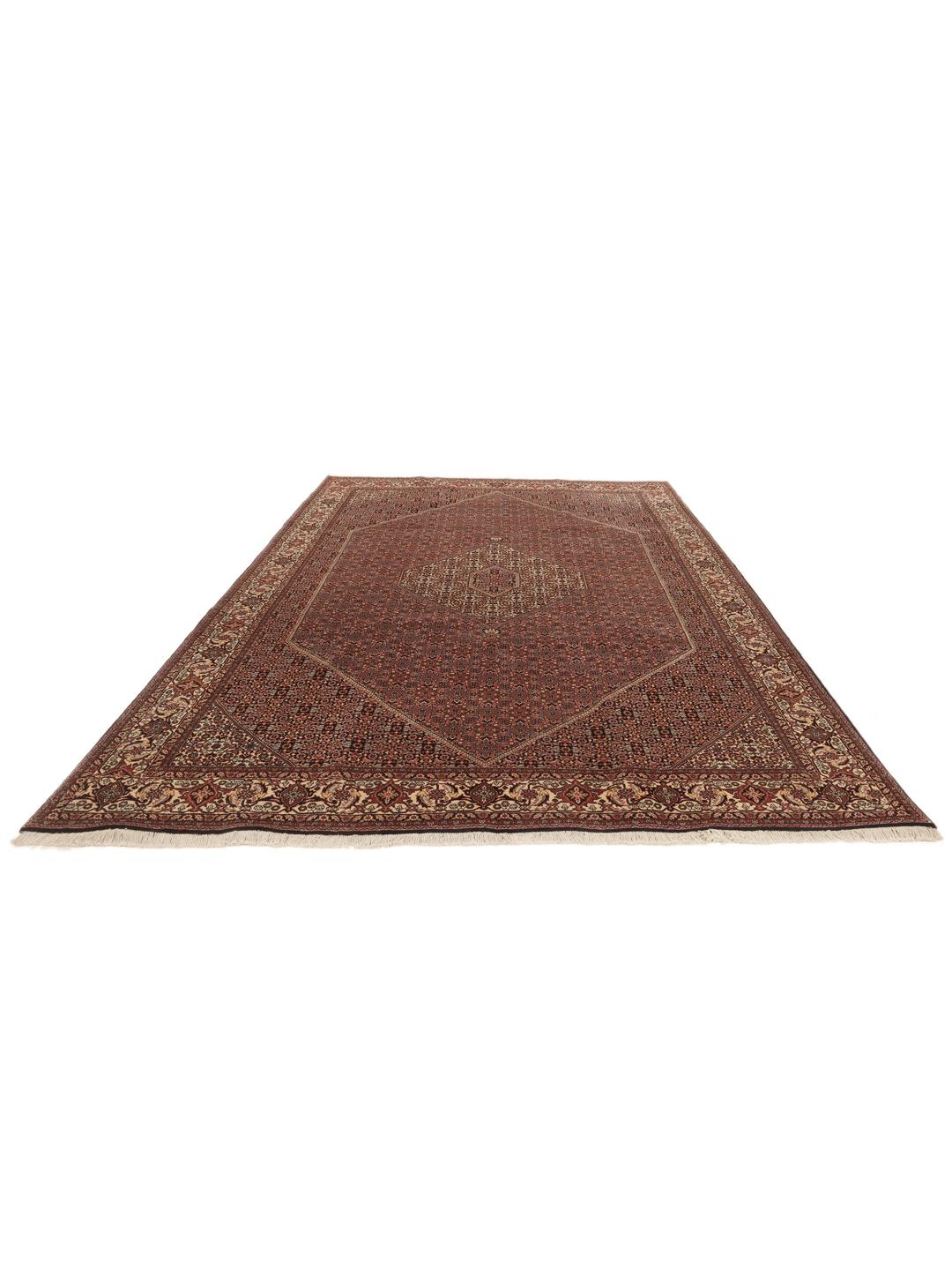
The Bidjar rug tradition originates from the Kurdish region of the Middle East, a mountainous area known for producing some of the most durable and structurally sound floor coverings in existence. These rugs are famously referred to as the iron rugs of the region, a nickname earned through their legendary resilience and heavy, compact construction.
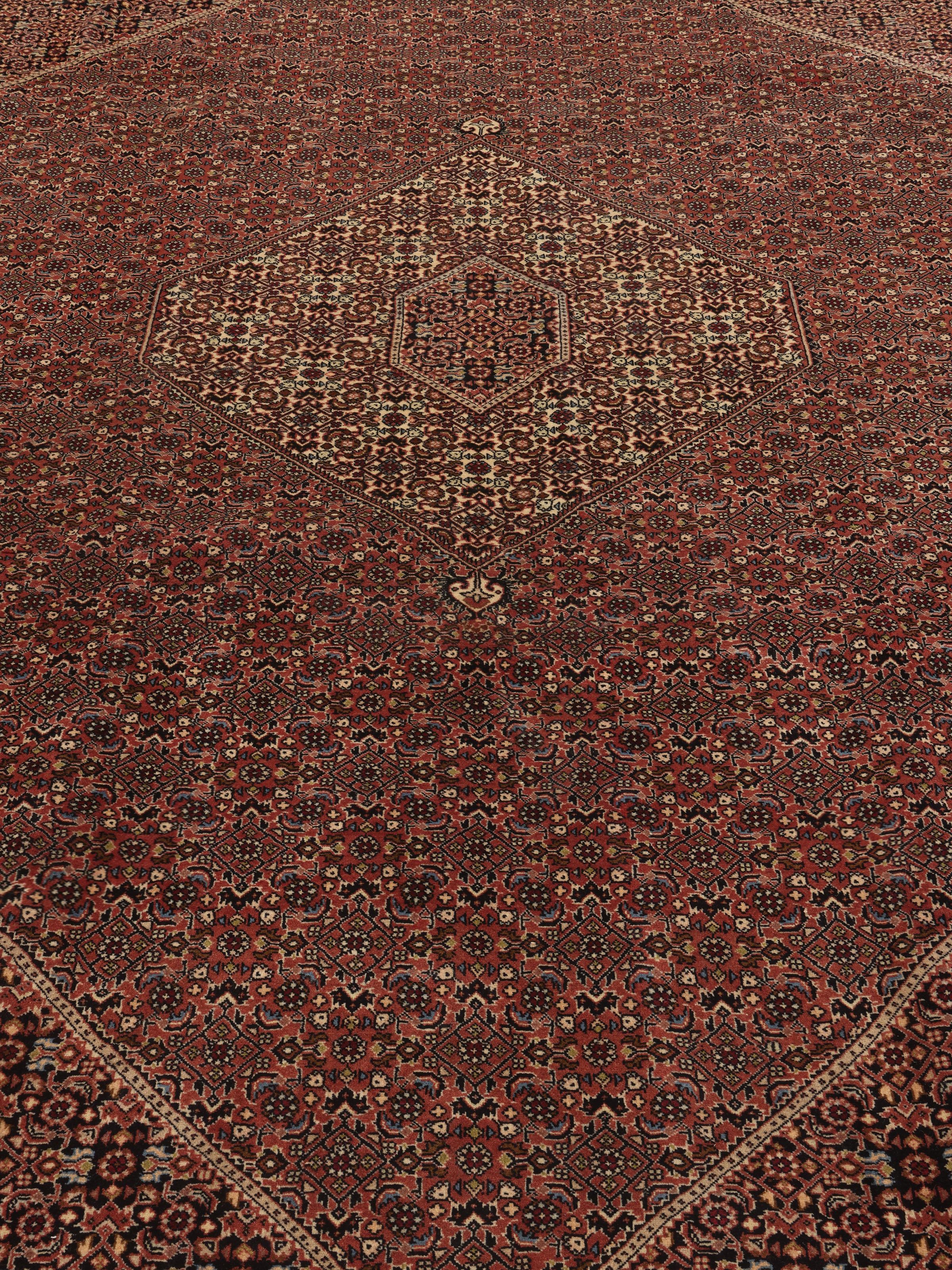
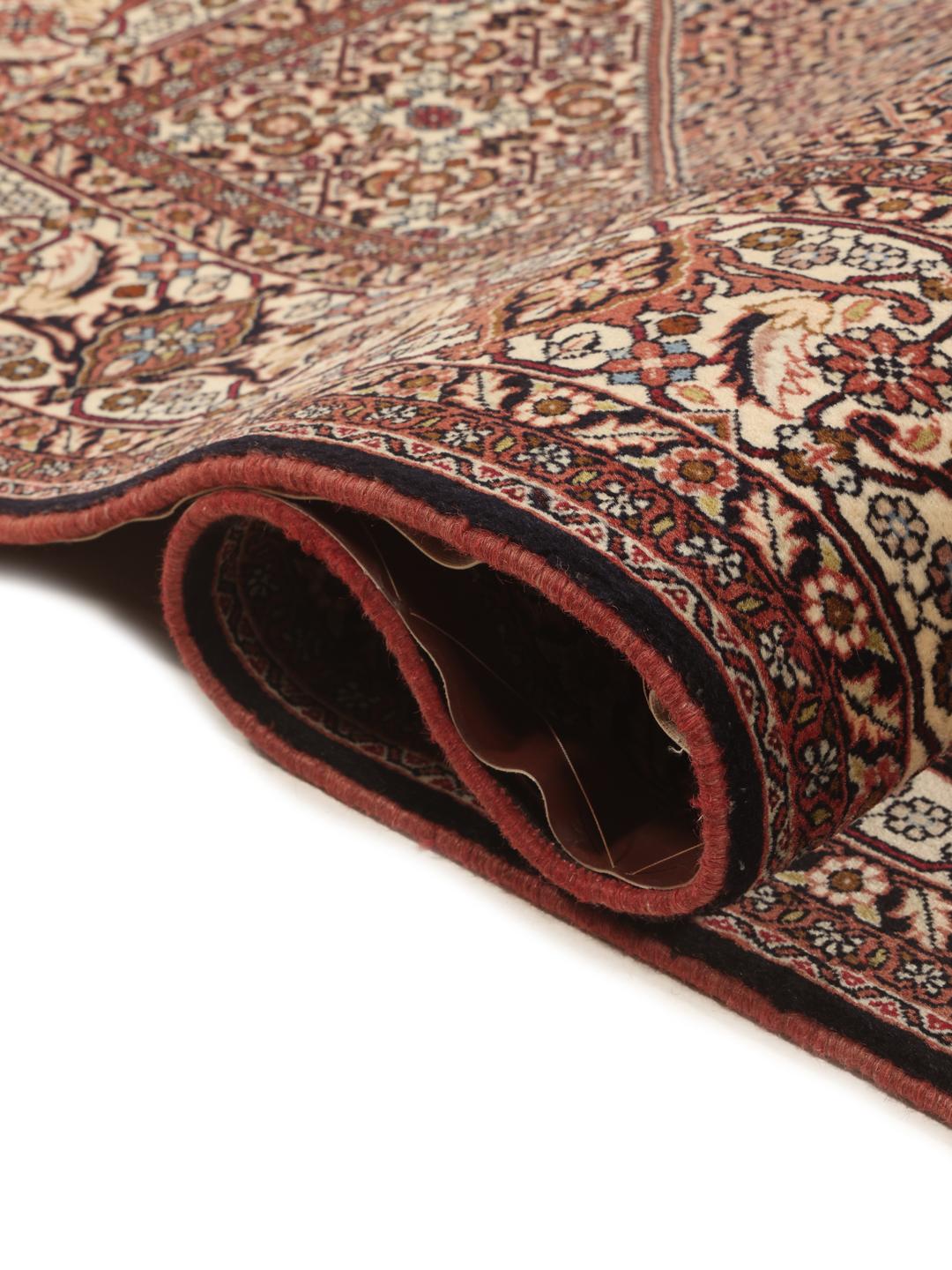
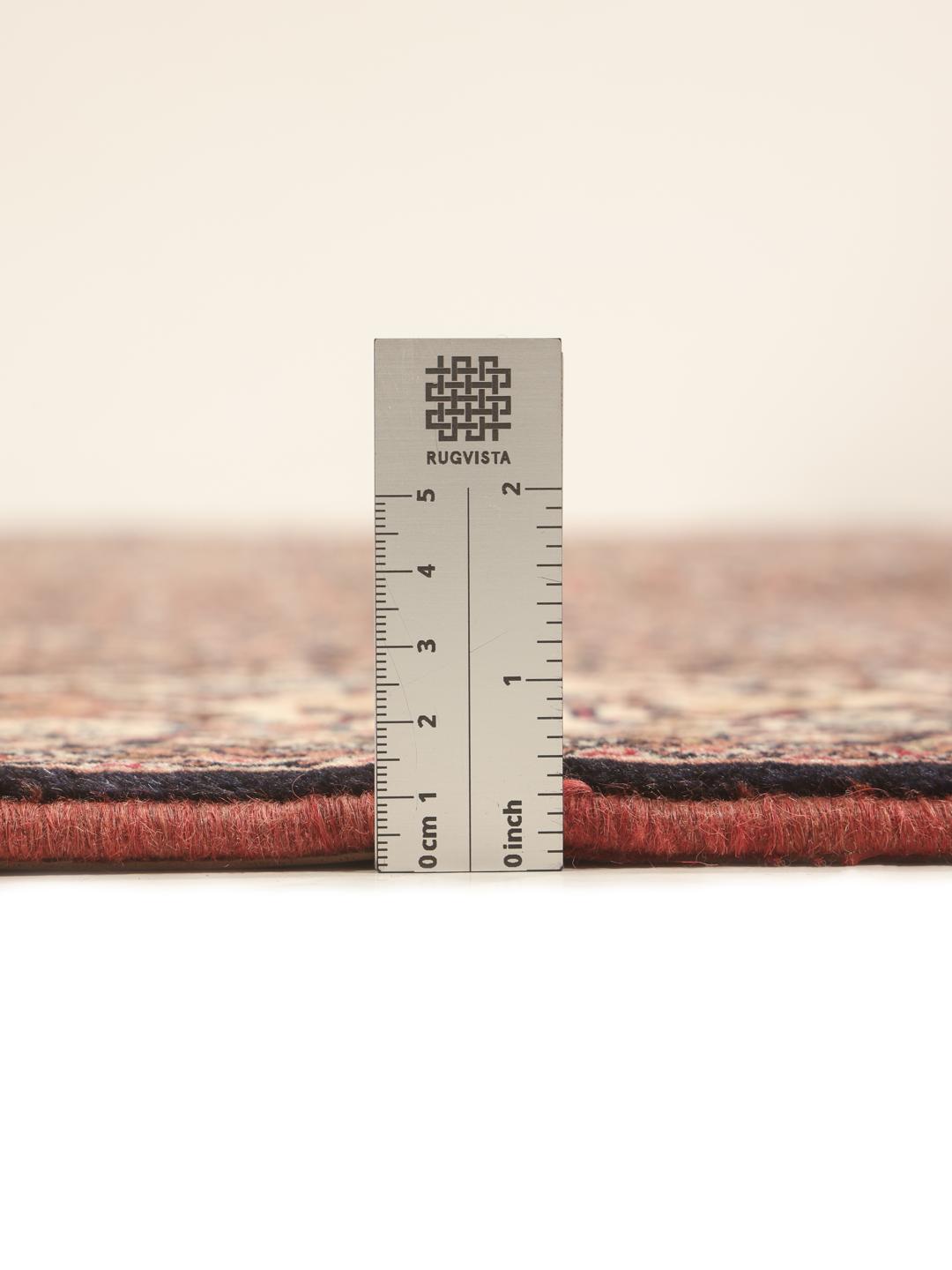
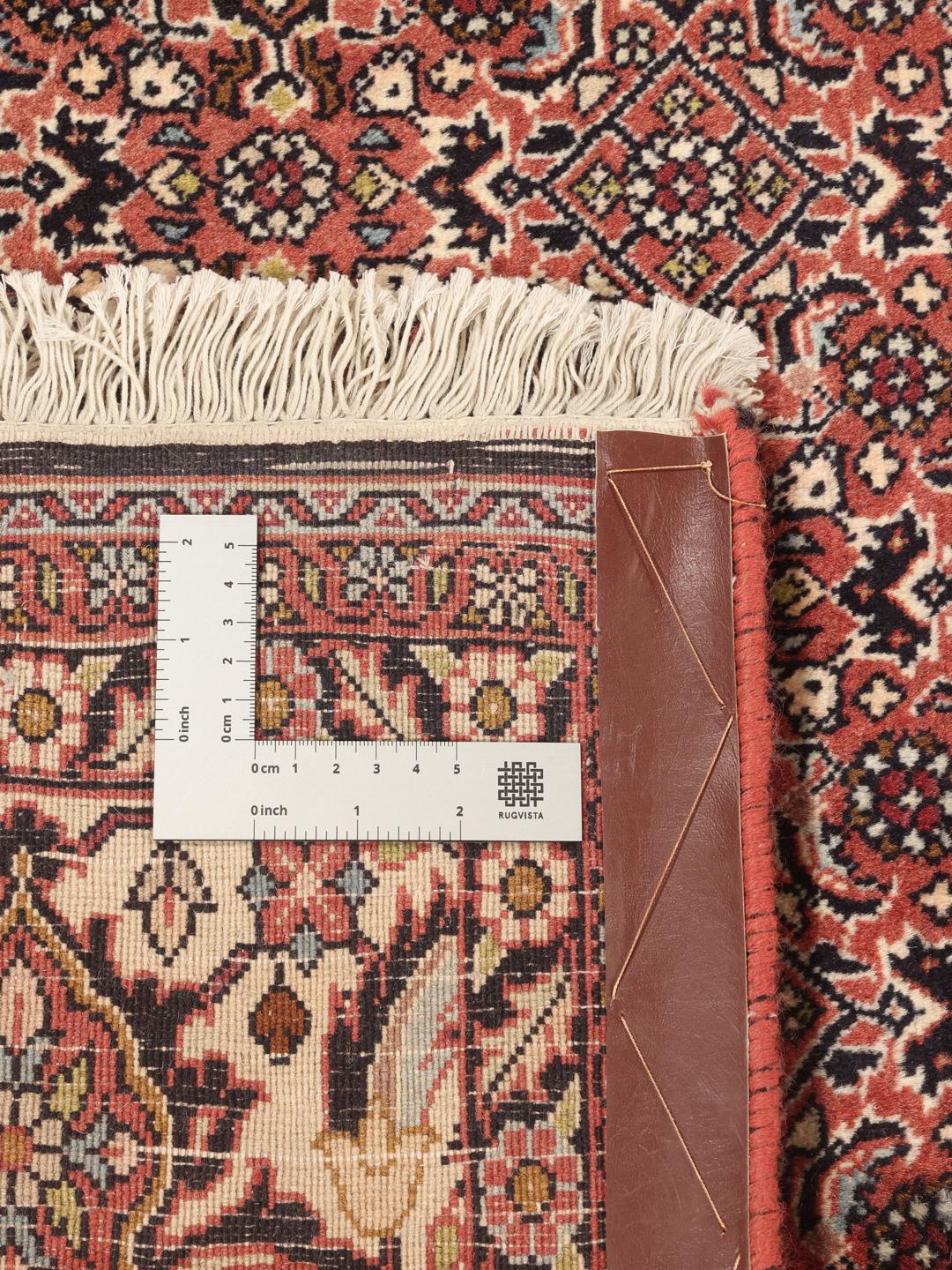
The technical mastery of a Bidjar rug lies in its unique weaving method, where the wool is packed with extreme tension. This creates a foundation so firm that the pile stands upright, providing both a distinctive tactile feel and an extraordinary resistance to wear. It is this specific construction that makes these rugs highly sought after by collectors who value longevity as much as beauty.
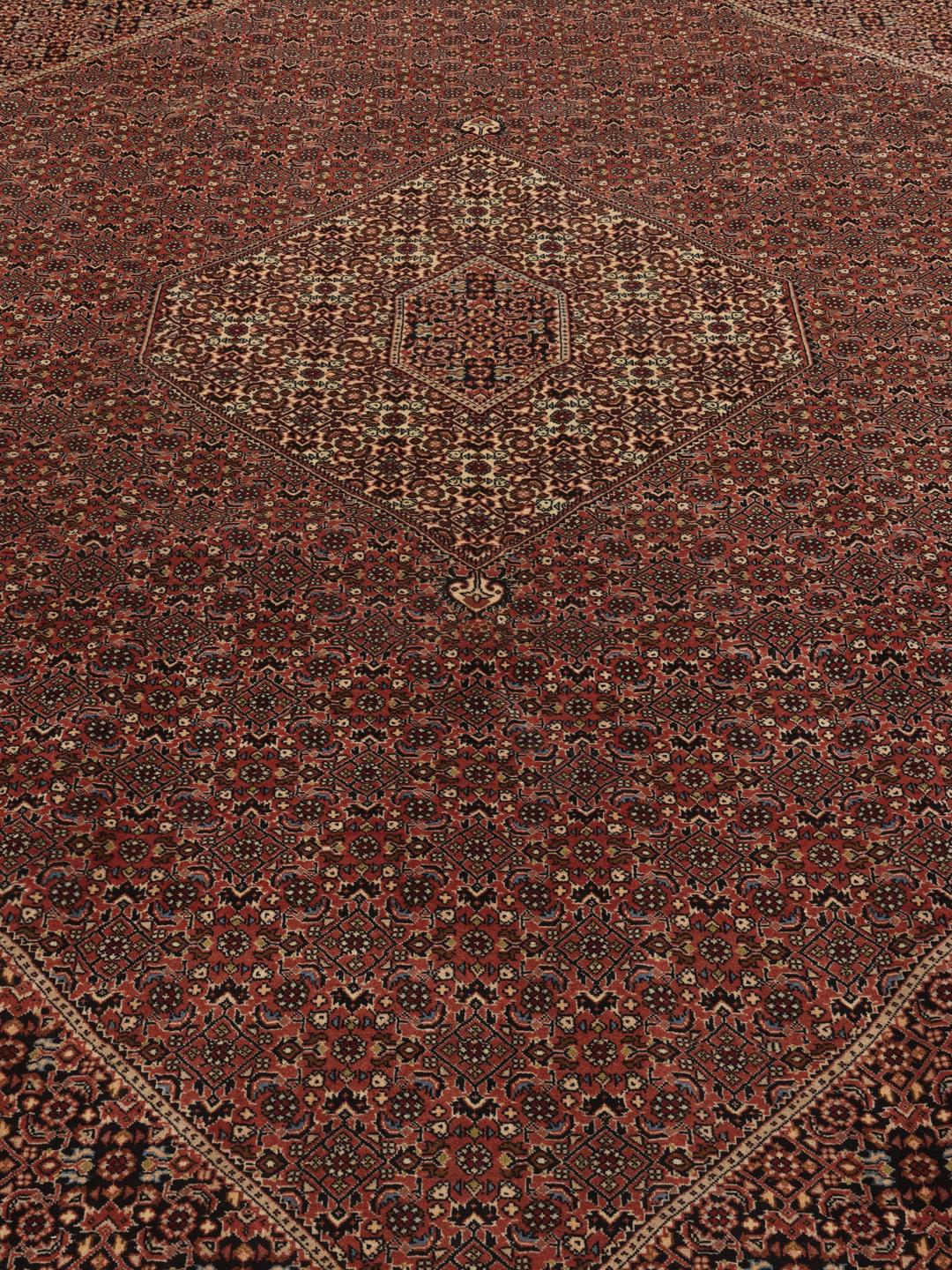
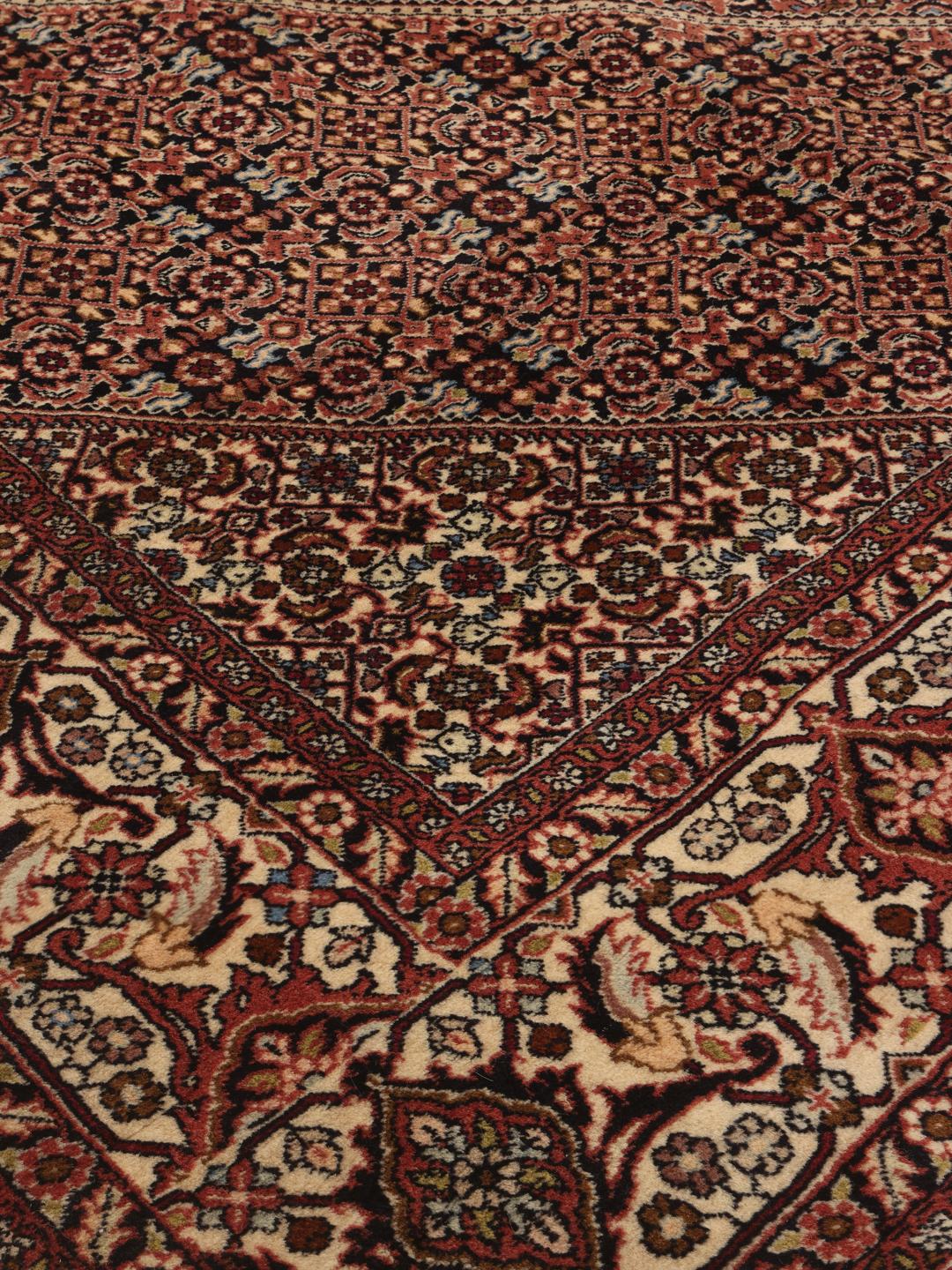
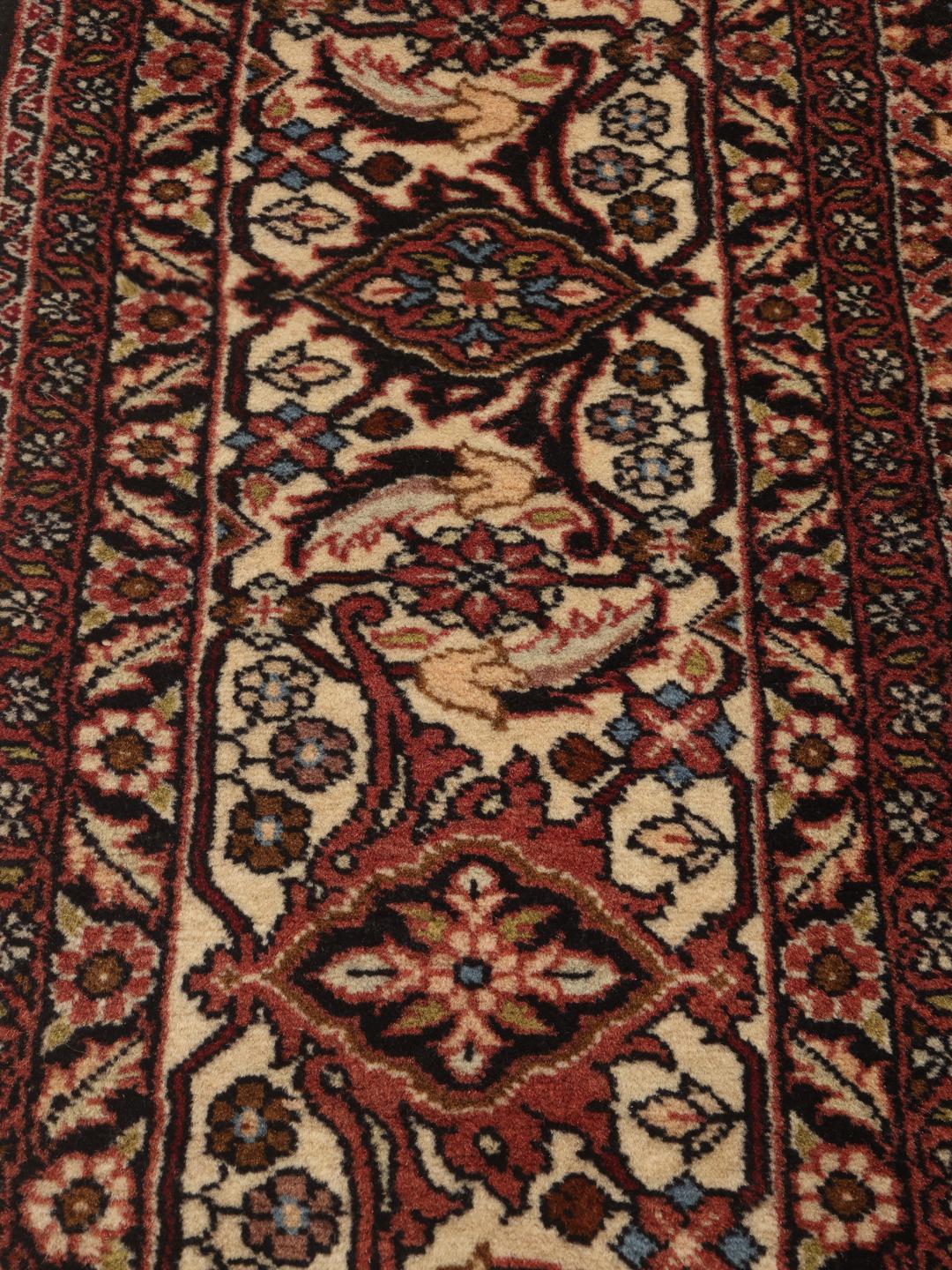
Visually, these rugs are often defined by their bold, geometric interpretations of floral motifs and the iconic Herati pattern, which features a central rosette surrounded by leaves. While they often feature a palette dominated by deep, rich tones, the craftsmanship allows for incredible detail within the patterns, ensuring that even the most complex designs remain crisp and well-defined.
Owning a Bidjar rug is an act of preserving a centuries-old craft tradition. These pieces are collected not just for their visual impact, but for their status as functional heritage items. They represent a level of skill that is increasingly rare in the modern world, making each piece a testament to the endurance of traditional artisan techniques and the cultural history of the Middle Eastern weaving guilds.