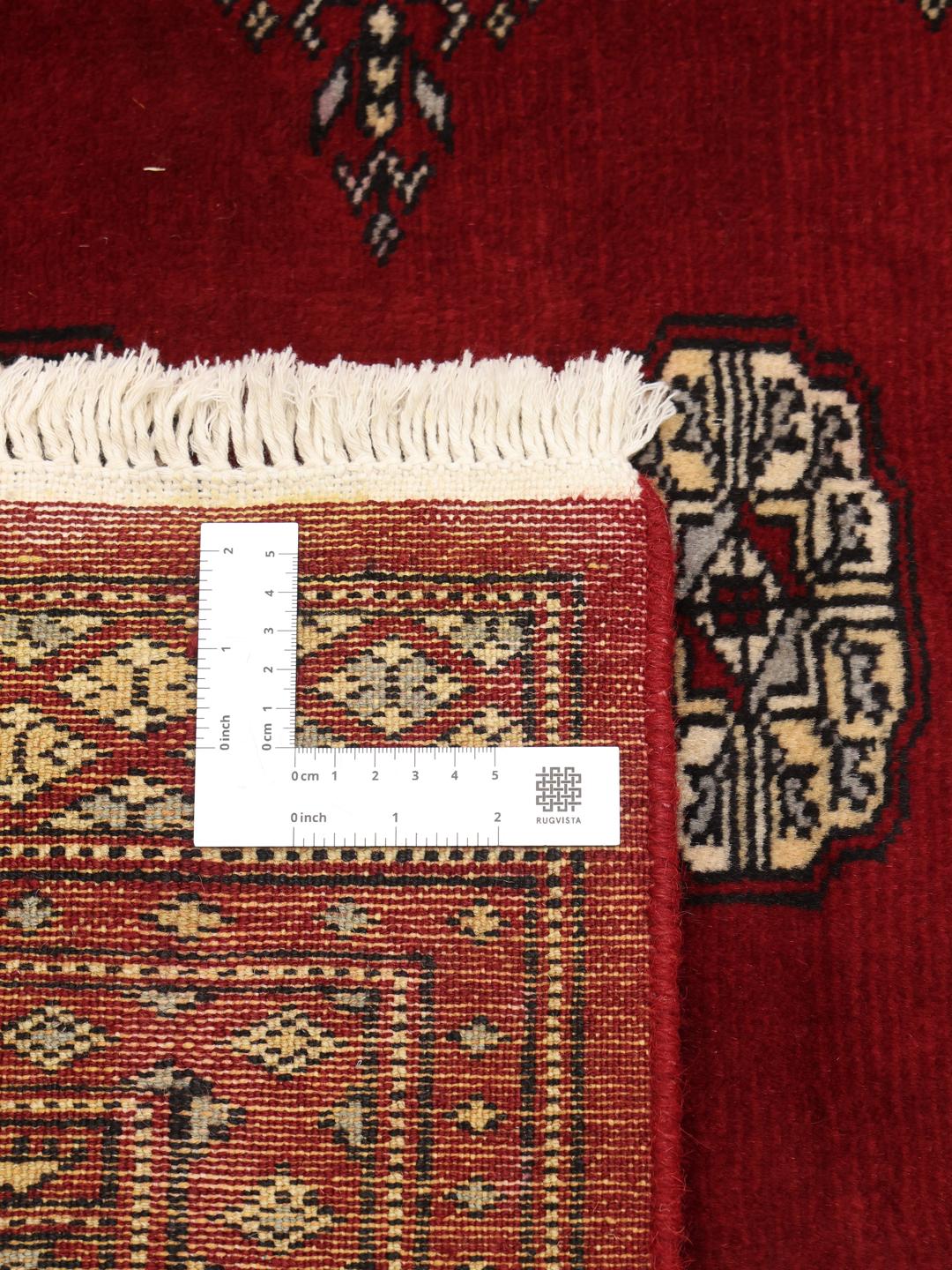
Bokhara rugs take their name from the ancient Silk Road city of Bukhara, a historic hub of culture and carpet weaving in Central Asia.
Over centuries, master weavers migrated and brought these cherished design traditions southward, establishing thriving weaving communities in Pakistan where the finest examples of Bokhara rugs are crafted today.
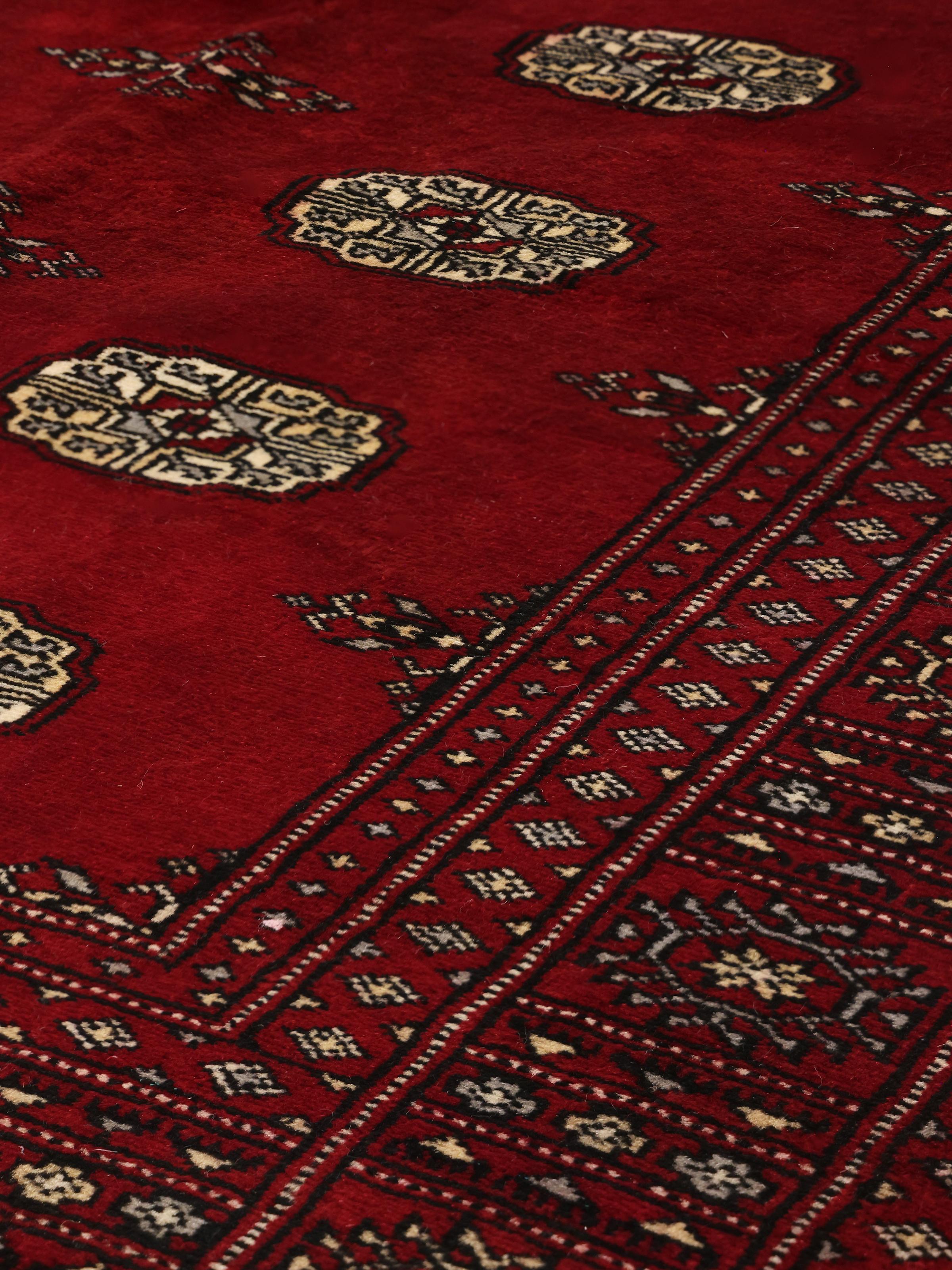
The designation 2ply refers to a specific construction method where the pile is woven using two strands of wool twisted together before knotting.
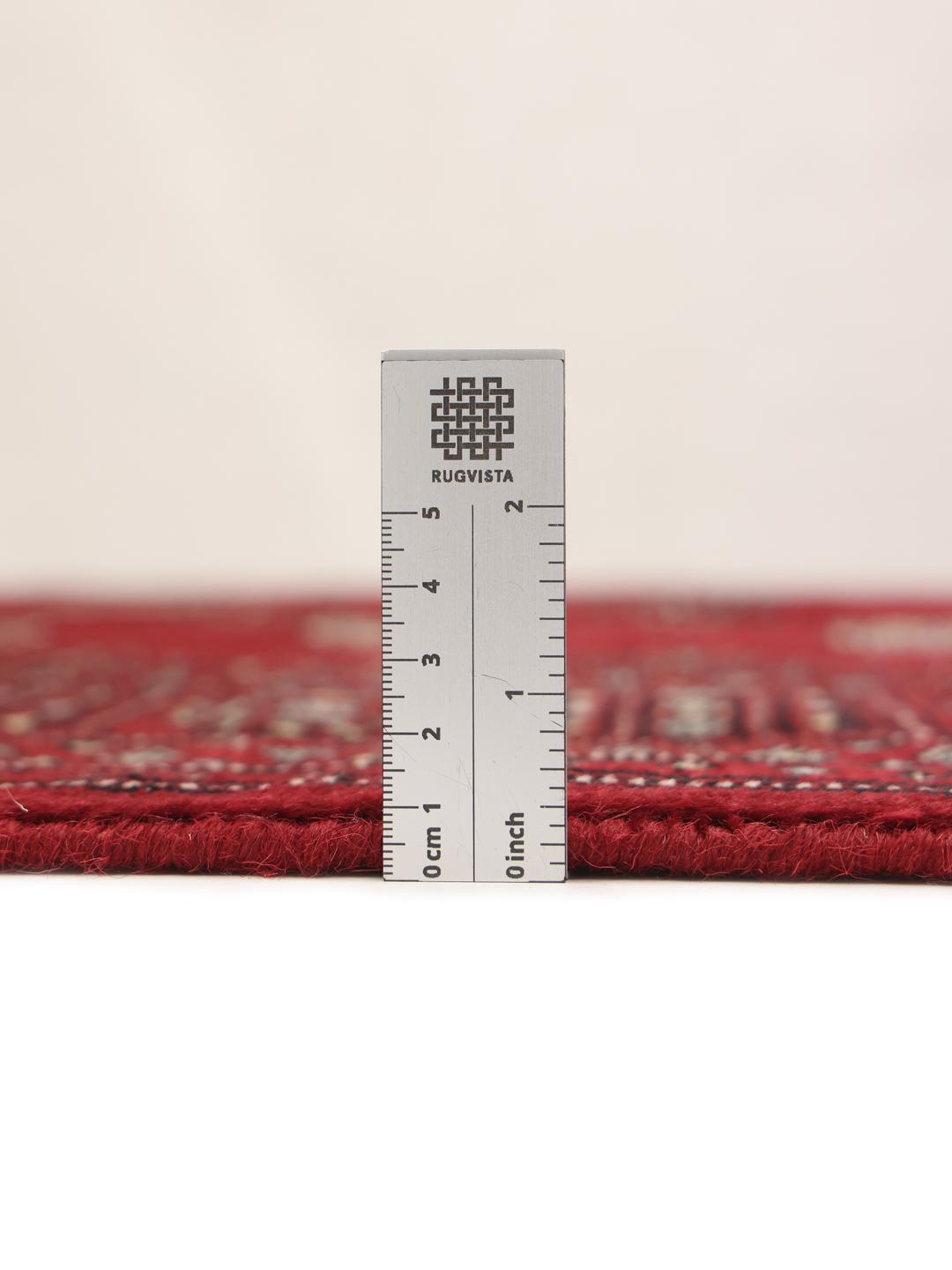
This technique produces a denser, heavier, and more lustrous pile compared to single-ply alternatives, ensuring the rug feels richer underfoot and maintains its appearance over decades of use.
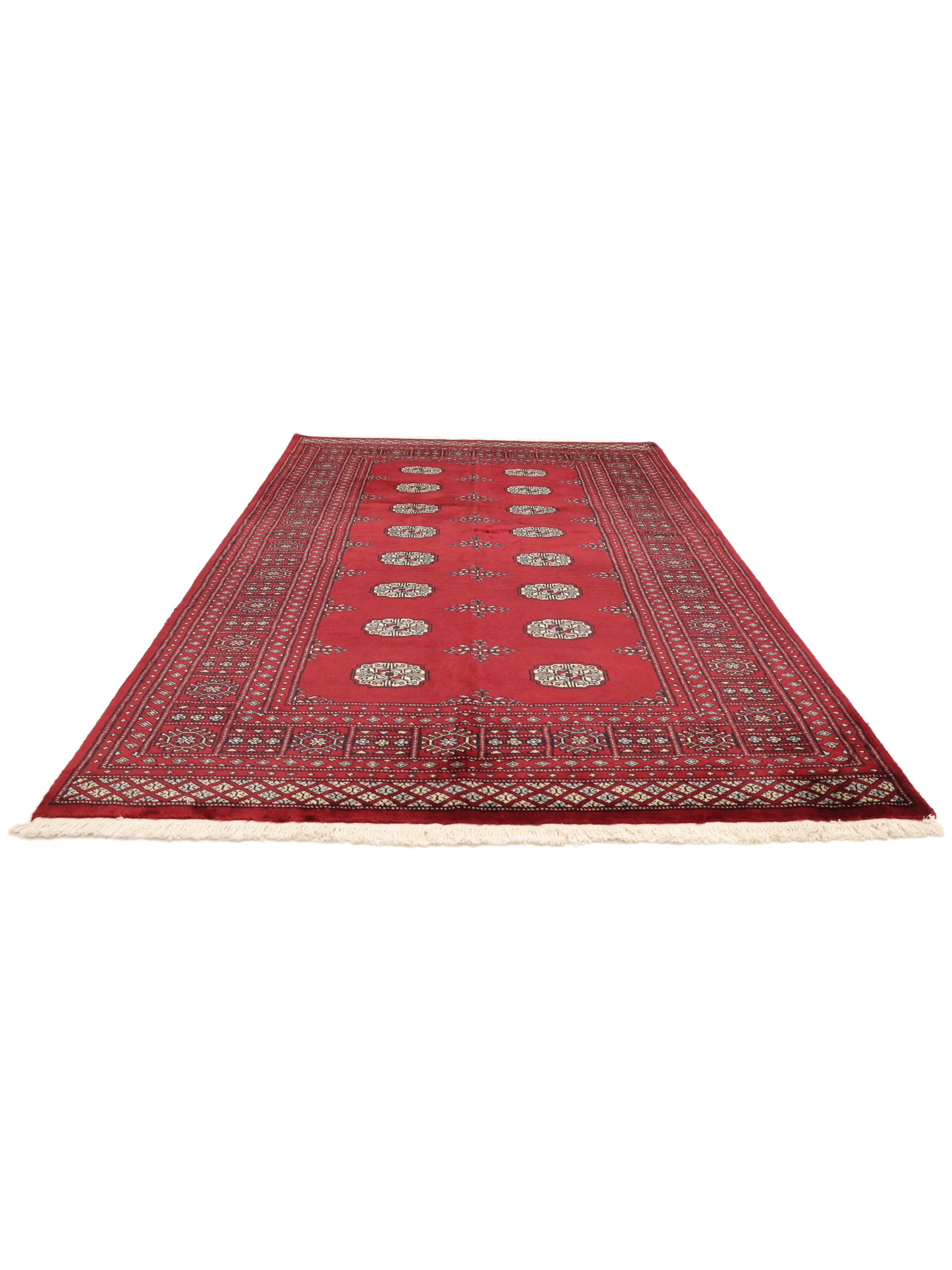
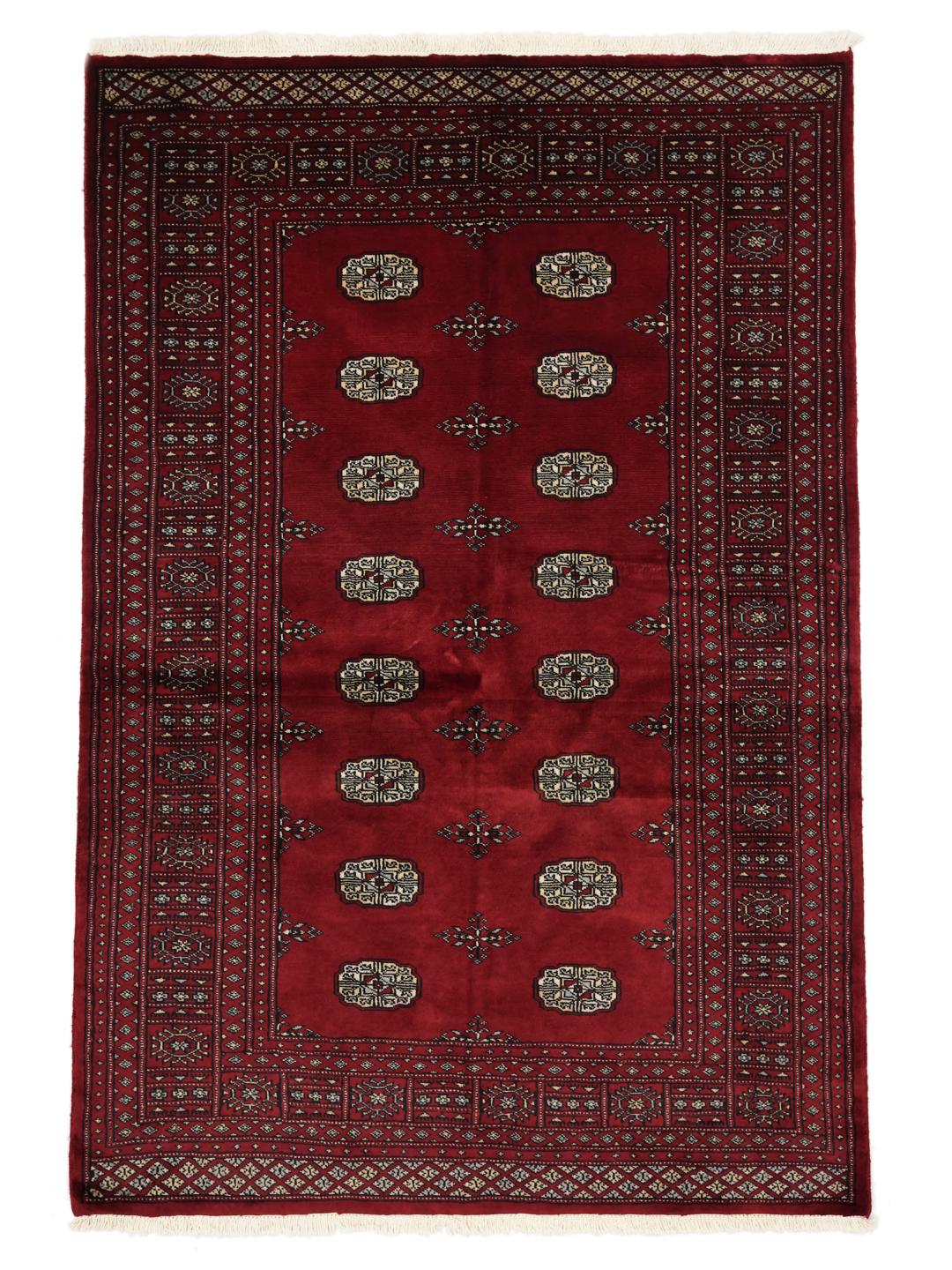
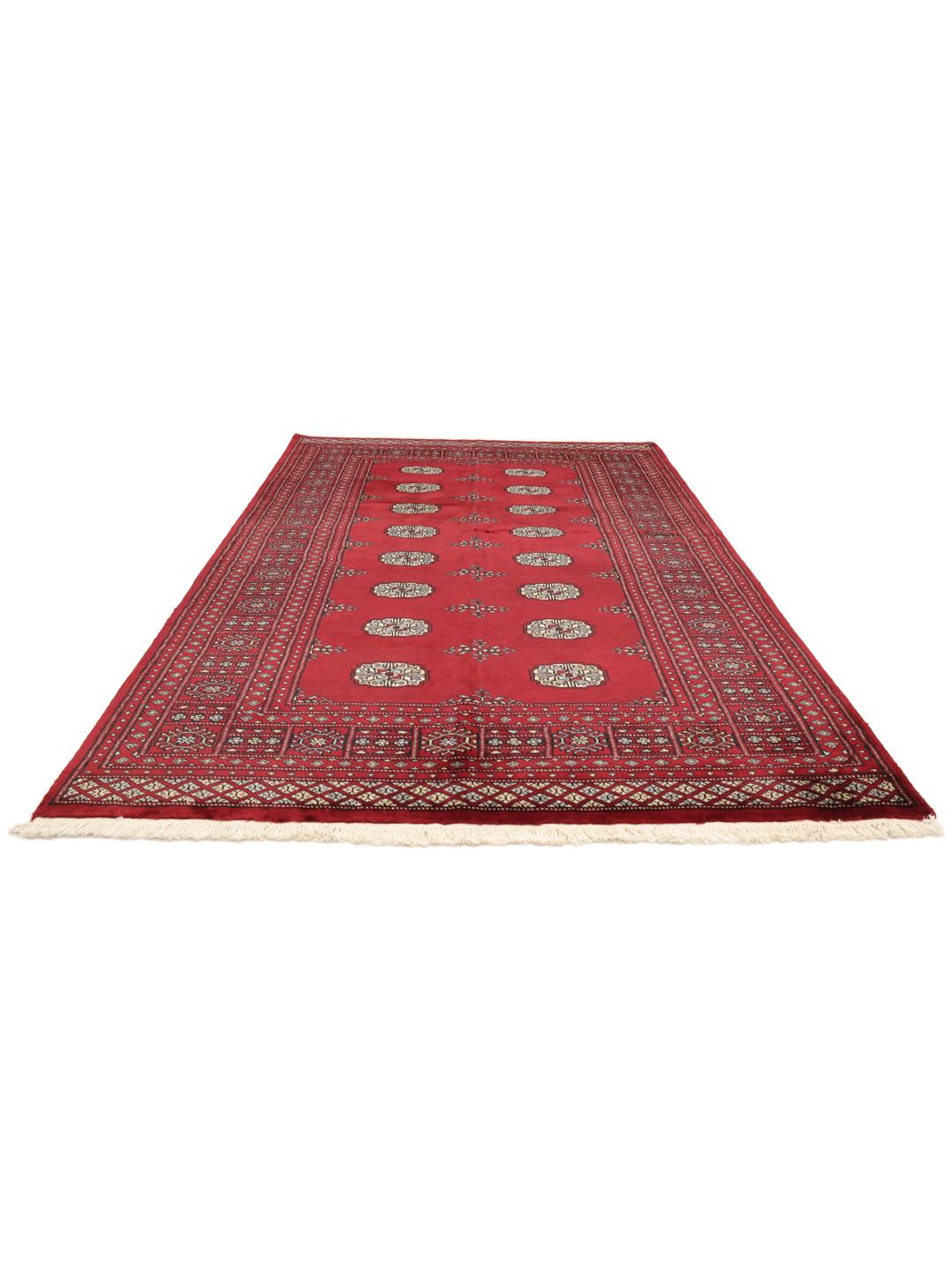
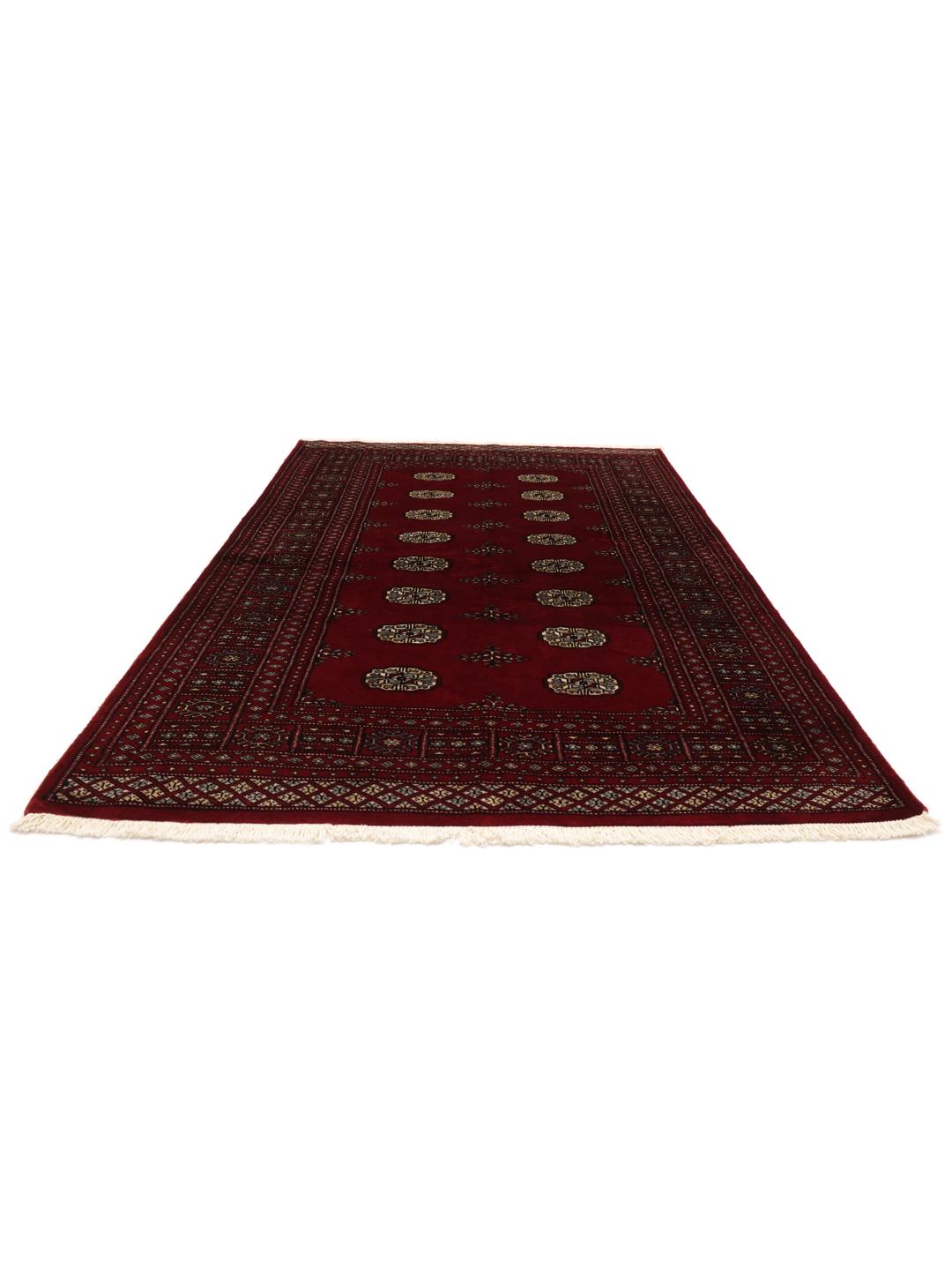
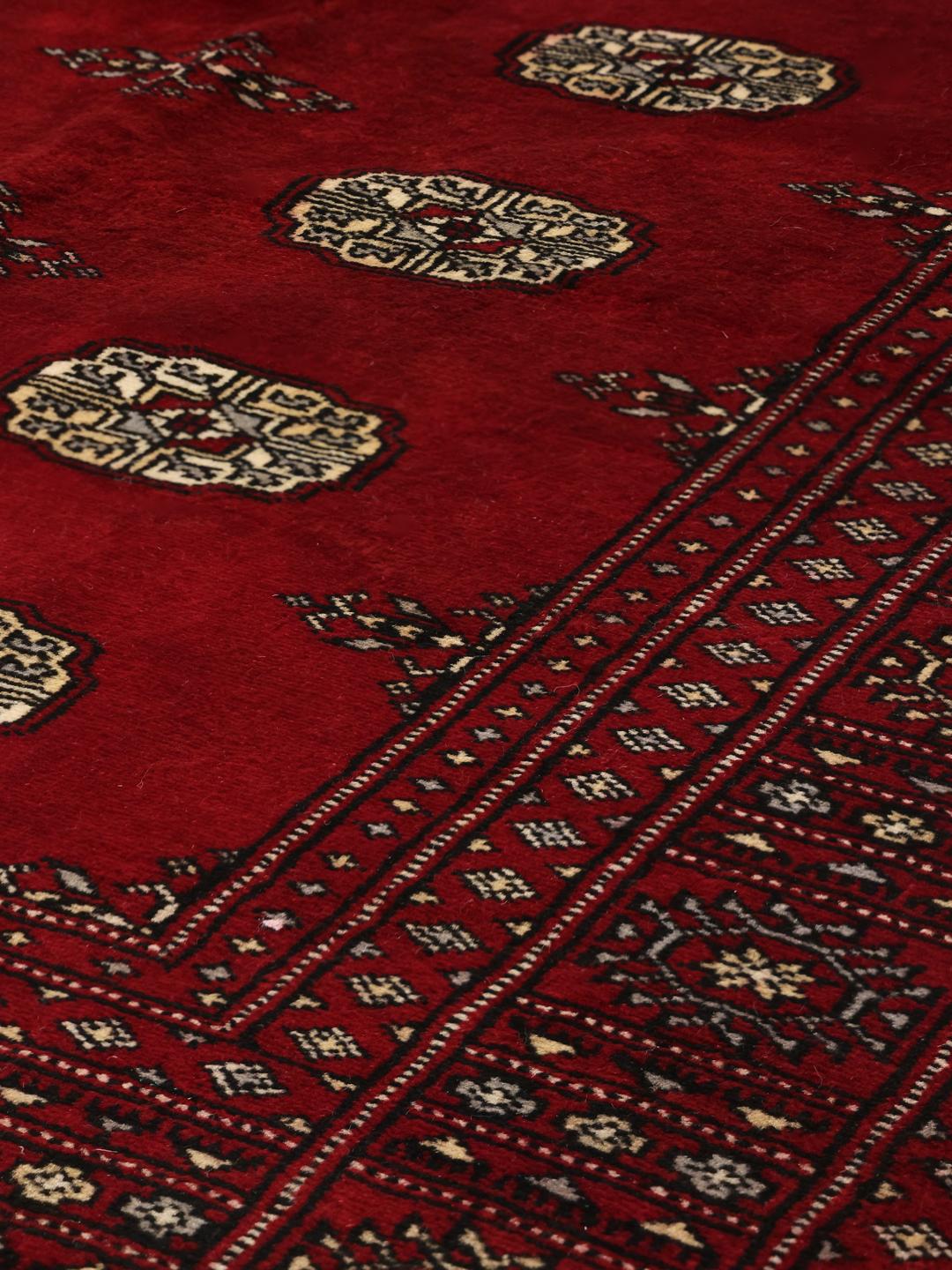
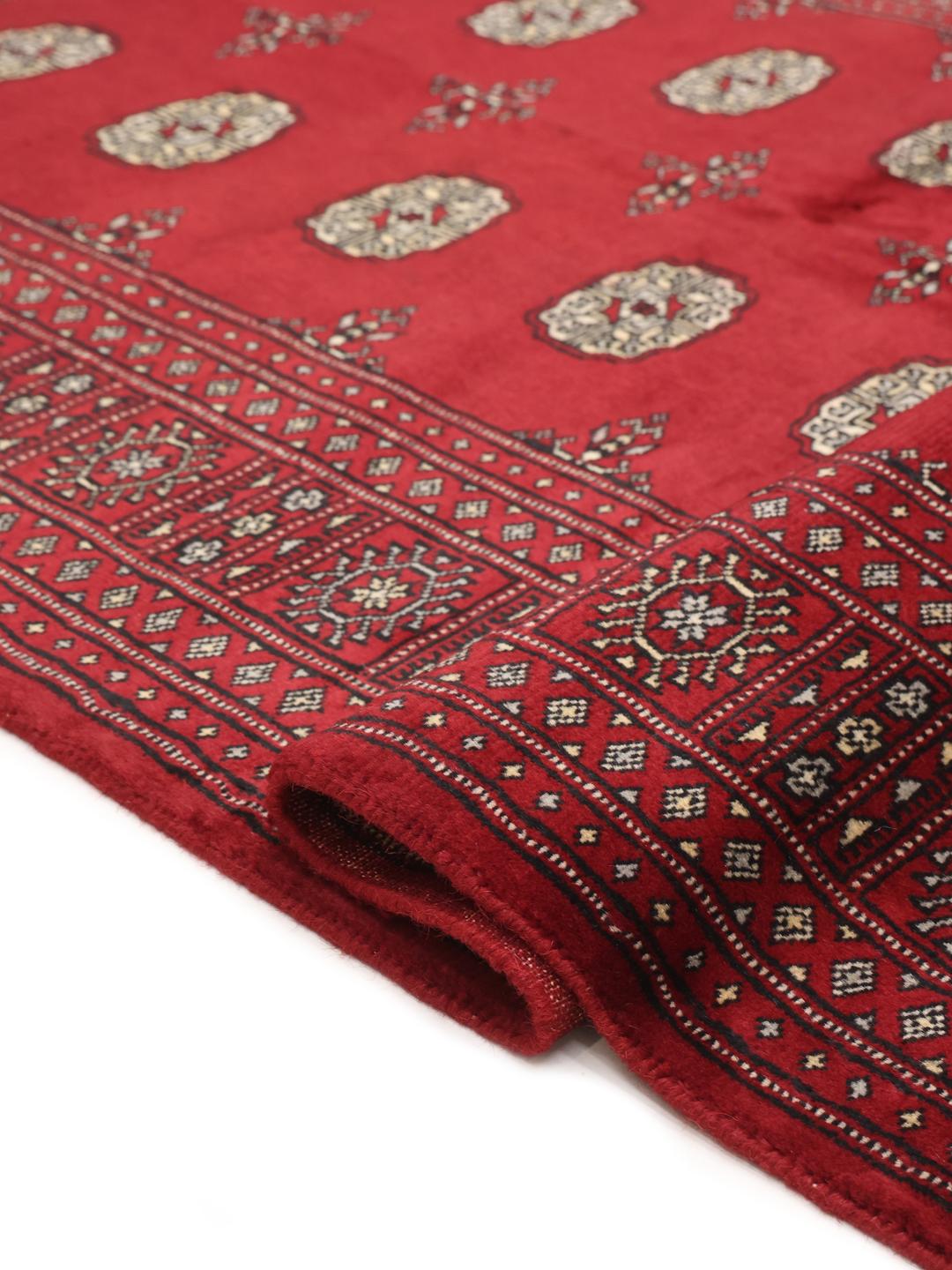
Visually, traditional Bokhara rugs are defined by the repeating gul motif, an octagonal or elephant-foot shaped medallion arranged in orderly rows across the field.
Enclosed by orderly geometric borders, these characteristic motifs reflect centuries of regional symbolism and aesthetic refinement handed down from master to apprentice.
Rugs from this esteemed tradition are valued by collectors and homeowners alike for their cultural weight, durability, and timeless visual appeal.
Owning a traditional Pakistani Bokhara means holding a tangible piece of textile history that honours human skill, regional heritage, and enduring craft traditions.