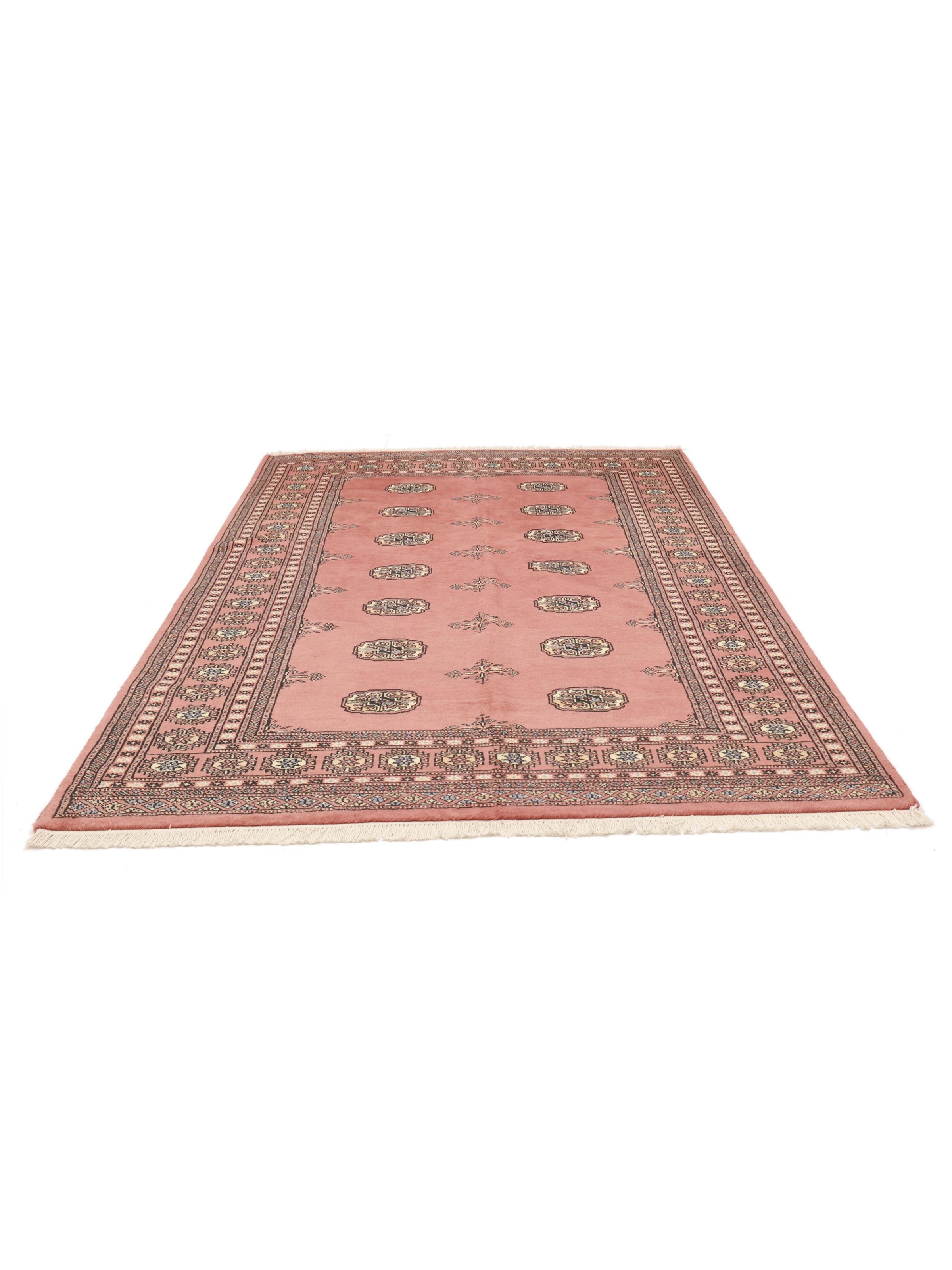
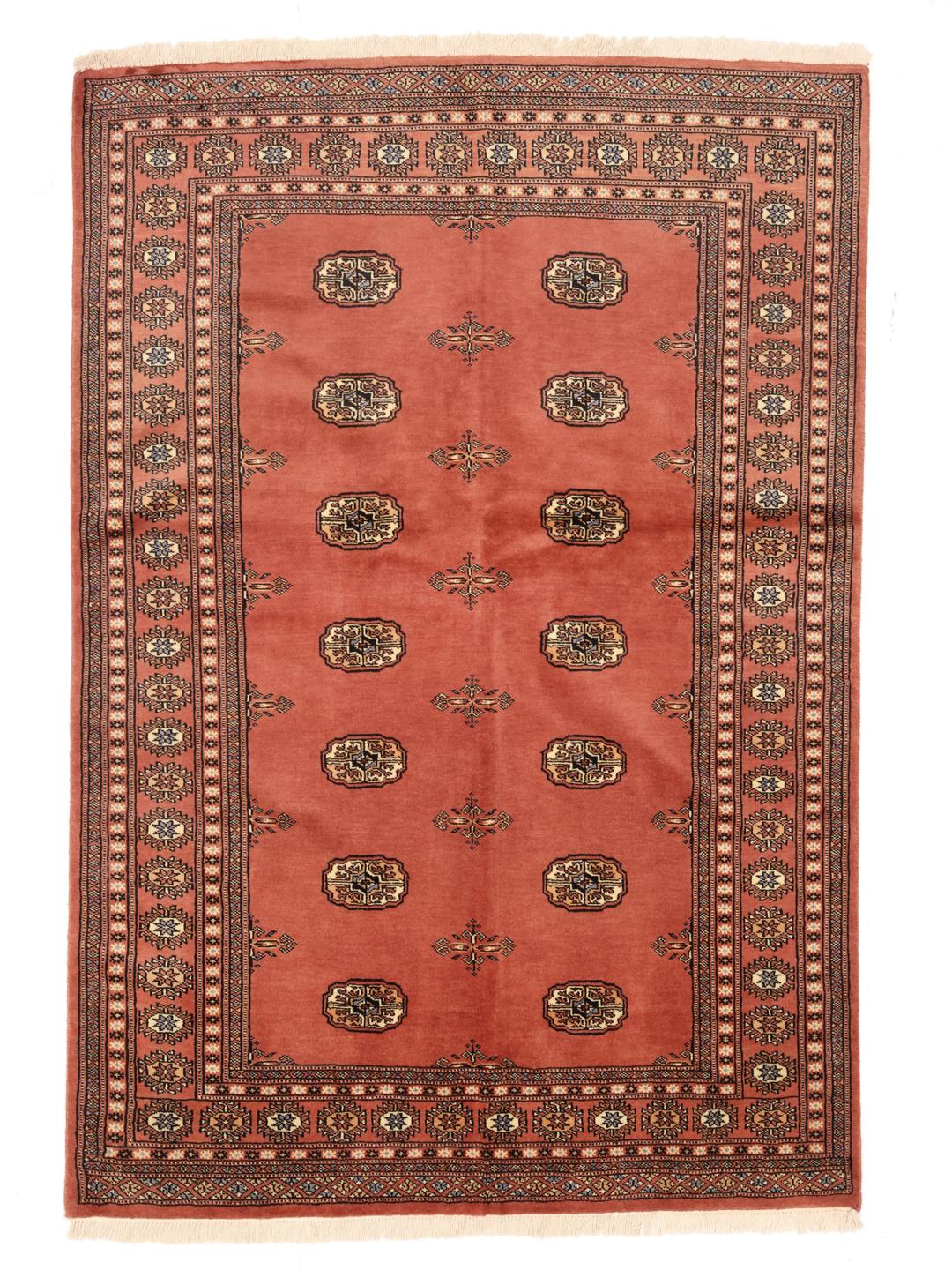
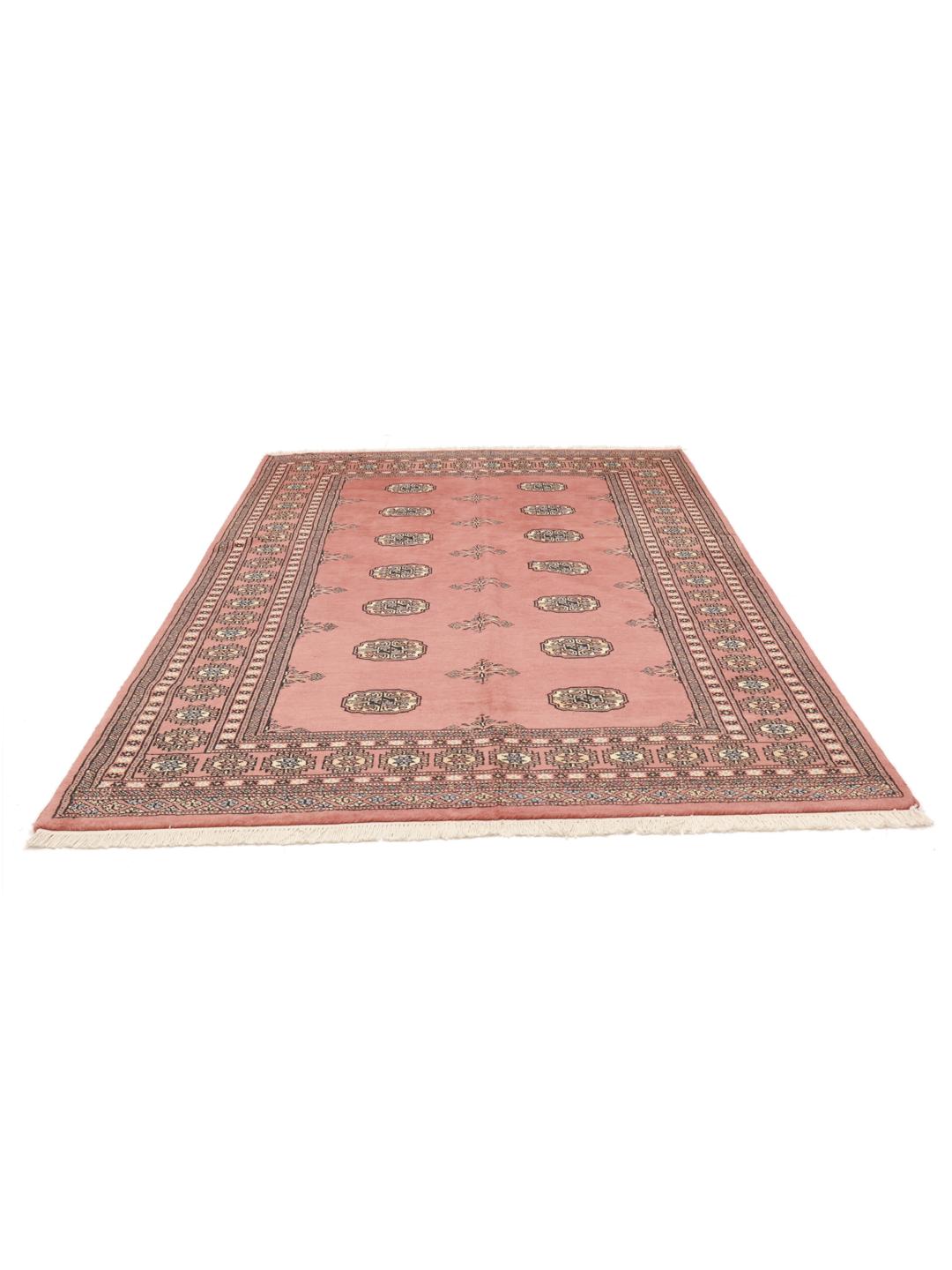
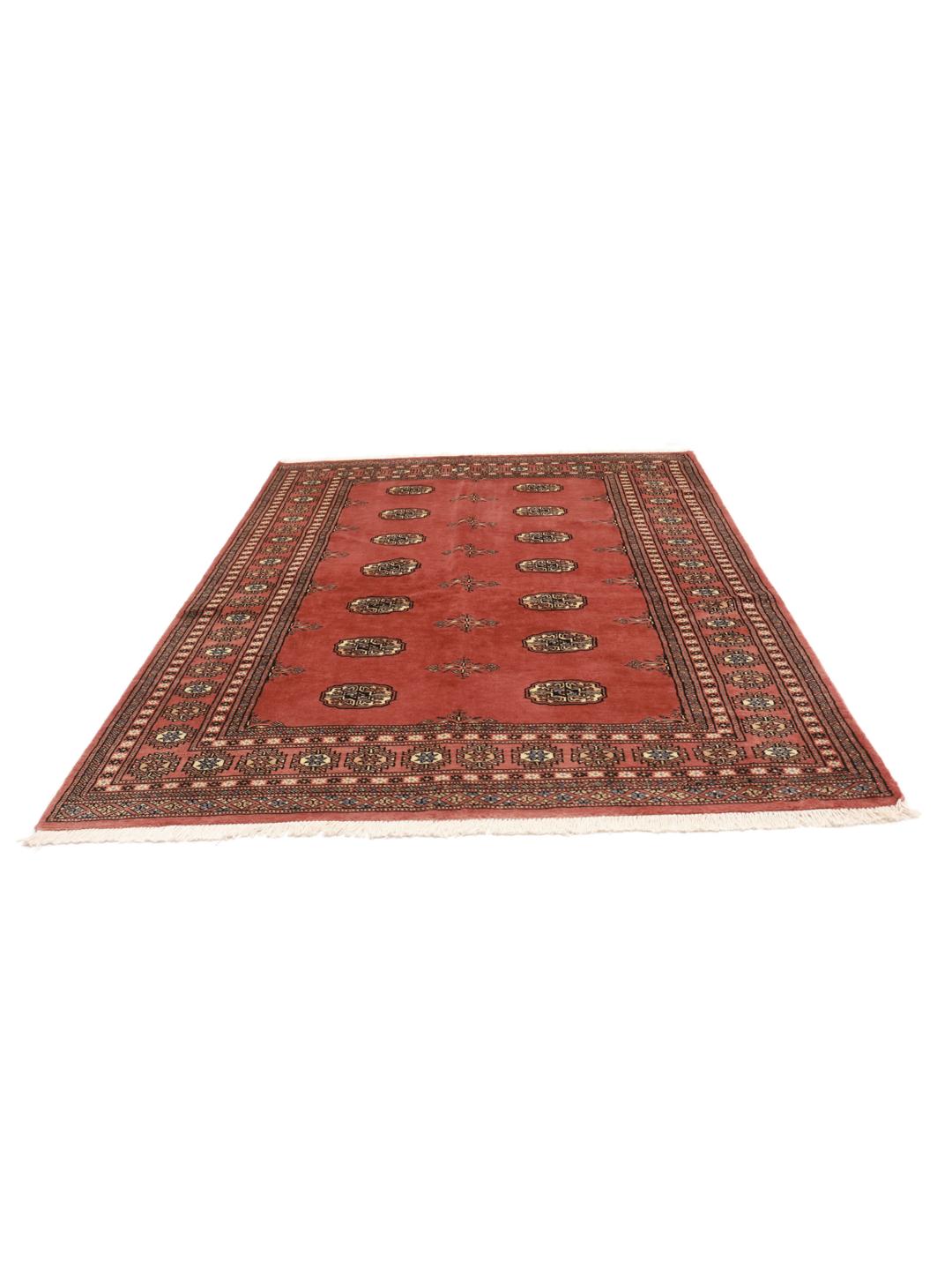
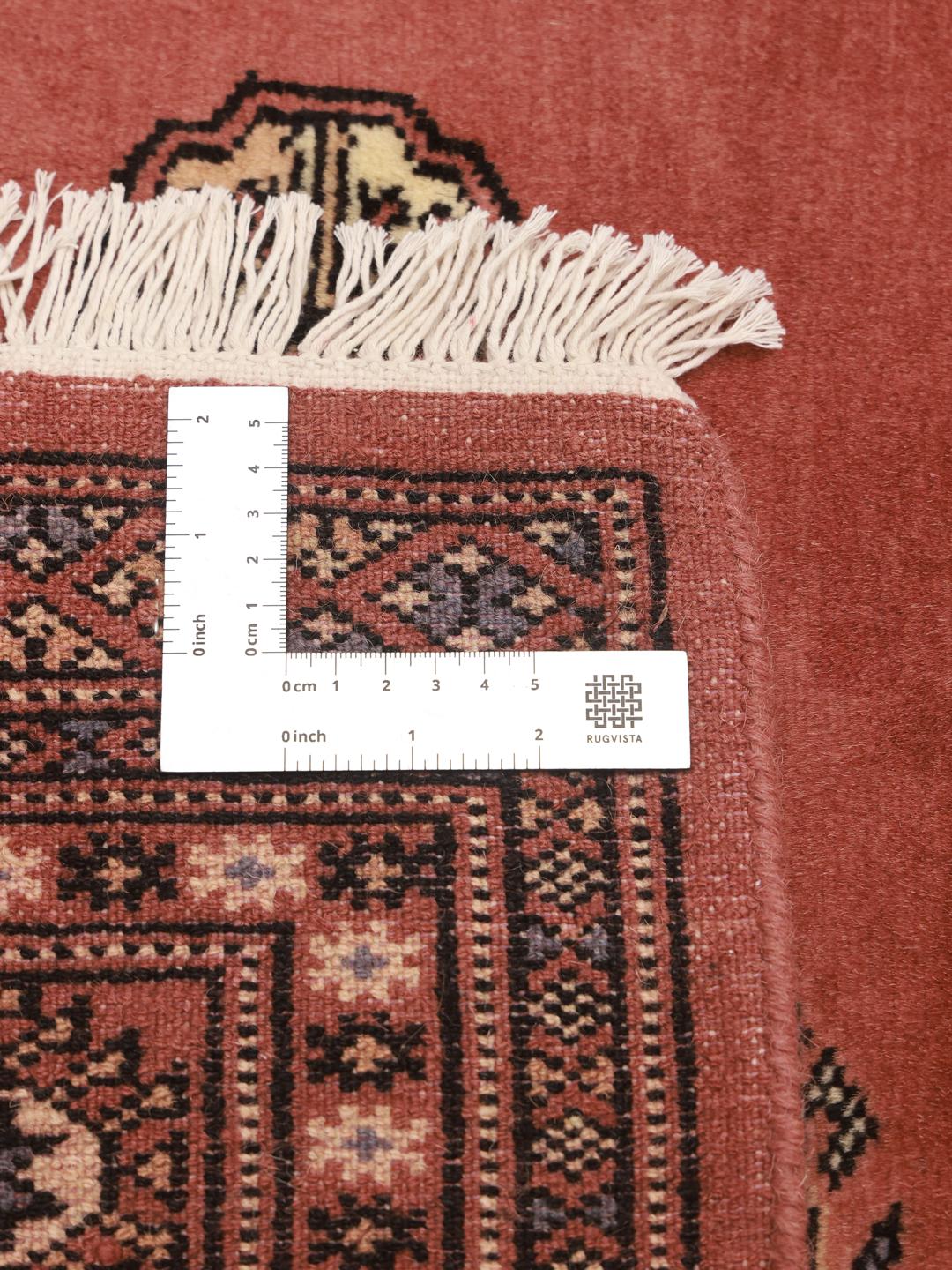
Bokhara rugs take their name from the ancient Silk Road trading post of Bukhara in Central Asia, where nomadic and village weavers originally developed the distinctive style. Over generations, the tradition migrated southward, and today some of the finest examples of the craft are skillfully produced in Pakistan, carrying forward centuries of design heritage.
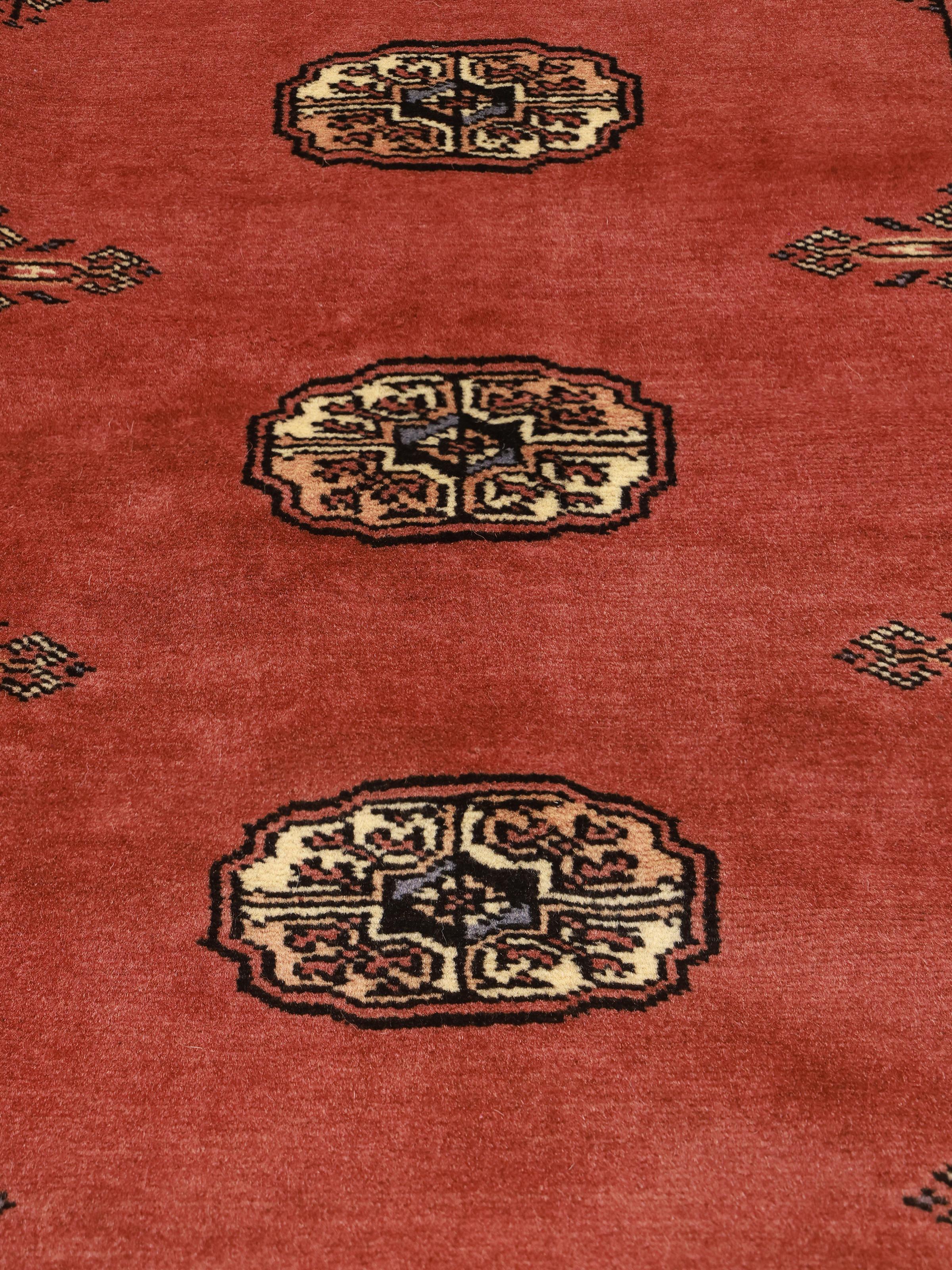
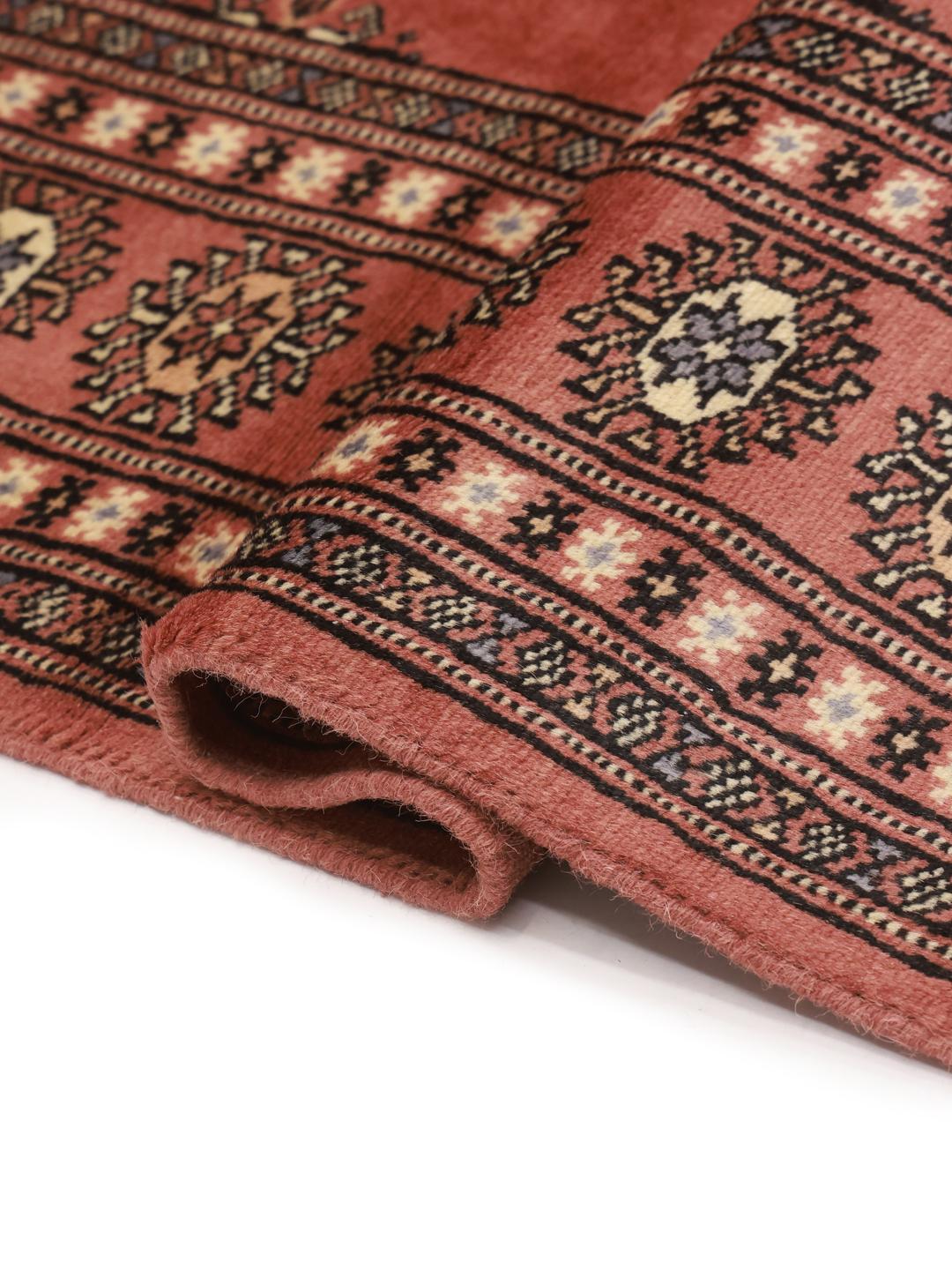
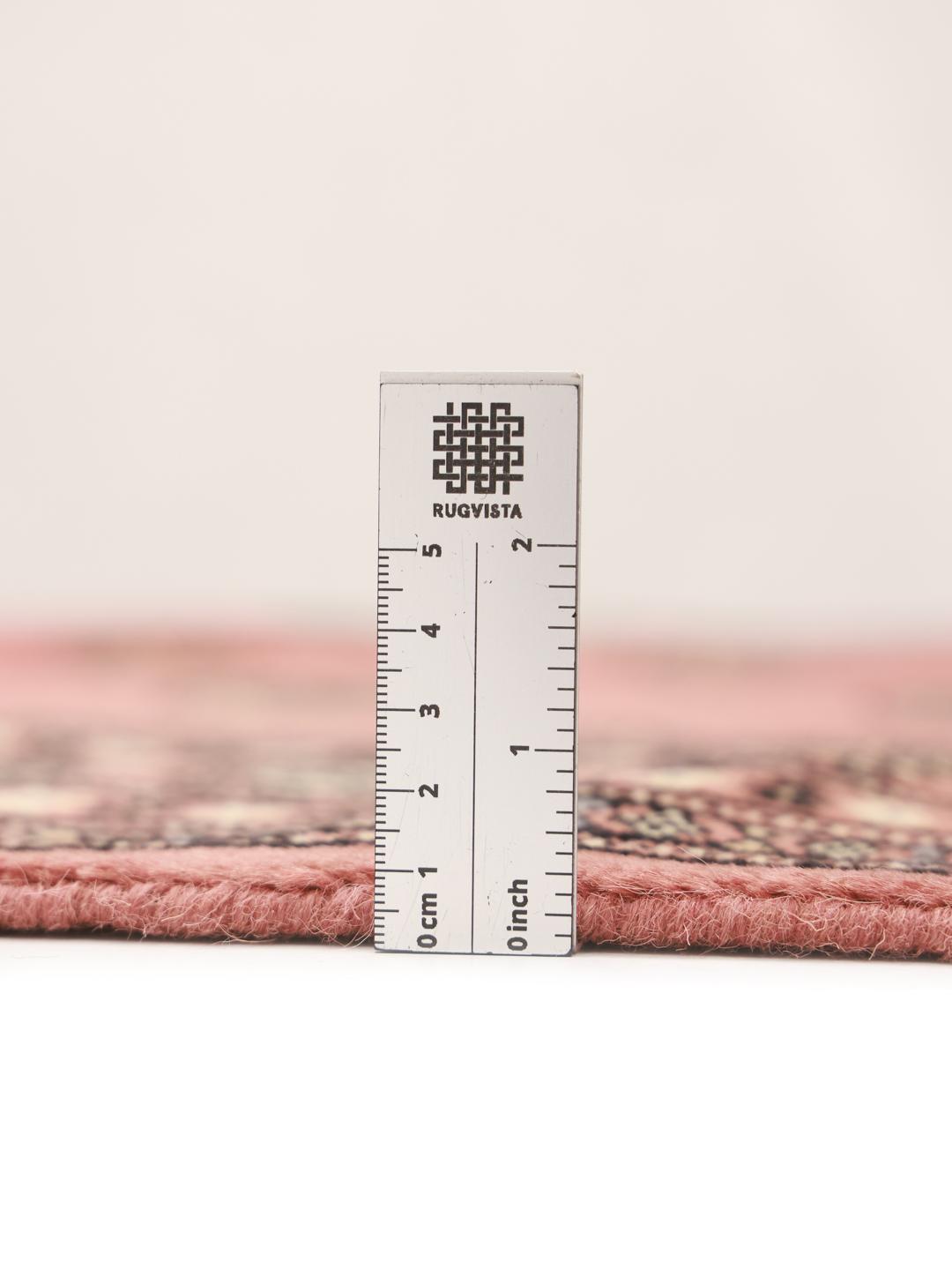
The 2ply construction refers to the use of two individual strands of wool twisted together before being hand-knotted into the pile. This technique produces a significantly denser, more lustrous, and harder-wearing surface compared to single-ply yarns, ensuring the rug handles daily life with grace.
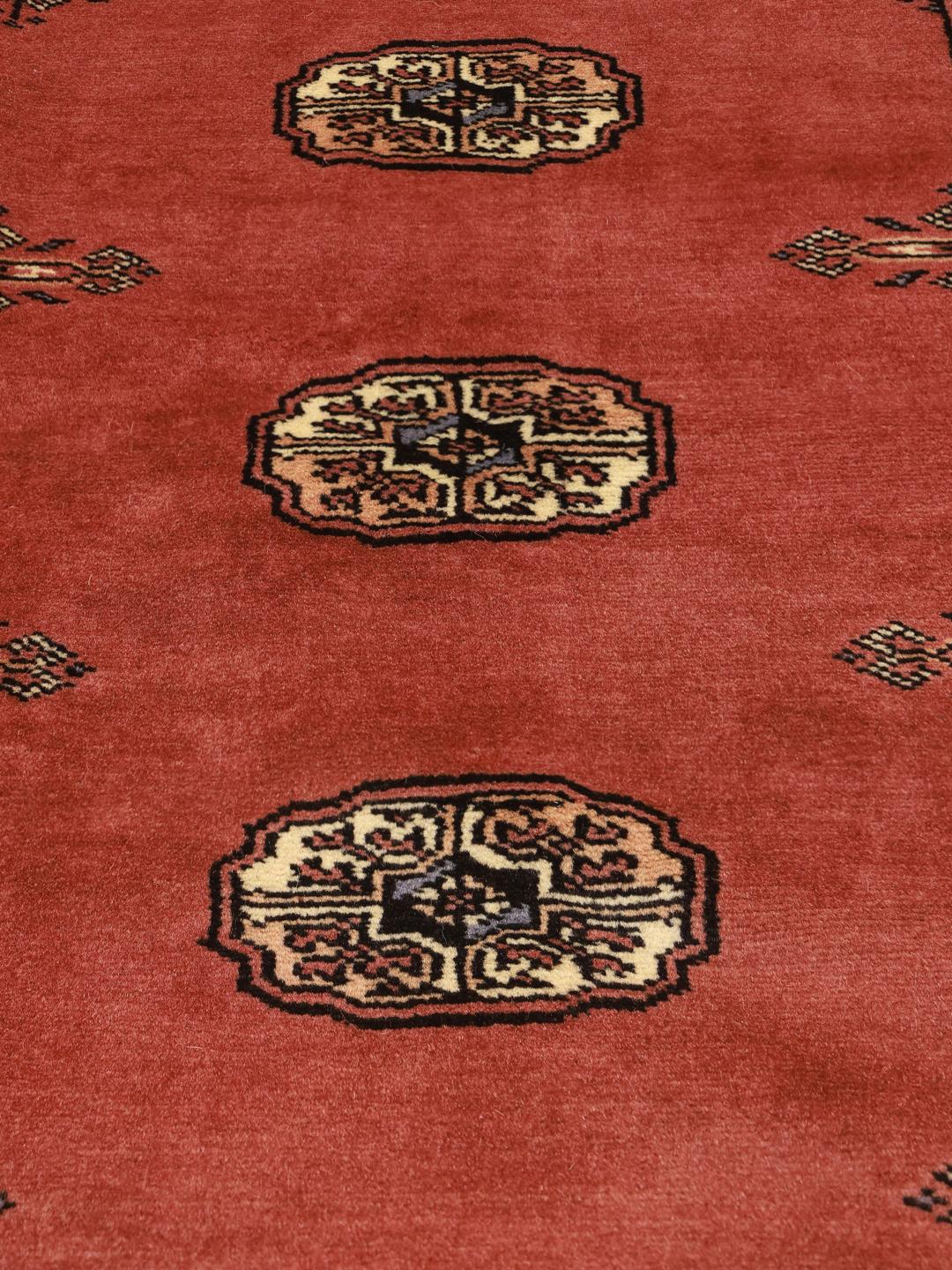
Visually, Bokhara rugs are celebrated for their repeating gul motifs, which are octagonal or elephant-foot medallions arranged in neat rows across the field. Enclosed by orderly, geometric borders, these motifs reflect a deep cultural appreciation for symmetry and balance in textile design.
Owning a hand-knotted rug from this esteemed tradition connects your living space to a long lineage of textile artistry. It represents an investment in human skill, heritage, and enduring quality that mass-produced floor coverings simply cannot replicate.