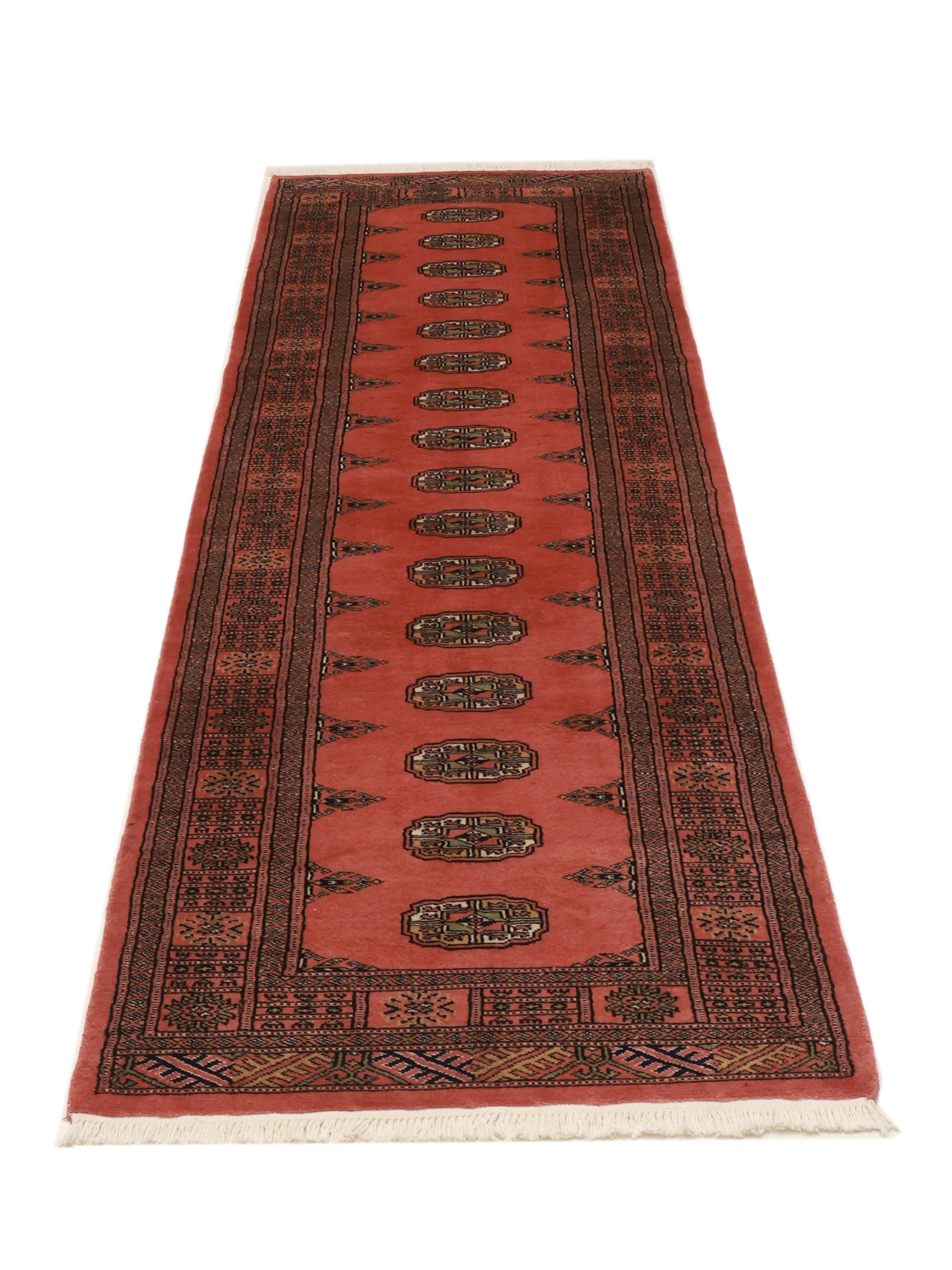
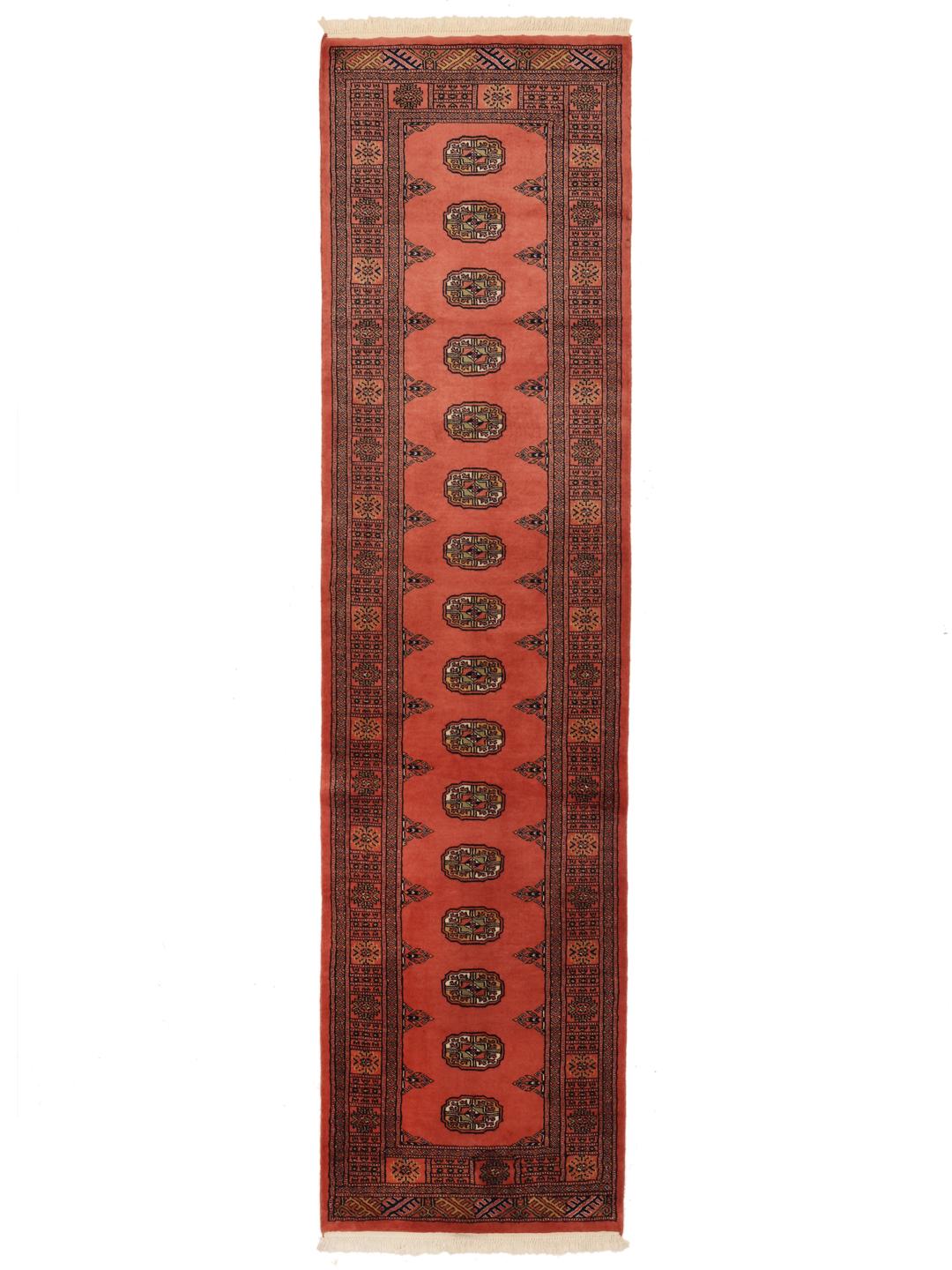
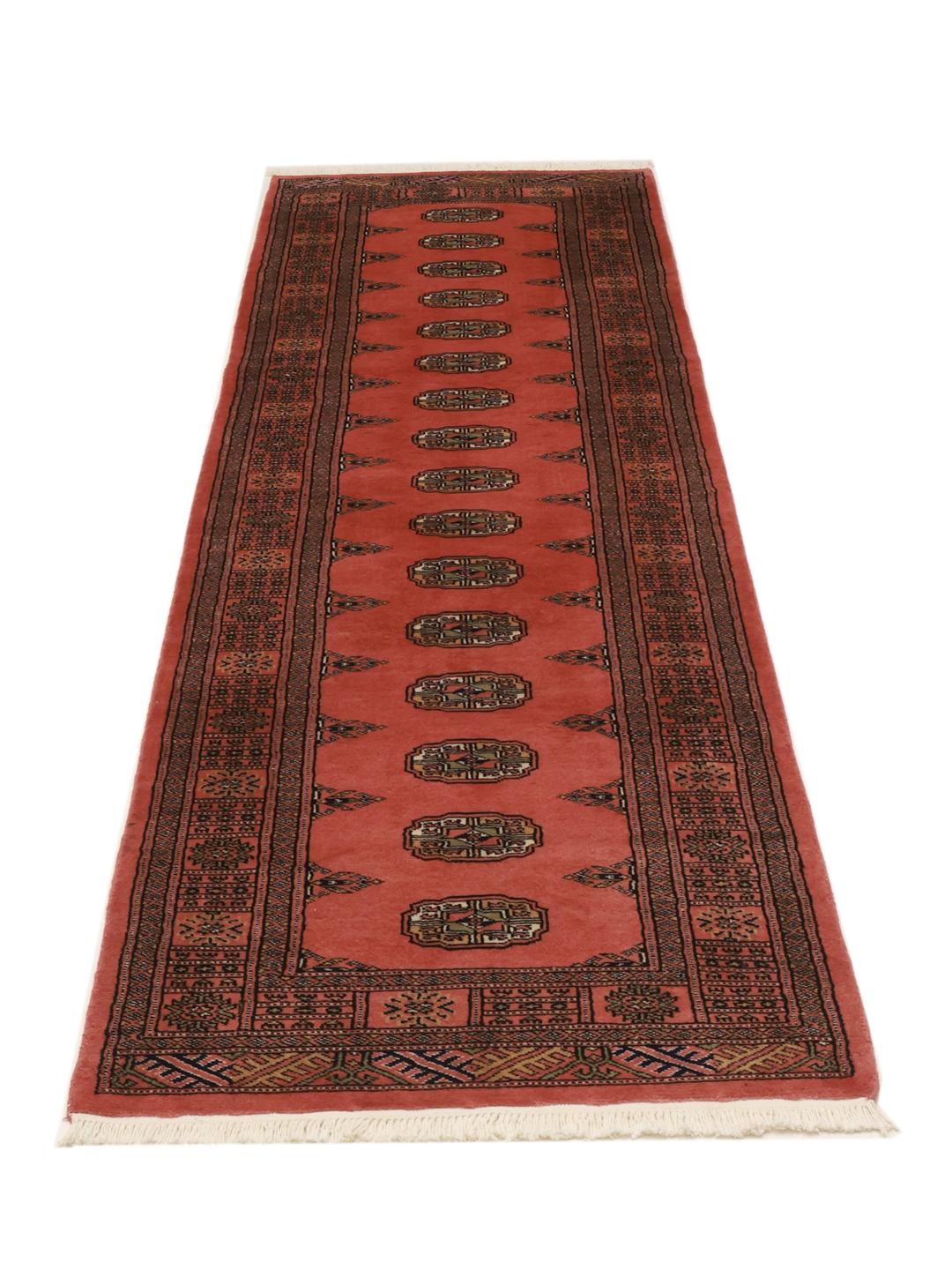
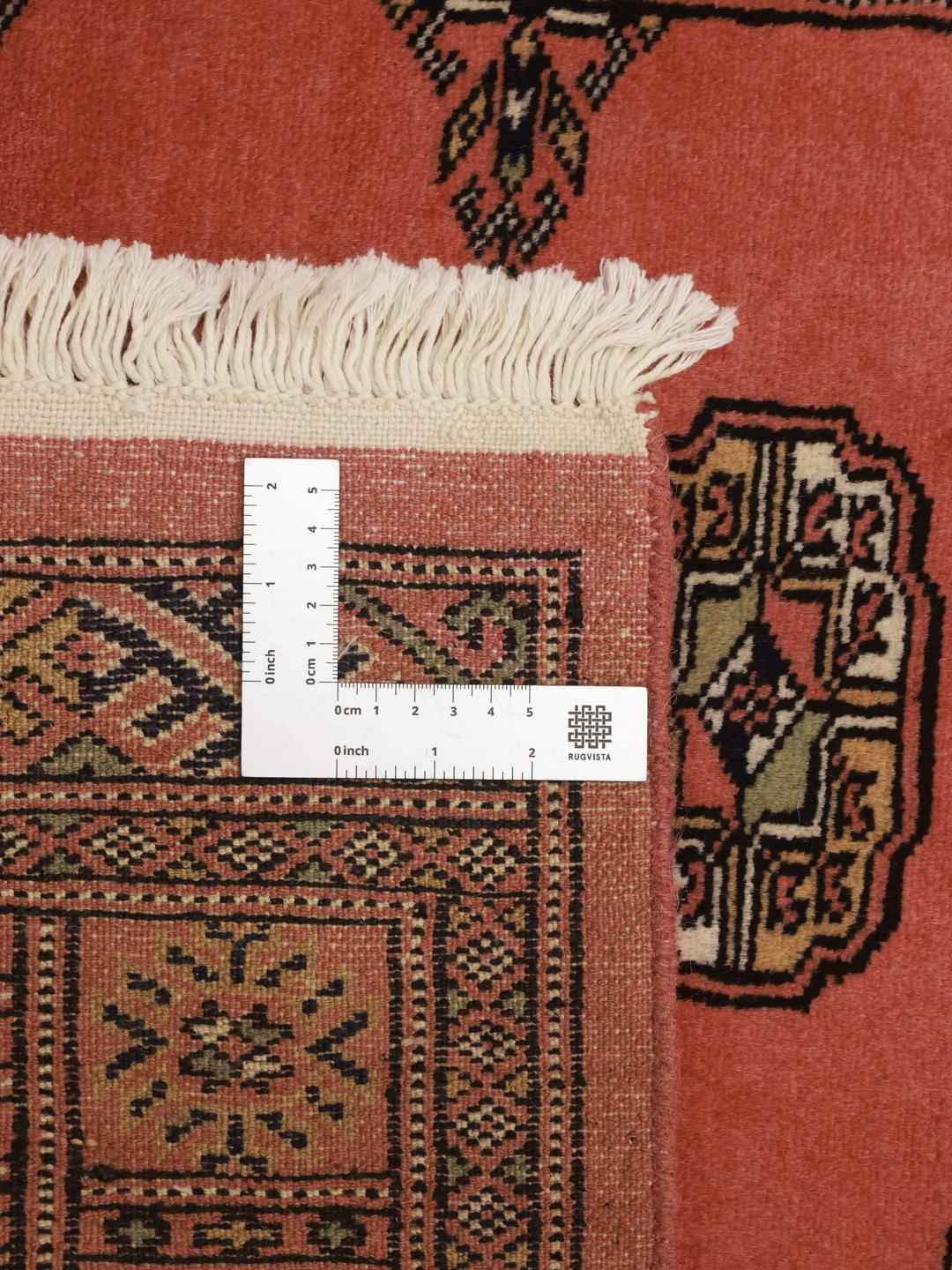
Bokhara rugs take their name from the ancient Silk Road trading city of Bukhara in Central Asia, a historic hub where weavers, merchants, and nomadic traditions met. While the design lineage traces back to the Turkmen tribes of the region, the fine art of weaving these particular rugs evolved and flourished across Pakistan, where master artisans continue to preserve the classic aesthetics.
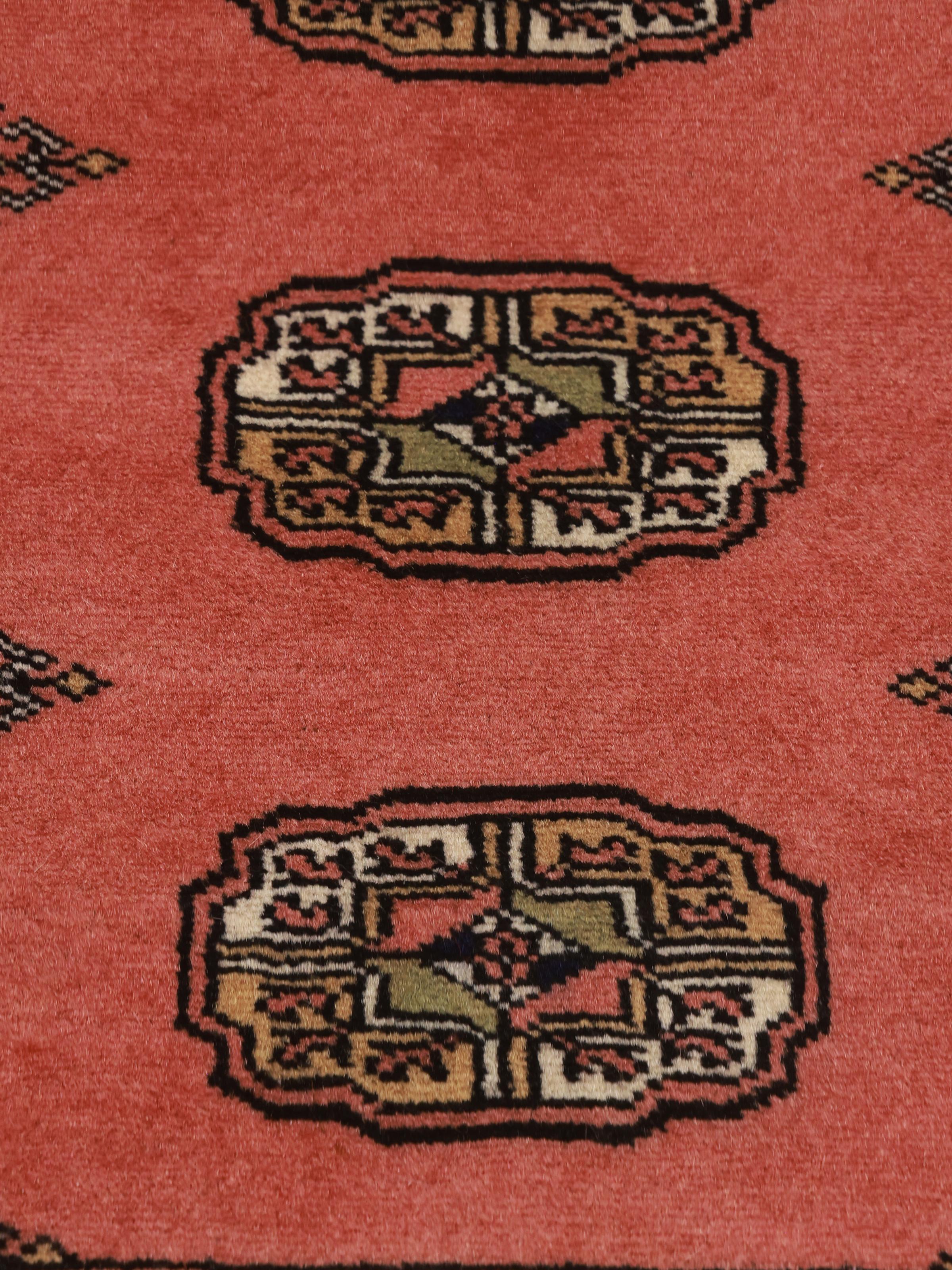
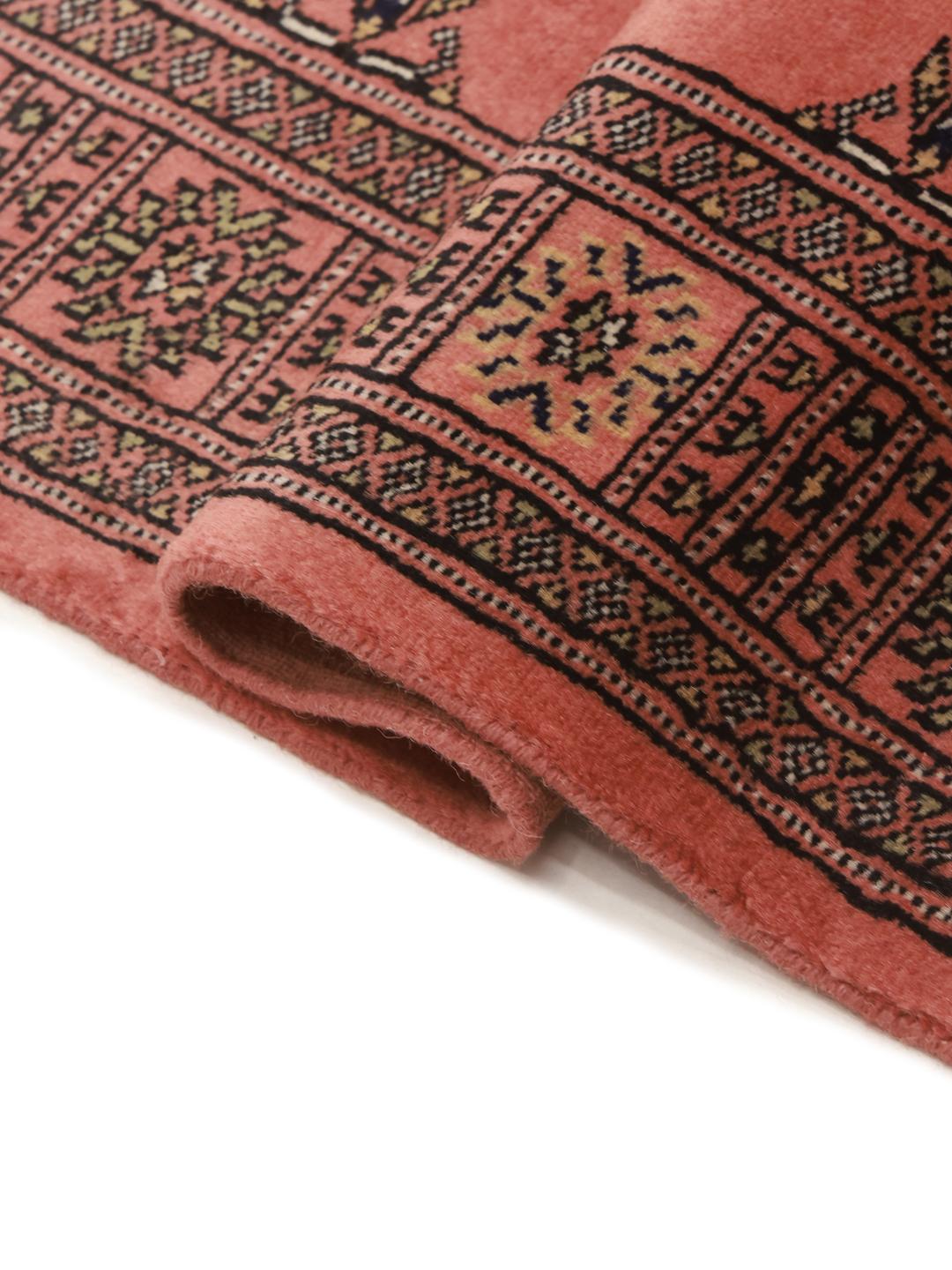
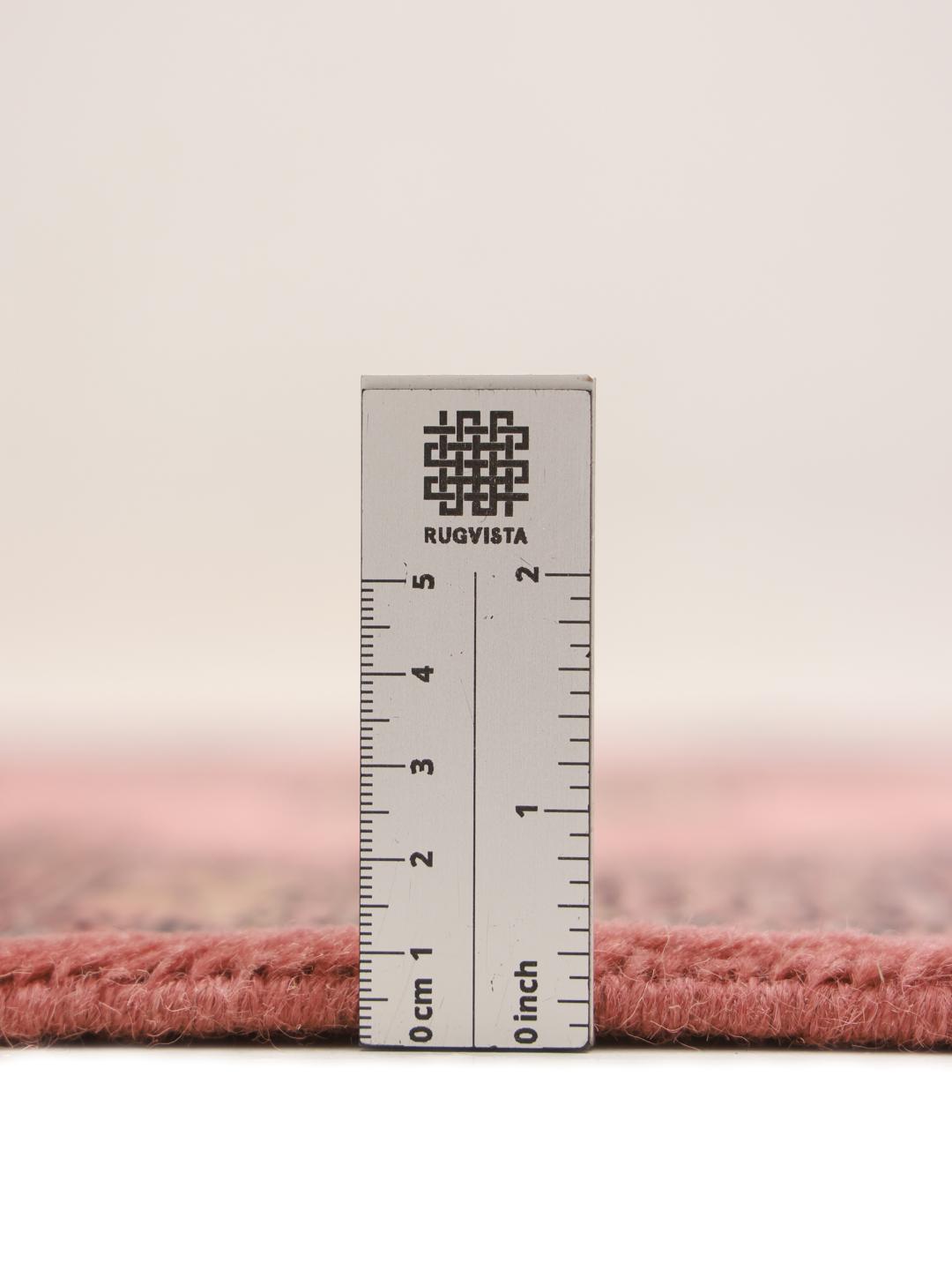
The designation 2ply refers to the construction of the pile, which is spun using two distinct strands of wool twisted together before knotting. This technique creates a denser, more resilient, and lustrous pile than single-ply alternatives, ensuring the rug stands up well to regular movement while retaining its soft touch.
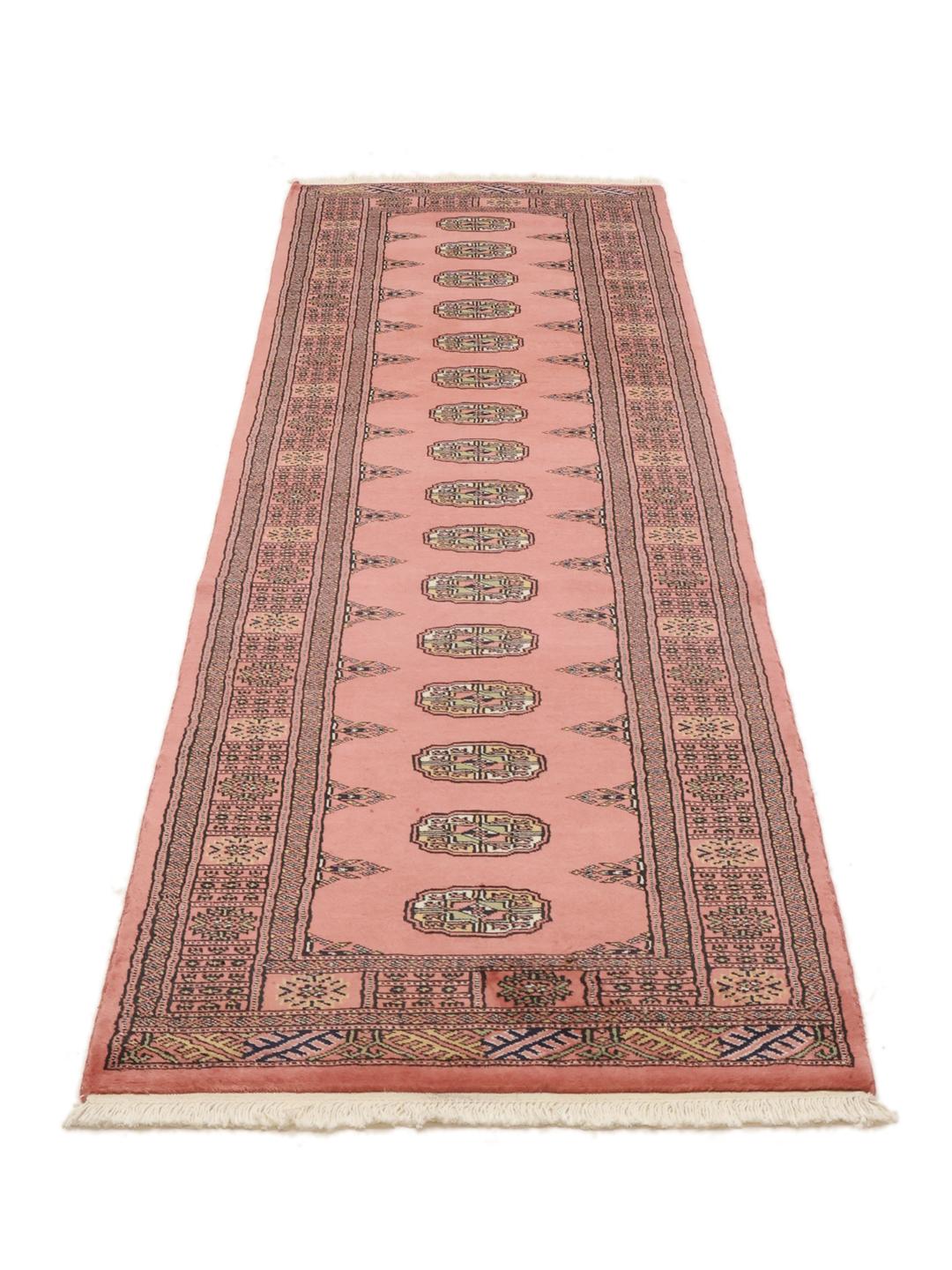
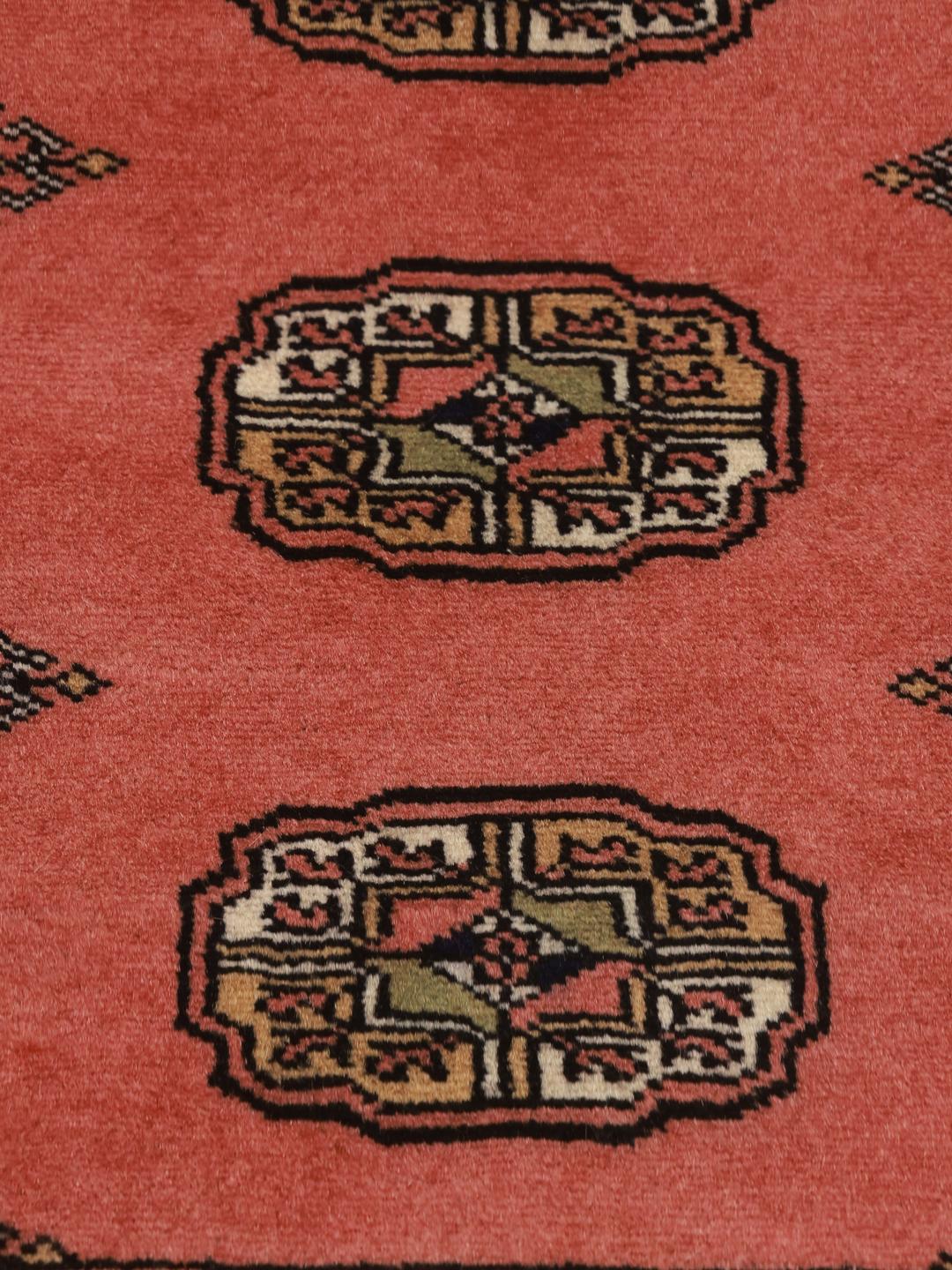
The visual language of this tradition is defined by the repeating gul motif, an octagonal or elephant-foot shaped medallion arranged in orderly rows down the field. These central symbols are typically framed by geometric borders and minor guard stripes, creating a balanced layout that has remained popular for generations.
Collecting a rug from this lineage connects your home to a long lineage of textile artistry. Owning a piece crafted with such traditional skill means valuing heritage, patience, and enduring quality over mass-produced alternatives.