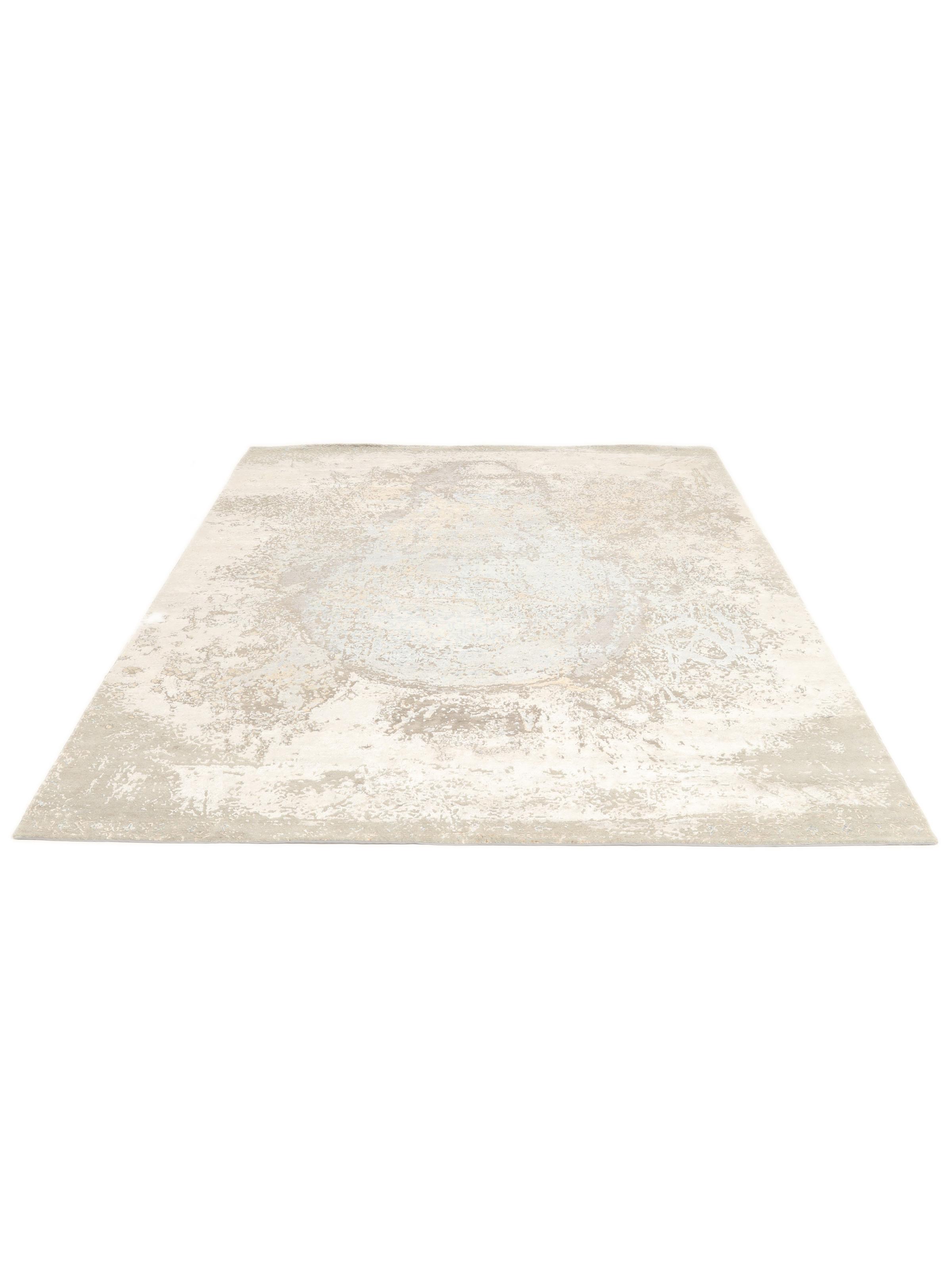
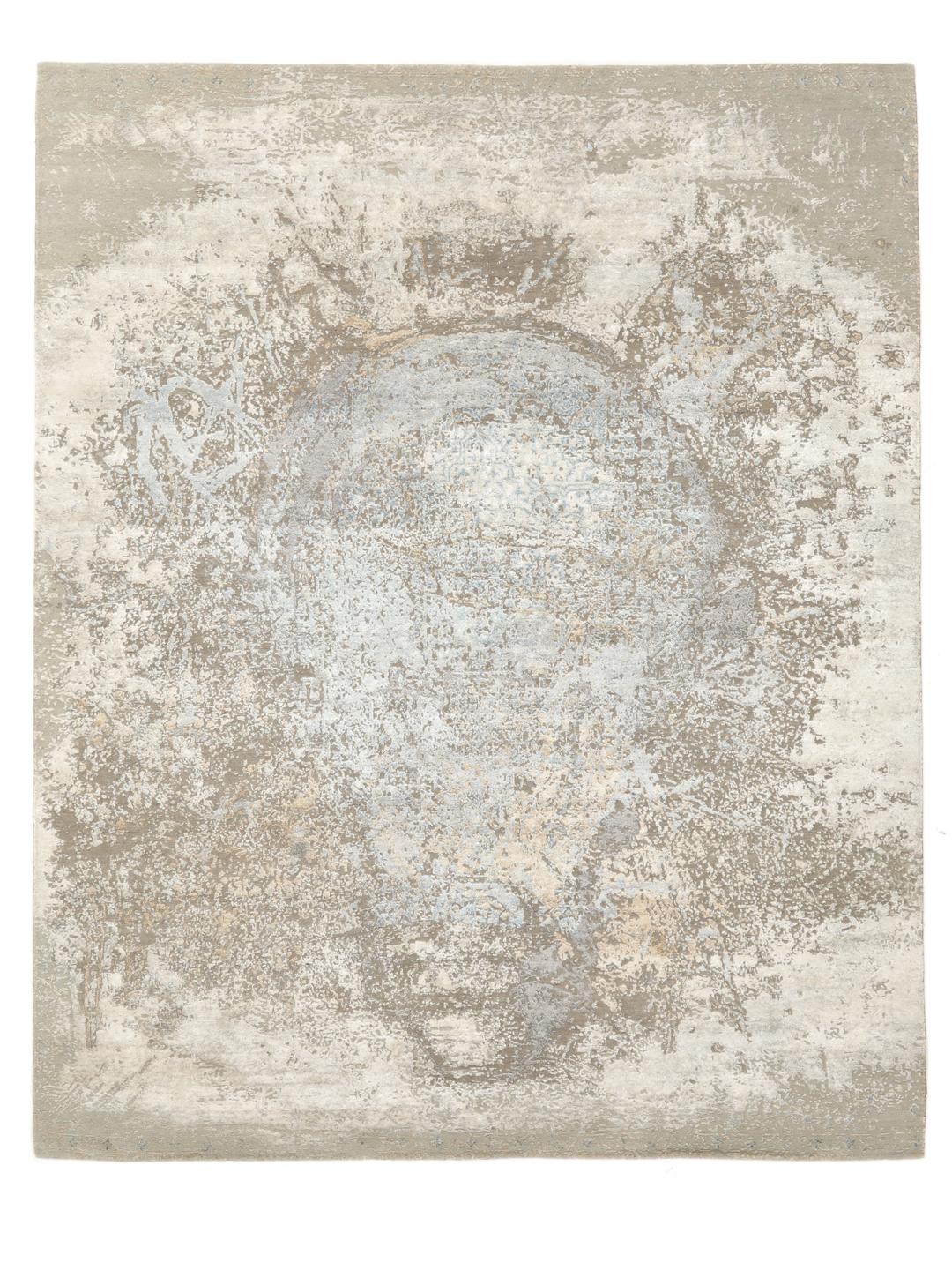
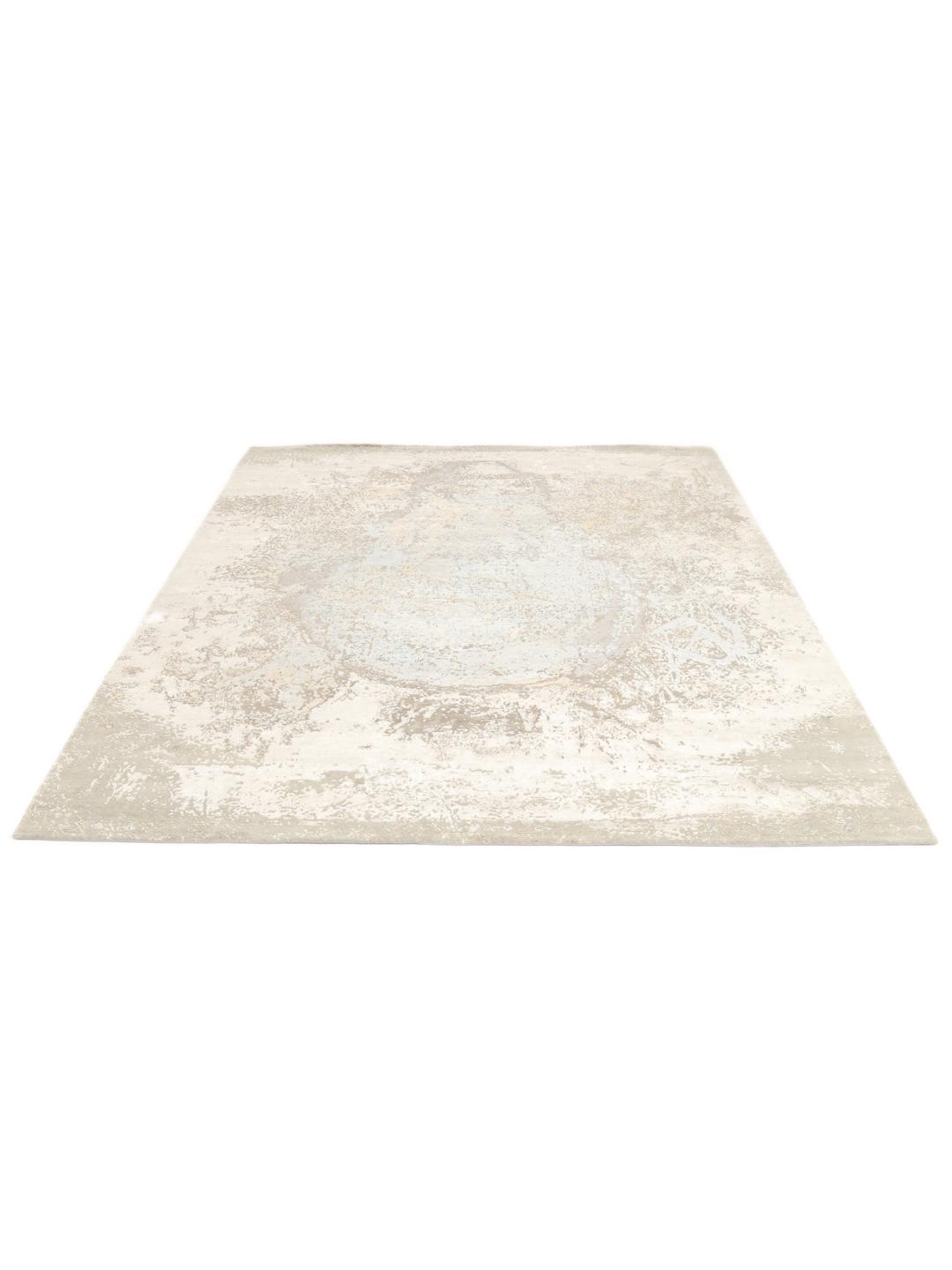
The tradition of rug-making in India has evolved over centuries, blending indigenous techniques with global design influences. While historical practices were deeply rooted in the royal courts of the Mughal era, modern Indian weavers have become masters of contemporary and abstract aesthetics, using their rich heritage to create pieces that feel fresh and relevant for today's homes.
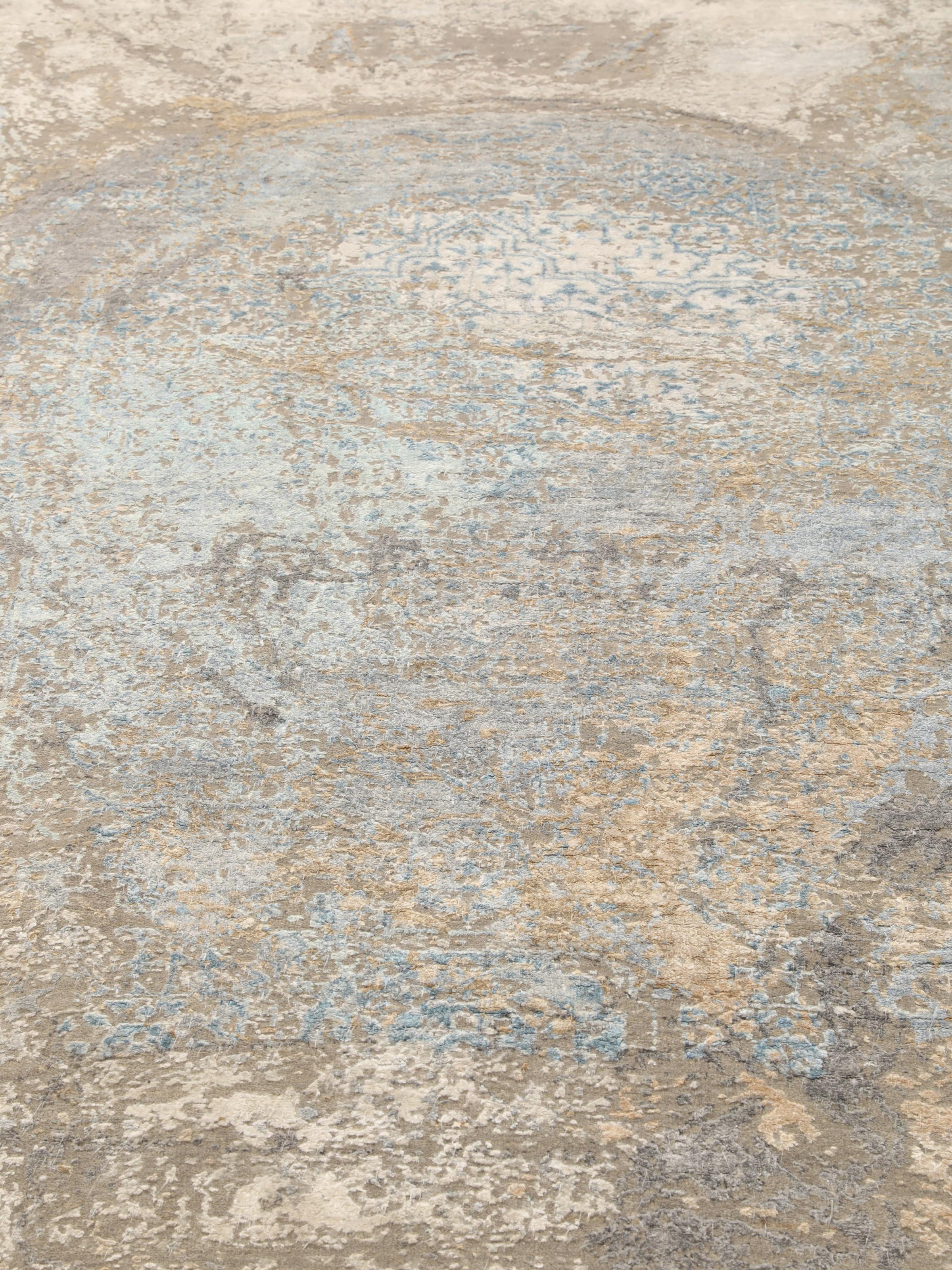
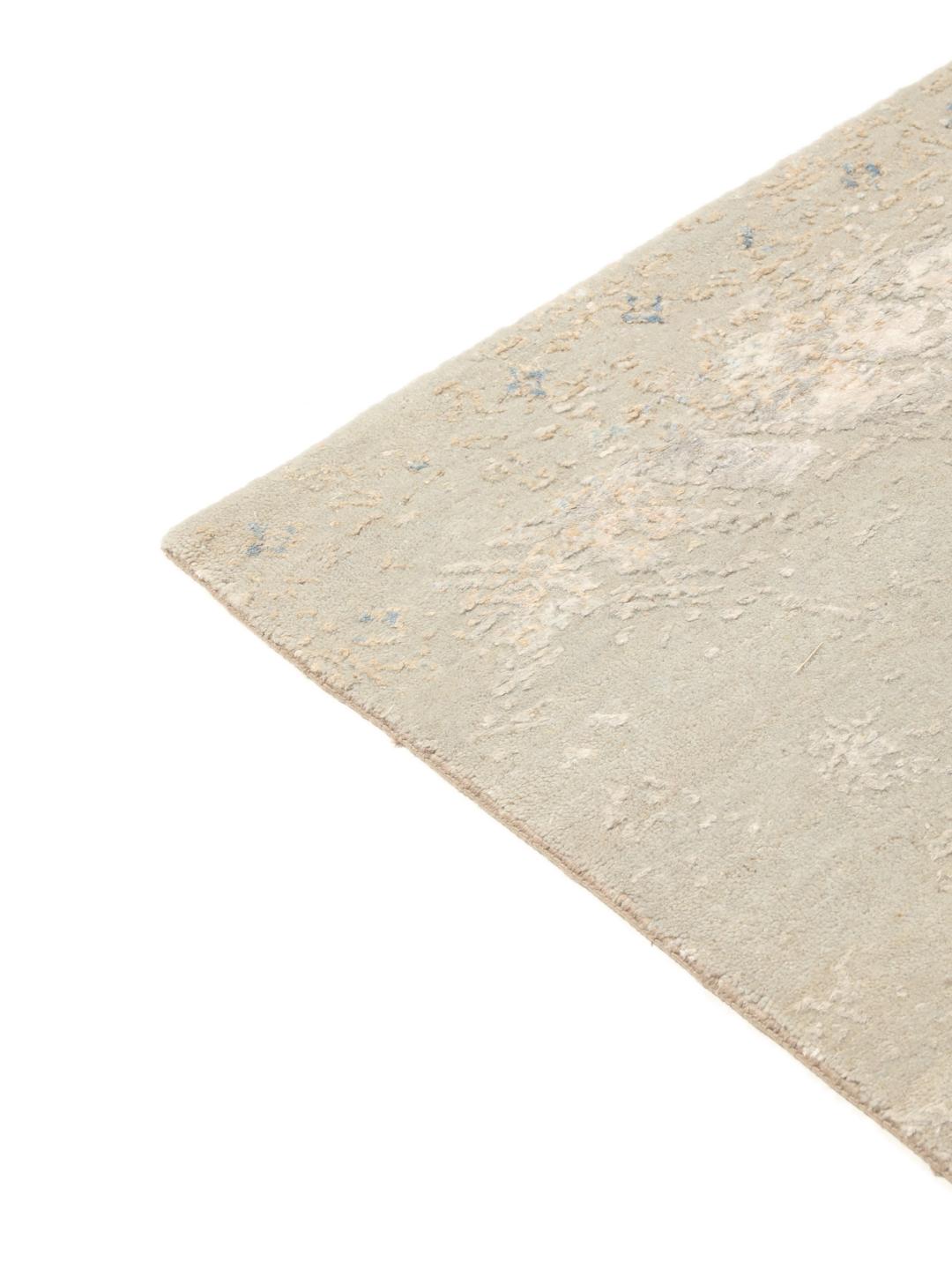
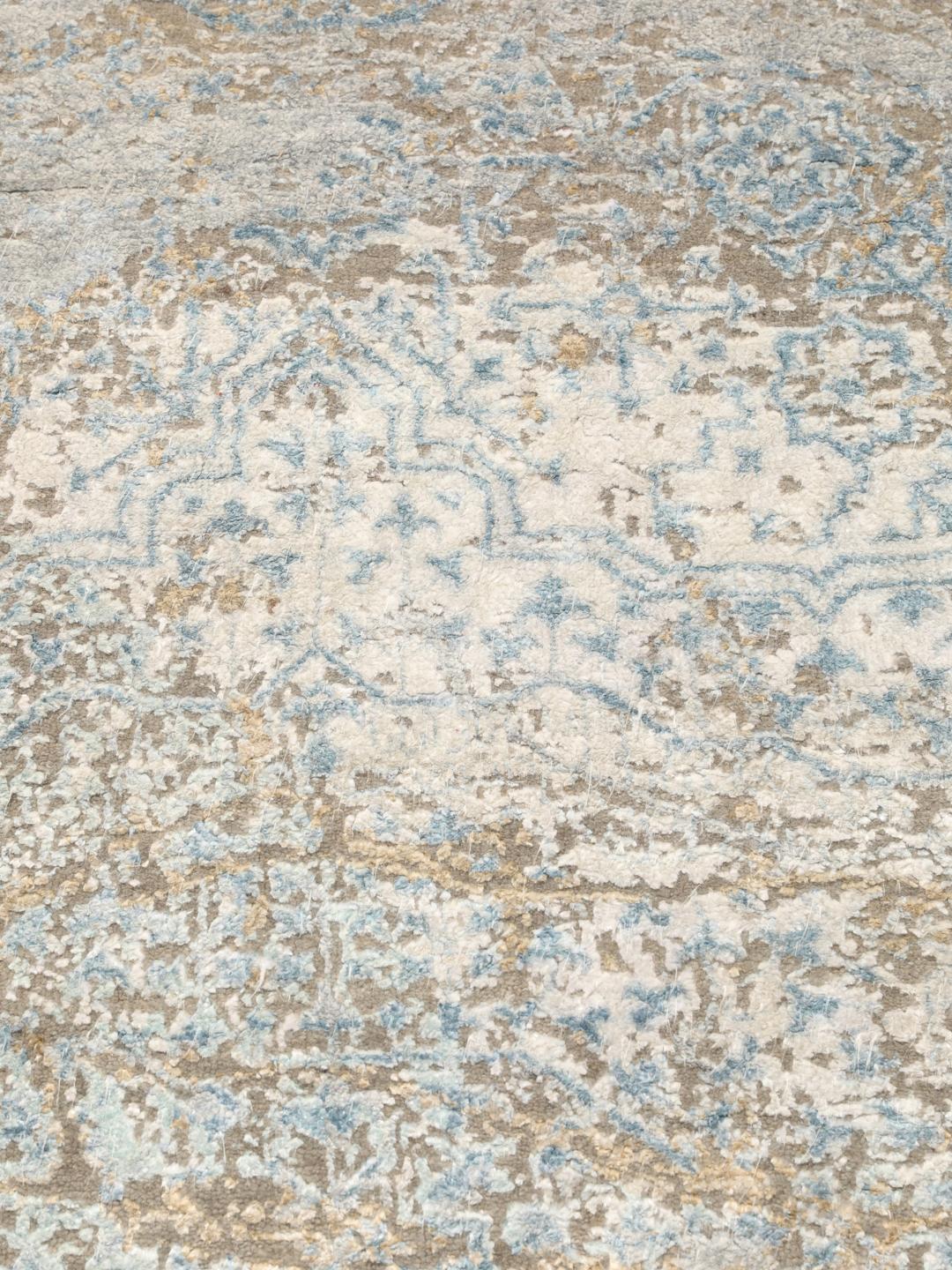
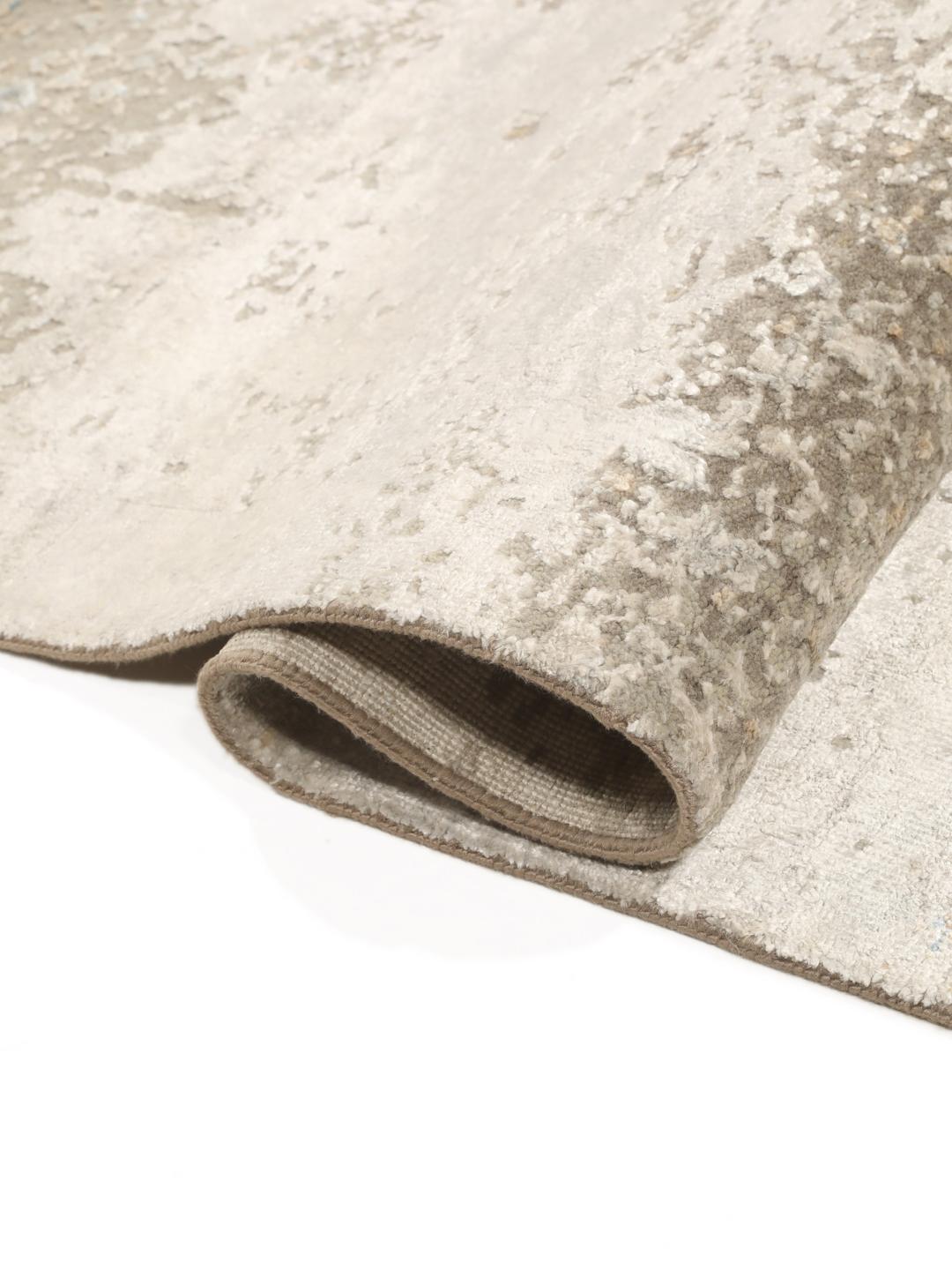
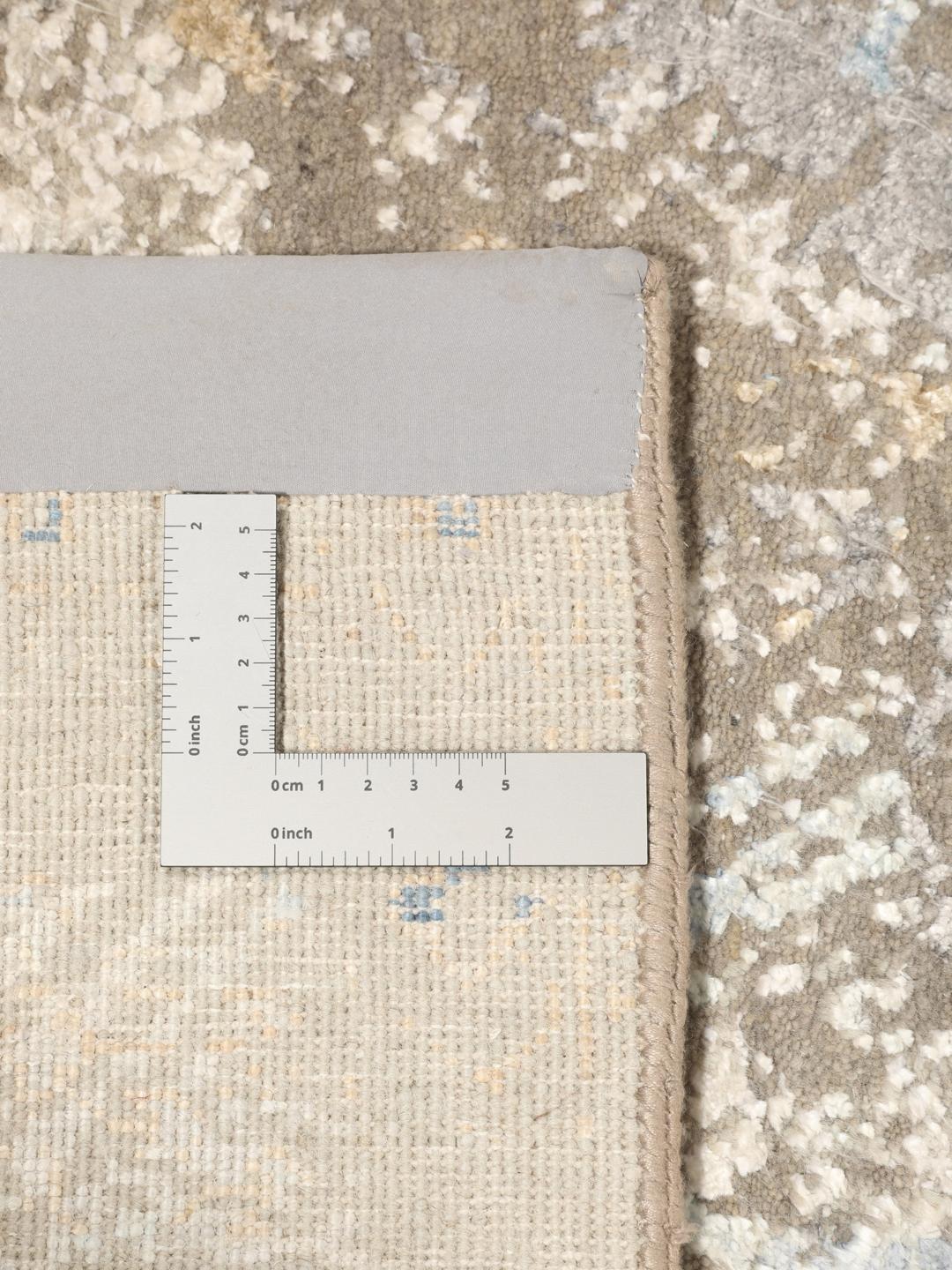
The term hand-knotted refers to the oldest and most labour-intensive form of rug construction. Each individual knot is tied by hand onto the foundation, a process that creates a high degree of durability and allows for the intricate, nuanced patterns seen in this piece. This method is the hallmark of quality, ensuring that the rug is not only a decorative object but a functional investment.
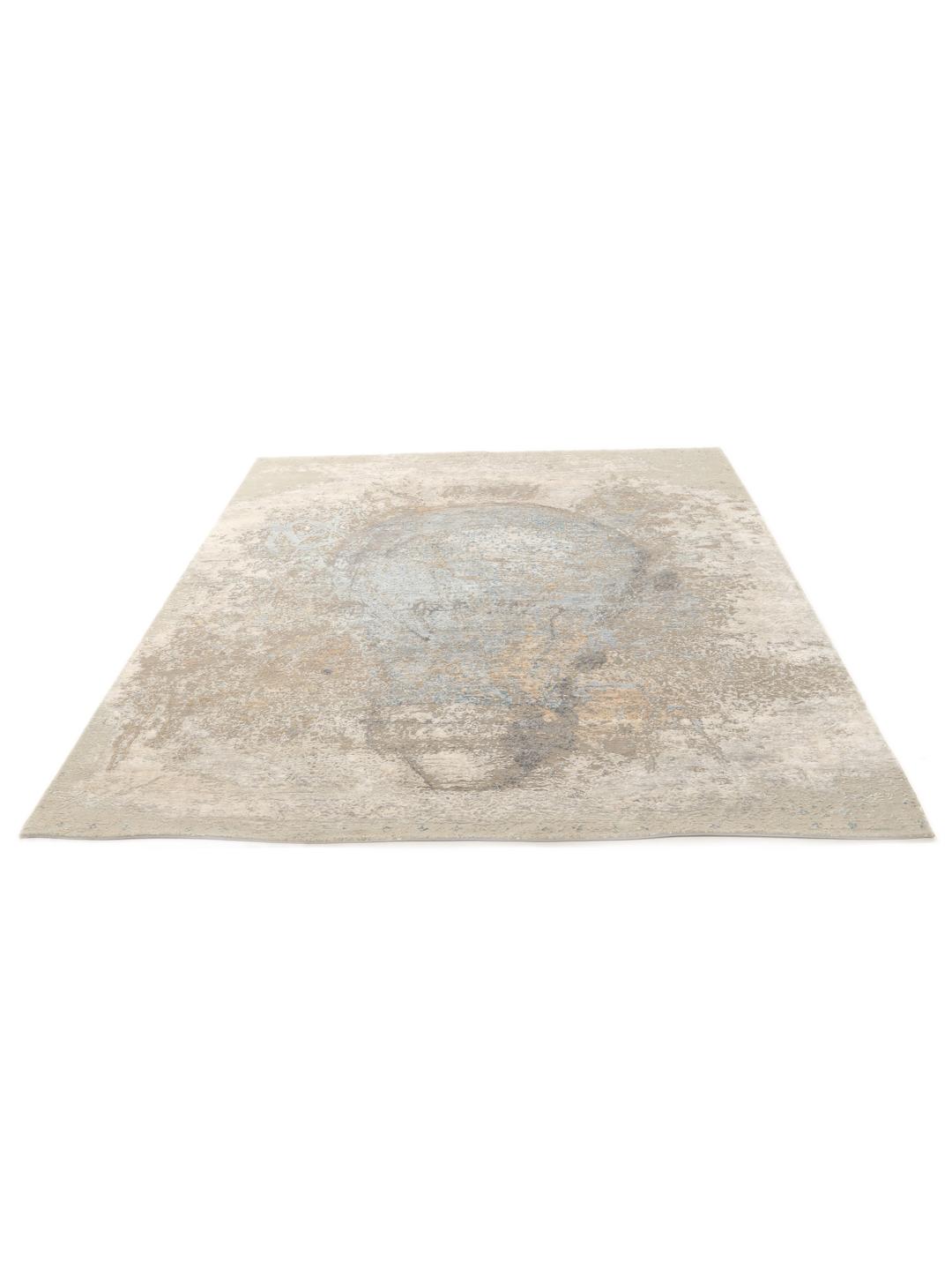
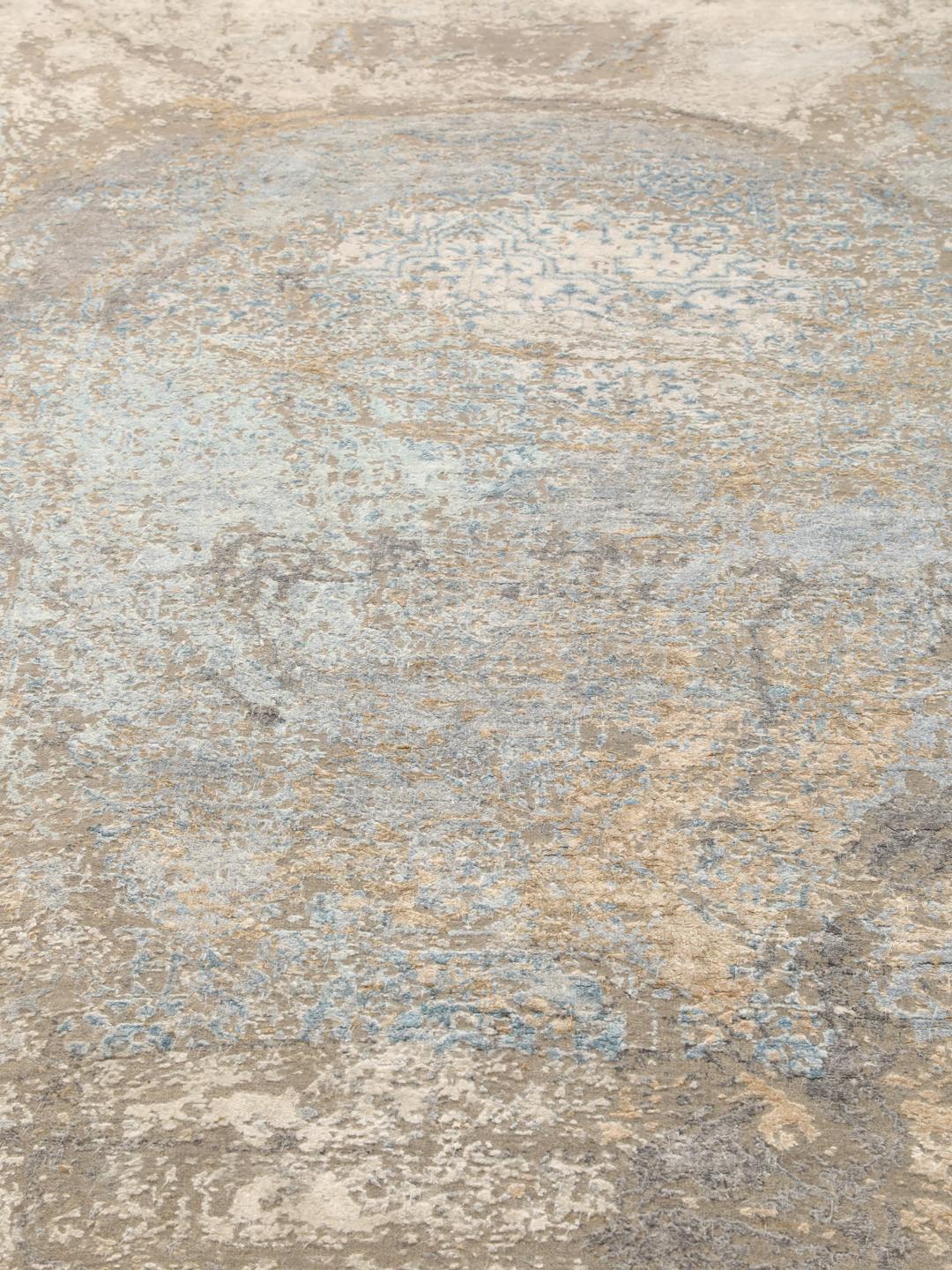
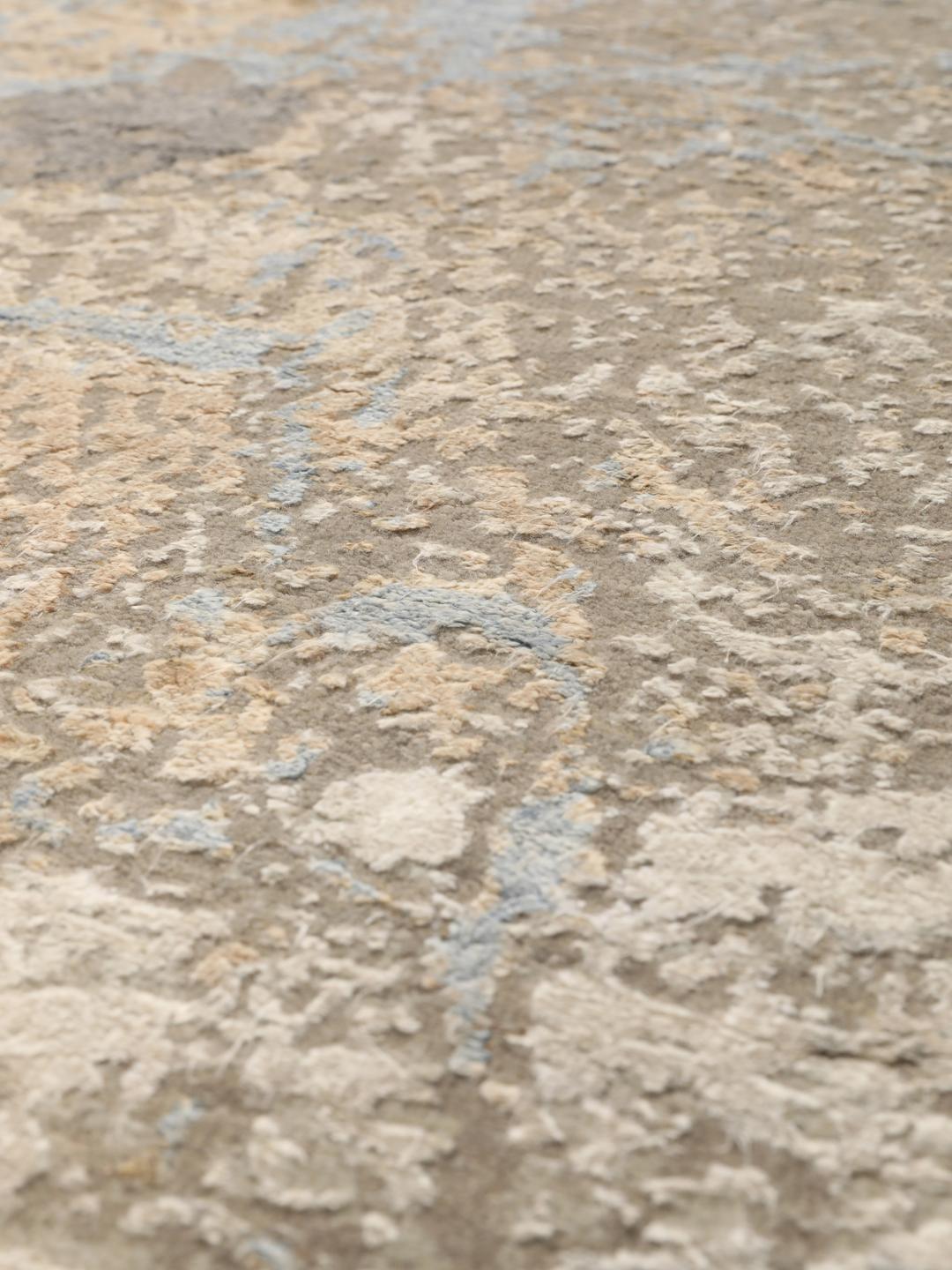
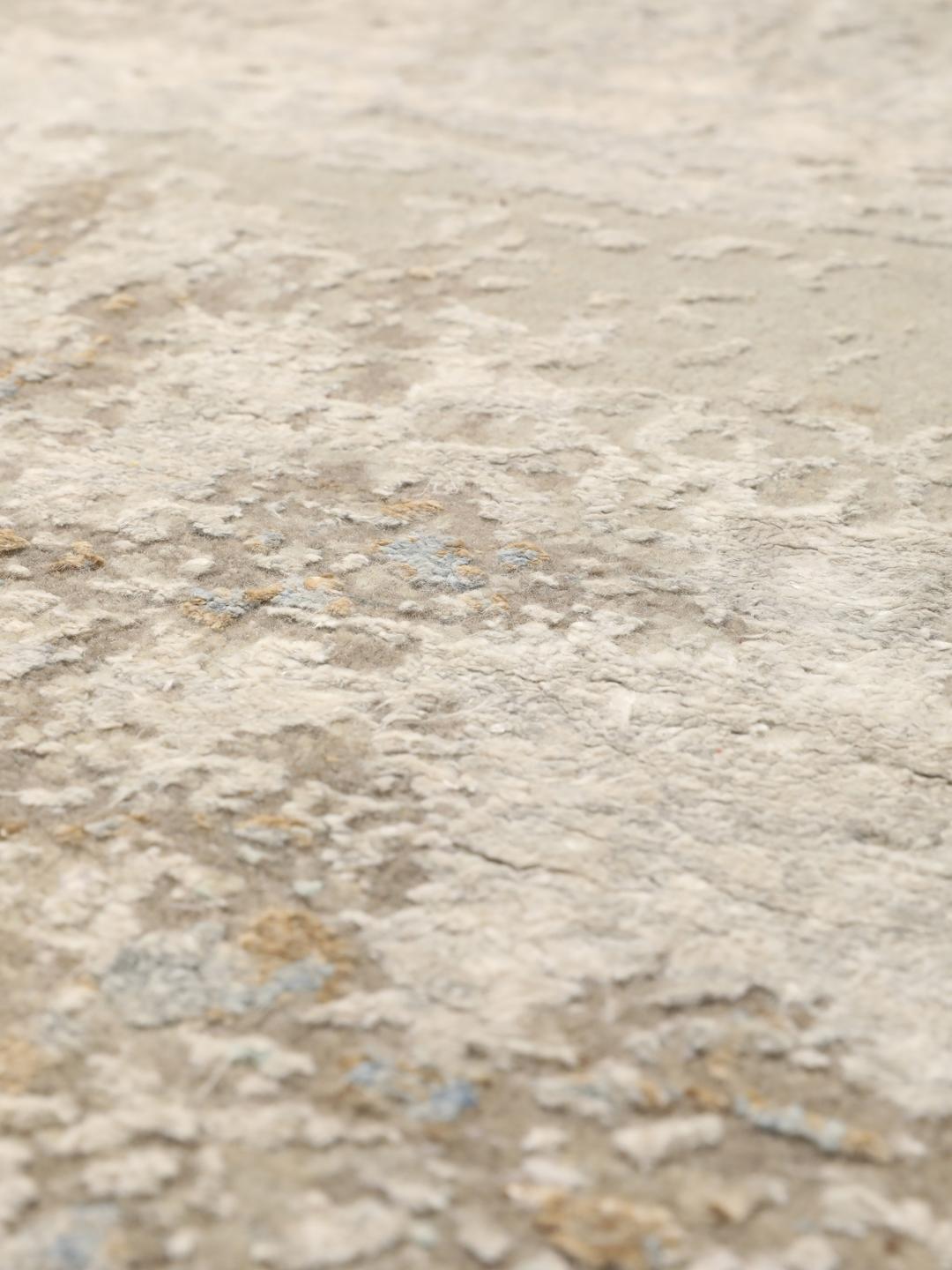
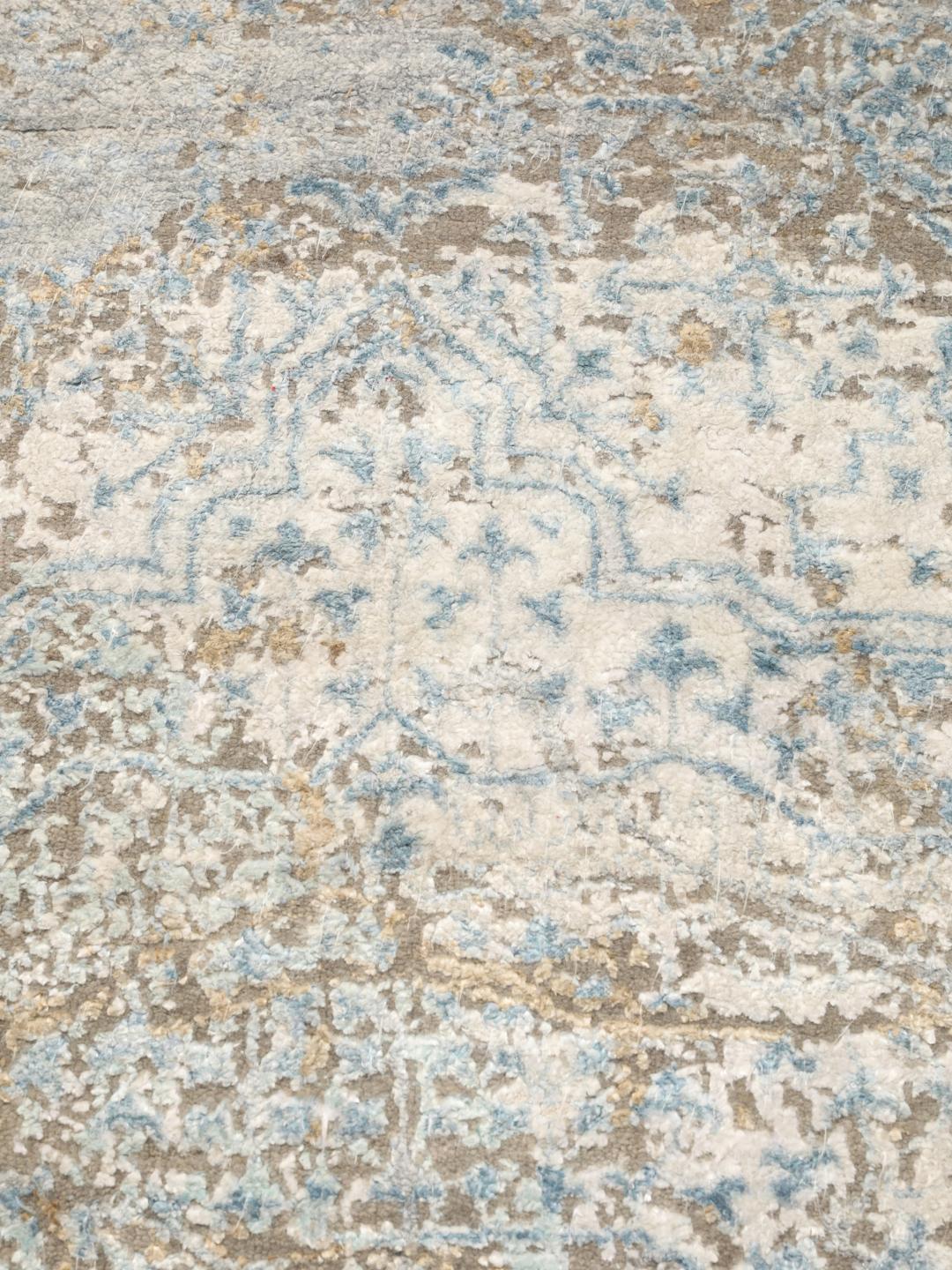
Modern rugs from India are celebrated for their ability to interpret abstract concepts through traditional mediums. This specific piece utilises a distressed visual language, where overlapping tones create a sense of depth and movement, reminiscent of contemporary fine art. Such designs move away from rigid, formal symmetry, favouring a more fluid and expressive look.
Collecting a hand-knotted piece from this tradition means supporting a craft that has been passed down through generations. These rugs are valued for their human touch and the sheer effort involved in their creation, offering a sense of connection to the maker that machine-made alternatives simply cannot match.