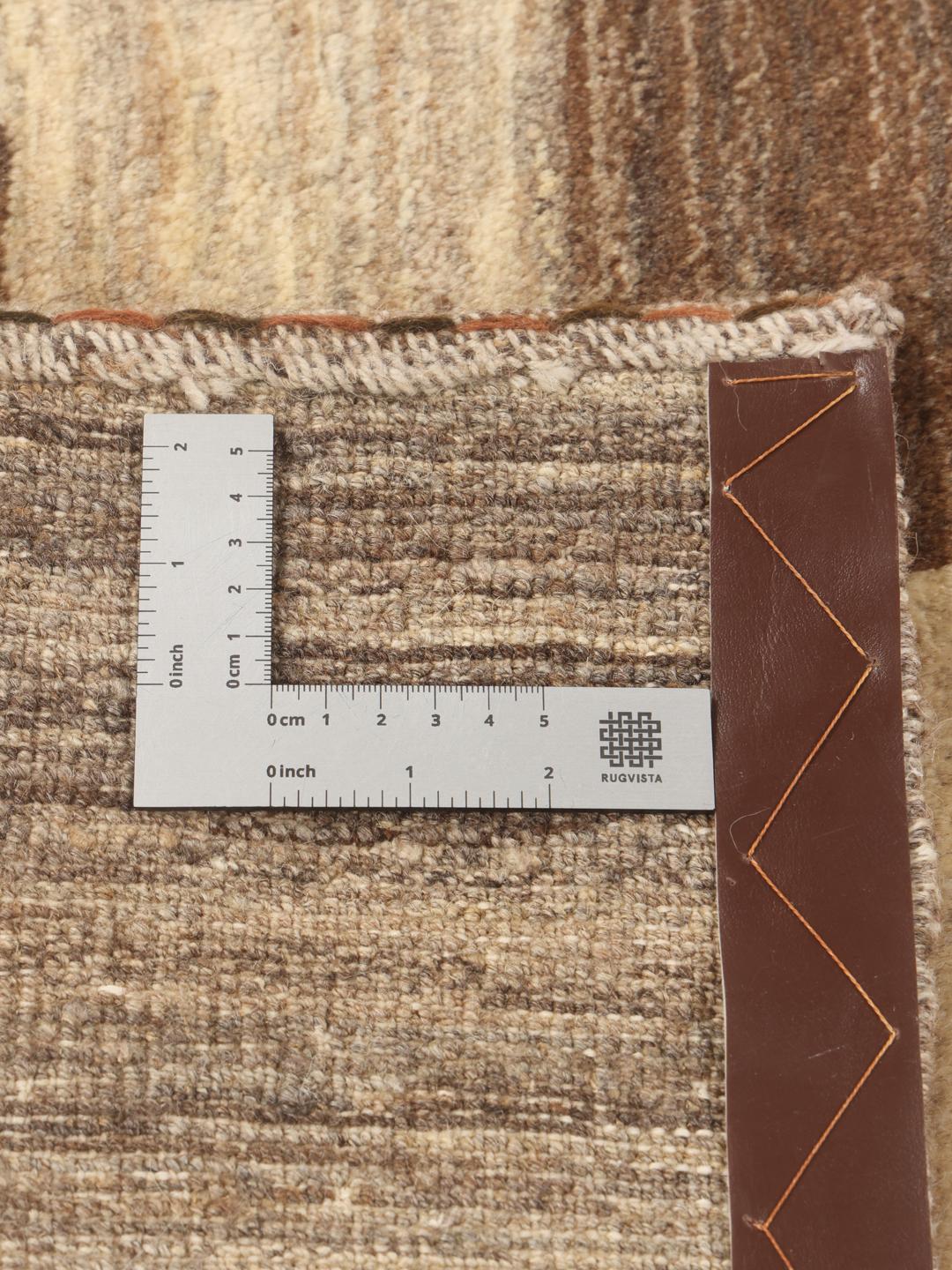
The Gabbeh tradition originates from the nomadic tribes of the Middle East, particularly the Qashqai and Luri peoples. Historically, these rugs were woven for personal use within the family, intended to serve as warm, thick bedding and floor coverings during cold mountain winters. Unlike more formal, city-made rugs, these pieces were expressions of the weaver's personal experiences, surroundings, and imagination.
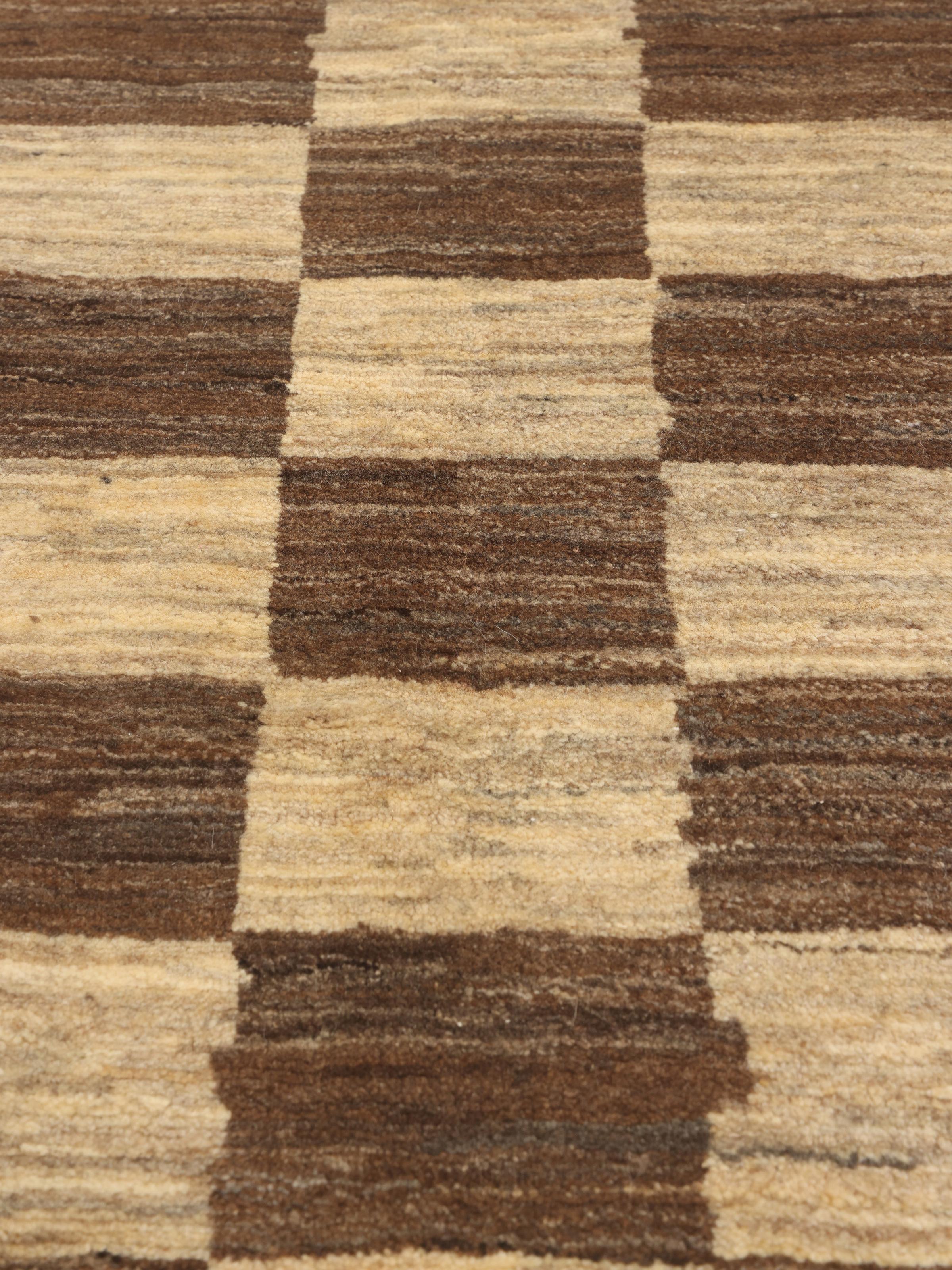
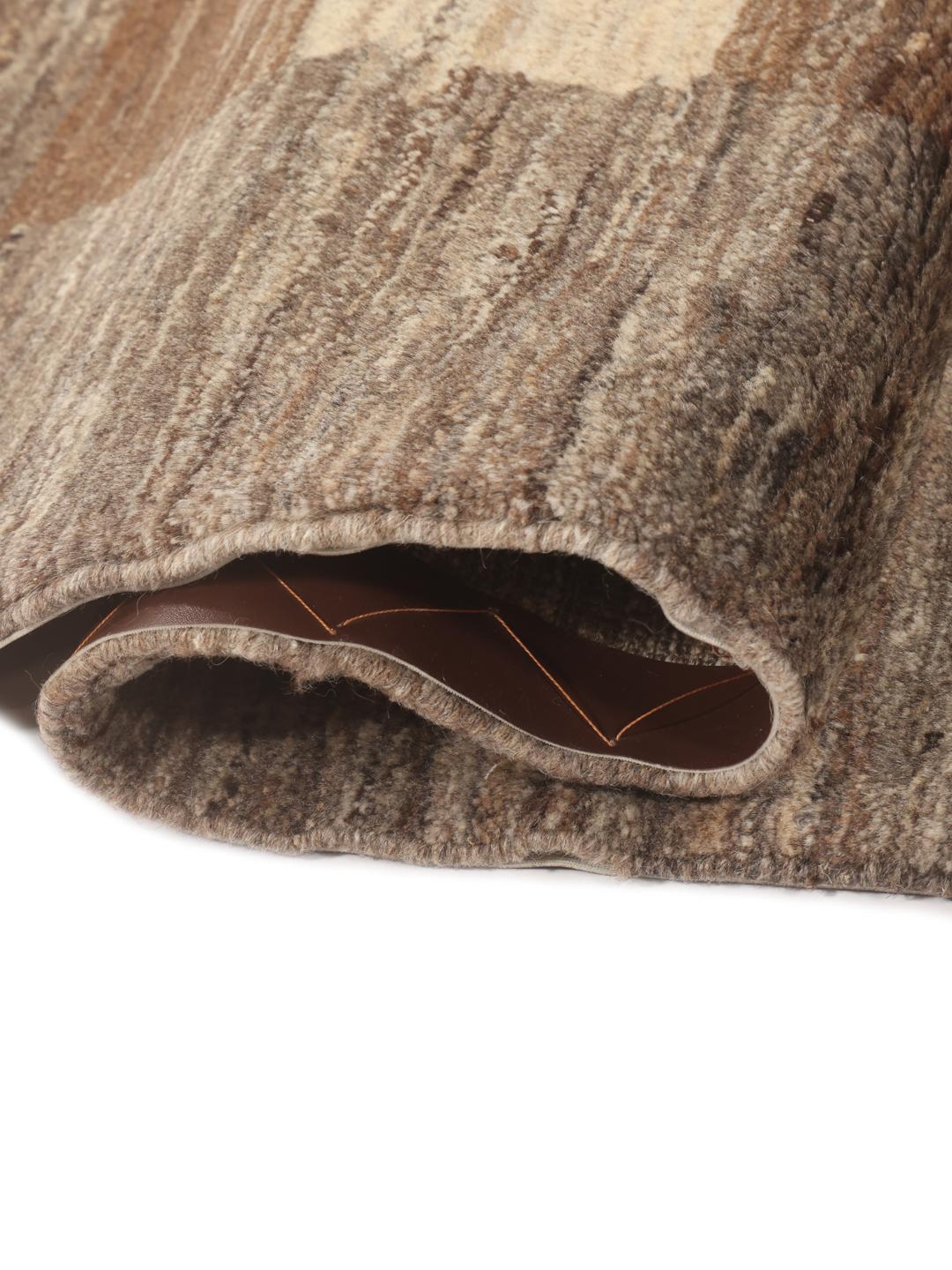
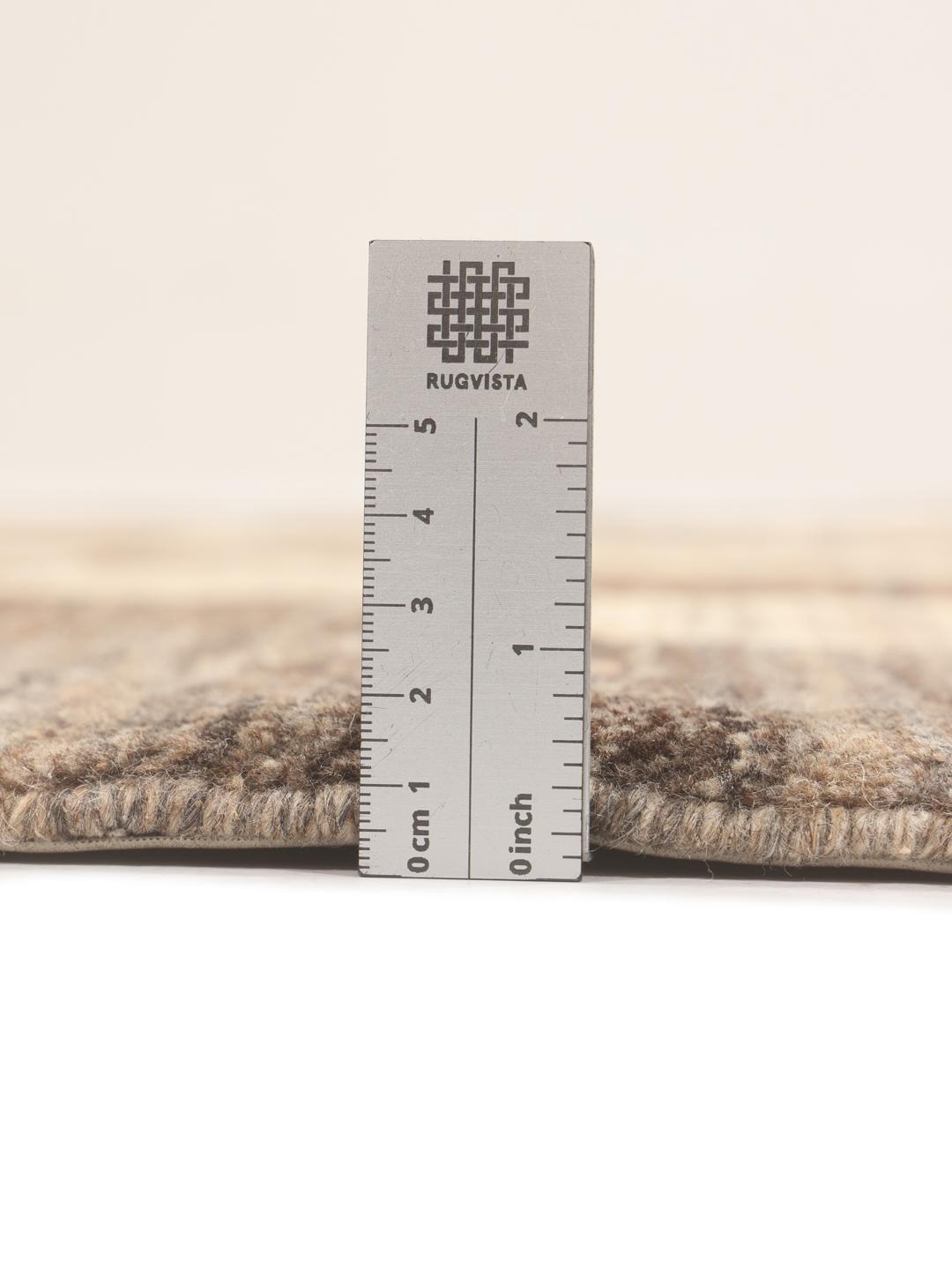
The name Gabbeh itself is a term that translates to raw, natural, or unfinished, which perfectly describes the aesthetic of these rugs. They are known for their thicker, coarser pile and simpler, more abstract designs compared to the intricate, floral patterns found in classical carpets. This simplicity is a hallmark of the tradition, emphasising the quality of the wool and the depth of the natural dyes used.
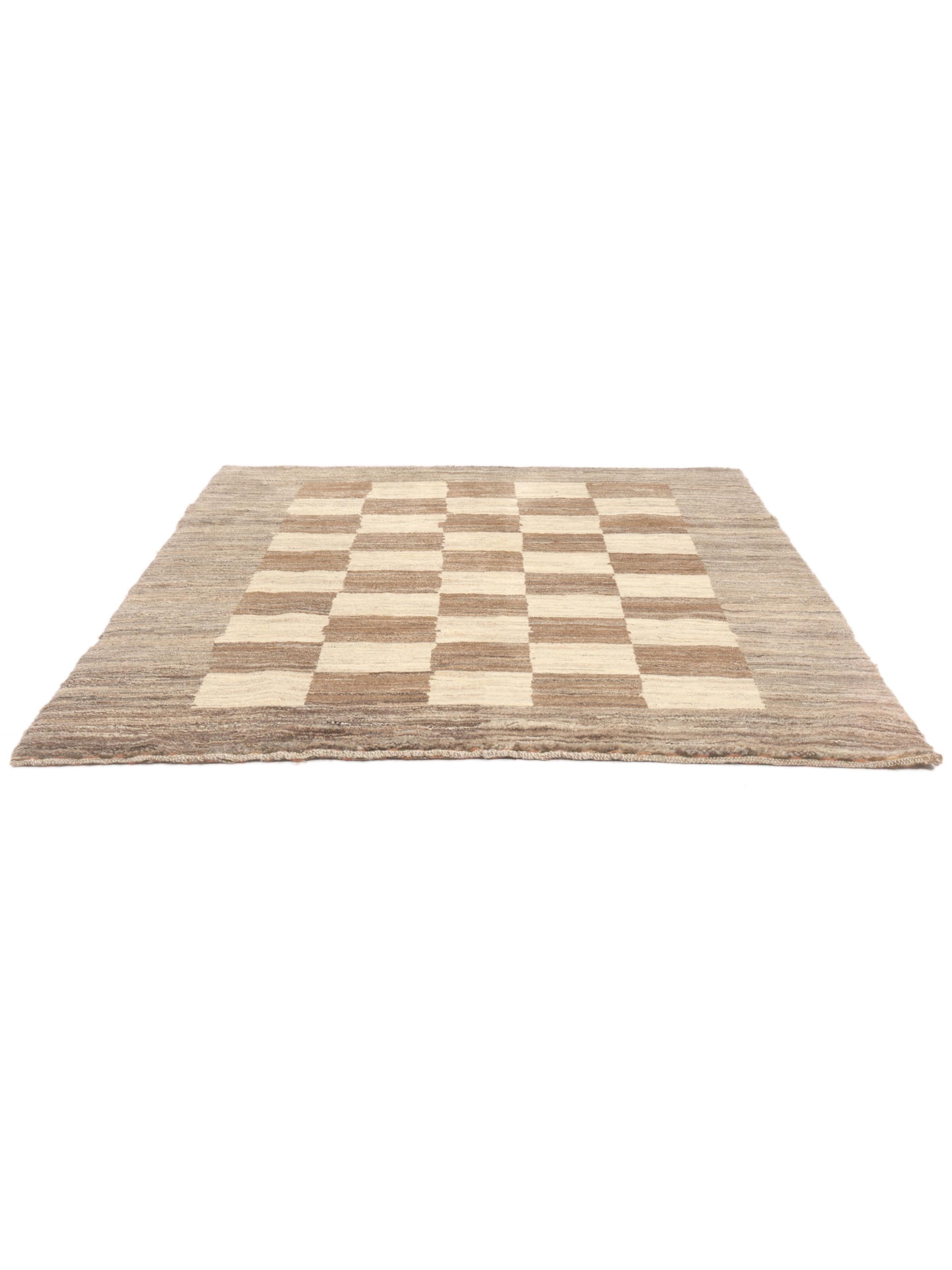
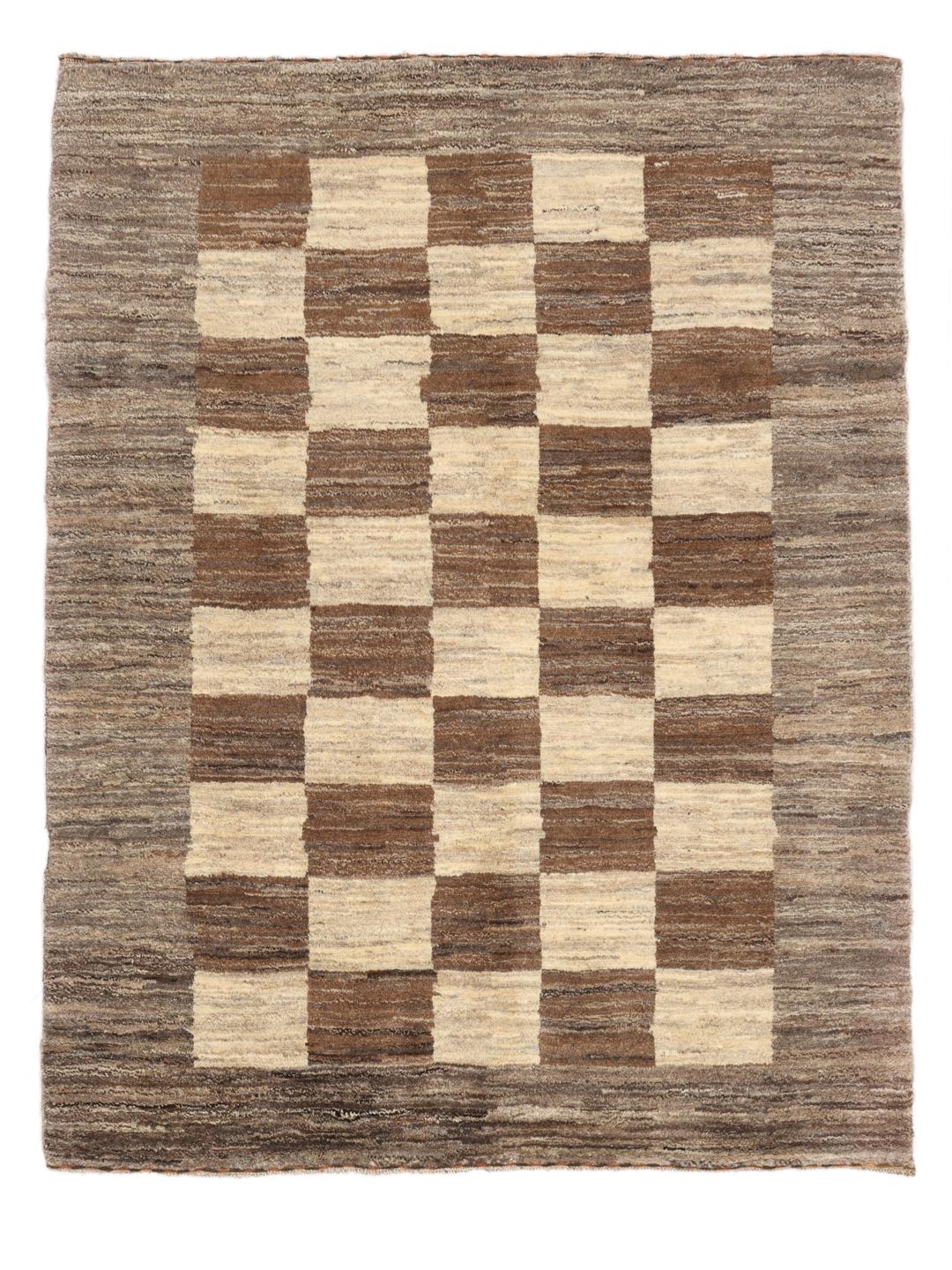
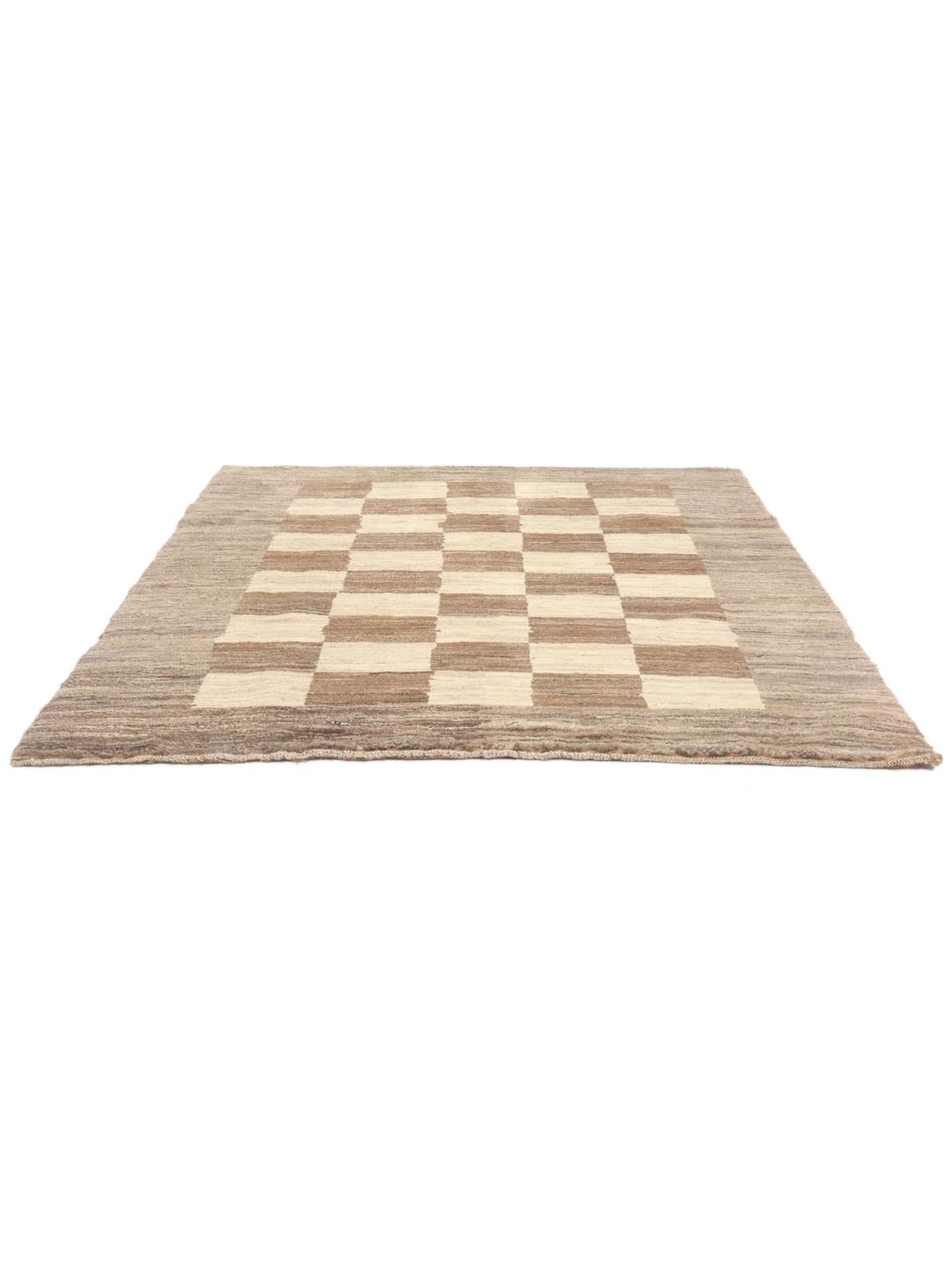
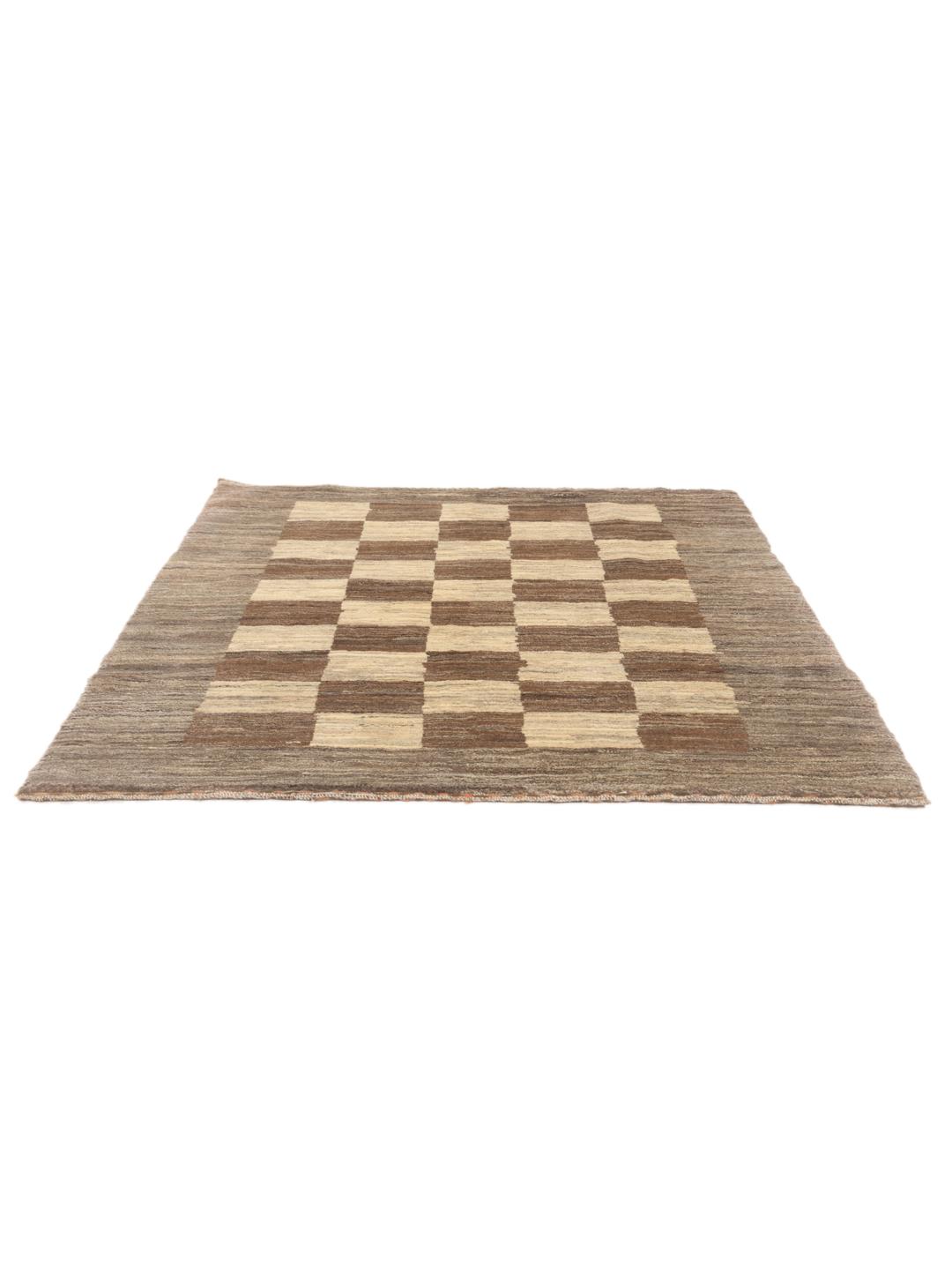
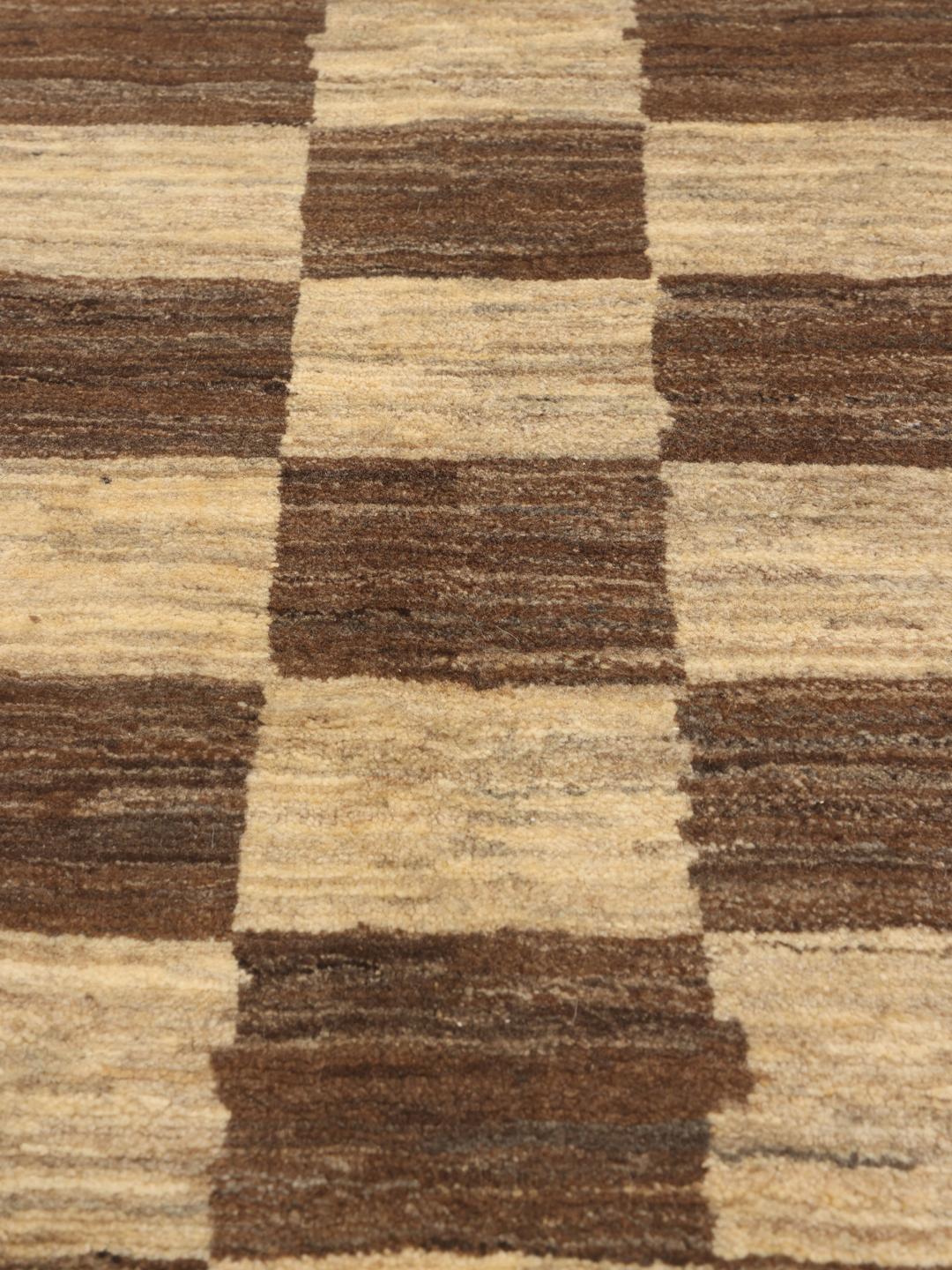
Visually, these rugs are defined by their bold, geometric motifs and expressive use of colour. While traditional designs often featured animal or human figures, the checkered pattern seen here is a classic evolution of the style, showcasing a clean, minimalist approach that highlights the texture of the wool. The use of earthy, natural tones is deeply rooted in the landscape of the regions where they are produced, reflecting a connection to the natural world.
Today, these rugs are highly valued by collectors and interior designers for their raw, authentic charm. Owning a piece from this tradition is more than just purchasing a floor covering; it is an investment in a craft that has survived for centuries. Each rug carries the spirit of its maker, offering a unique blend of heritage, skill, and enduring quality that brings a sense of cultural richness to any modern home.