The Gabbeh tradition originates from the nomadic tribes of the Middle East, where weavers historically created these rugs for their own use rather than for commercial trade. These pieces were designed to be thick and warm, serving as essential bedding and floor coverings for life in rugged, mountainous landscapes. Over time, these rugs evolved from simple, functional mats into celebrated works of art, prized for their expressive designs and deep cultural roots.
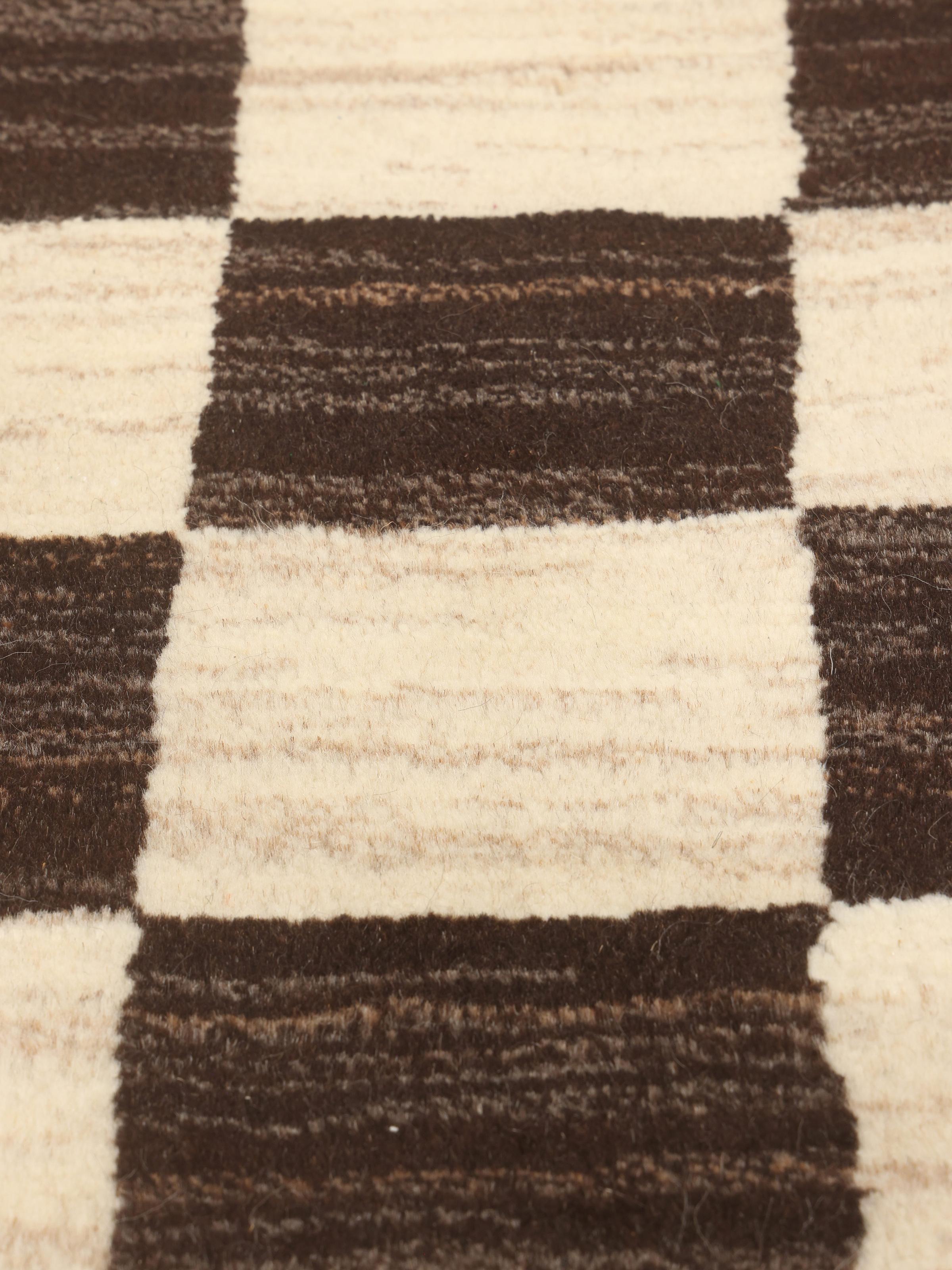
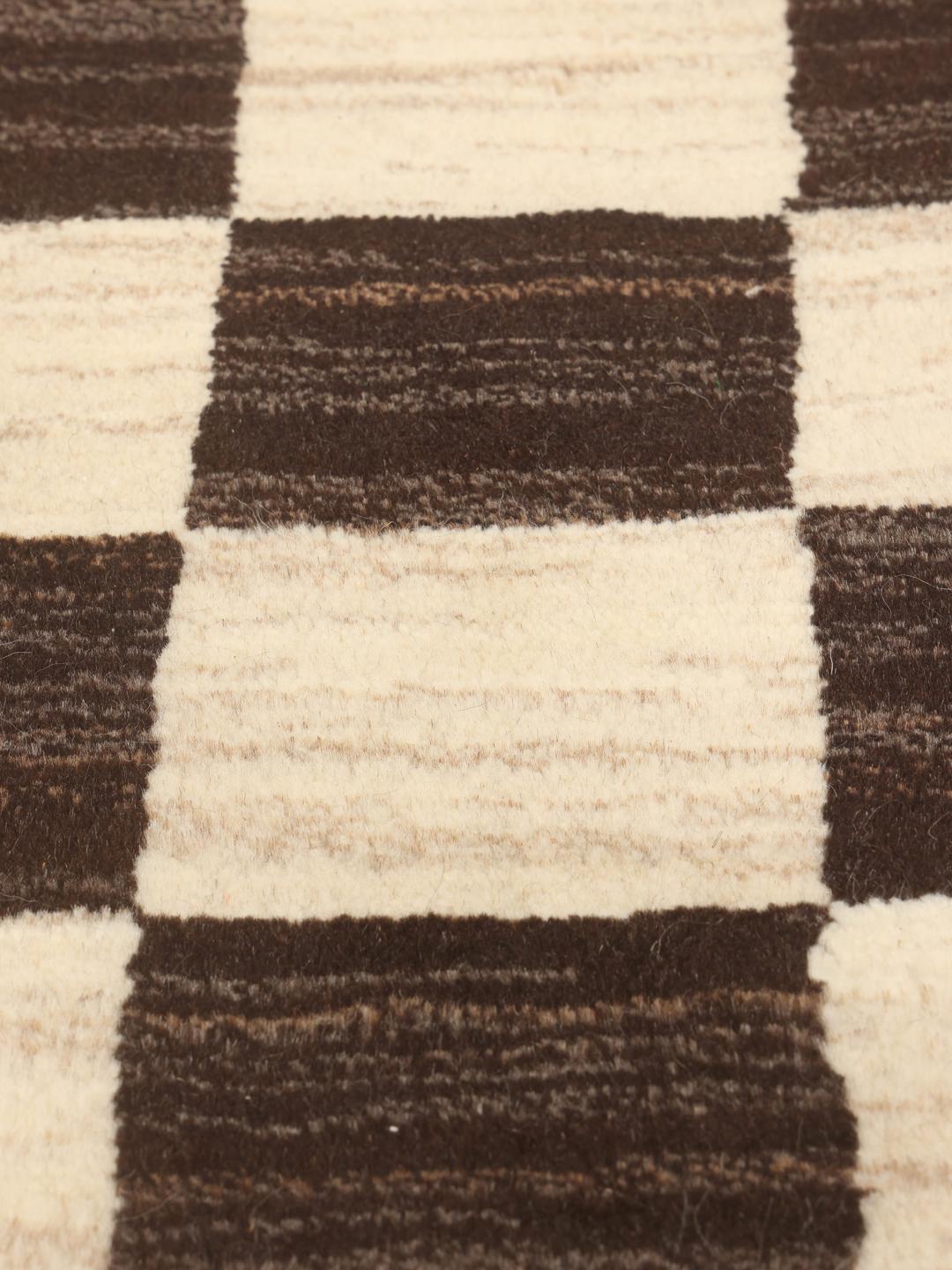
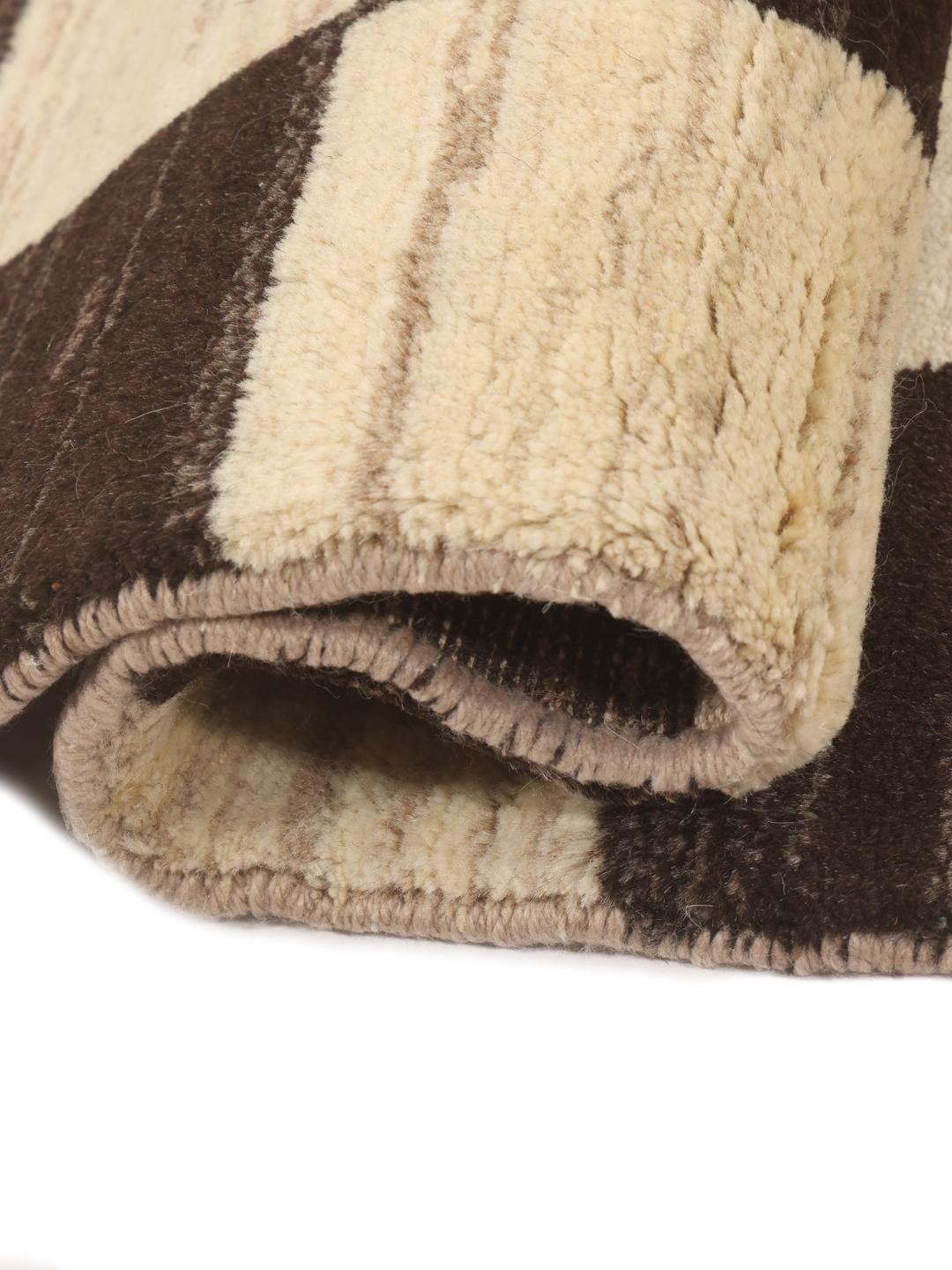
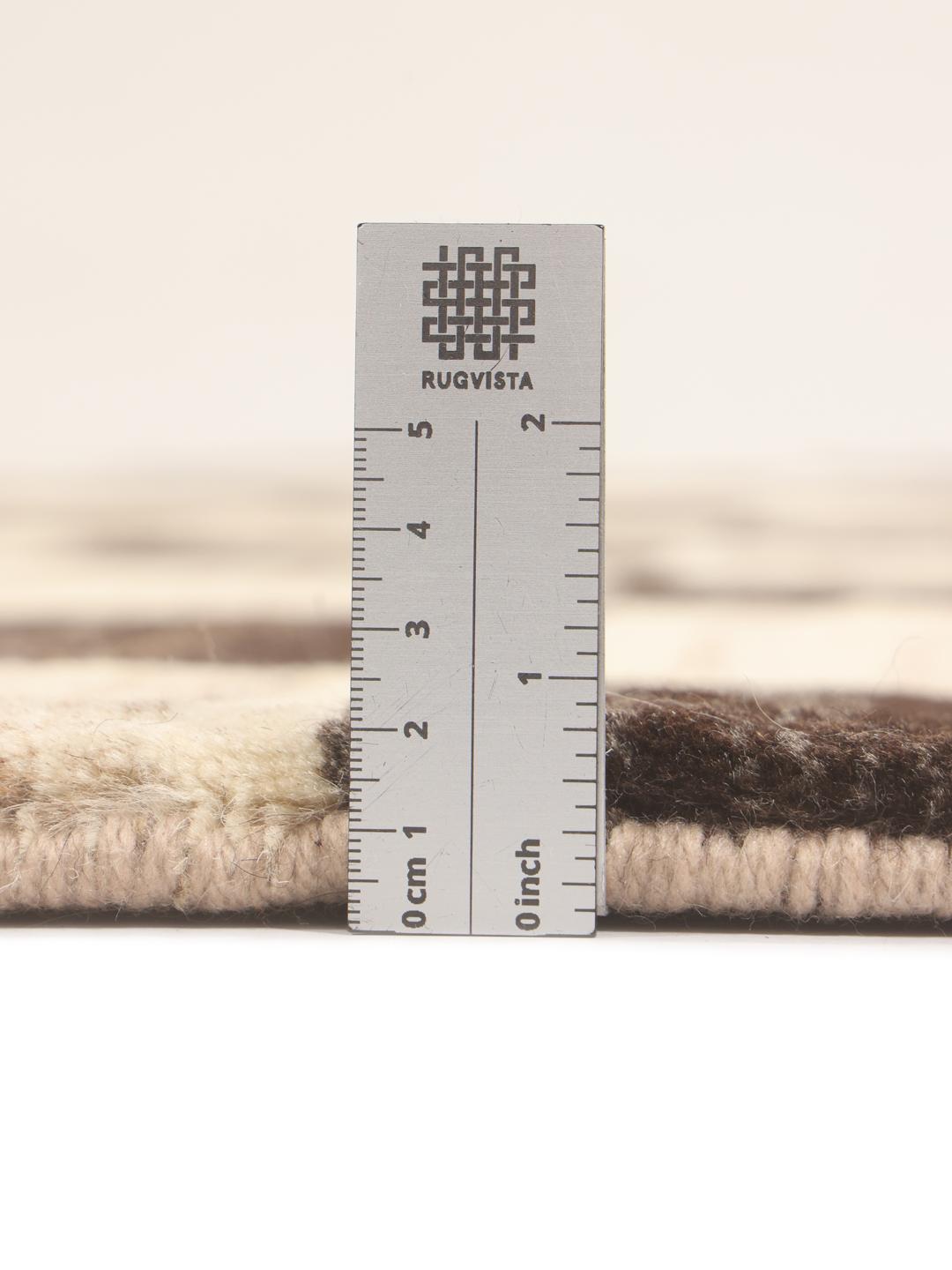
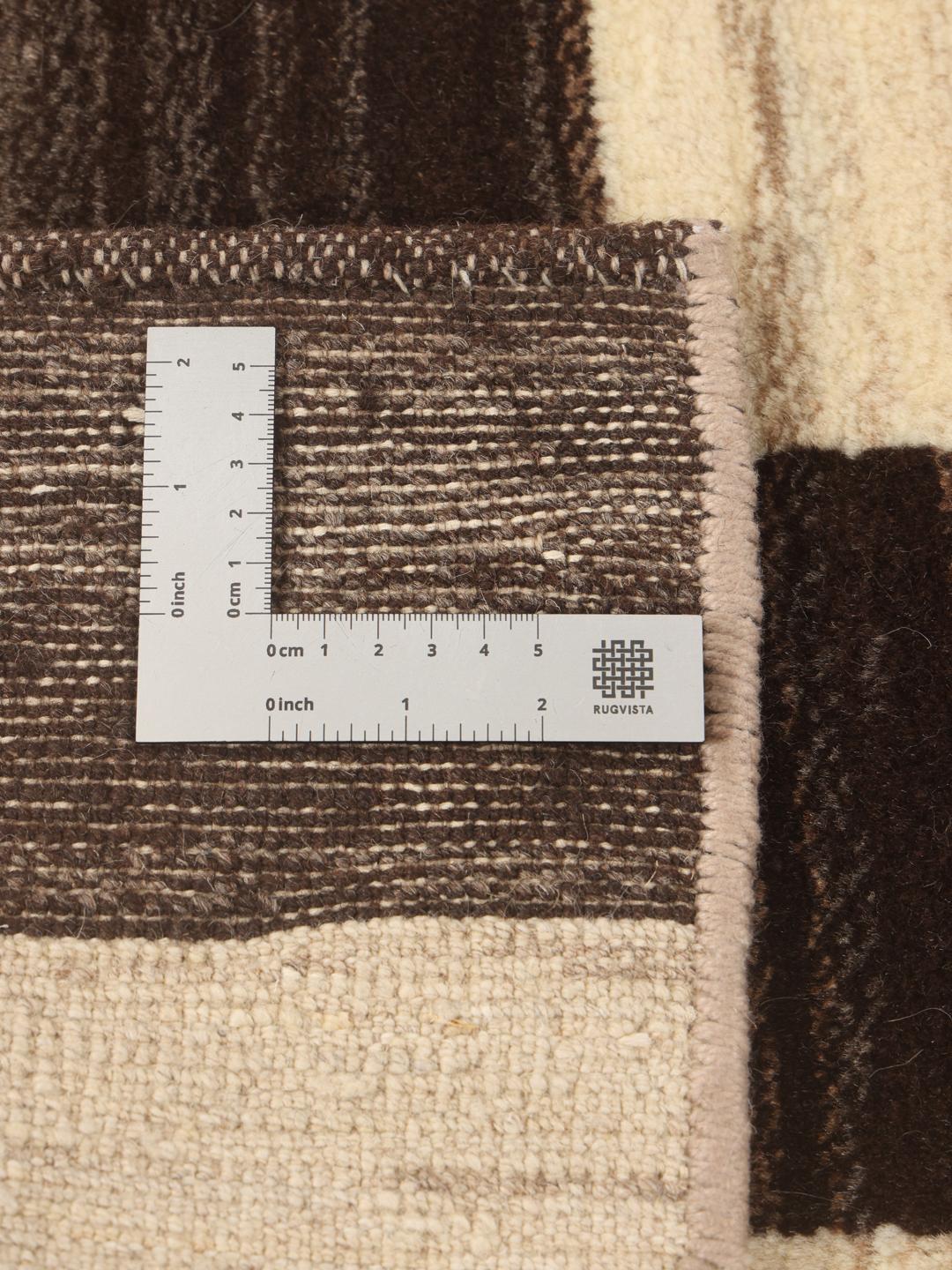
The term 'Gabbeh' refers to a style of rug that is typically coarser and thicker than other regional varieties. This construction is intentional, as it allows for a deeper, more plush pile that provides superior insulation. By using a heavier, multi-ply wool yarn, the weavers achieve a level of durability and softness that makes these rugs incredibly comfortable for long-term use in the home.
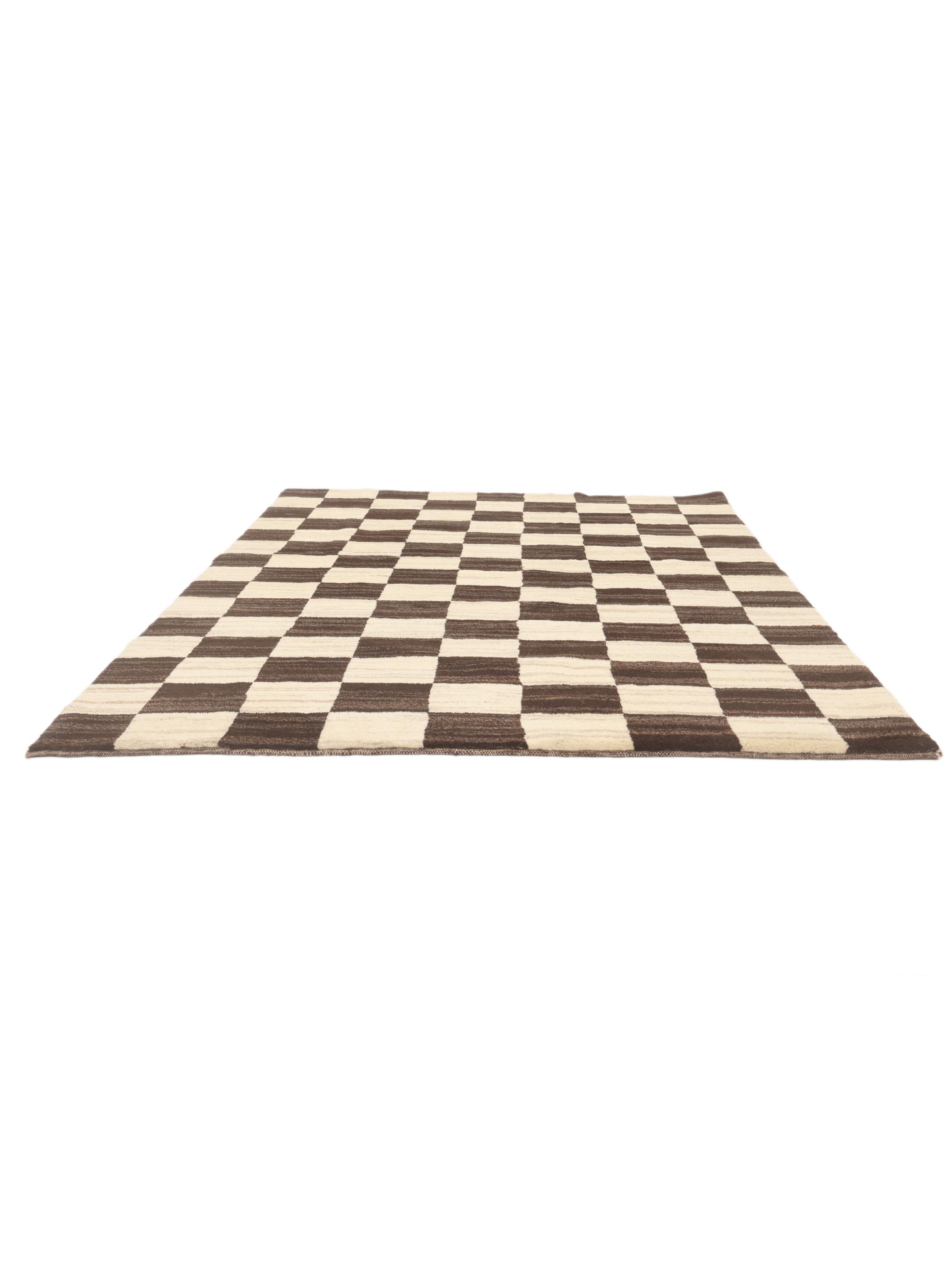
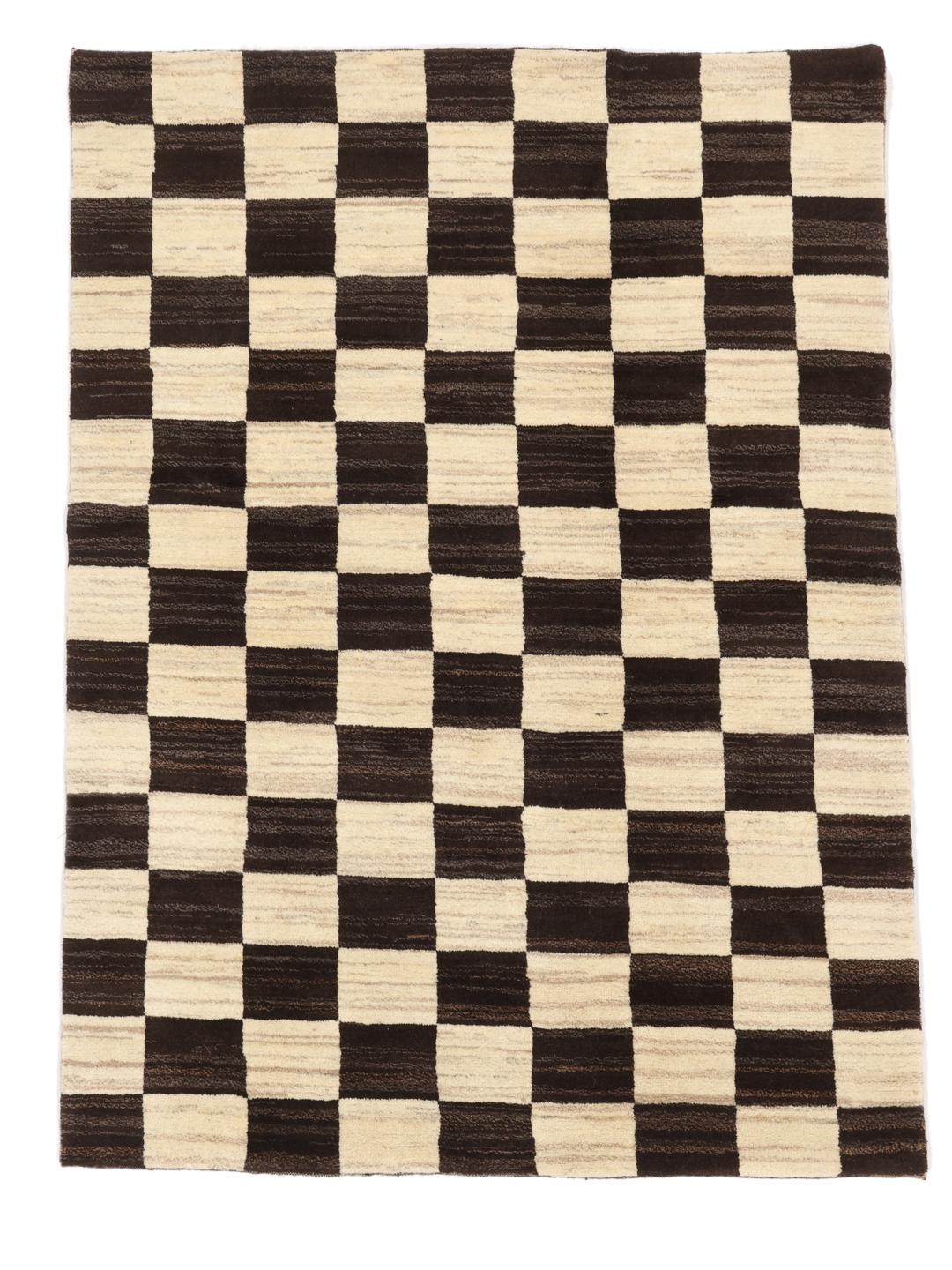
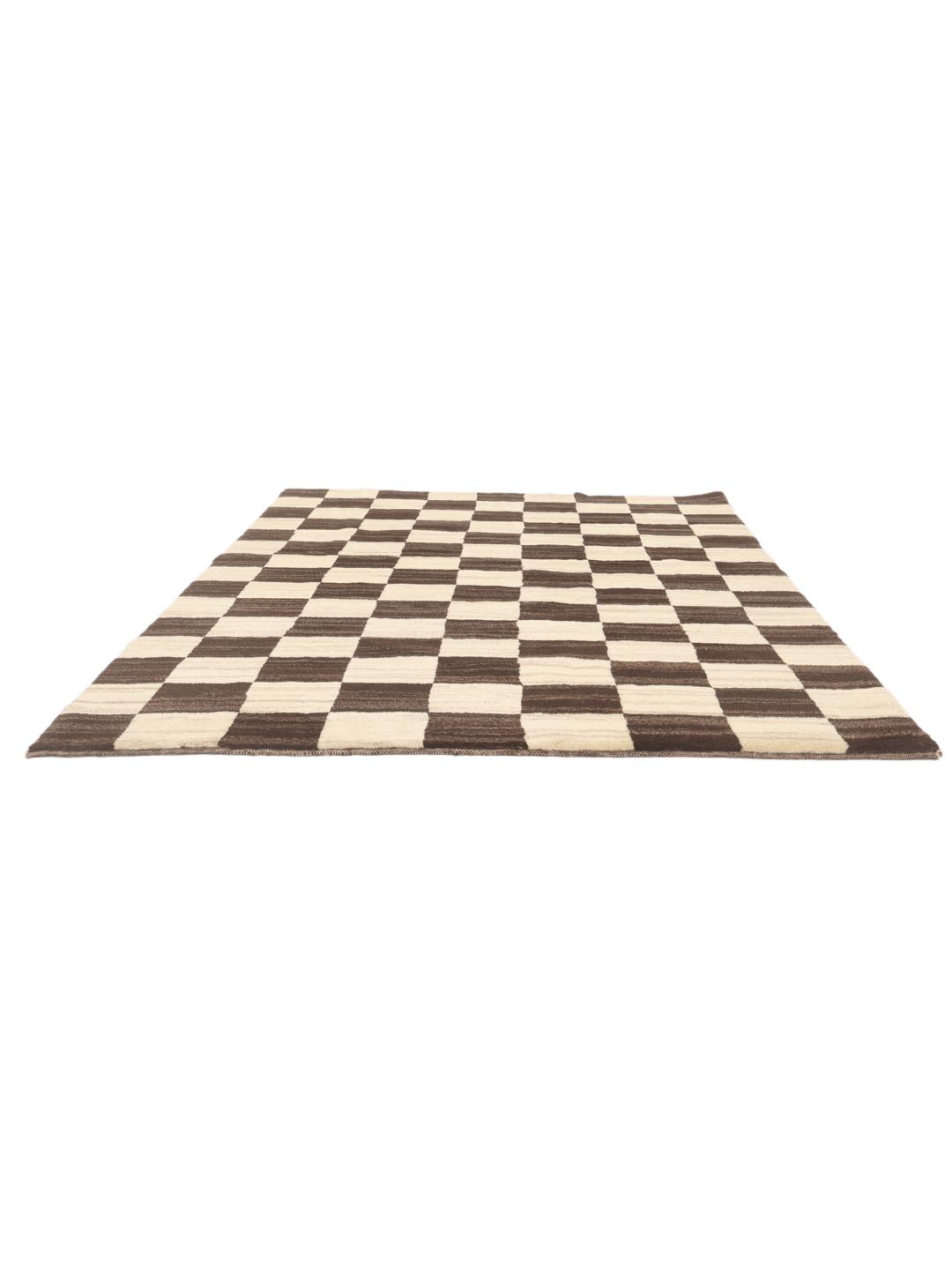
Visually, these rugs are known for their minimalist approach, often featuring large geometric motifs or, as seen here, bold patterns like the checkerboard. While traditional designs often used simple, rustic colour palettes derived from natural dyes, modern interpretations like this one embrace strong, graphic contrasts. This versatility allows them to bridge the gap between ancient craft and modern interior design.
Collecting a rug from this tradition is about valuing the human connection in every thread. These pieces are not just floor coverings but artefacts of a nomadic culture that prioritised individual expression and storytelling. Owning one is an opportunity to keep this heritage alive, bringing a piece of history and genuine craft into your living space.