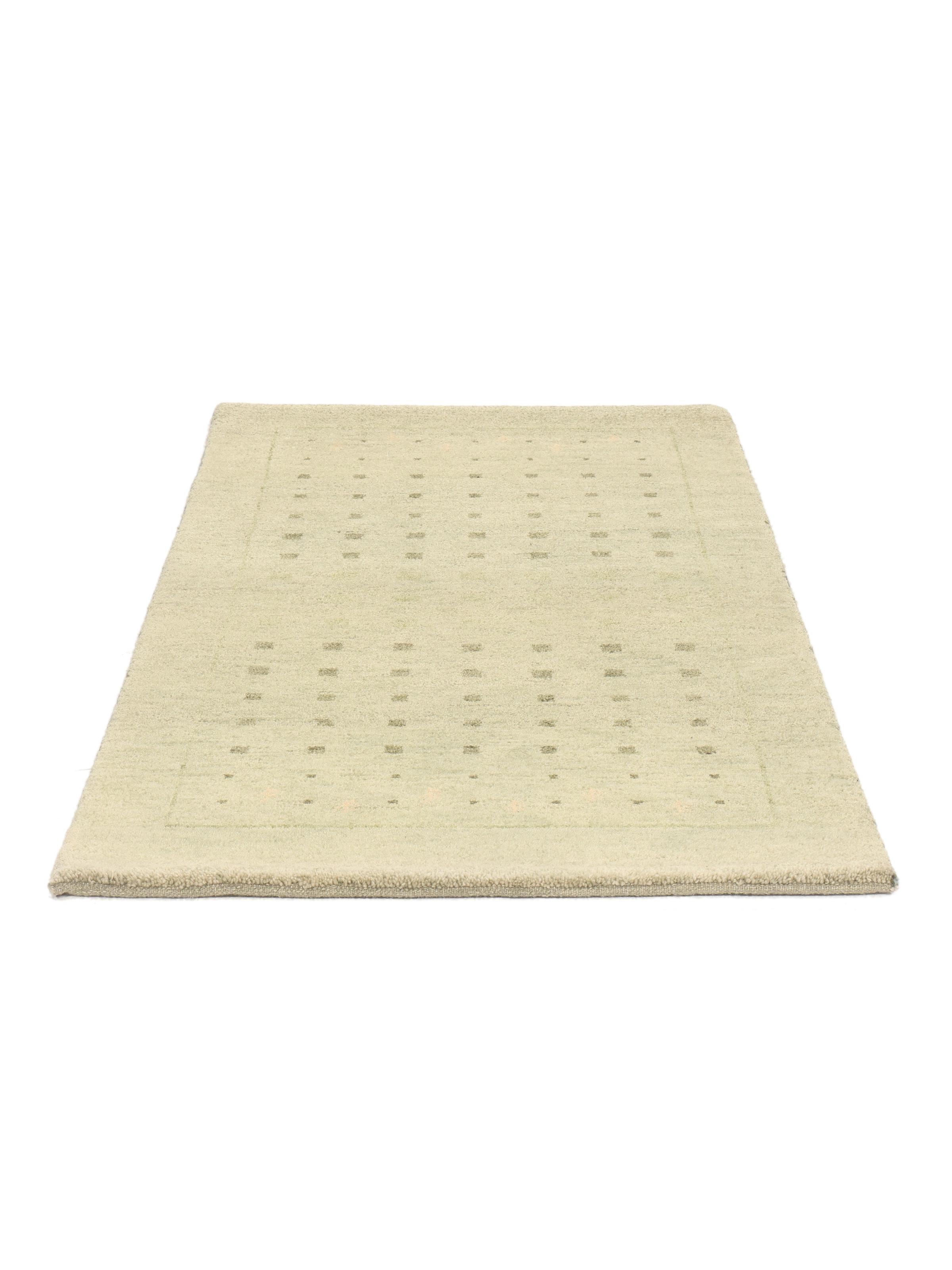
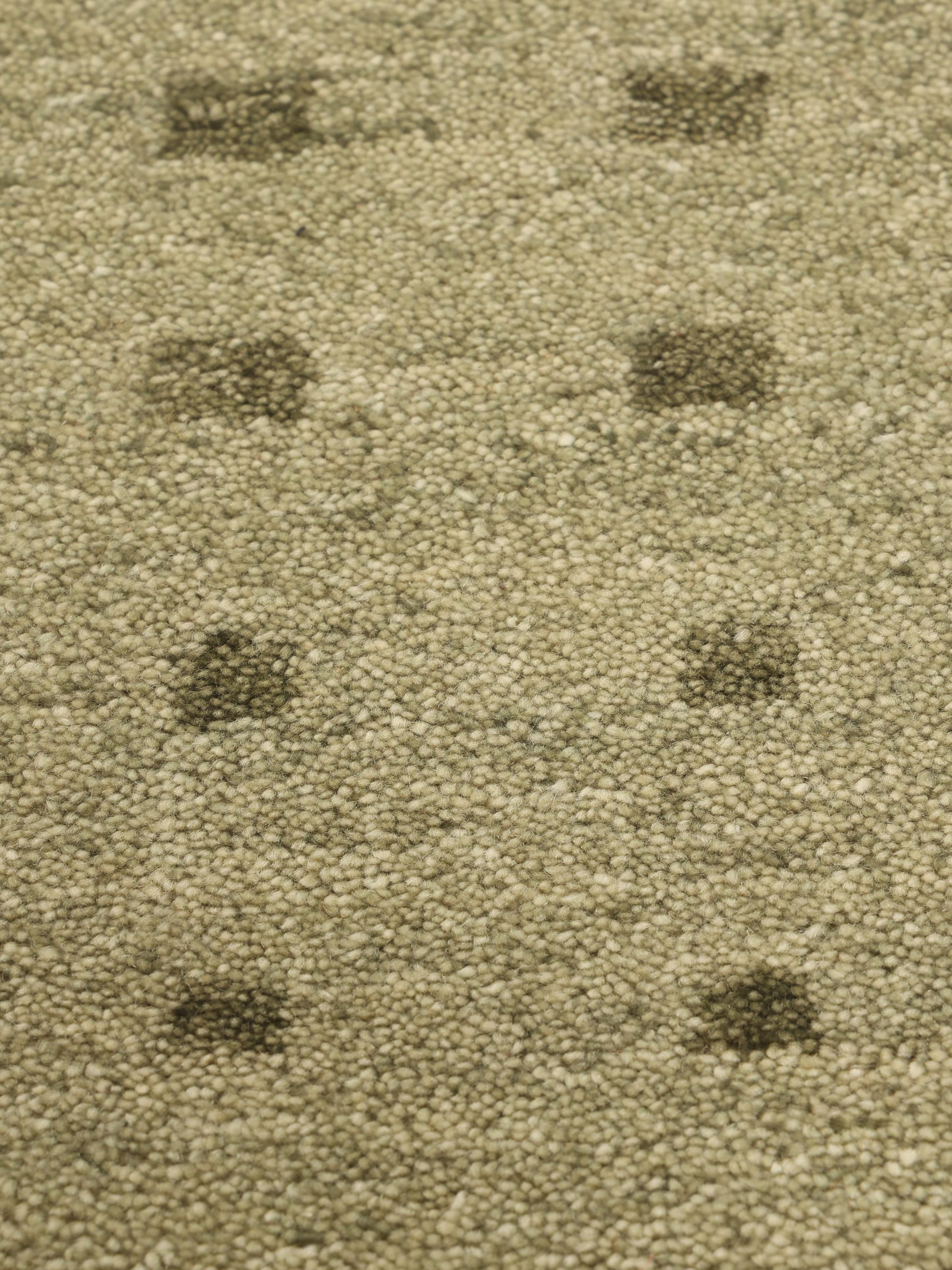
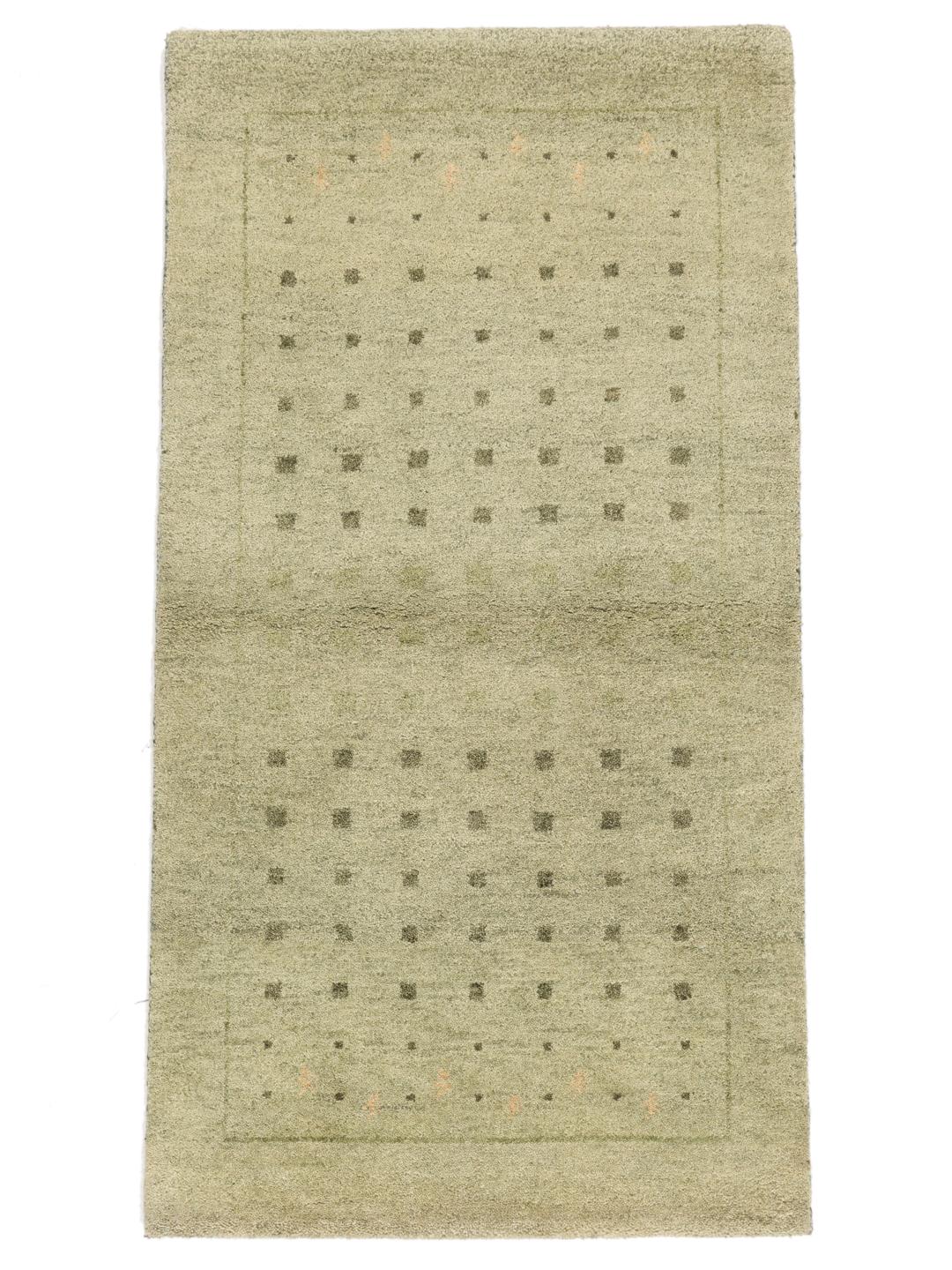
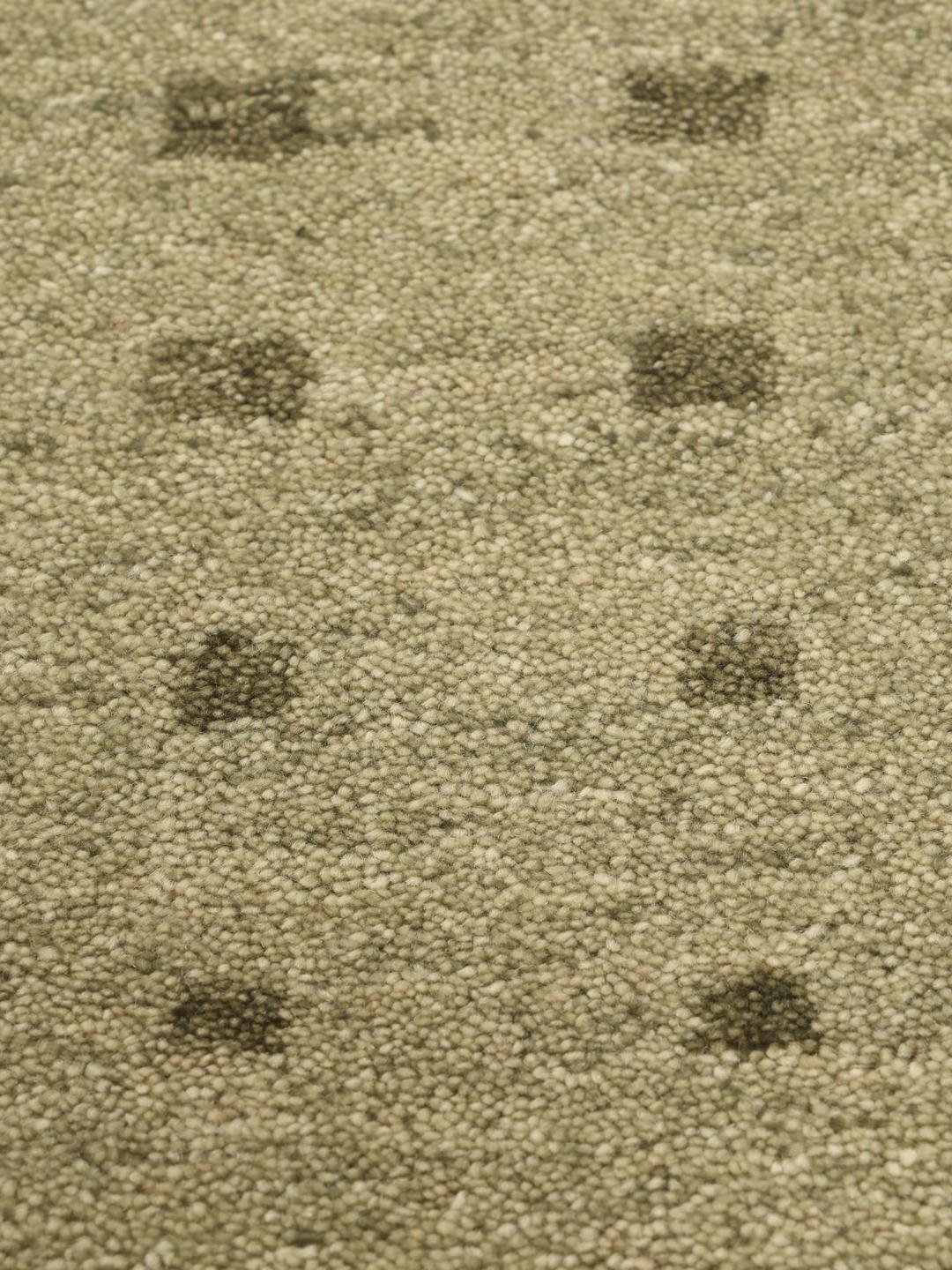
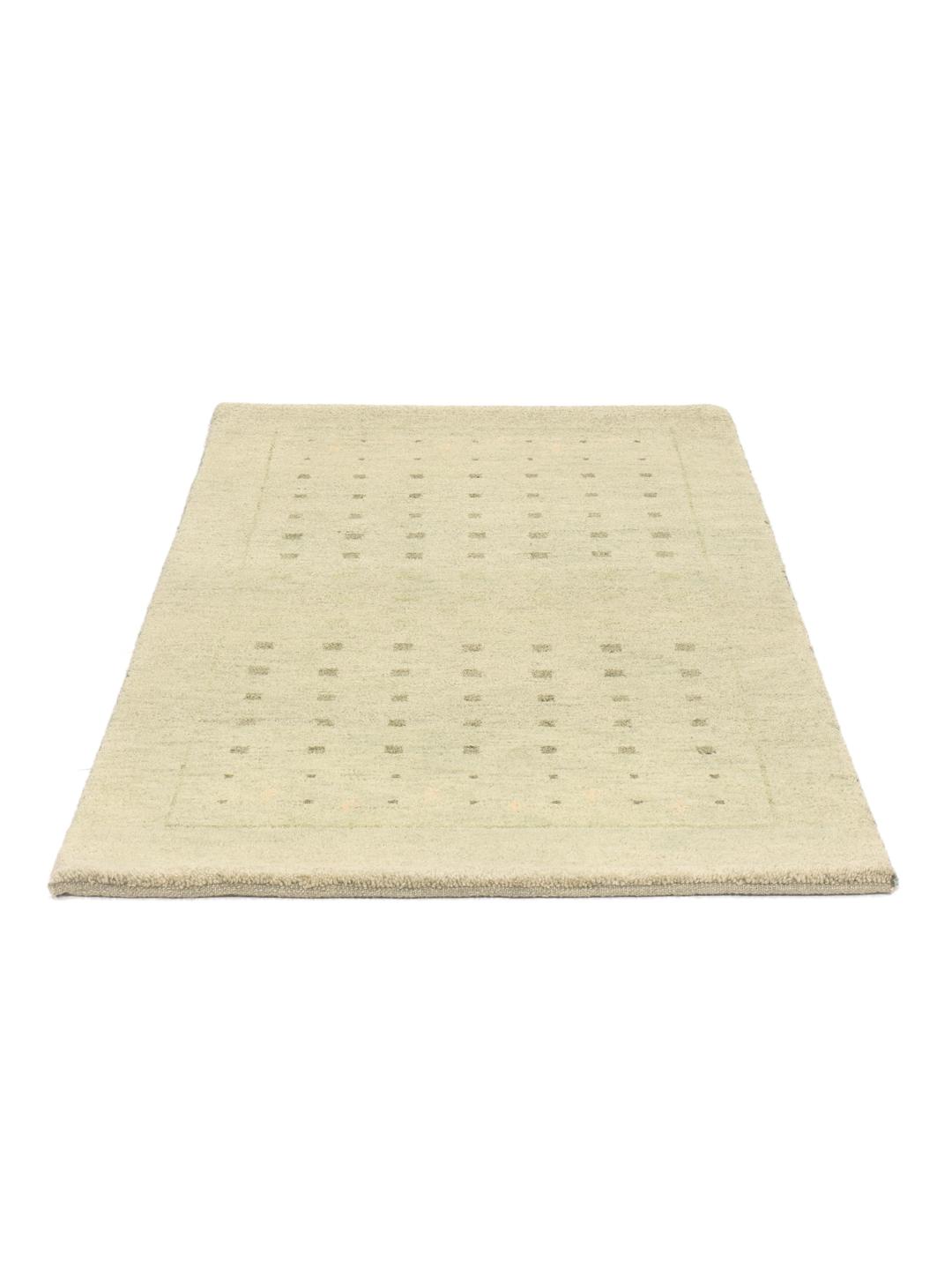
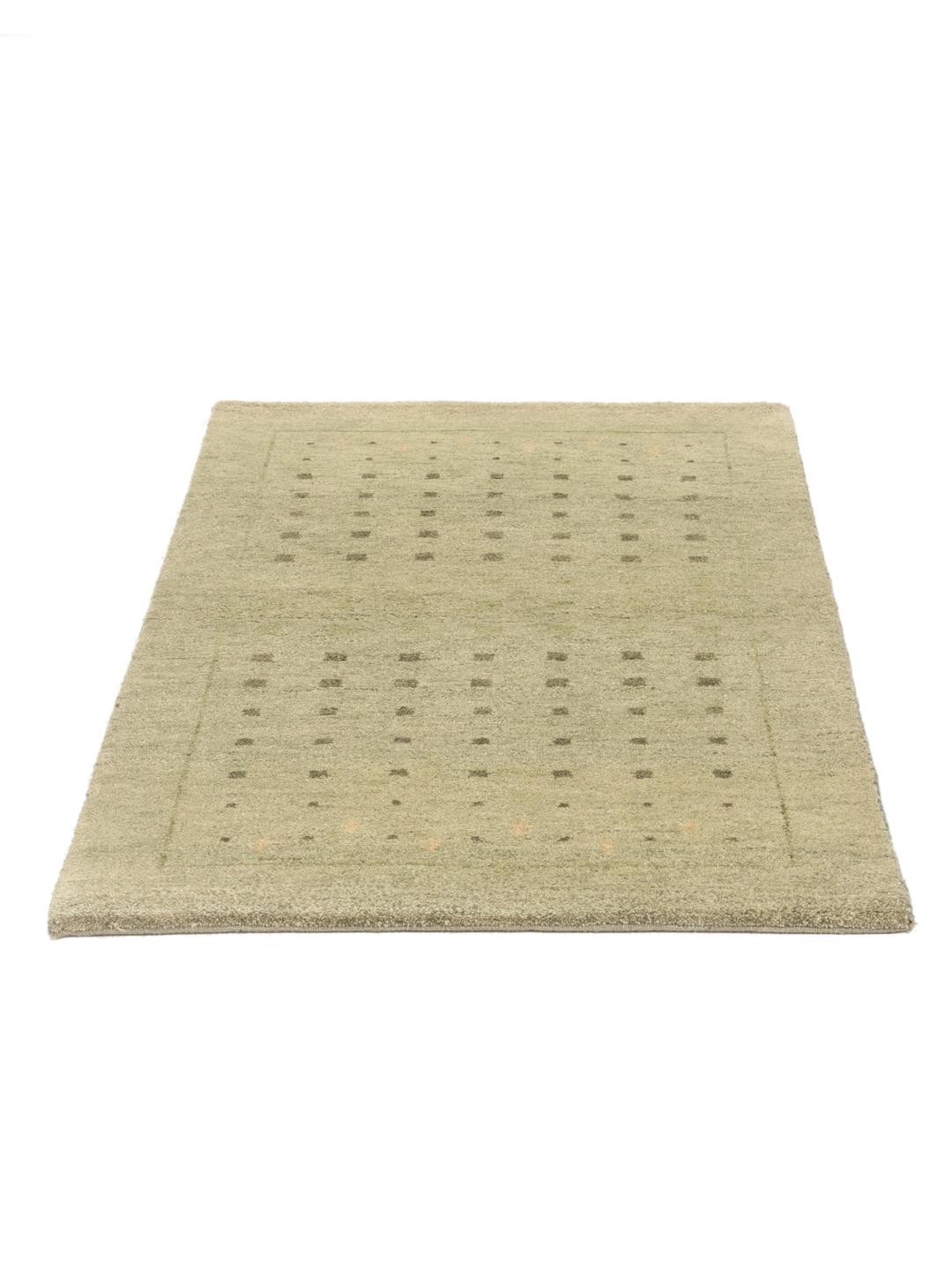
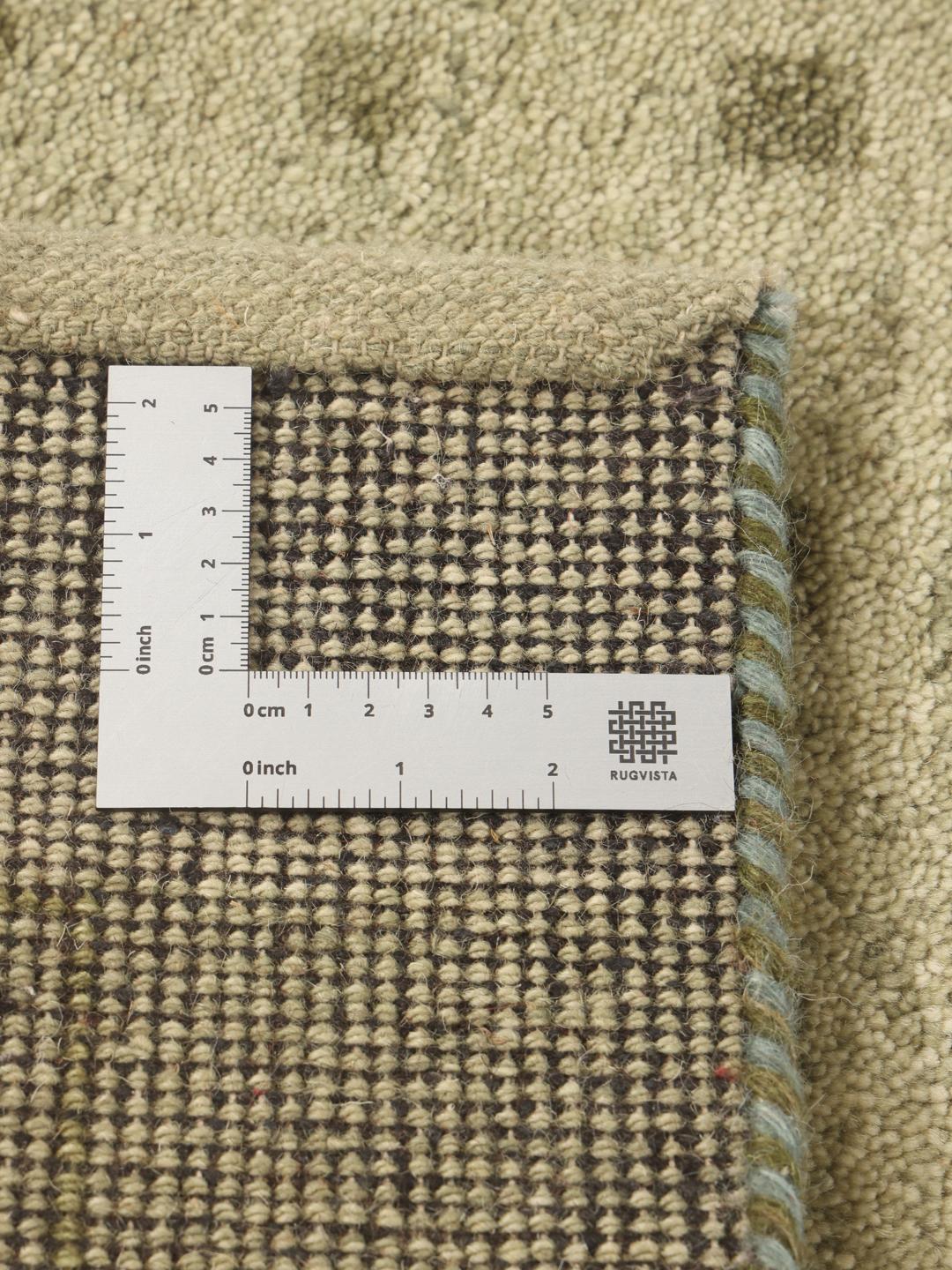
The Gabbeh rug tradition originates from the tribal regions of the Middle East, where weavers historically created these pieces for personal use rather than for trade. Unlike formal, city-made rugs, Gabbeh rugs were traditionally woven by nomadic tribes, leading to a style that emphasises spontaneity, bold simplicity, and the weaver’s personal expression.
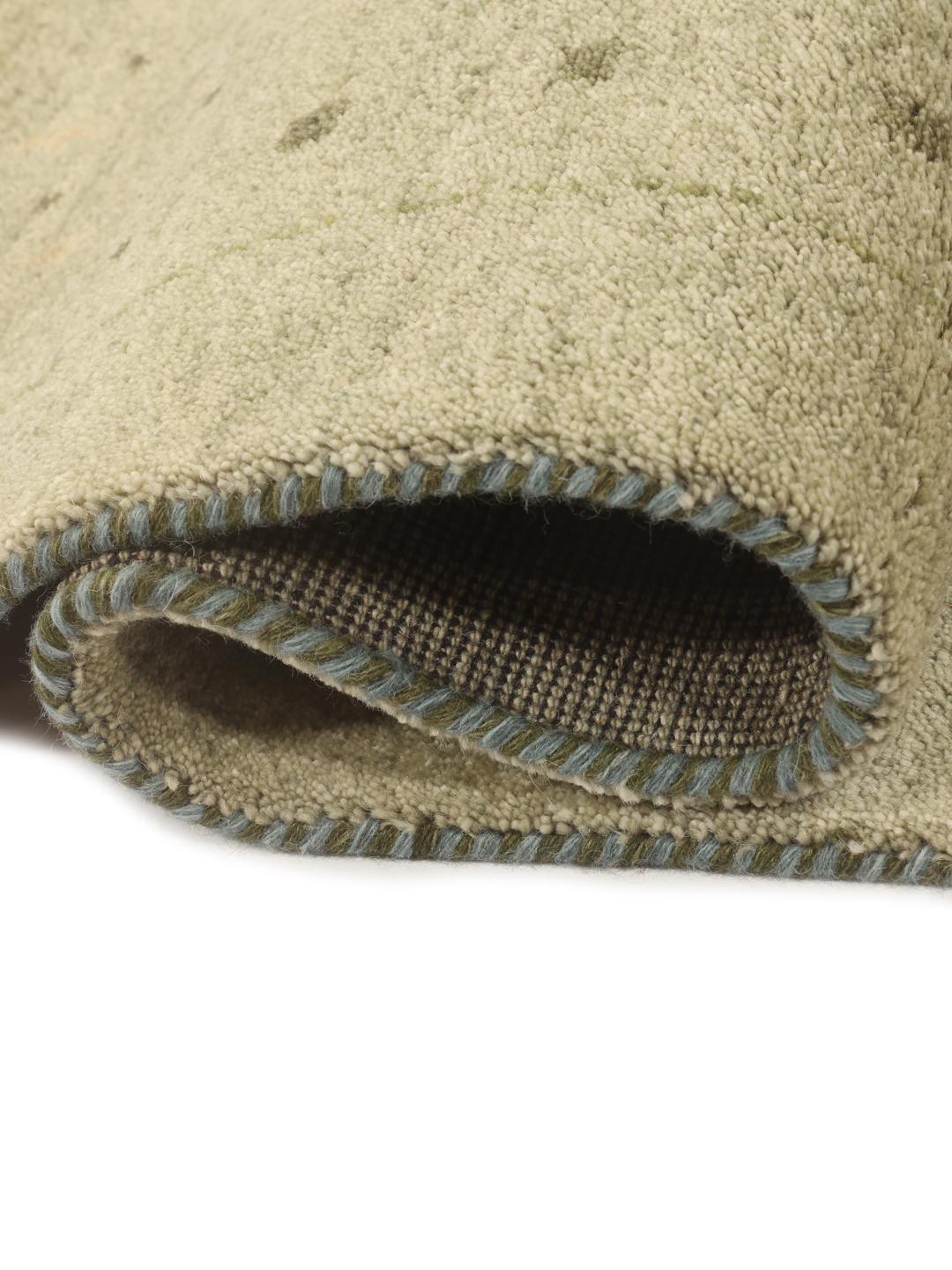
The term 'Gabbeh' itself means 'raw' or 'natural' in the local dialect, which perfectly captures the essence of these rugs. They are known for their thick, chunky wool pile and an aesthetic that often prioritises solid fields of colour or simple, geometric motifs over the intricate, floral designs seen in other regional traditions.
While the style is rooted in ancient nomadic practices, modern Gabbeh production in India has evolved to embrace a more refined, 'fine' quality. This evolution maintains the soul of the traditional weaving techniques while adapting to the needs of contemporary homes, resulting in rugs that are both culturally rich and highly practical for modern living.
Owning a Gabbeh is about more than just floor decor; it is an appreciation of a heritage that values human connection and the tactile nature of natural fibres. These rugs are collected for their honest character and the unique, unscripted beauty that only a piece created by hand can provide.