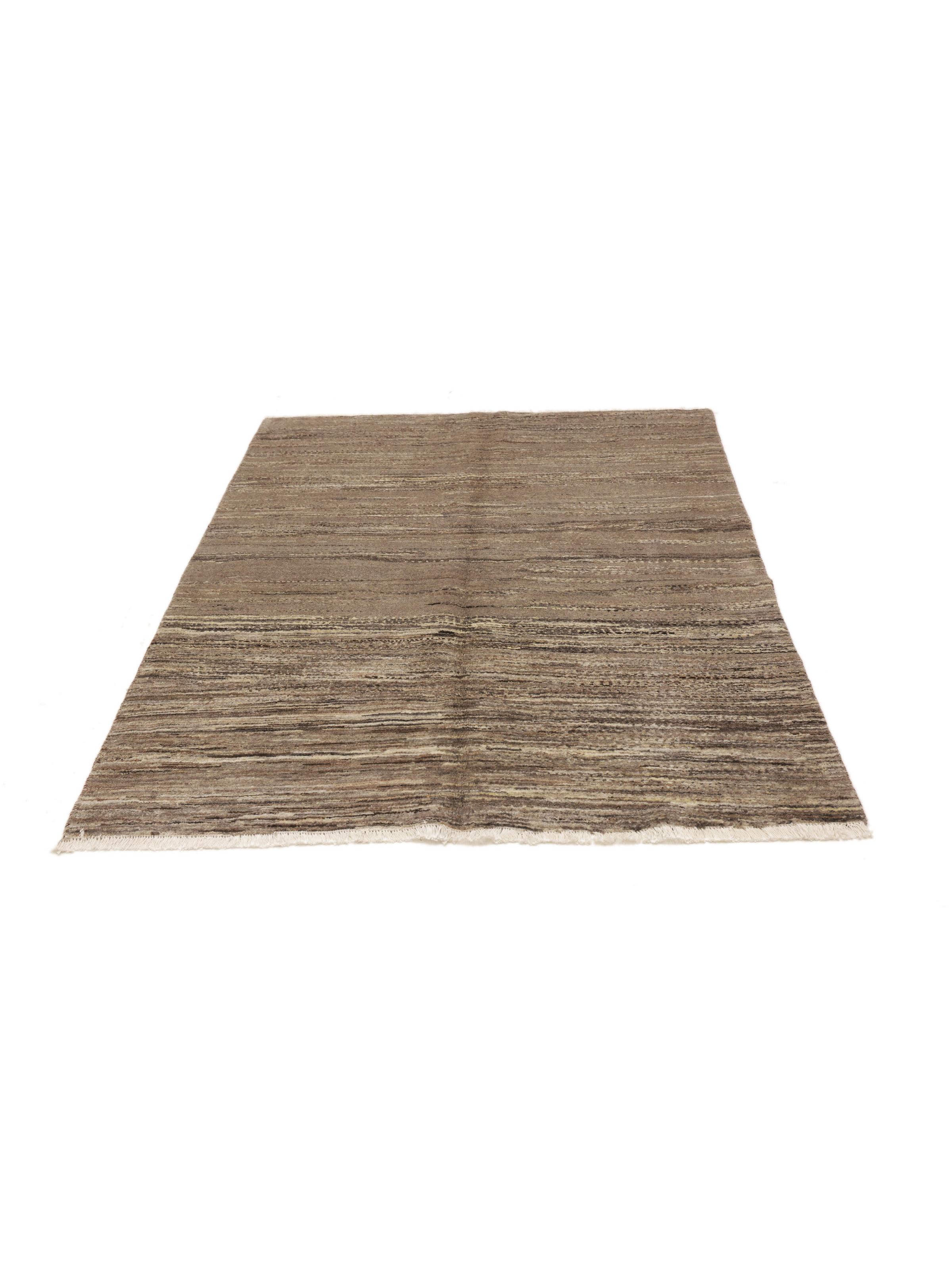
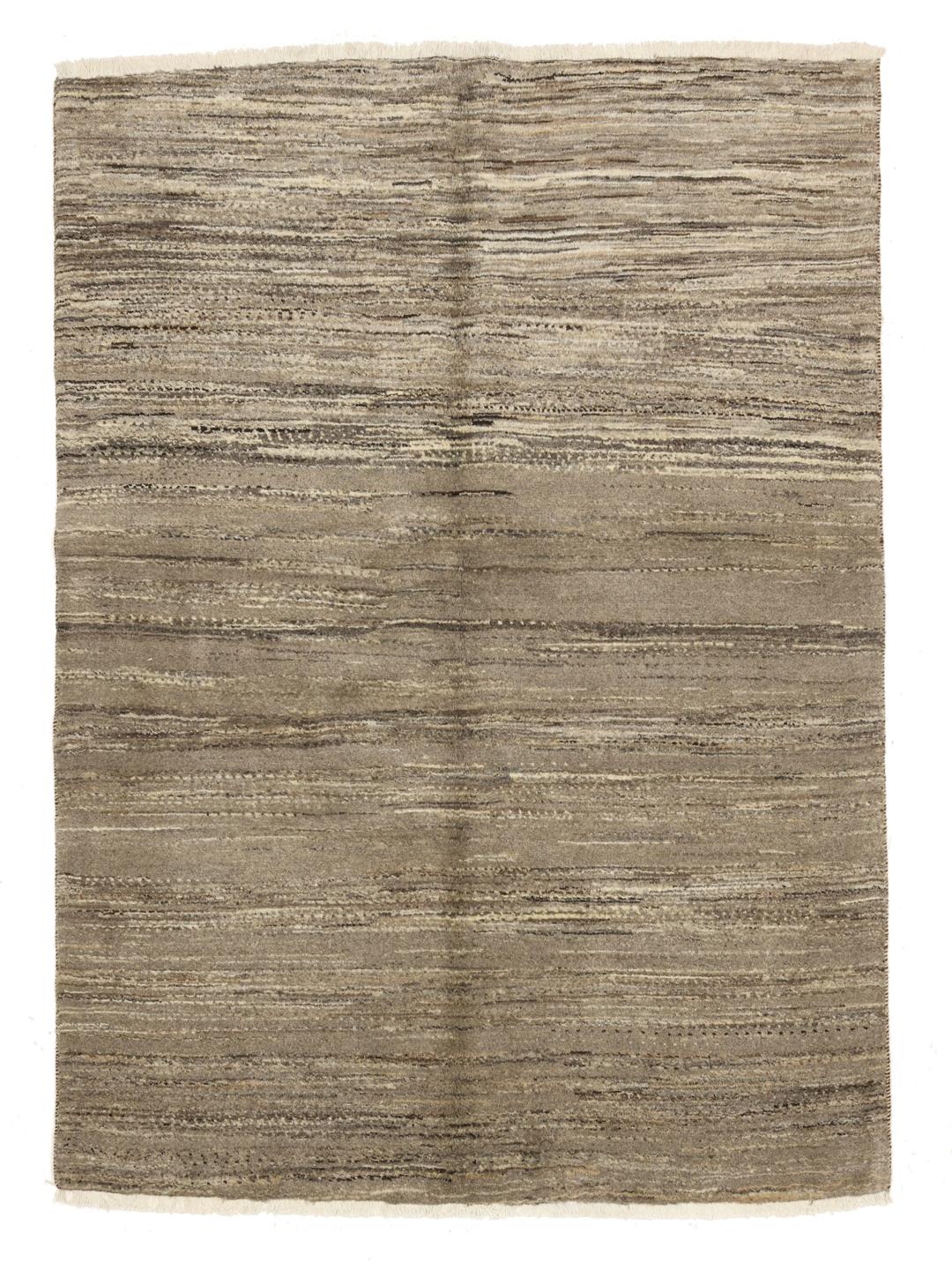
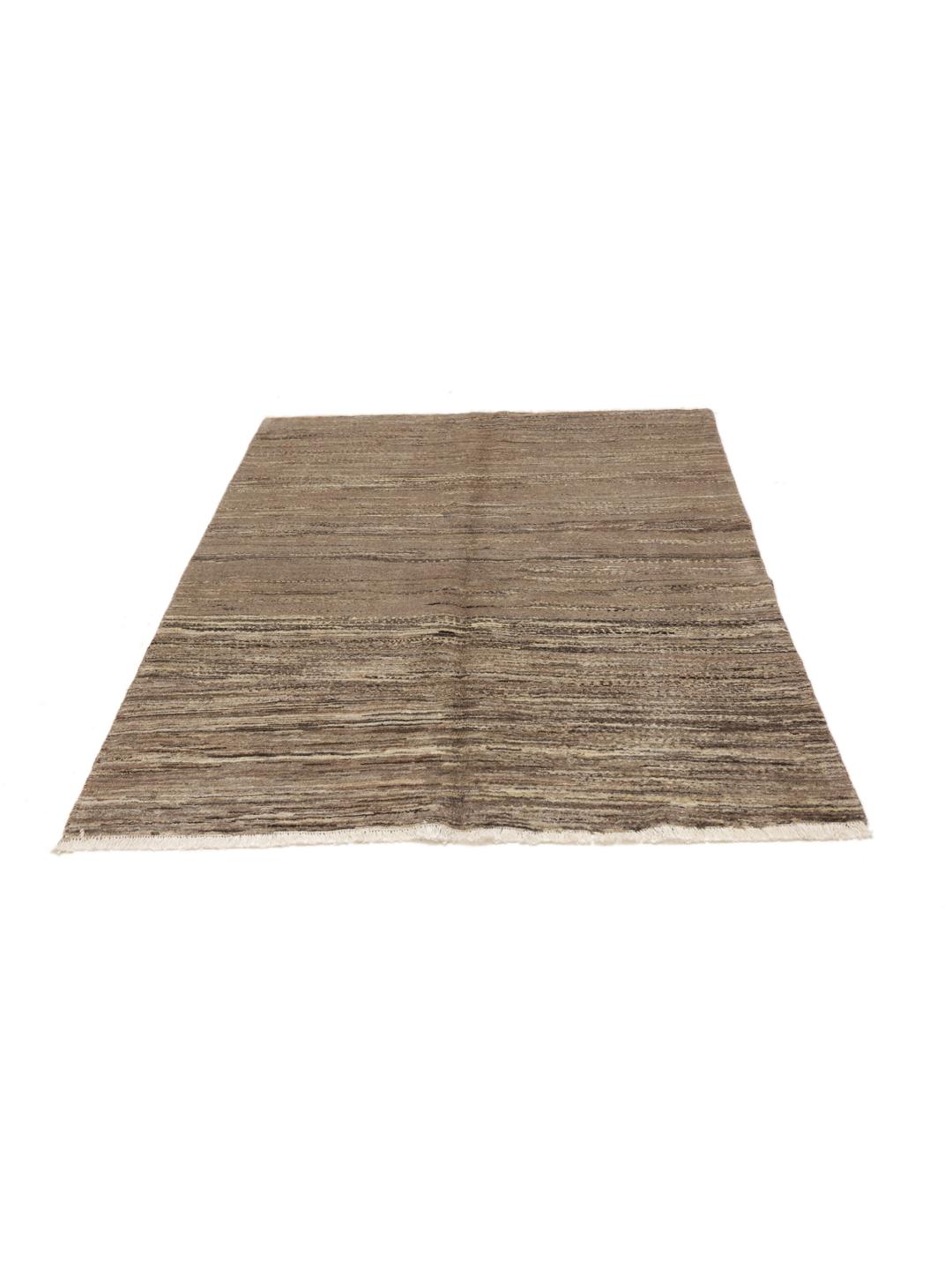
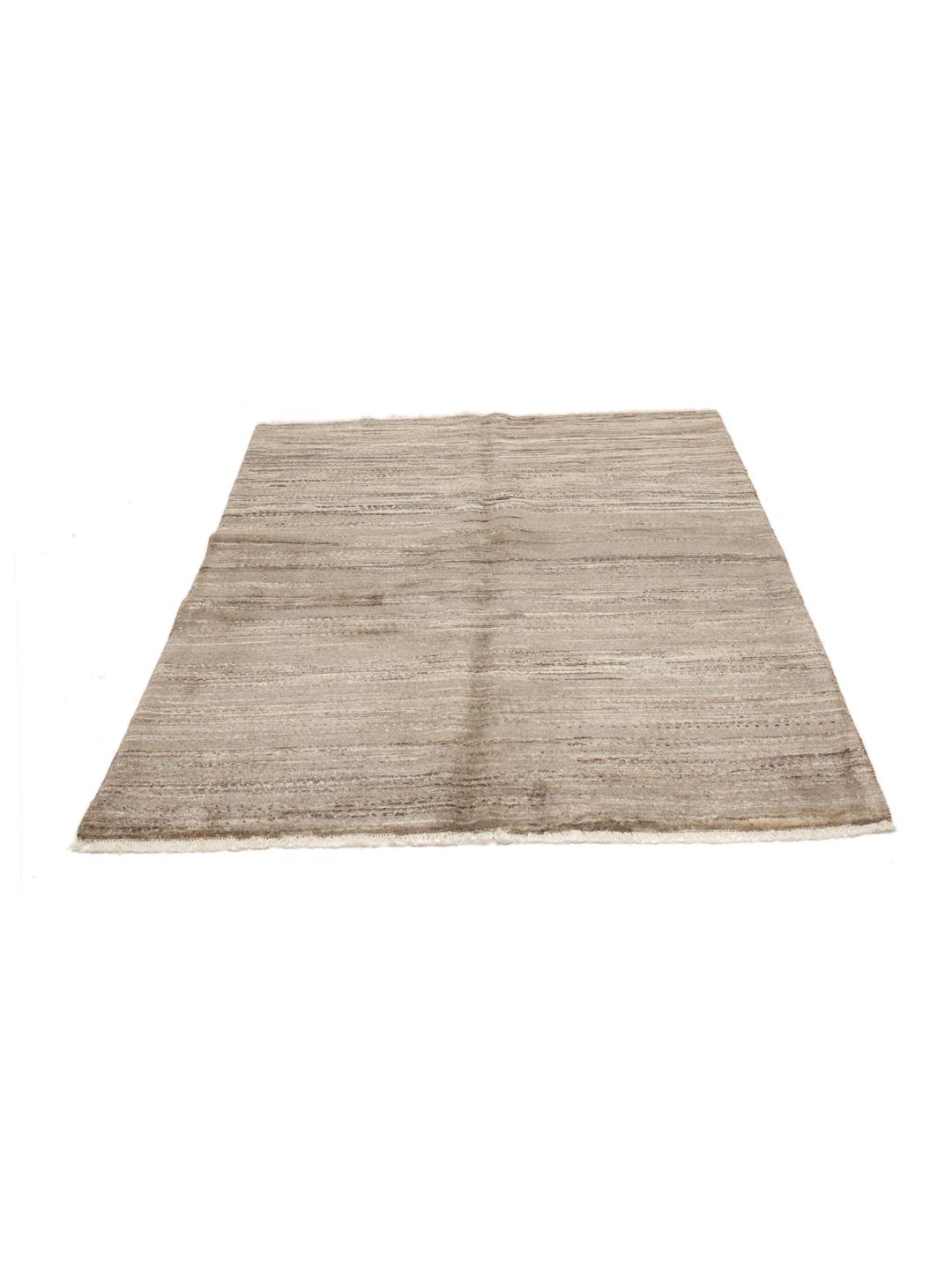
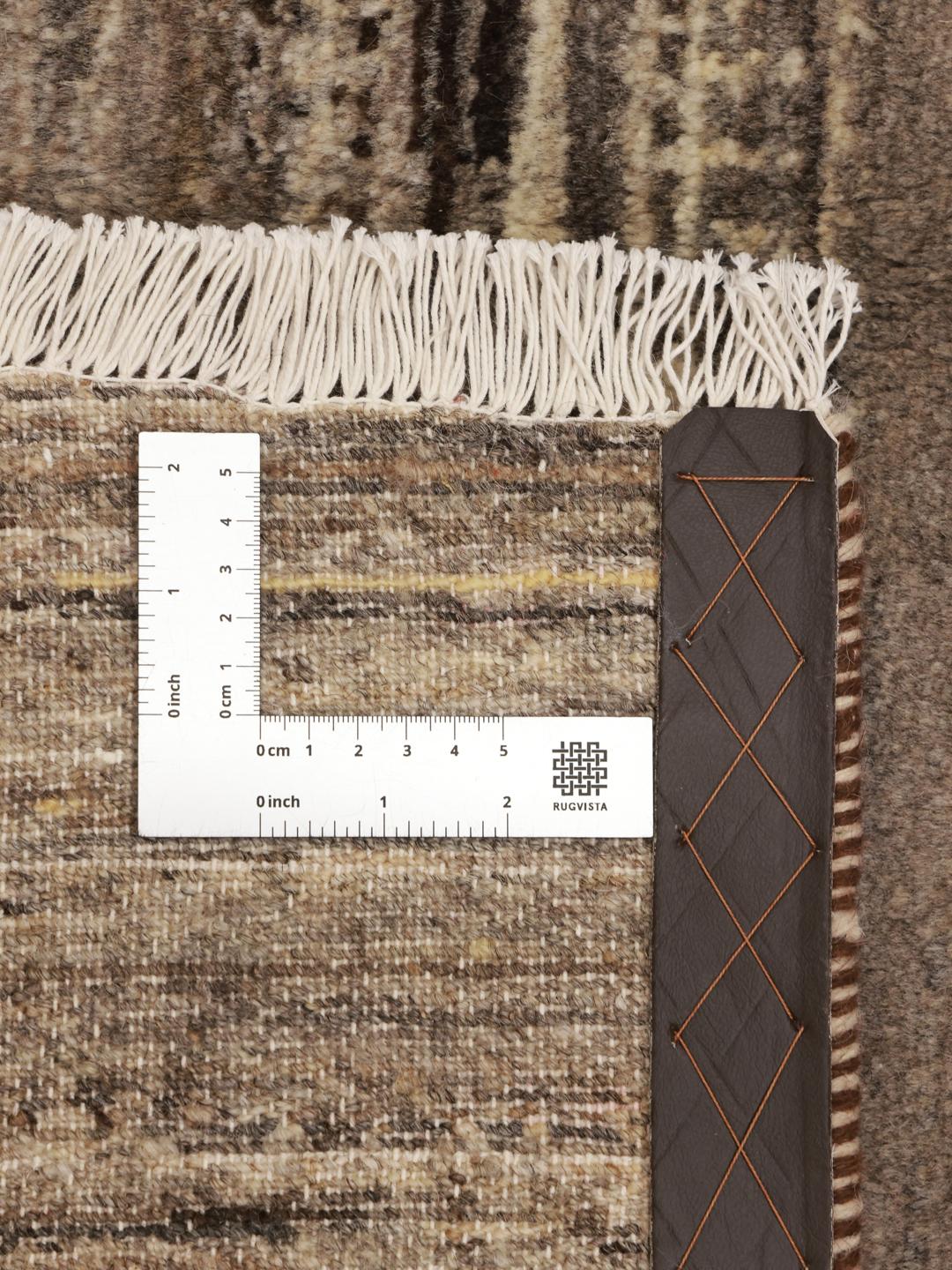
The Gabbeh tradition originates from the nomadic tribes of the Middle East, who created these rugs primarily for their own practical use. Unlike more formal, city-made rugs that often feature intricate floral patterns, these pieces were designed to provide warmth and comfort in the rugged, high-altitude landscapes where these communities lived.
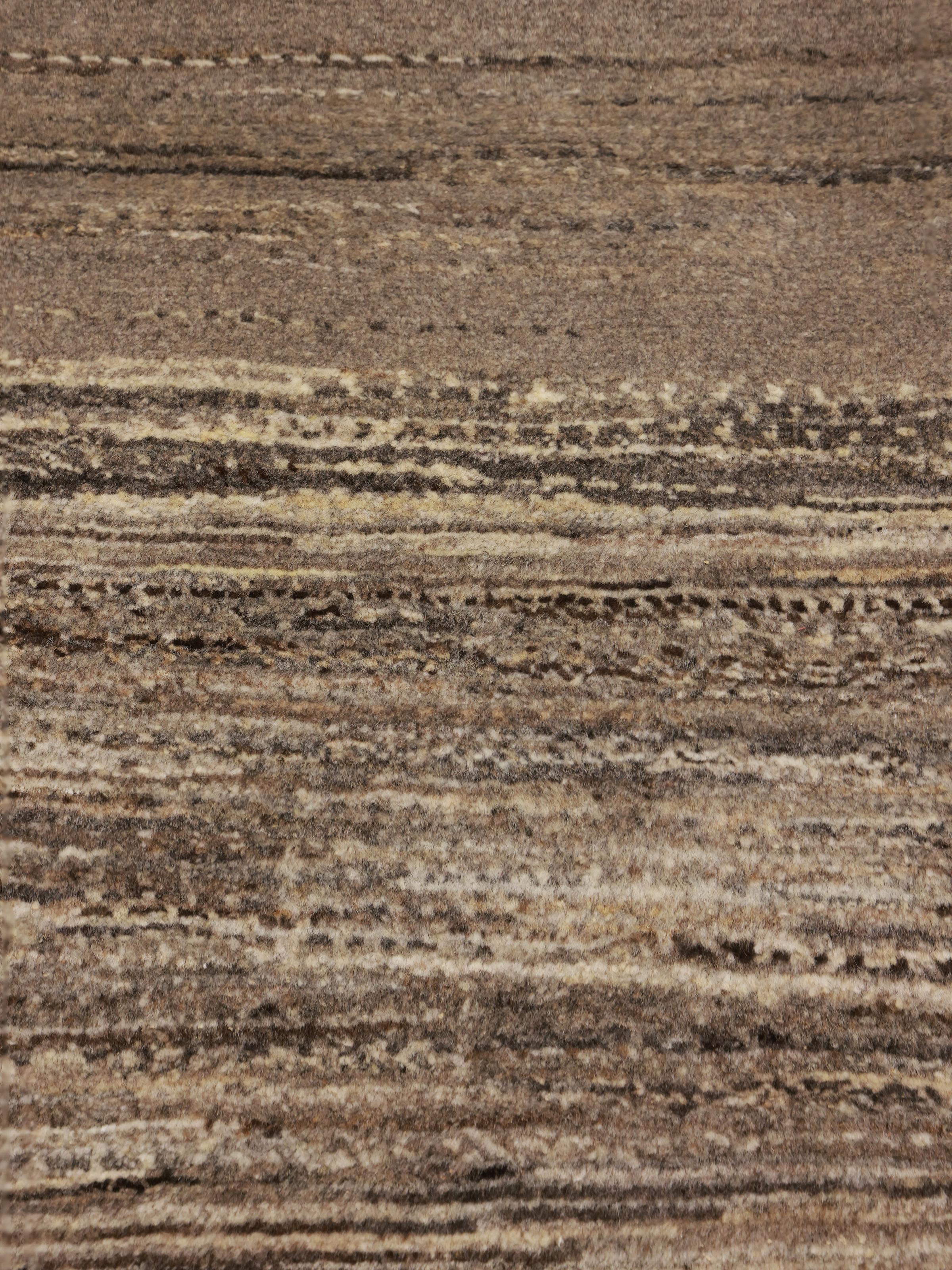
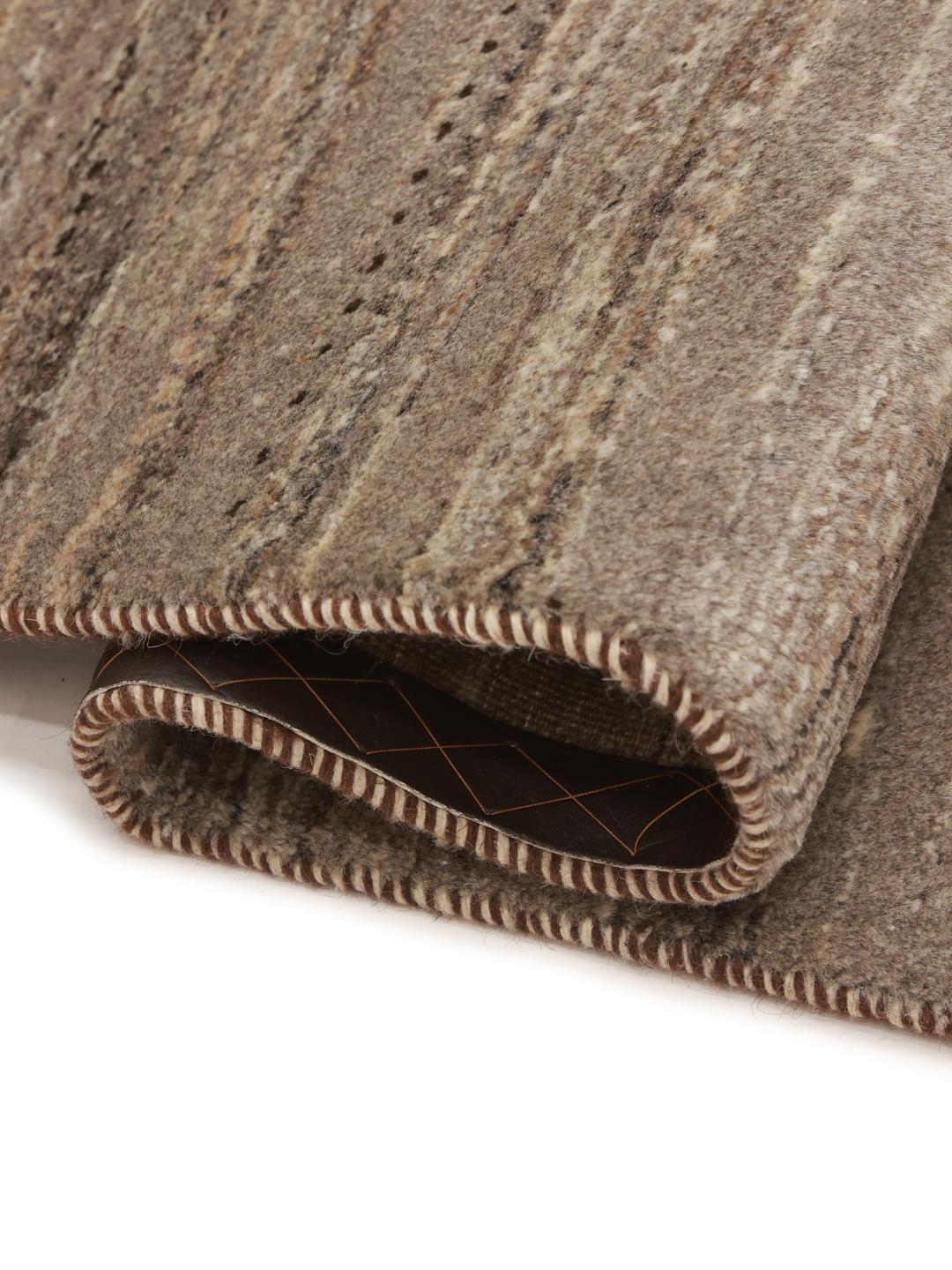
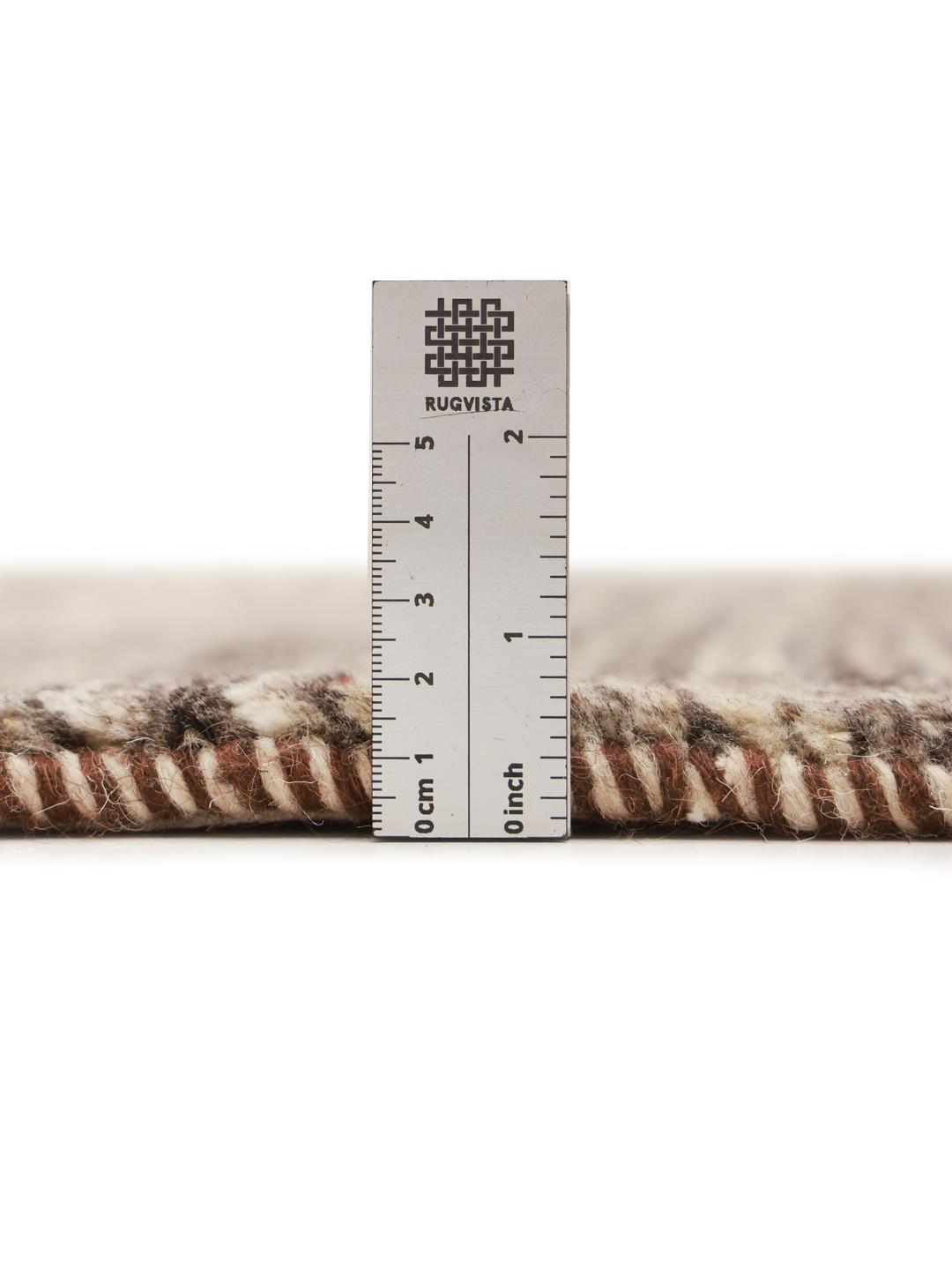
The term itself refers to a 'natural' or 'raw' style, reflecting the straightforward approach to weaving that defines the category. These rugs are traditionally woven using a hand-knotted technique that prioritises durability and warmth. By using a thicker yarn and a more open knotting style, the weavers produced a heavy, protective floor covering that was essential for life in a tent.
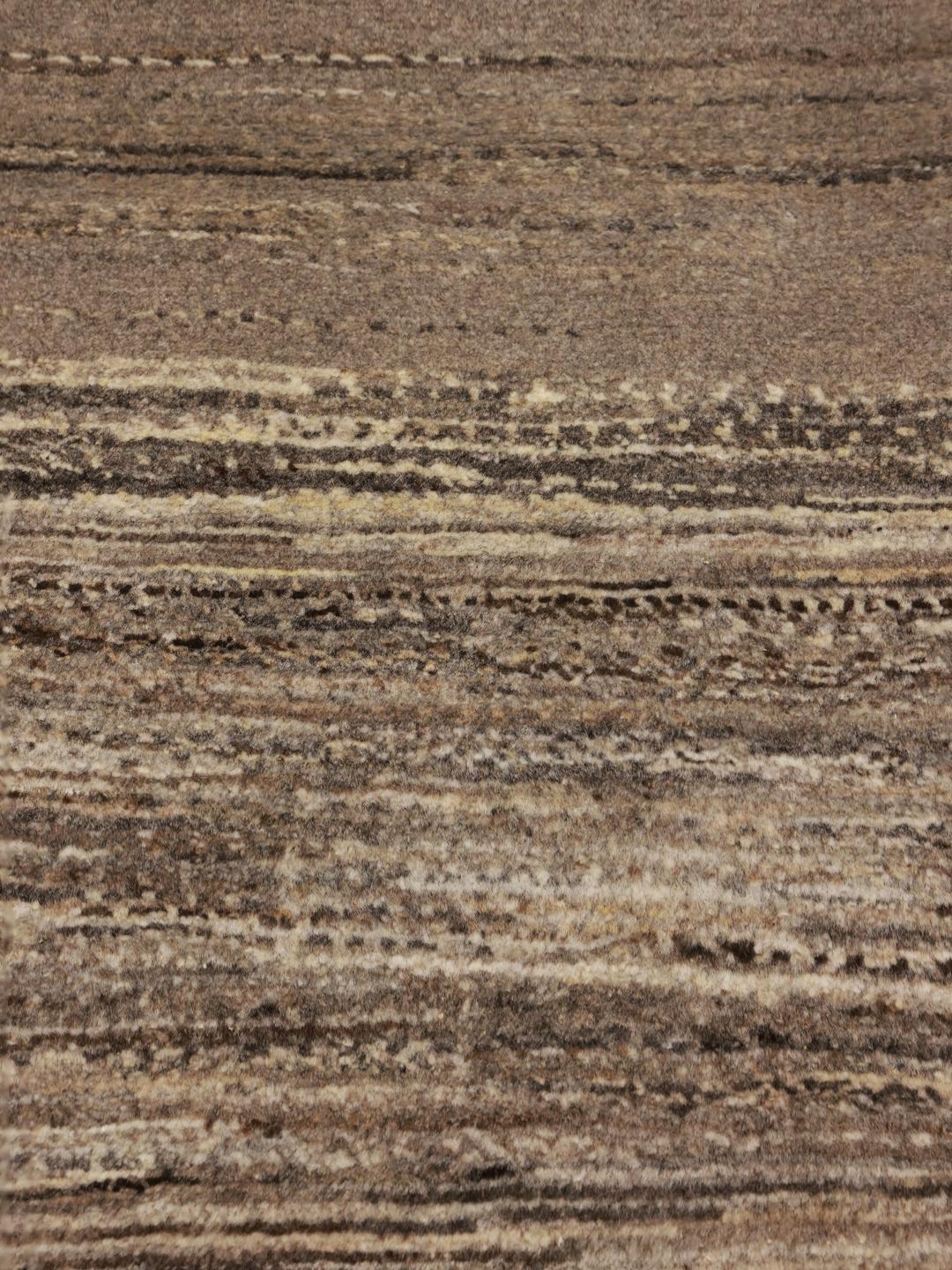
Visually, these rugs are celebrated for their artistic simplicity. While some versions feature geometric motifs, many are defined by their use of open space and natural, undyed Wool colours. The variations in tone are often intentional, created by blending different shades of raw Wool to achieve a rich, heathered effect that feels organic and deeply connected to the earth.
Today, these rugs are highly sought after by collectors who value their authenticity and the human story behind every knot. Owning one is an opportunity to connect with a long-standing tradition of nomadic craft, where the focus remains on the quality of the material and the individual expression of the weaver rather than rigid, repetitive designs.