Gabbeh rugs trace their roots to the nomadic tribes of the Middle East, where they were originally woven for personal use rather than for trade. These rugs were designed to provide warmth and comfort in harsh climates, serving as sleeping mats or protective floor coverings inside tribal tents. Over time, their reputation for simple, striking beauty and incredible durability grew, moving them from the tent to the global stage.
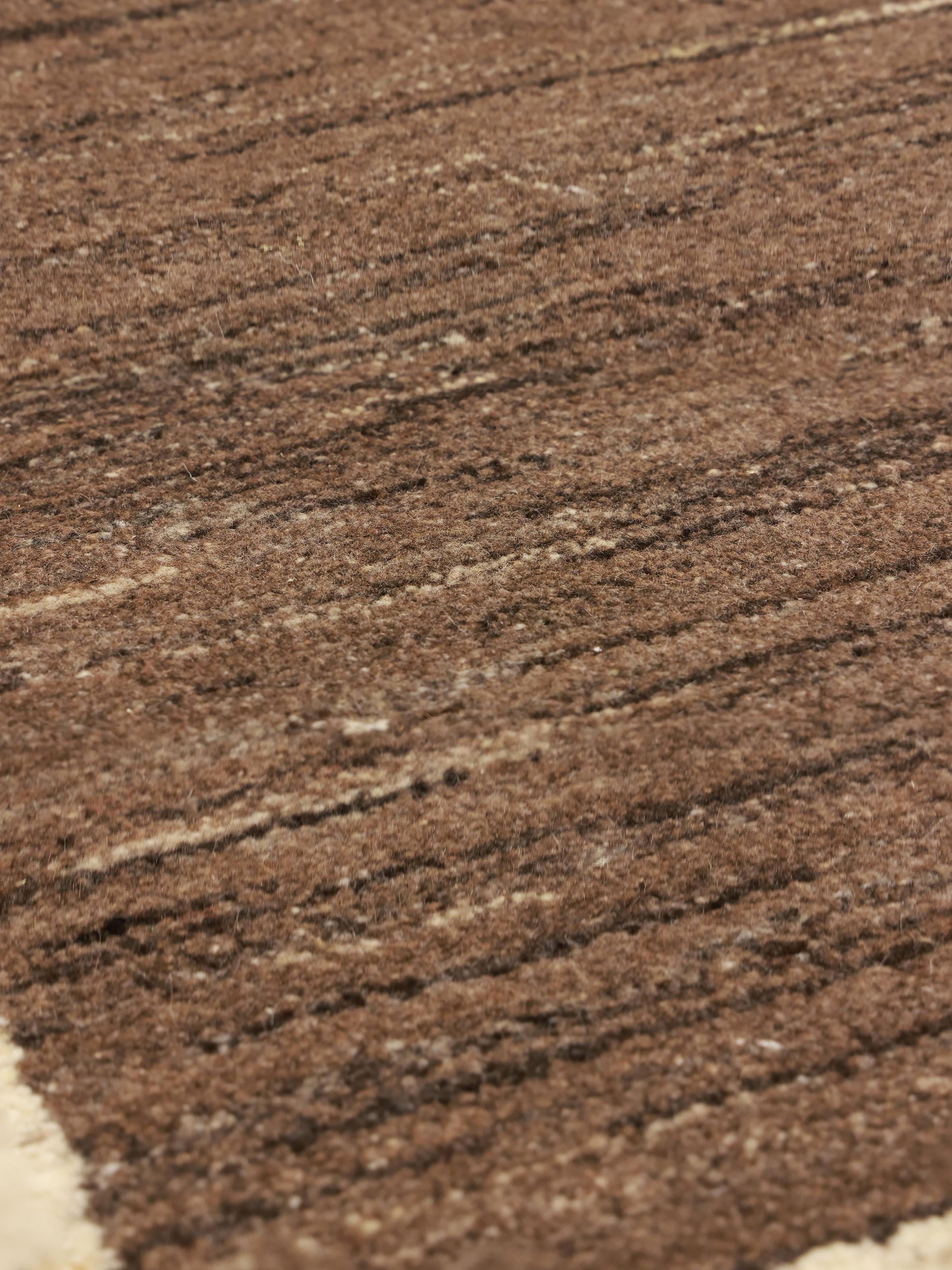
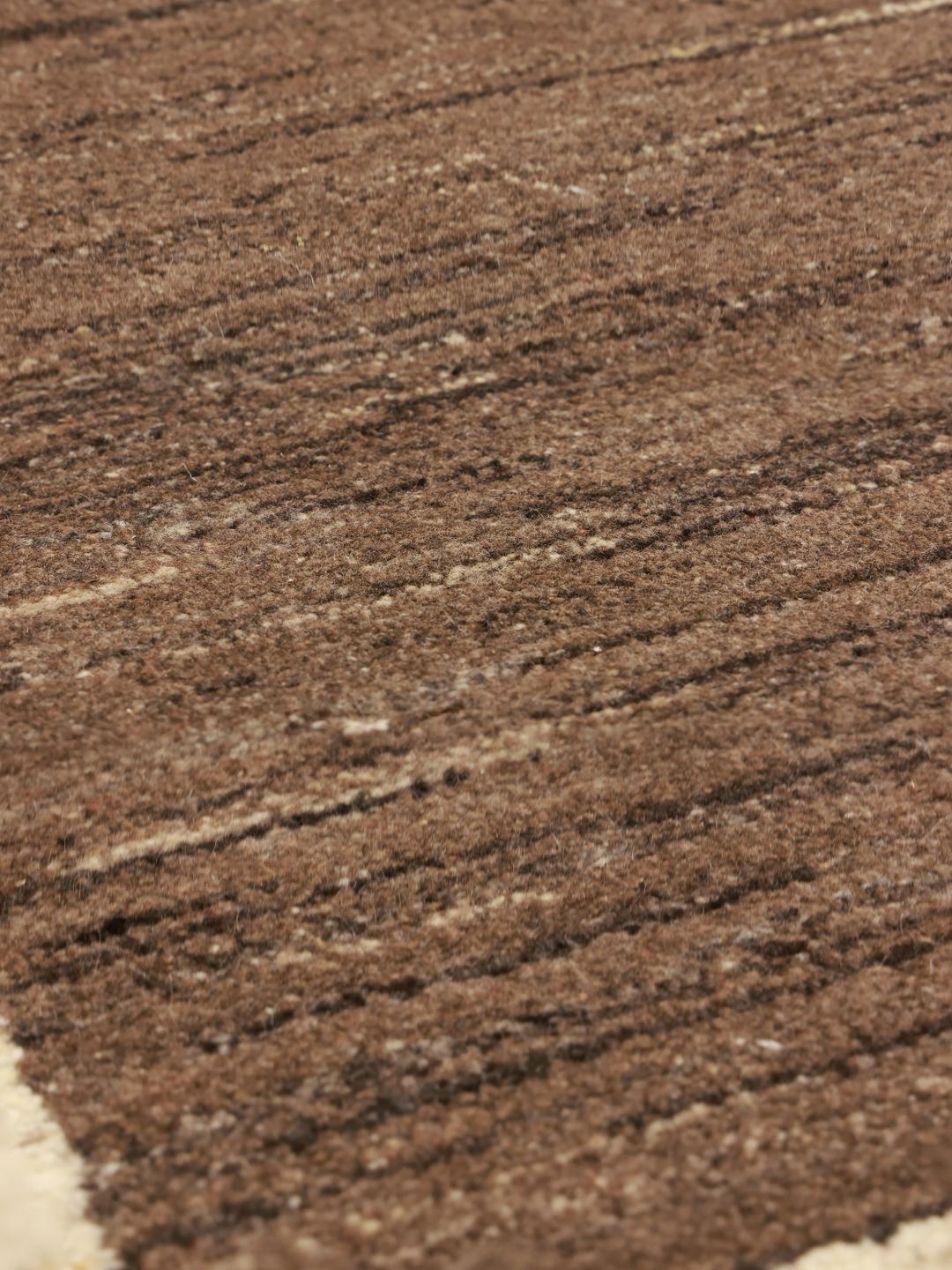
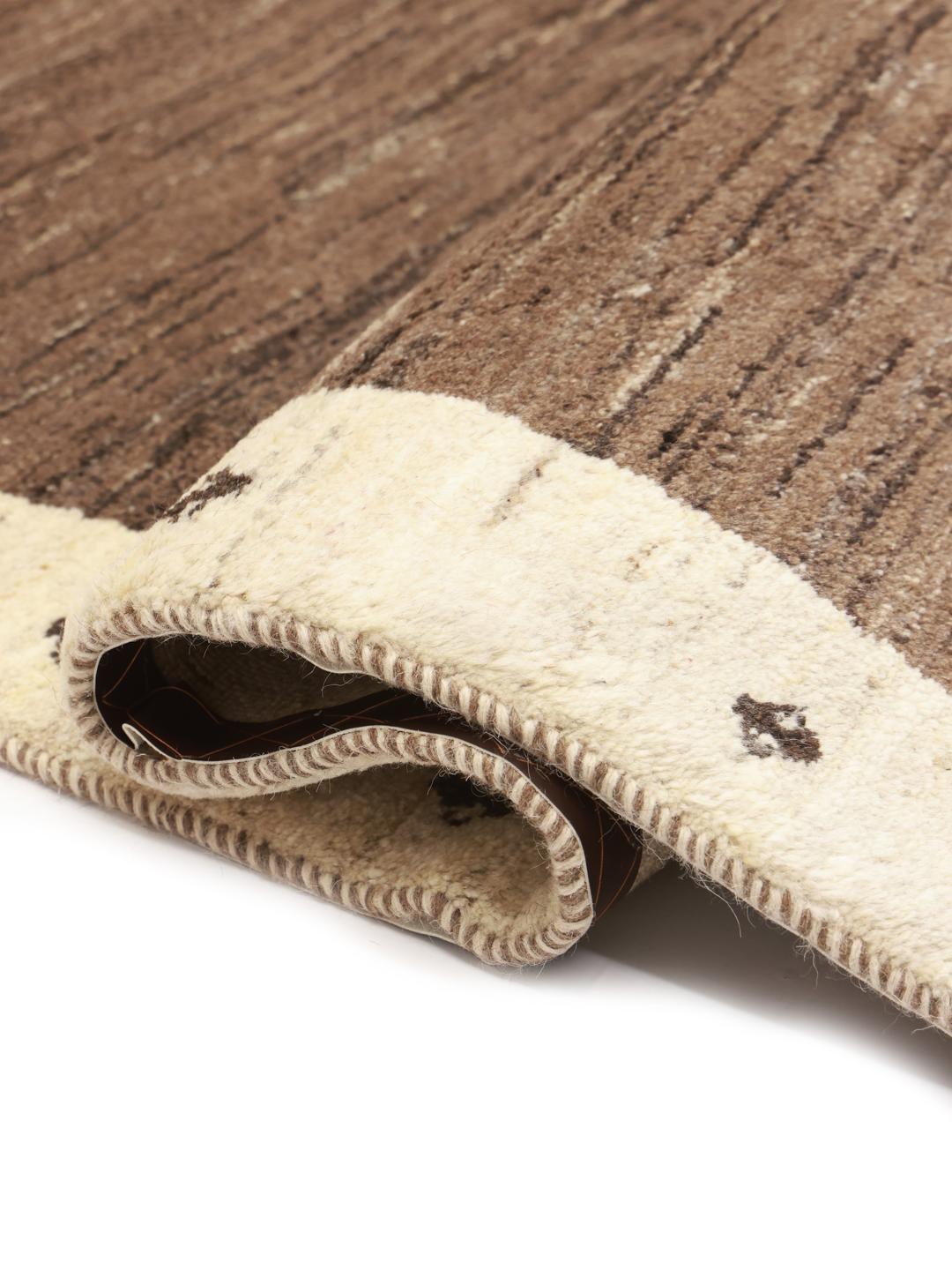
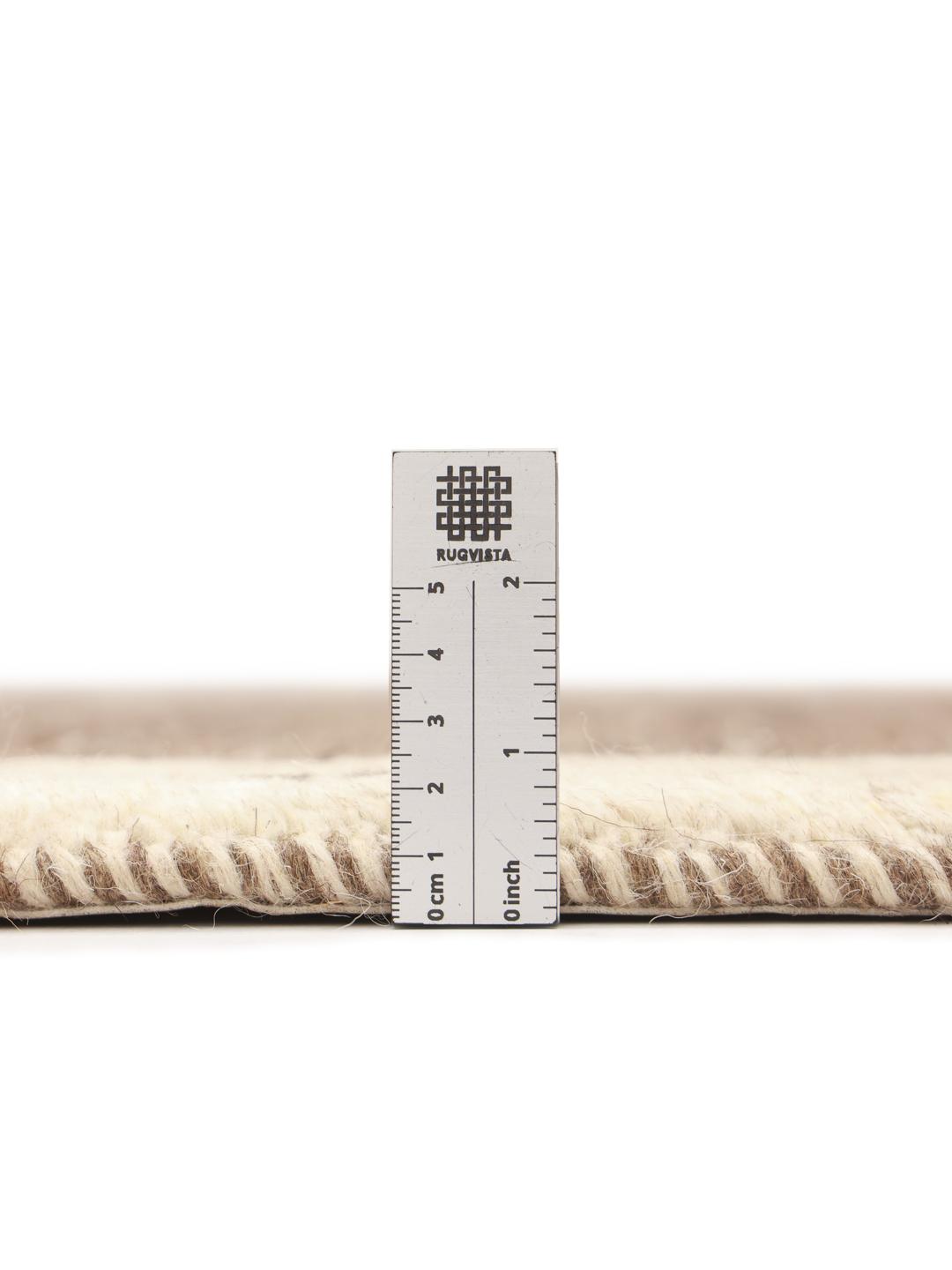
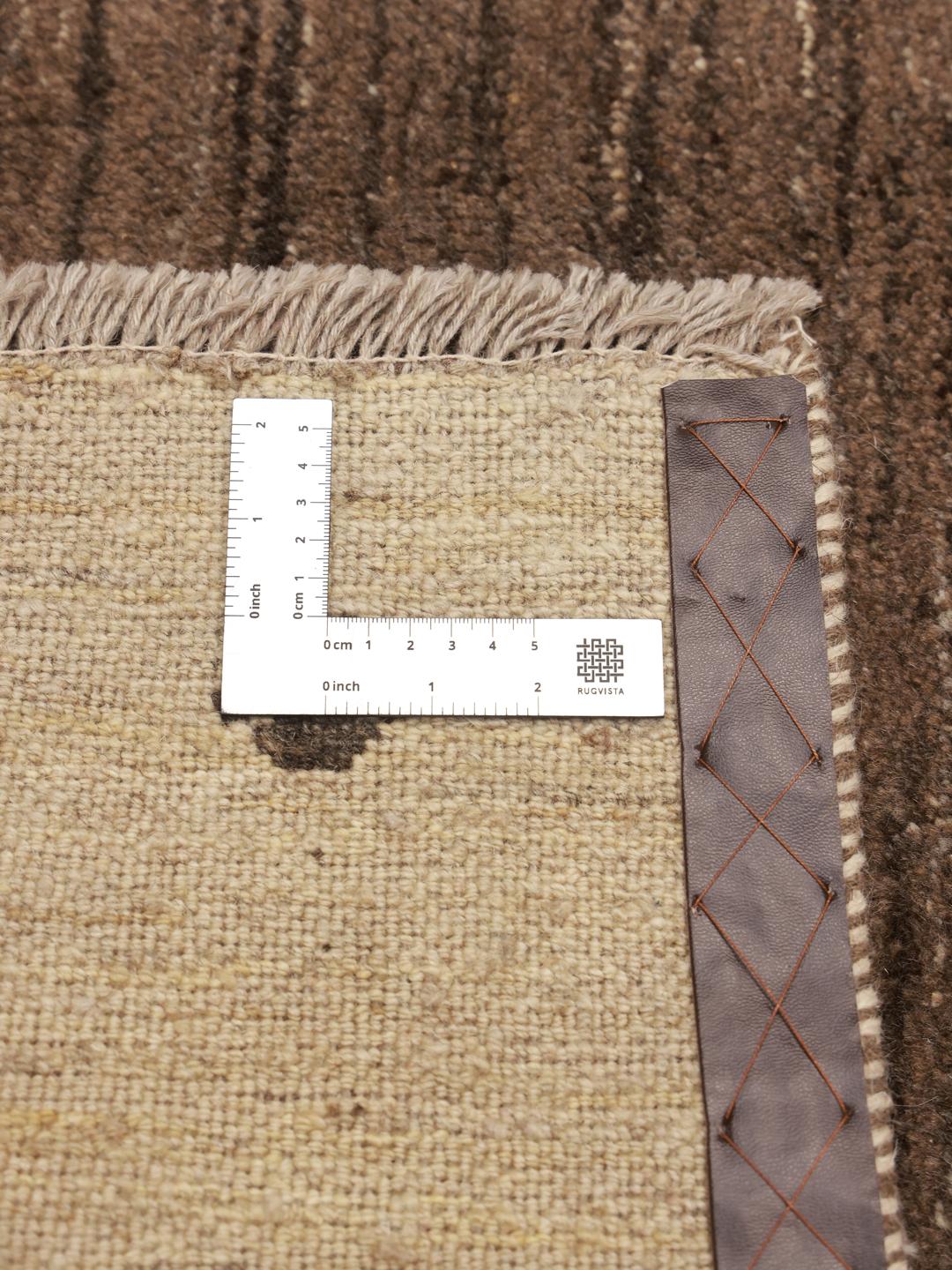
The term Gabbeh refers to a style that is traditionally thicker and more loosely knotted than formal city rugs. This lower knot density is a deliberate design choice that allows for a deeper, more luxurious pile and a more spontaneous, creative approach to the pattern. It is this specific construction that gives the rug its signature soft, cushiony feel, making it one of the most comfortable types of rugs to walk on.
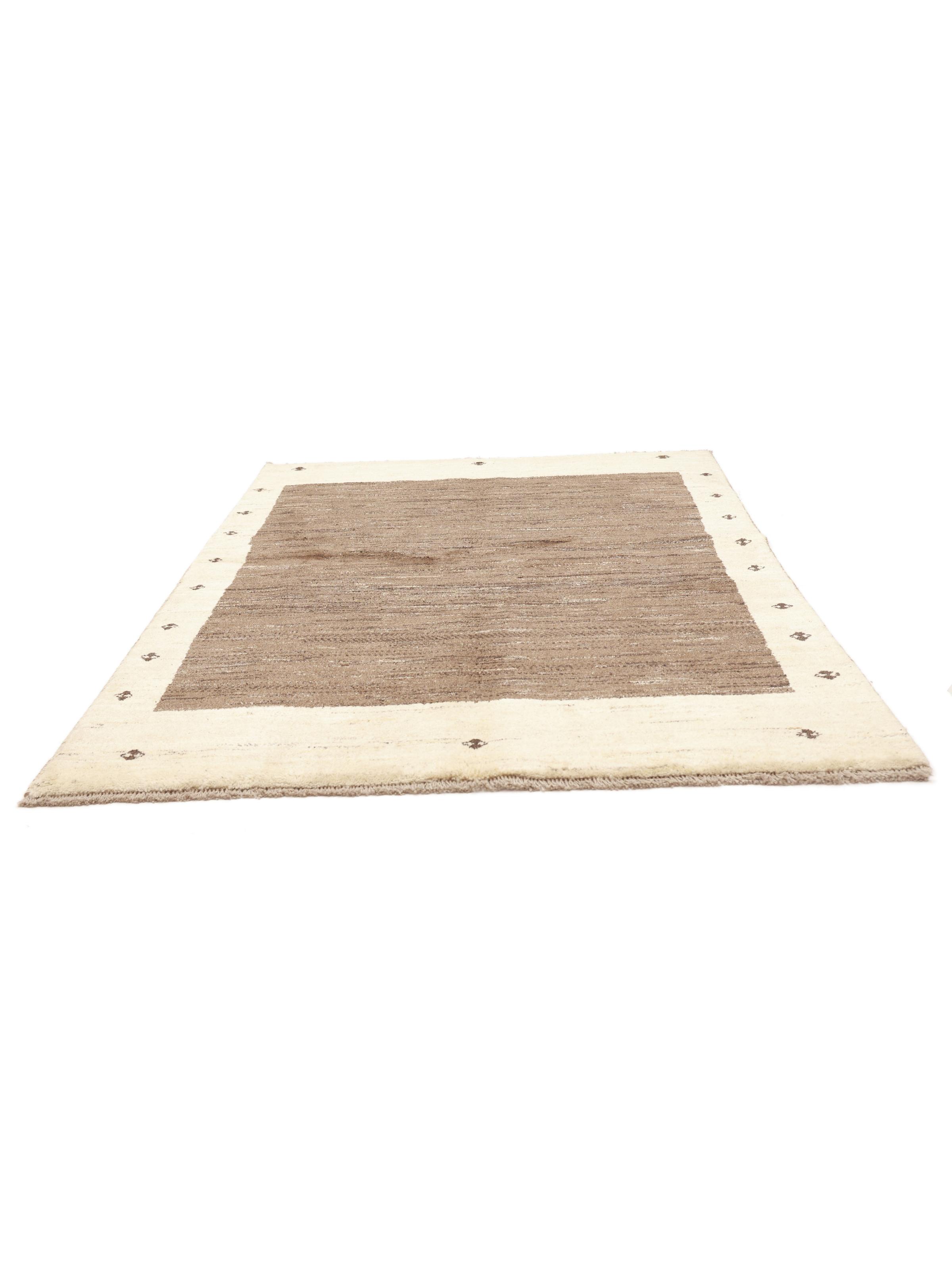
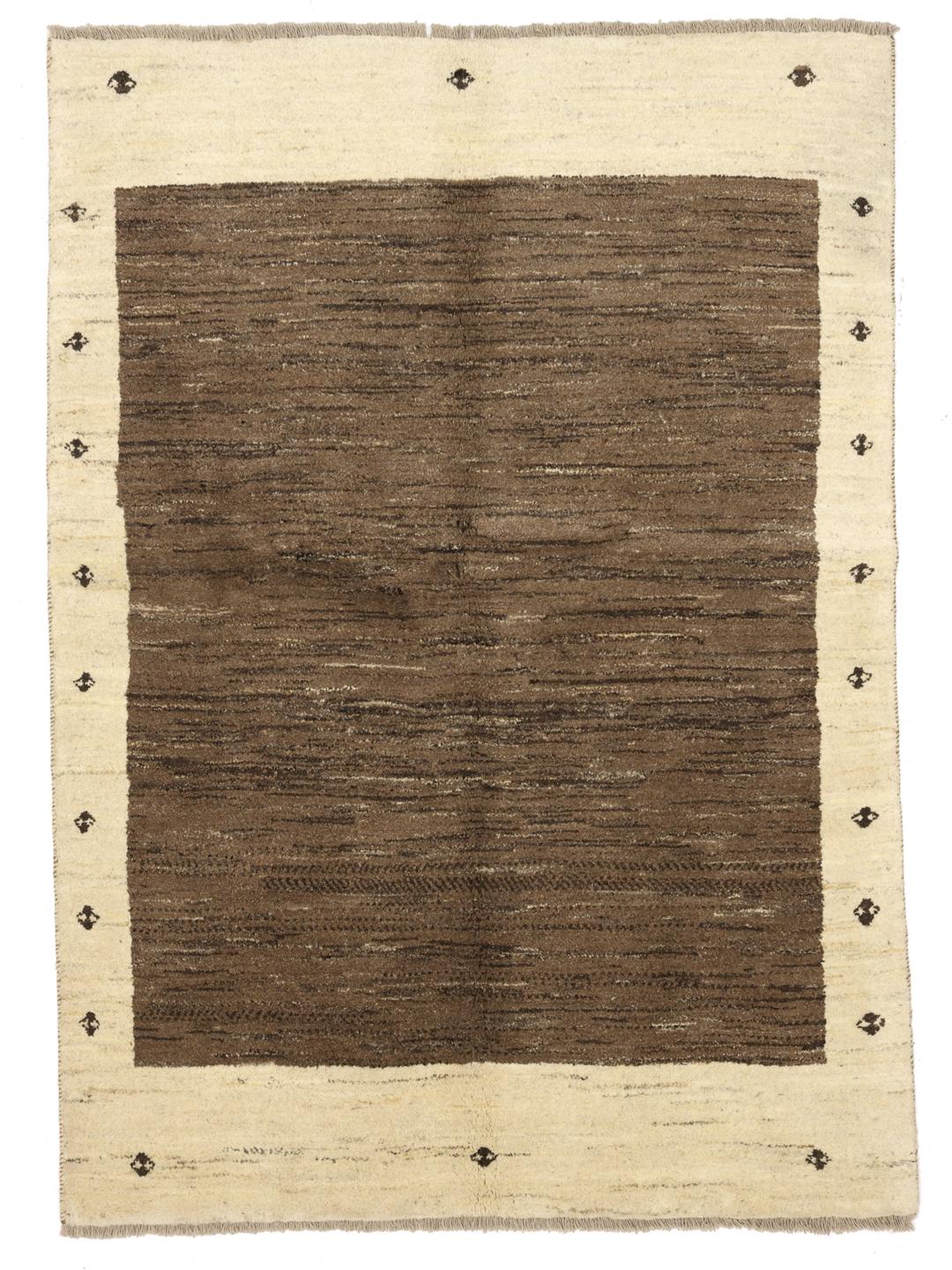
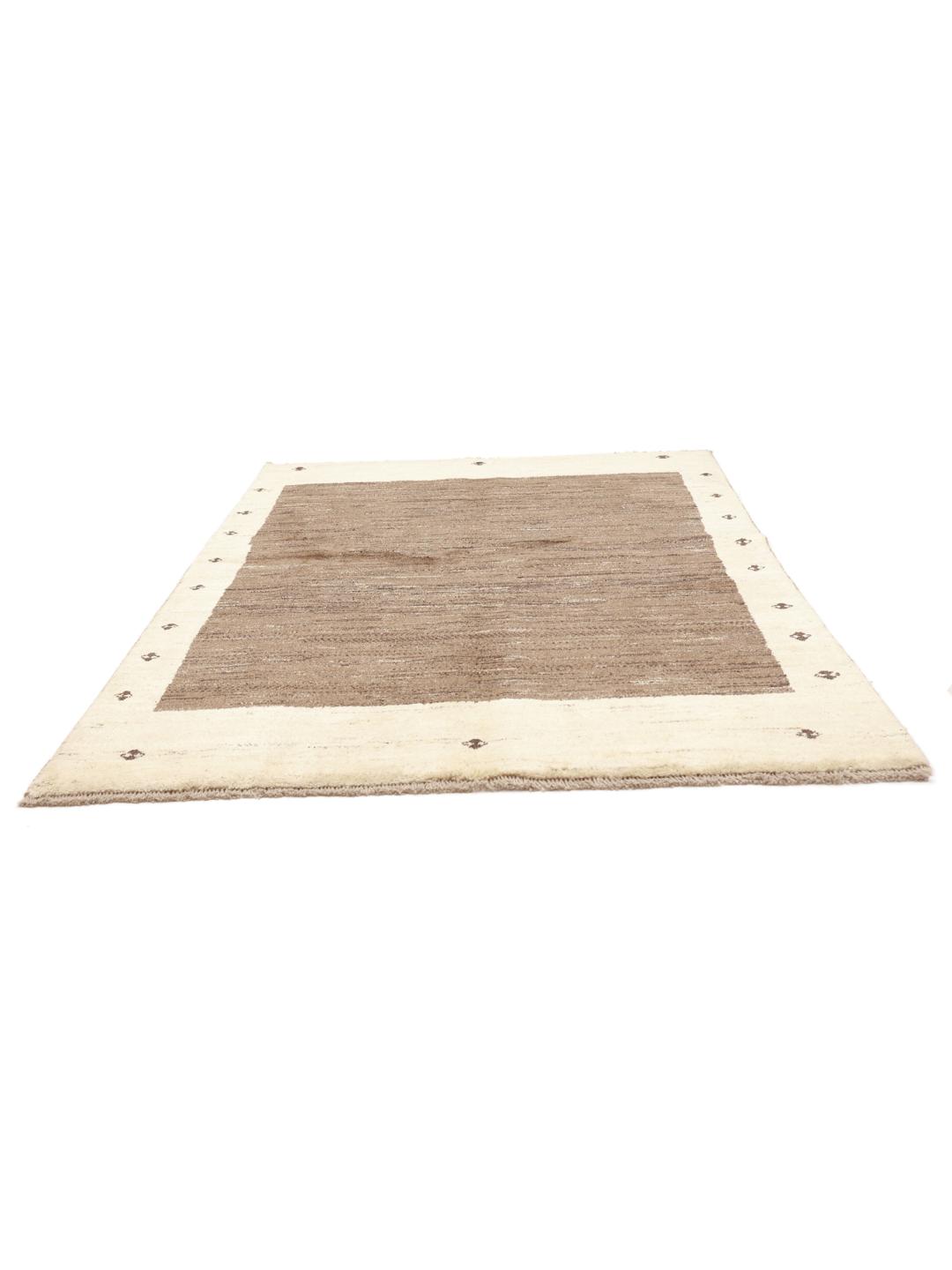
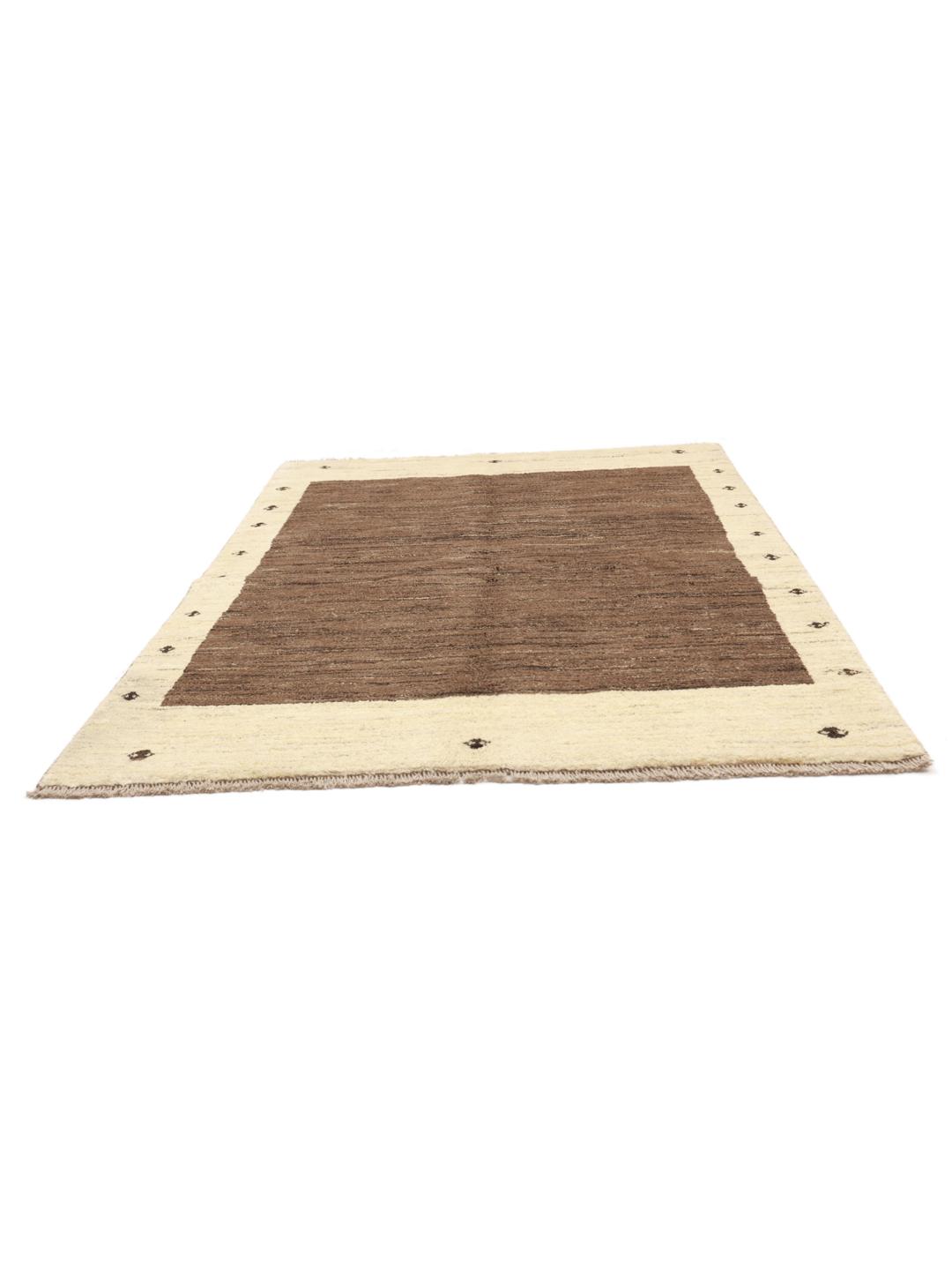
Visually, Gabbeh rugs are celebrated for their minimalist, often abstract, and highly expressive motifs. Unlike the rigid, symmetrical patterns found in urban workshops, these pieces often feature bold, open fields and stylized, whimsical representations of the natural world, such as animals or trees. The use of natural, undyed, or traditionally dyed wool creates a rich, tonal depth that is deeply connected to the landscape of their origin.
Today, these rugs are highly prized by collectors for their authenticity and the sense of freedom they represent. Owning a Gabbeh is not just about floor coverage; it is about bringing a piece of living history into your home. Each rug reflects the weaver's personal vision and cultural heritage, making it a meaningful acquisition that celebrates human ingenuity and the enduring value of traditional craft.