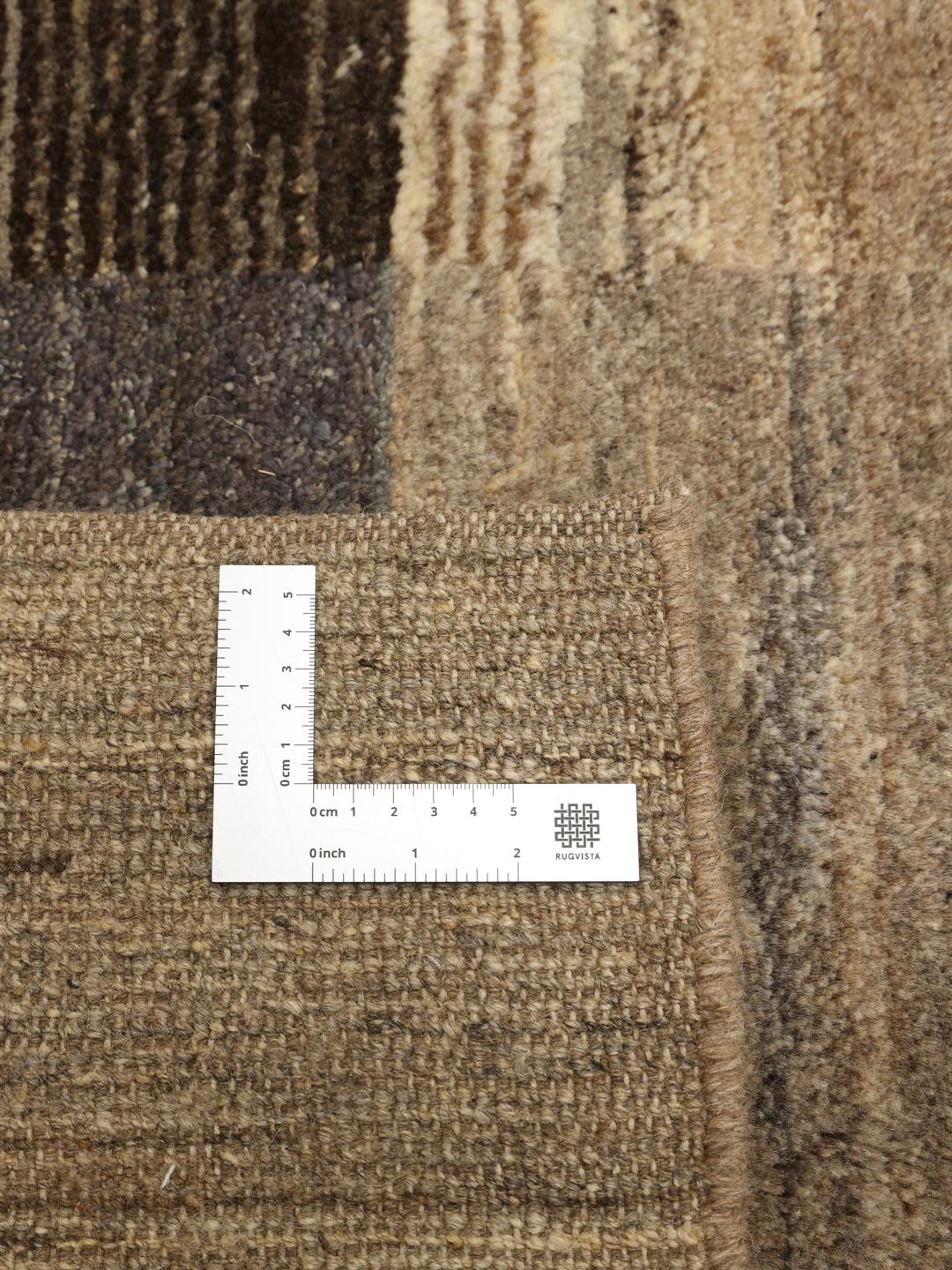
Gabbeh rugs are a celebrated tradition from the nomadic tribes of the Middle East. Historically, these rugs were woven by women for their own use within the family tent, serving as functional floor coverings that provided necessary insulation against the cold desert ground. Unlike more formal, city-made rugs, Gabbeh designs were deeply personal, often reflecting the surroundings, folklore, and emotional state of the weaver.
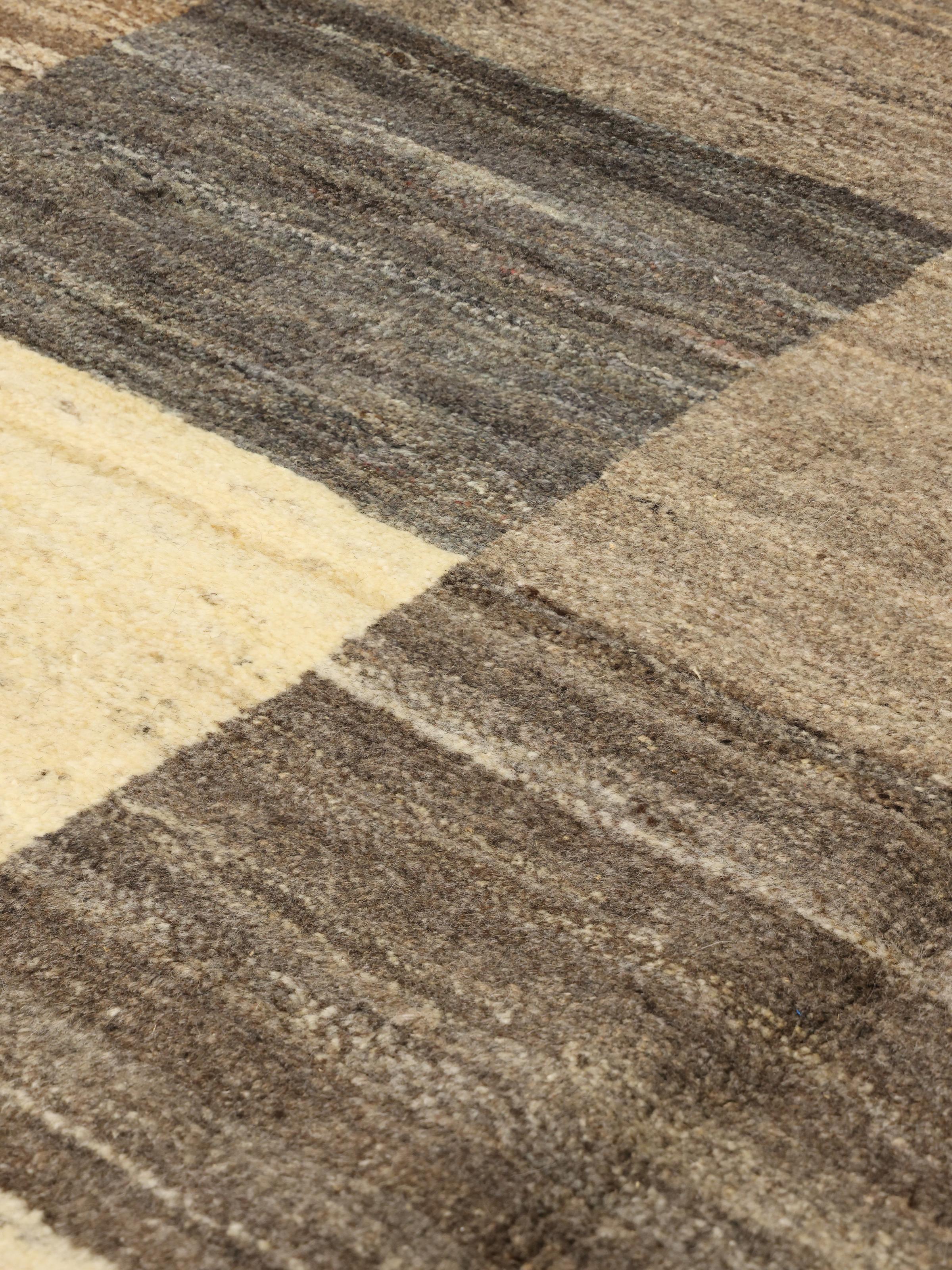
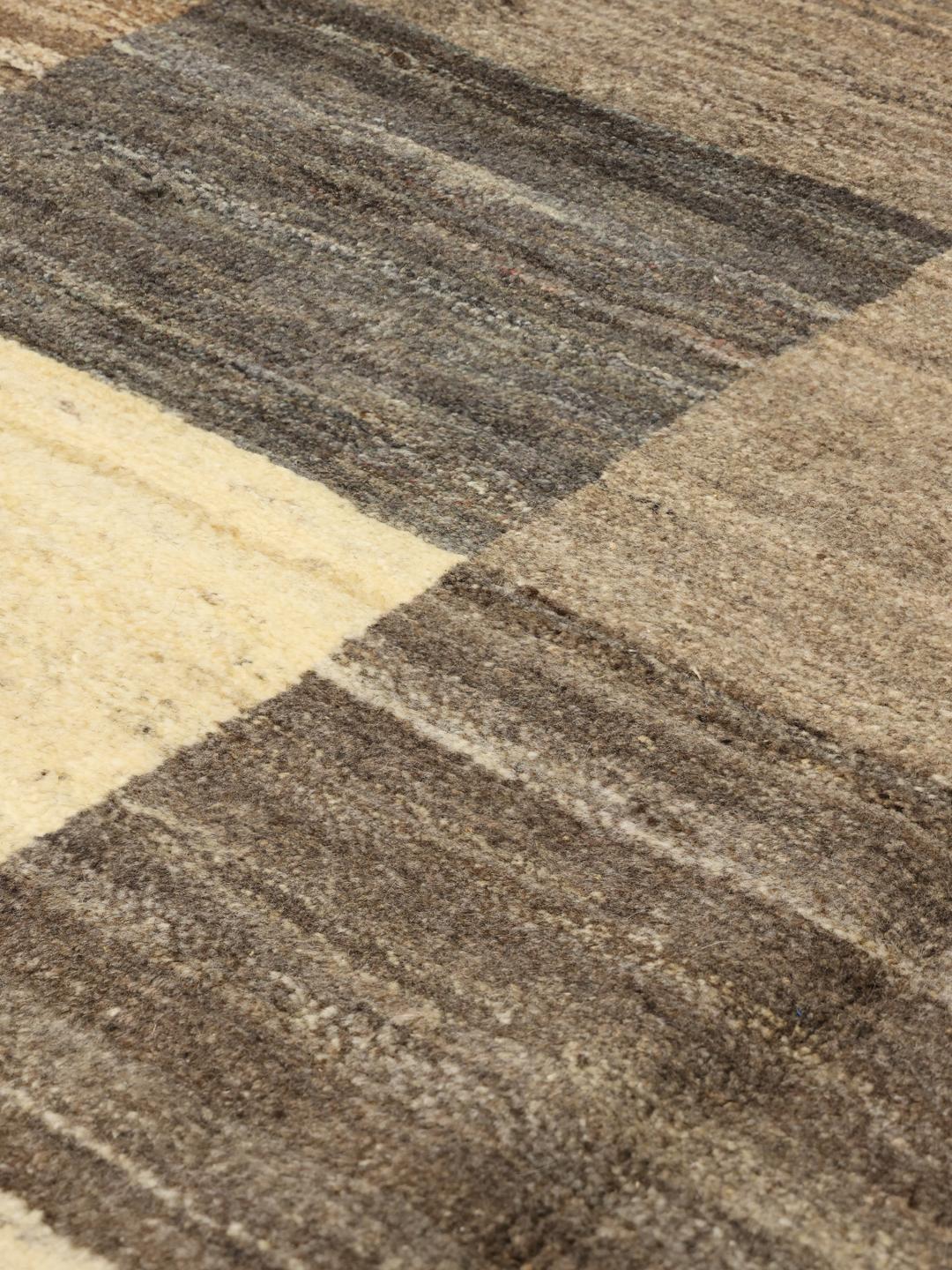
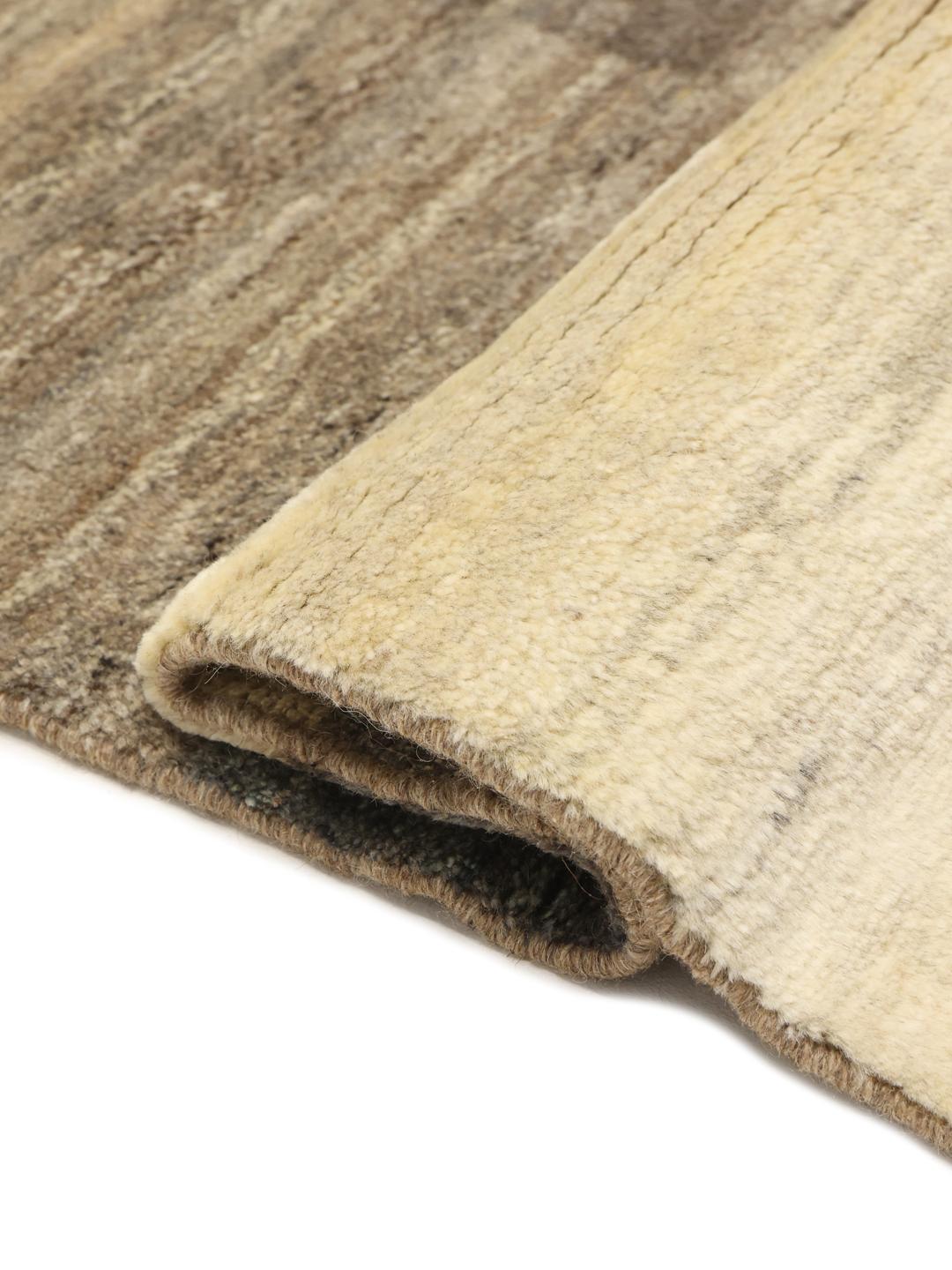
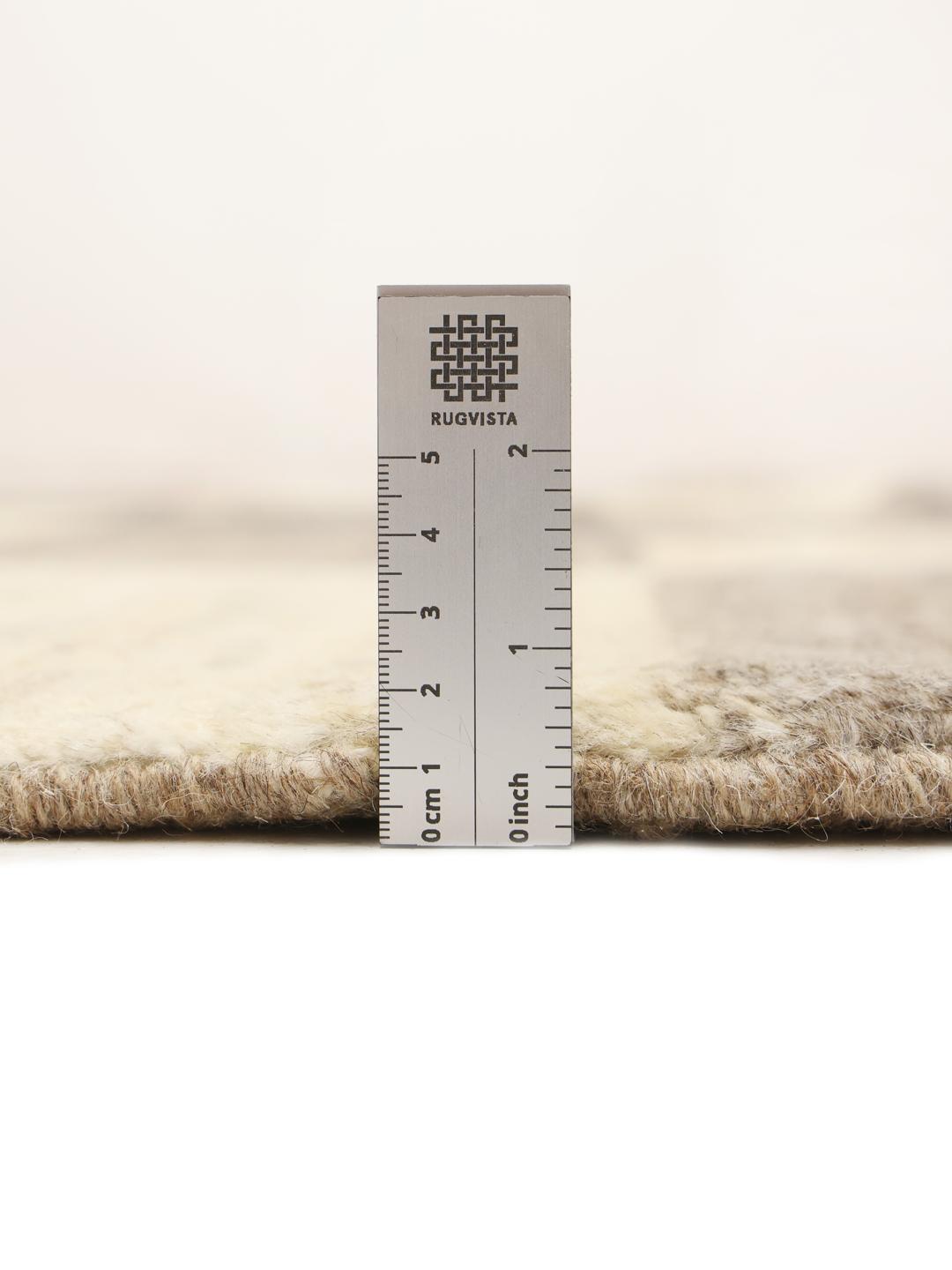
The term Gabbeh refers to a style characterised by a thicker pile and a more rustic, spontaneous approach to design. While formal rugs often follow strict, pre-planned patterns, Gabbeh rugs are known for their freedom of expression and larger knots. This technical approach results in a softer, more plush texture that is immediately noticeable when you walk across the surface.
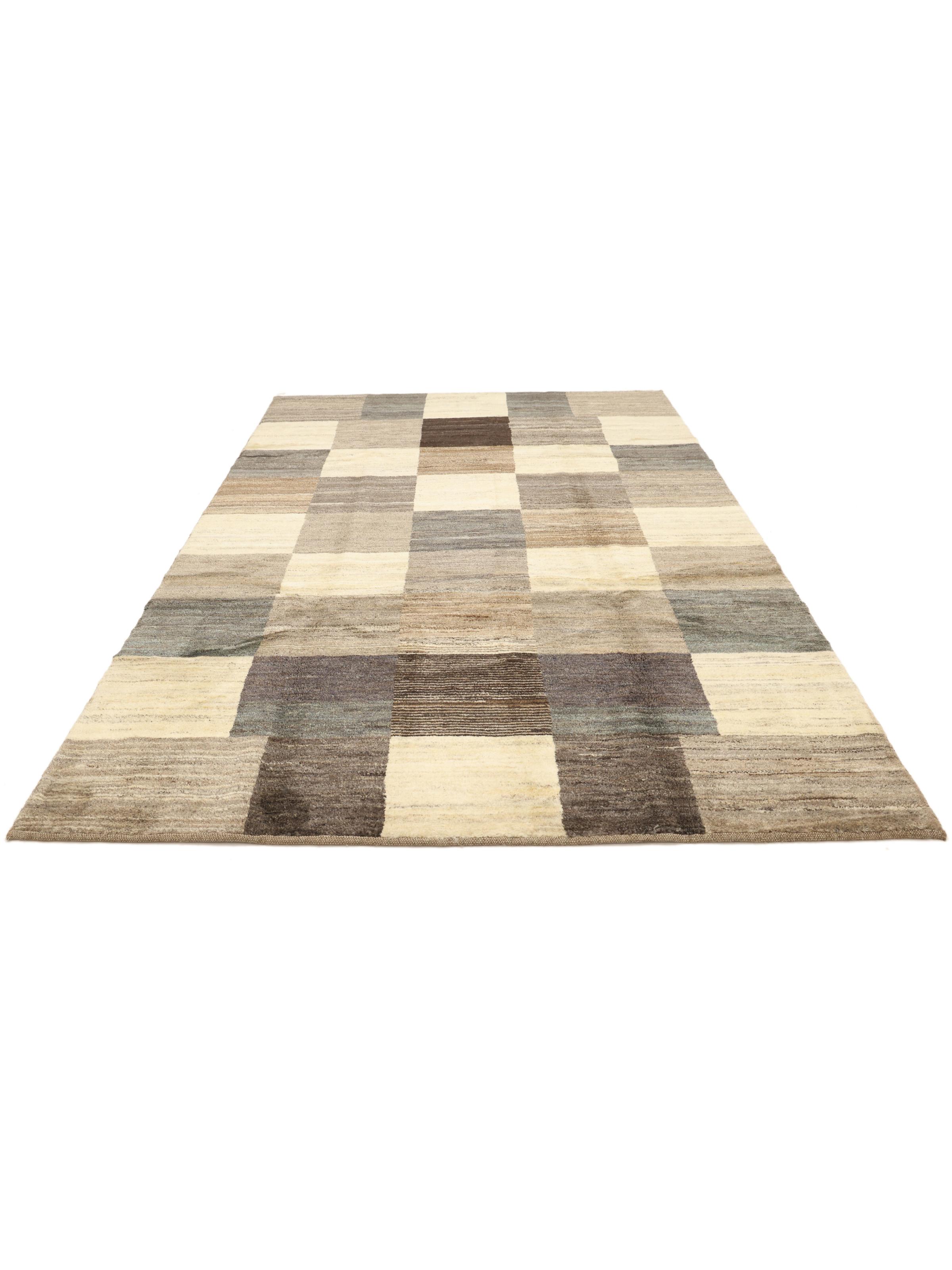
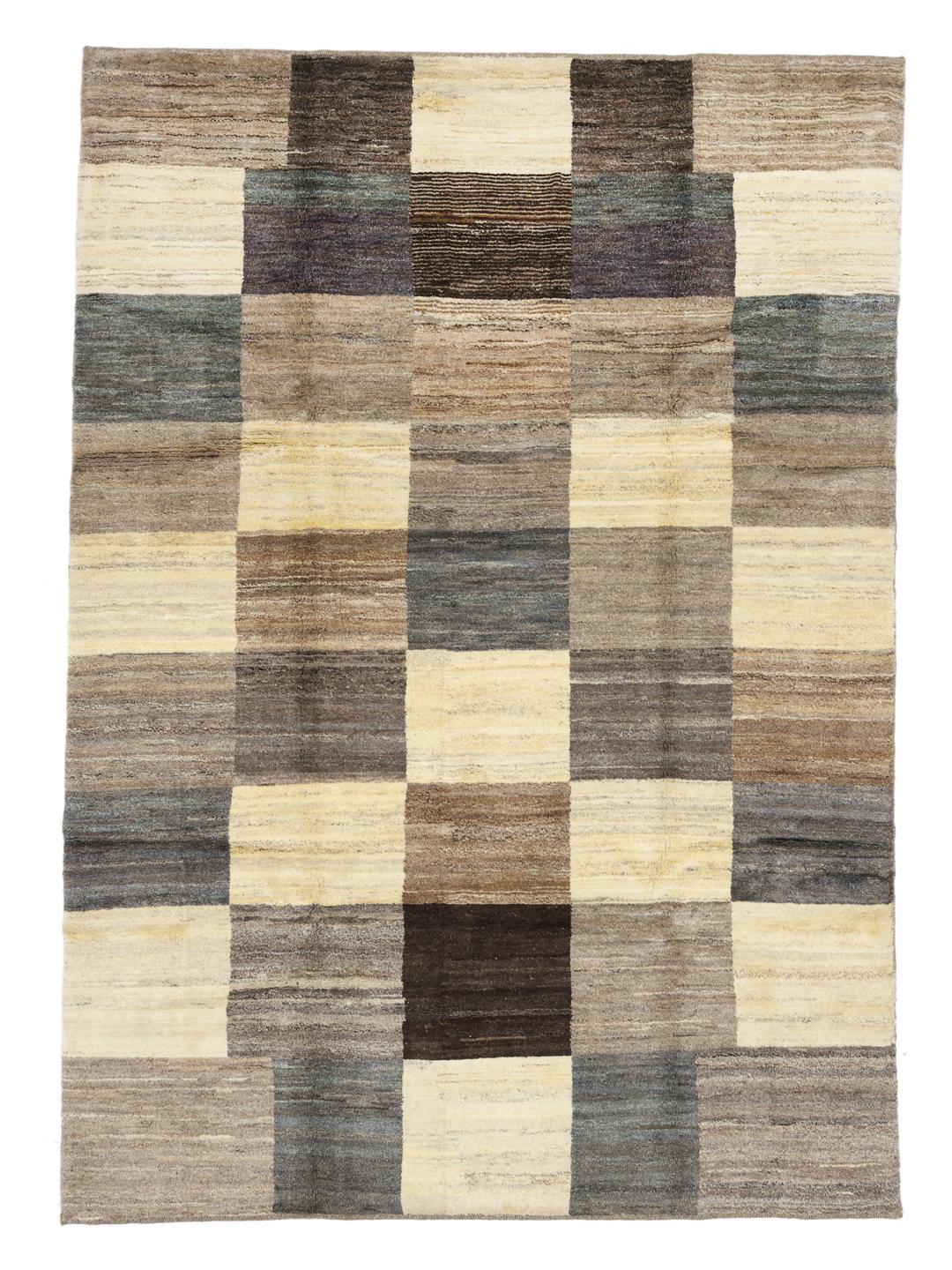
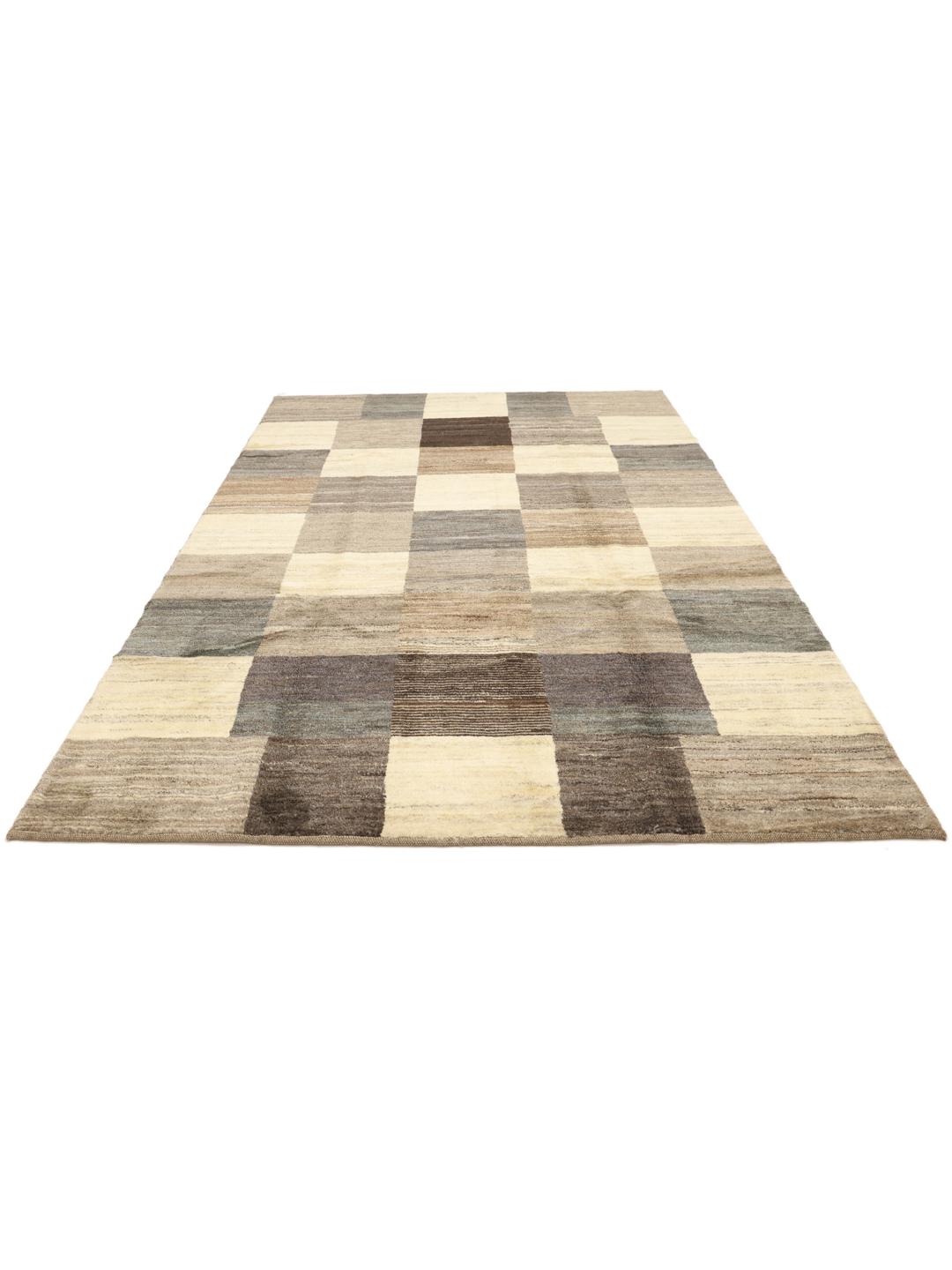
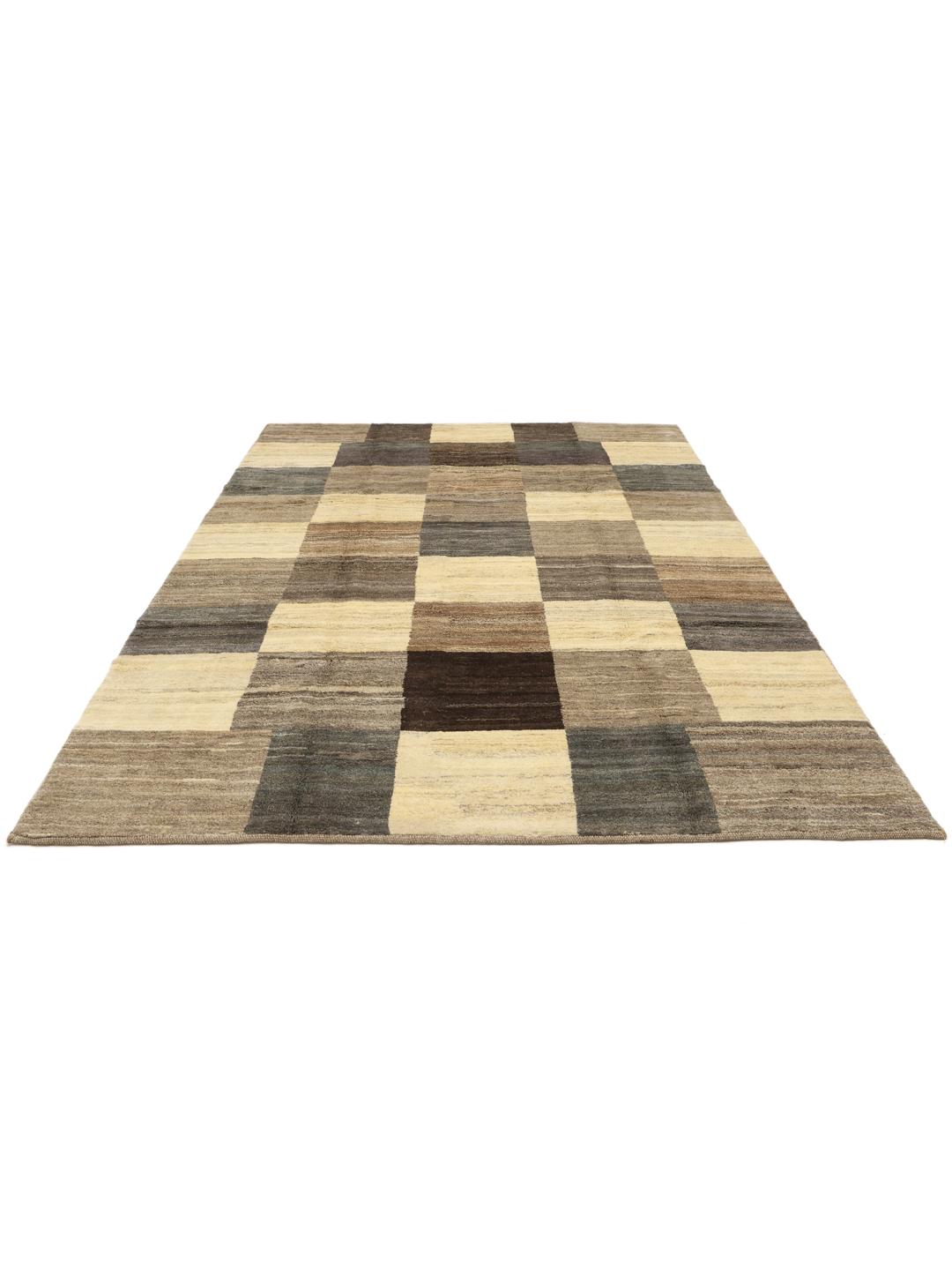
Visually, these rugs often feature bold, simplified geometric motifs or large fields of solid colour, emphasising the beauty of the natural, hand-spun wool. The use of traditional, organic dyes often results in subtle variations in colour, known as abrash, which add depth and a sense of movement to the rug. This particular piece highlights a modern geometric layout, showcasing how the tradition continues to evolve while staying true to its roots.
Owning a Gabbeh is more than just purchasing a floor covering; it is an acquisition of cultural heritage. These rugs are highly prized by collectors for their authenticity and the human story imbued in every fibre. They represent a connection to the nomadic lifestyle and the ancient craft of weaving, making them a meaningful addition to any home that values craftsmanship and history.