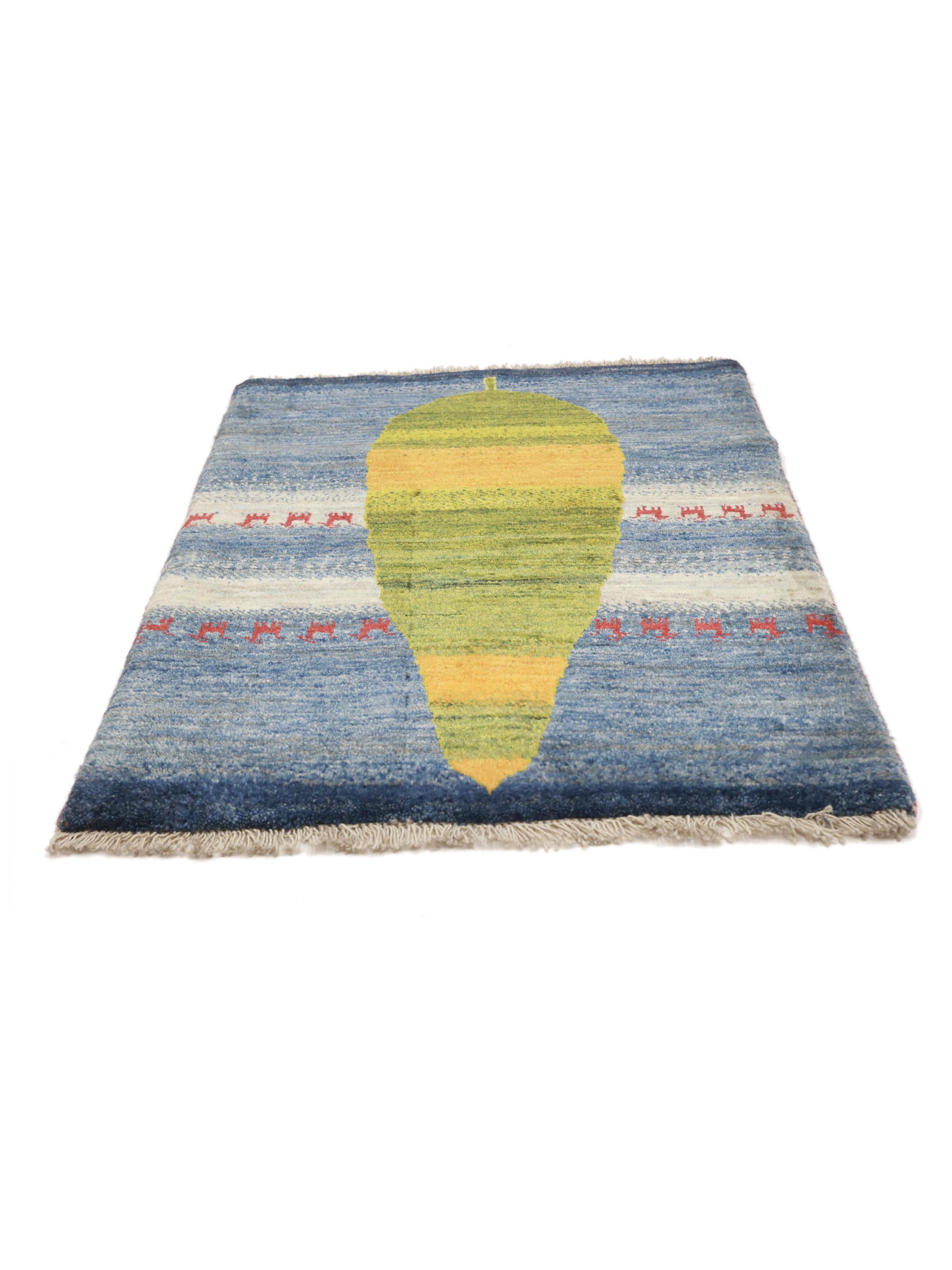
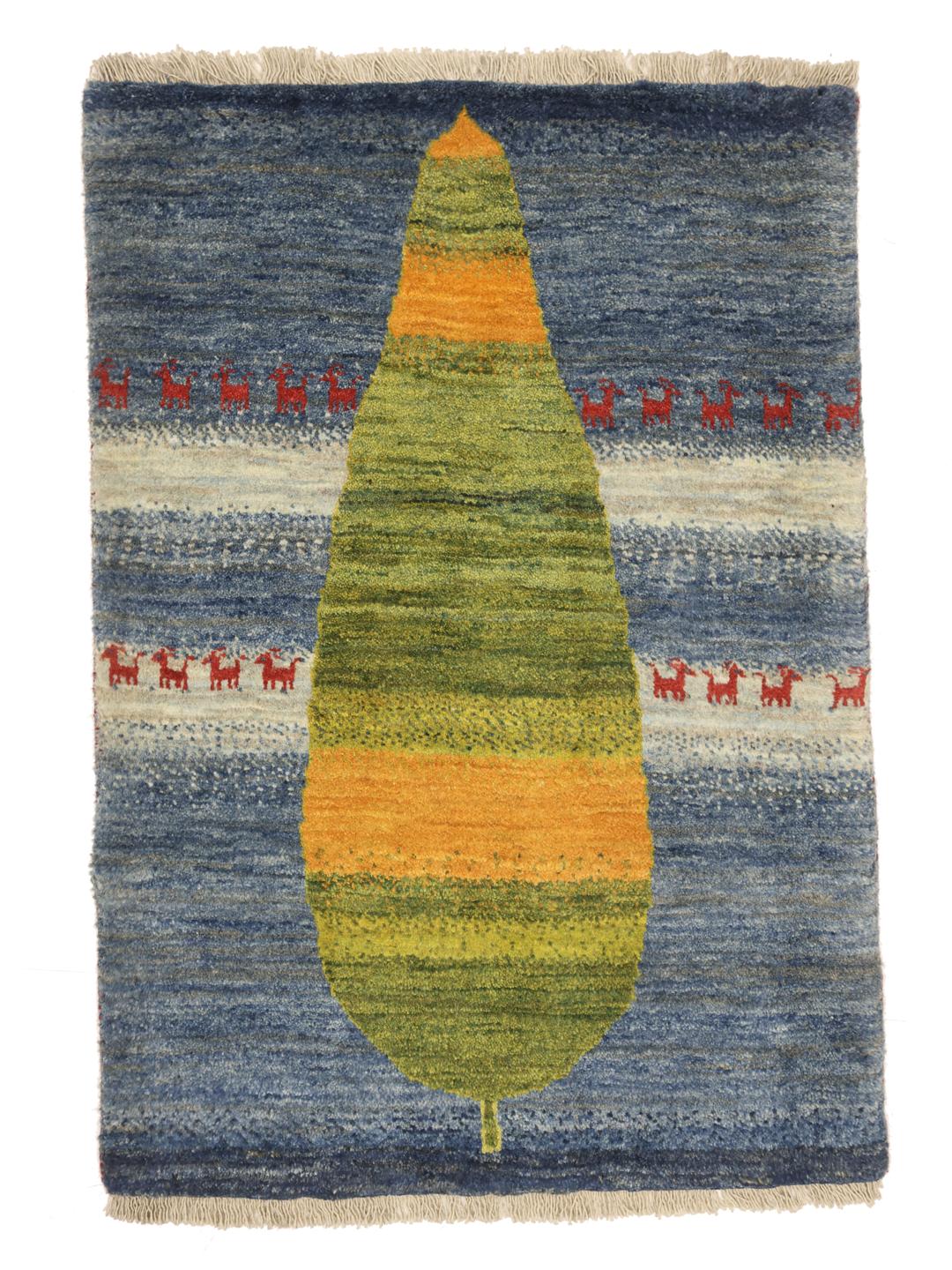
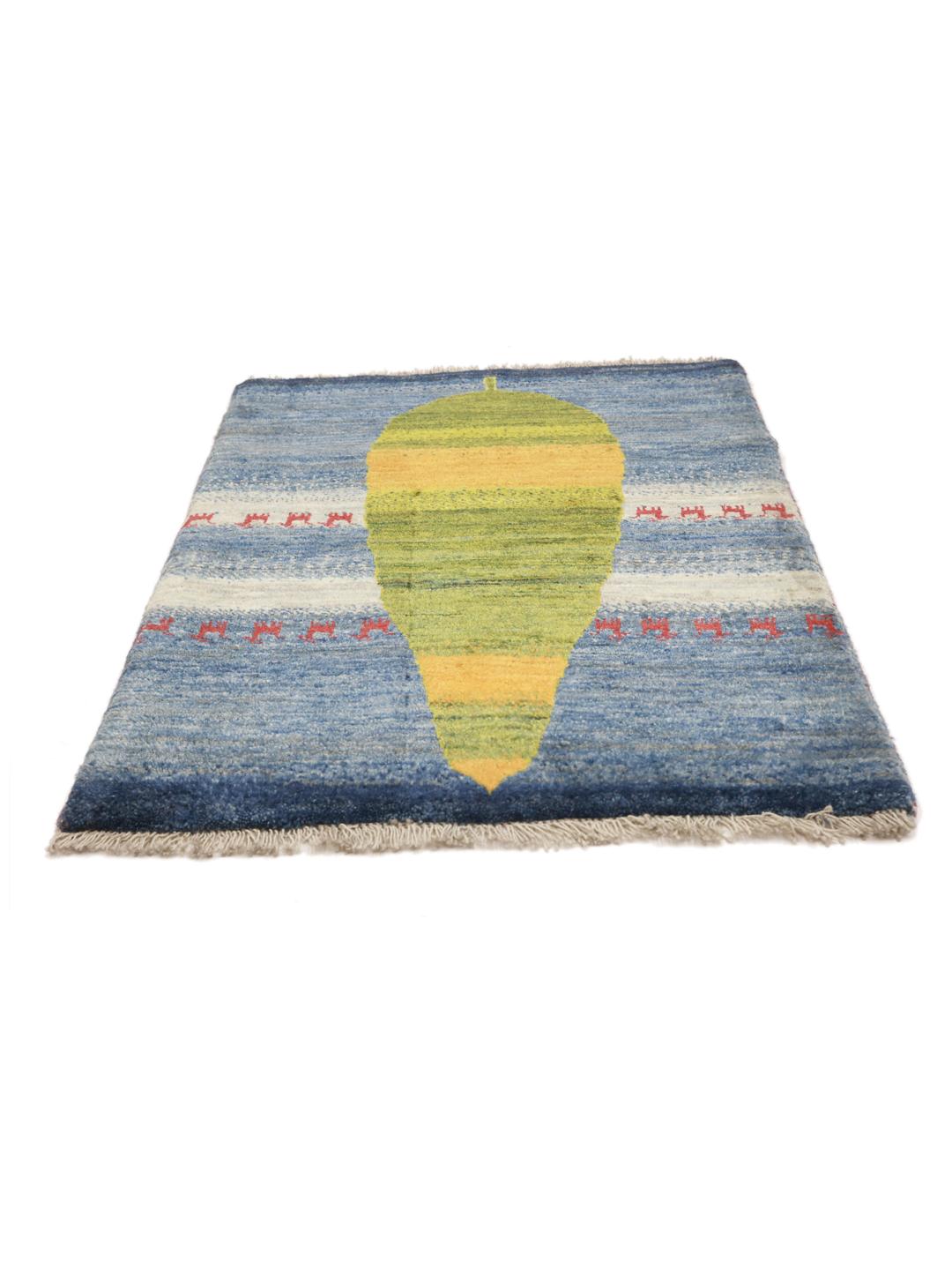
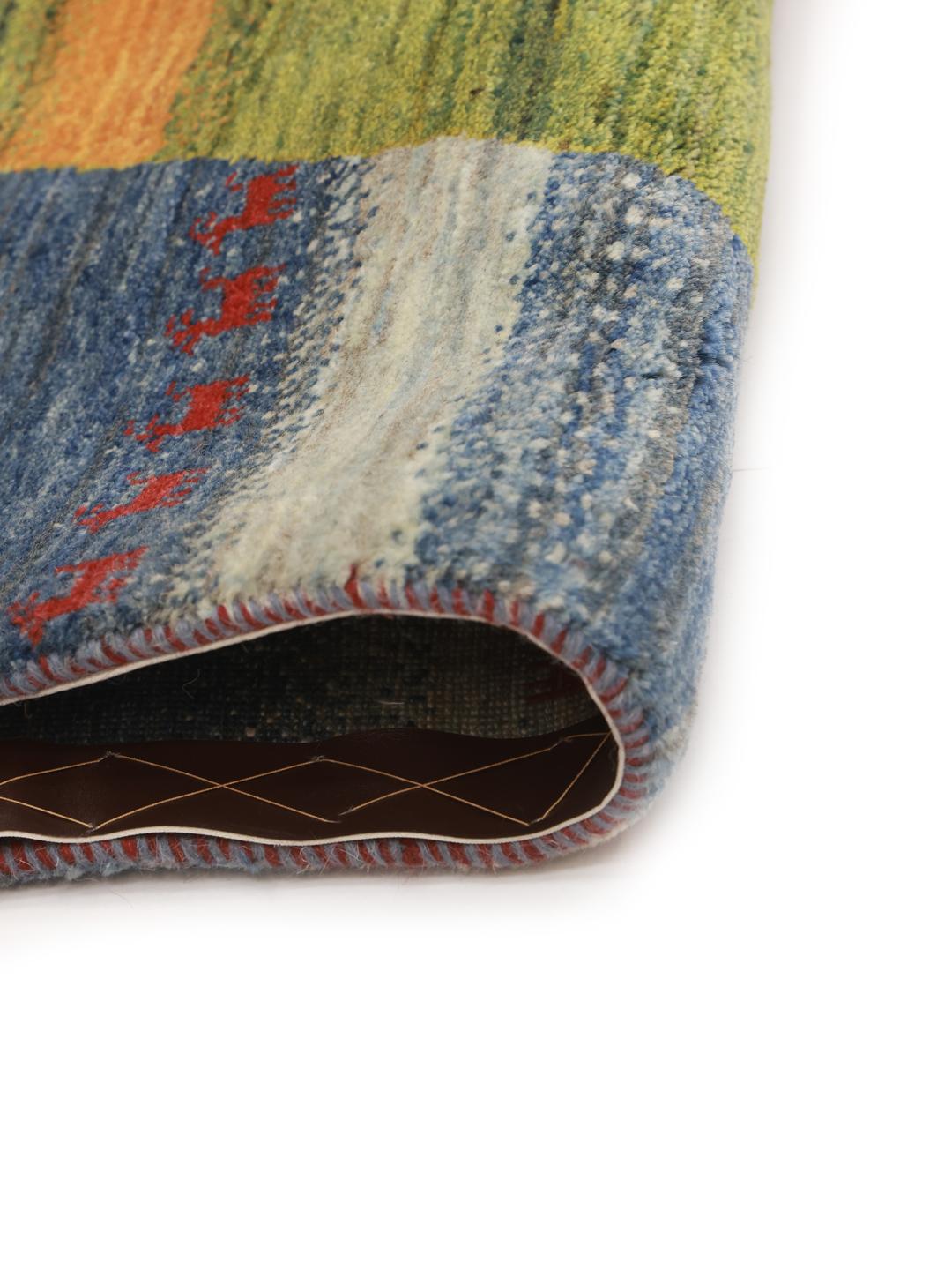
Gabbeh rugs originate from the nomadic tribes of the Middle East, where they were traditionally woven for personal use rather than for trade. These rugs are deeply rooted in the daily lives and environments of the weavers, who often drew inspiration from the natural world, their livestock, and the surrounding landscape to create their designs.
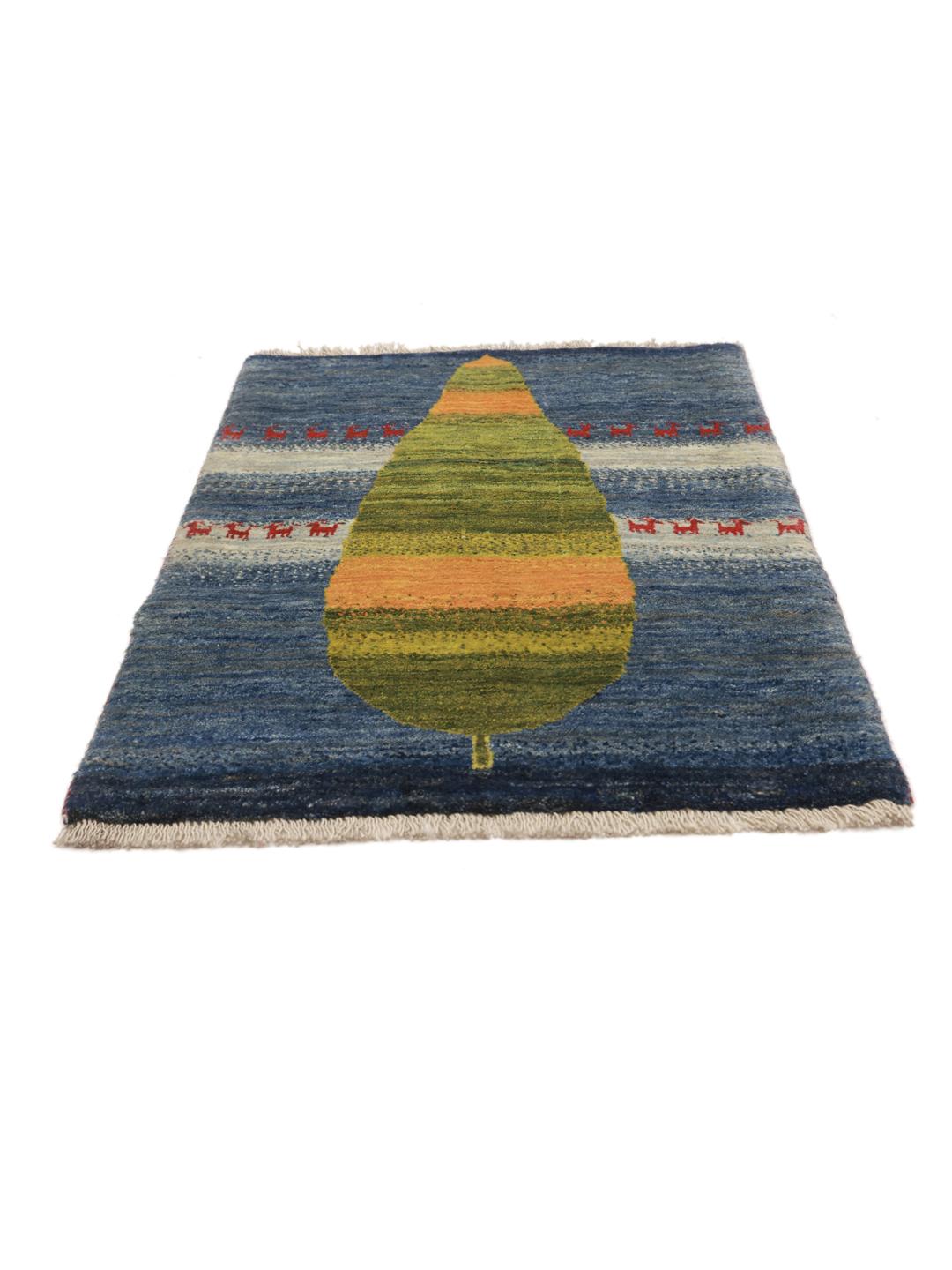
The term 'Gabbeh' itself translates to 'raw' or 'natural', reflecting the unrefined and spontaneous nature of these tribal carpets. Unlike formal, city-made rugs that follow rigid, pre-planned patterns, Gabbeh rugs are characterised by their minimalist and often abstract designs, allowing the weaver the freedom to express their creativity directly onto the loom.
The visual language of a Gabbeh is defined by its bold, often oversized motifs and a rich, saturated colour palette. While traditional rugs rely on intricate, symmetrical patterns, the Gabbeh celebrates the beauty of simplicity and the 'imperfections' that come with hand-weaving. The use of vibrant, natural dyes often results in subtle colour variations across the field, a phenomenon known as abrash, which adds depth and character to the finished piece.
Today, these rugs are highly prized by collectors for their authentic tribal heritage and the human story behind every knot. Owning a Gabbeh is an invitation to connect with a centuries-old tradition of nomadic craftsmanship, making it a meaningful addition to any home that values history, artistry, and genuine, lasting quality.