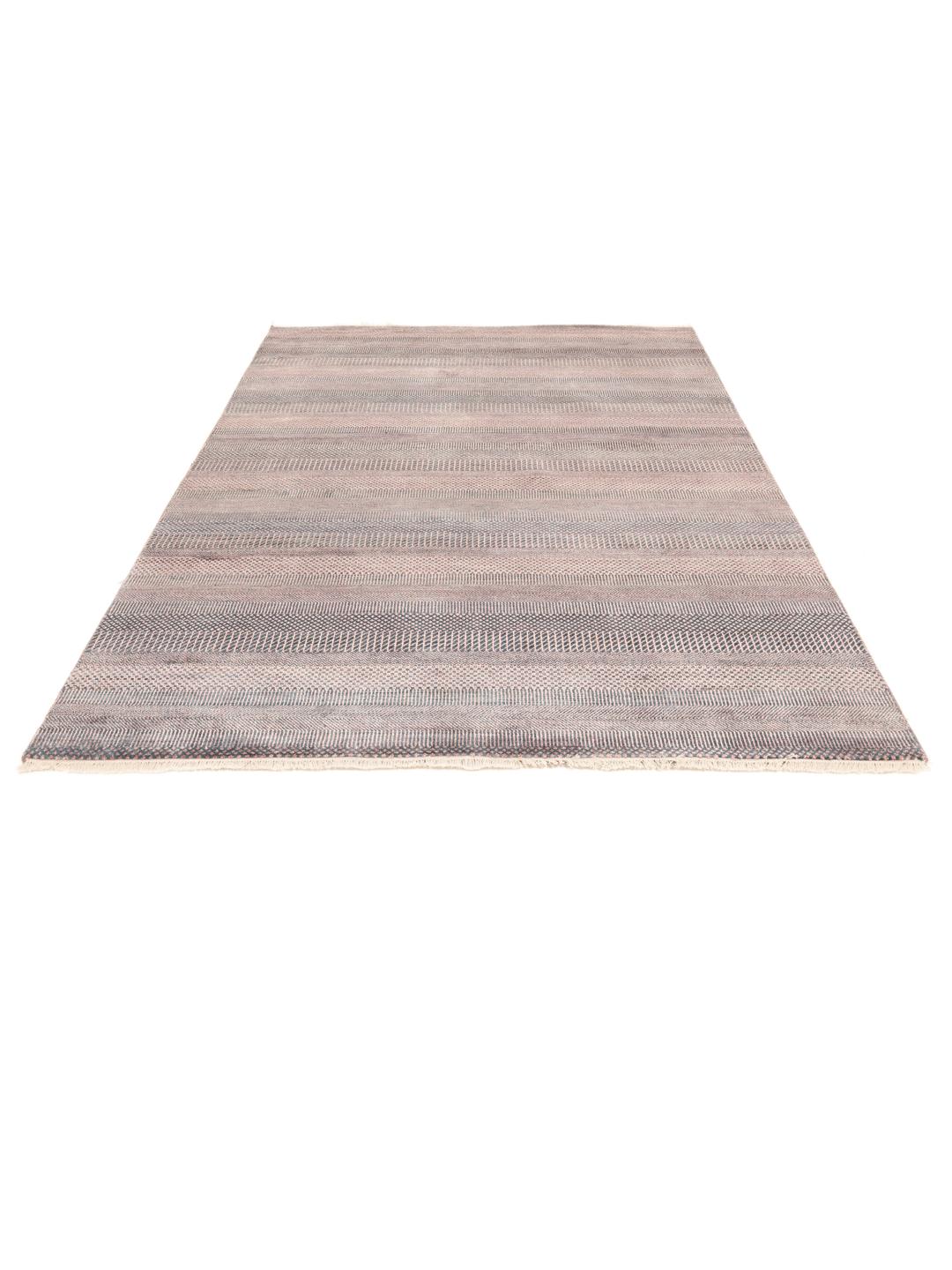
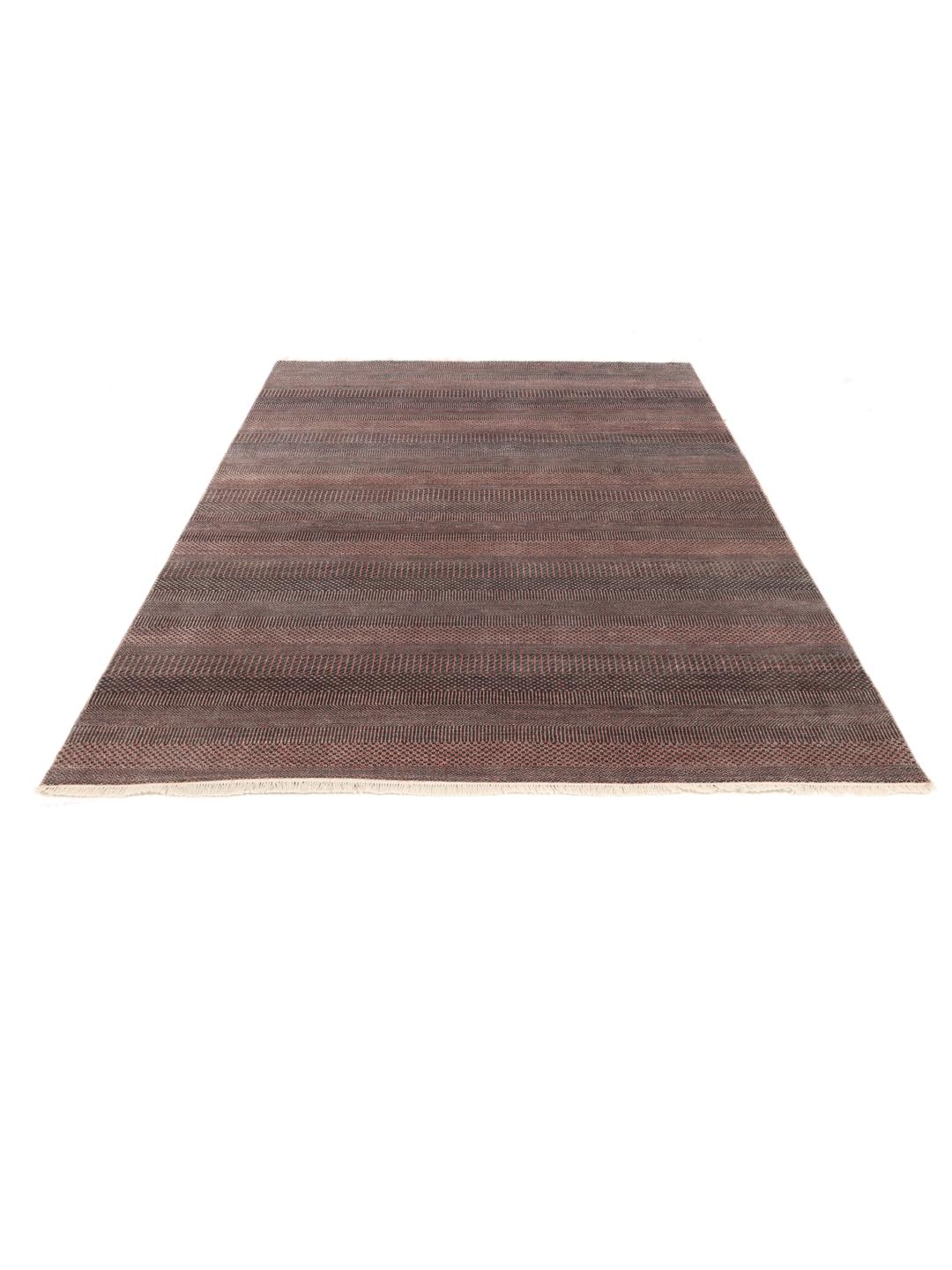
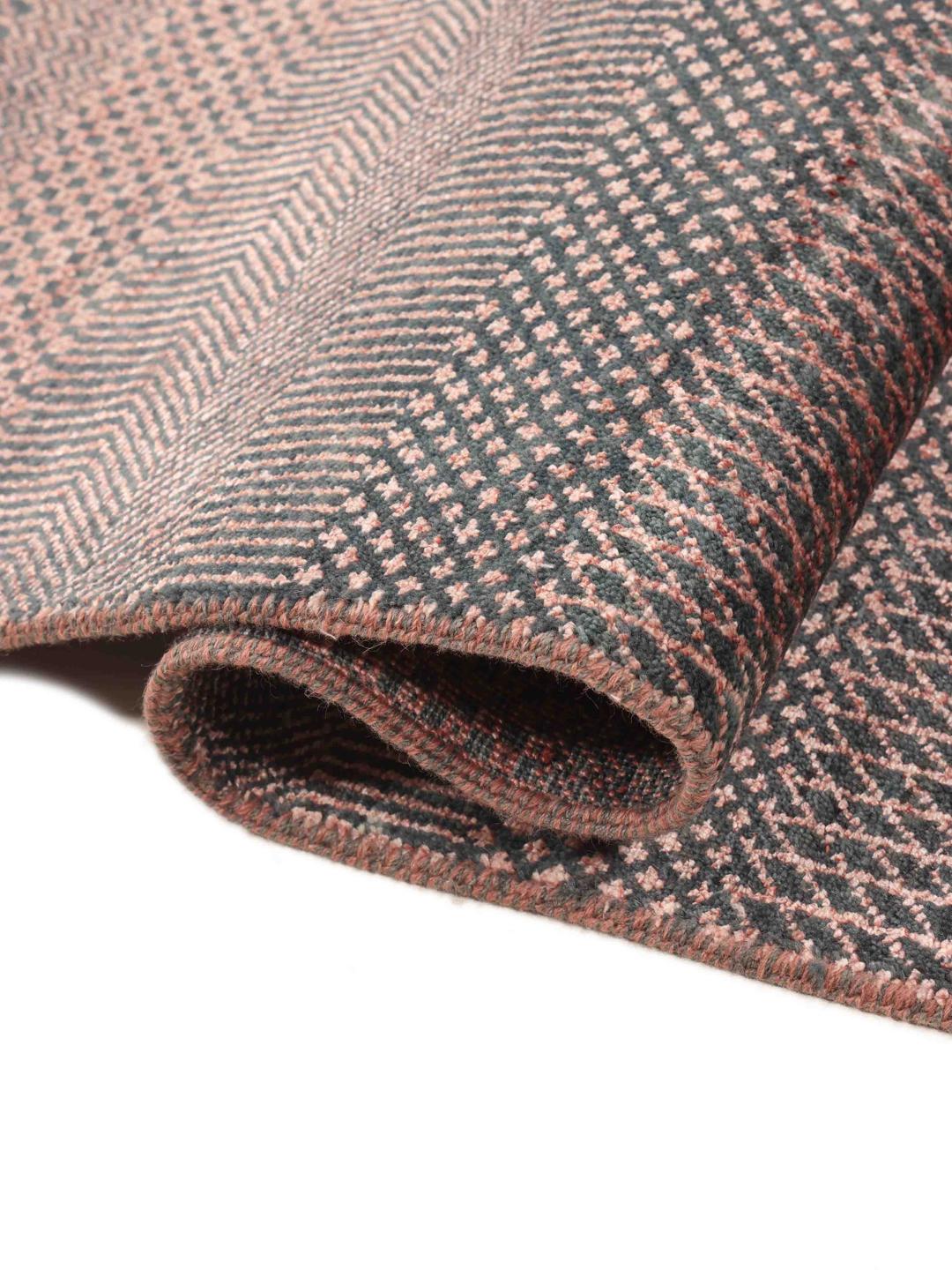
Gabbeh rugs have a long and storied history, originating from the nomadic tribes of the Middle East. Traditionally, these rugs were woven for personal use by families, rather than for trade, which allowed the weavers complete creative freedom. The word 'Gabbeh' itself means 'raw' or 'natural', reflecting a style that prioritizes simplicity and an organic aesthetic over complex, formal designs.
The evolution of the Gabbeh into a modern category has seen these traditional techniques travel to India, where artisans continue to honour the original spirit of the craft. By using hand-spun wool and natural, earthy colour palettes, these rugs maintain a connection to their nomadic roots while adapting to contemporary home interiors.
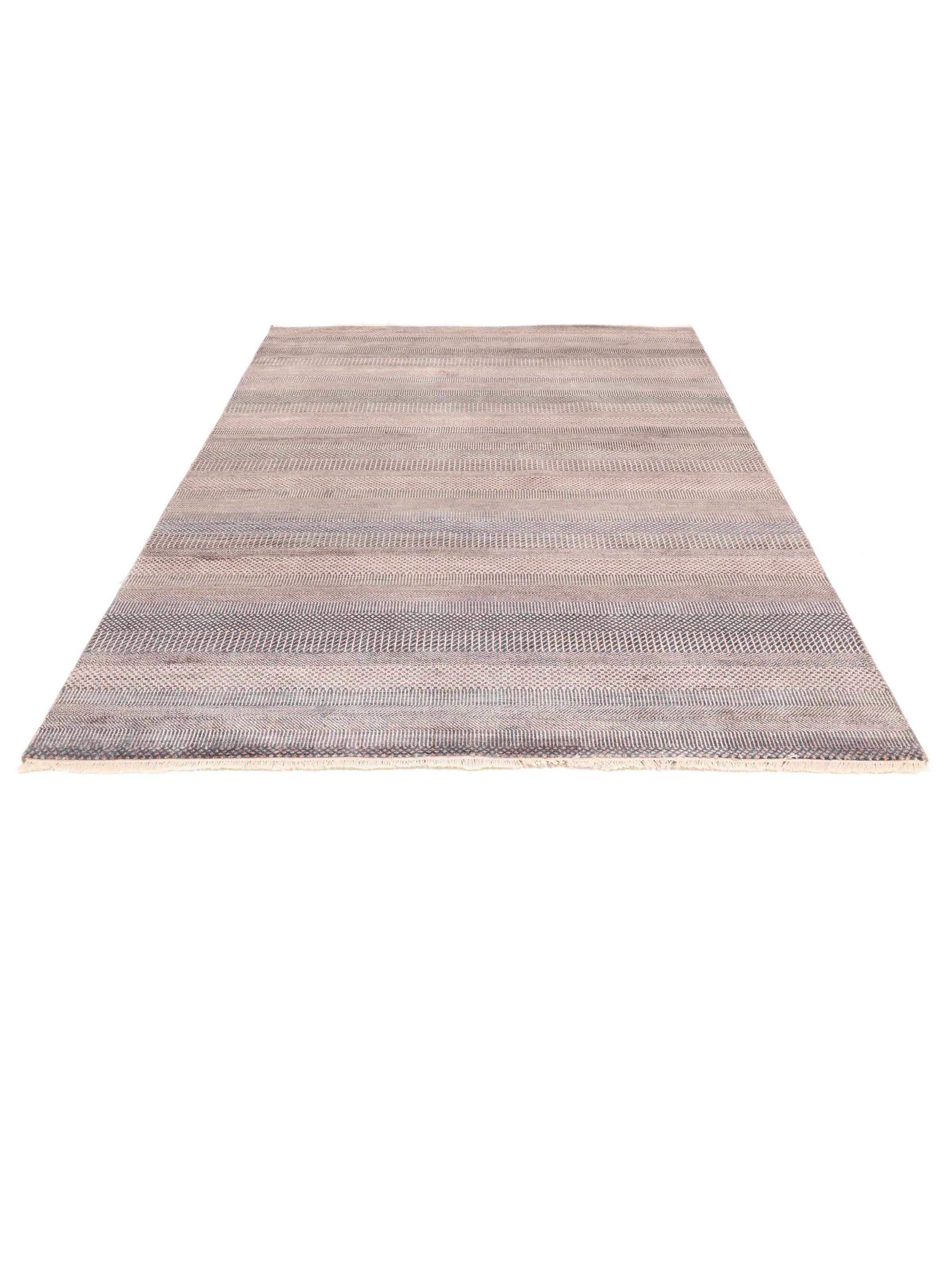
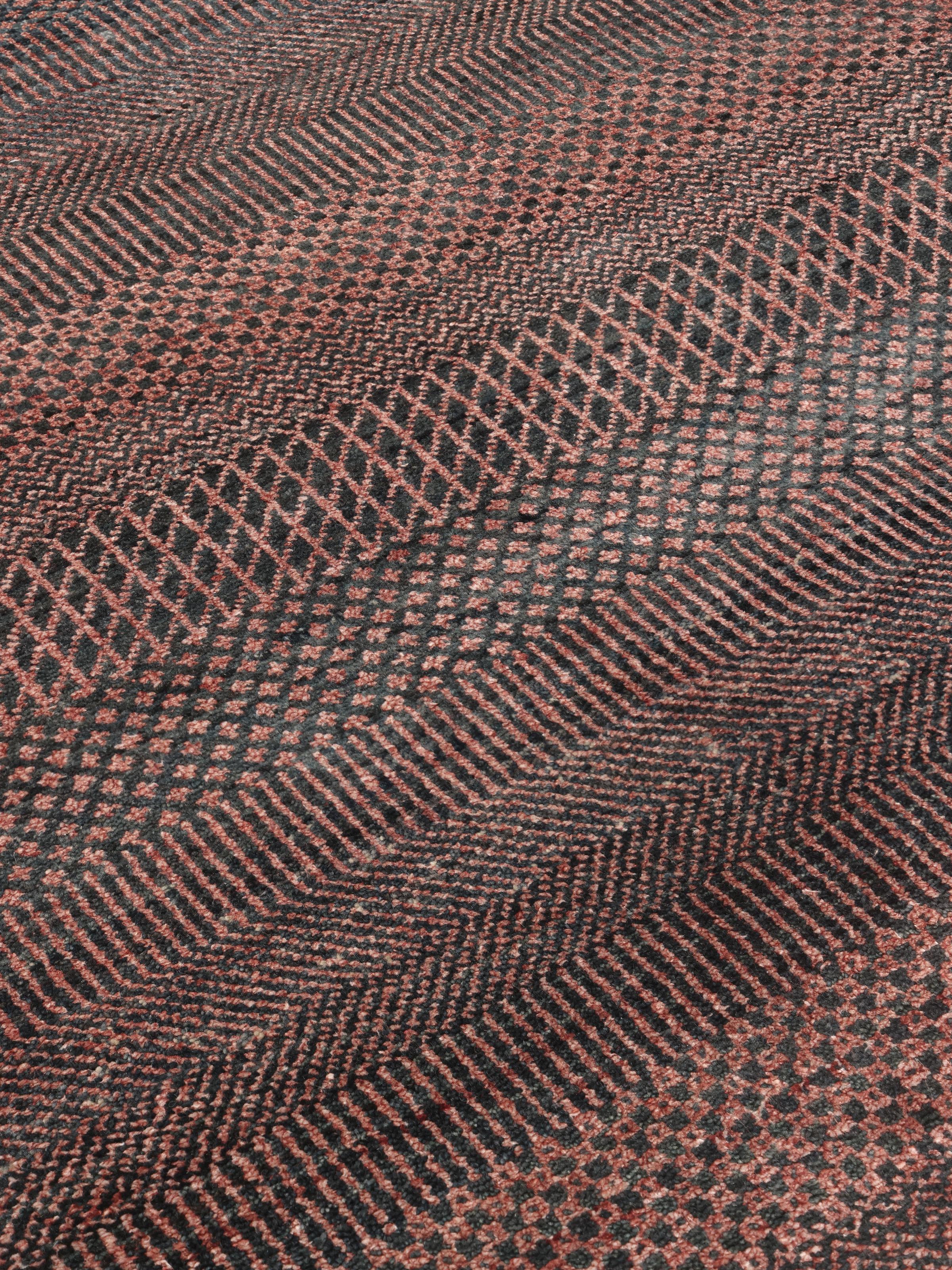
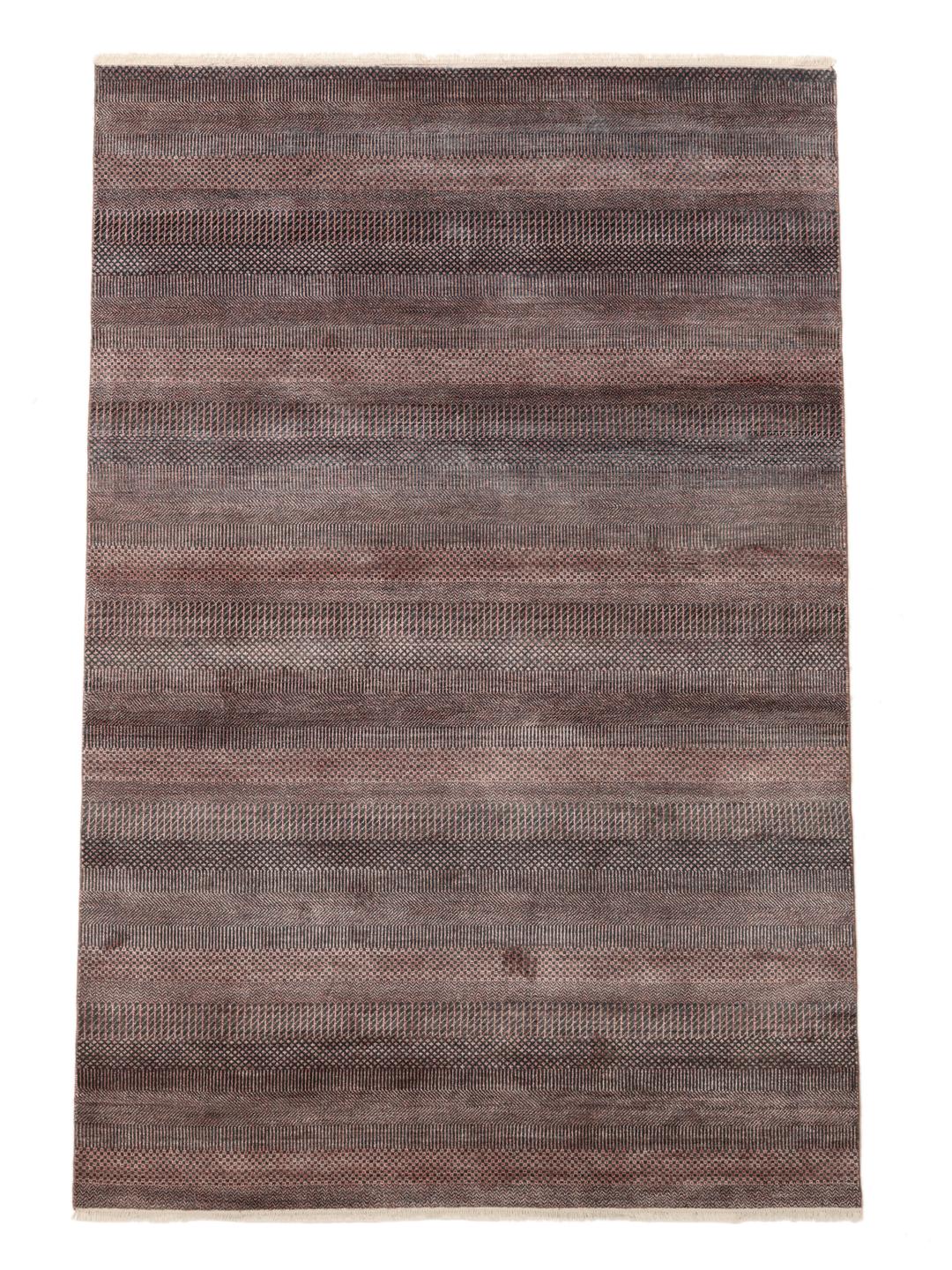
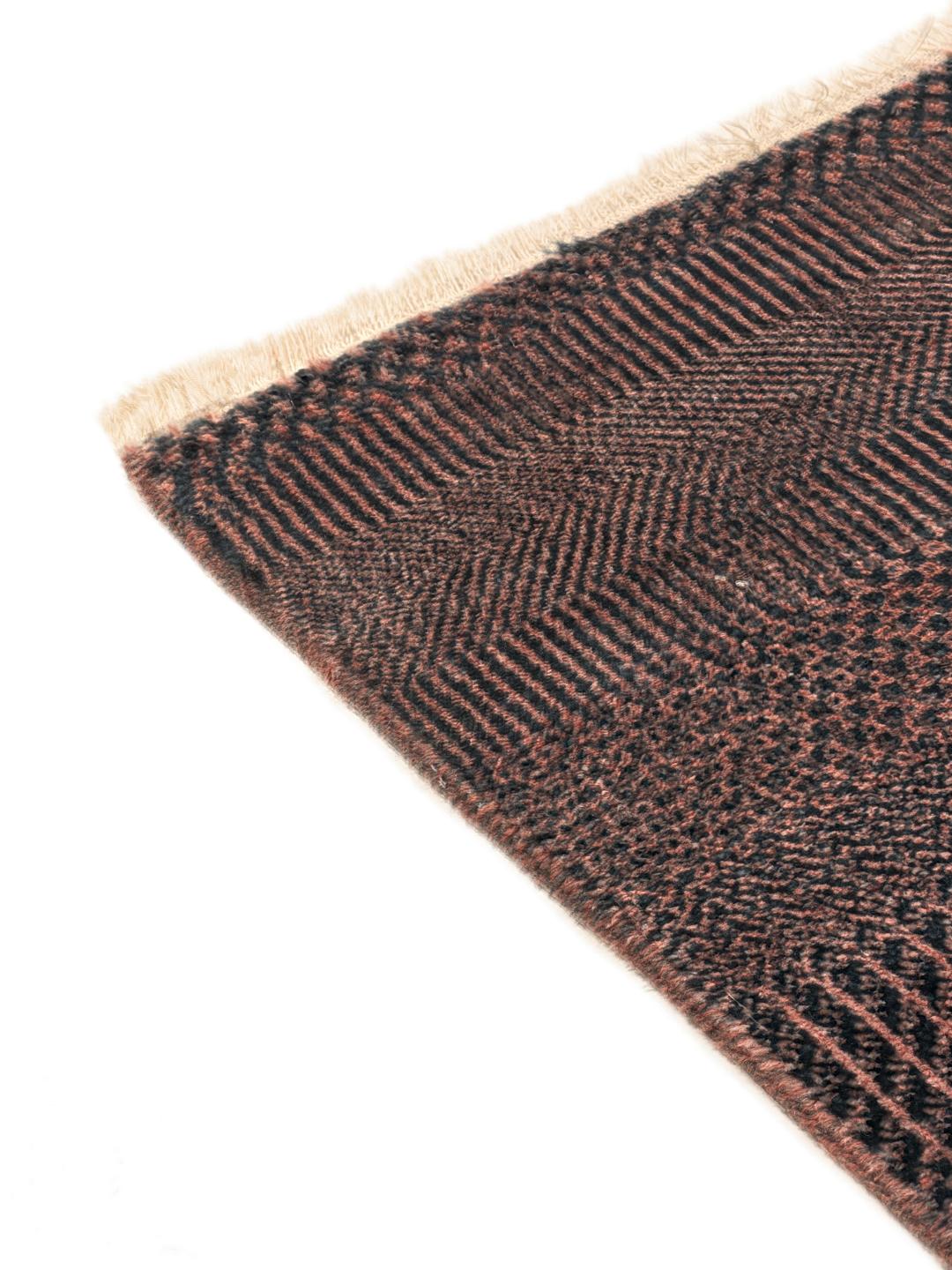
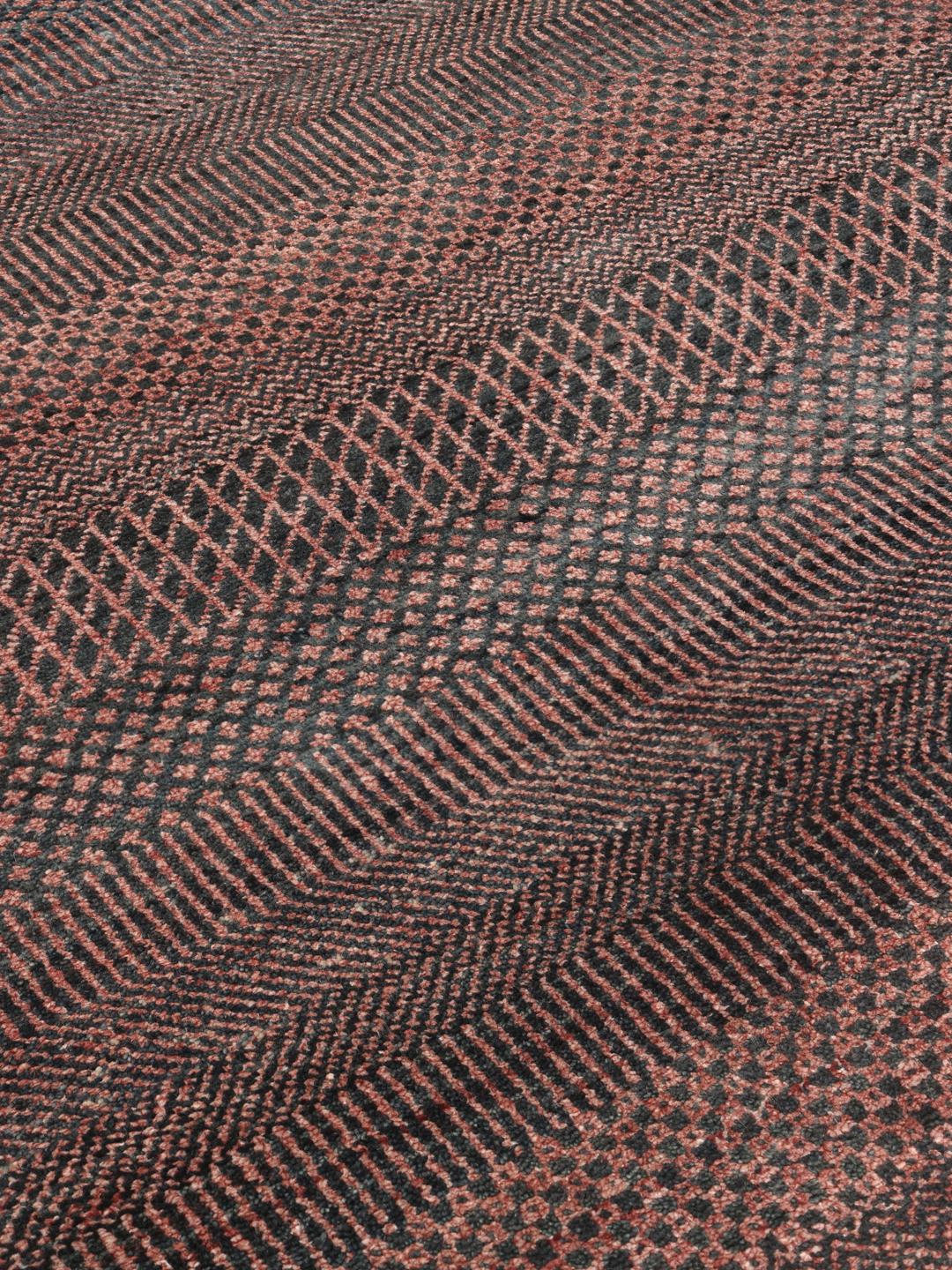
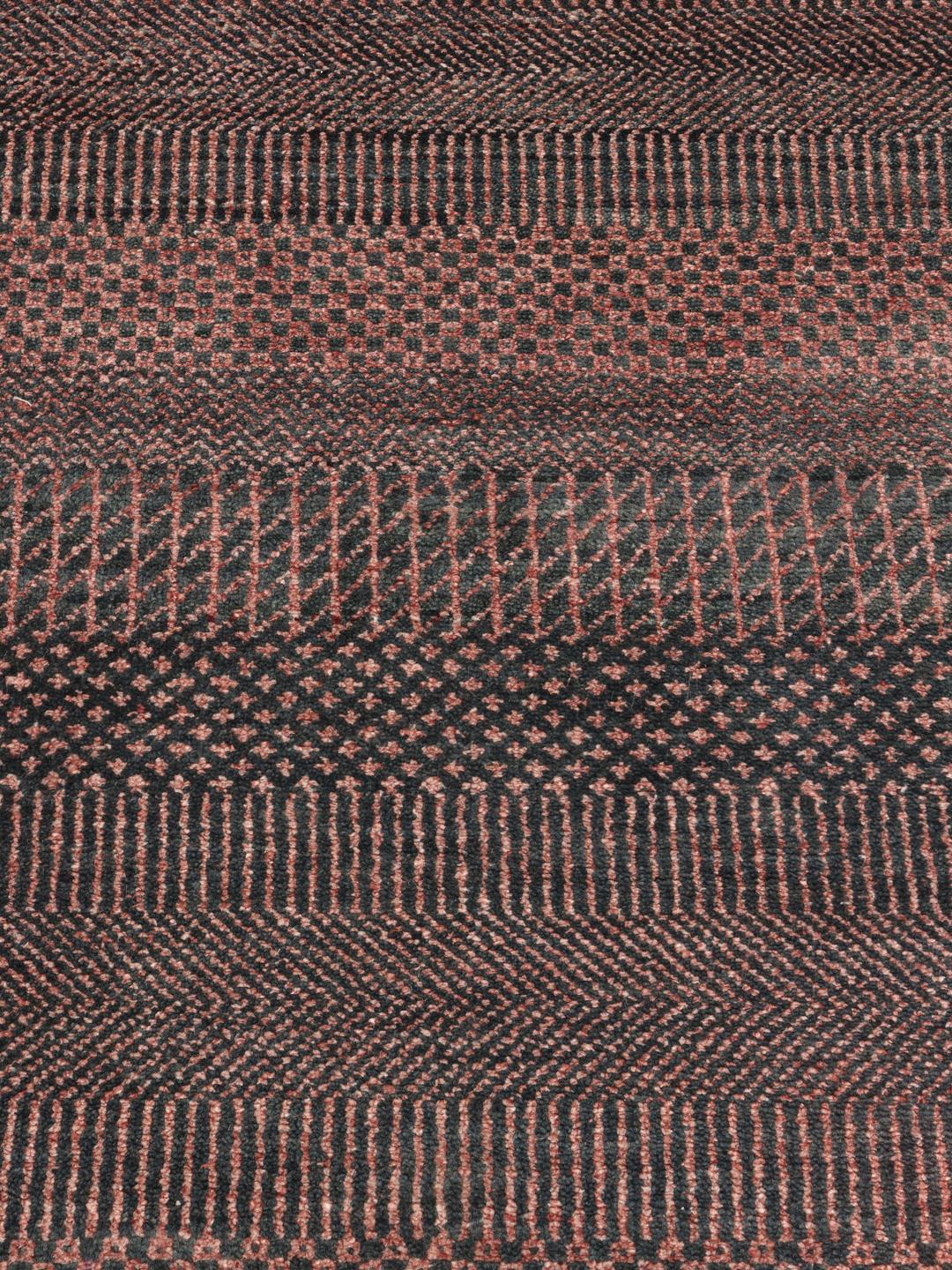
Signature design elements in this tradition often include open fields and abstract, simplified motifs that draw inspiration from the weaver's environment. While some Gabbehs feature bold, geometric shapes, the modern interpretation often leans into subtle, tonal shifts and textured fields that highlight the natural variations of the wool.
Collecting a piece from this tradition is an investment in cultural heritage and human skill. Because each rug is created without a rigid pattern, it serves as a canvas for the artisan's vision, making it a highly valued item for those who appreciate the beauty of slow, deliberate craftsmanship.