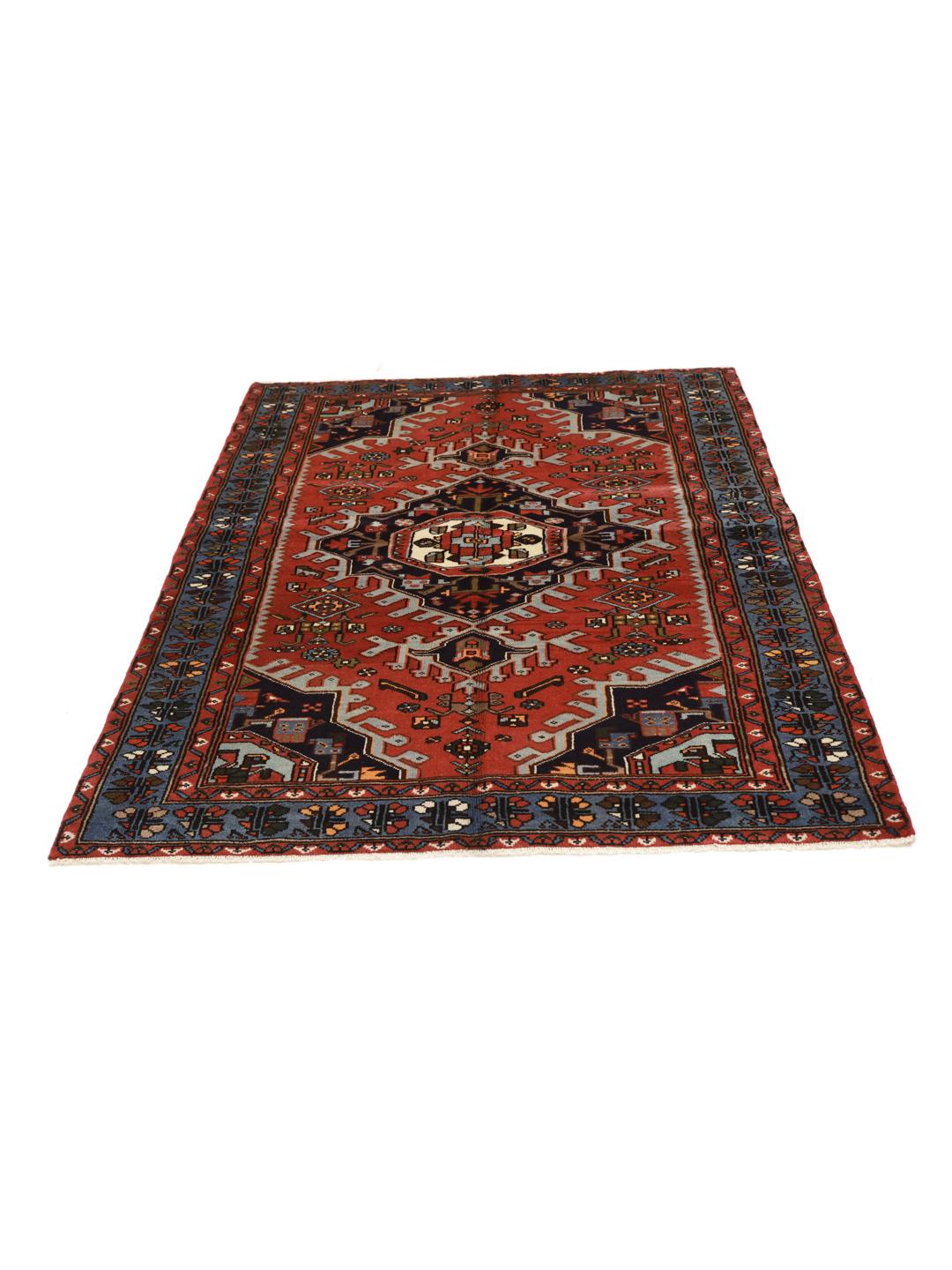
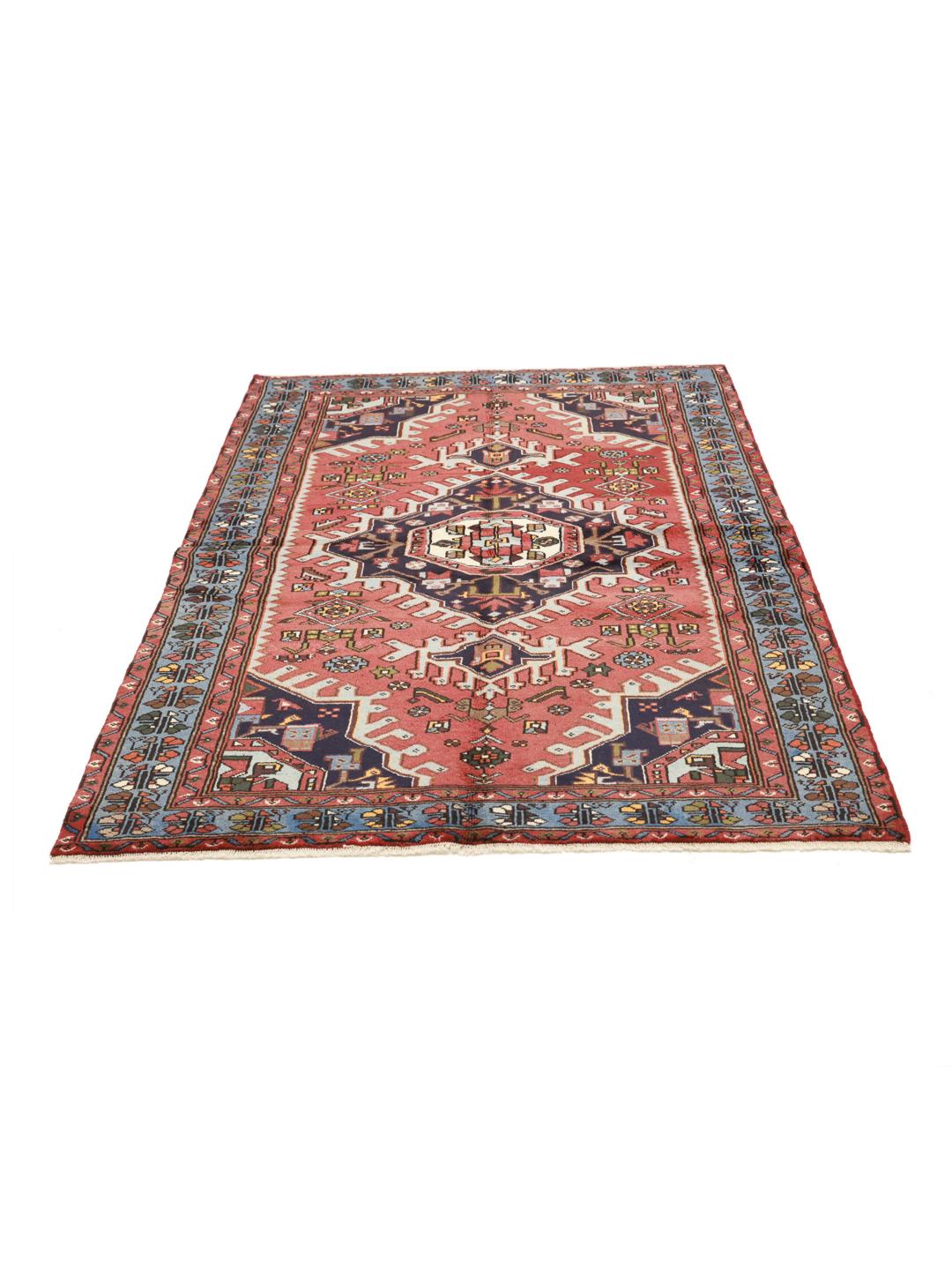
Hamadan rugs take their name from one of the oldest cities in the Middle East, located in a region with a deep-rooted history of textile production. Historically, this area has served as a central hub for nomadic and village weavers, allowing for a diverse range of styles and patterns that reflect the unique cultural influences of the surrounding mountain communities.
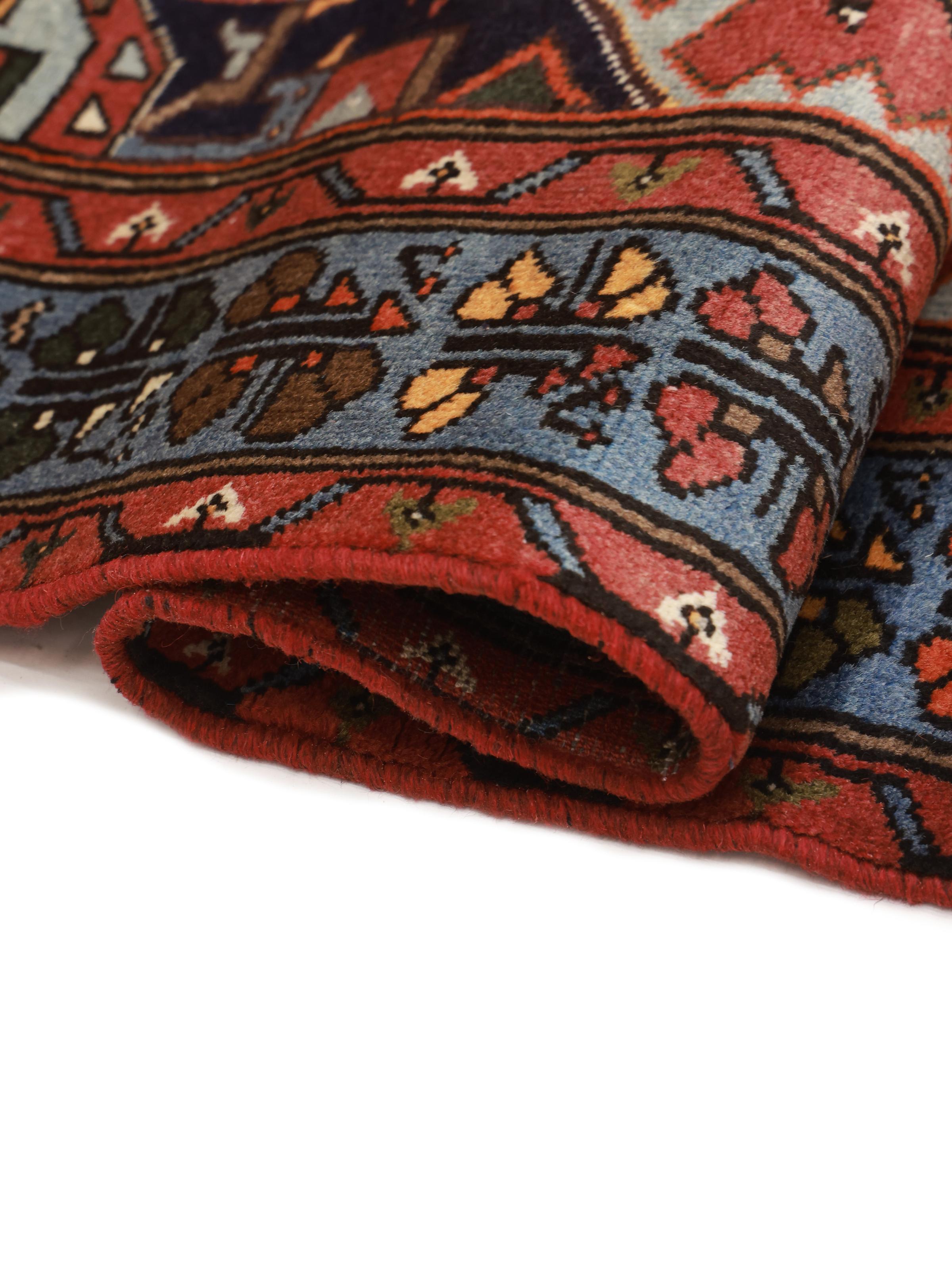
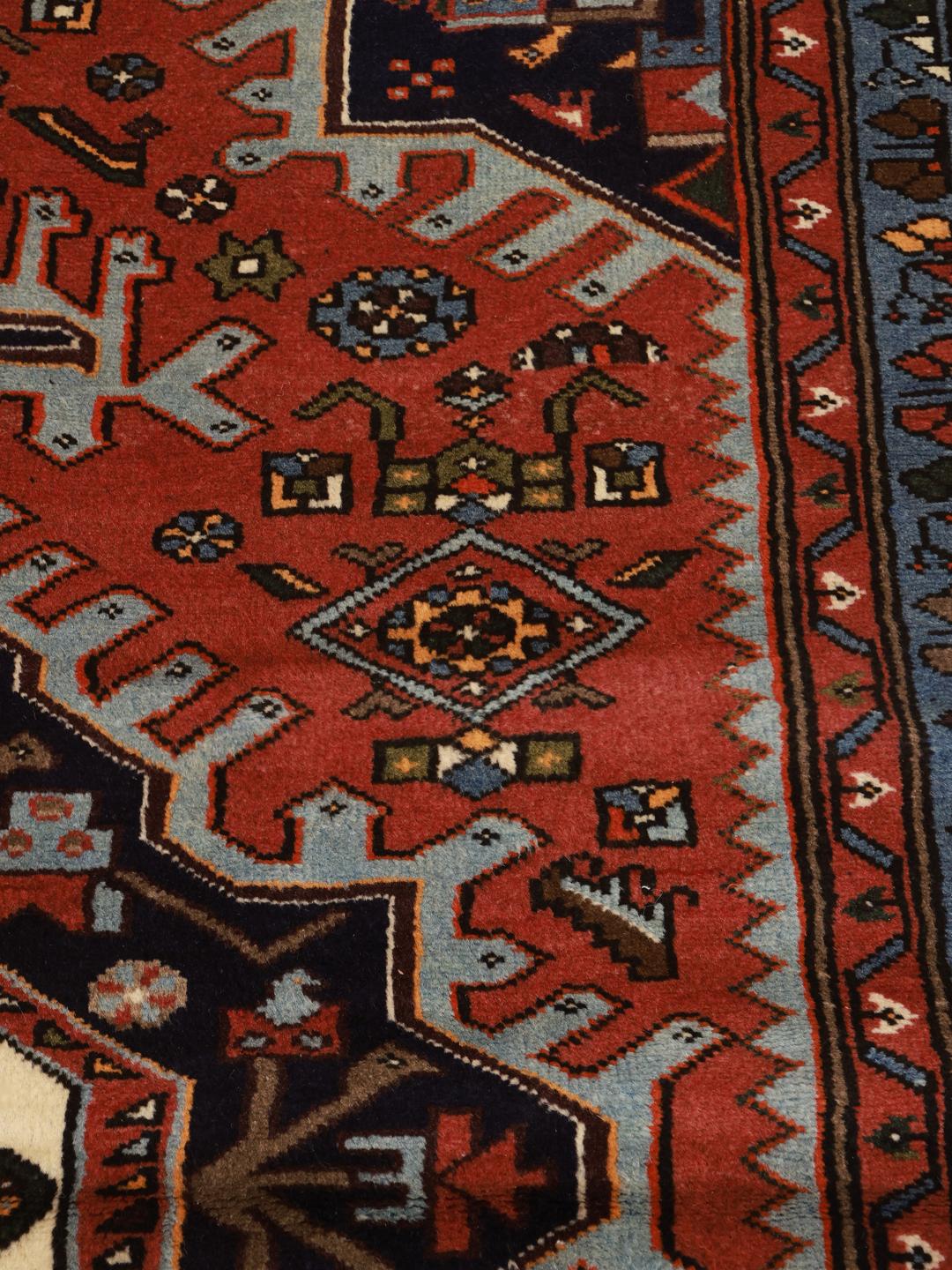
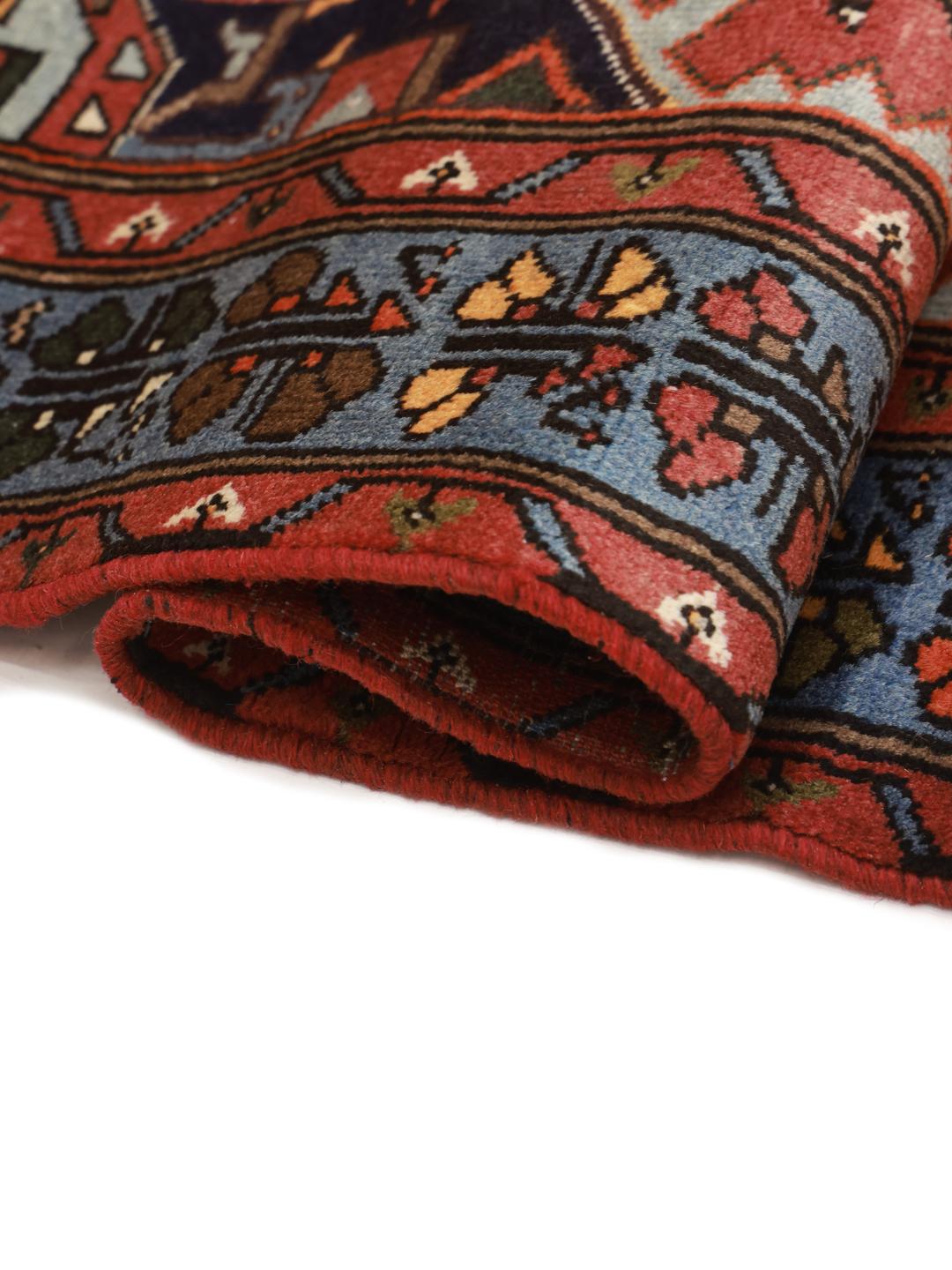
The terminology surrounding these rugs often reflects the specific village or tribal group responsible for the design. While patterns can vary widely, the consistent quality across the region is defined by the use of sturdy, high-quality wool. This choice of material is essential for creating a rug that can endure the daily demands of a home while maintaining its lustrous appearance over many years.
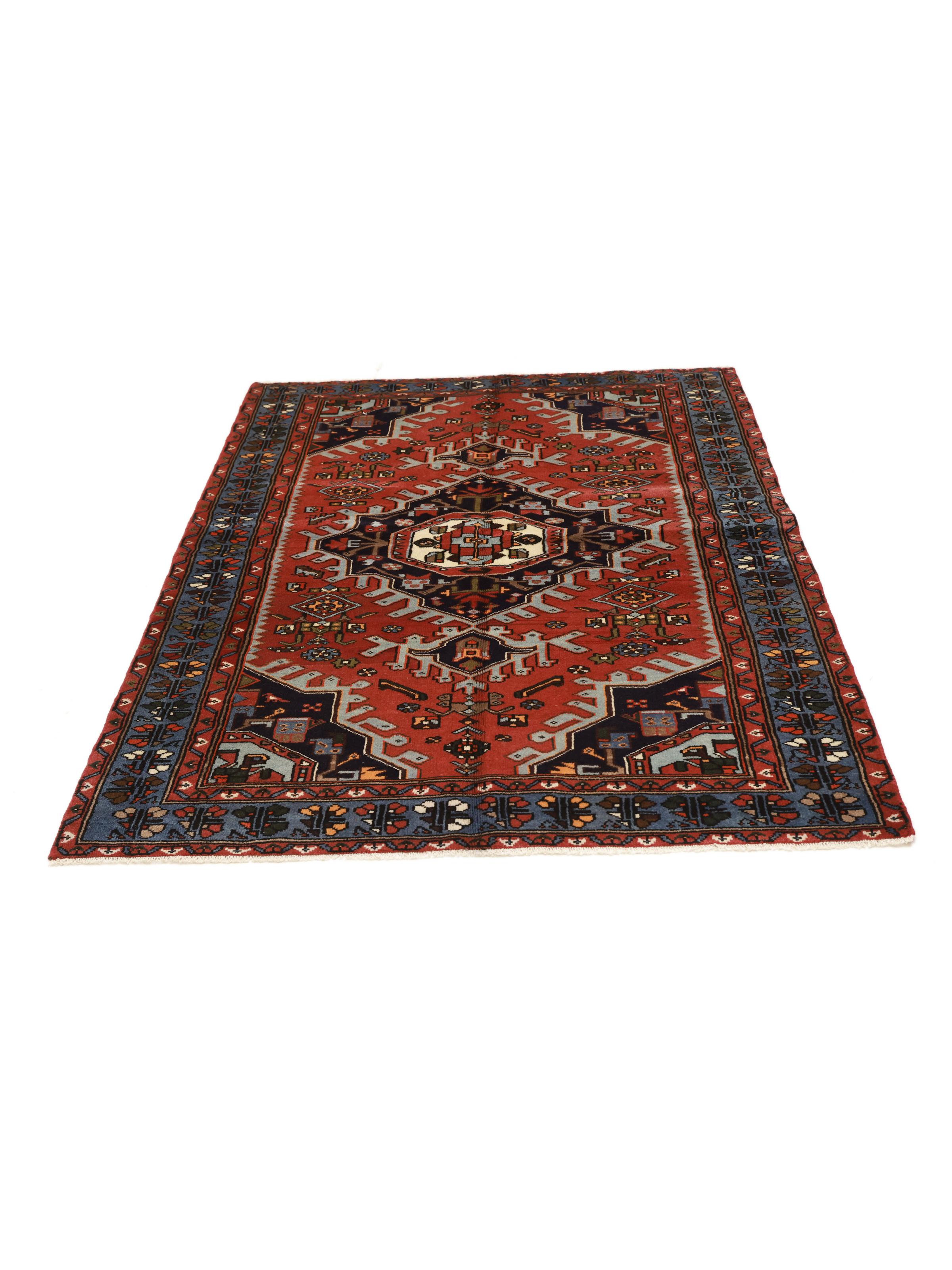
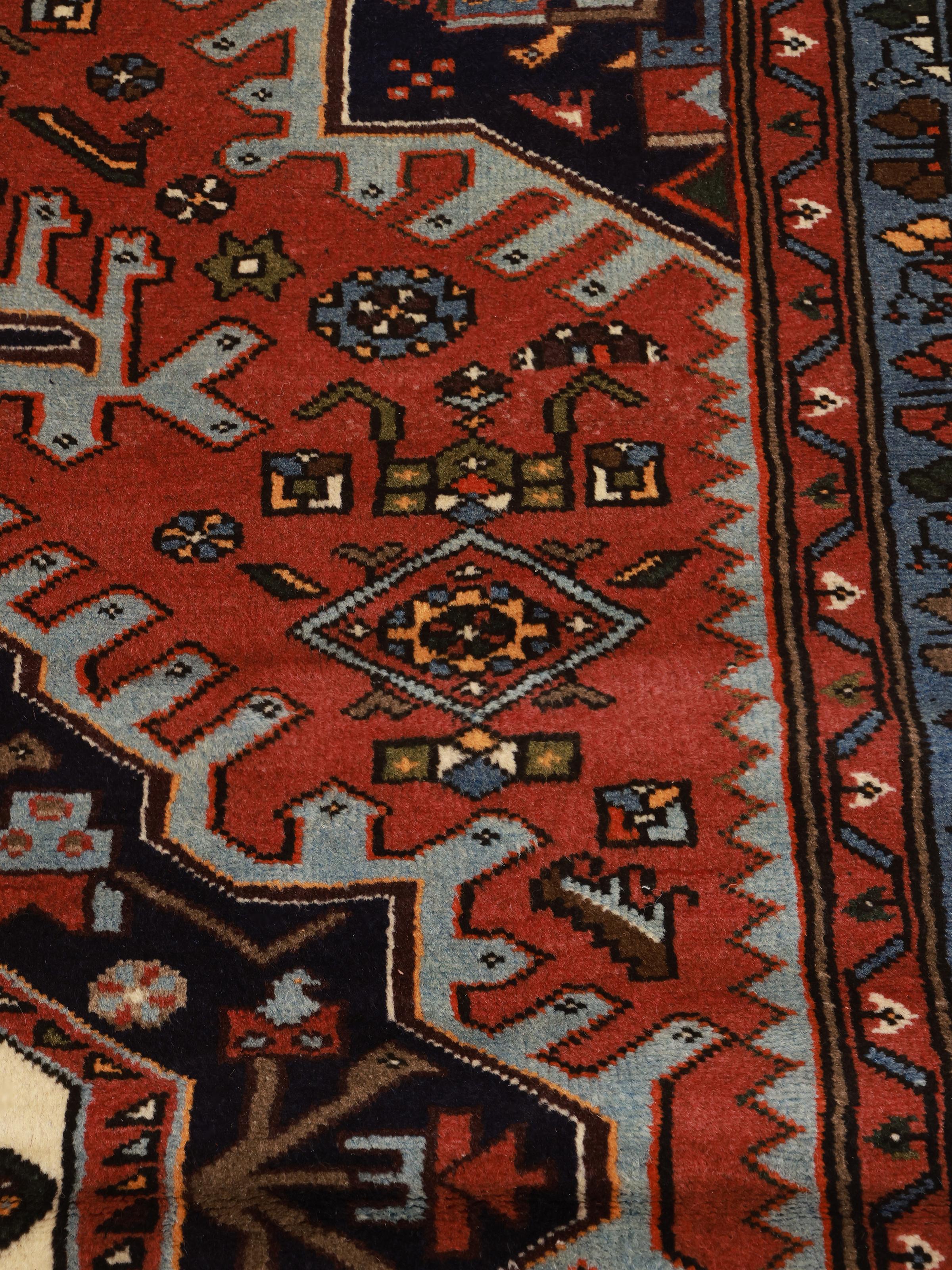
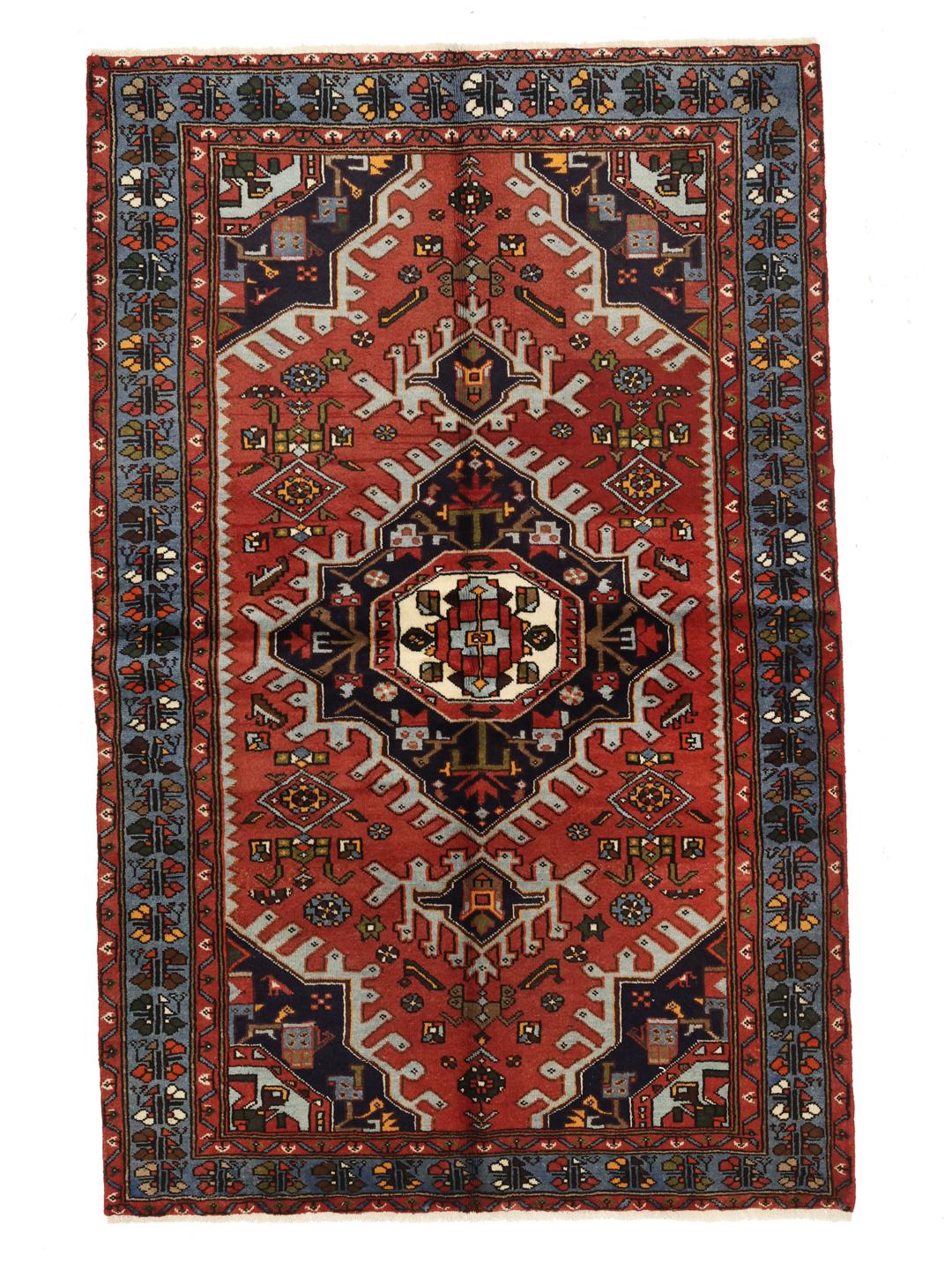
Visually, these rugs are celebrated for their bold, geometric language. Common design motifs include central medallions, repeating floral patterns, and intricate borders that frame the field. The use of vibrant, natural-looking dyes is a hallmark of the tradition, with deep reds and blues frequently chosen to create high-contrast, visually engaging layouts that define the aesthetic of the room.
Collecting a rug from this tradition is an investment in human skill and regional heritage. These pieces are valued not only for their visual impact but also for the stories woven into their patterns. By bringing a Hamadan rug into your home, you are preserving a piece of cultural history and celebrating the enduring artistry of master weavers.