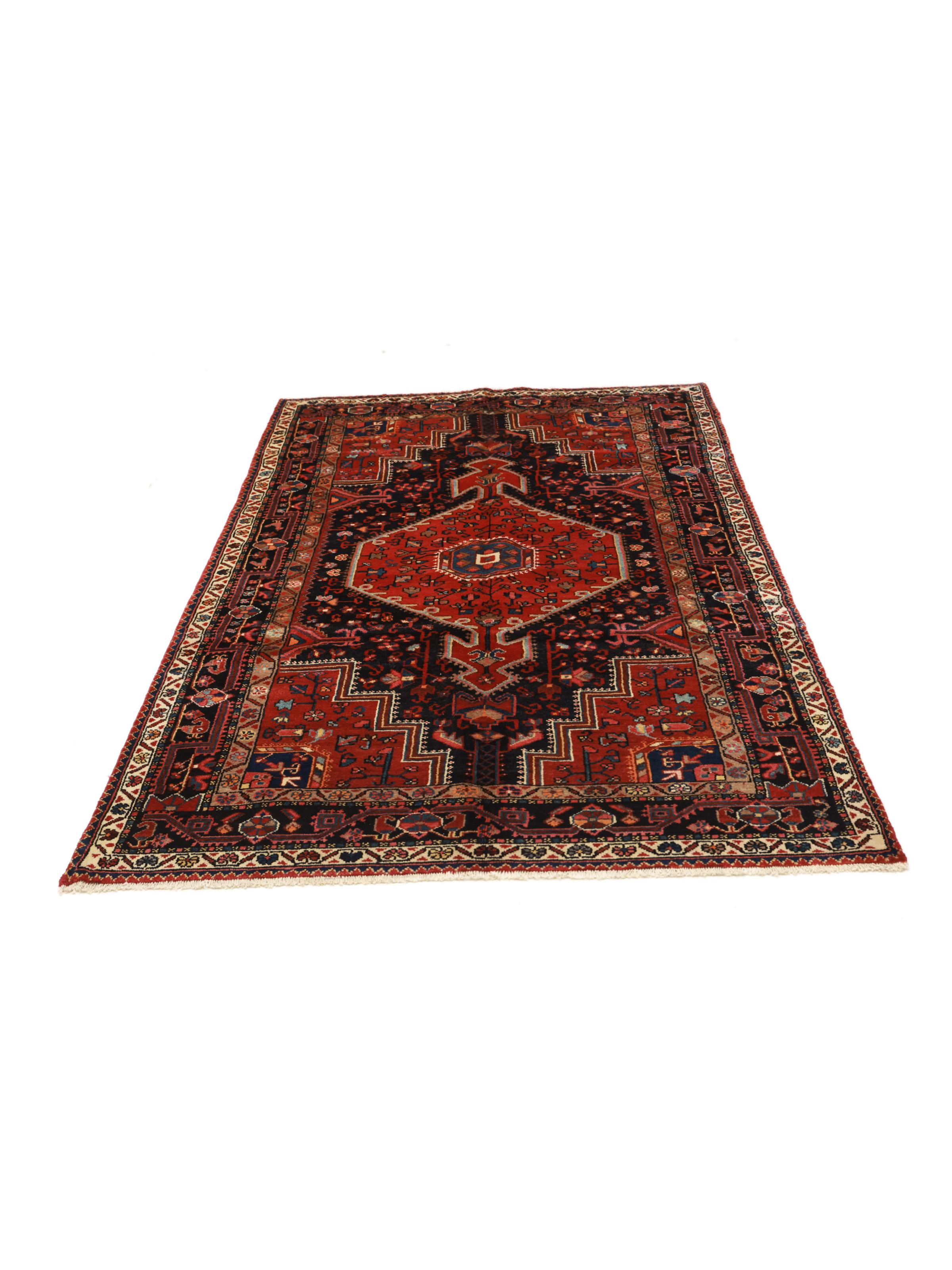
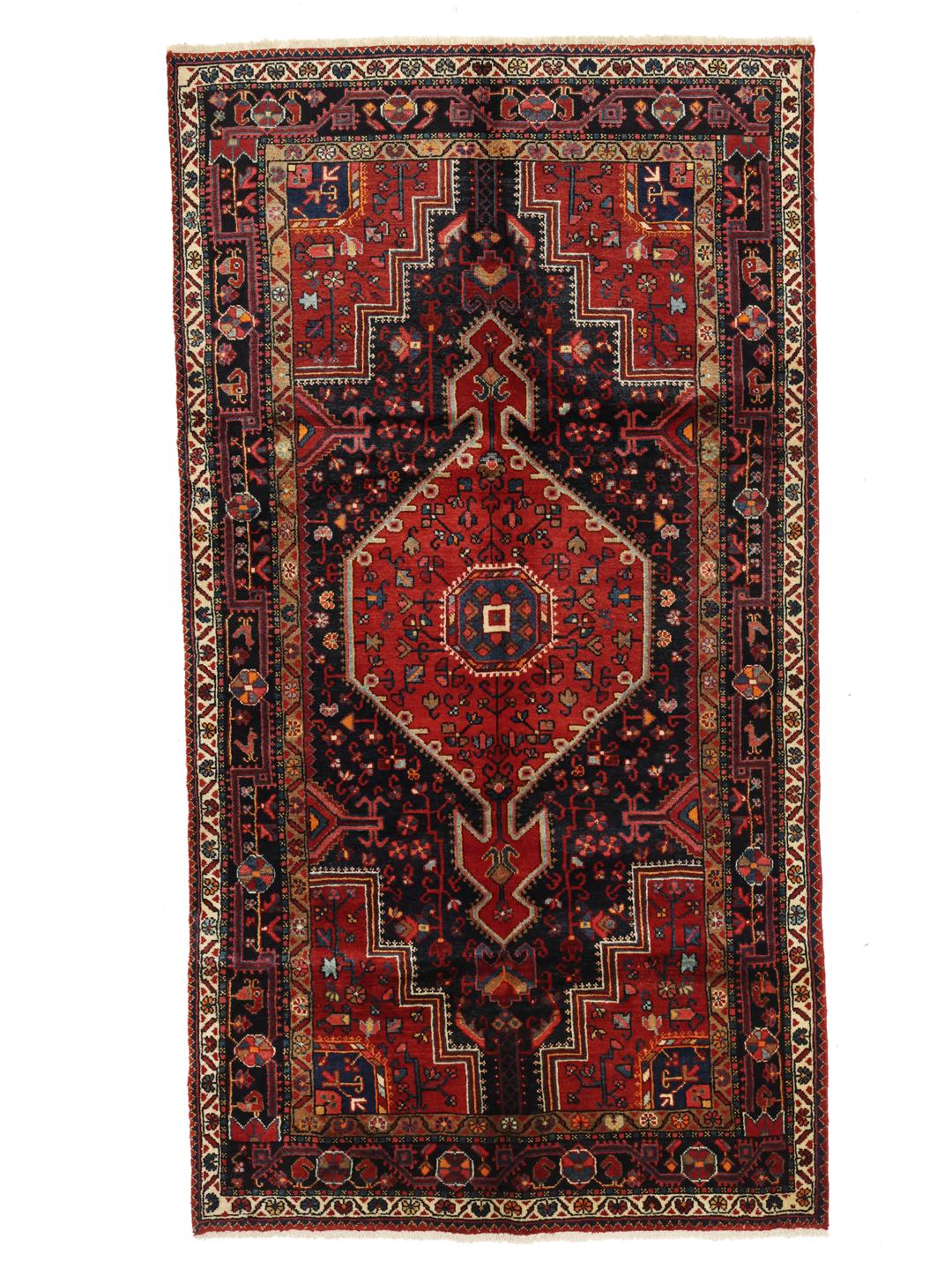
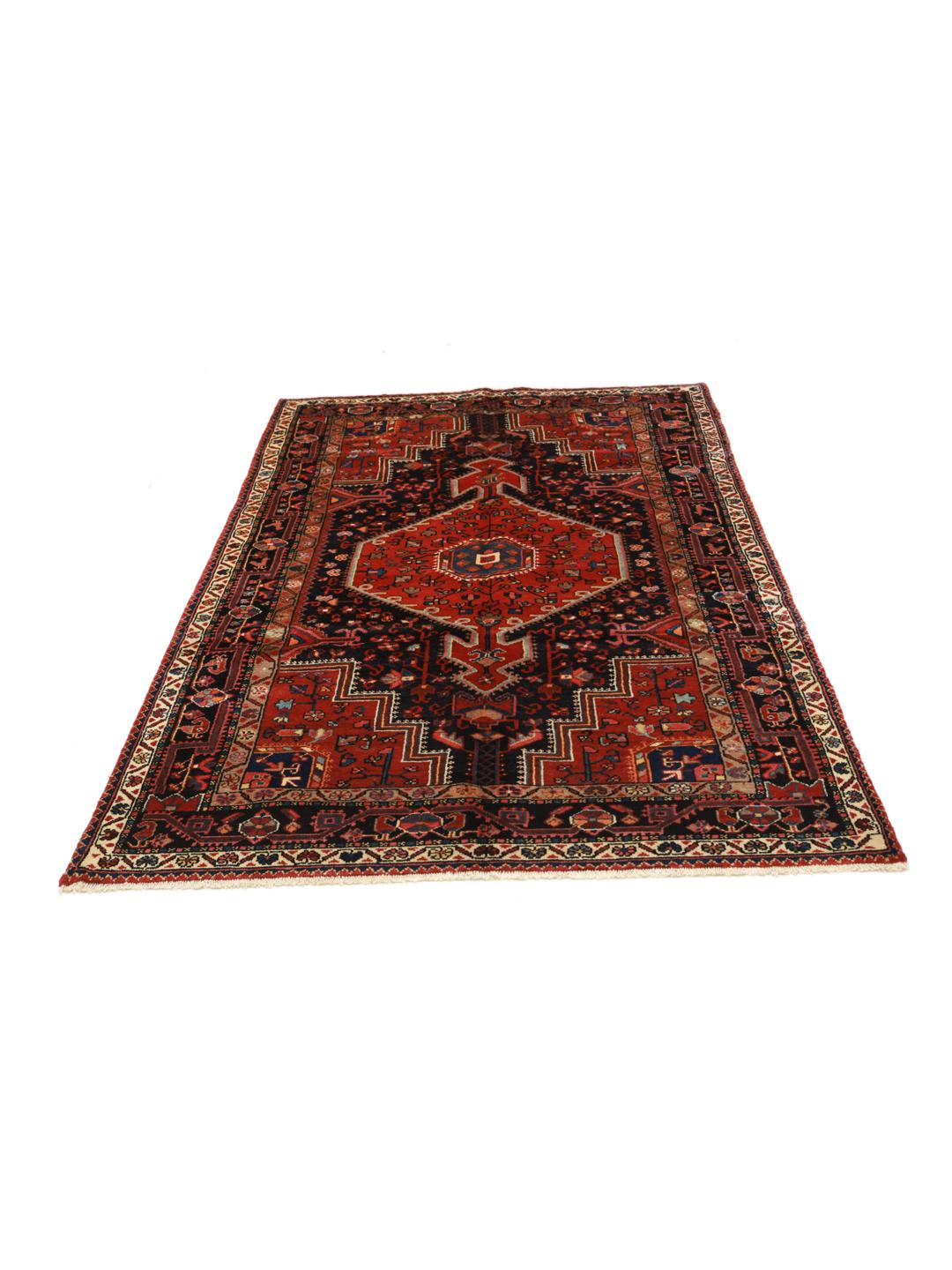
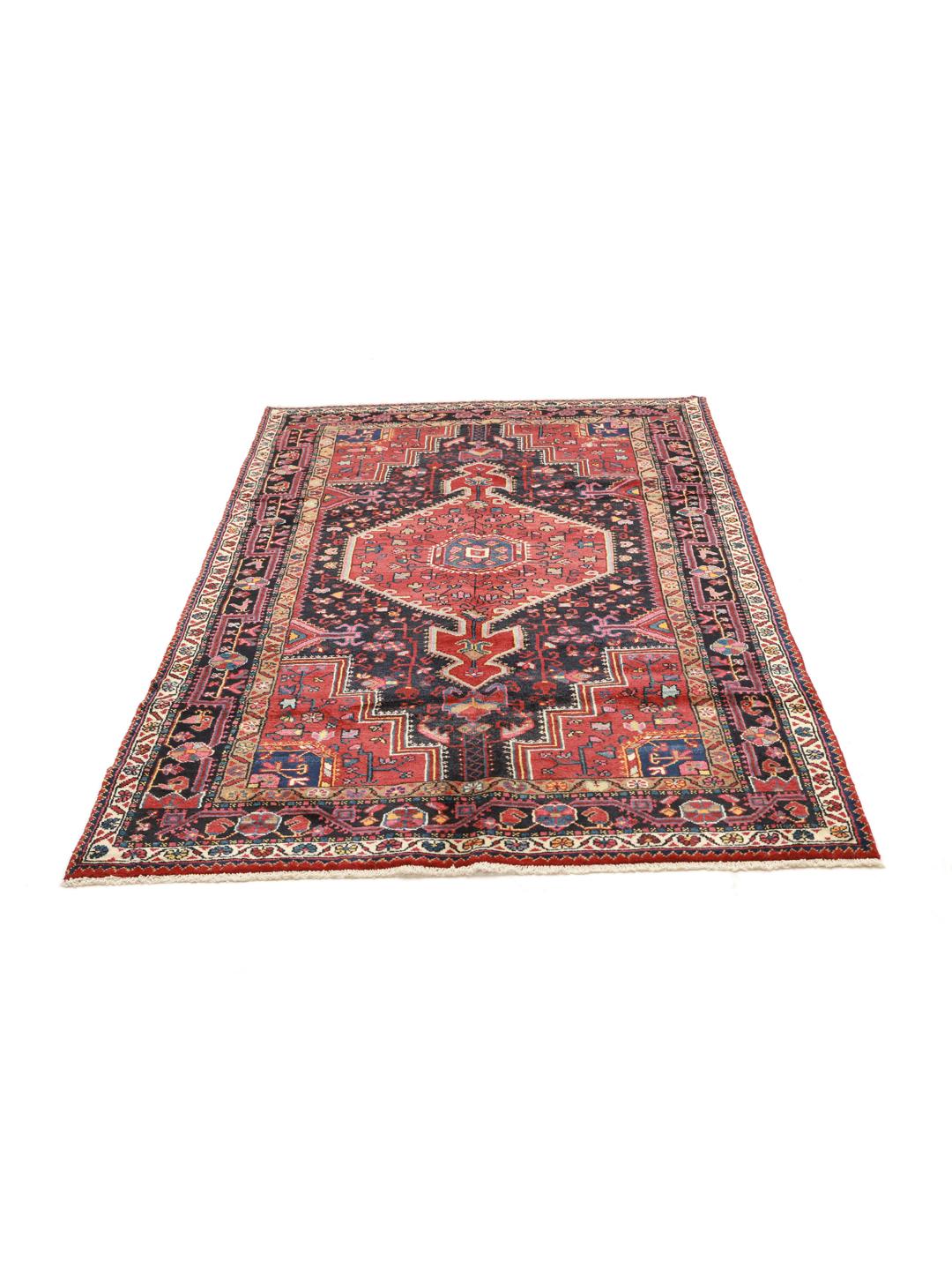
Hamadan rugs originate from one of the oldest cities in the Middle East, a historic hub located in the western part of the region. This area has been a centre of trade and craft for millennia, and its rug-weaving tradition is famously diverse. Unlike workshops in larger cities that might follow a single, rigid design, the Hamadan tradition is known for its village-style spontaneity, where weavers often draw upon local motifs and ancestral knowledge to create patterns that reflect their specific heritage.
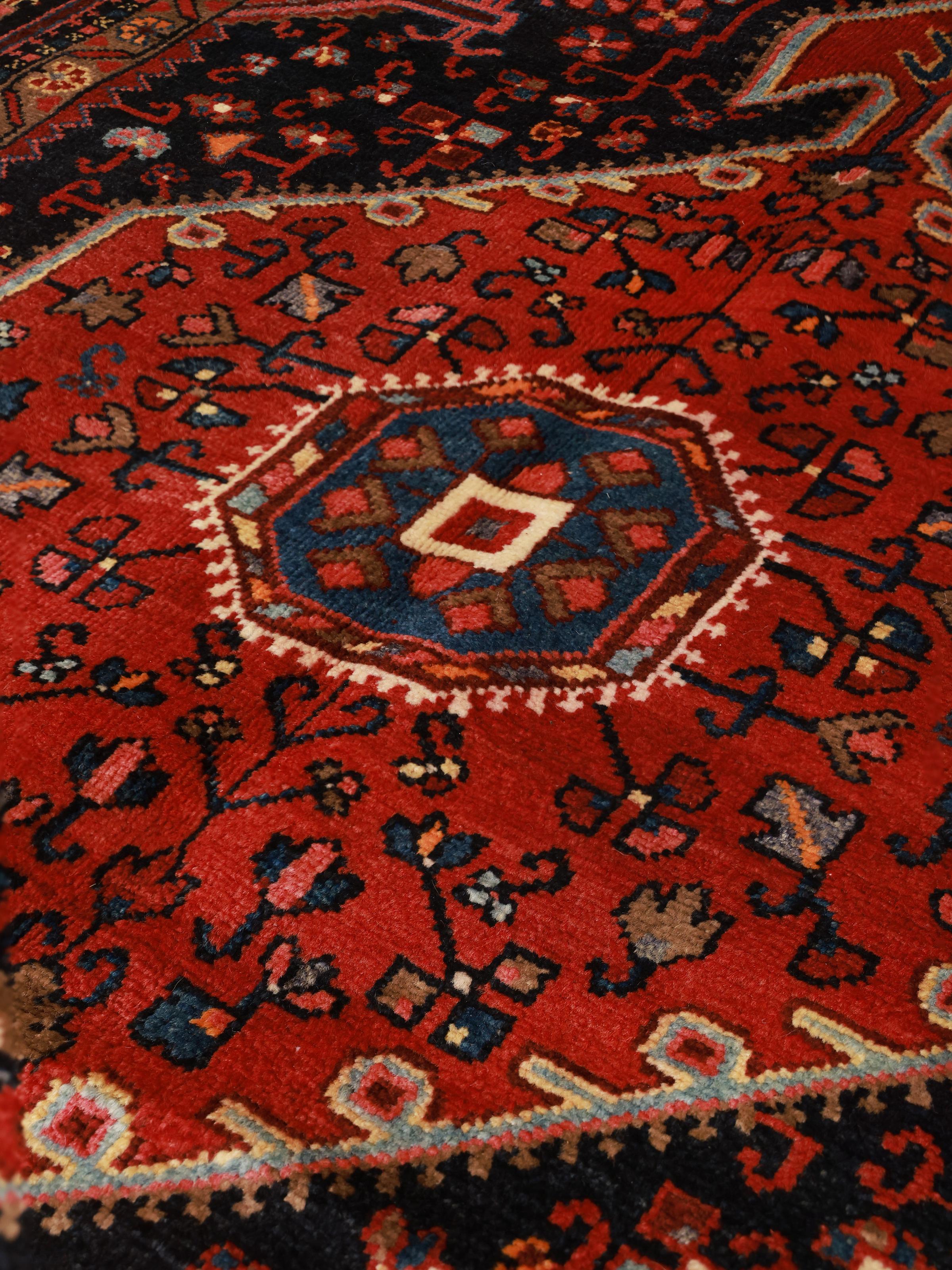
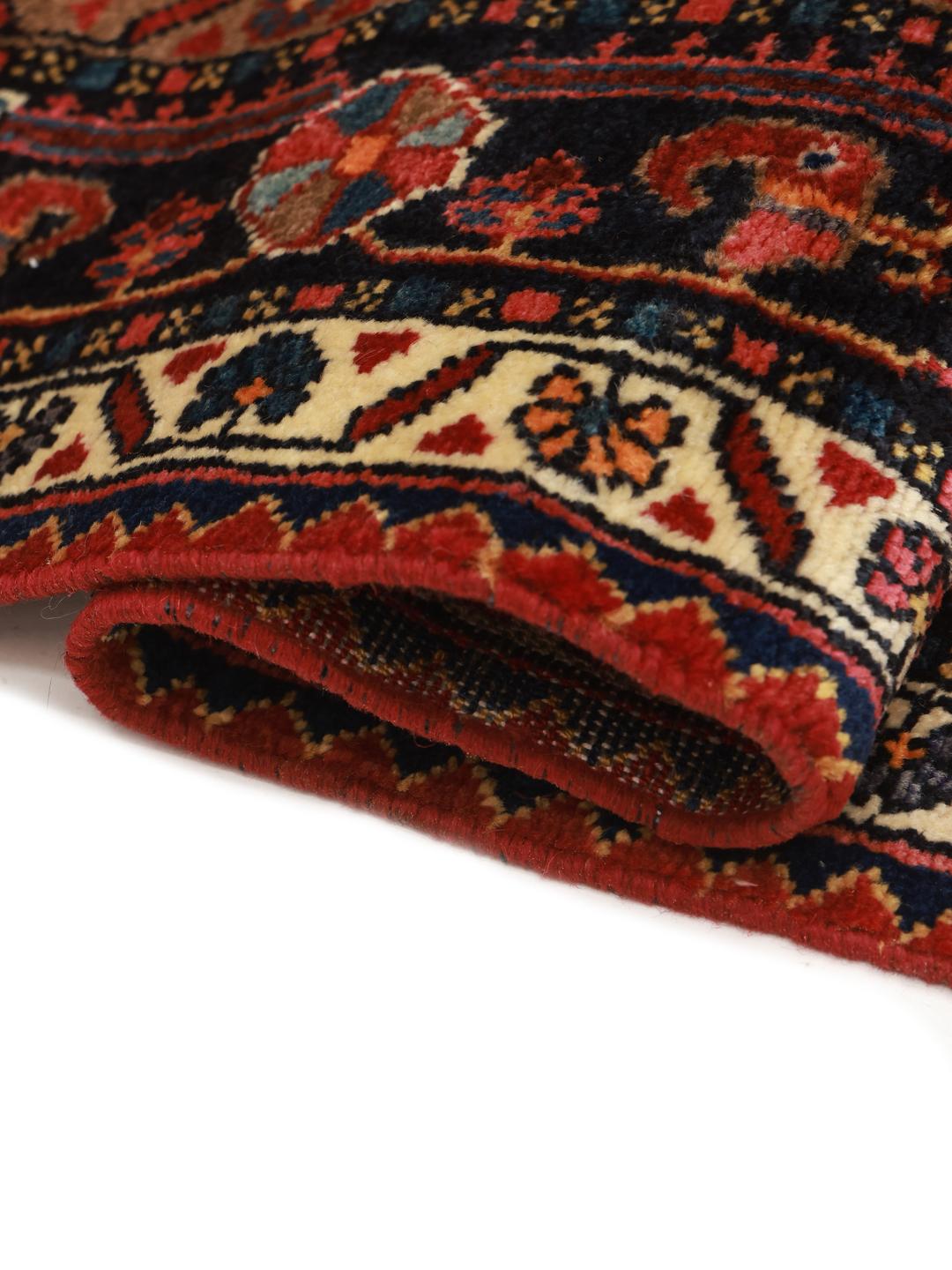
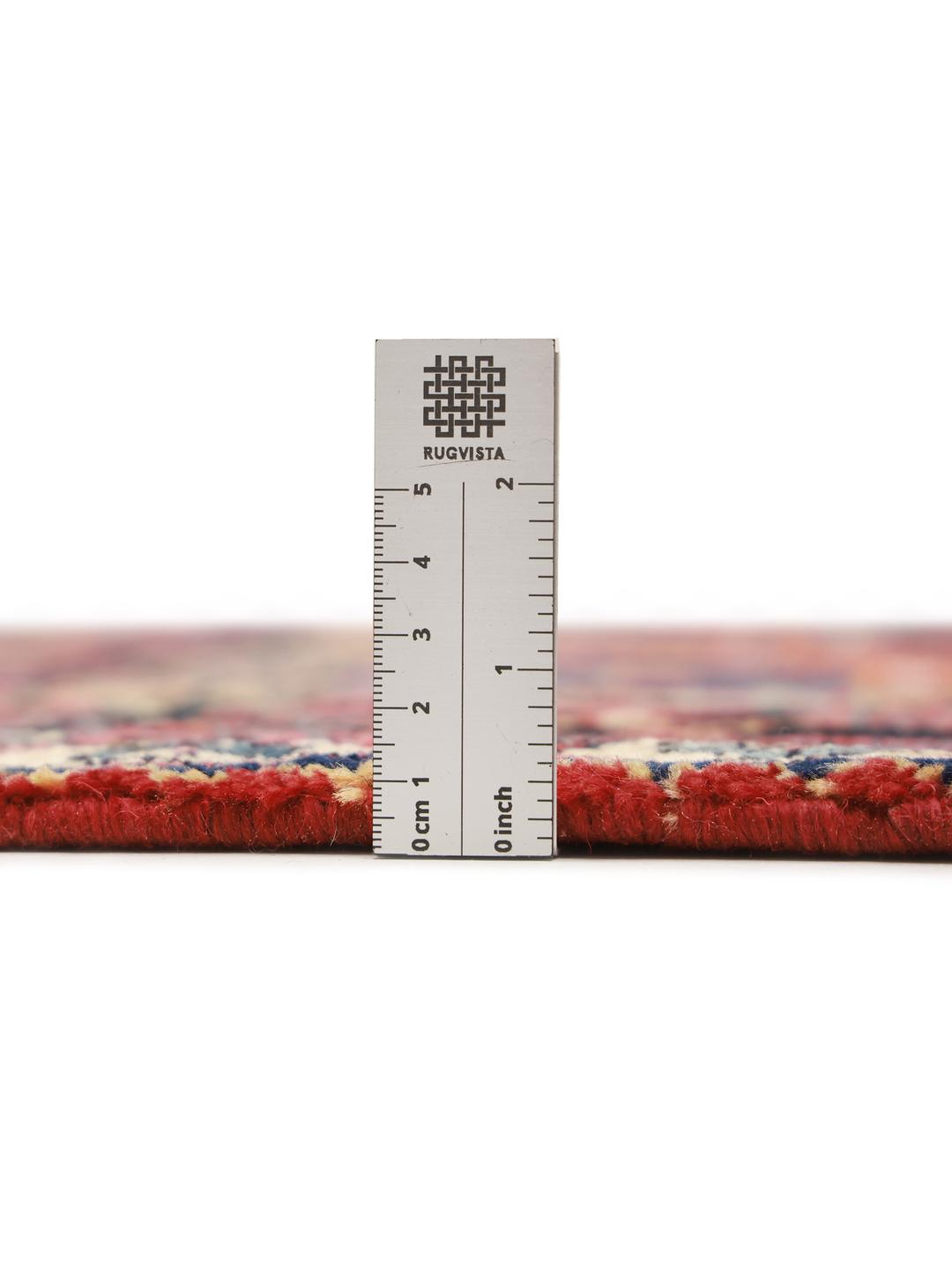
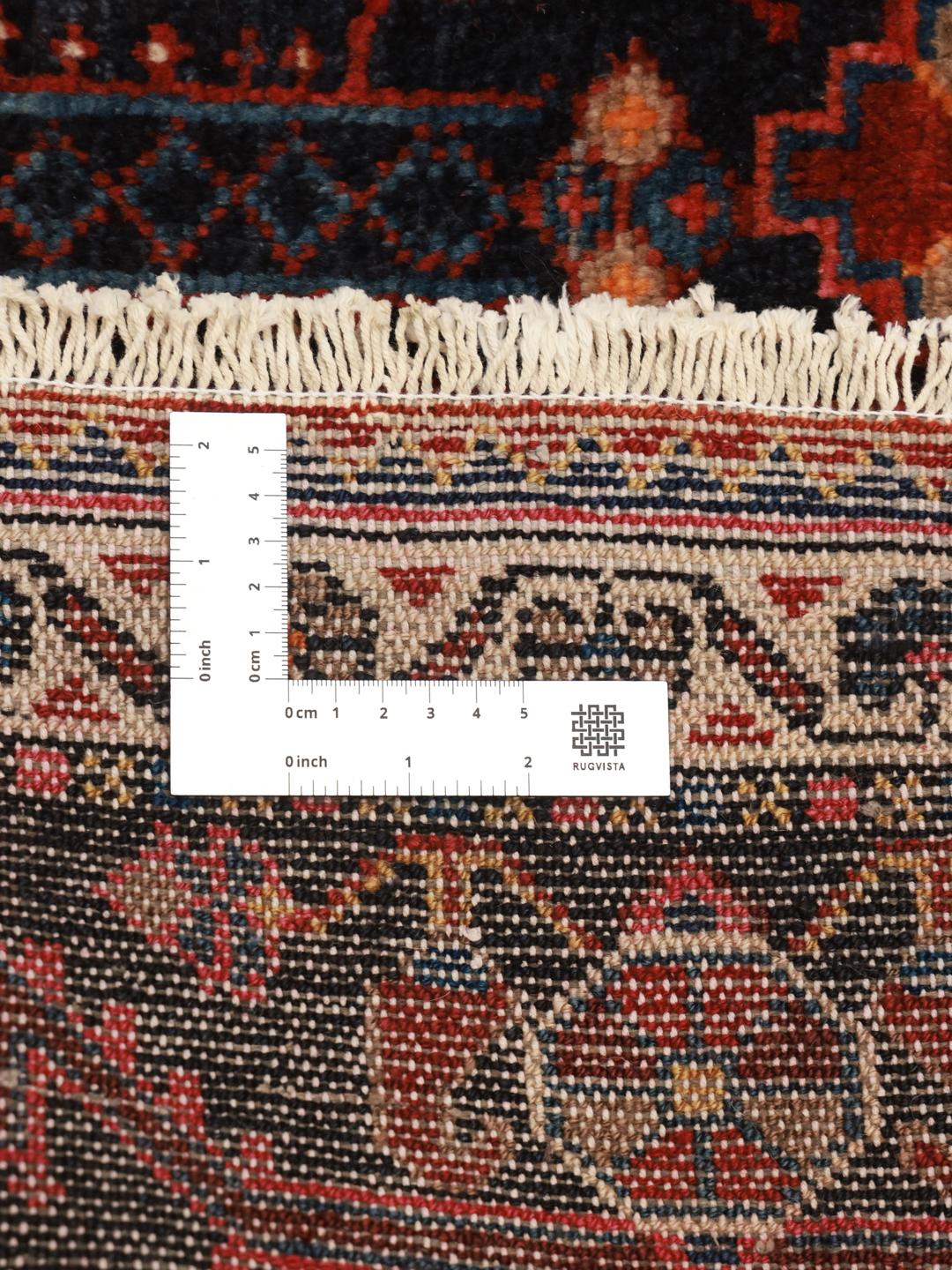
The term 'Hamadan' refers to a wide variety of rugs produced in the city and its surrounding hundreds of villages. These rugs are known for their robust construction. The use of high-quality wool for the pile, combined with sturdy cotton for the foundation, makes them exceptionally durable. This construction is highly valued because it creates a resilient surface that can withstand generations of use while maintaining the depth and clarity of its dyes.
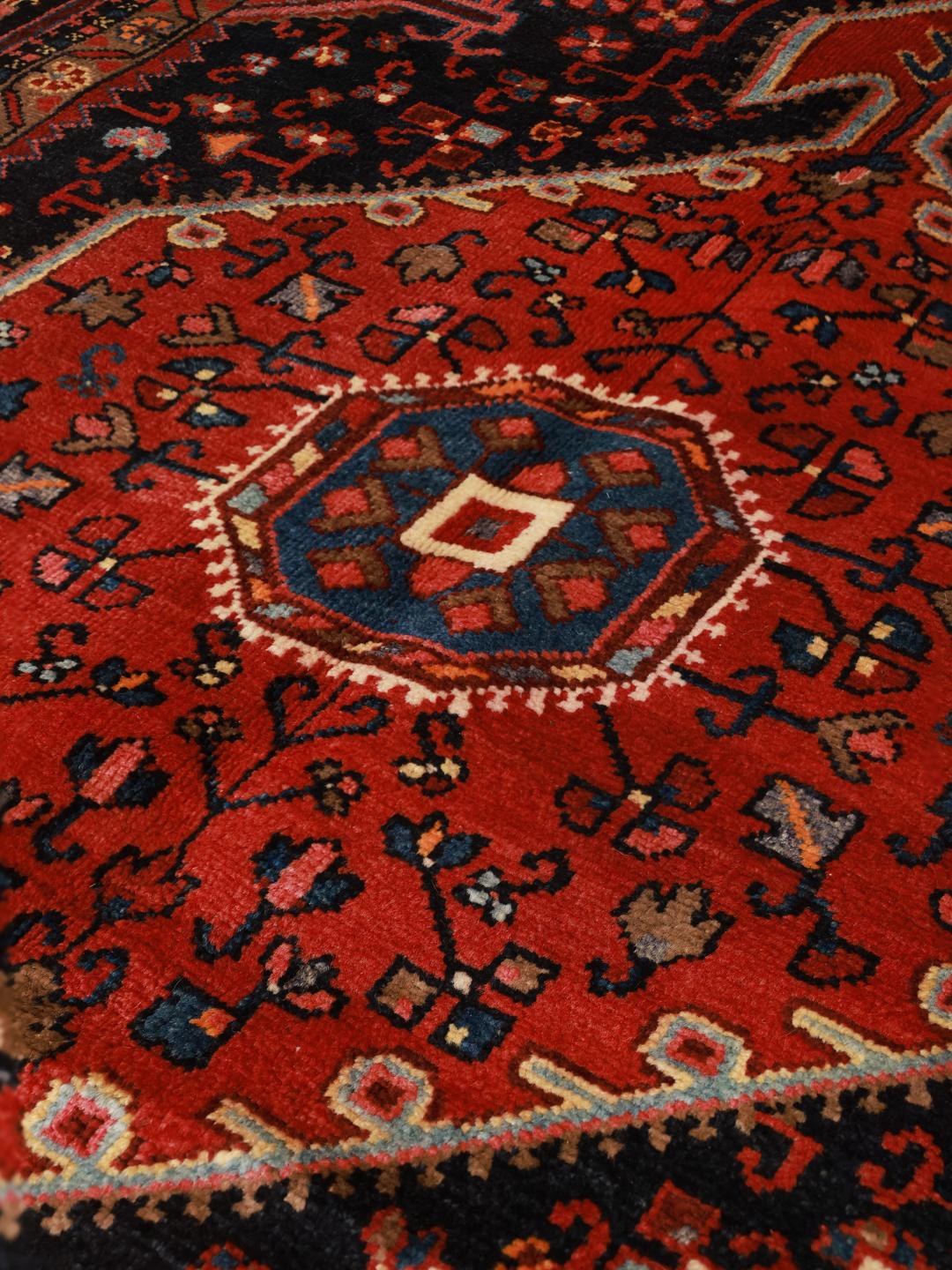
Visually, these rugs are celebrated for their geometric artistry. While they often feature a central medallion, the surrounding field is frequently filled with repeating floral or geometric motifs, such as the classic Herati or 'fish' pattern. The borders are typically wide and well-defined, framing the central design with a structure that feels both balanced and complex. The use of deep, earthy reds and blues is a hallmark of the region, derived from traditional natural dye sources that give the colours a distinctive, vibrant warmth.
Collecting a Hamadan rug is an investment in the living history of the Middle East. These pieces are not merely floor coverings but are records of the cultural and artistic values of the communities that produce them. Because they are hand-knotted with such dedication, each rug serves as a testament to the skill of the artisan. Owning one allows you to participate in a long-standing tradition of craft that values individual expression and lasting quality above all else.