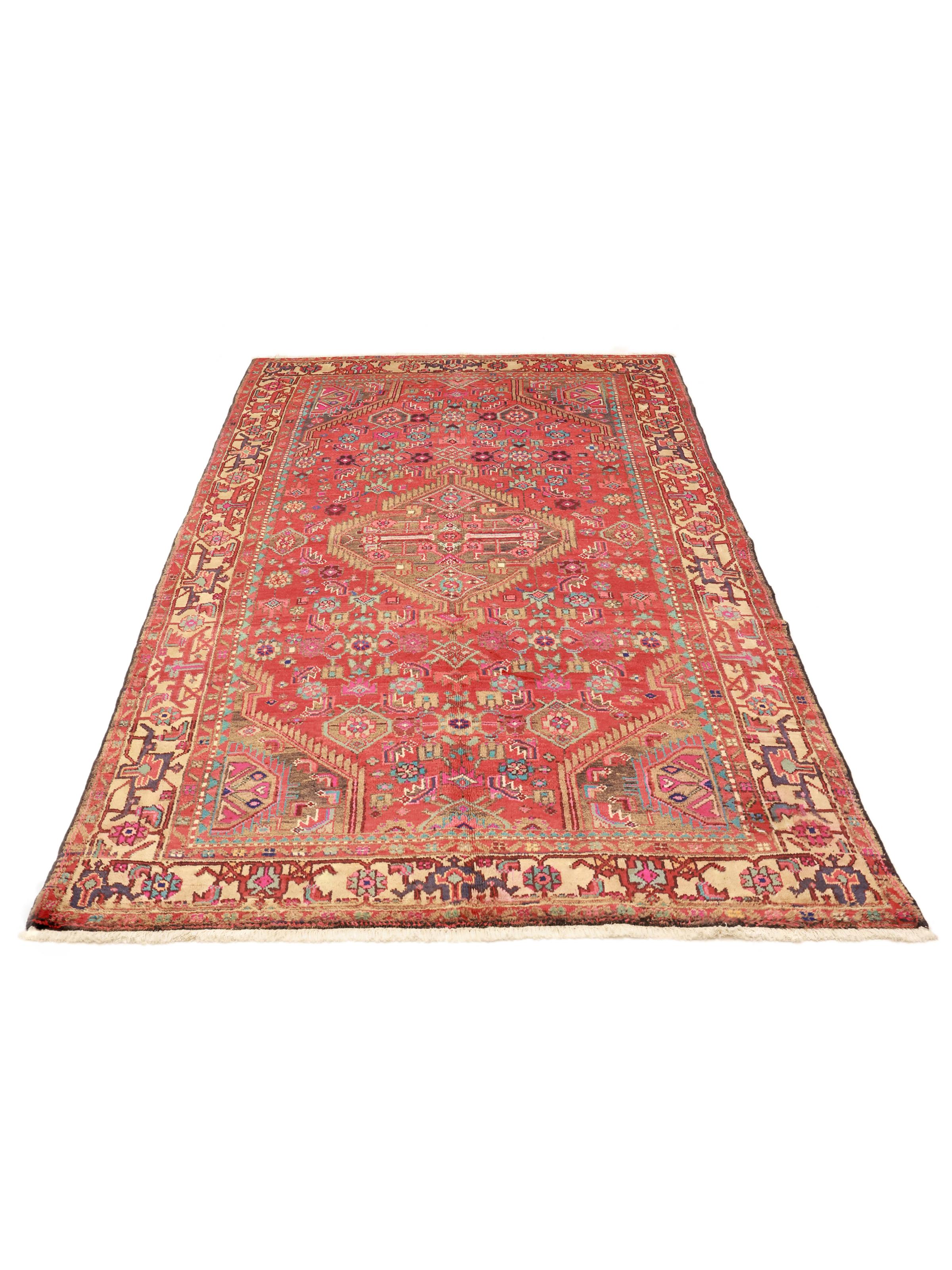
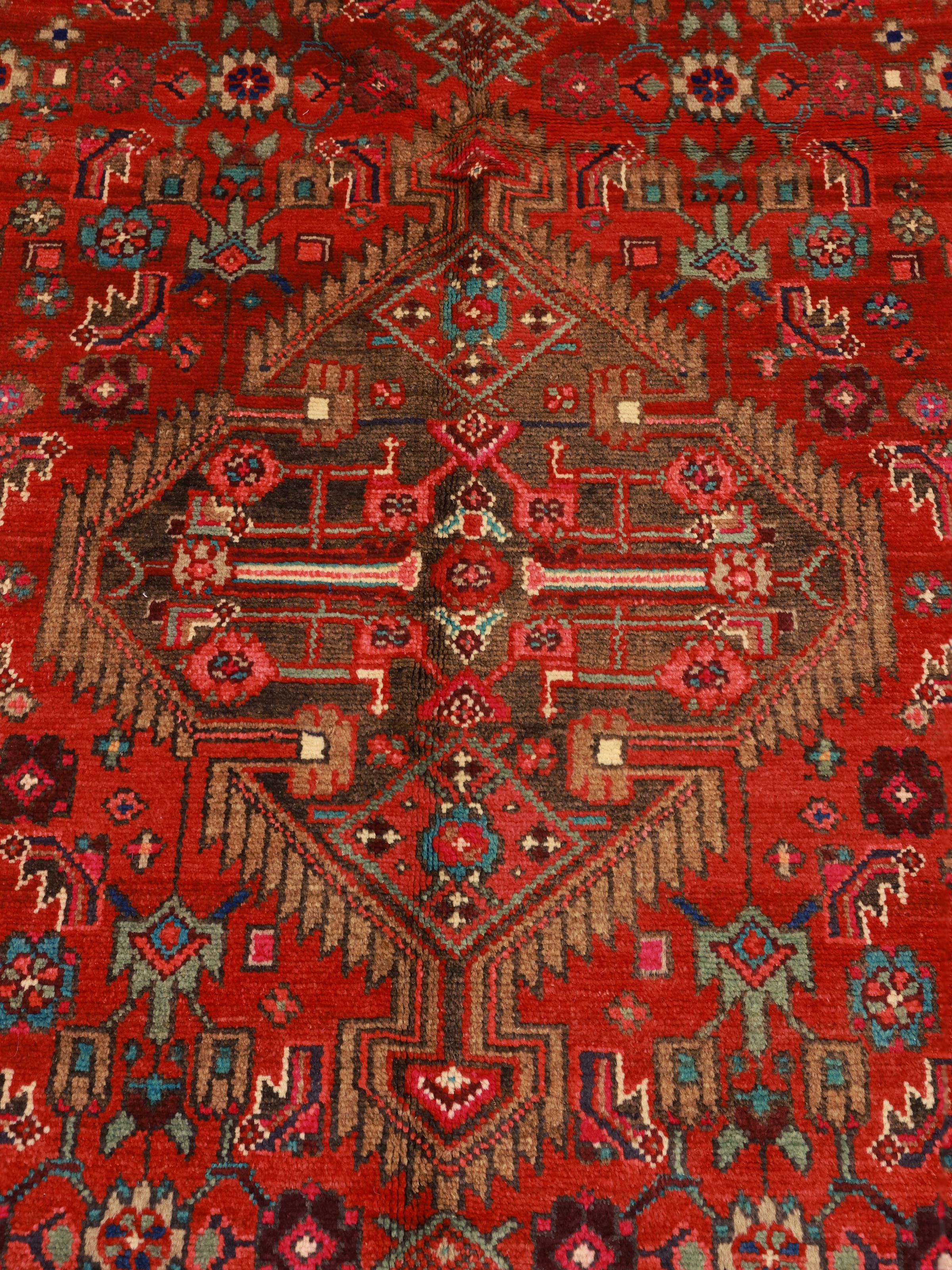
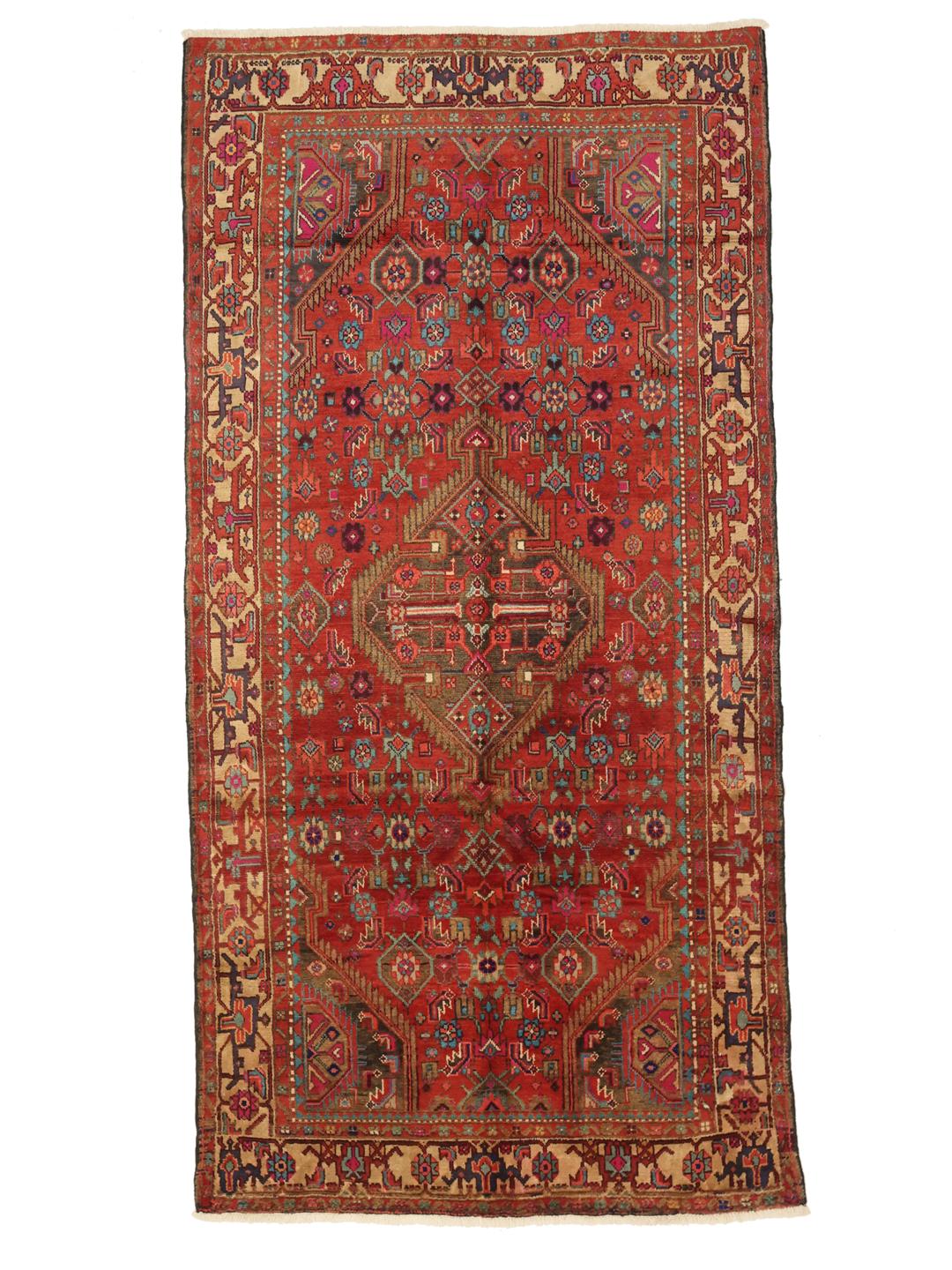
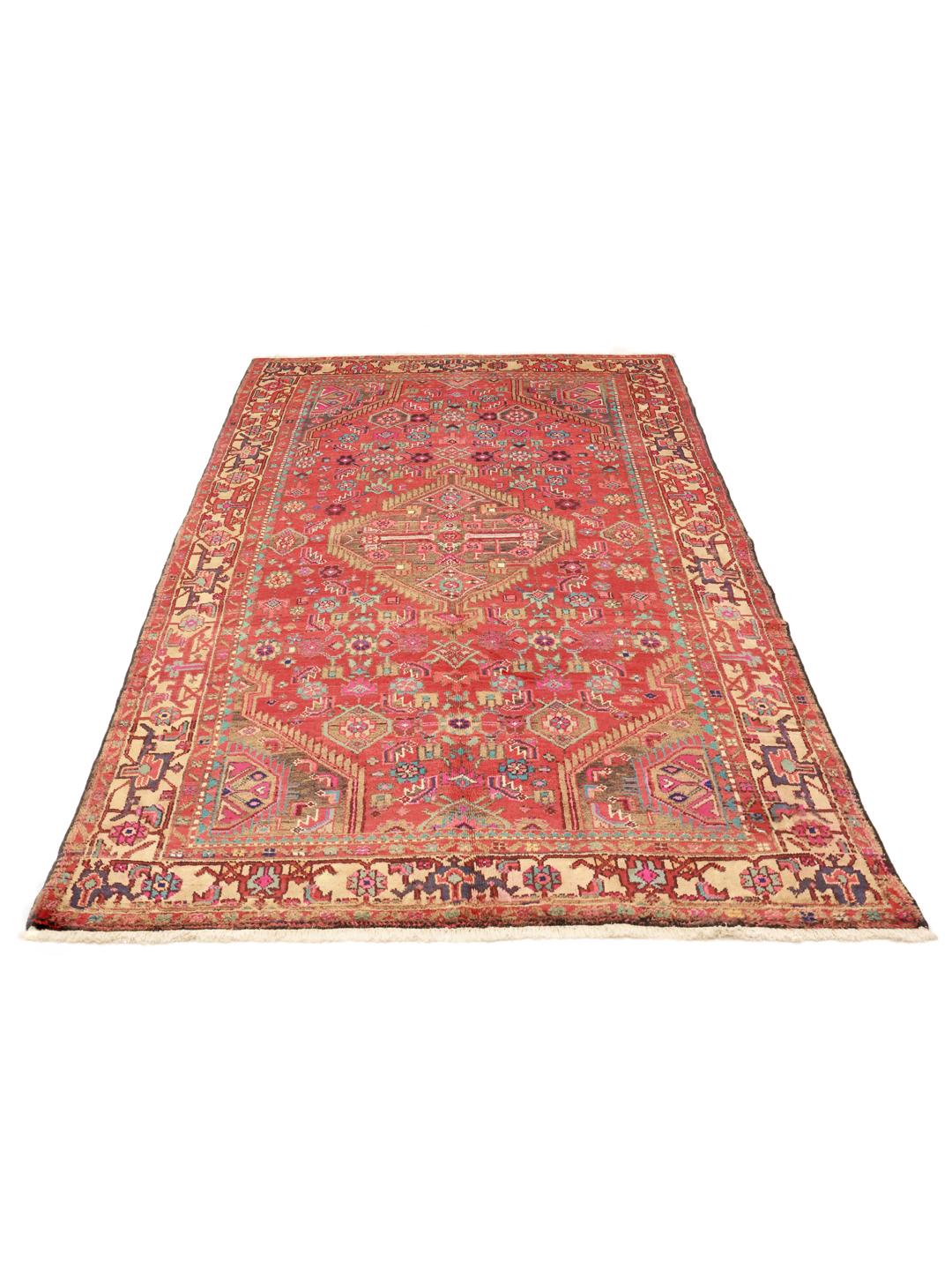
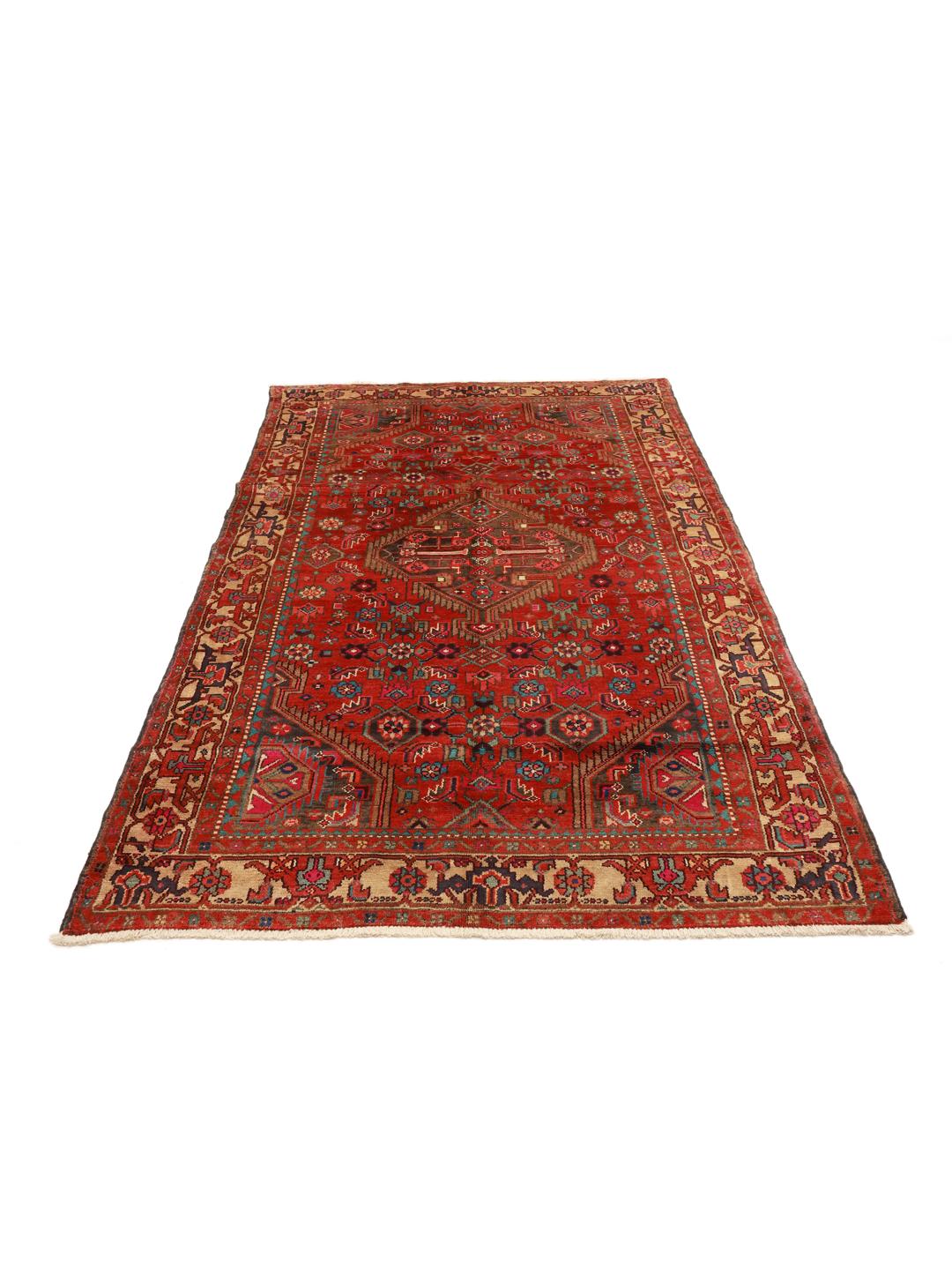
Hamadan rugs originate from one of the oldest cities in the Middle East, a hub of commerce and craft located in the mountainous region of the west. For centuries, this area has been a centre for weaving, where diverse tribal traditions and village styles converge, resulting in a rich tapestry of designs that reflect the local cultural heritage.
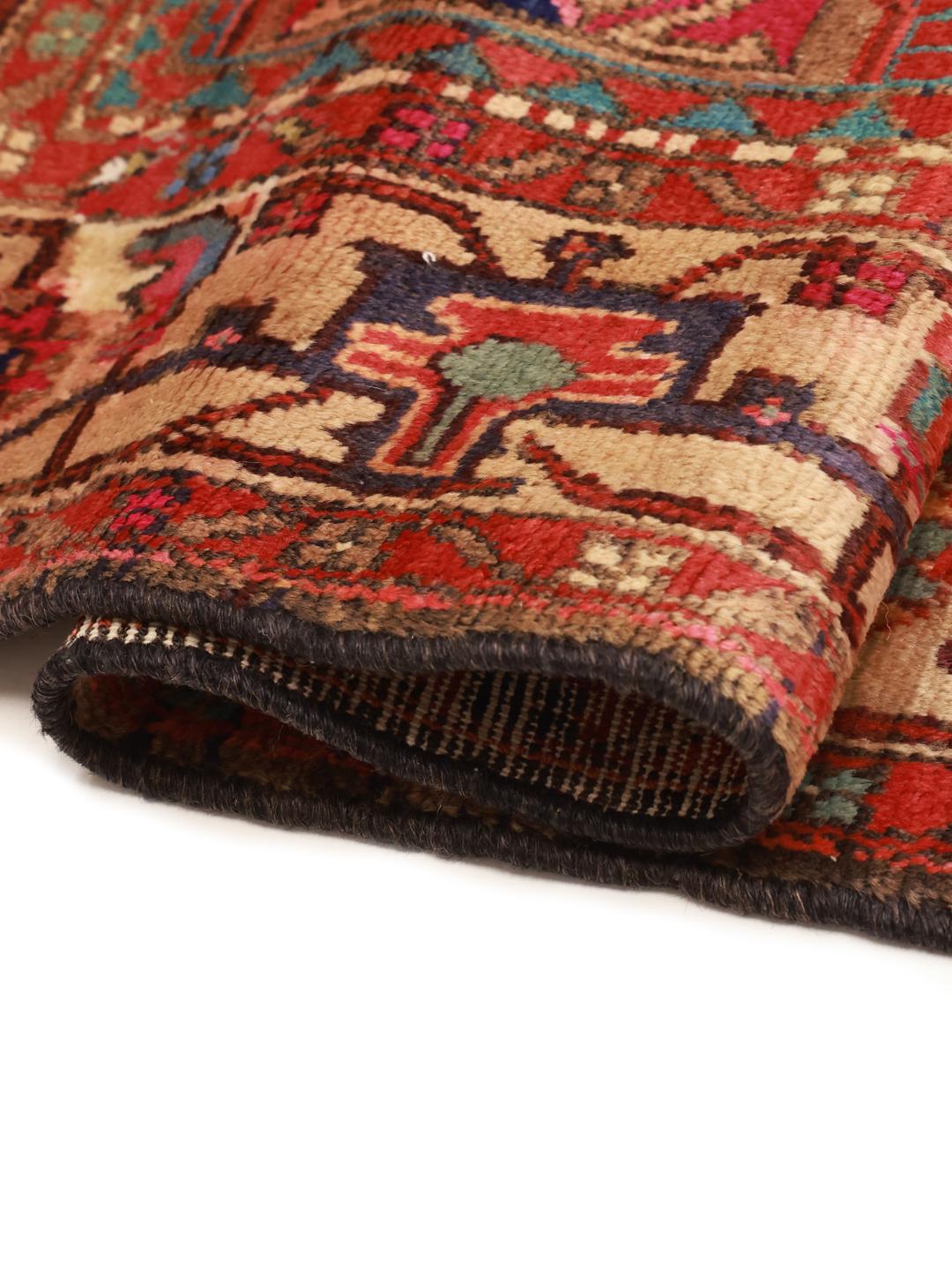
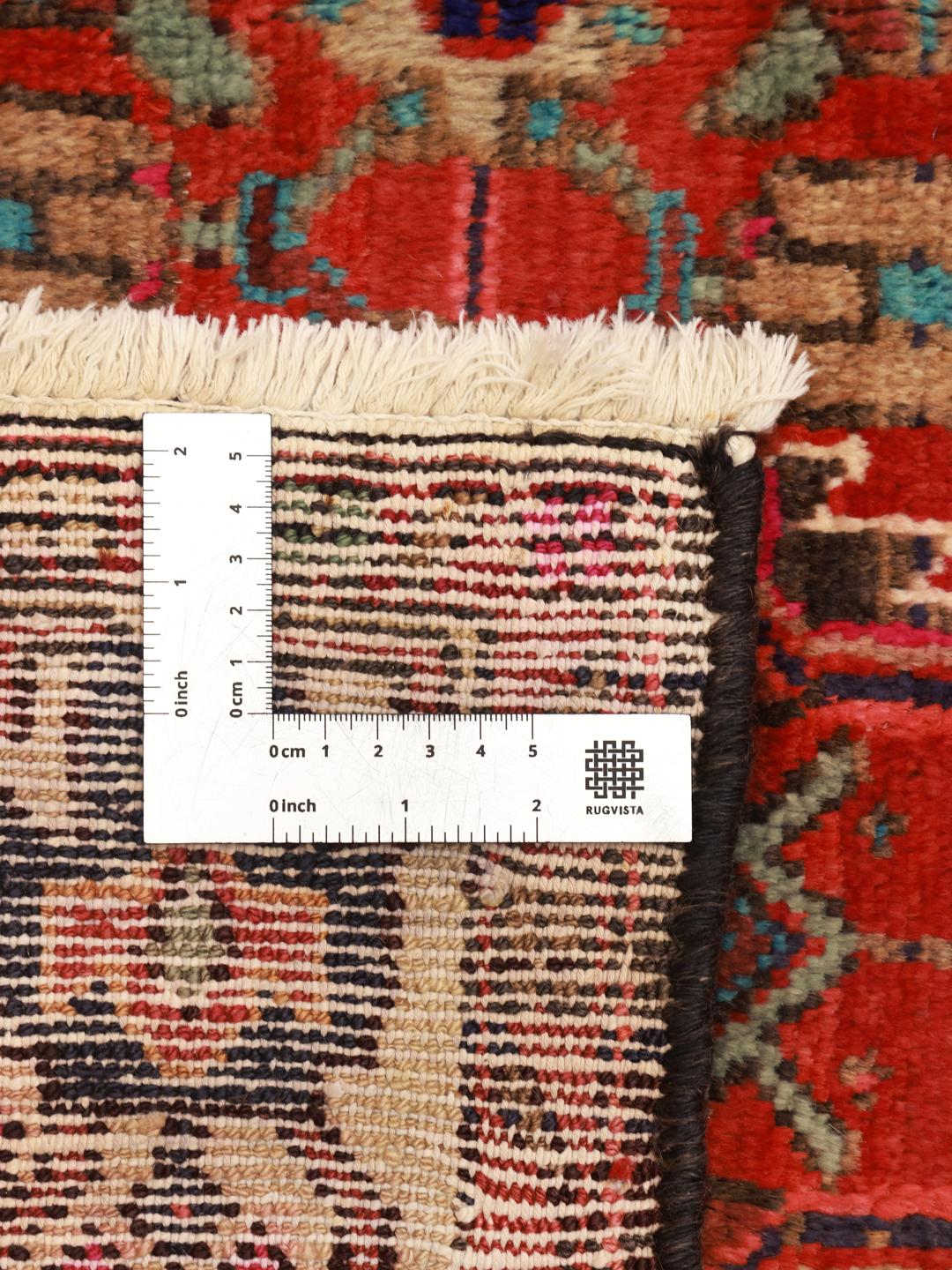
The term 'Hamadan' serves as a collective name for rugs produced in the city and the many surrounding villages. While designs can vary, they are united by a reputation for sturdy, reliable construction and the use of locally sourced, high-quality Wool, which provides a resilient pile that is well-suited for daily life.
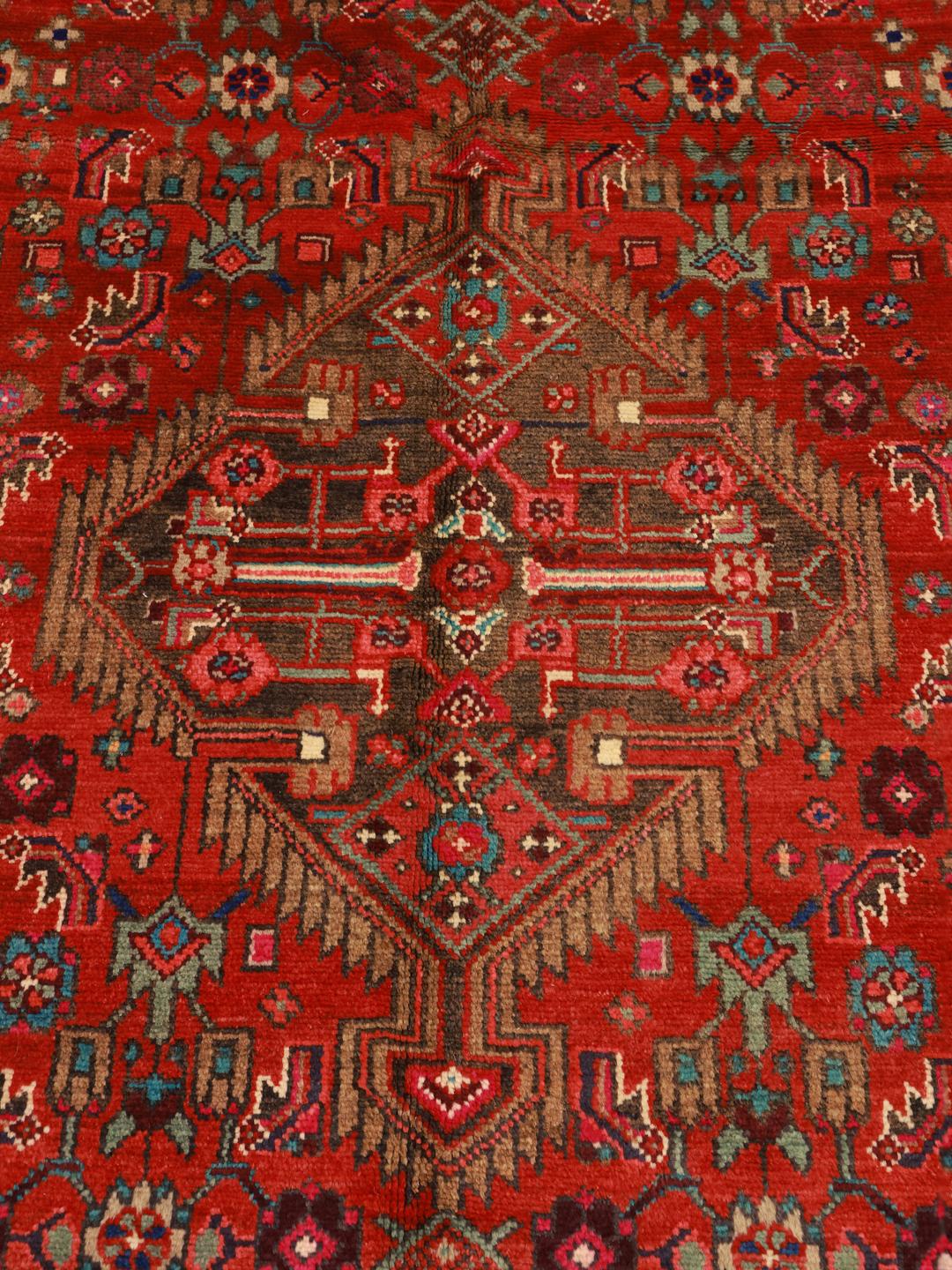
Visually, these rugs are often recognised for their bold use of colour and geometric patterns. Common motifs include stylised floral elements, serrated leaves, and the iconic Herati pattern, which features a central rosette surrounded by four acanthus-like leaves. These designs are frequently arranged around a central medallion, creating a harmonious and balanced look.
Collecting a piece from this tradition is an opportunity to own a fragment of Middle Eastern history. These rugs are highly valued for their authentic, tribal aesthetic and their ability to bridge the gap between traditional craft and modern home styling, making them a lasting addition to any collection.