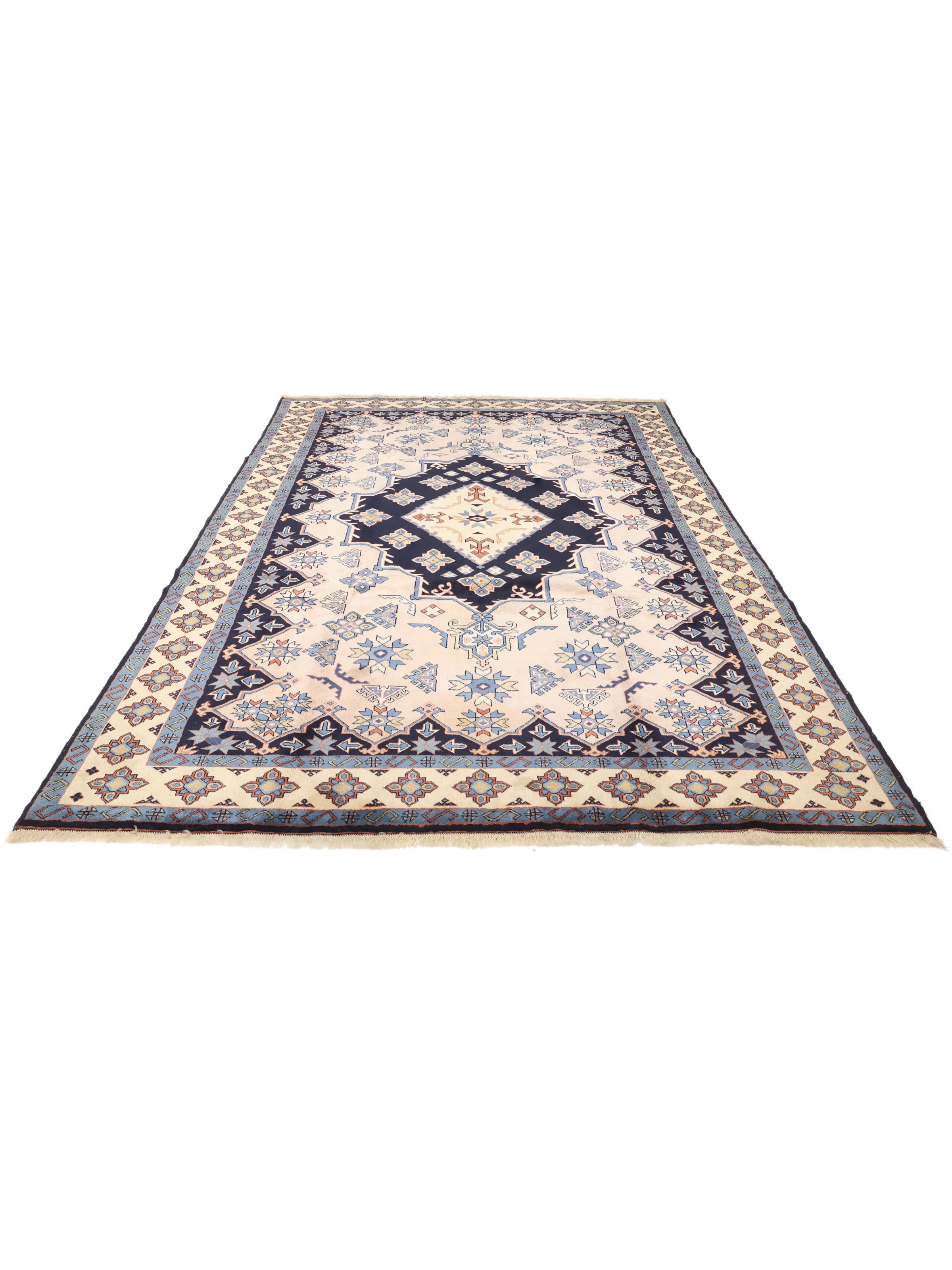
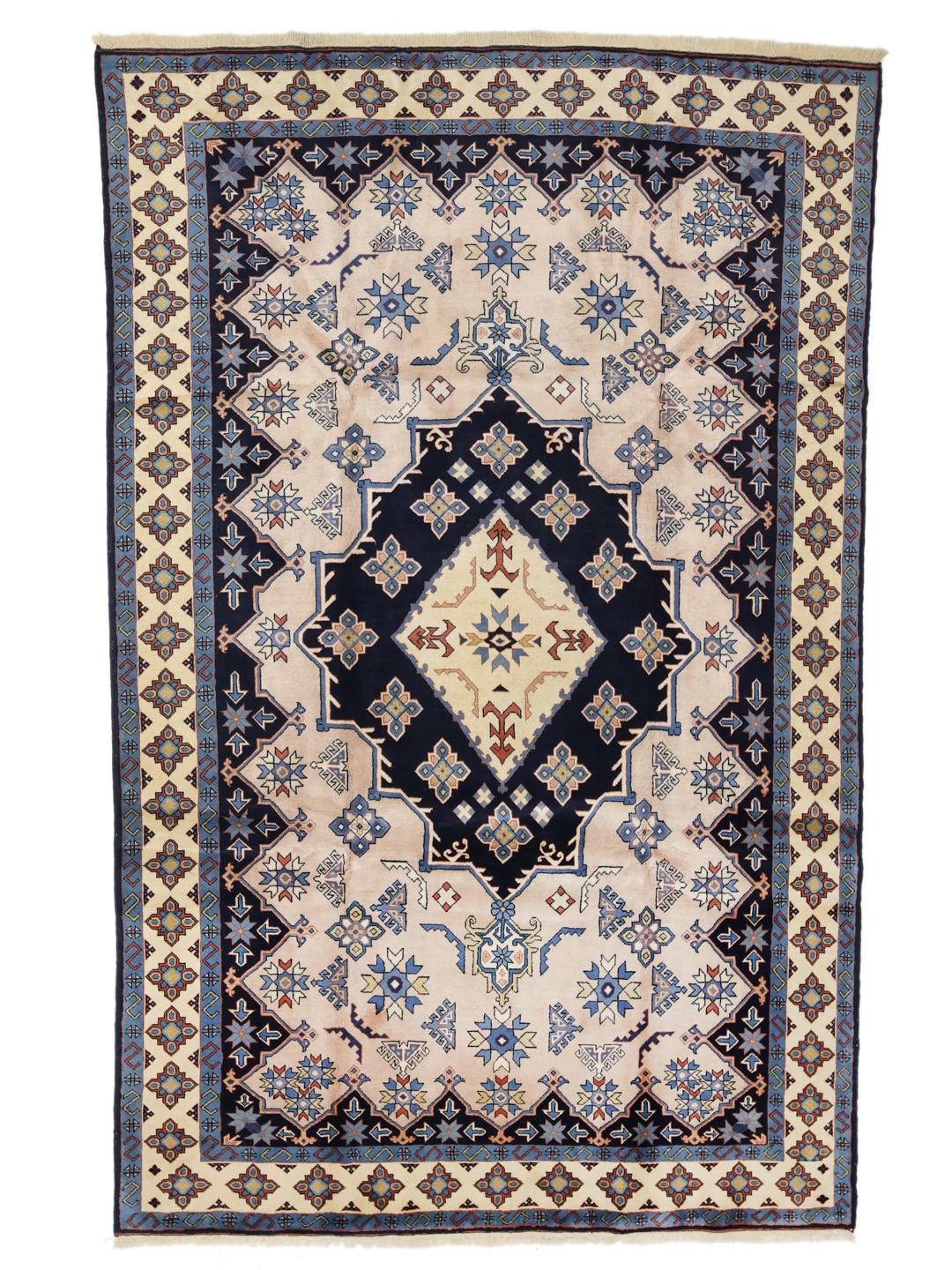
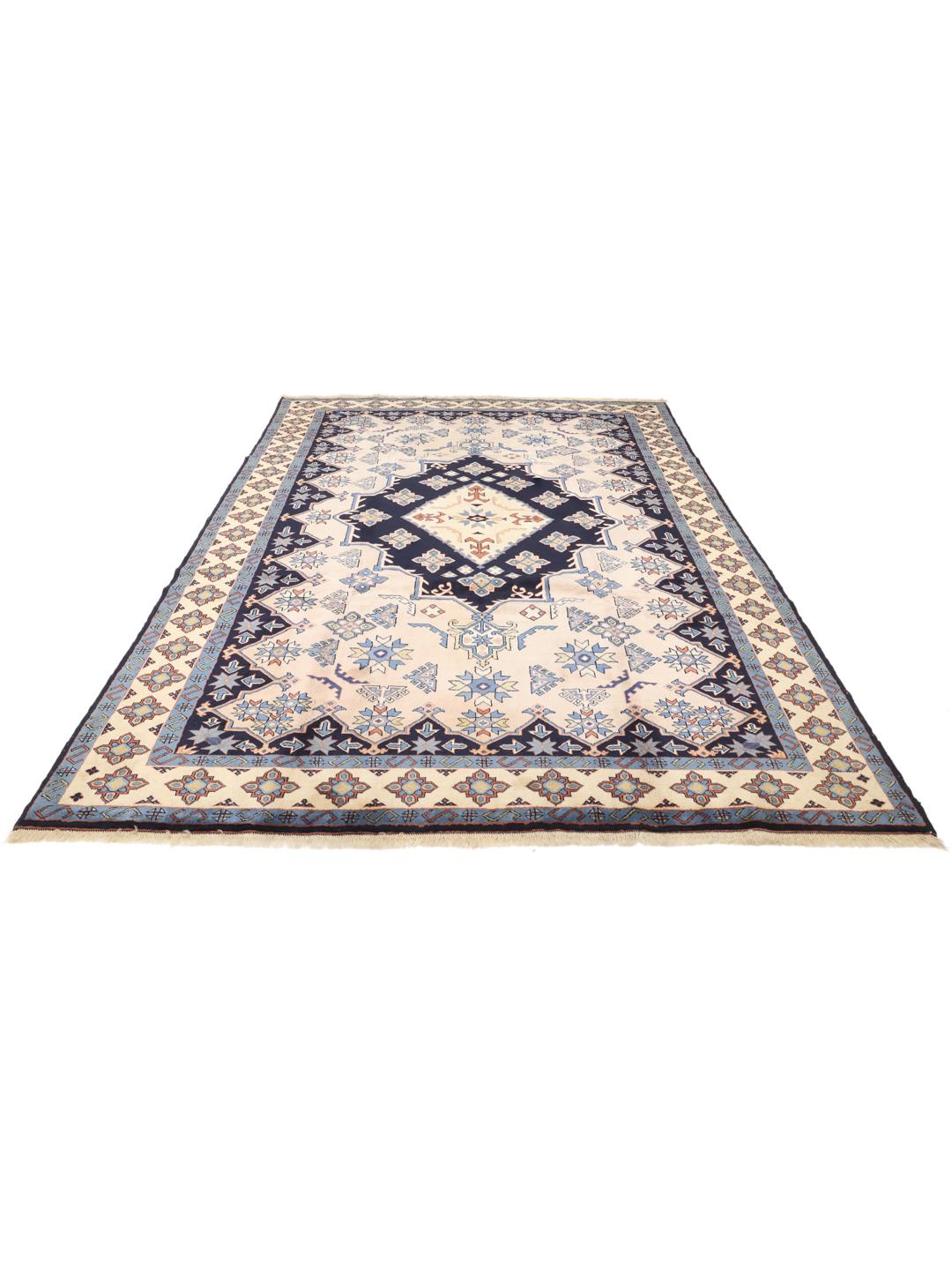
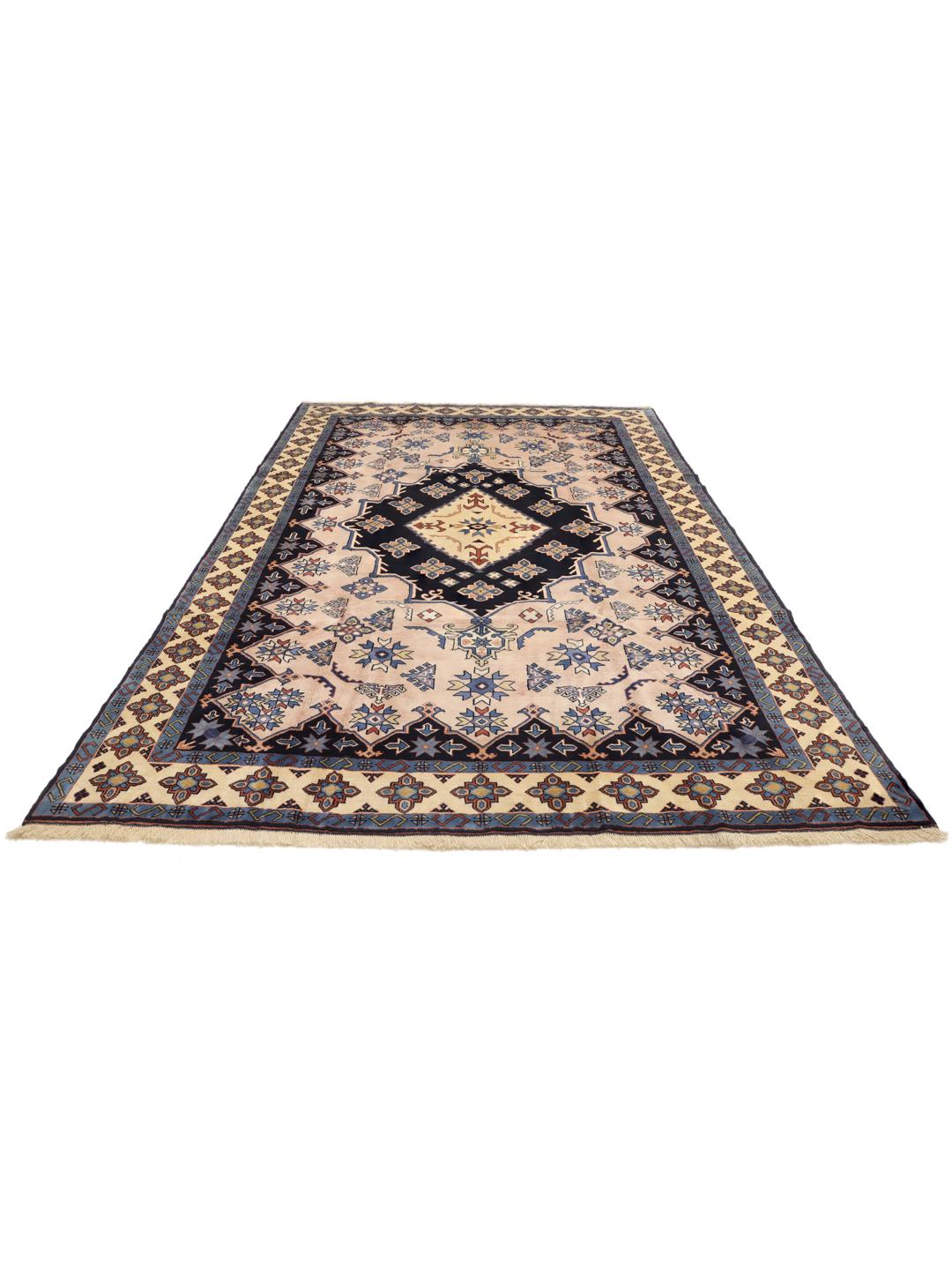
Heriz rugs hail from the mountainous regions of the Middle East, specifically the area surrounding the city of Tabriz. This region has a long-standing history of weaving, where the harsh, rugged landscape has deeply influenced the bold and sturdy nature of the rugs produced there. Historically, these rugs were designed to be durable enough for nomadic life while reflecting the artistic sophistication of regional design centers.
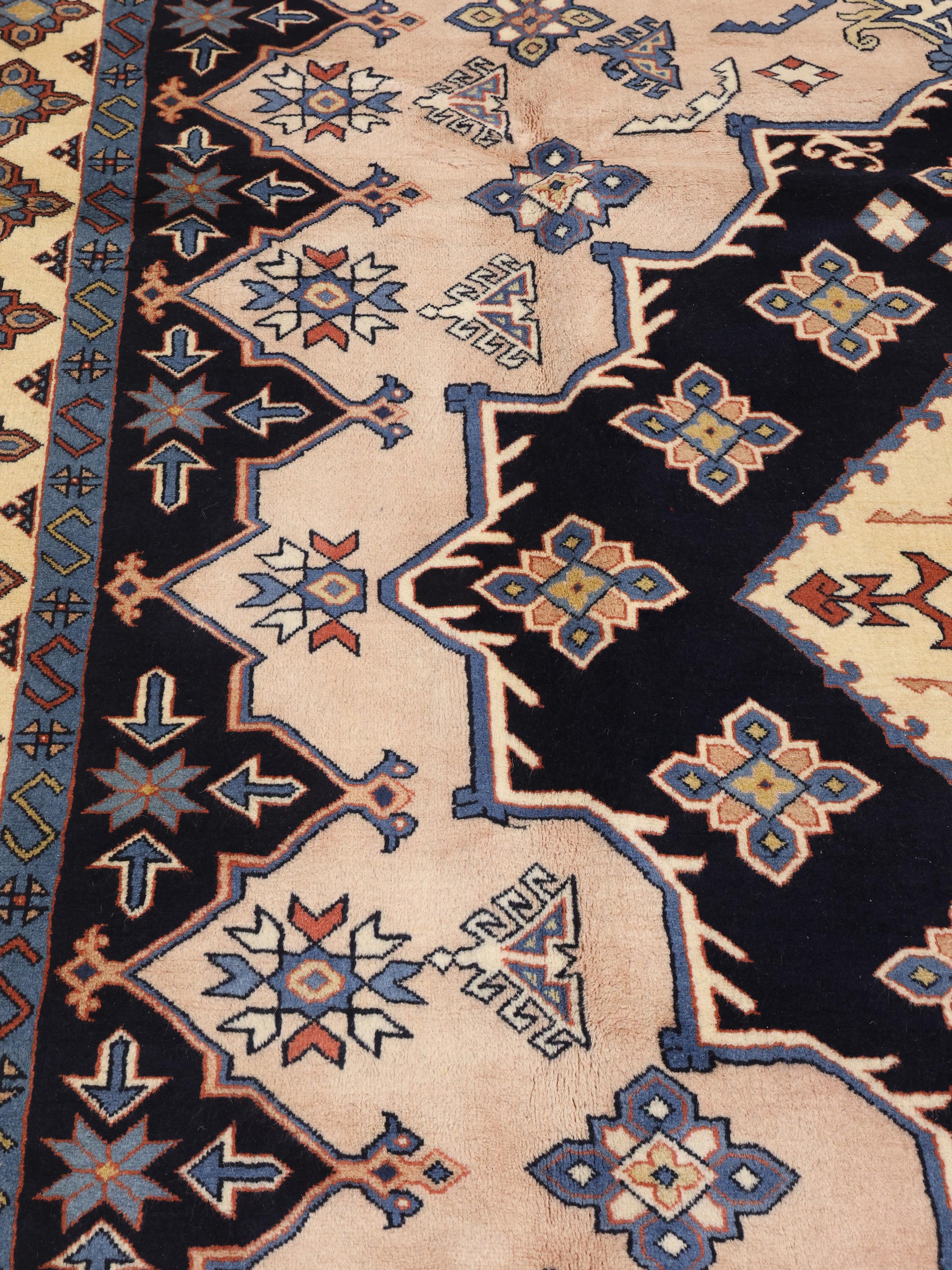
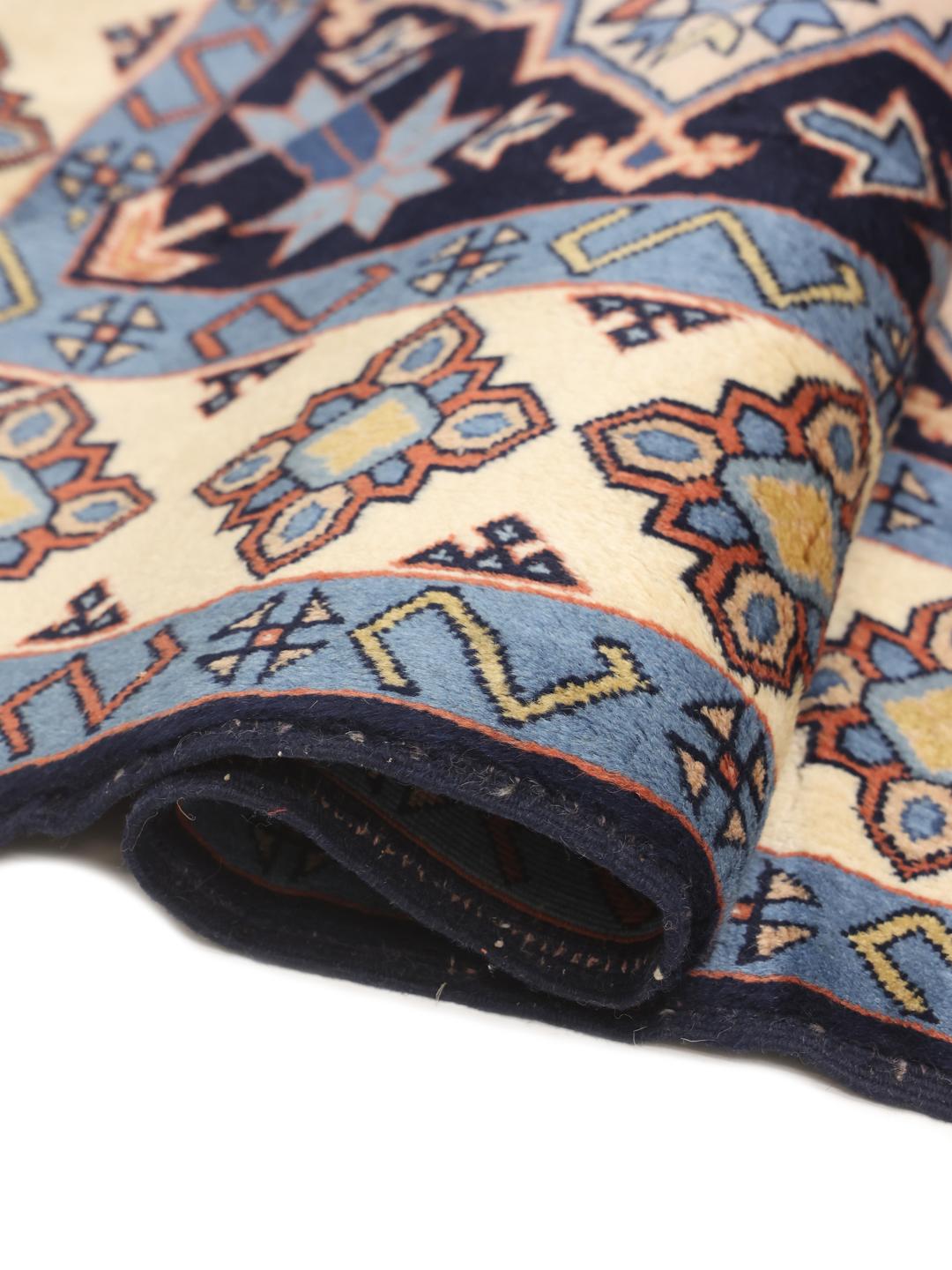
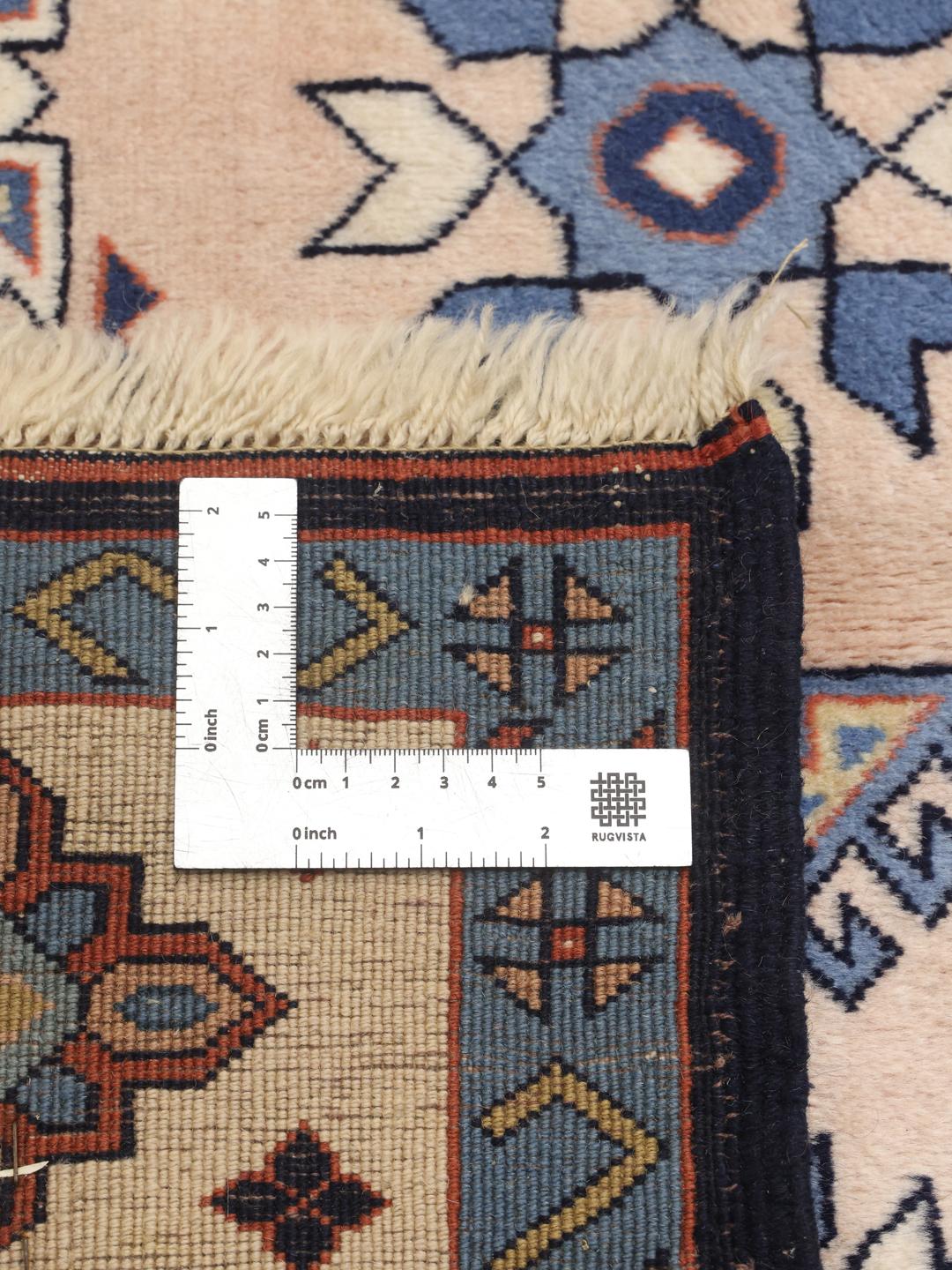
The term Heriz refers to a specific style of knotting and pattern construction that emphasizes geometric forms over the fluid floral curves seen in other traditions. The construction typically involves a robust foundation that provides the necessary tension for the dense, long-wearing pile, resulting in a rug that is as structurally sound as it is visually striking.
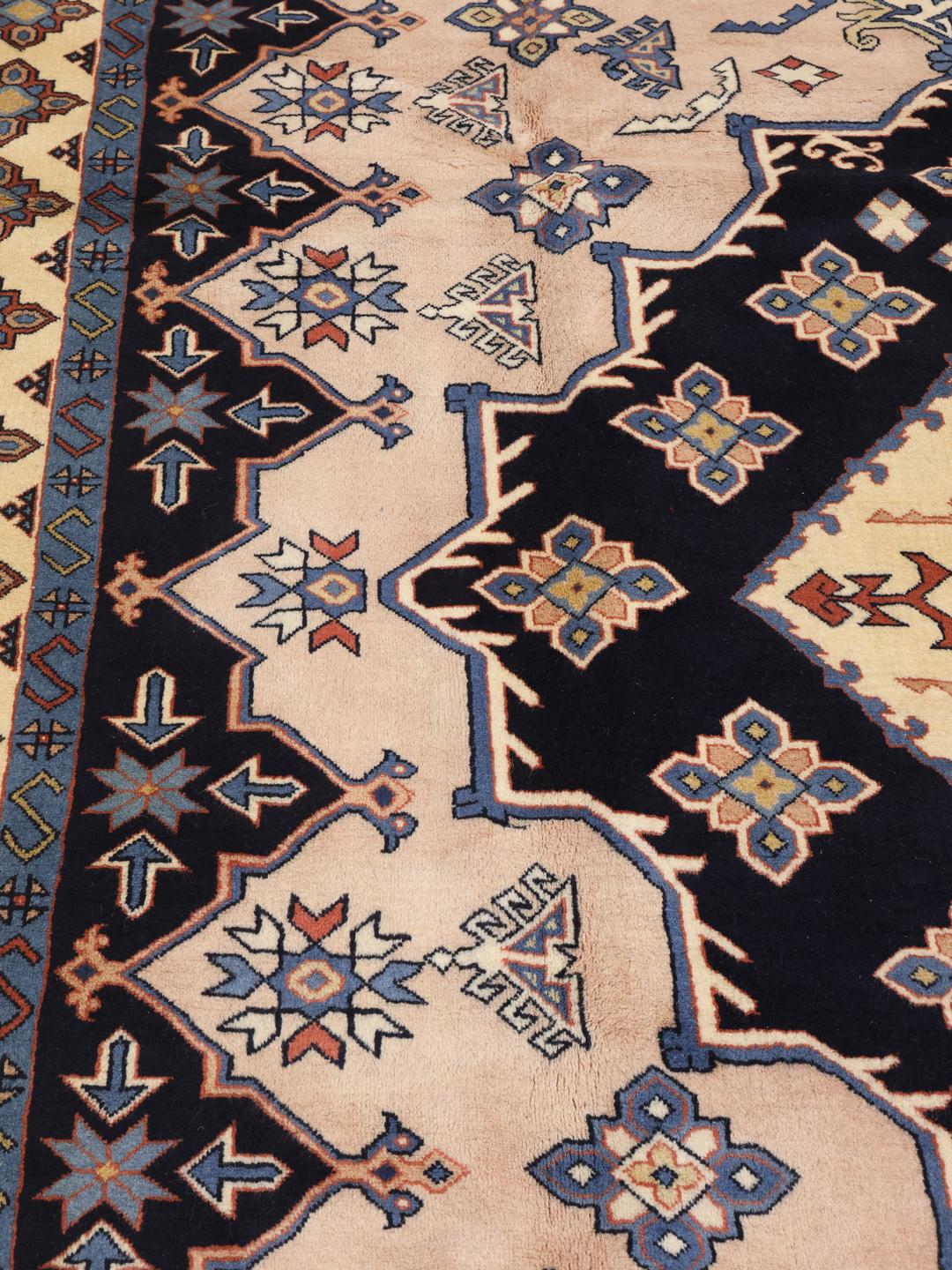
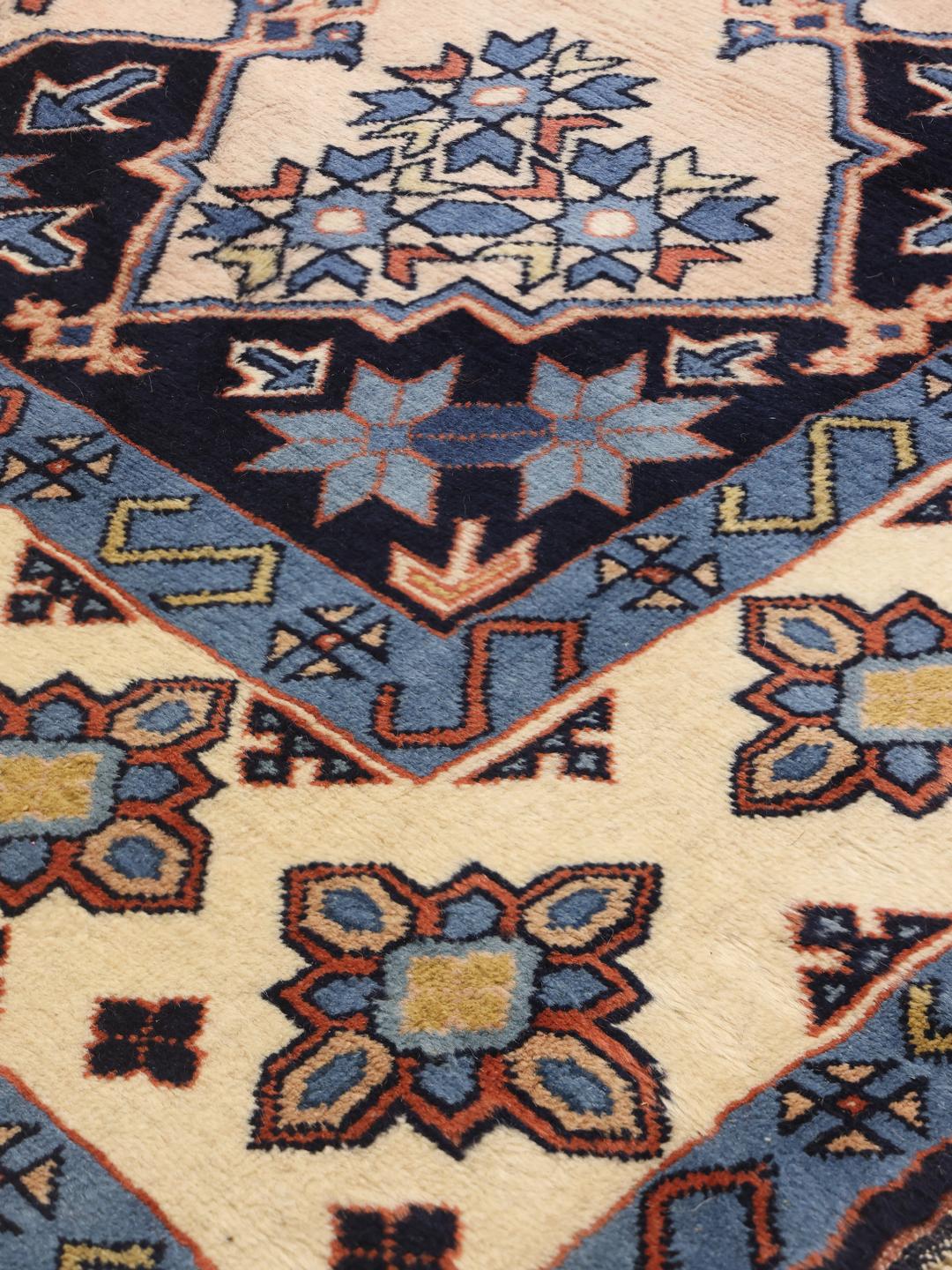
Signature design elements of these rugs almost always feature a large, central geometric medallion, often inspired by ancient architectural motifs or tribal symbols. The borders are typically wide and filled with complex, stylized floral motifs, providing a perfect frame for the dramatic central field. The use of bold, contrasting colours is a hallmark of the style, making them stand out in any architectural setting.
Collecting a Heriz rug is an investment in cultural heritage. These pieces are highly prized for their longevity and their ability to anchor a room with their strong, graphic designs. Owning one is an act of preserving a traditional craft, where the skill of the weaver is permanently captured in the wool, offering a sense of connection to a time-honoured practice that continues to define fine textile art.