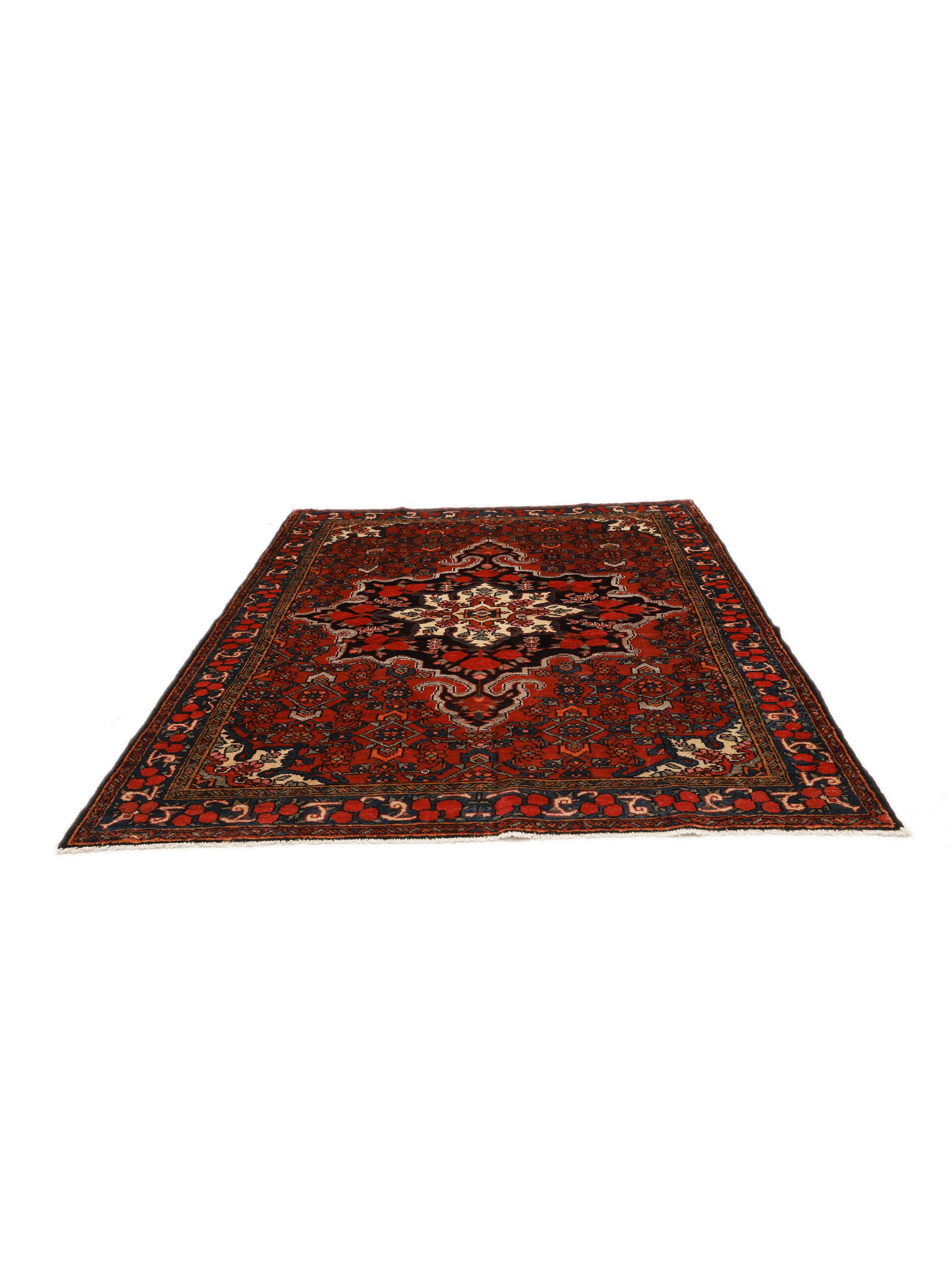
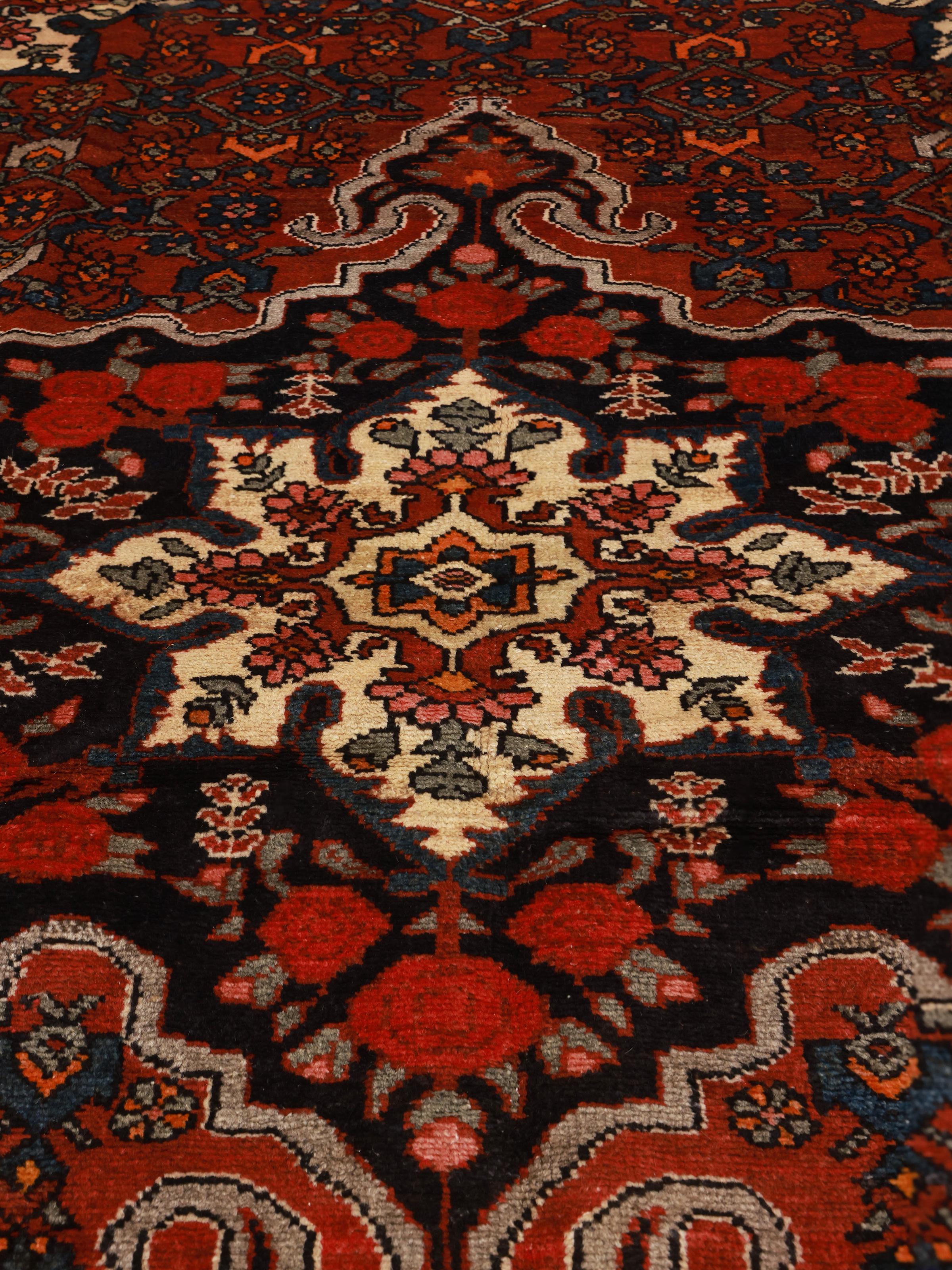
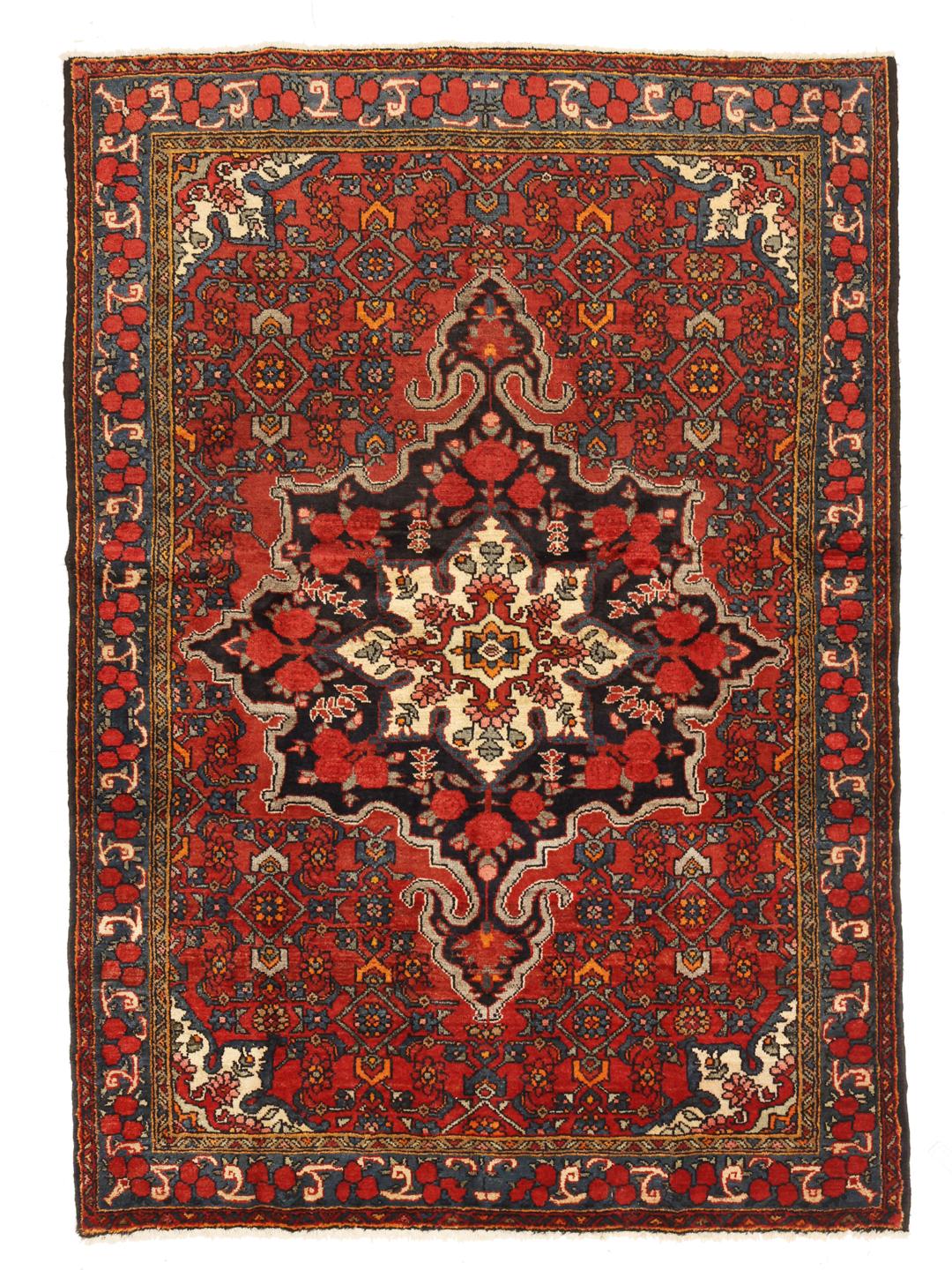
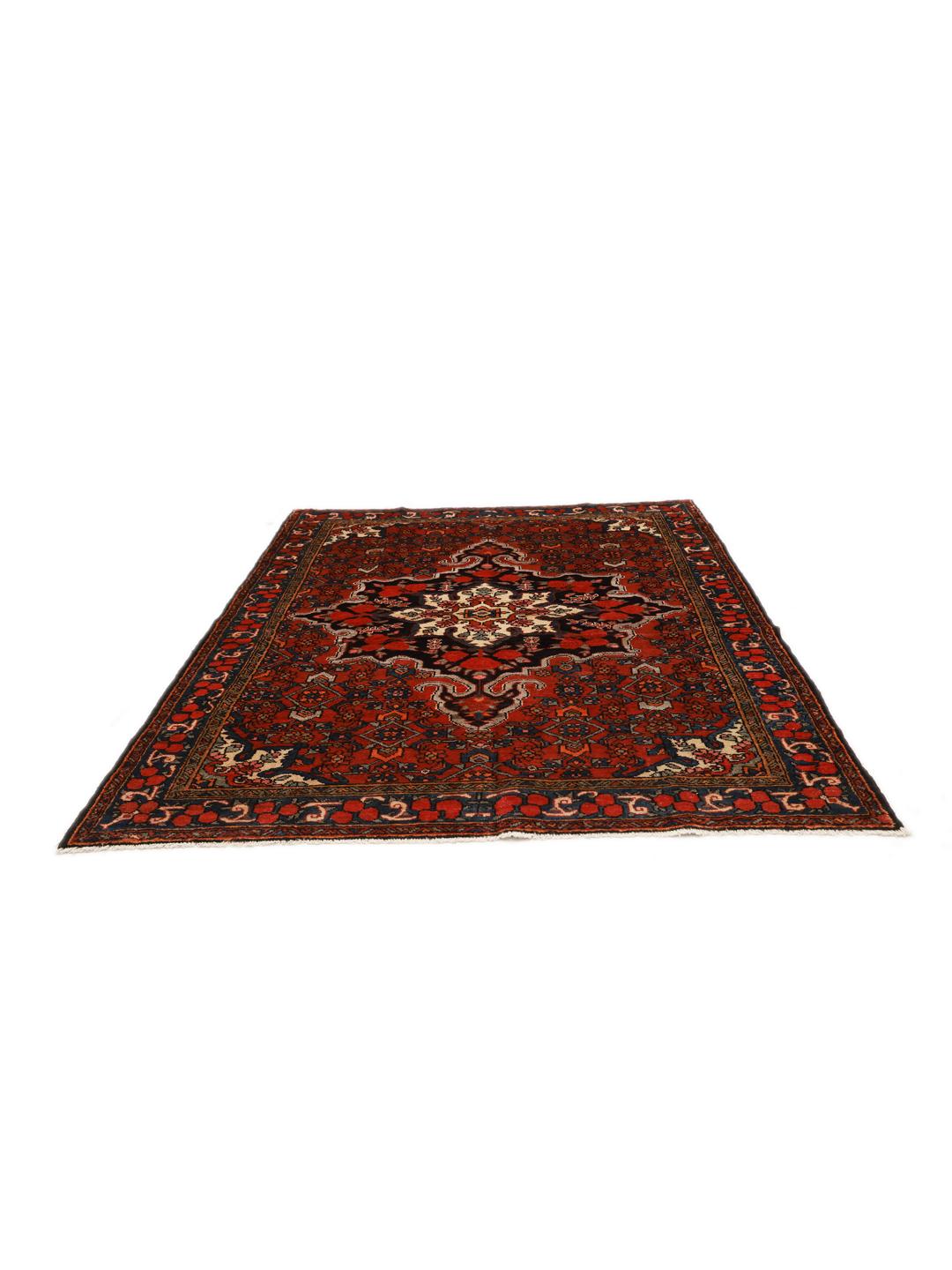
Hosseinabad rugs originate from the Hamadan region in the Middle East, an area long celebrated for its robust and diverse weaving traditions. These rugs are deeply rooted in the local culture, where the art of the loom has been passed down through generations, reflecting the distinct aesthetic values of the nomadic and village populations that have inhabited these lands for centuries.
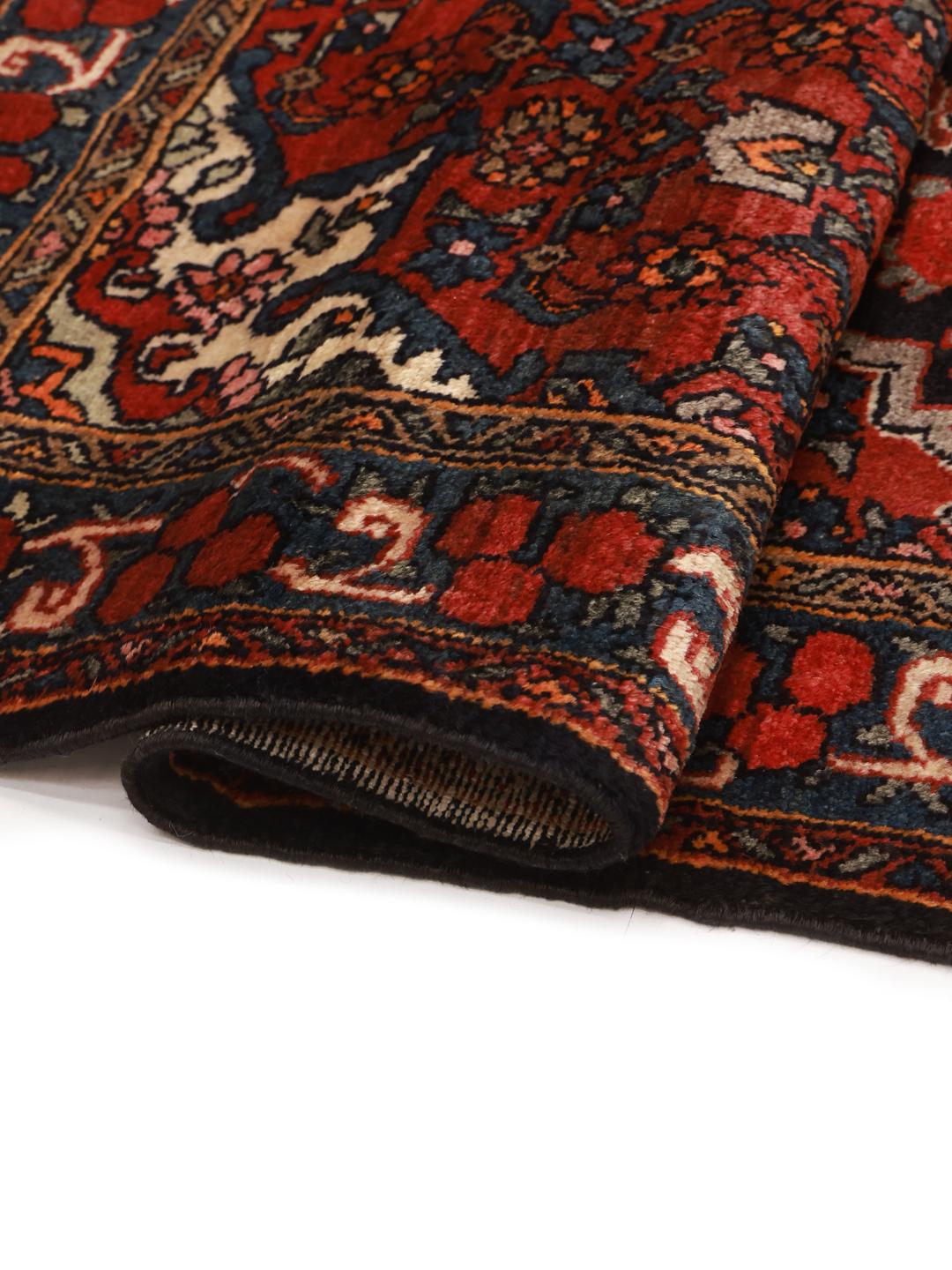
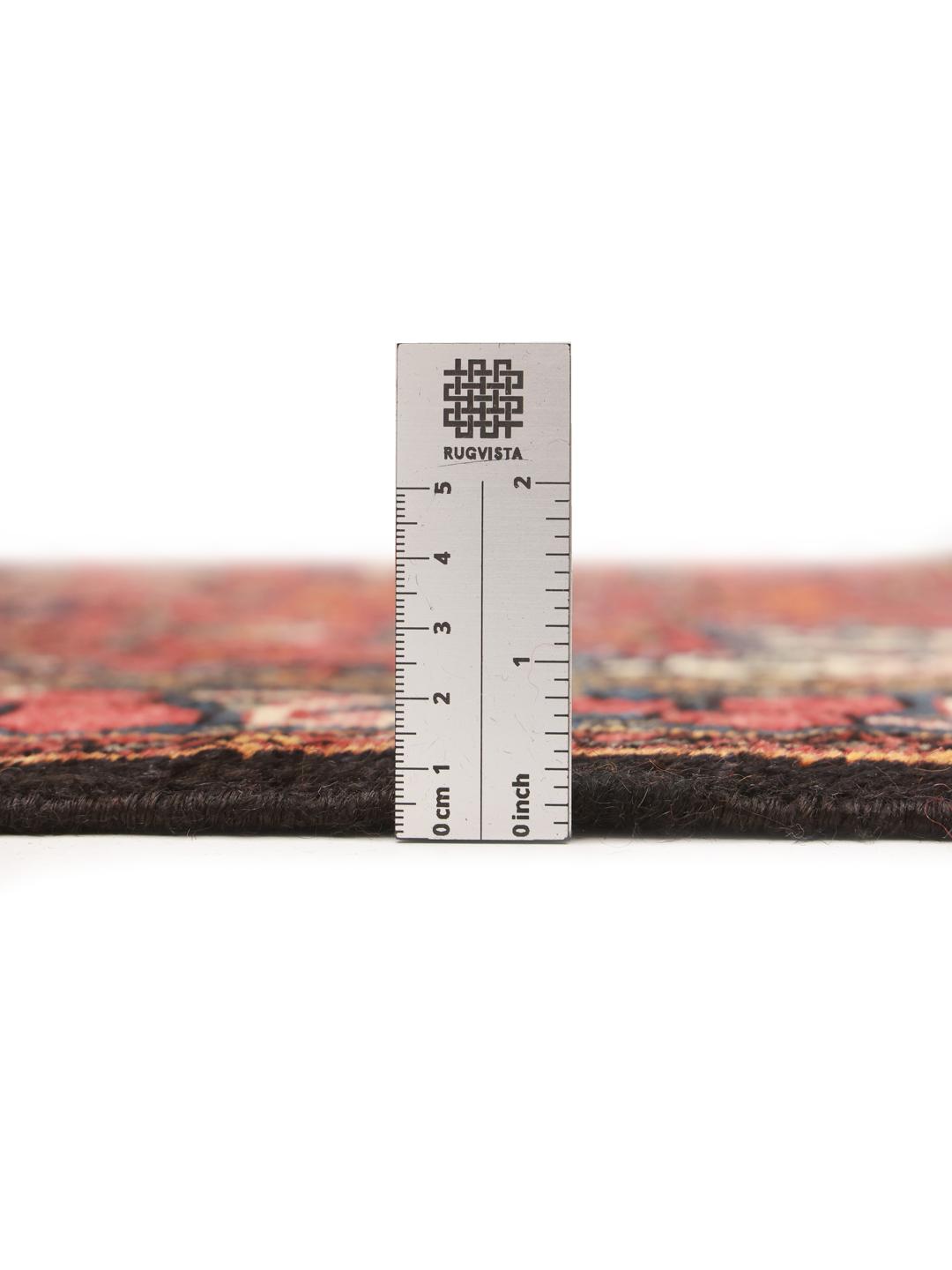
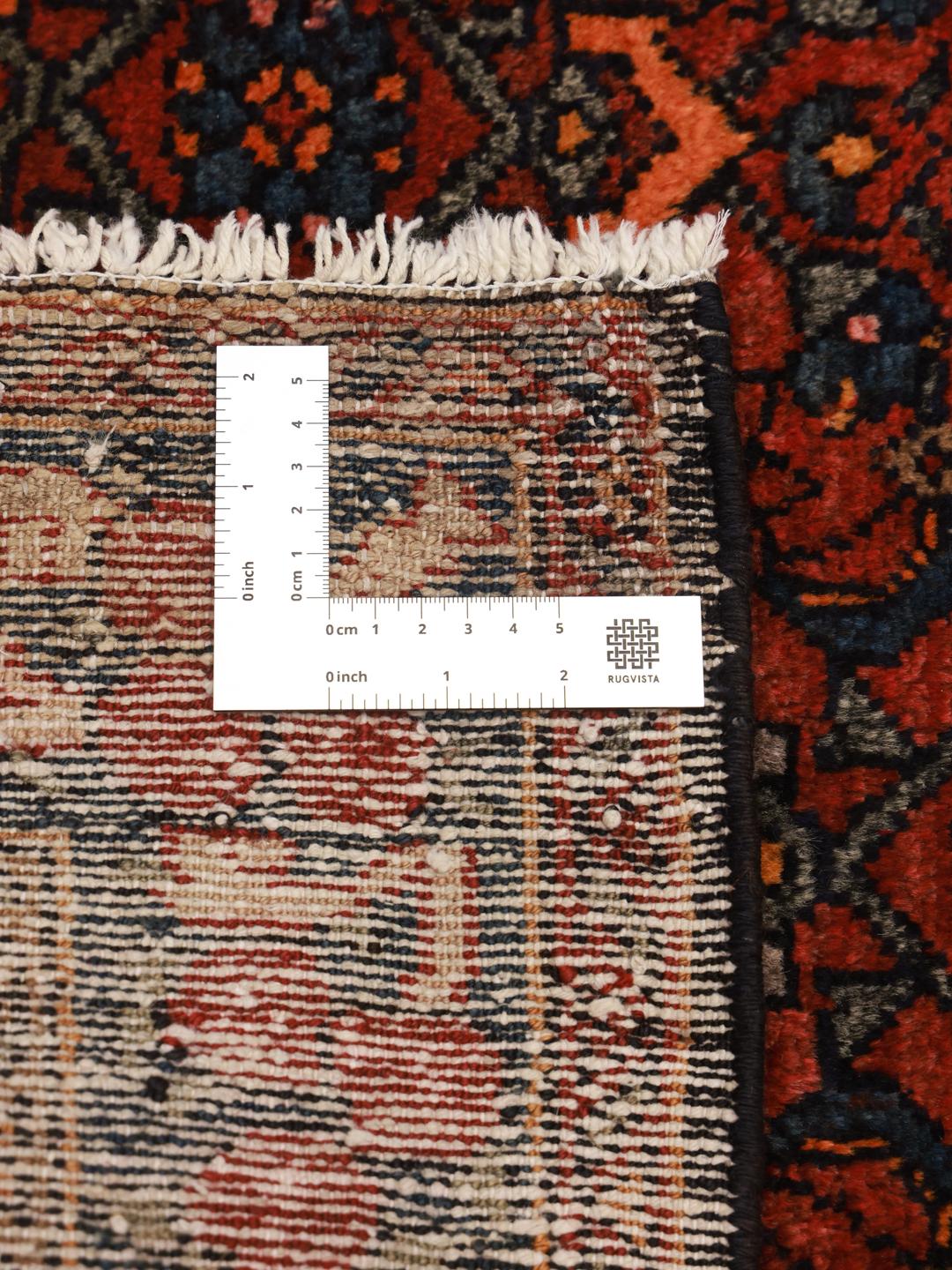
The term Hosseinabad refers to specific village styles that focus on durability and bold, geometric interpretation. The construction typically involves a sturdy foundation that supports a thick, resilient wool pile, designed to cope with the demands of daily life. This emphasis on structural integrity is a hallmark of the region's output, ensuring that the rugs remain functional and beautiful for decades.
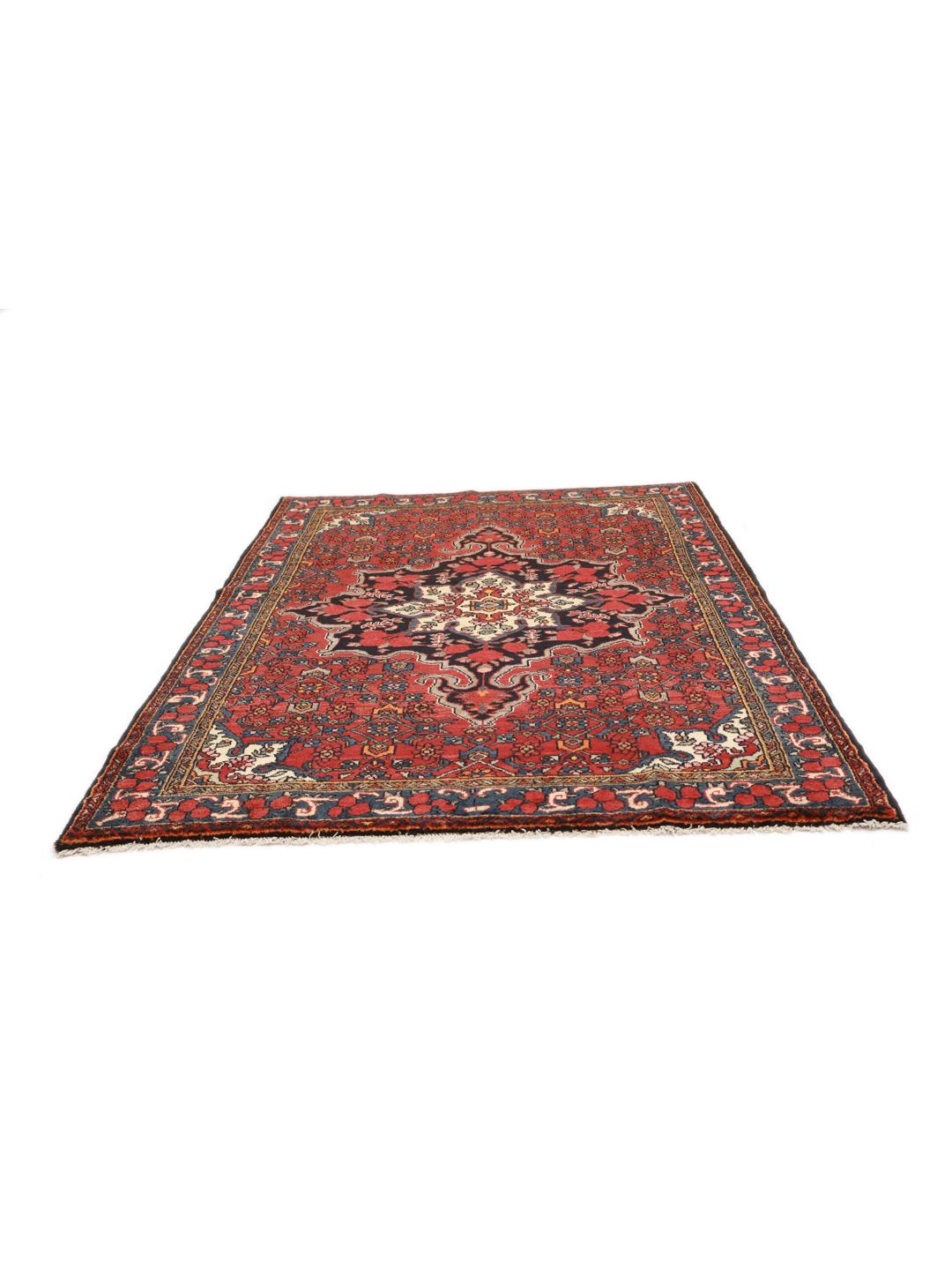
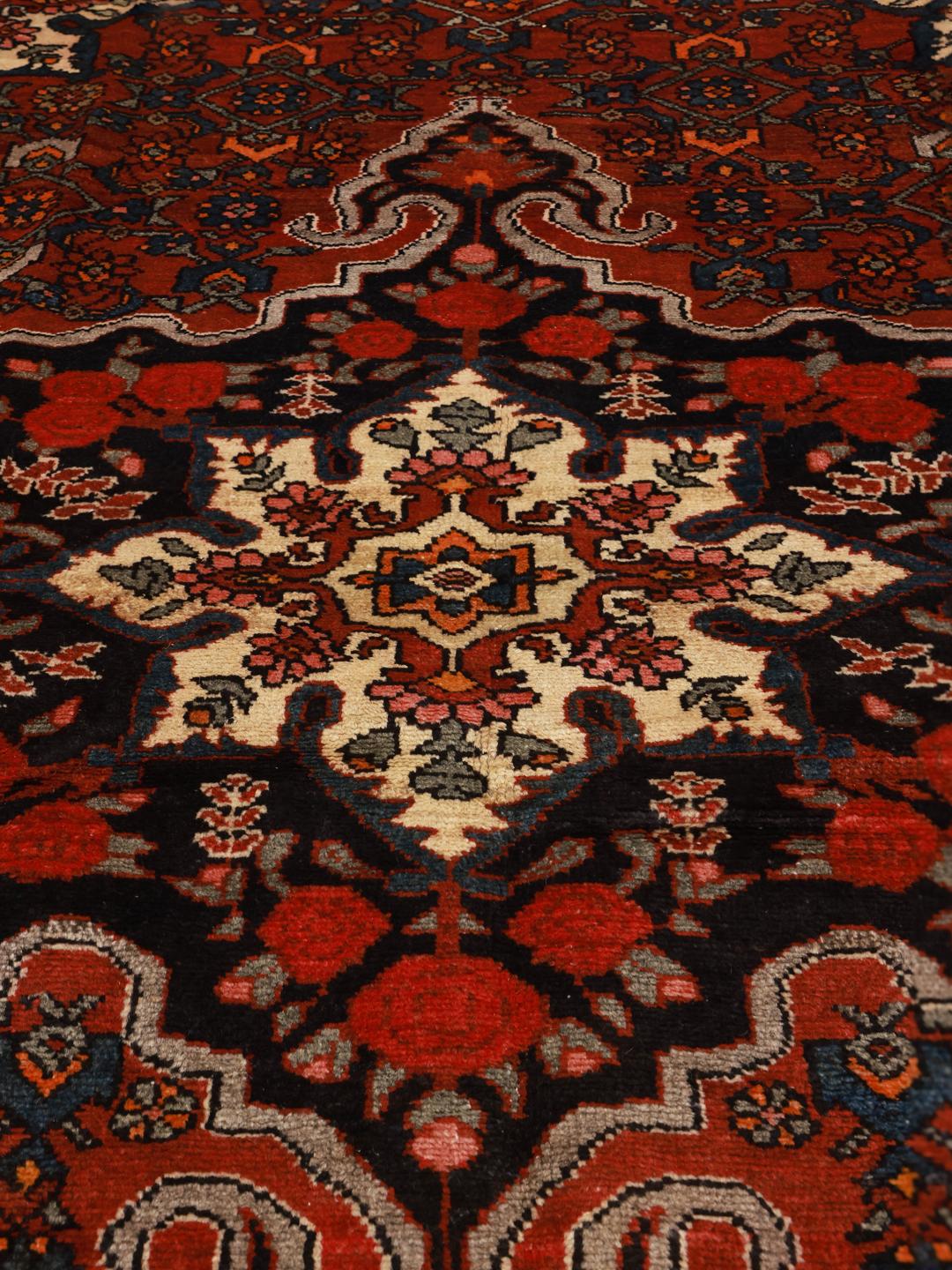
Visually, these rugs are known for their strong use of colour and repeating motifs. While they often feature a central medallion, the surrounding field is frequently filled with stylised floral or geometric patterns that draw inspiration from the surrounding landscape and traditional tribal art. The borders are usually broad and complex, framing the central design with a sense of formal balance.
Owning a Hosseinabad rug is an invitation to connect with a rich heritage of craft. These pieces are highly valued by collectors for their authenticity and the way they capture the spirit of their origin. By choosing such a rug, you are preserving a tradition of skill and artistic expression that continues to resonate in modern homes.