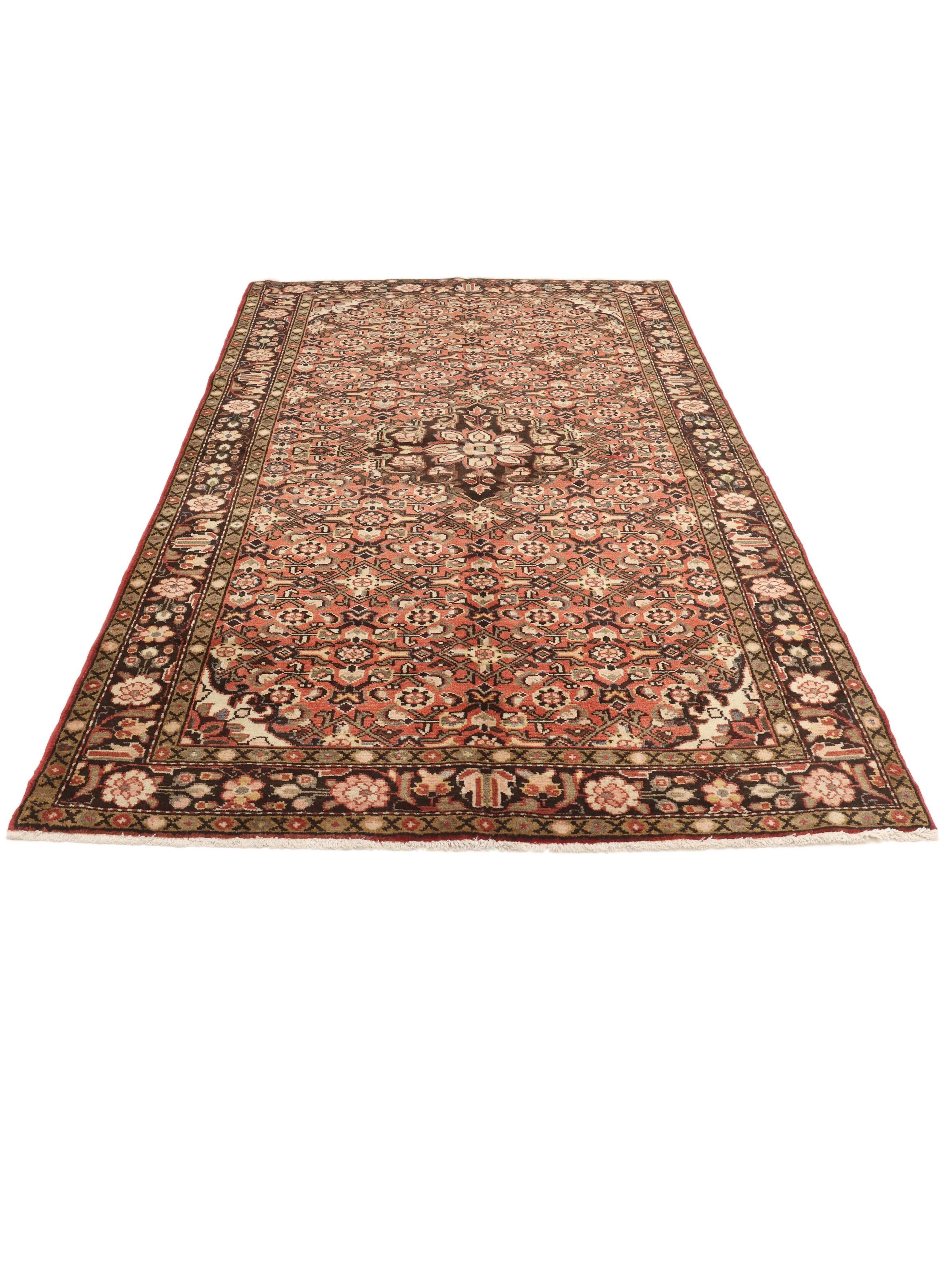
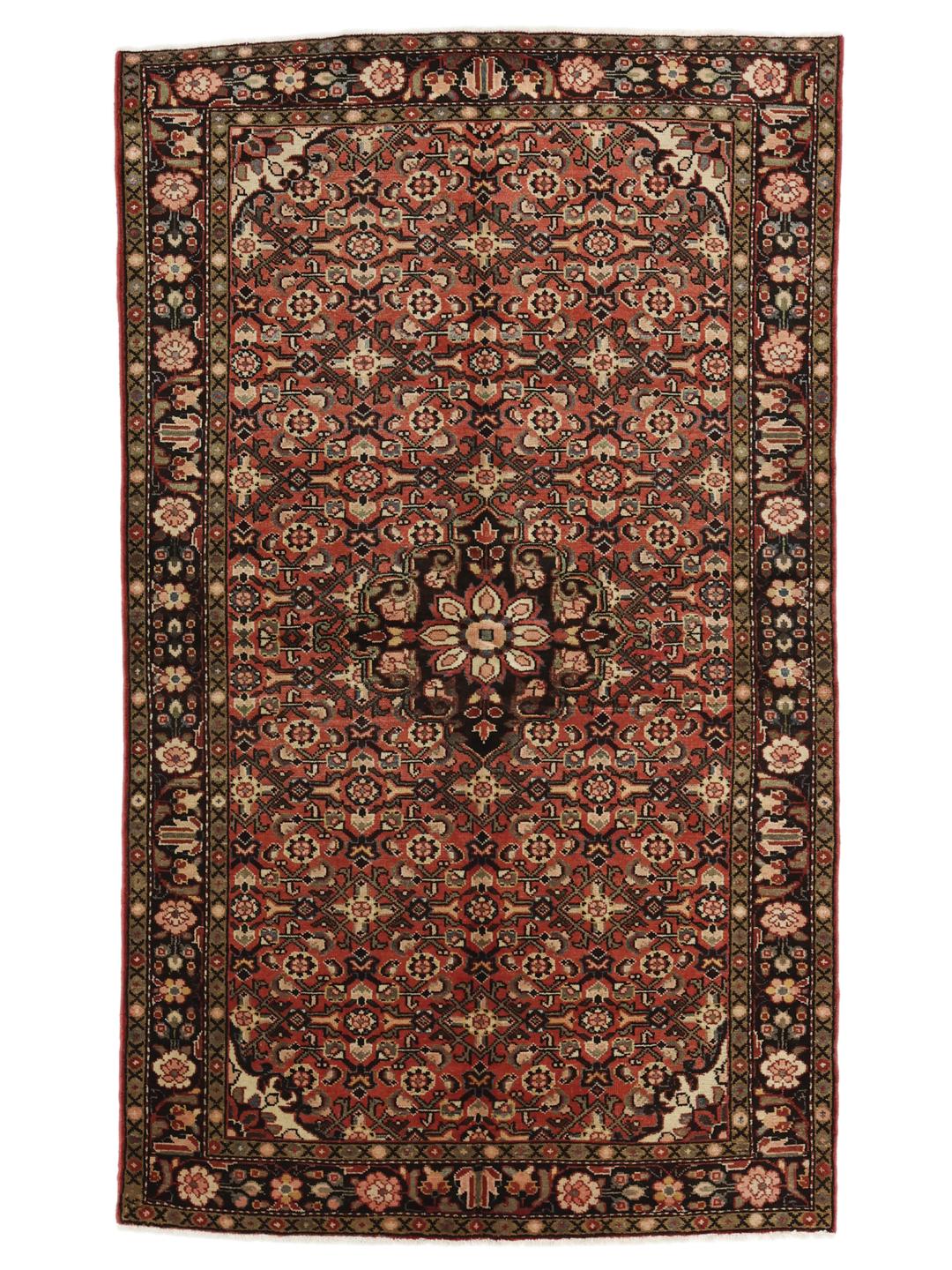
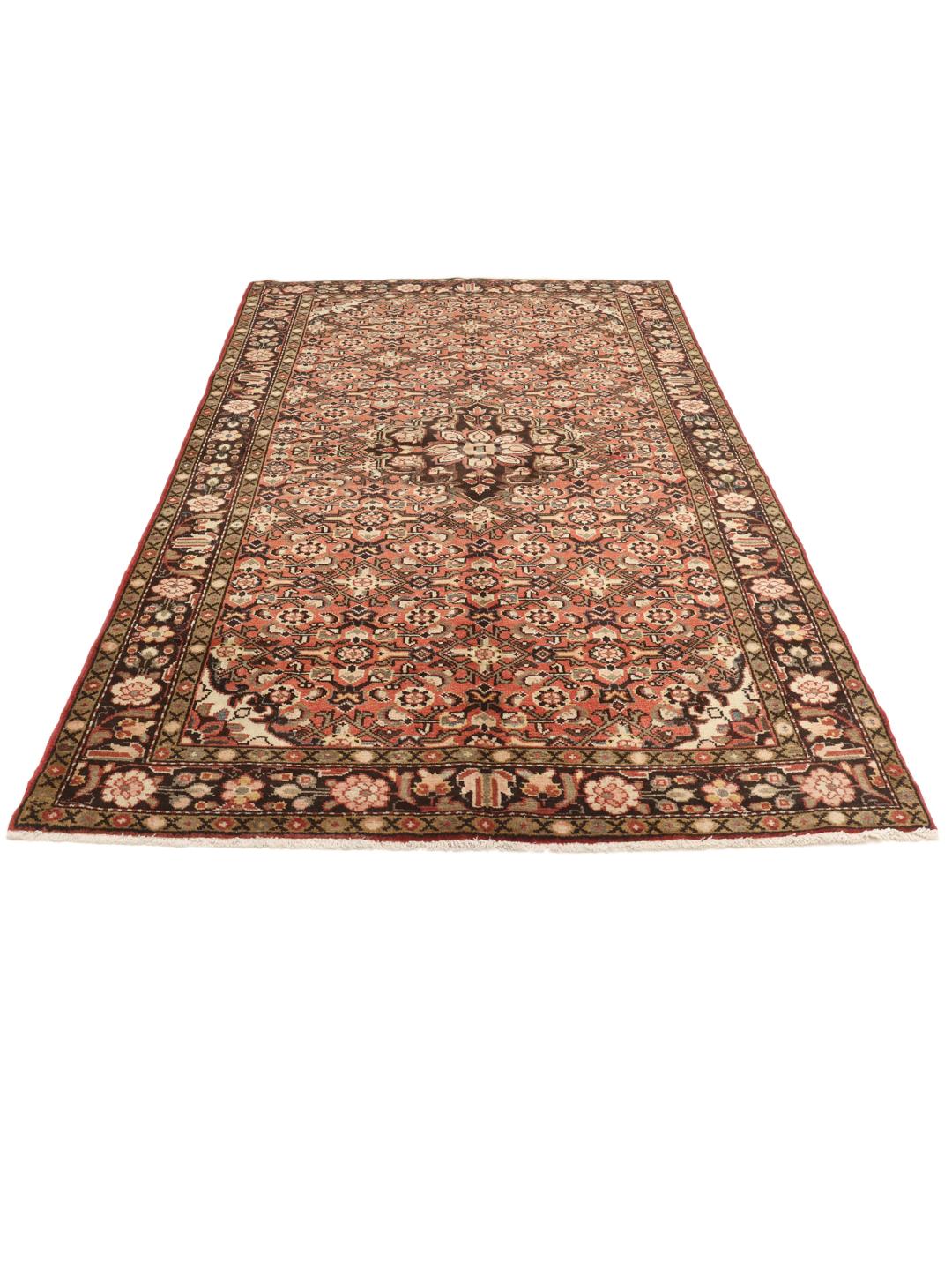
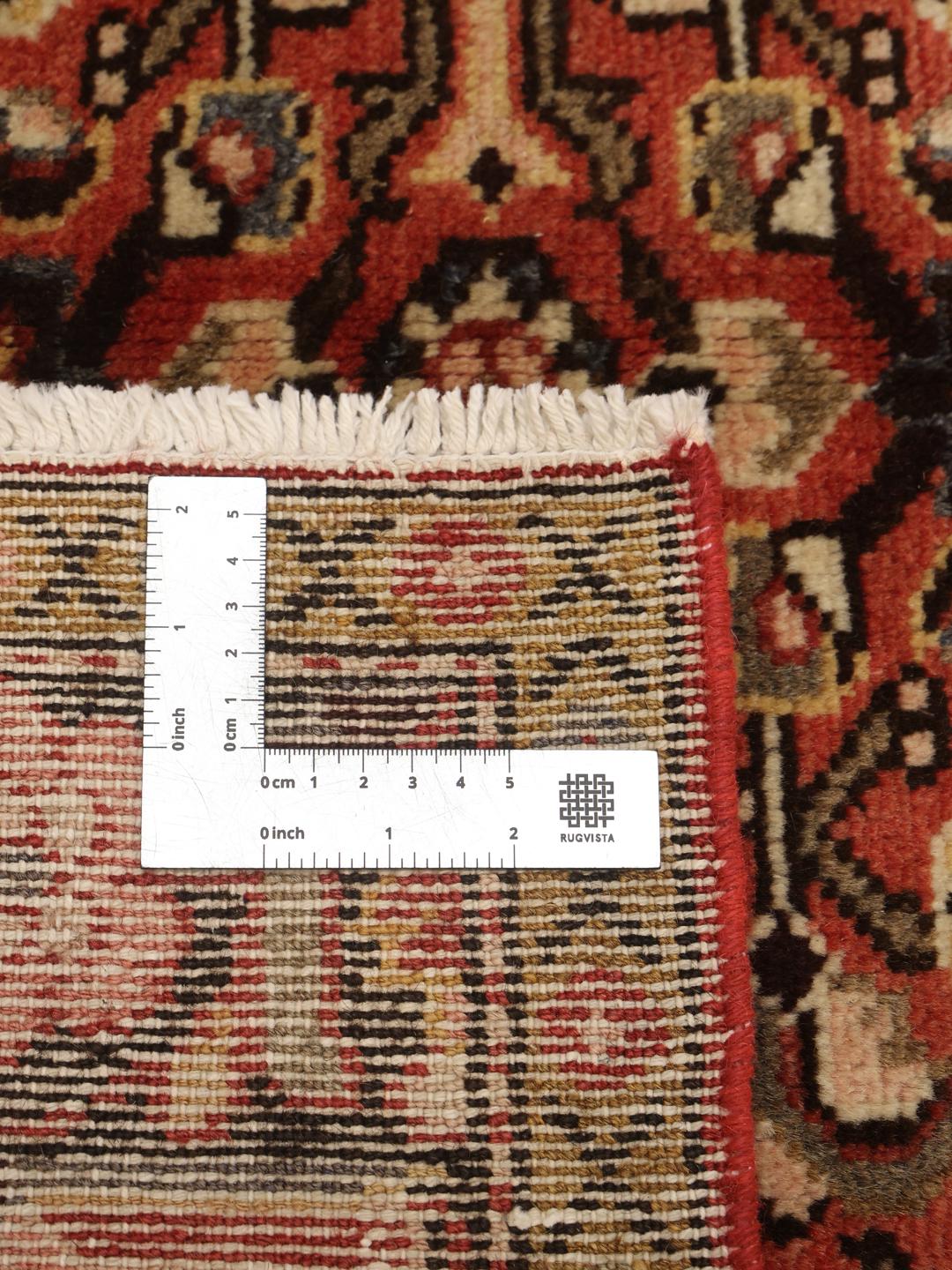
Hosseinabad rugs originate from the Hamadan region of the Middle East, an area long celebrated for its diverse and robust weaving traditions. These rugs are deeply rooted in the cultural heritage of the local villages, where weaving has been a primary domestic craft for centuries, passed down through generations of families.
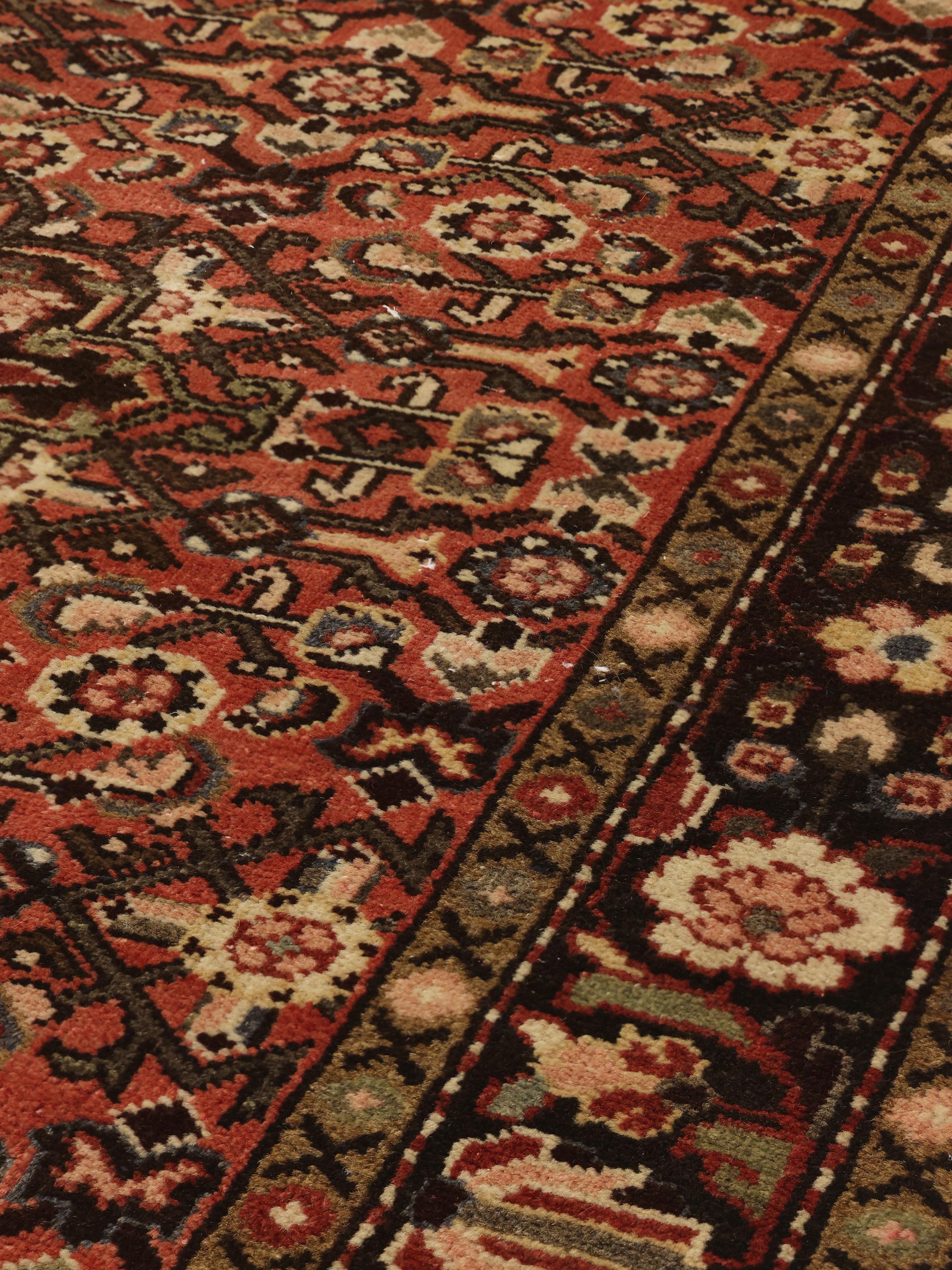
The term Hosseinabad refers to the specific village tradition within the broader Hamadan weaving style. These pieces are known for their sturdy construction and the use of high-quality wool, which is often sourced from local flocks. This material choice is vital to the rug's reputation for longevity, as the wool is naturally resilient and develops a beautiful character over time.
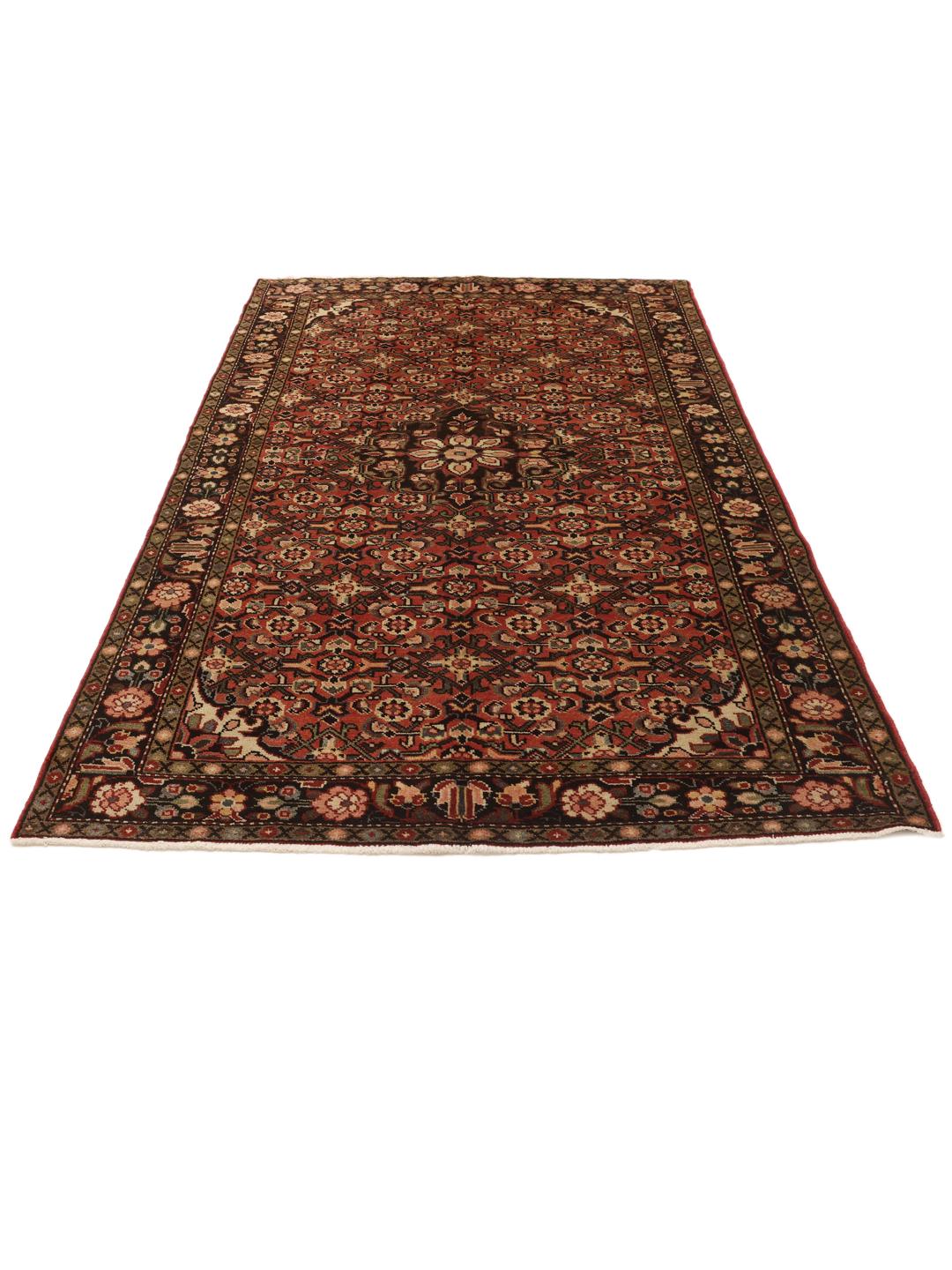
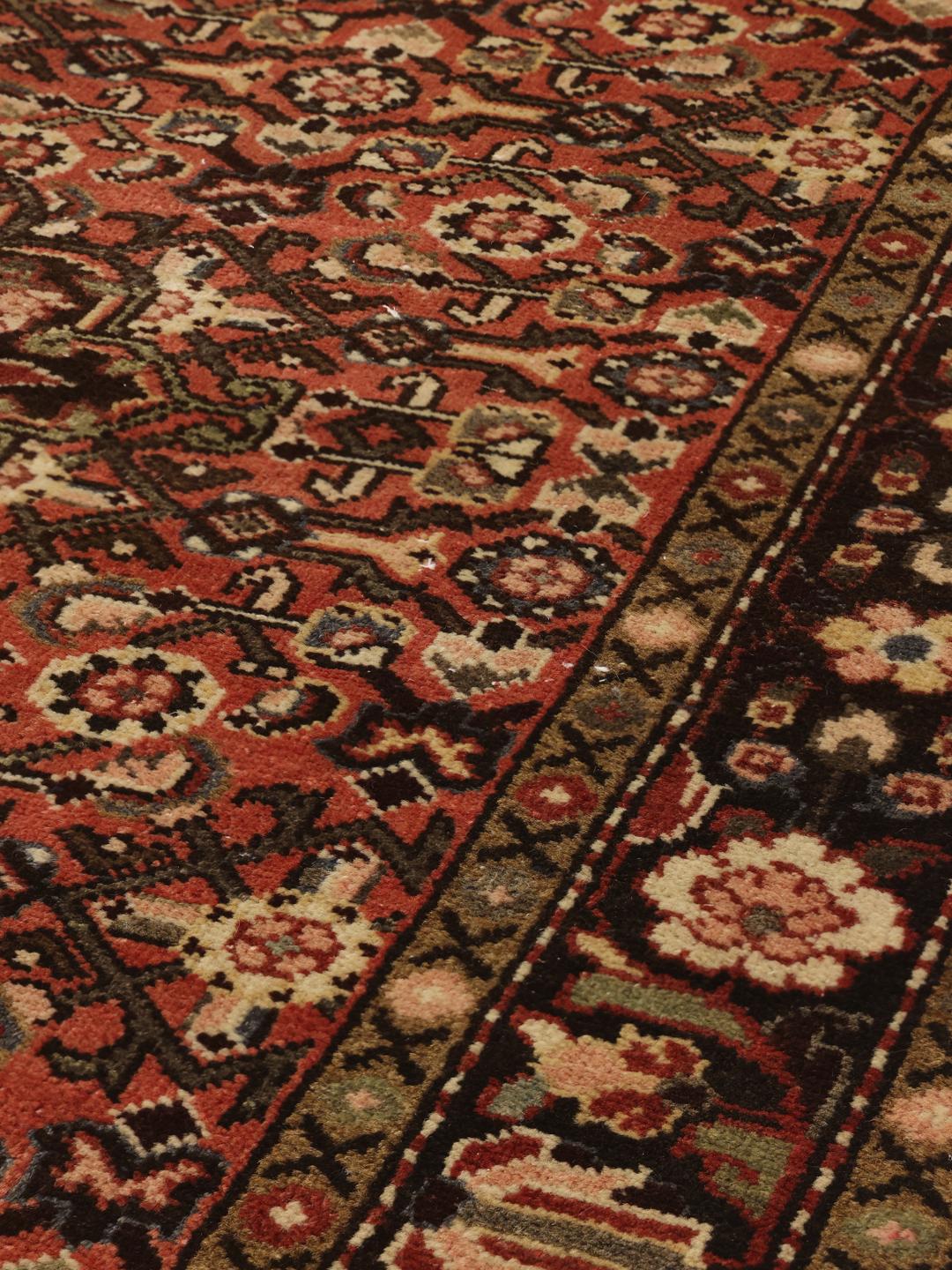
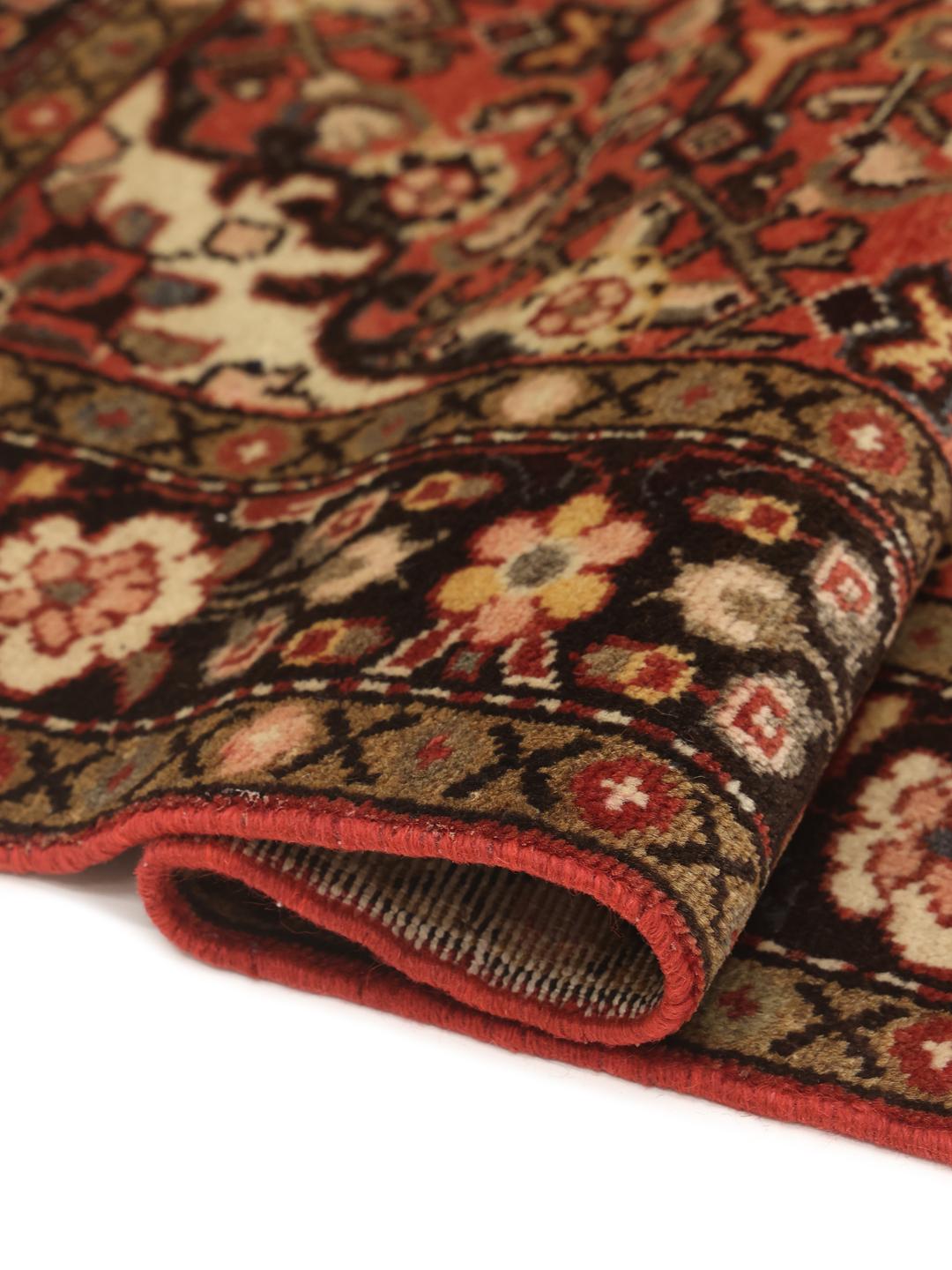
Visually, these rugs are often defined by their intricate floral and geometric motifs, frequently centred around a distinct medallion. The borders are usually well-defined, framing the field with repeating patterns that reflect the aesthetic history of the region. The use of deep, earthy tones is a hallmark of the style, grounding the complex patterns in a warm, sophisticated palette.
Owning a piece from this tradition is about more than just decor; it is an appreciation of a living art form. Because each rug is created by hand in a village setting, it serves as a record of the weaver's skill and local cultural identity. Collectors value these rugs for their authenticity, the depth of their design history, and the way they bring a sense of place and heritage into a modern home.