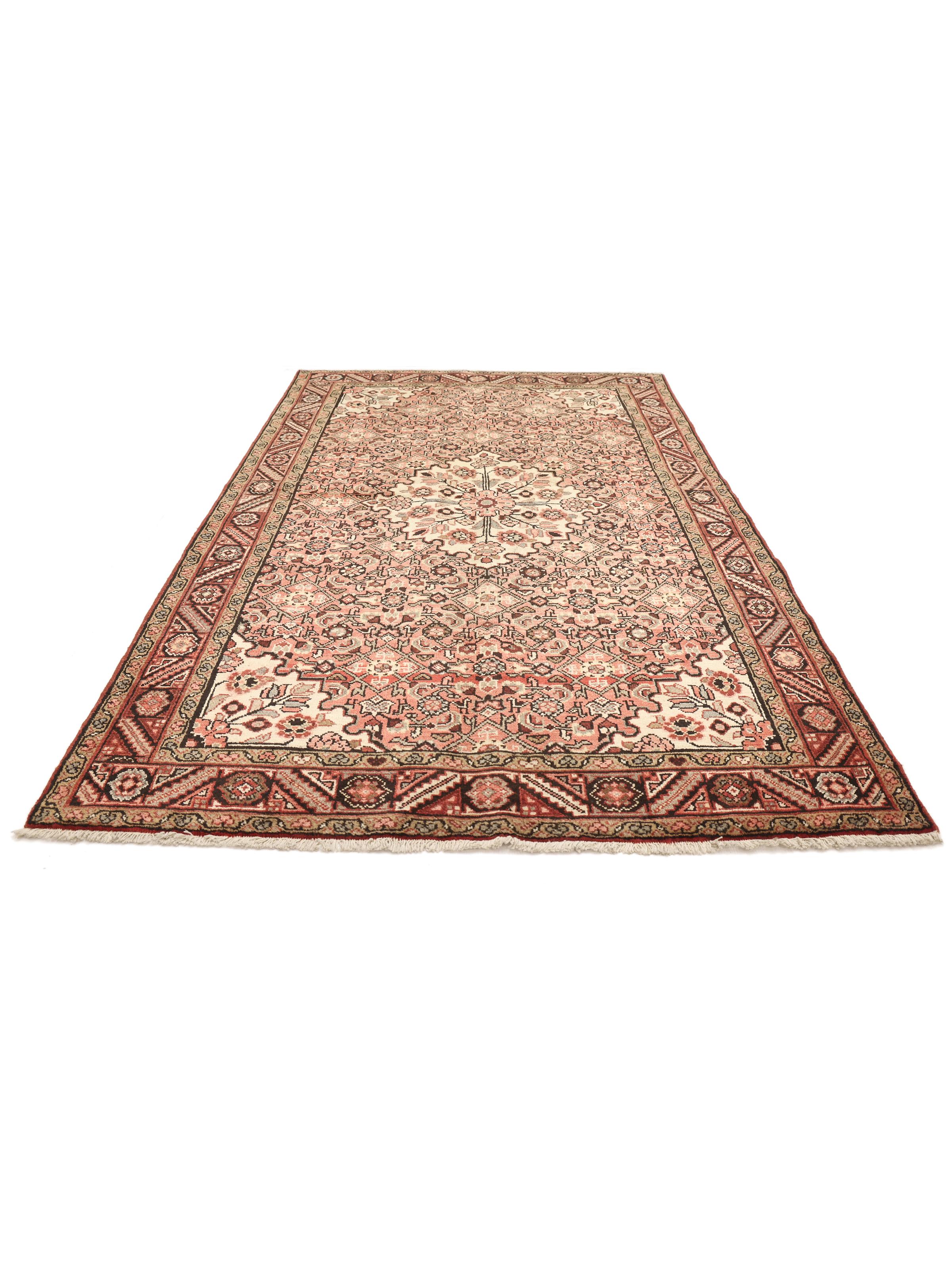
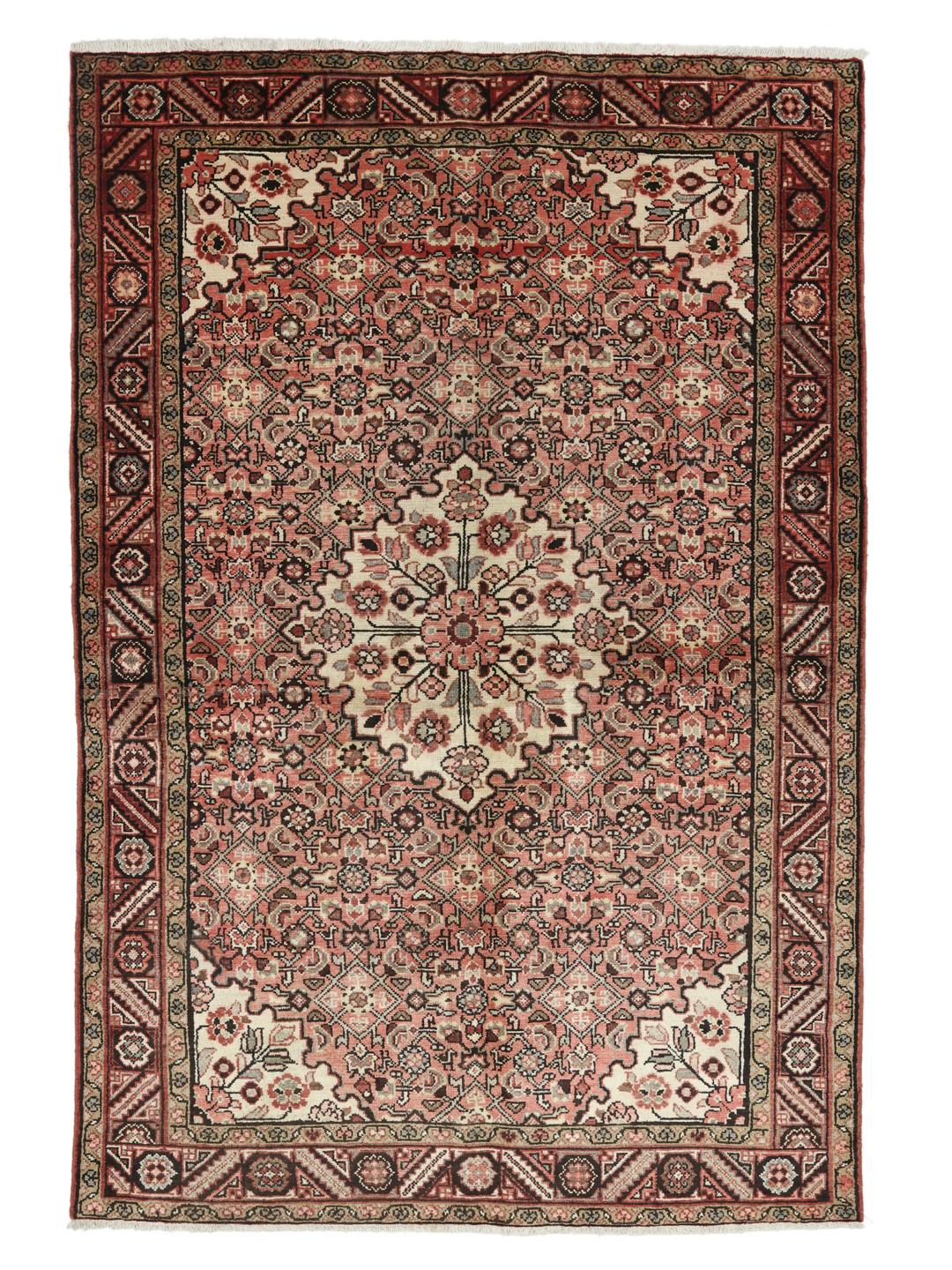
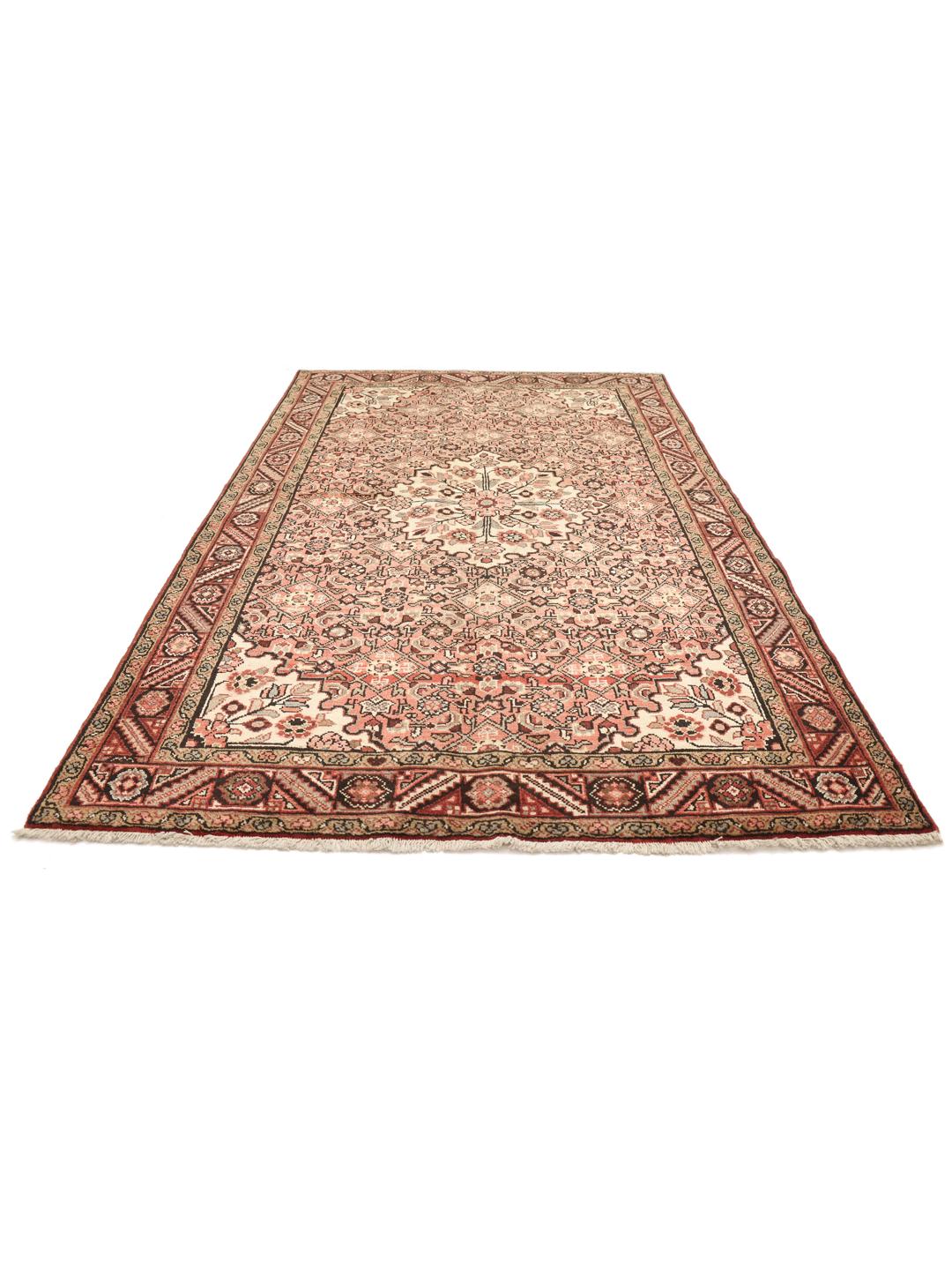
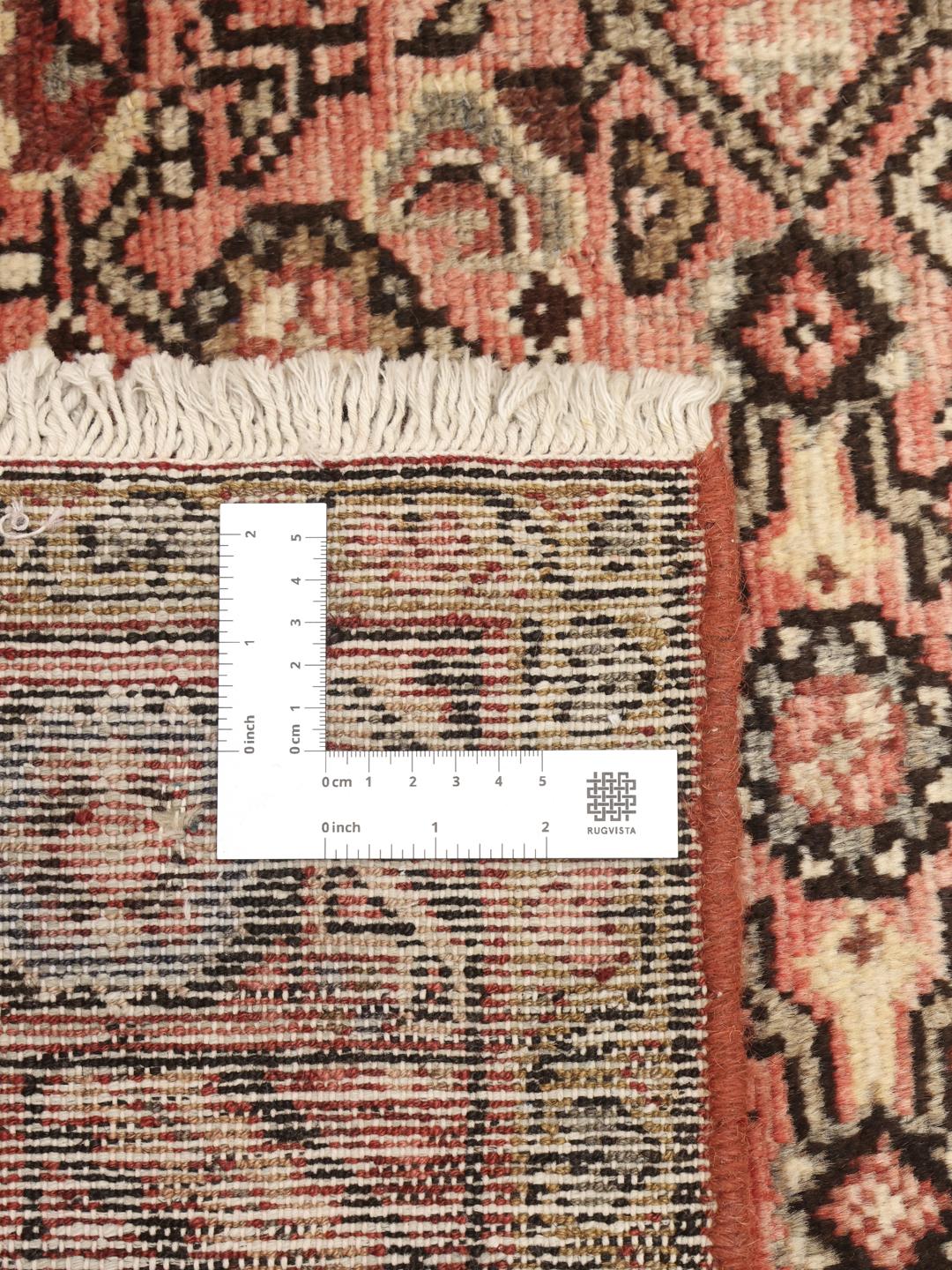
Hosseinabad rugs originate from the Hamadan region in the Middle East, an area long celebrated for its distinctive and varied weaving traditions. These rugs are often produced in smaller villages, where the techniques are passed down through generations, allowing each community to develop its own signature style within the broader regional aesthetic.
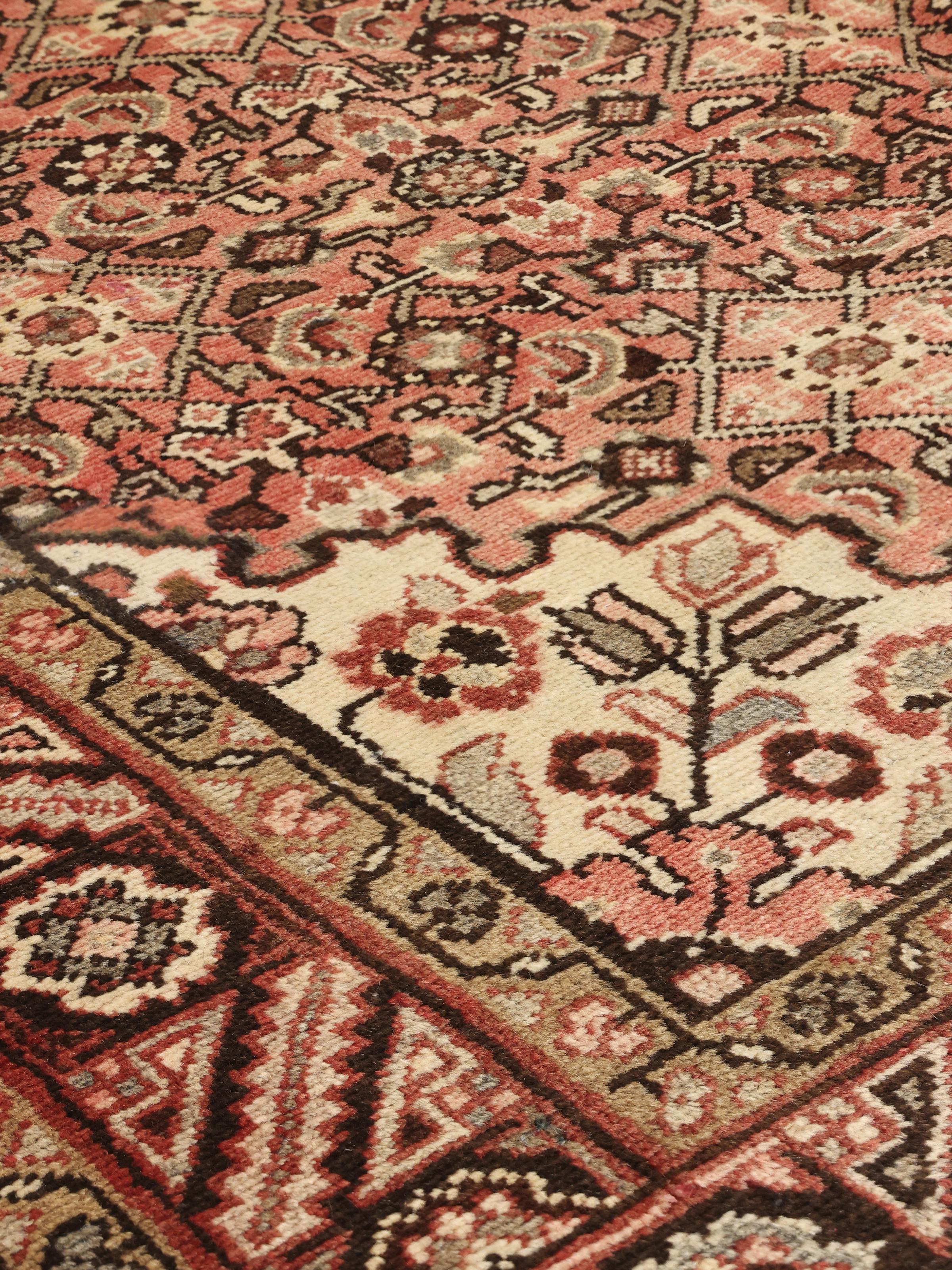
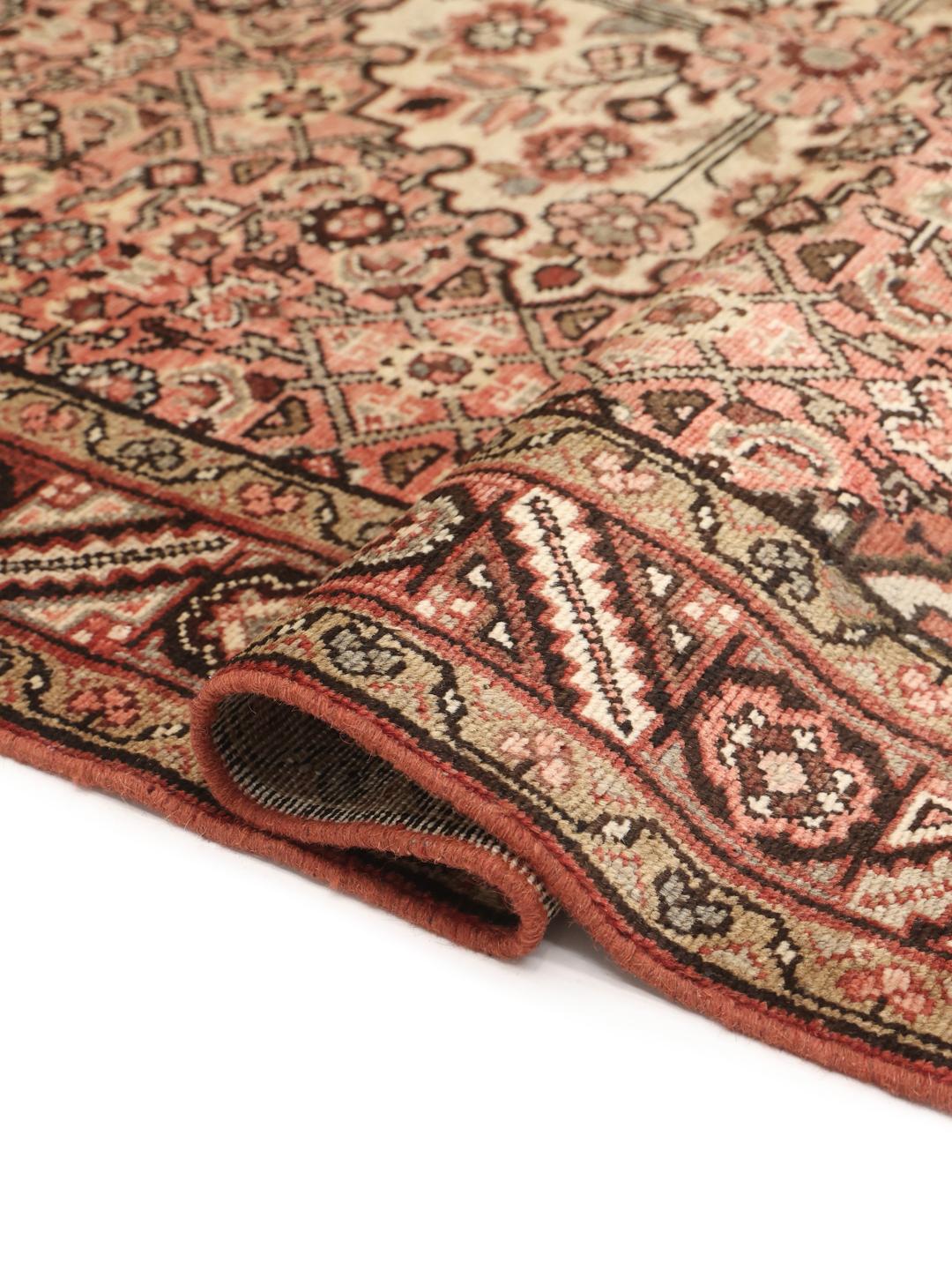
The term Hosseinabad refers to a specific style of village weaving that often utilises a single-weft construction. This method, combined with the use of sturdy local materials, results in a rug that is exceptionally hard-wearing and practical for everyday use. It is this focus on durability without sacrificing design that has kept these rugs in high demand among collectors.
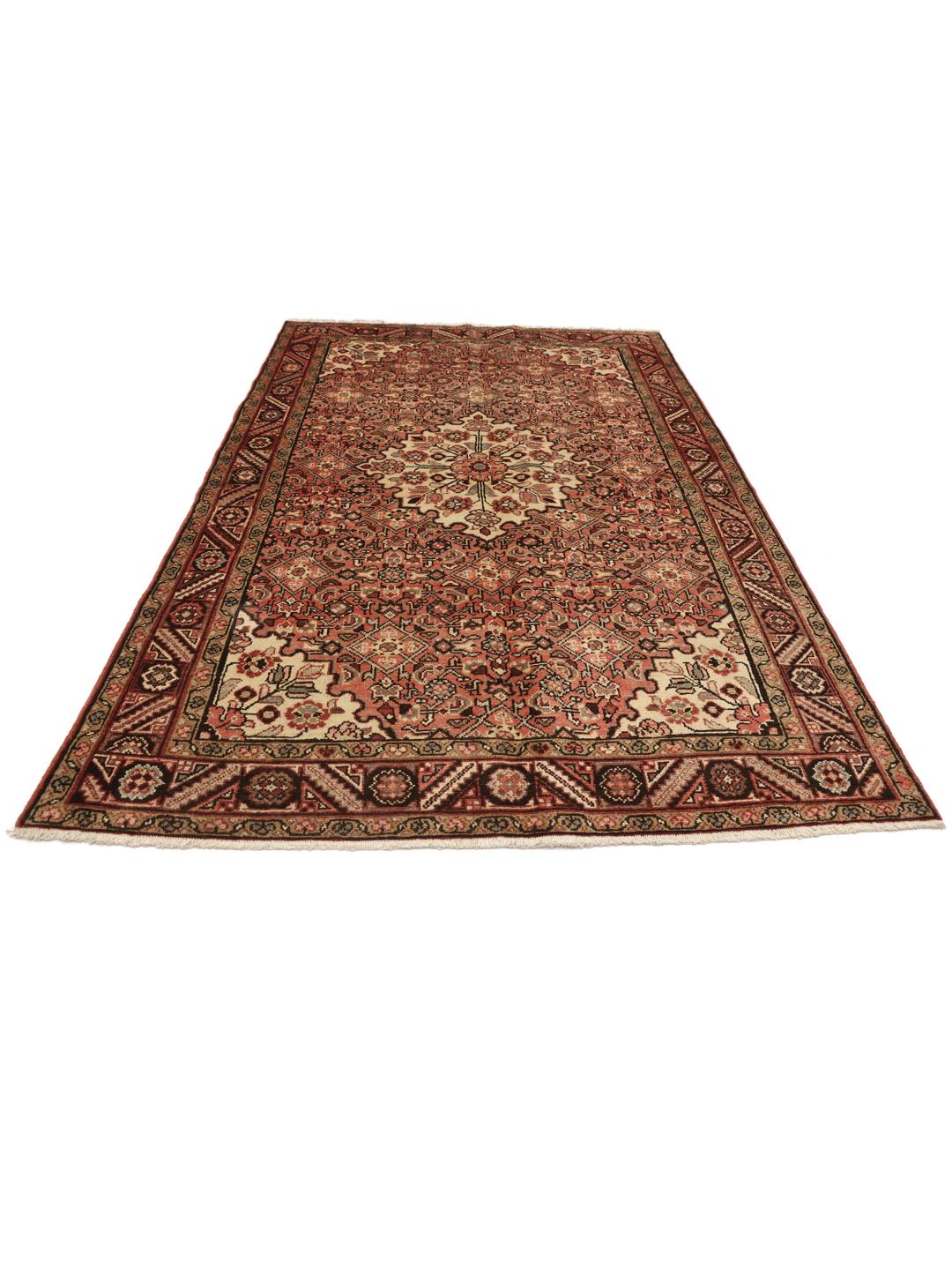
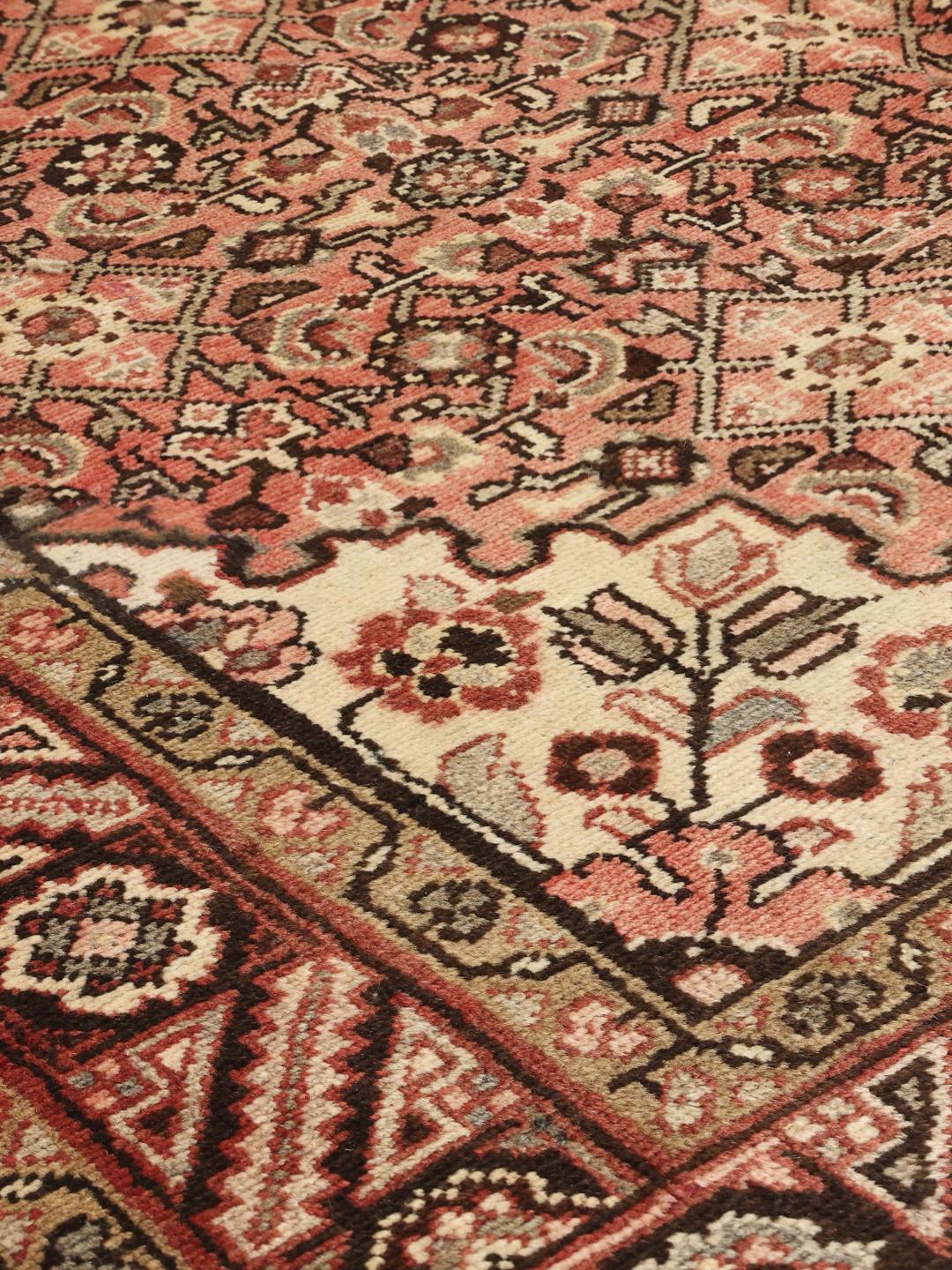
Visually, these rugs are known for their bold, often geometric floral patterns and the use of warm, earthy tones. The central medallion is a hallmark of the style, frequently mirrored by smaller motifs that fill the field, creating a balanced and harmonious composition. The borders are typically wide and well-defined, providing a strong frame for the central design.
Collecting a Hosseinabad rug is an investment in cultural heritage and artisanal skill. These pieces are valued not only for their aesthetic beauty but also for the story they tell of the people and the landscape from which they emerge. By choosing one, you are supporting a tradition that prioritises longevity and individual character over mass production.