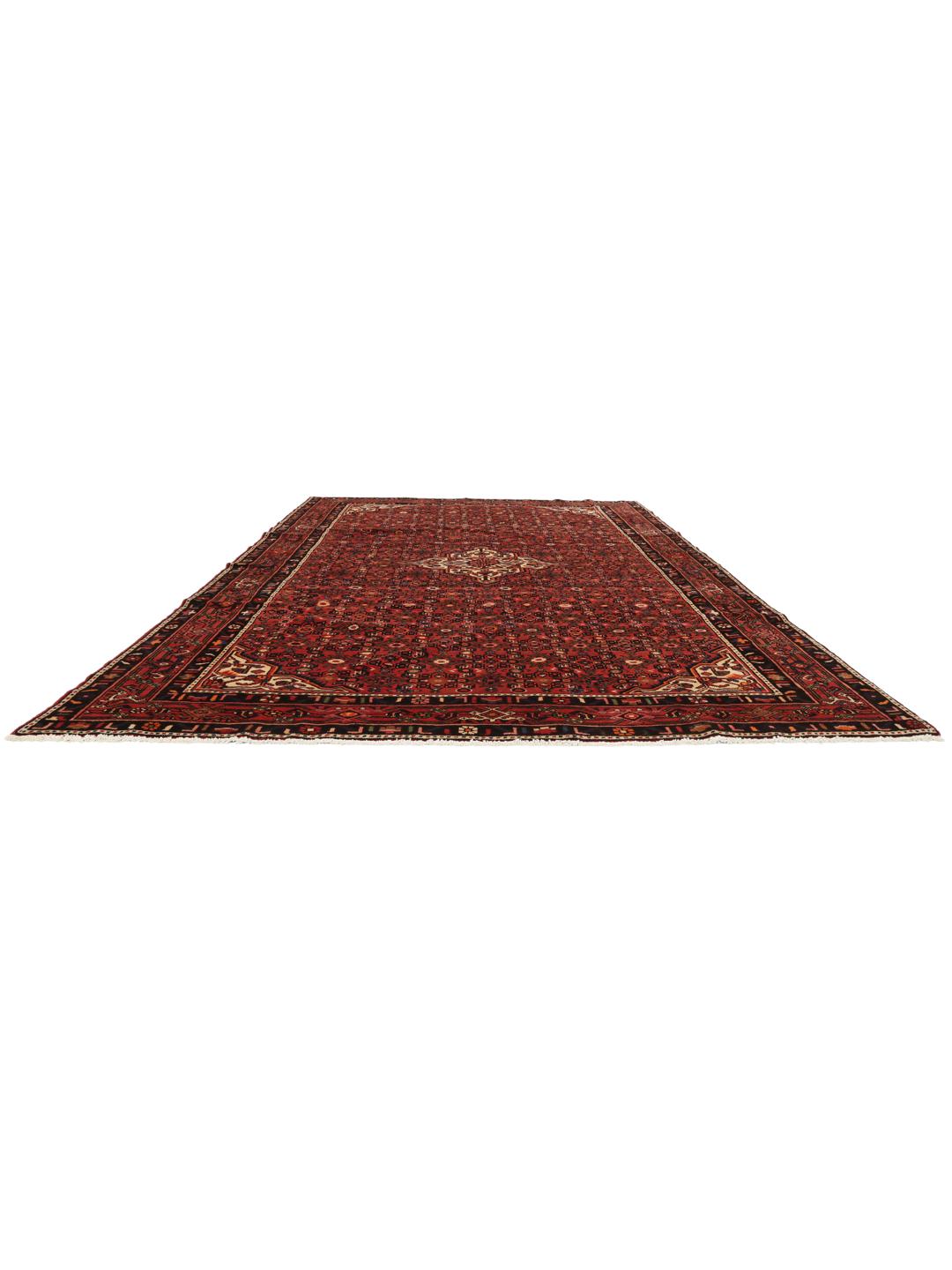
The Hosseinabad rug tradition hails from the Middle Eastern region, an area renowned for its deep-rooted history of textile artistry. These rugs are often celebrated for their robust construction and their ability to blend traditional regional aesthetics with a sense of durability that makes them ideal for everyday living. The evolution of these styles reflects a long lineage of weavers who have refined their craft over centuries, passing down patterns and techniques through generations.
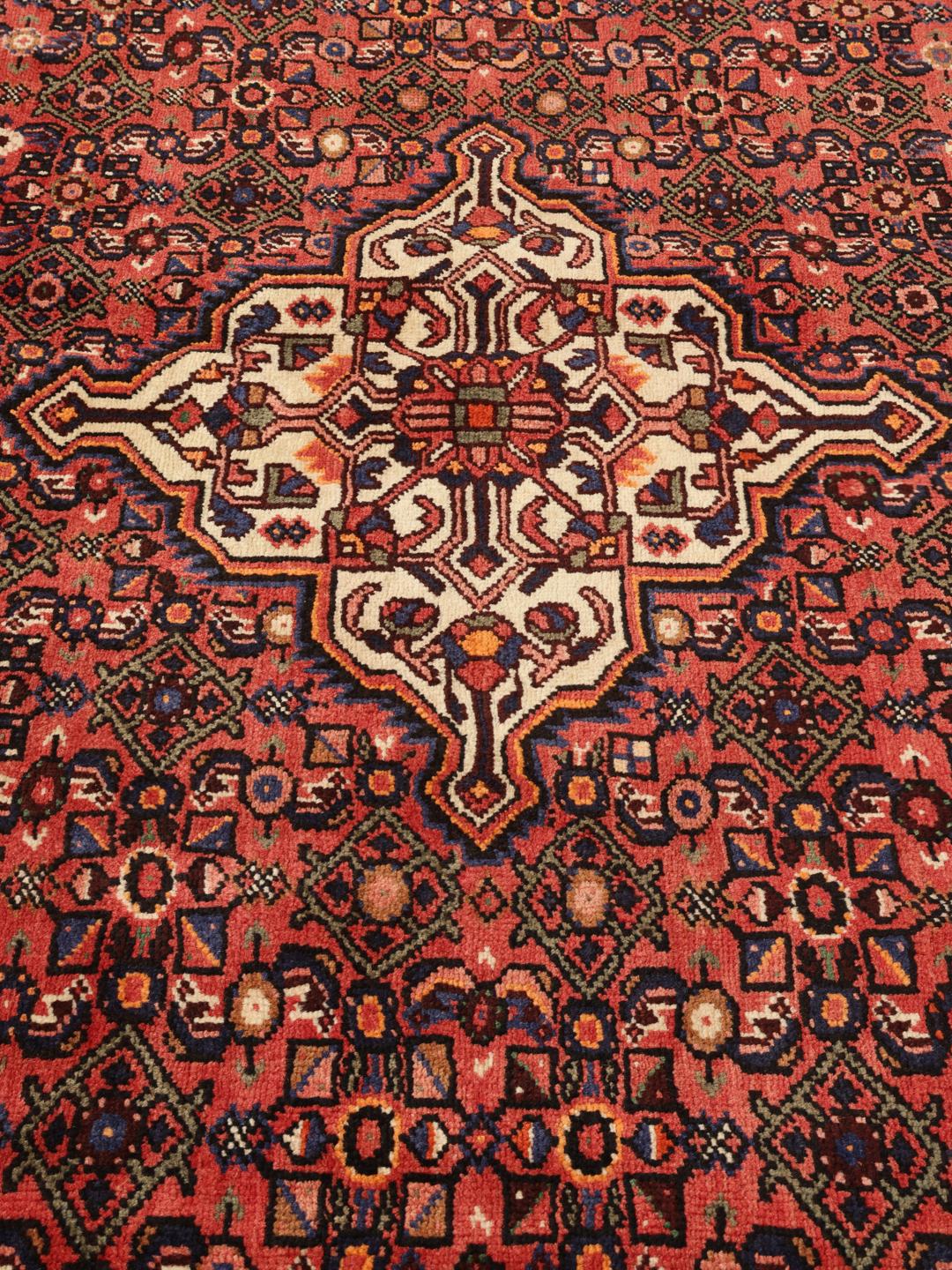
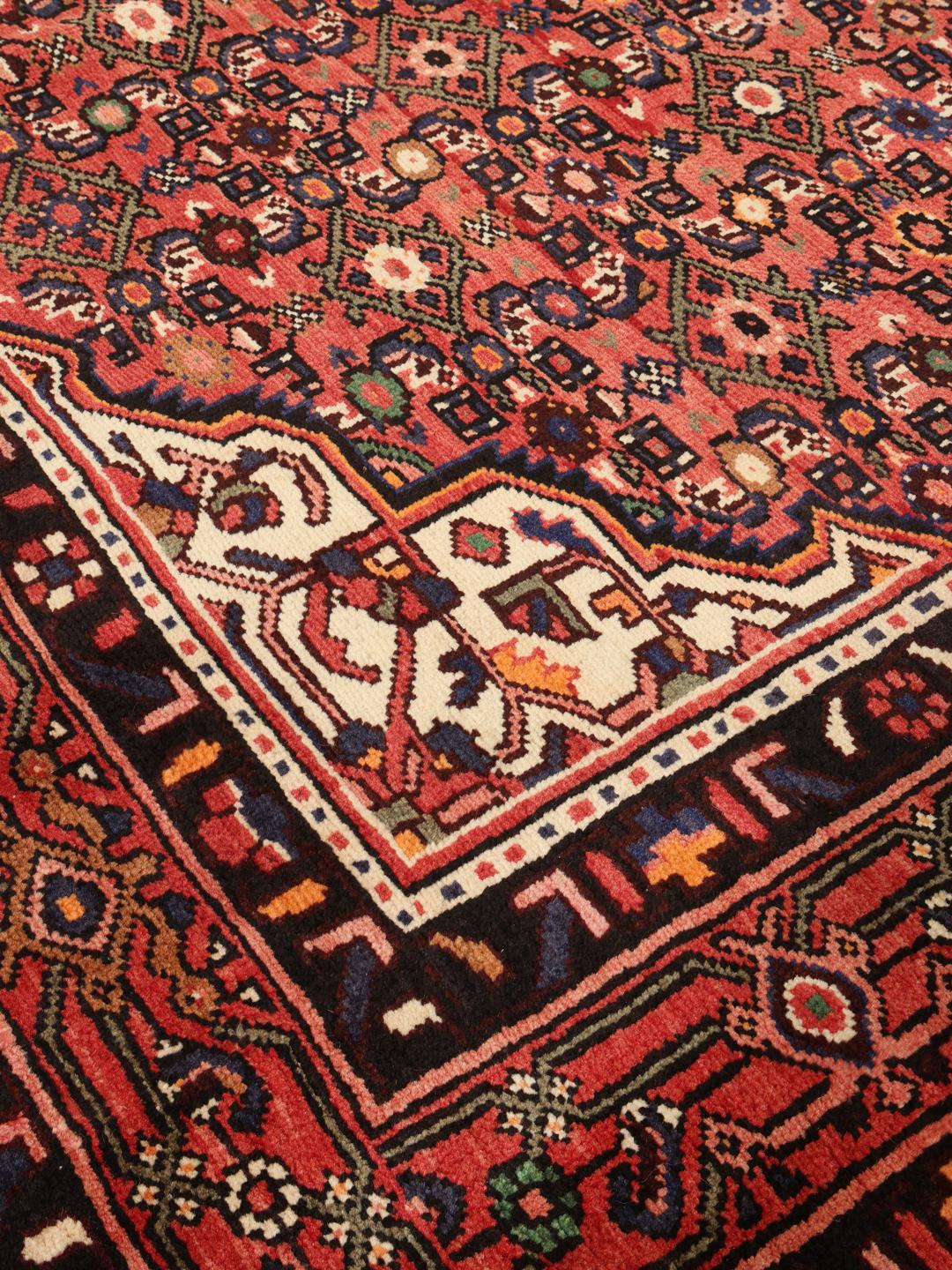
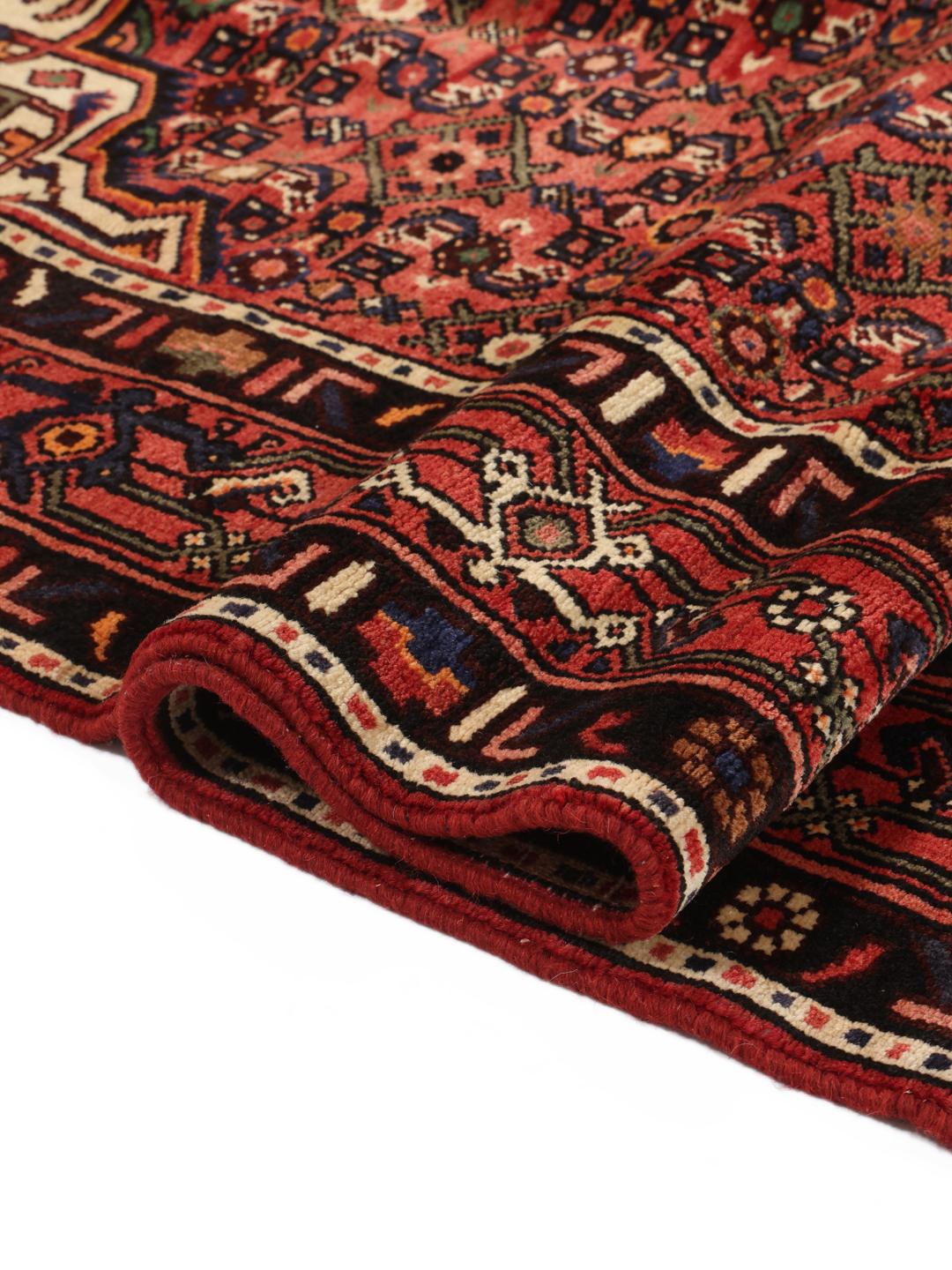
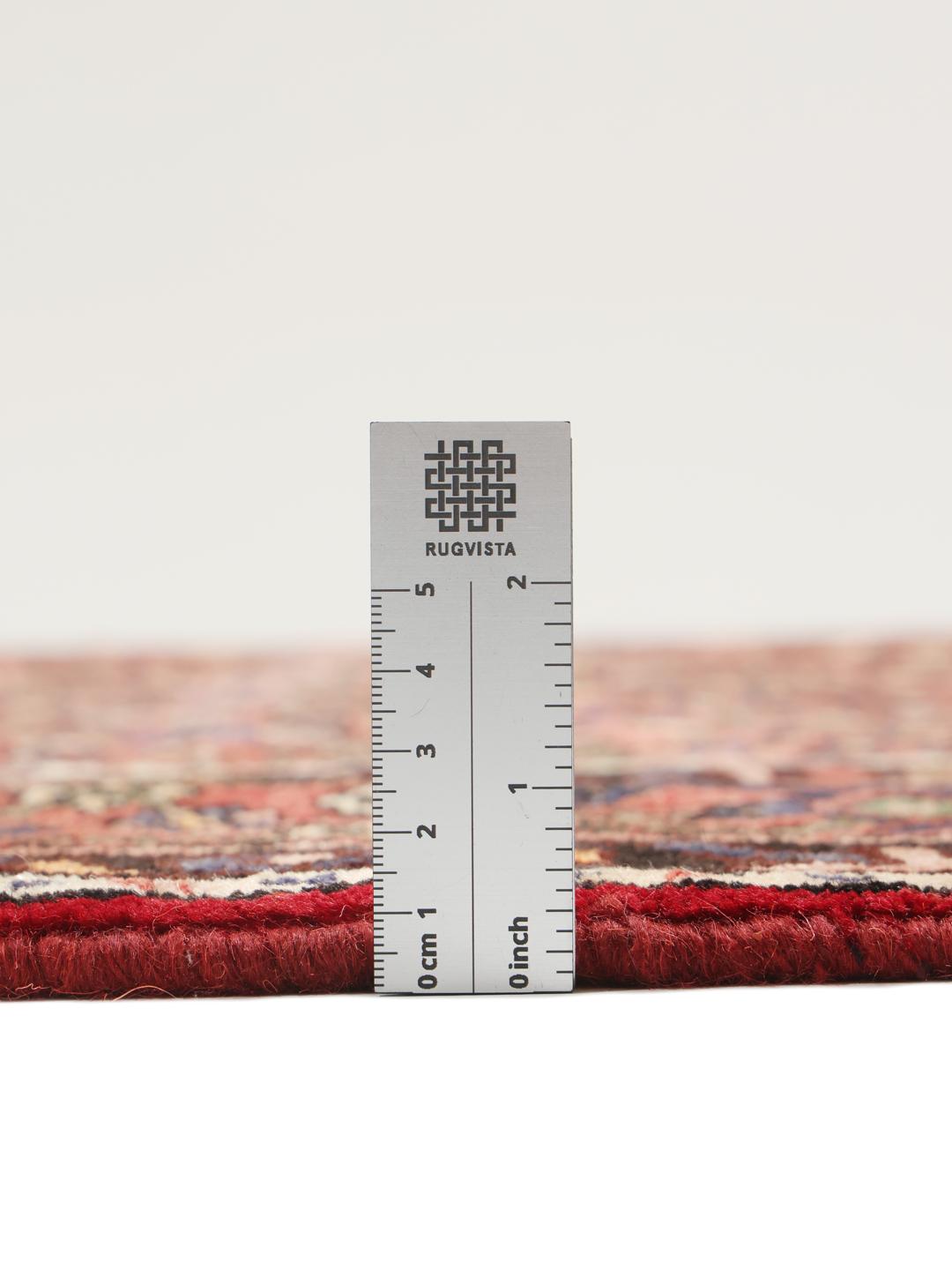
The term Hosseinabad refers to specific regional weaving traditions that emphasise a sturdy foundation and a dense, high-quality pile. This construction is vital, as it ensures that the intricate designs remain sharp and the rug maintains its shape even after years of use. For the owner, this translates to a reliable, long-lasting piece that retains its aesthetic appeal and structural performance, making it a wise choice for a high-traffic area of the home.
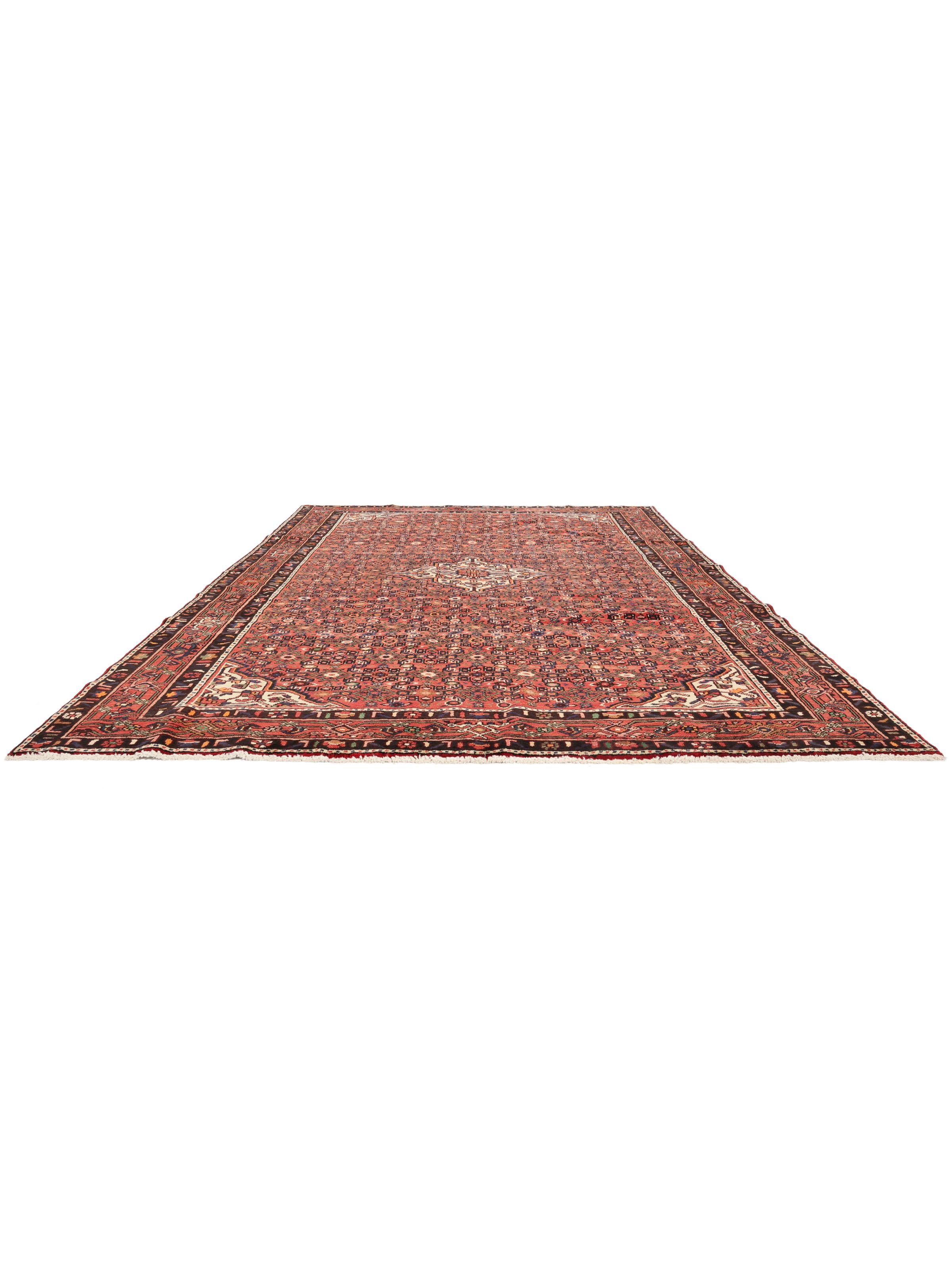
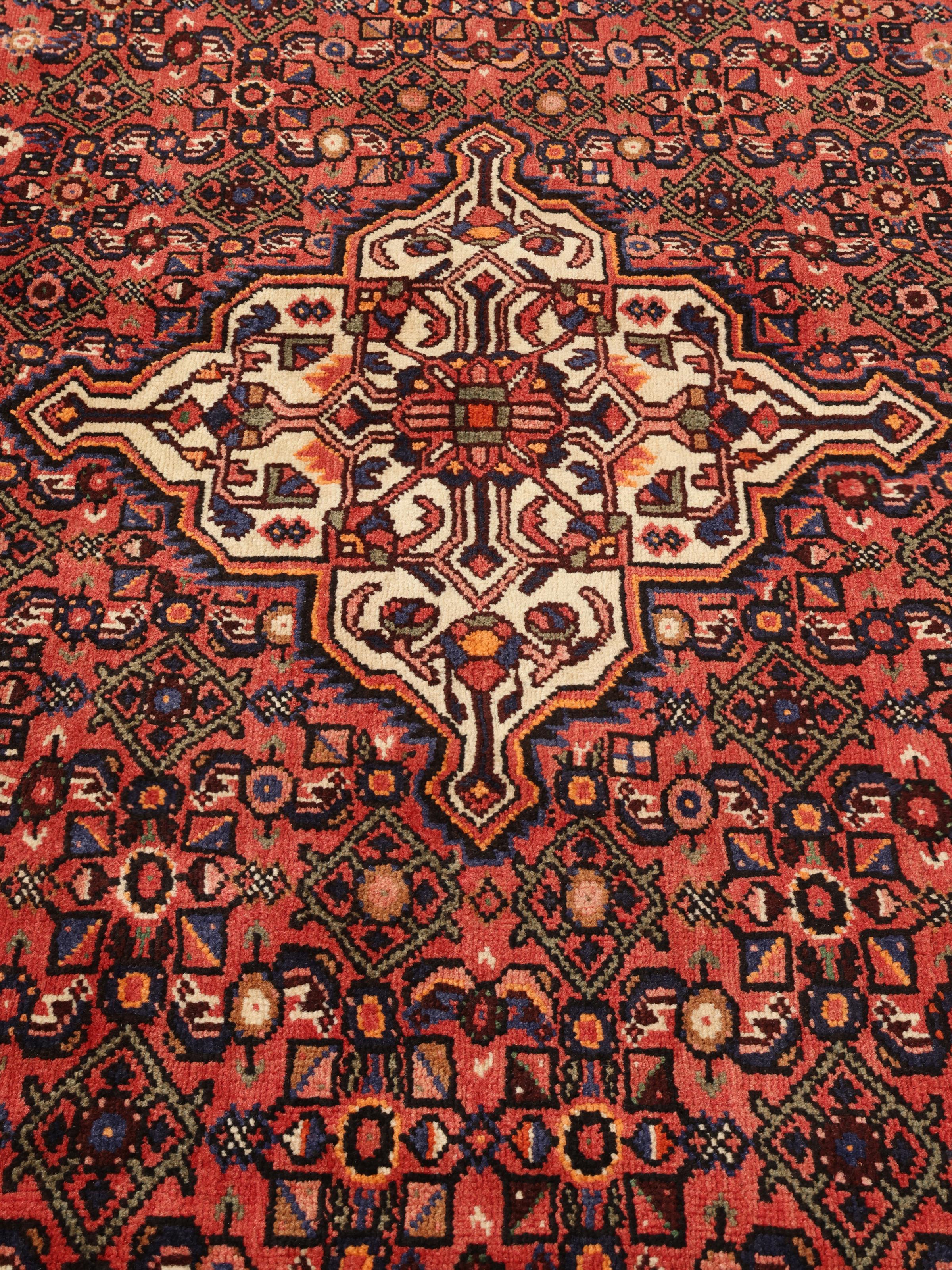
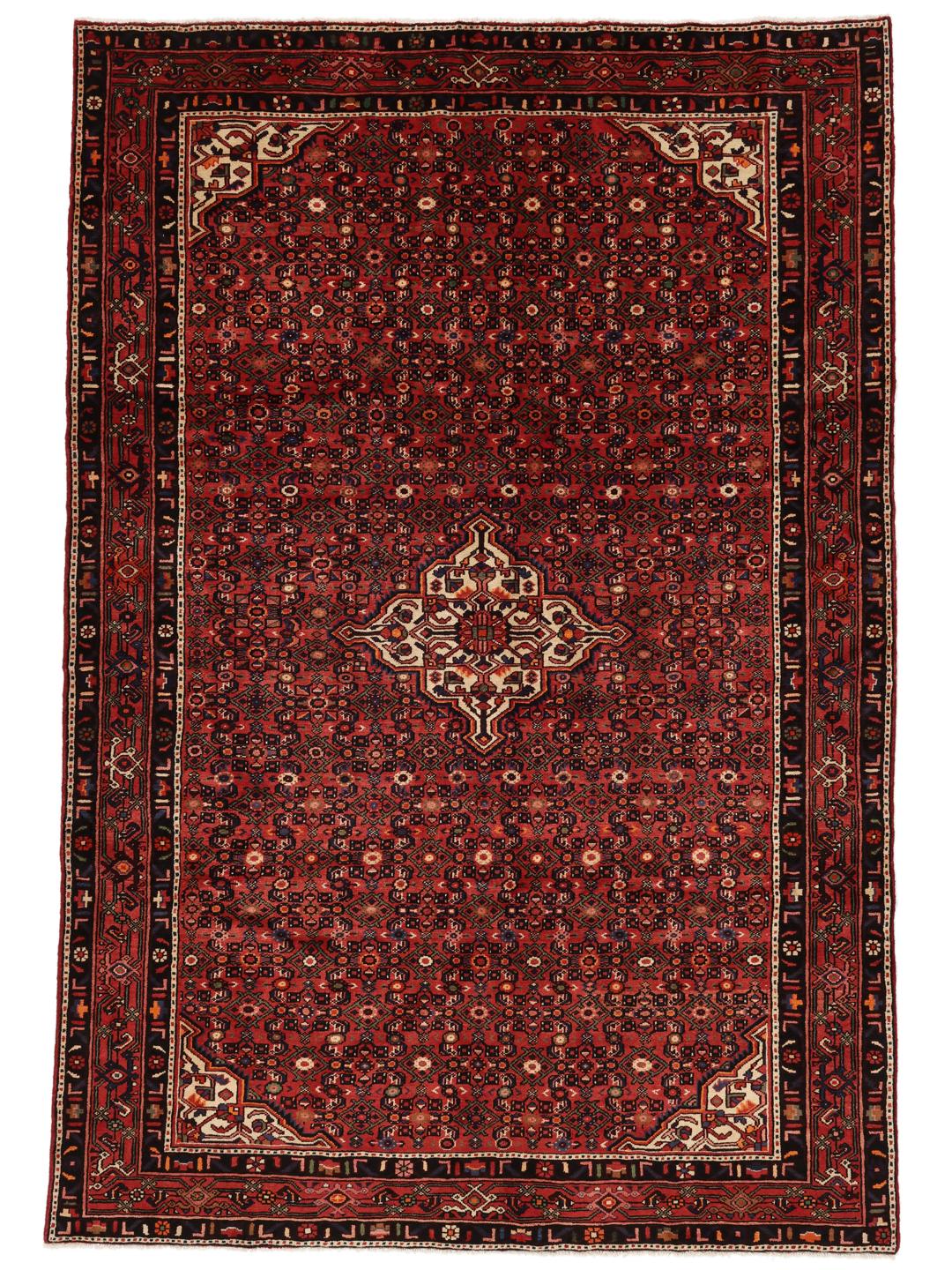
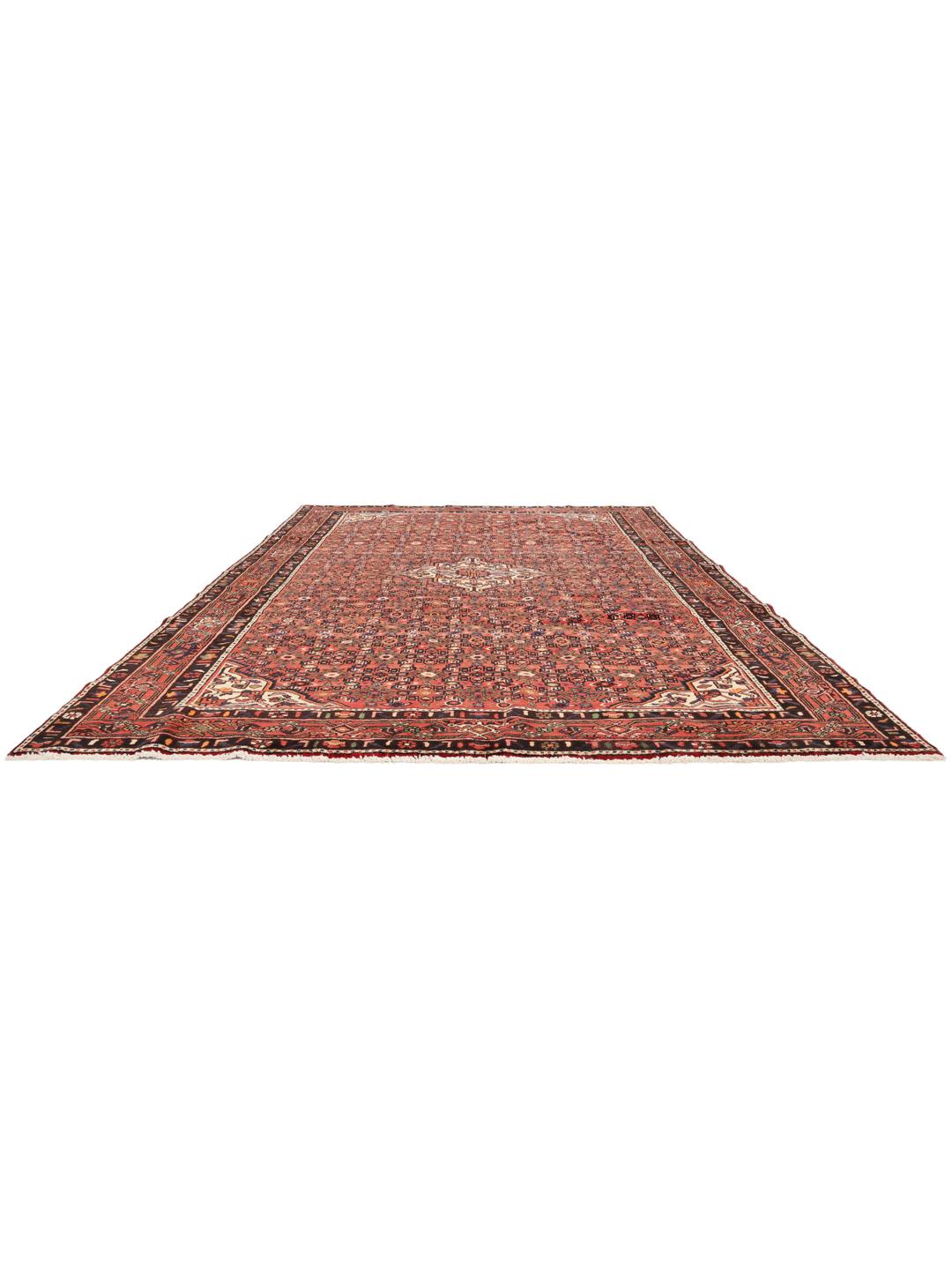
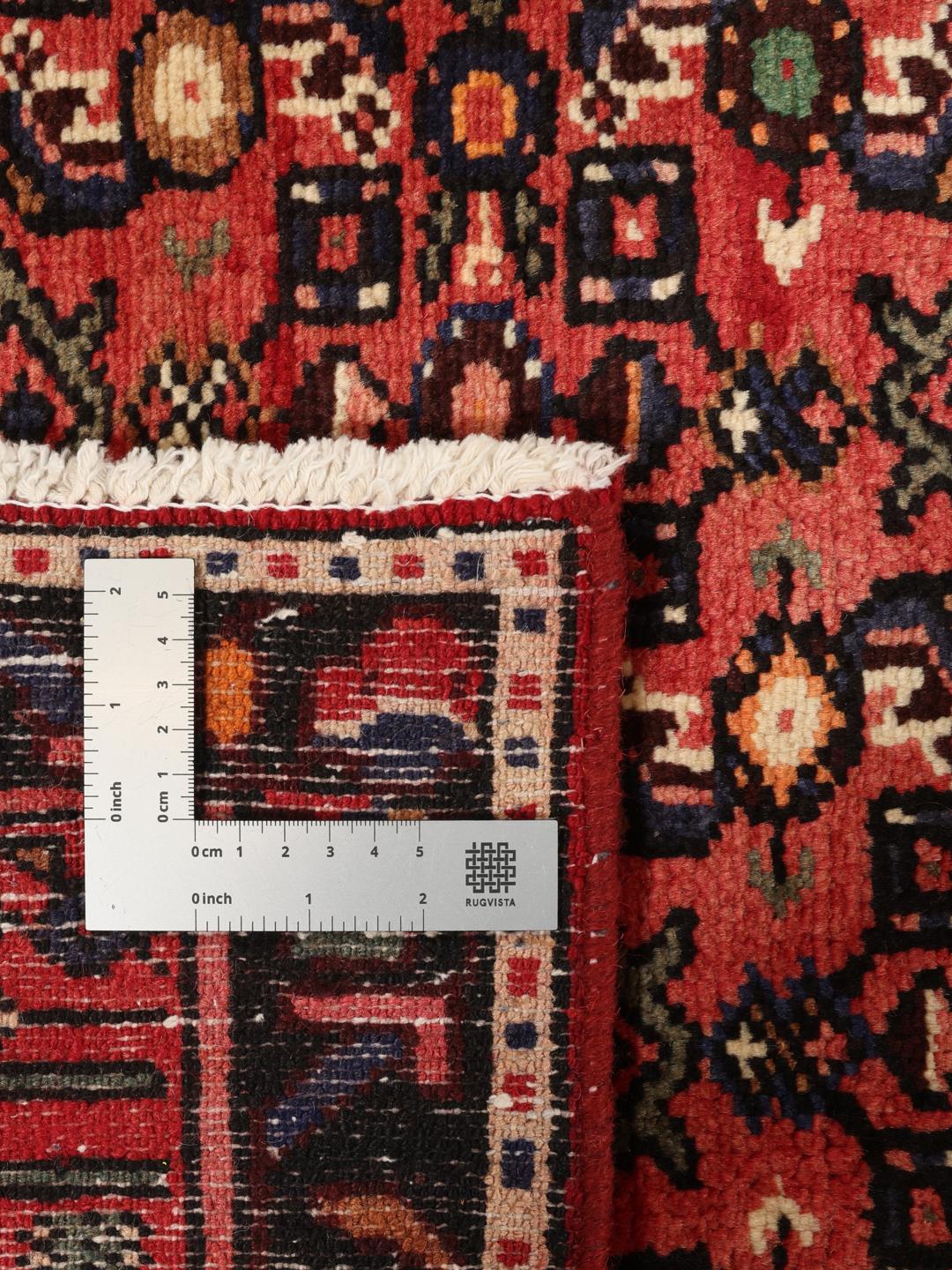
Visually, these rugs are often defined by their bold, geometric, or medallion-focused designs, which are frequently set against a deep, saturated field. The use of traditional dyes and complex borders creates a cohesive look that is both formal and inviting. This particular rug captures these classic signature elements, utilising a balanced, symmetrical layout that is characteristic of the finest examples of this regional style.
Owning a piece from this tradition is an act of supporting a legacy of fine craftsmanship. These rugs are not mass-produced; they are the result of human effort, time, and creative vision. By collecting a Hosseinabad rug, you are preserving a cultural narrative and bringing a sense of authenticity into your home that mass-produced items simply cannot provide. It is a commitment to quality and a celebration of the human hand in design.