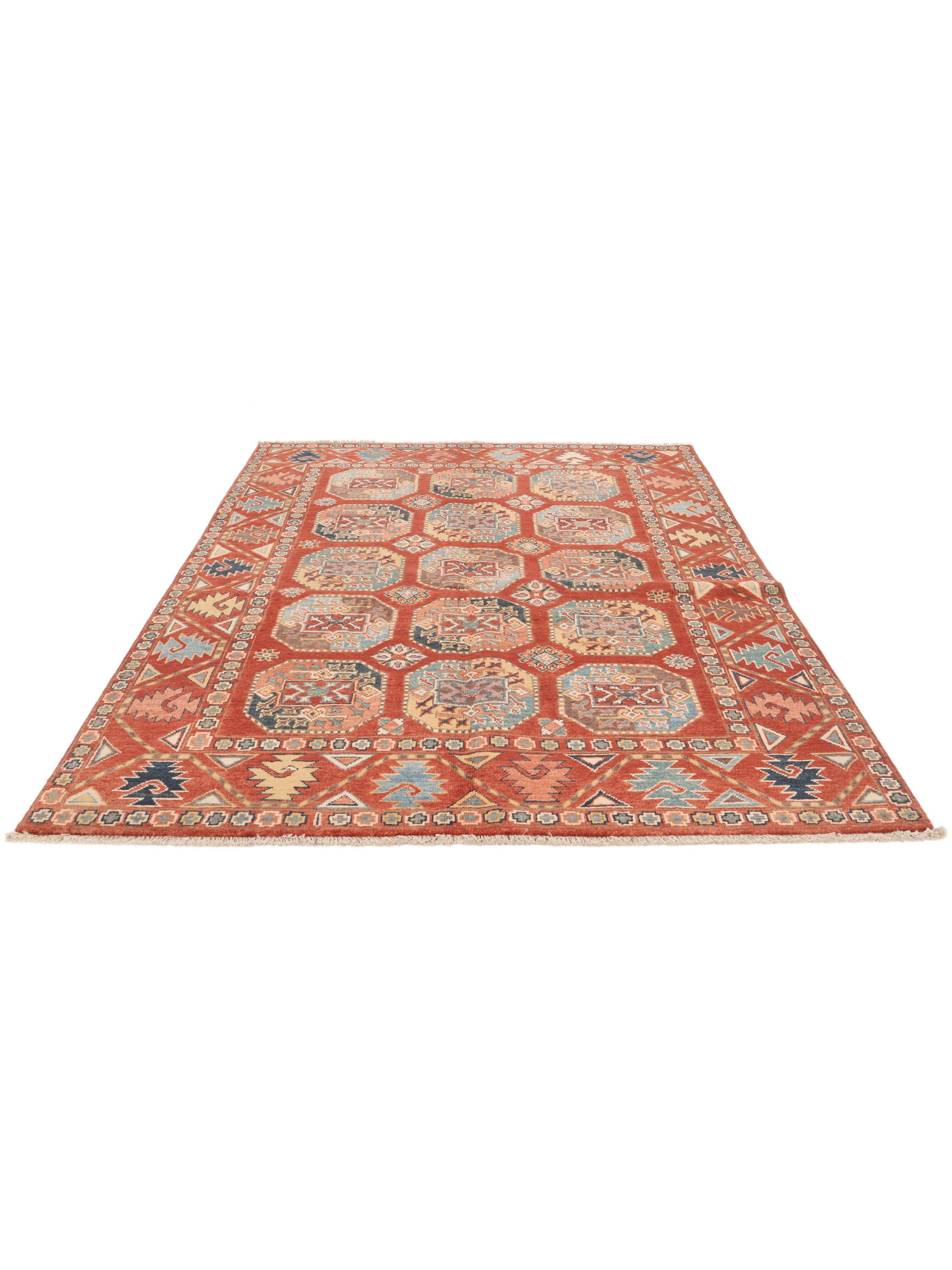
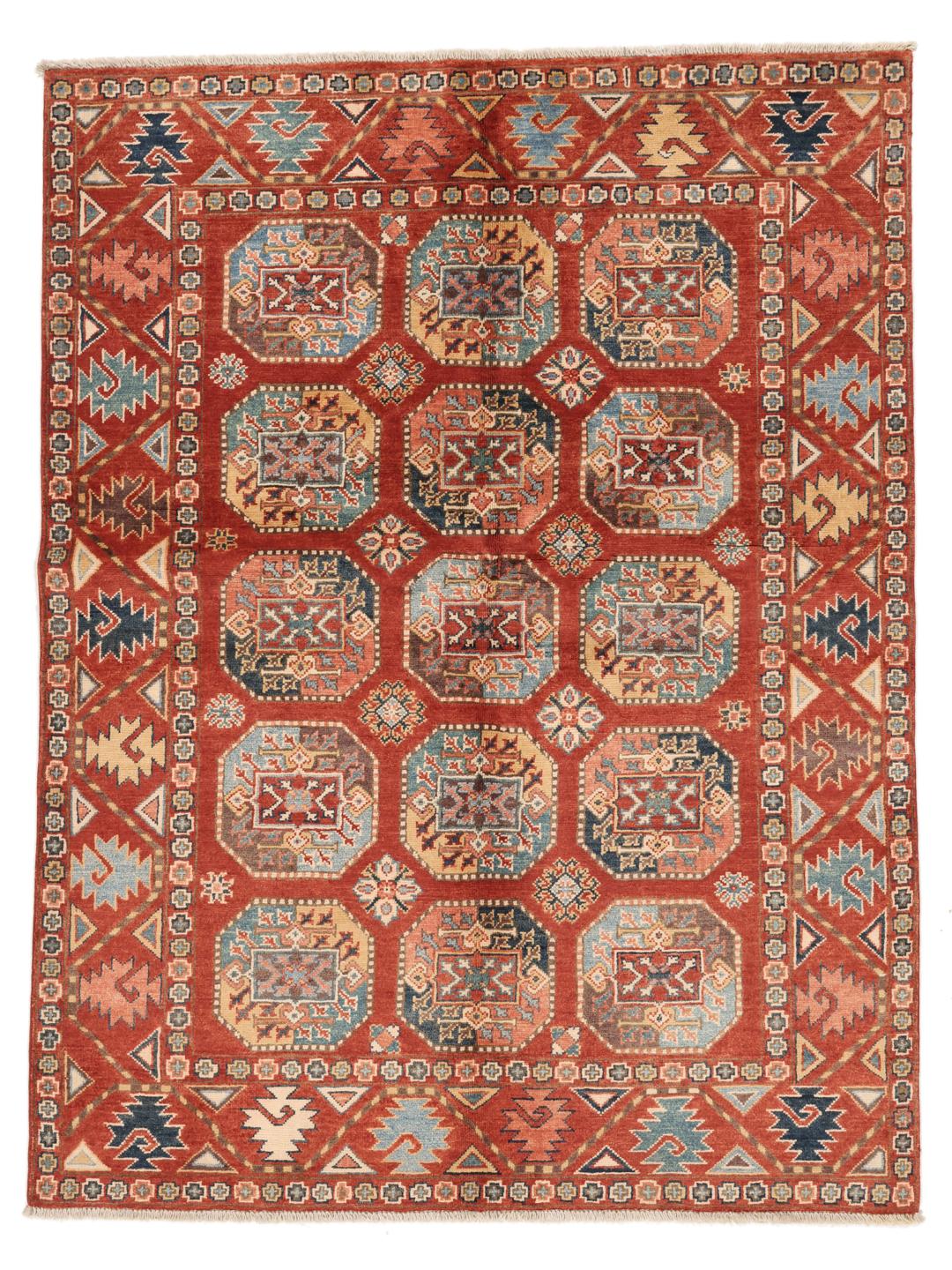
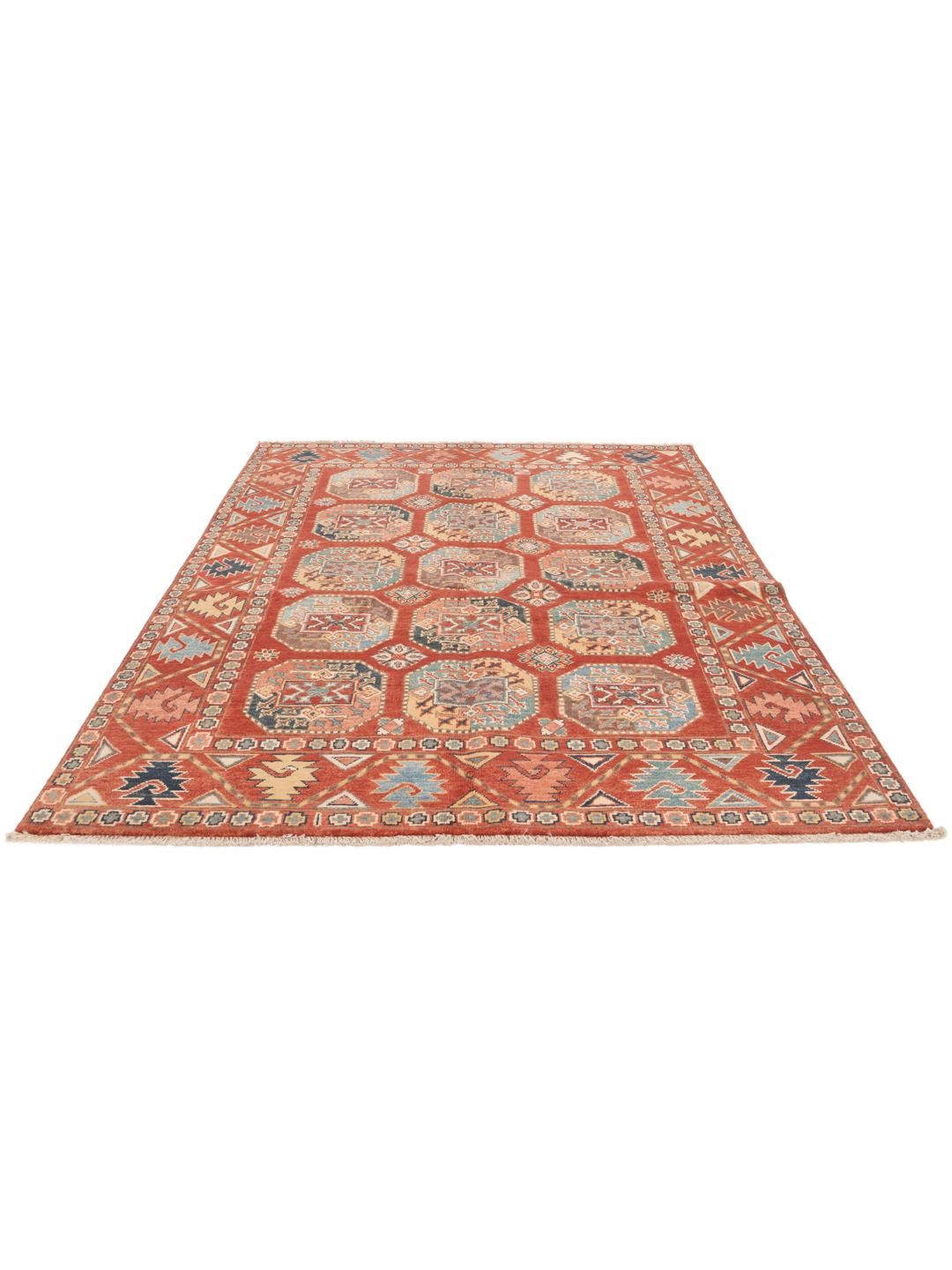
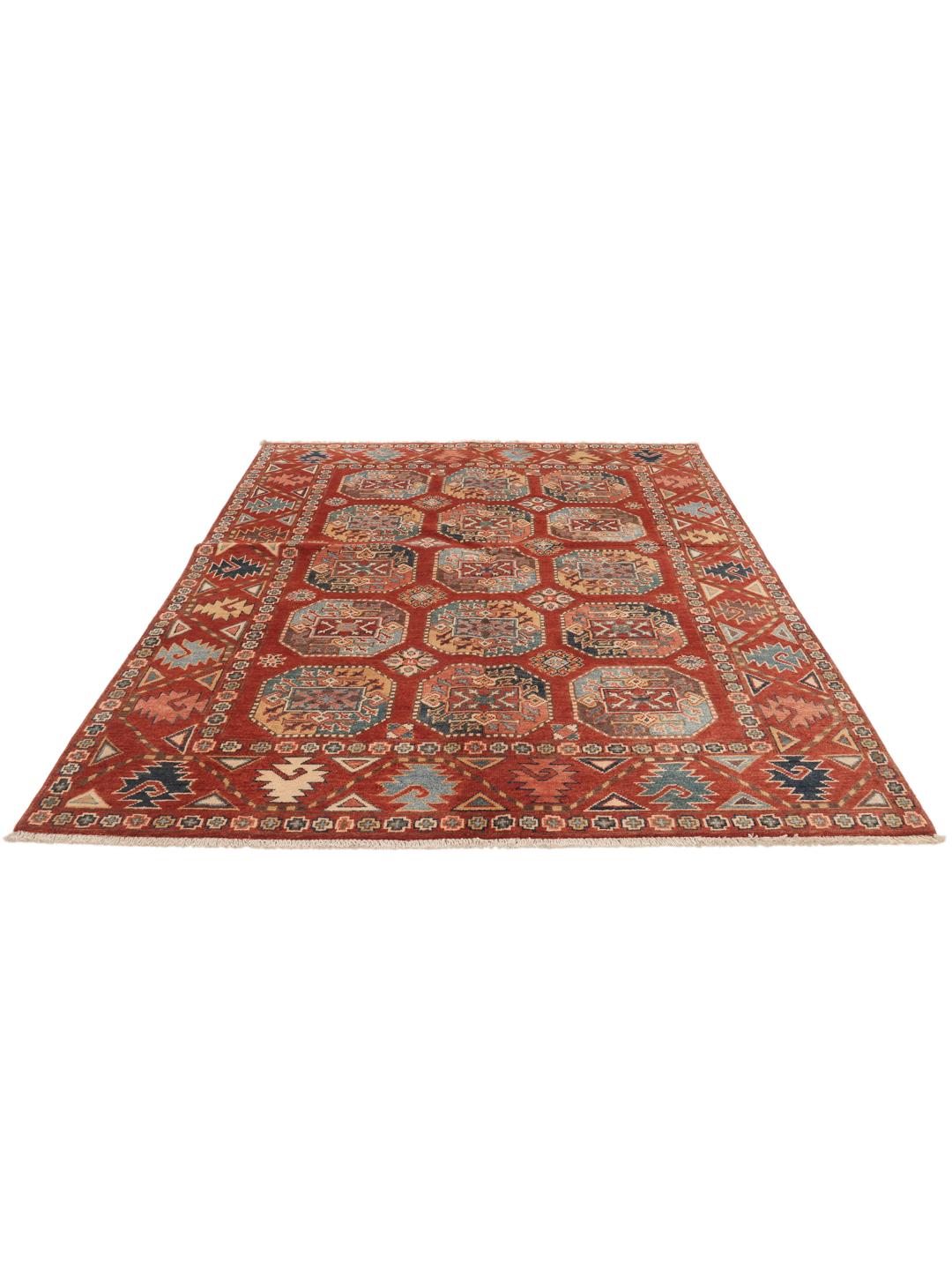
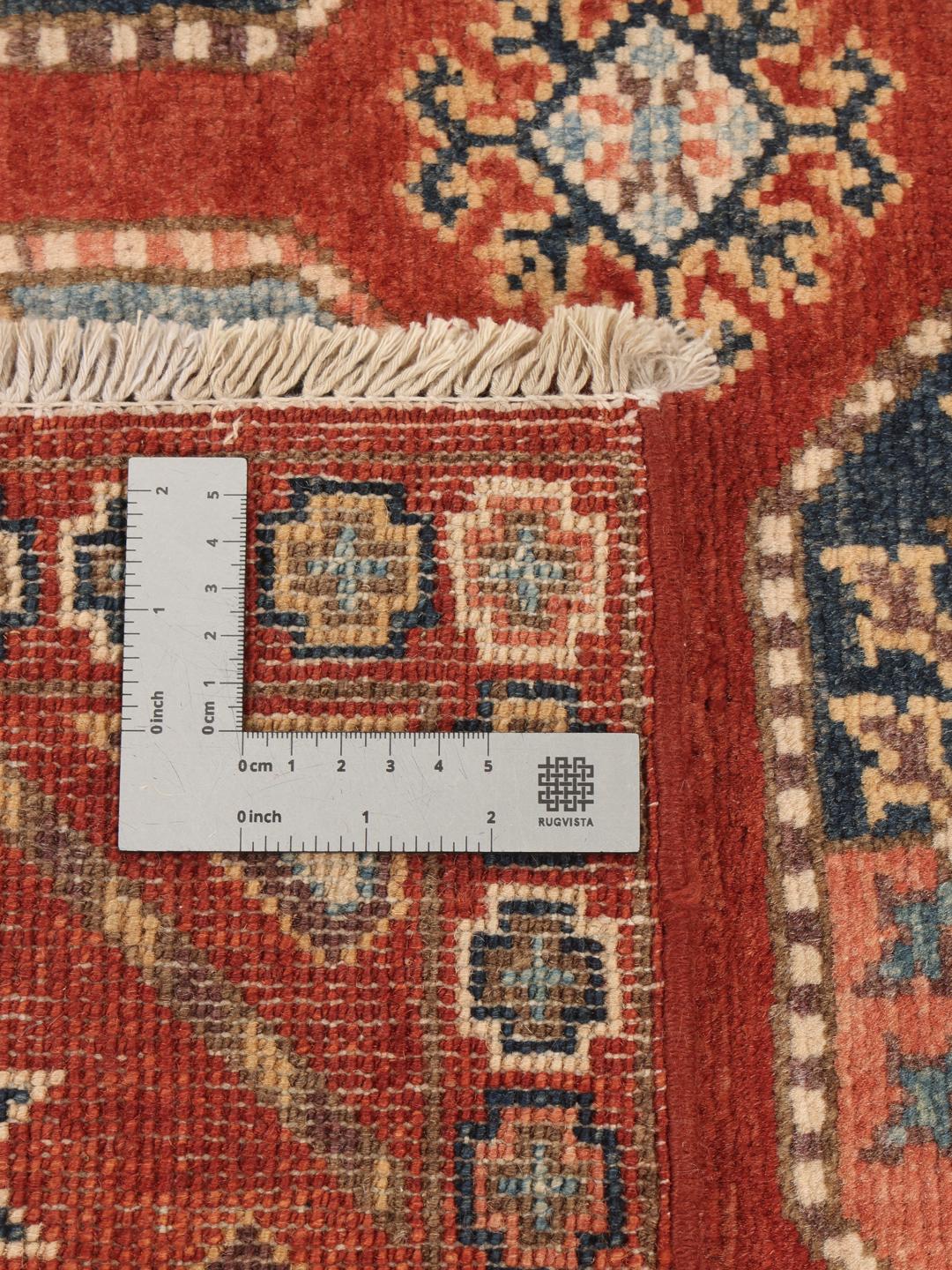
Kazak rugs take their name from the legendary weaving traditions of the Caucasus region, though today, the most exceptional examples are crafted in Afghanistan. These rugs are renowned for their bold, graphic designs and saturated colour palettes, which have been passed down through generations of skilled artisans. The migration of this style into Afghanistan has preserved these ancient techniques, allowing for a continuation of a heritage that values both artistic expression and durability.
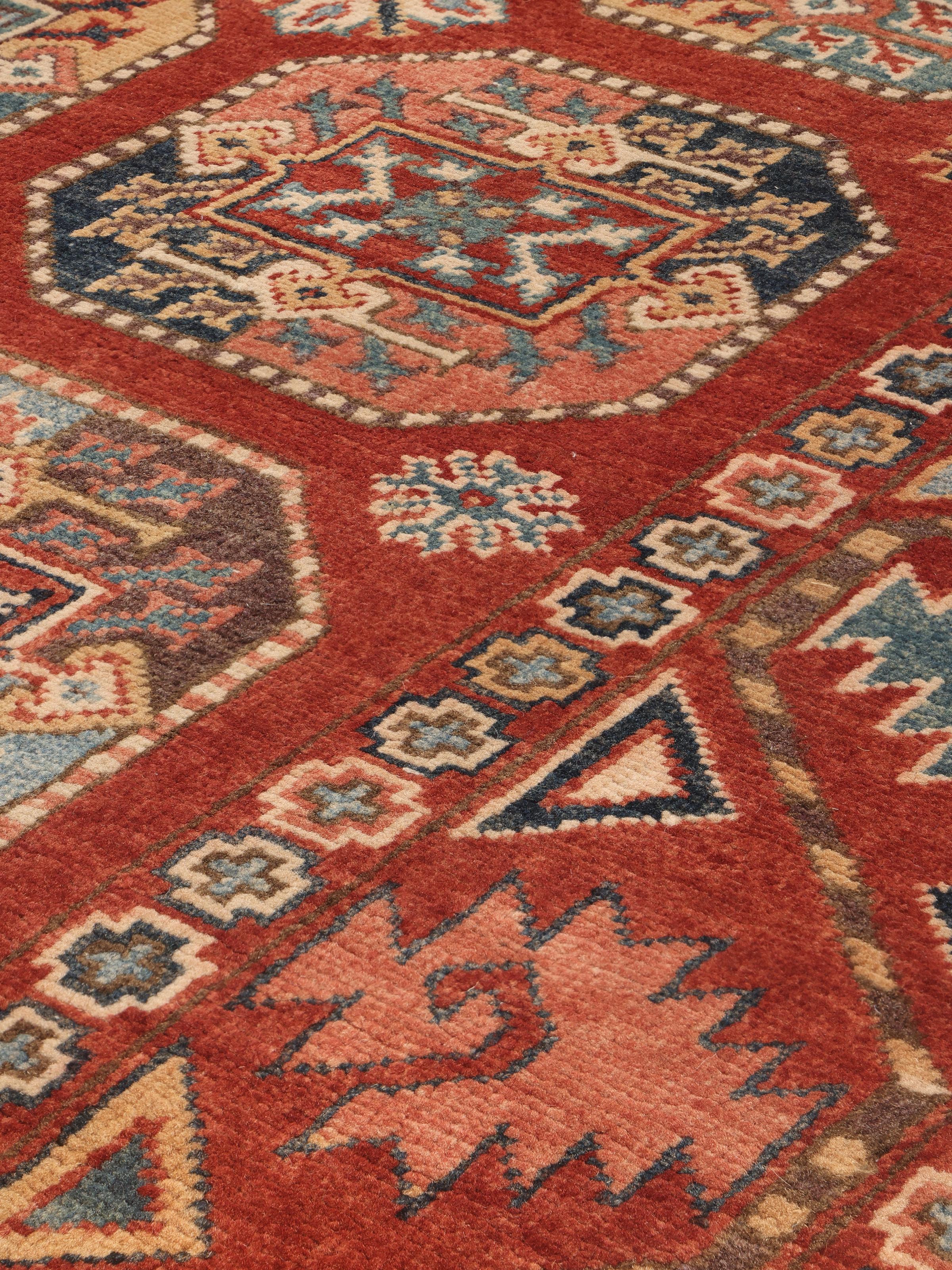
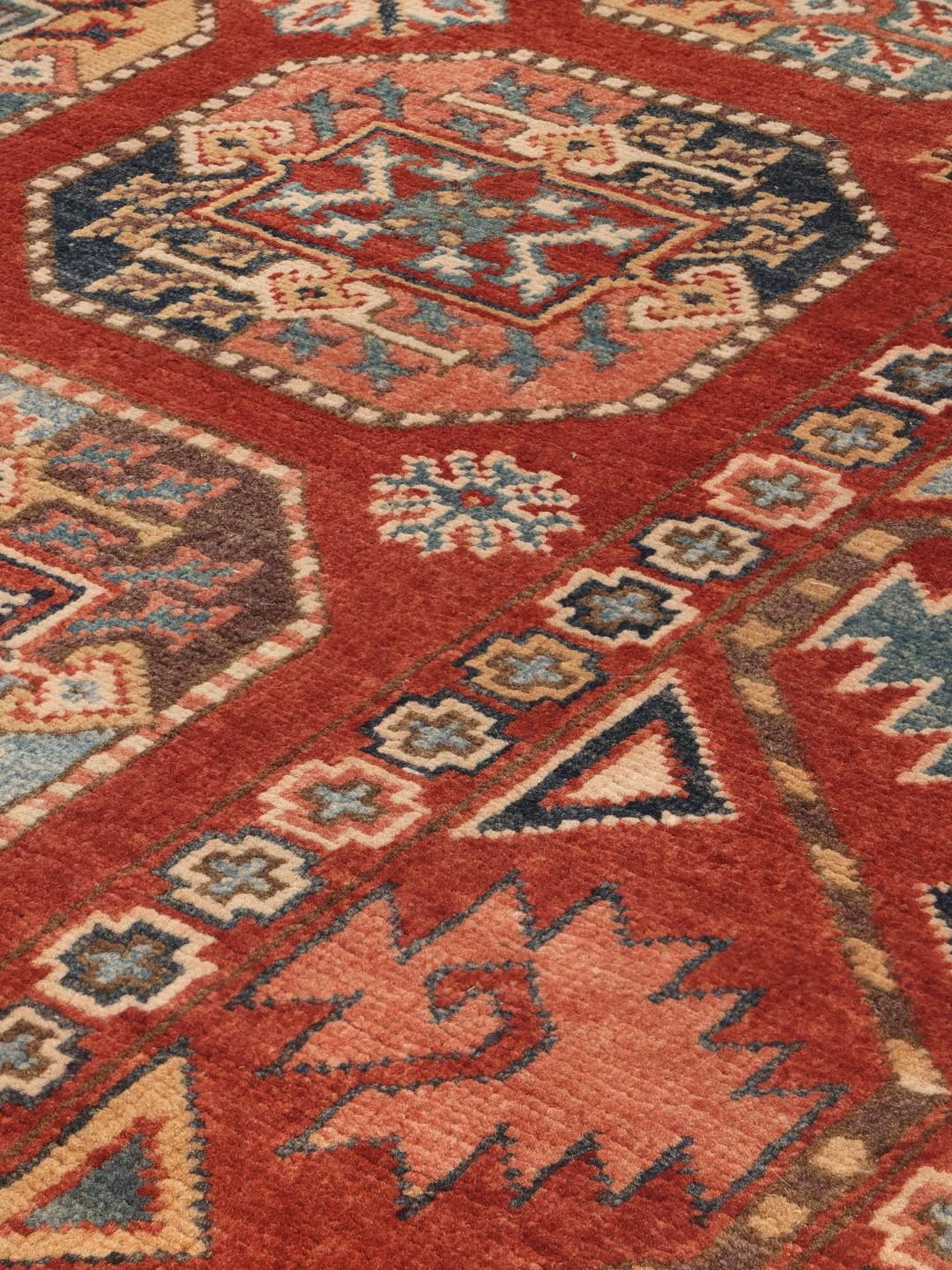
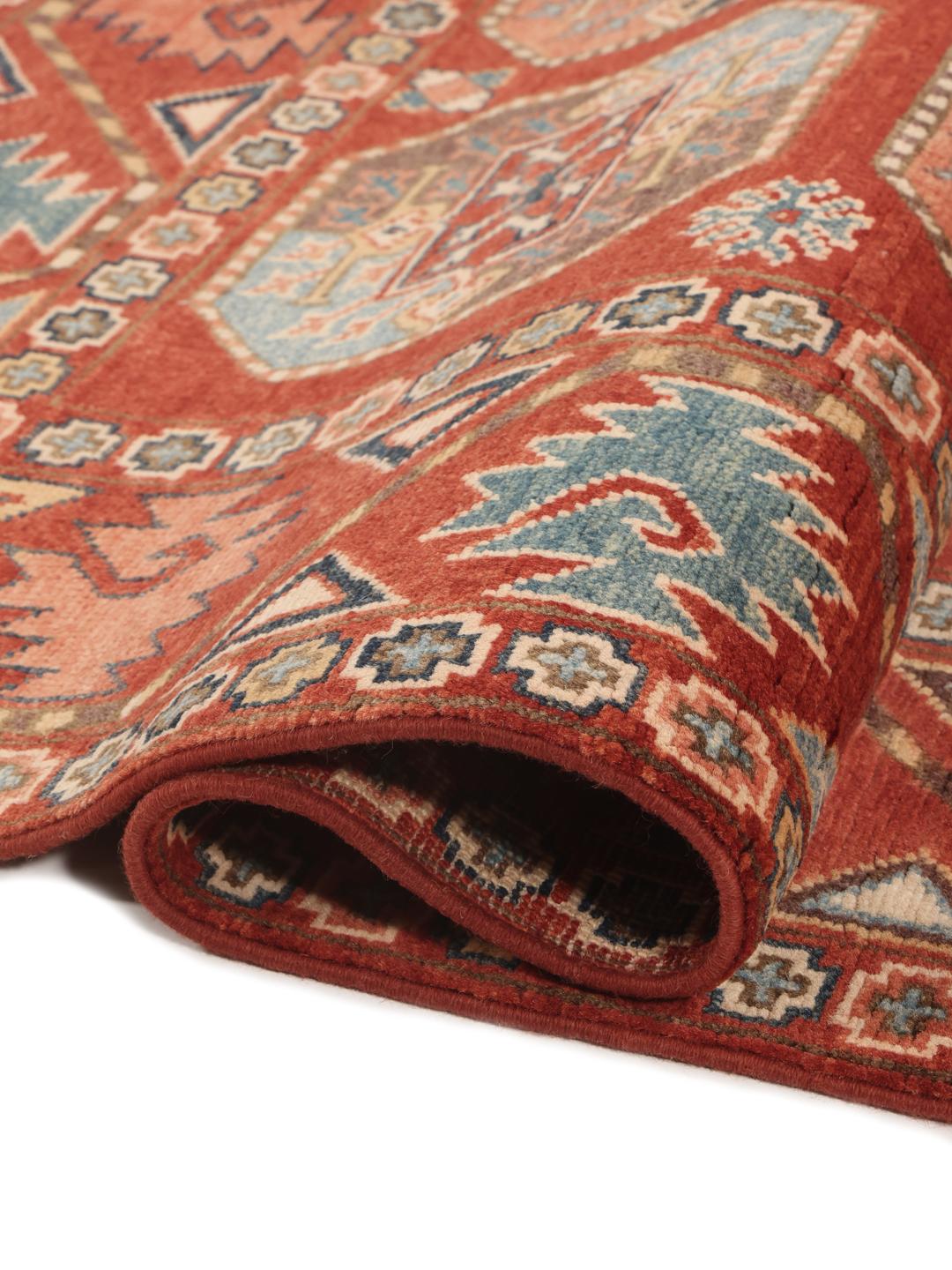
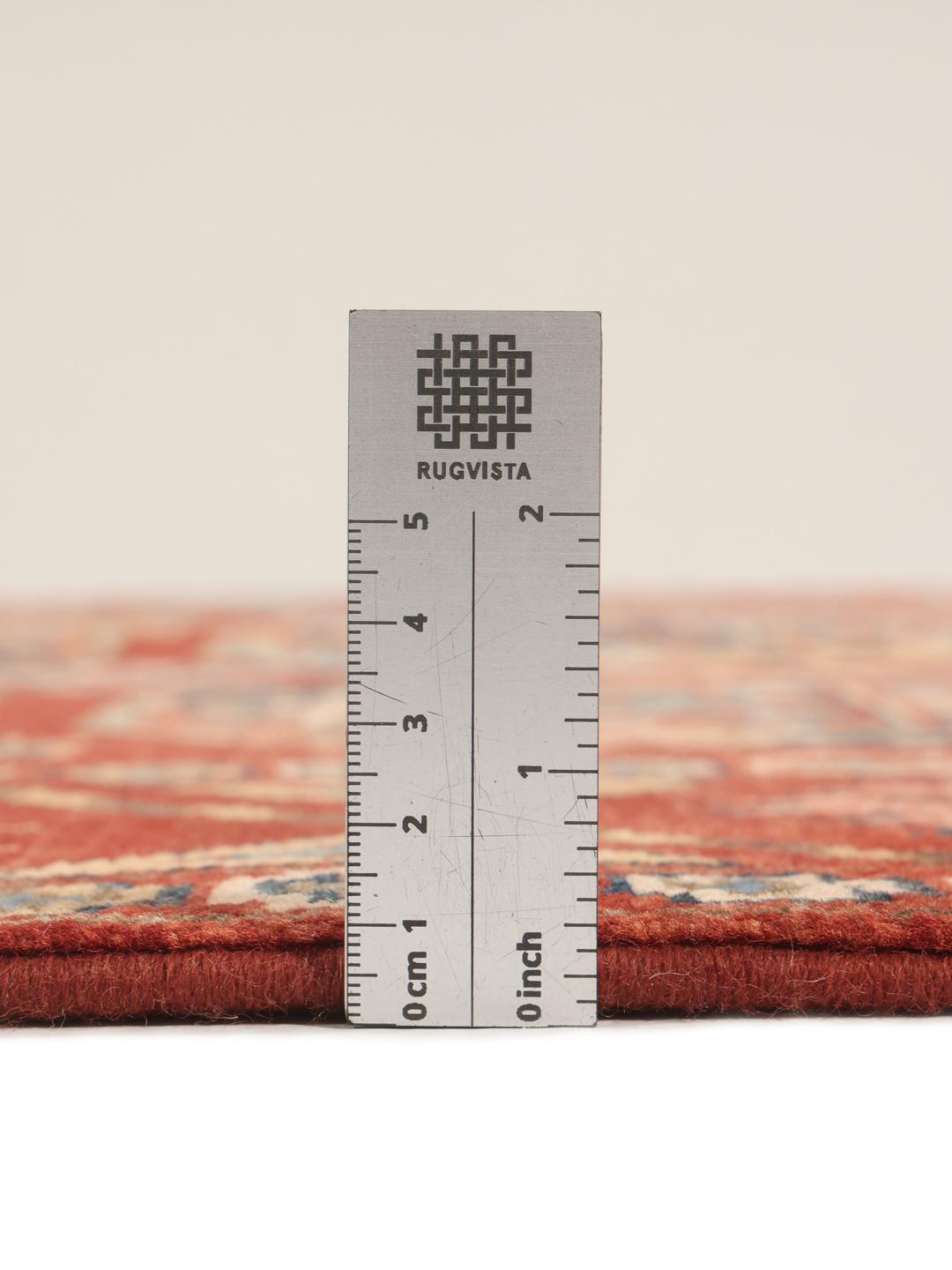
The term 'Kazak' often refers to a style characterised by a heavy, thick pile and a relatively lower knot density compared to finer city rugs. This construction is intentional, designed to produce a rug that is resilient, warm, and visually striking. The use of hand-spun wool and natural dyeing methods contributes to the distinct, vibrant look of these pieces, ensuring that each rug possesses a unique character that changes gracefully over time.
Visually, Kazak rugs are defined by their geometric vocabulary. The field is typically adorned with large, stylised medallions, often in the form of octagons or 'elephant feet', surrounded by intricate borders filled with tribal motifs like latch-hooks, stars, and triangles. The balance between the open, dramatic field and the busy, detailed borders creates a rhythmic design that is instantly recognisable and highly sought after by collectors.
Valued for their cultural significance and the skill required to produce them, these rugs are more than just floor coverings. They represent a connection to a nomadic and semi-nomadic past where every motif held meaning and every rug was a vessel for the weaver's story. Owning a Kazak rug is an investment in human craft, offering a timeless aesthetic that brings a sense of history and warmth into the modern home.