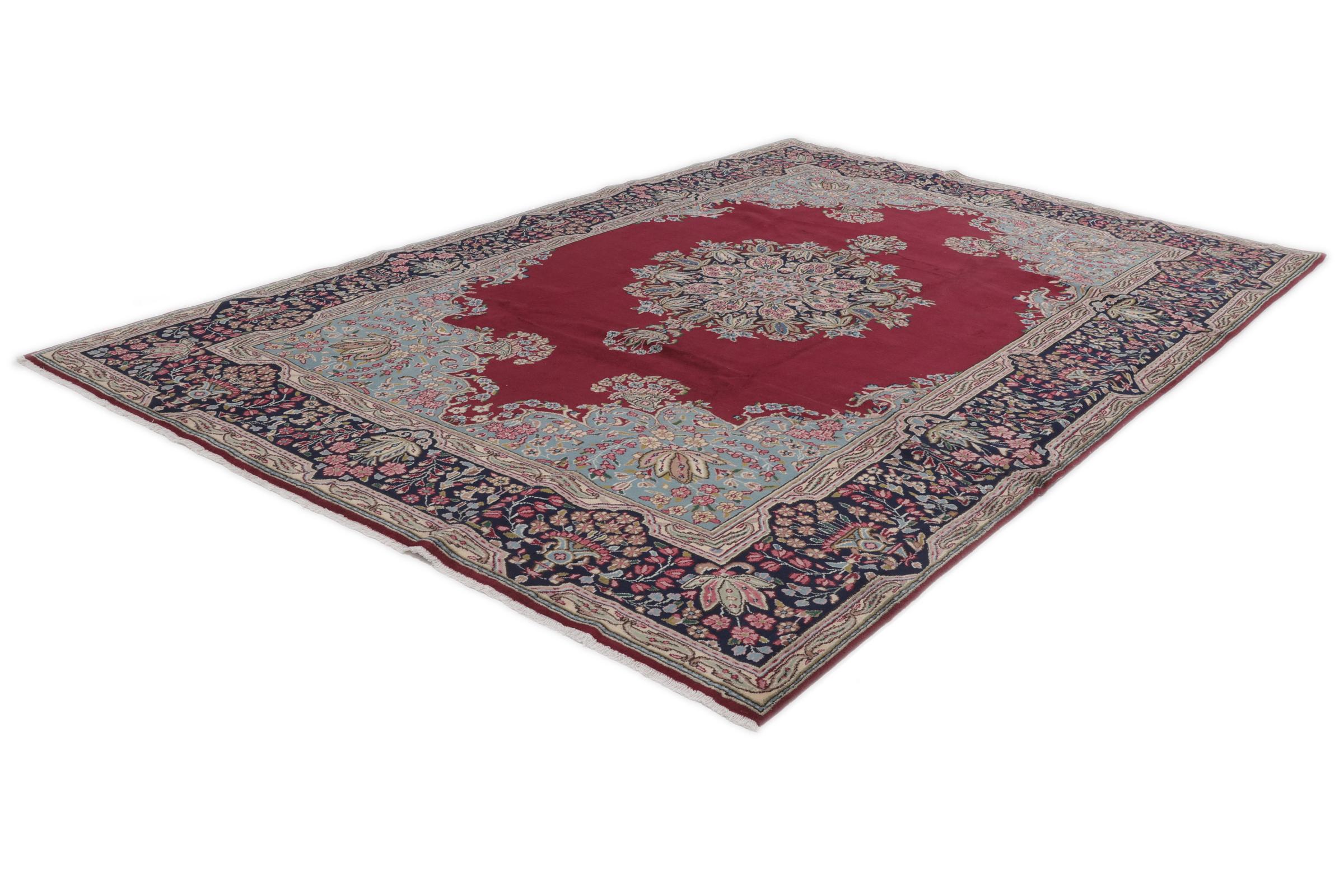
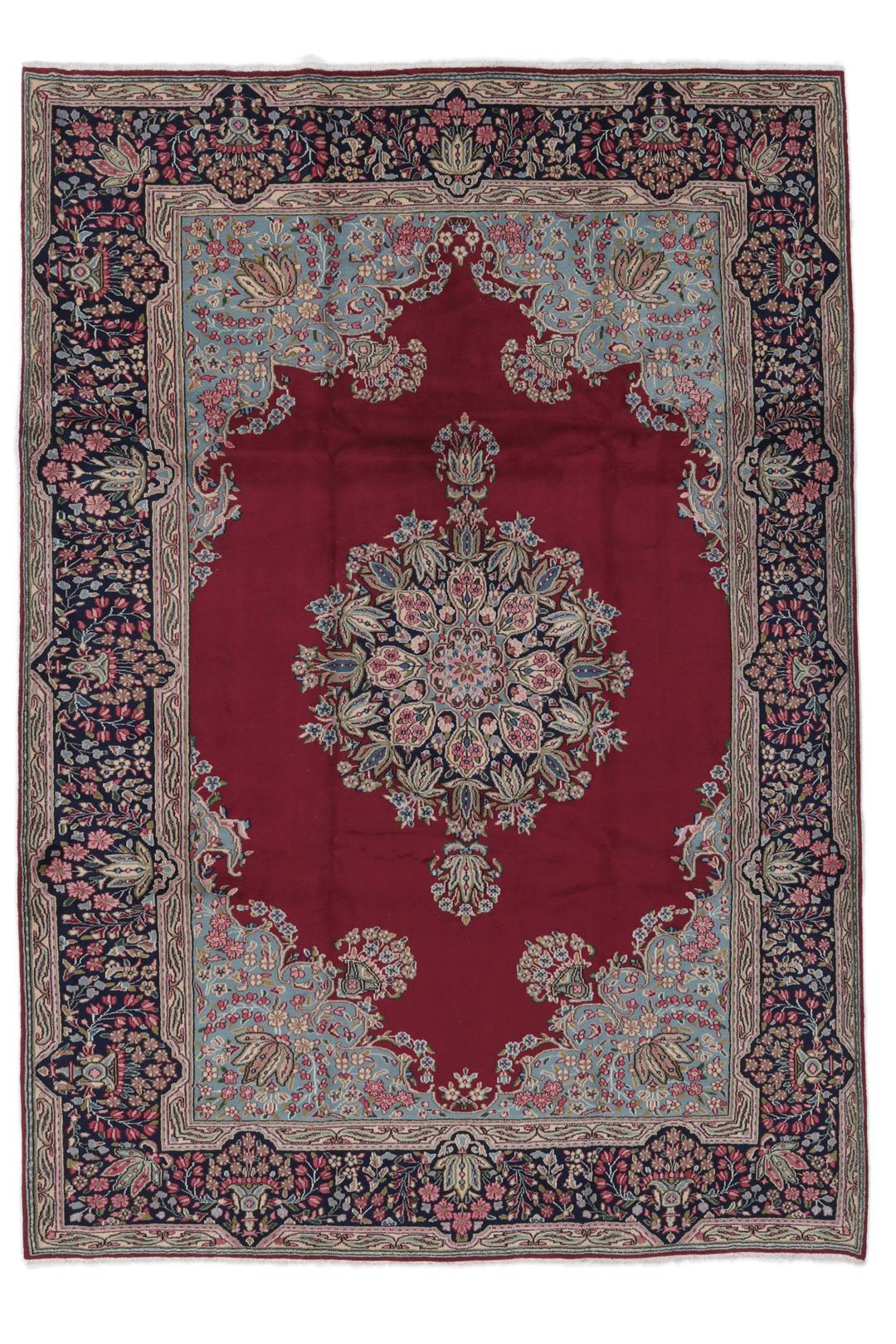
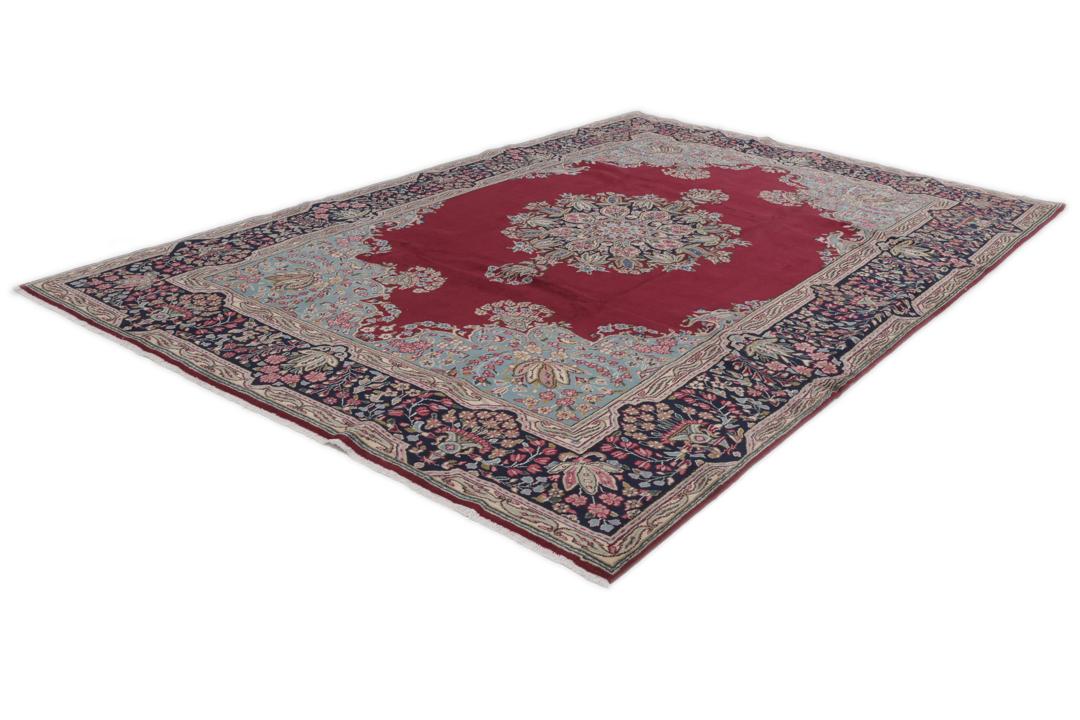
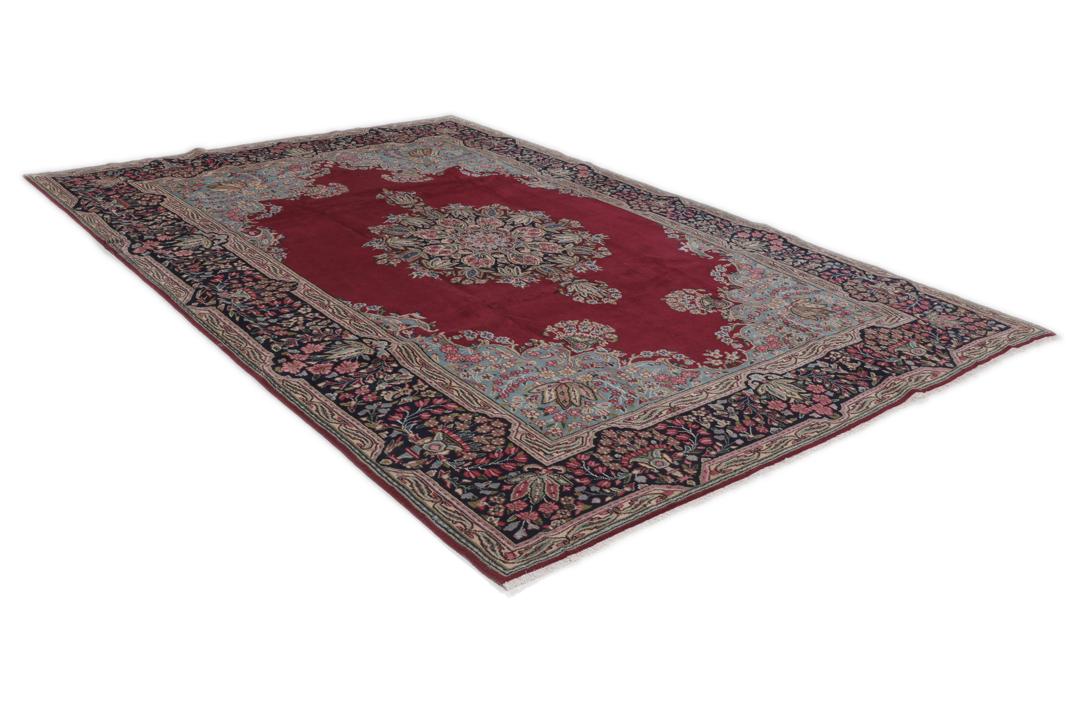
Kerman rugs originate from the desert city of Kerman in the Middle East, a region with a storied history of textile production that dates back centuries. The tradition here is renowned for its departure from strictly geometric tribal patterns, favouring instead a more painterly, fluid approach that mimics the lush gardens of the region.
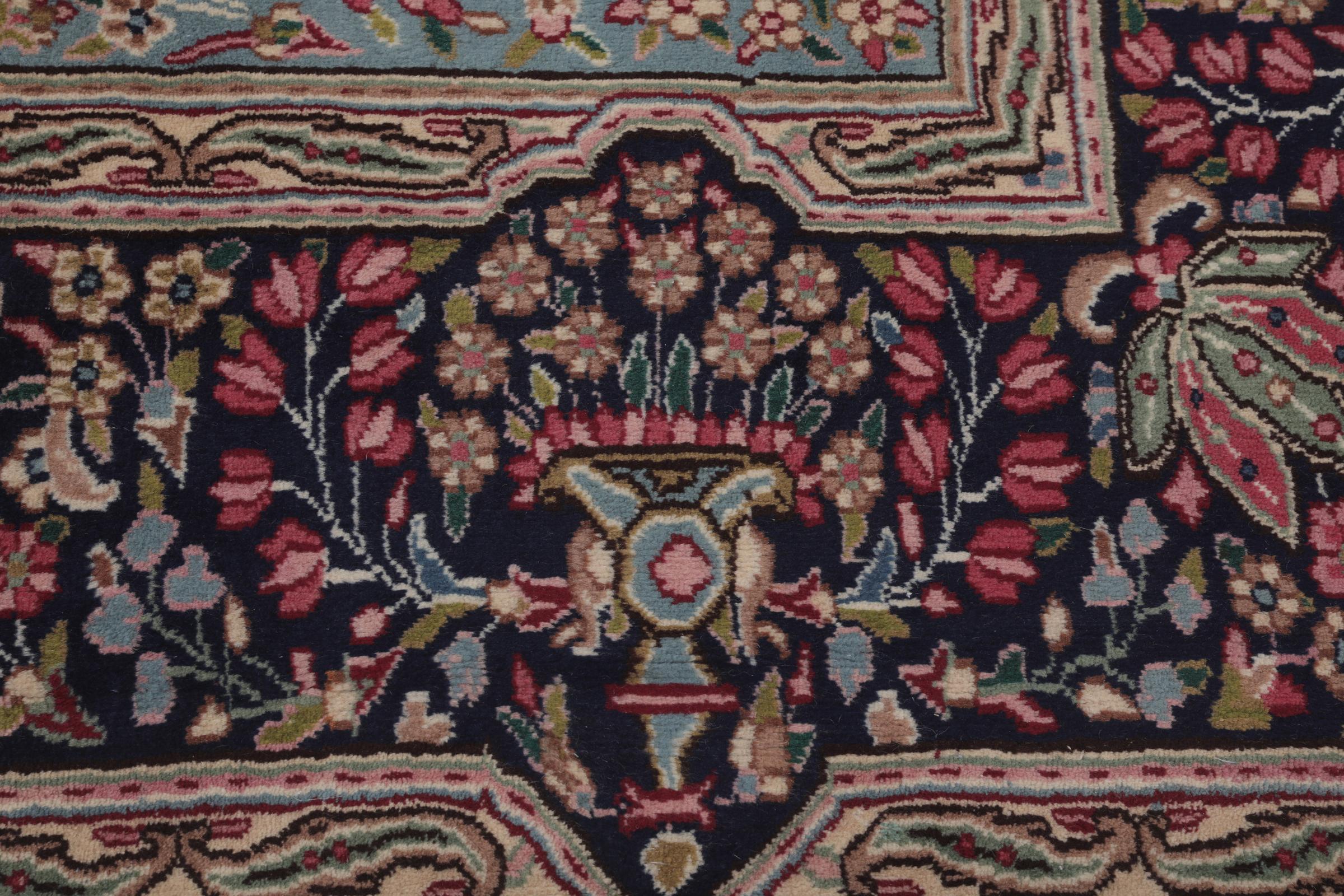
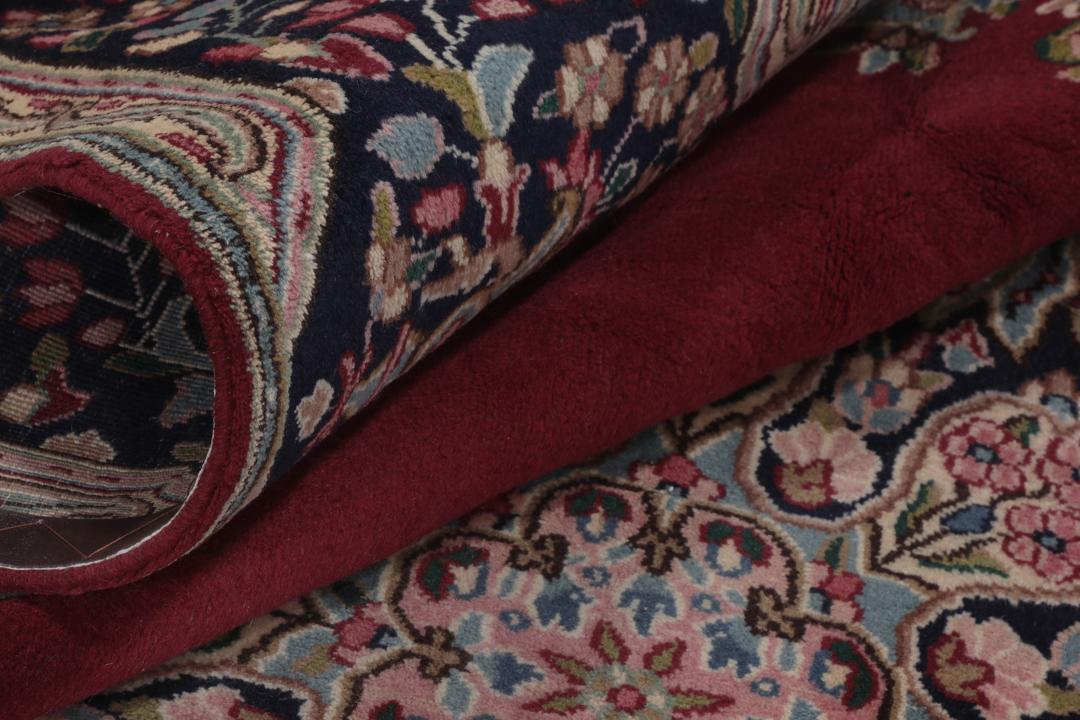
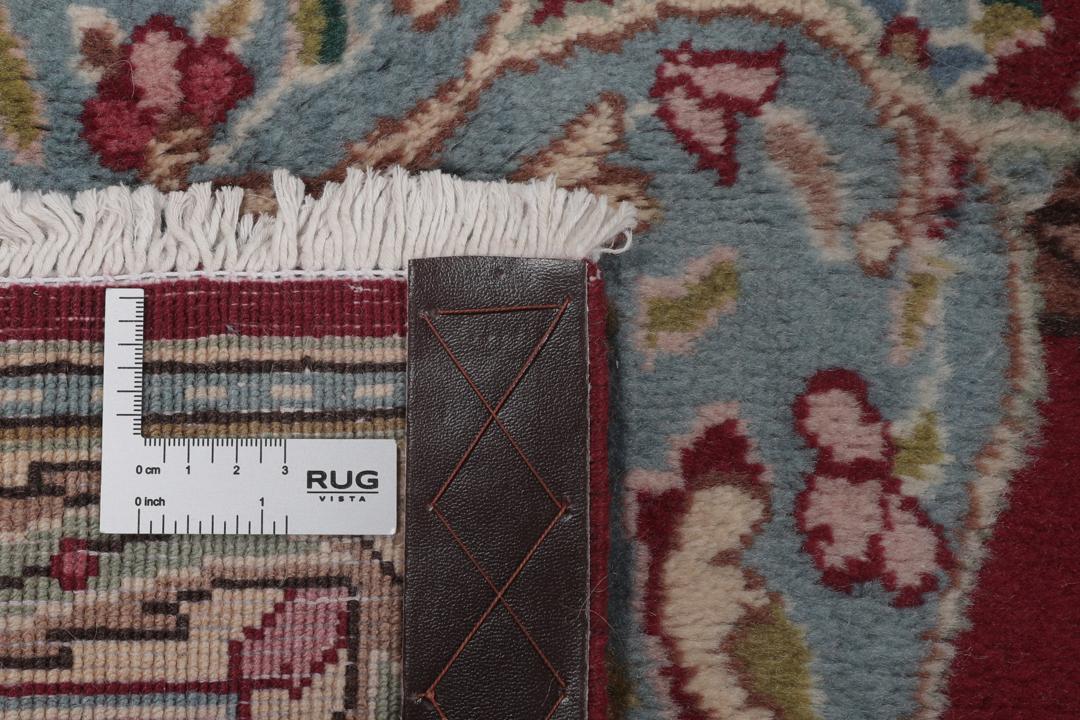
The term Kerman refers to both the origin and the sophisticated weaving techniques employed by local artisans. These rugs often feature a complex foundation that allows for the intricate, curvilinear designs that have become synonymous with the region's style. This technical precision is what allows for the detailed floral work, ensuring the rug remains a durable, lasting piece of art.
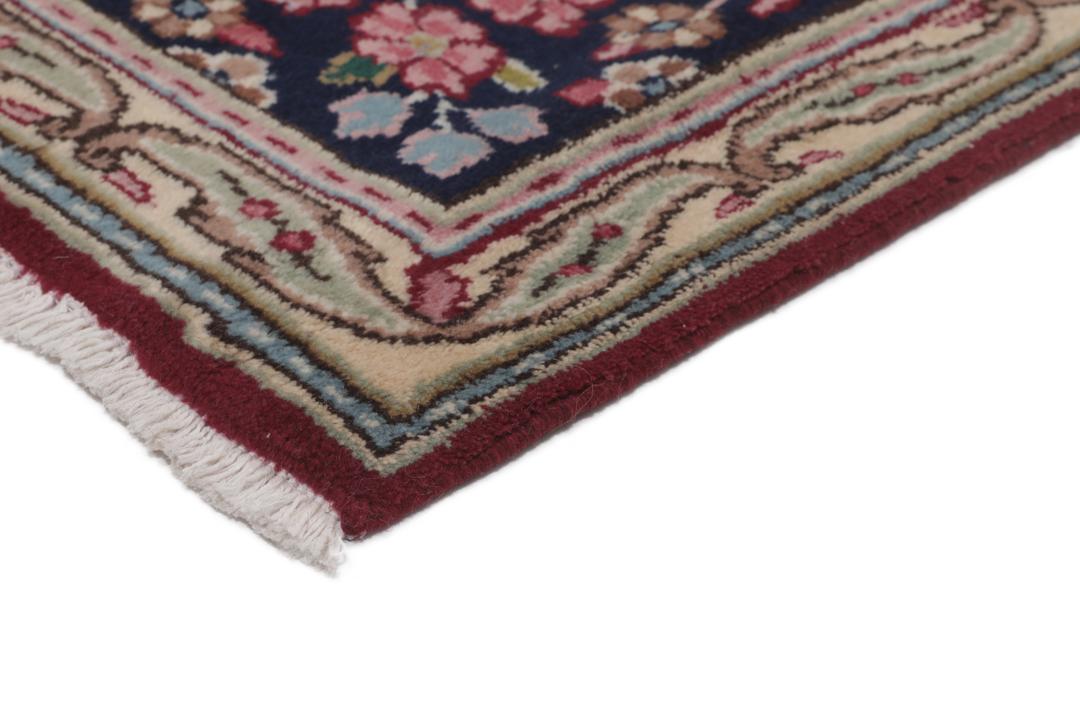
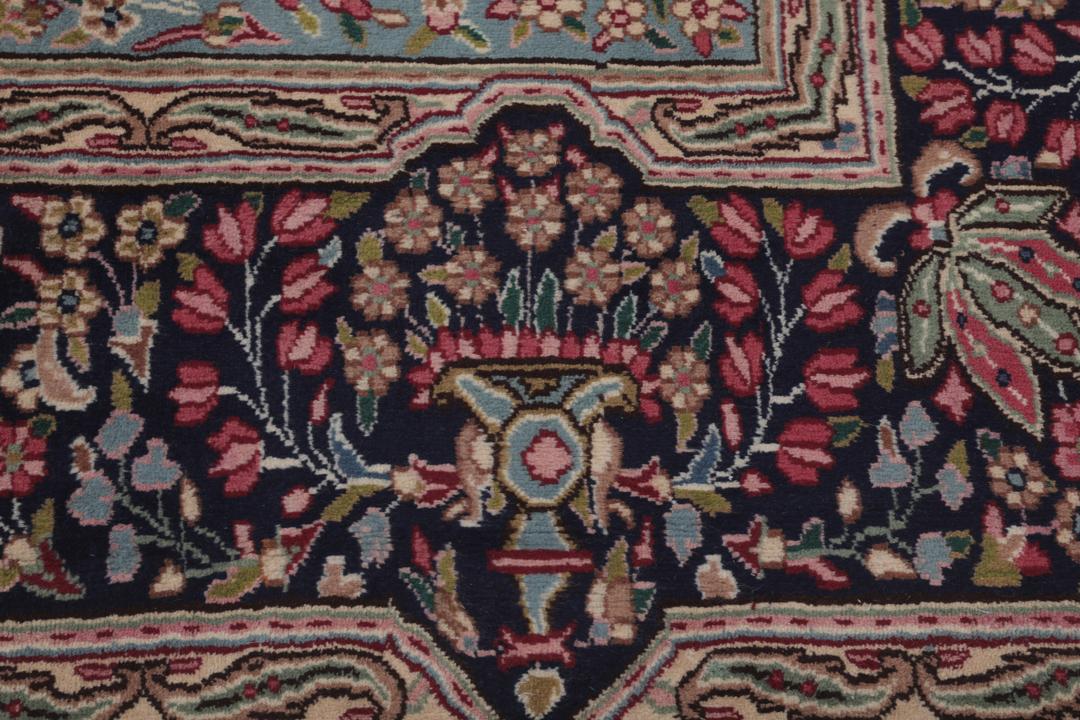
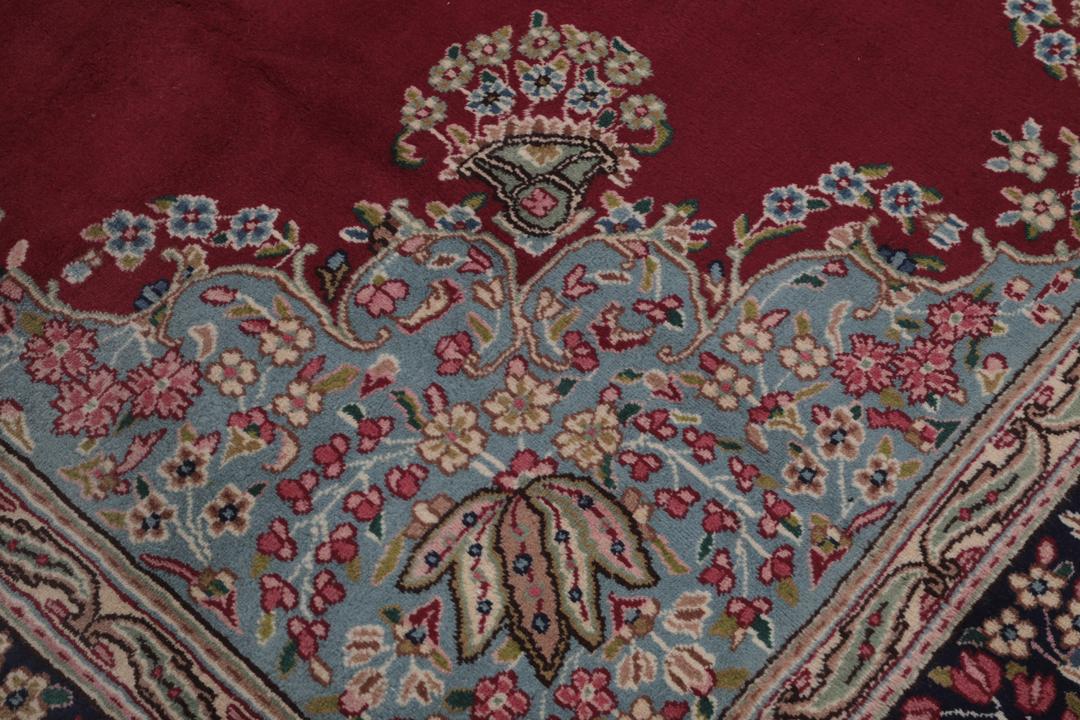
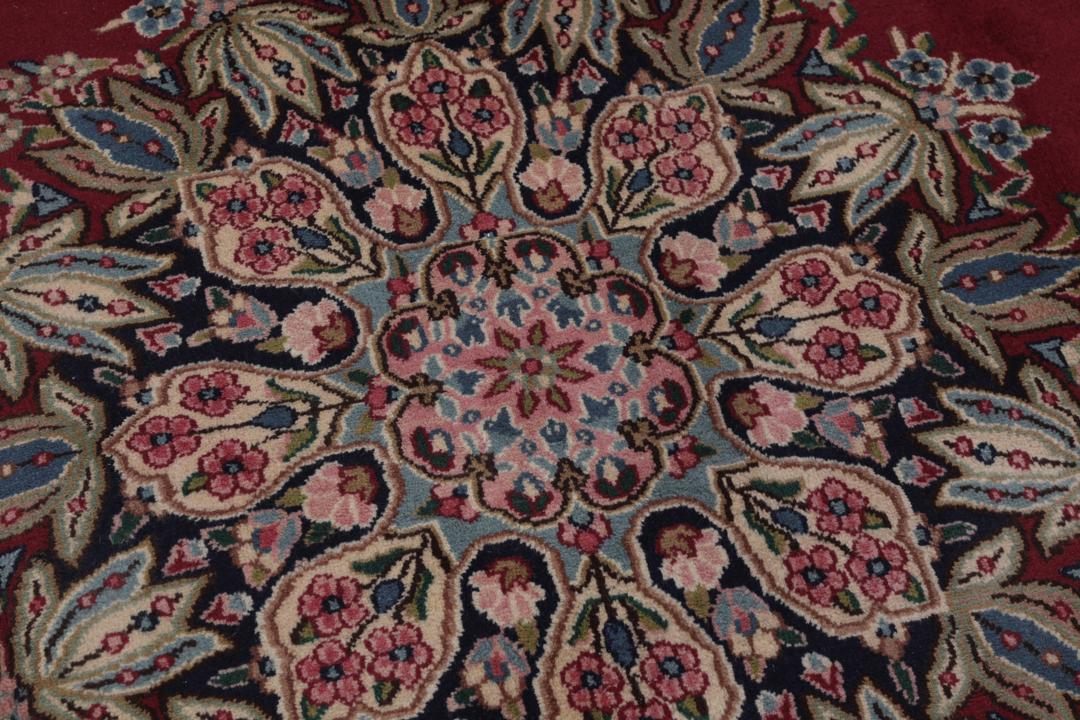
Visually, these rugs are celebrated for their elaborate central medallions and ornate borders, often adorned with intricate blossoms, vines, and palmettes. While they often utilise a traditional palette, the specific arrangement of these motifs can vary, making each rug a unique expression of the weaver's skill and the cultural heritage of the area.
Collecting a Kerman rug is a commitment to preserving a legacy of craft that has been passed down through generations. These pieces are highly valued by collectors for their blend of technical complexity and aesthetic harmony, serving as a reminder of the human skill required to transform simple threads into a lasting, culturally significant treasure.