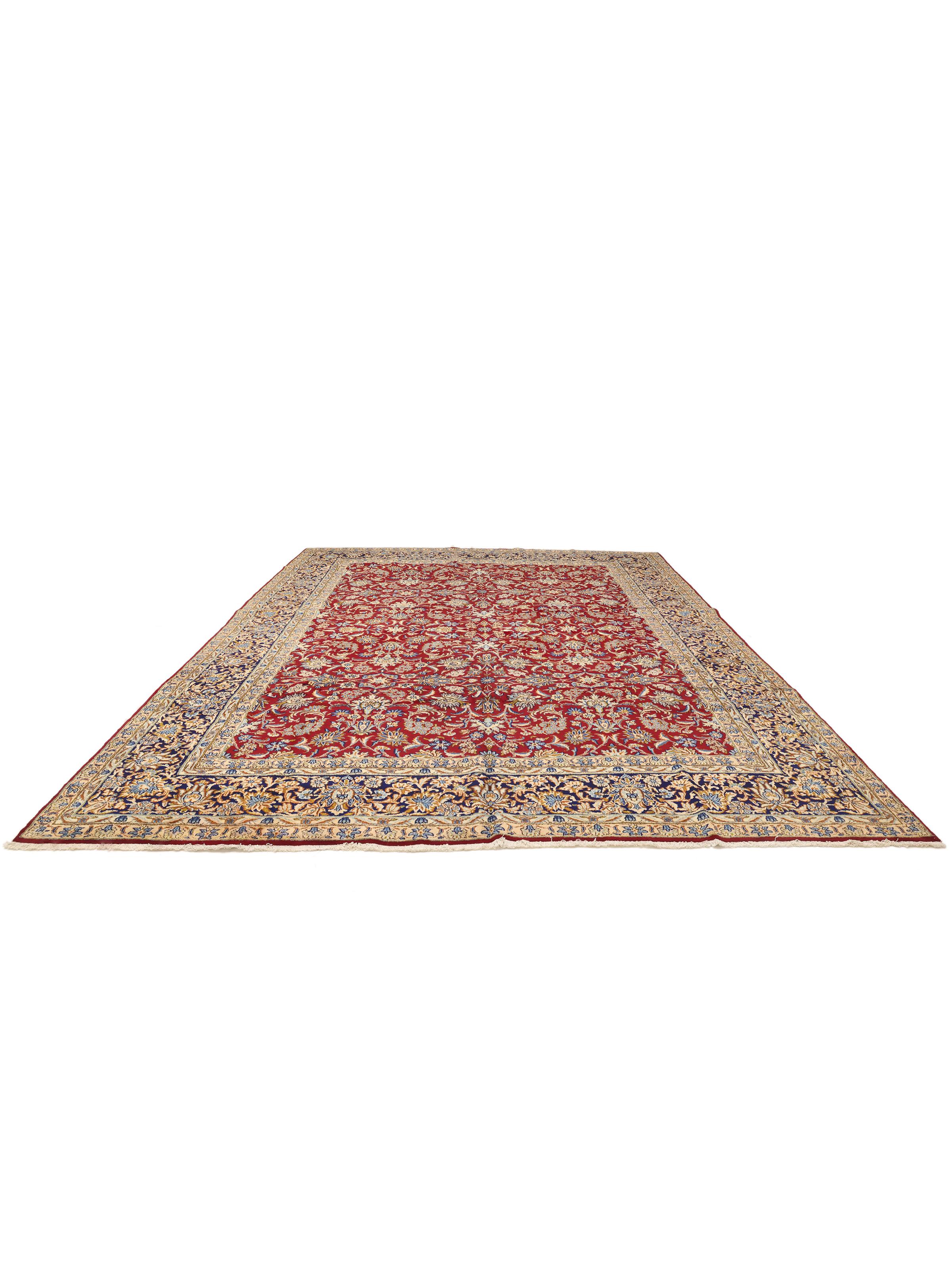
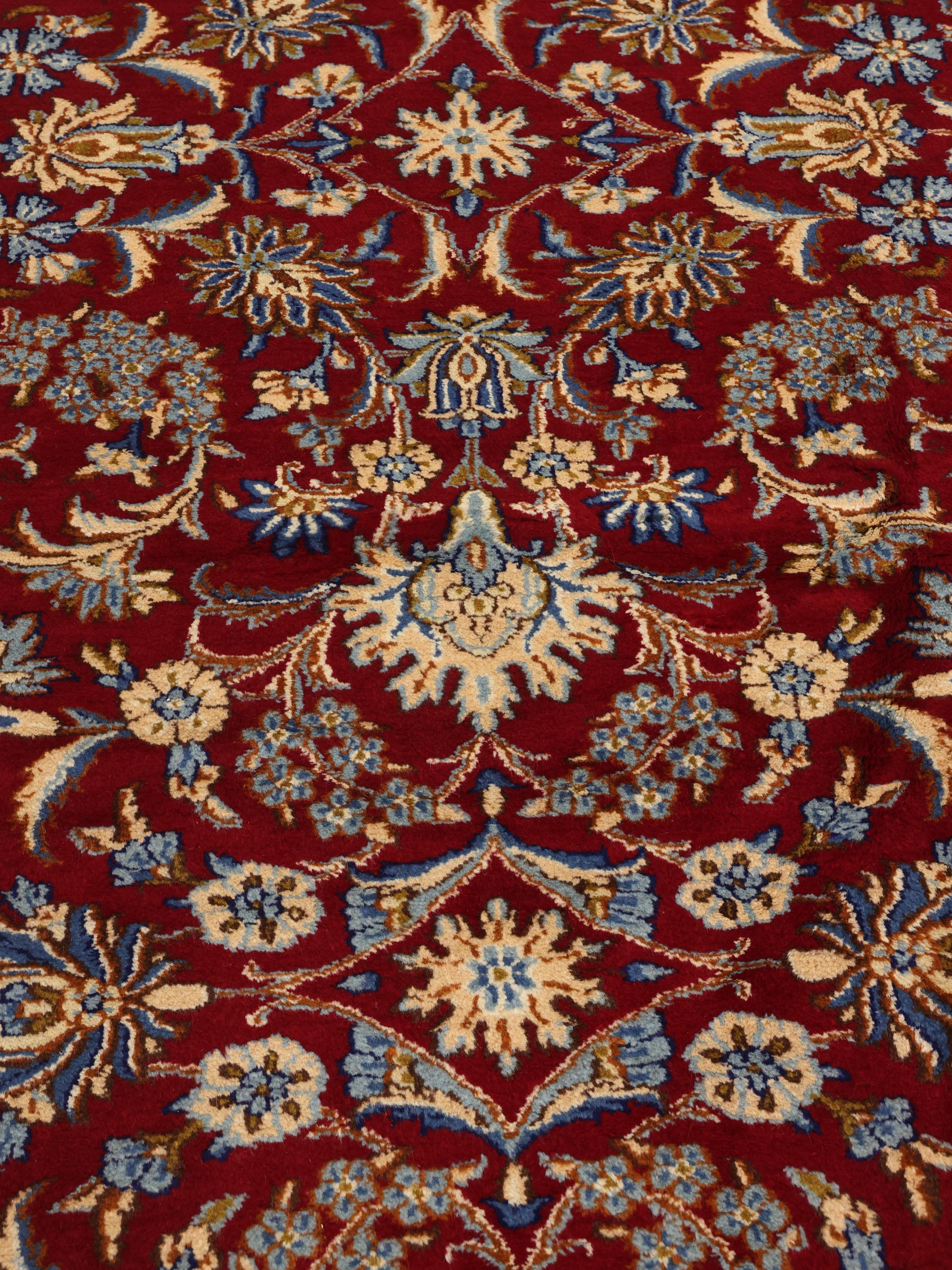
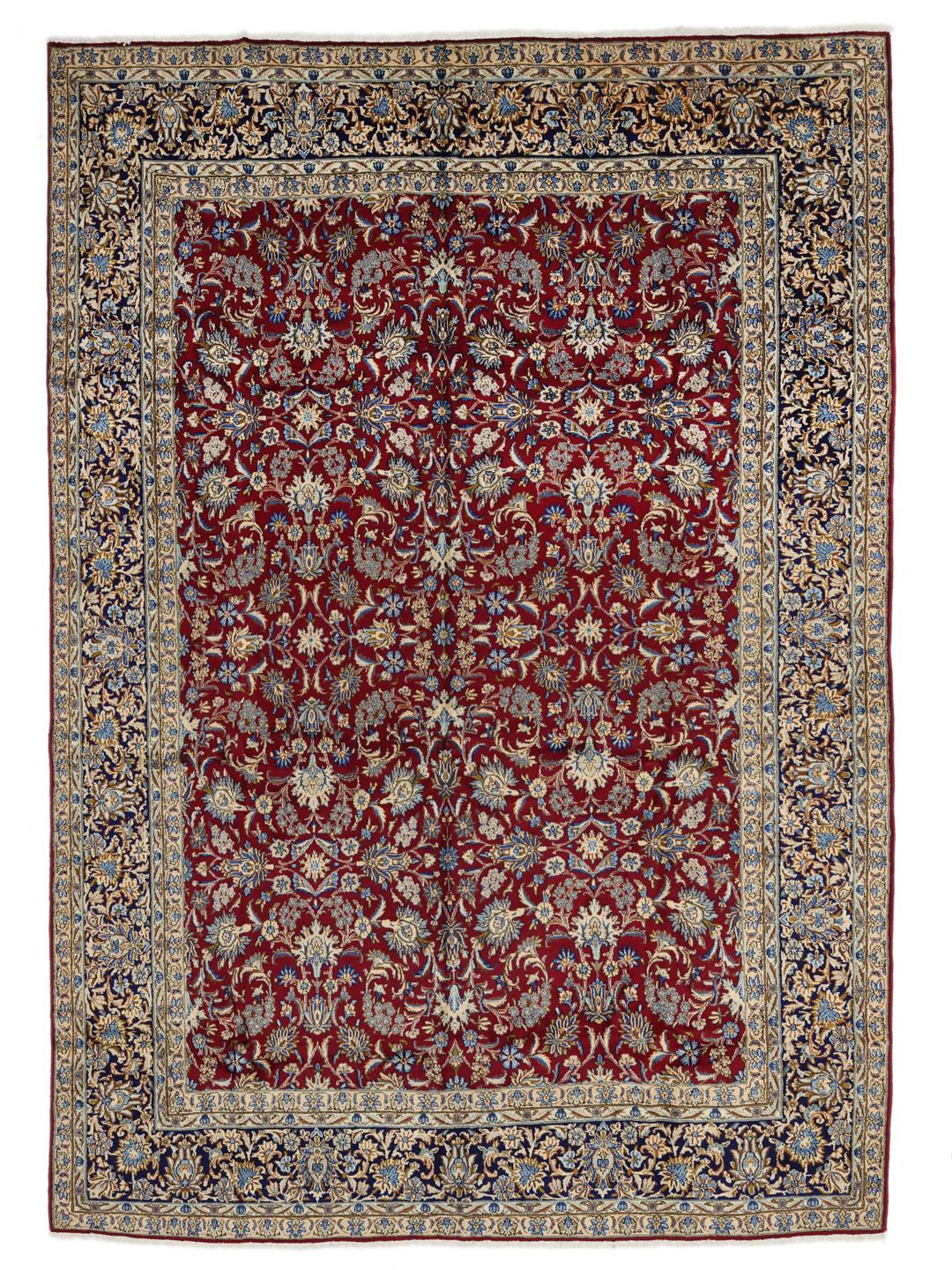
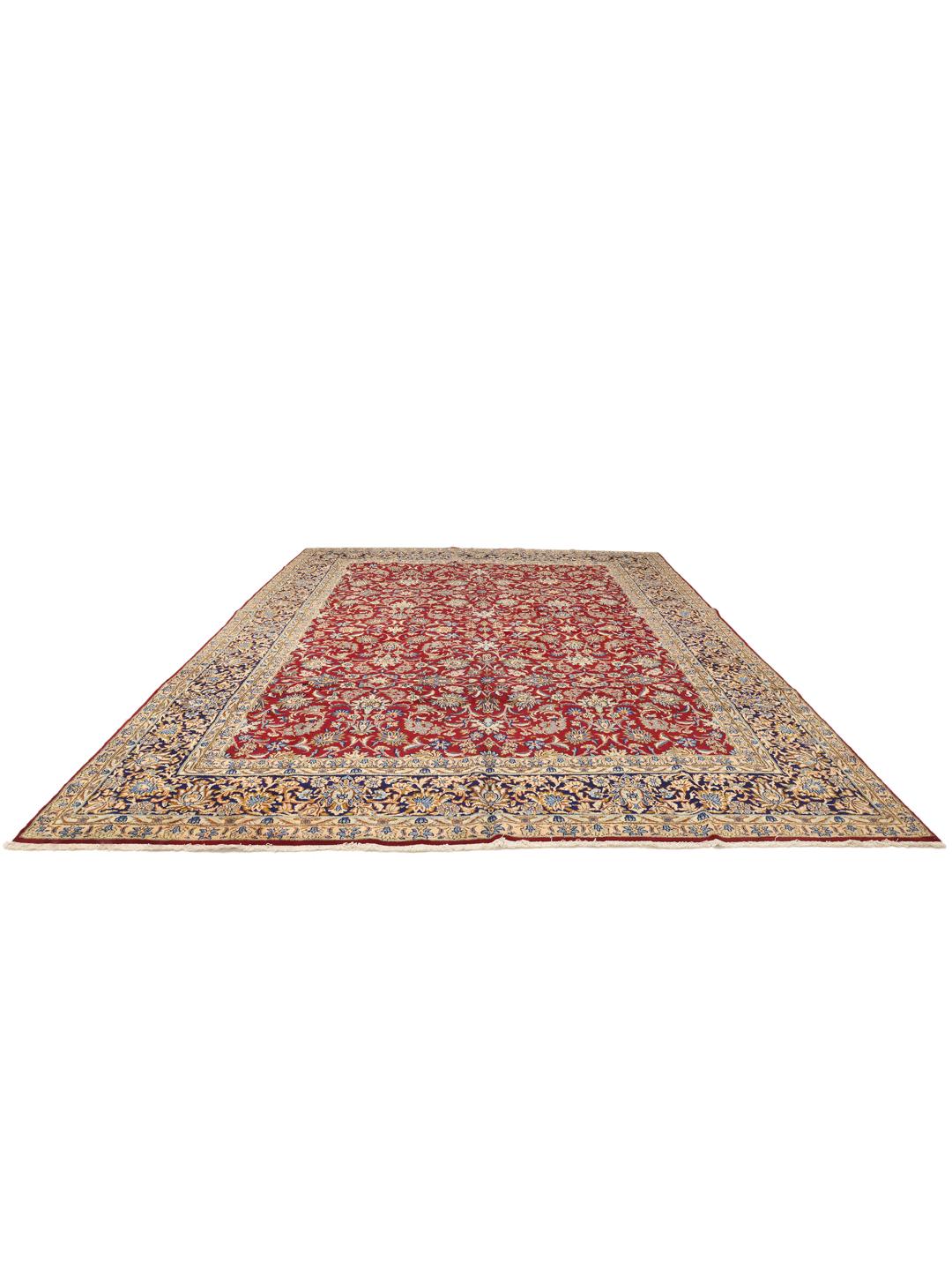
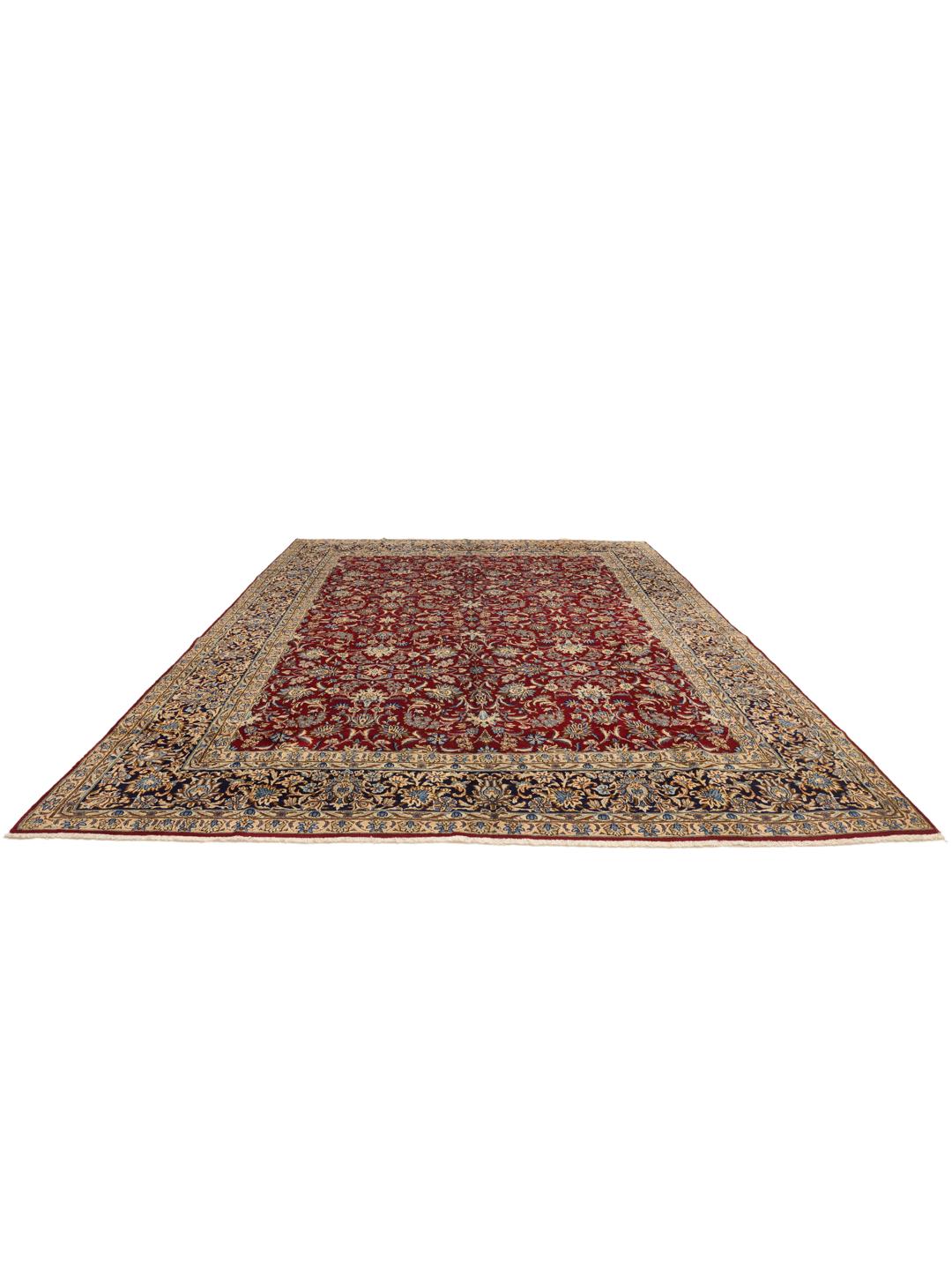
Kerman rugs originate from the desert city of Kerman in the Middle East, a region with a long and storied history of textile production that dates back centuries. The craft flourished under various dynasties, evolving into a sophisticated art form that became world-renowned for its elegance and technical perfection. These rugs have long been prized for their ability to blend traditional heritage with an aesthetic that feels both grand and welcoming.
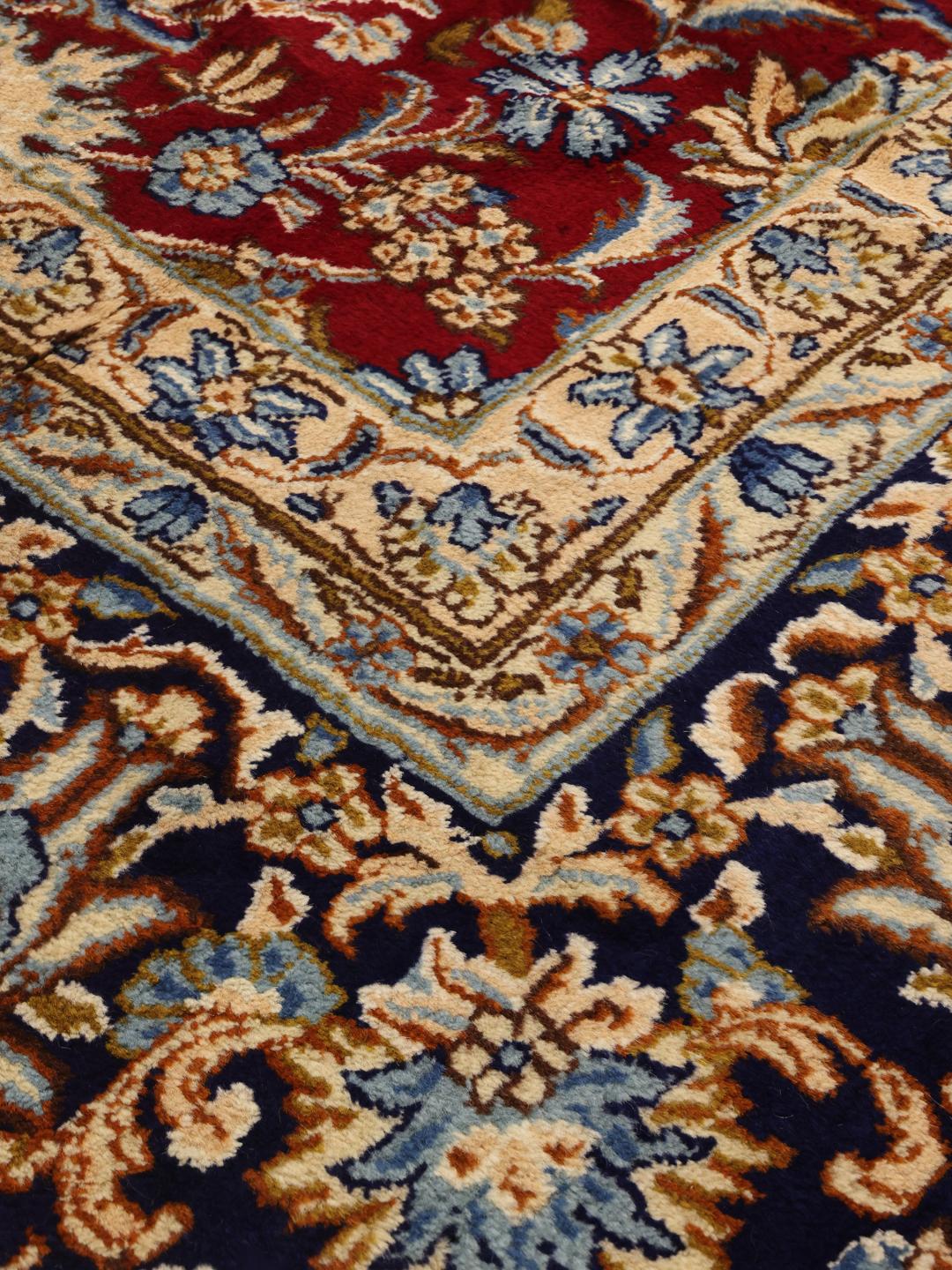
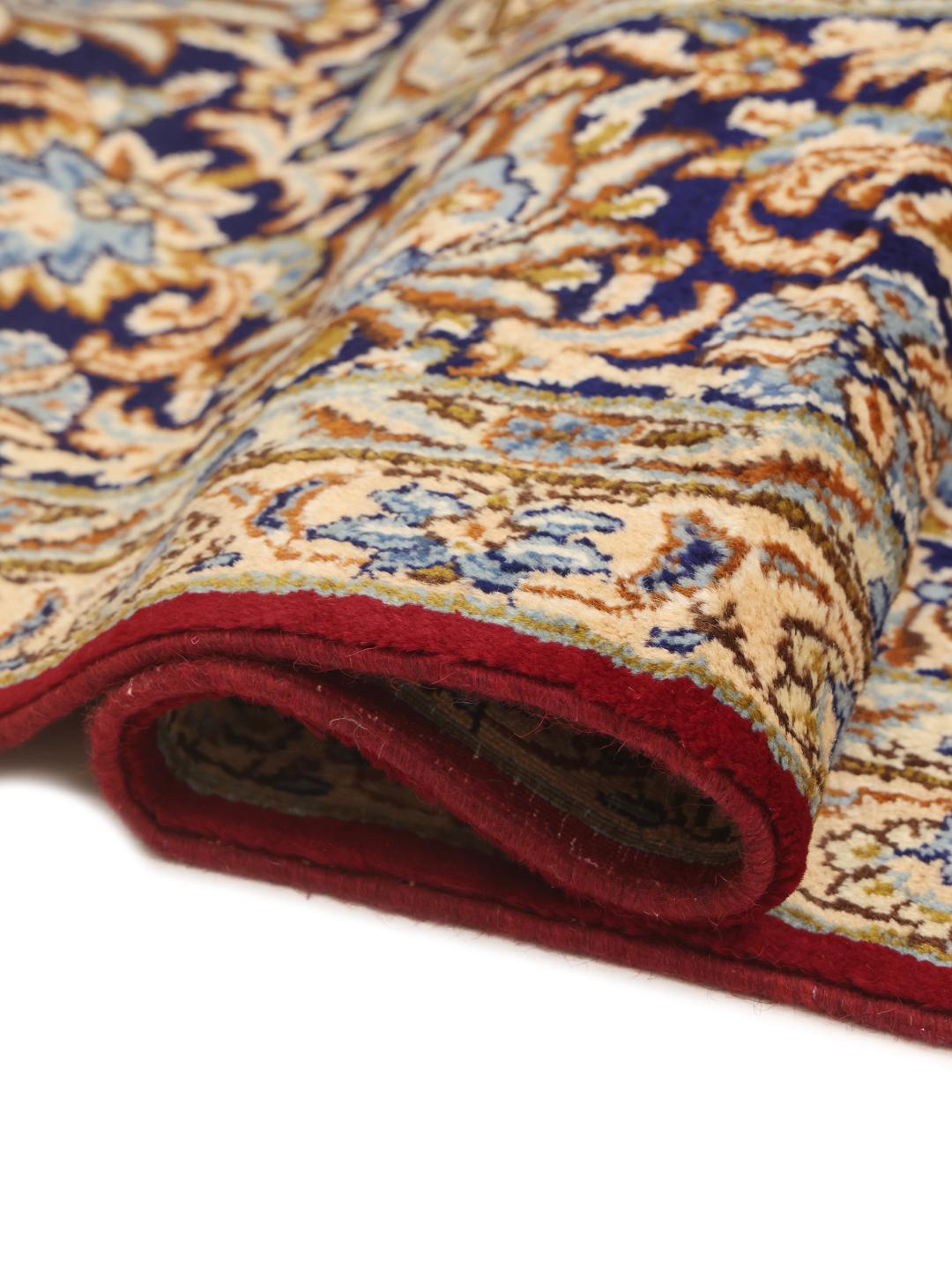
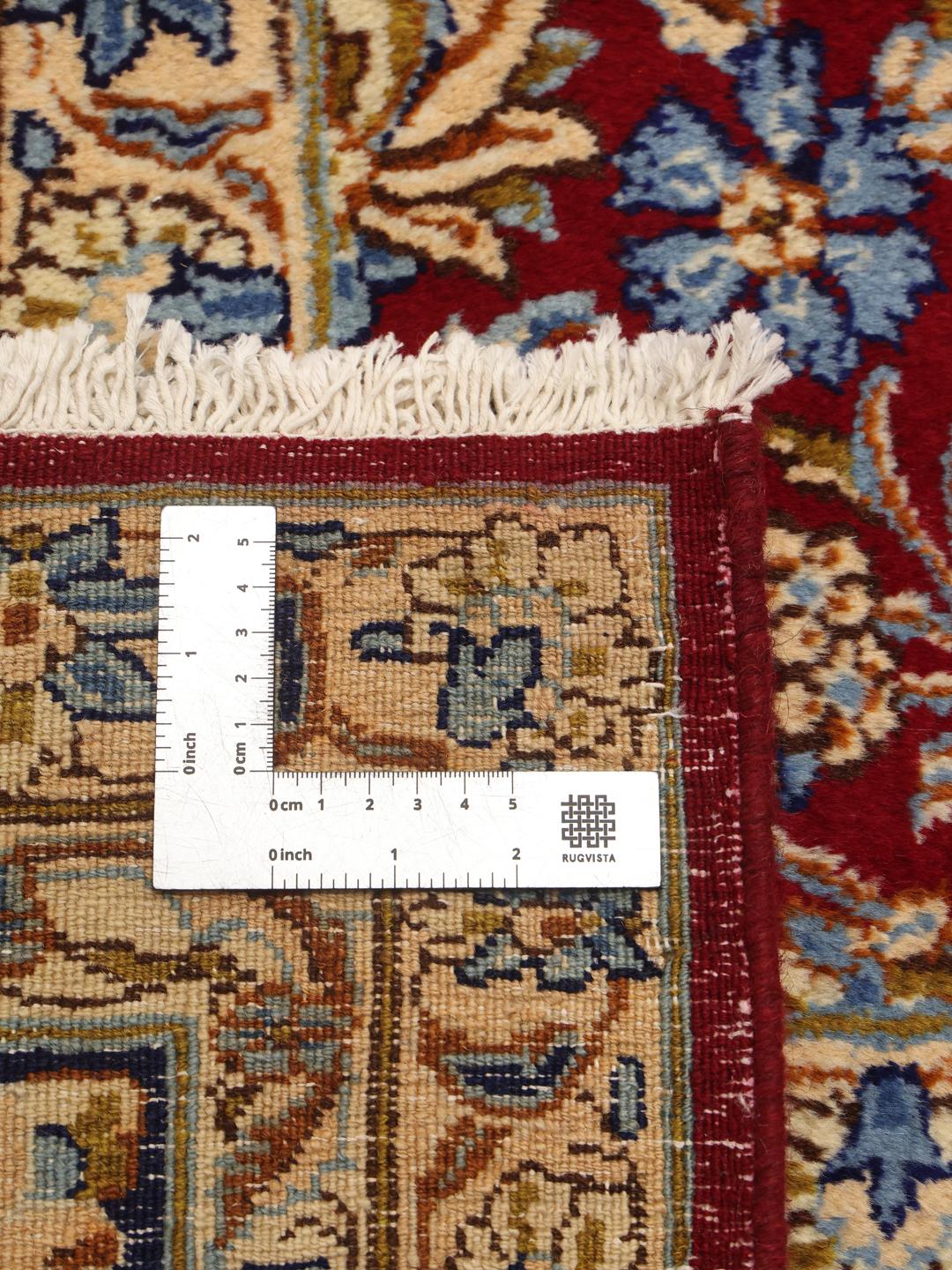
The term Kerman refers to both the origin and the specific style of weaving associated with this region. A hallmark of these rugs is the use of a foundation that provides a stable base for the dense, fine pile. This construction is vital, as it allows for the elaborate, curvilinear designs that are synonymous with the tradition. The quality is determined by the precision of the knotting, which enables the weavers to execute complex, flowing patterns with remarkable clarity.
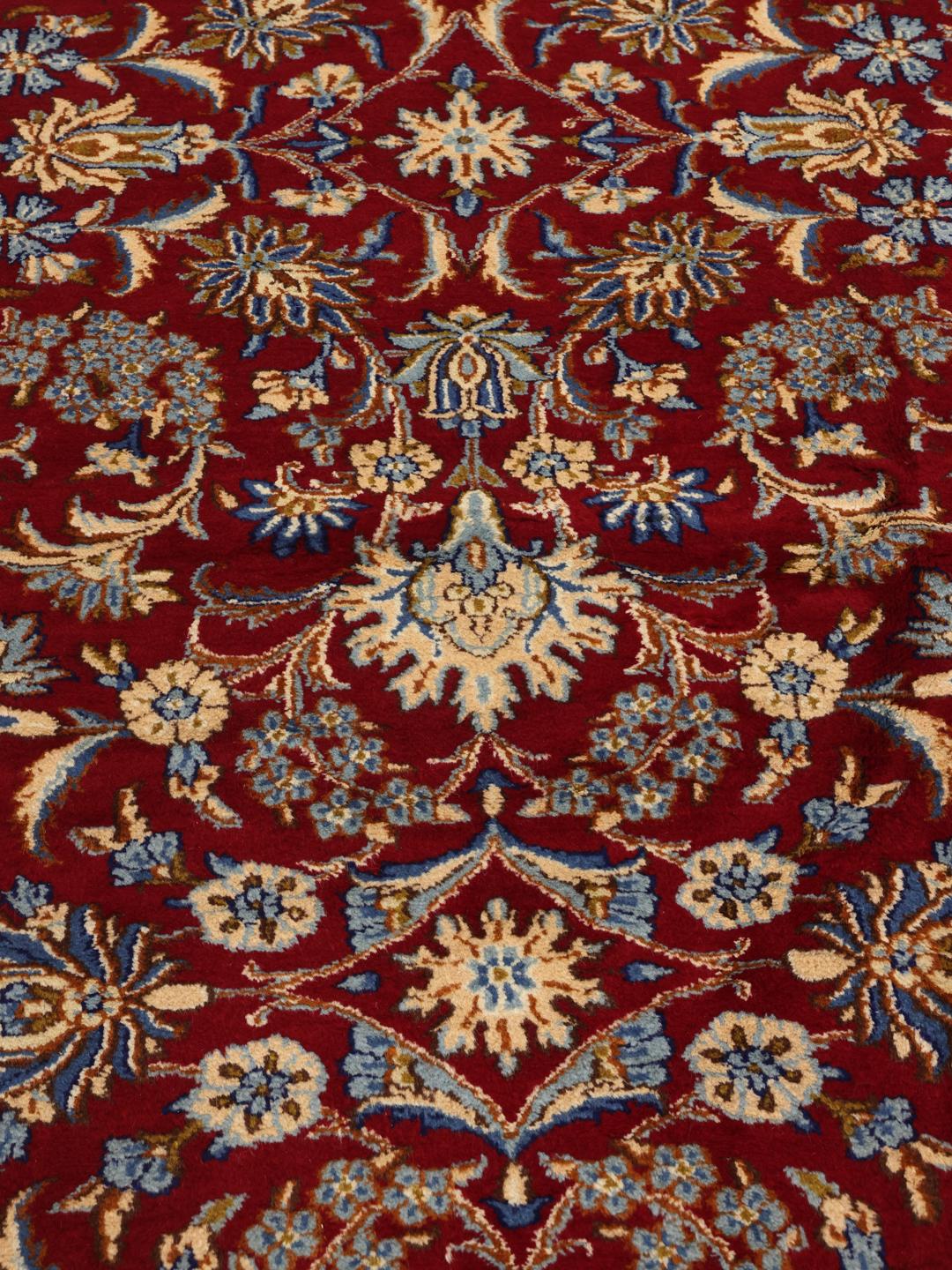
Design-wise, Kerman rugs are famous for their intricate floral compositions. While the central medallion is a classic element, the field is often filled with a lush tapestry of vines, palmettes, and delicate blossoms. The colour palettes are traditionally rich and saturated, often featuring deep reds, blues, and creams that have been achieved through generations of natural dyeing expertise. Each rug reflects the weaver's ability to interpret these timeless motifs in their own unique way.
Collectors value Kerman rugs for their artistic maturity and the immense skill required to produce them. Owning one is seen as an investment in cultural heritage, as these pieces represent the pinnacle of Middle Eastern weaving traditions. They are not merely decorative items but are considered works of art that capture the spirit of their origin, offering a level of sophistication and craftsmanship that remains highly sought after by connoisseurs and design enthusiasts alike.