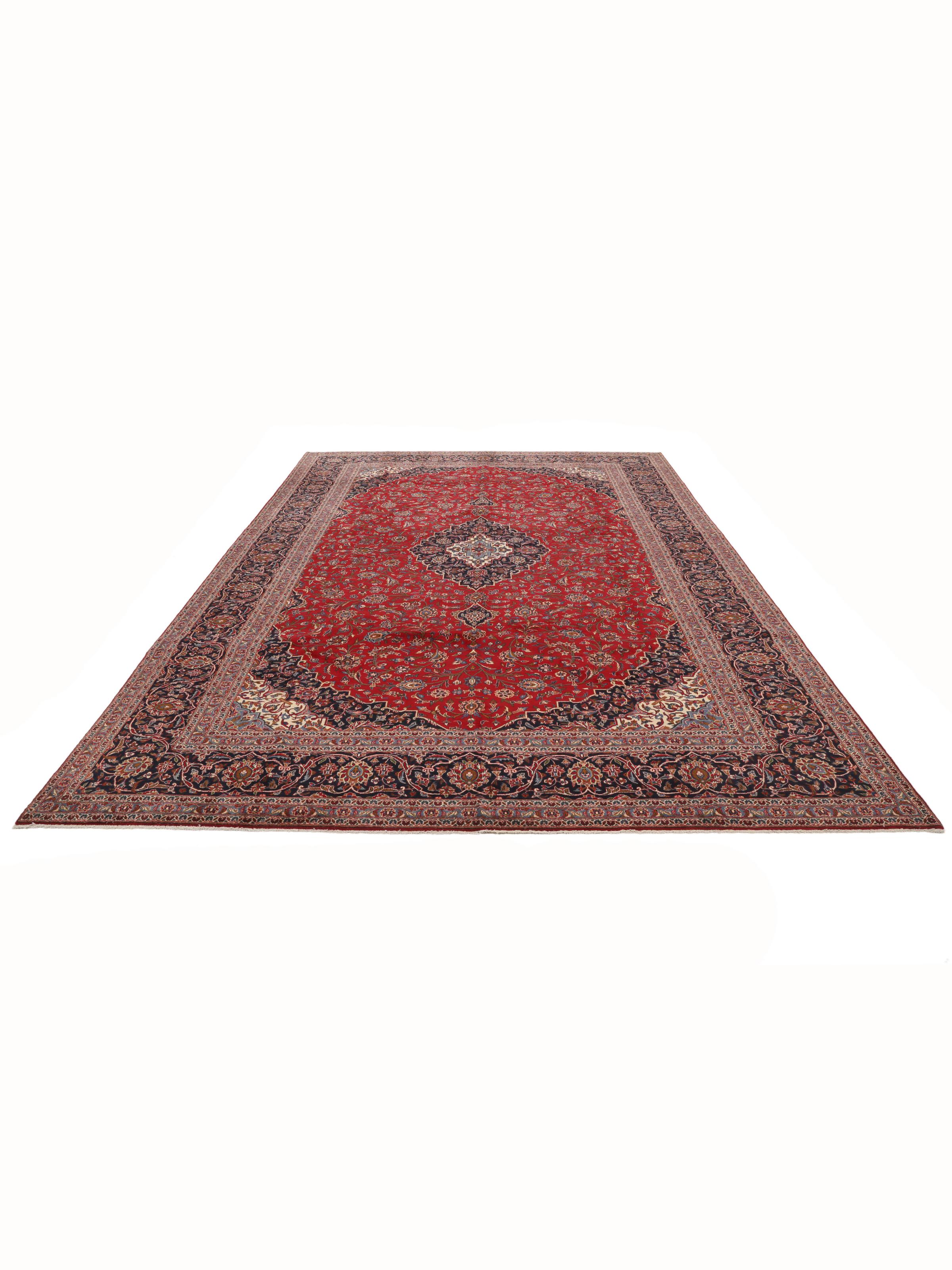
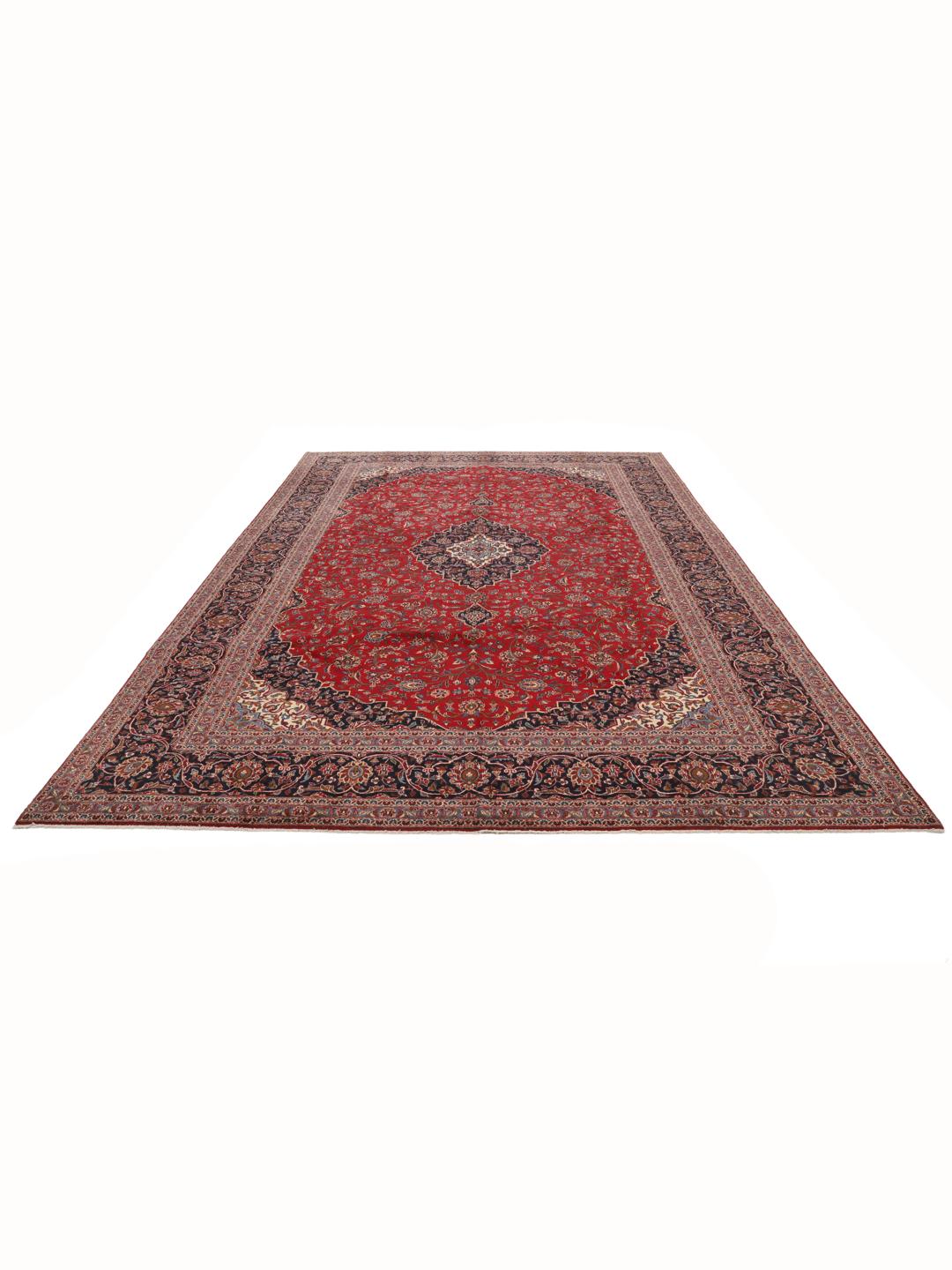
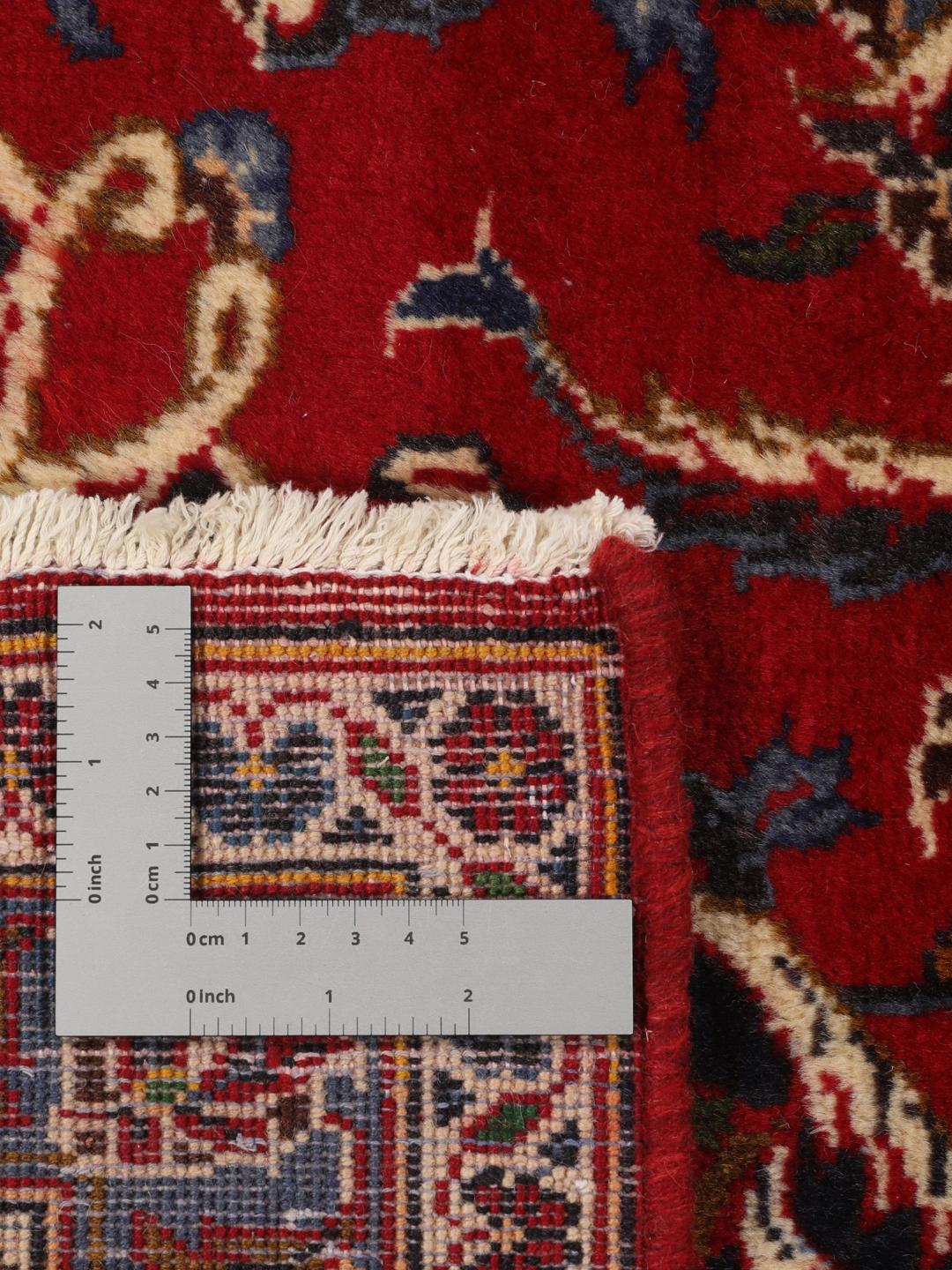
The Keshan rug tradition originates from the historic city of Kashan in the Middle East, a region renowned for its silk and wool weaving since the 16th century. Historically, these rugs were highly prized by royalty and nobility, often commissioned for palaces and grand mosques, which cemented their reputation as the pinnacle of weaving excellence.
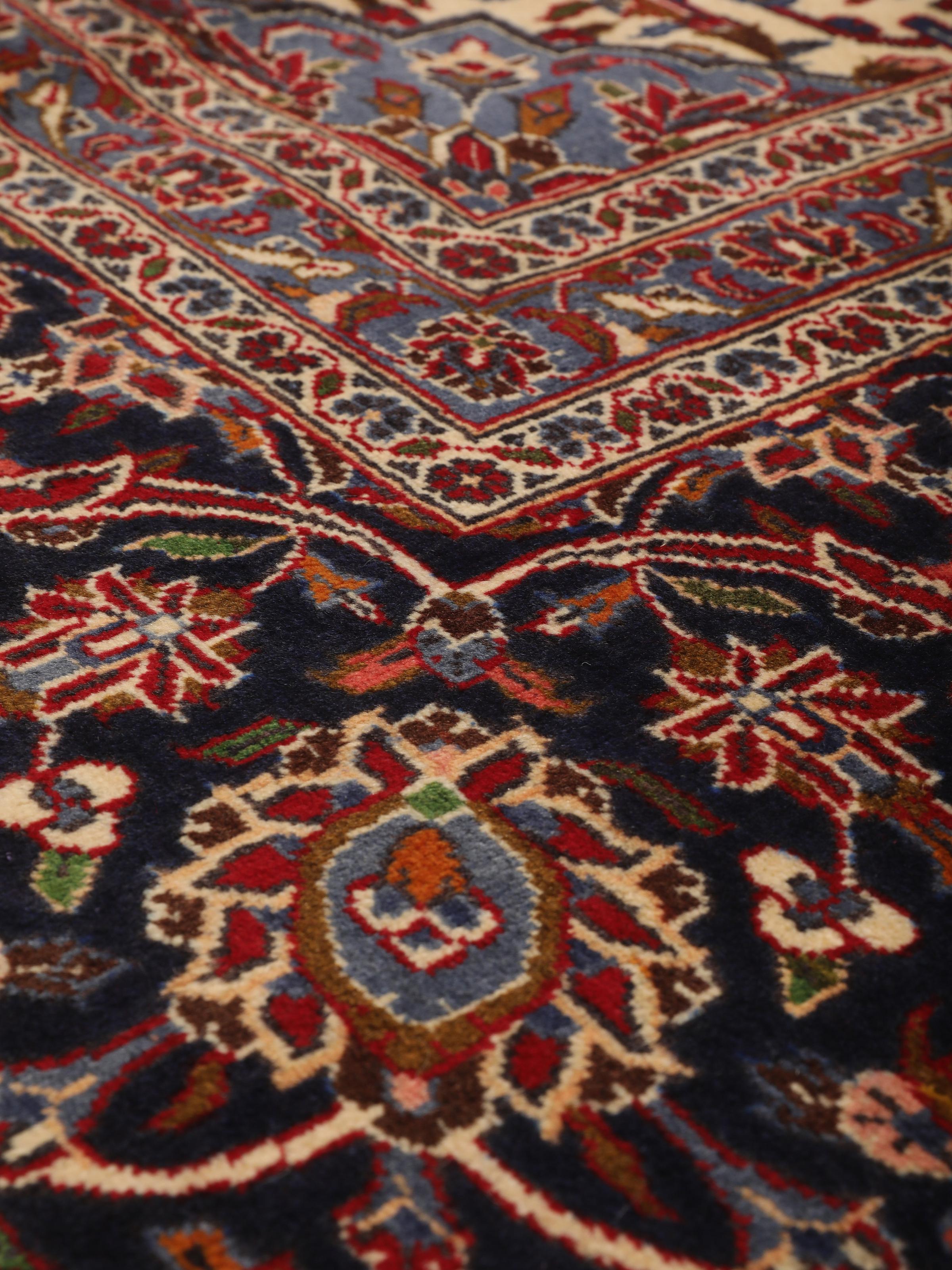
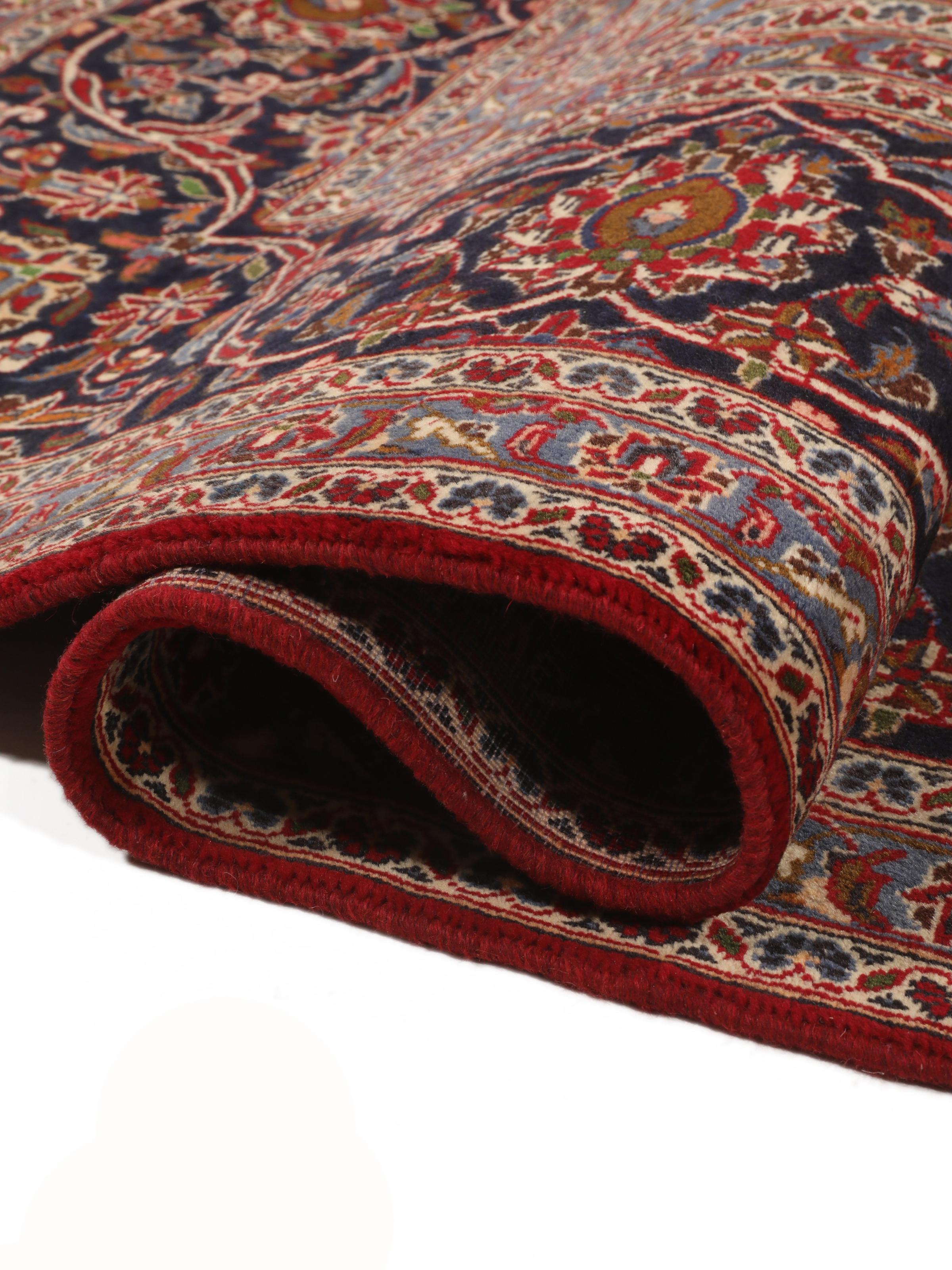
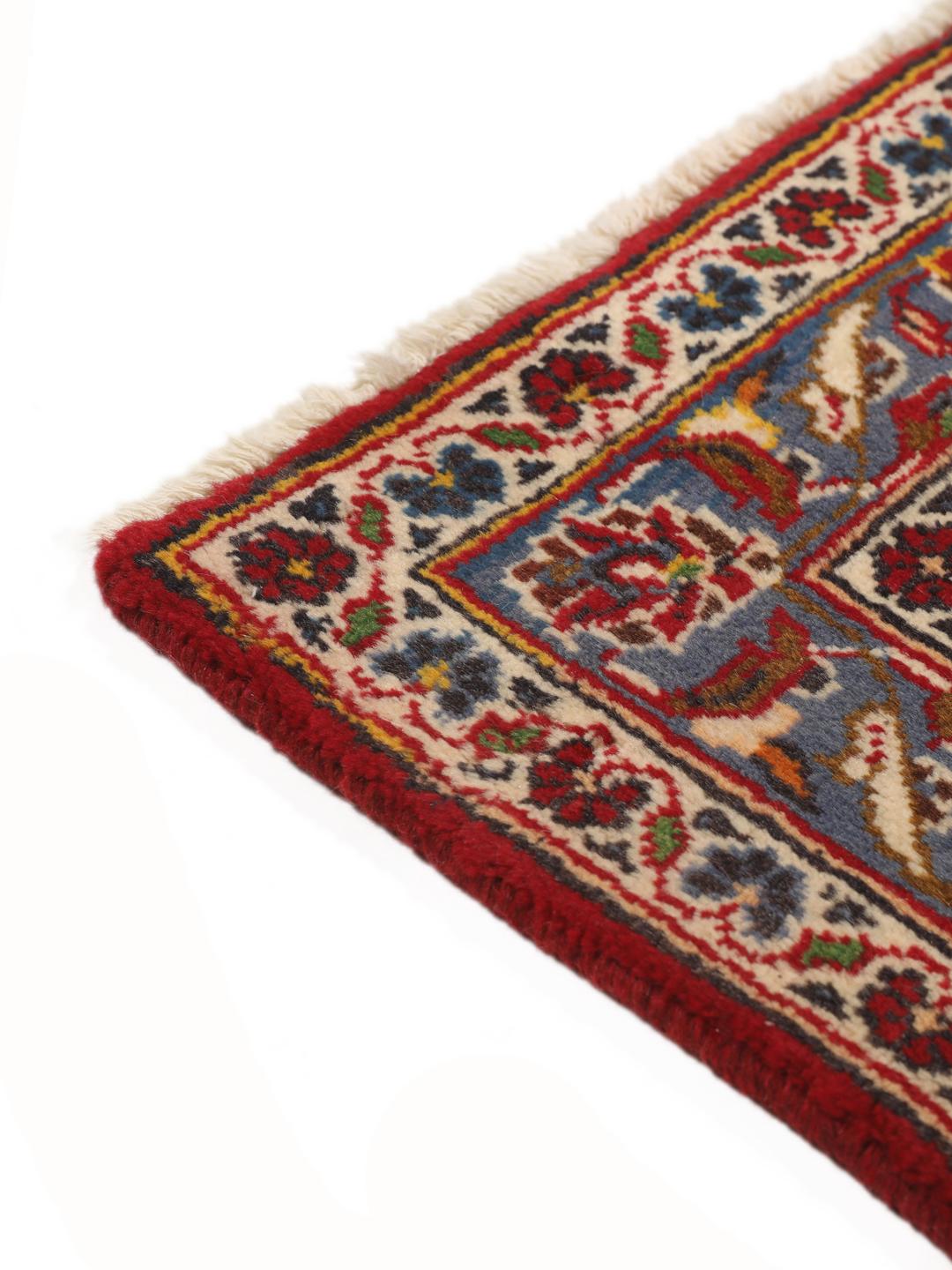
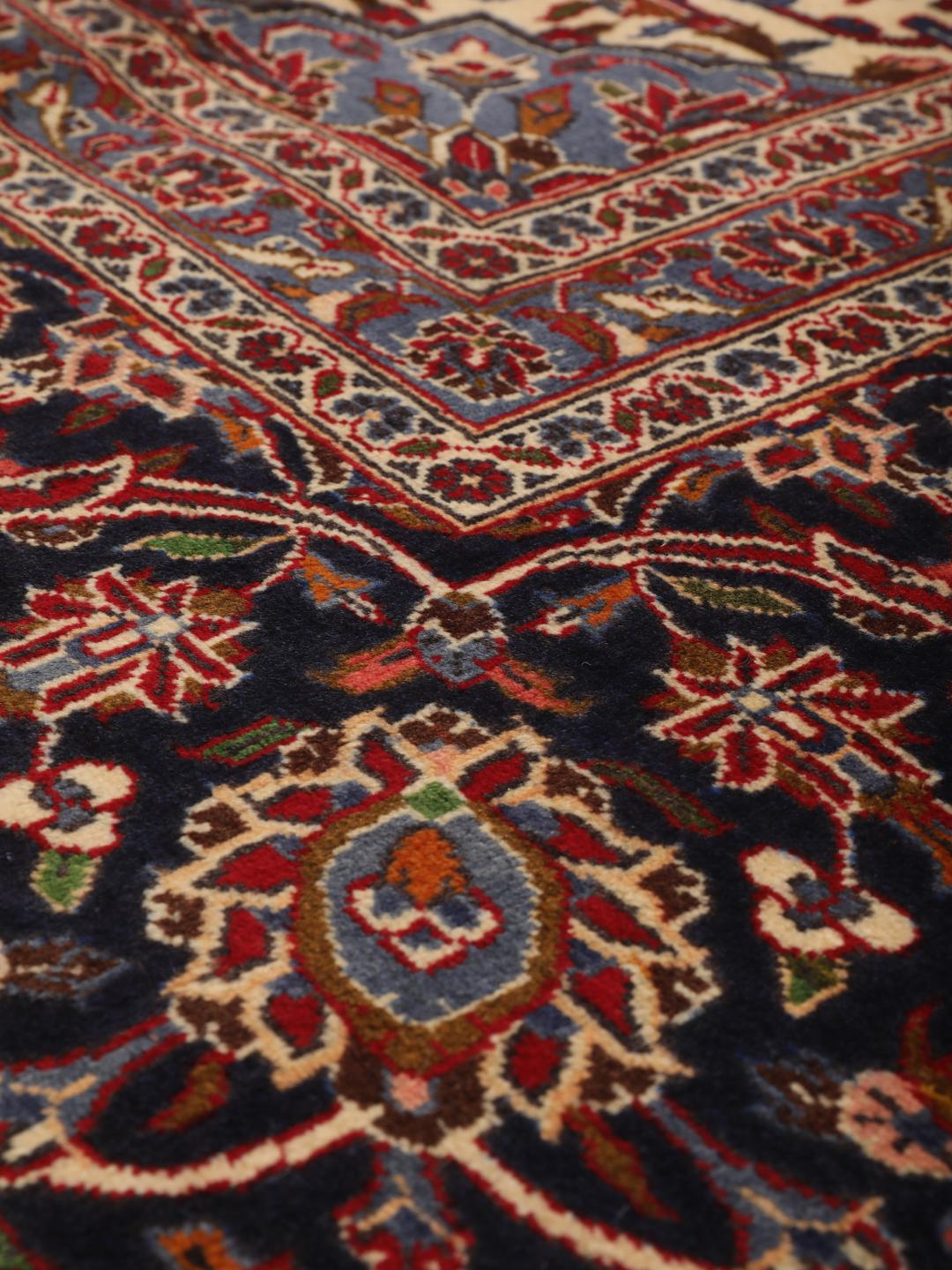
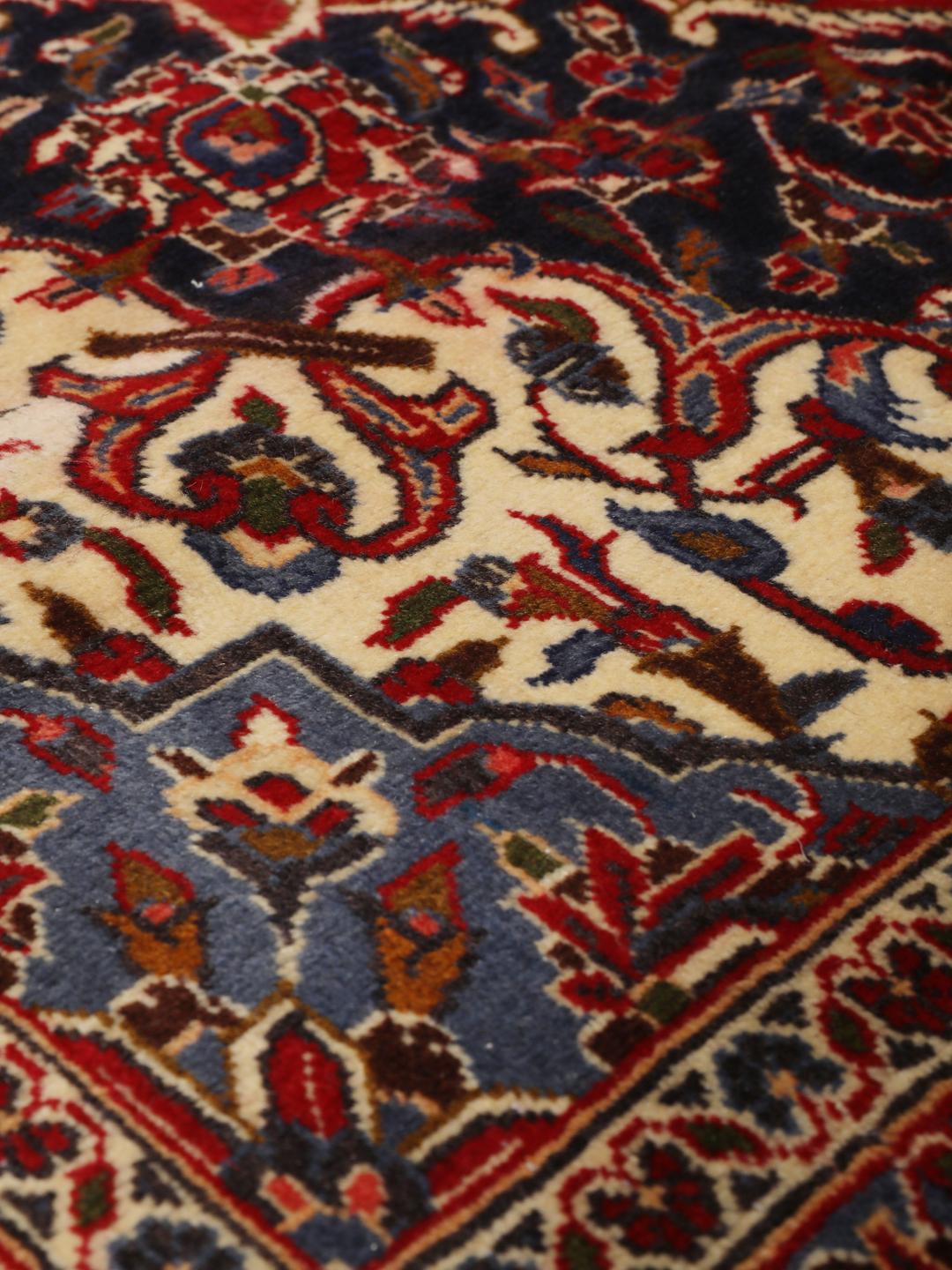
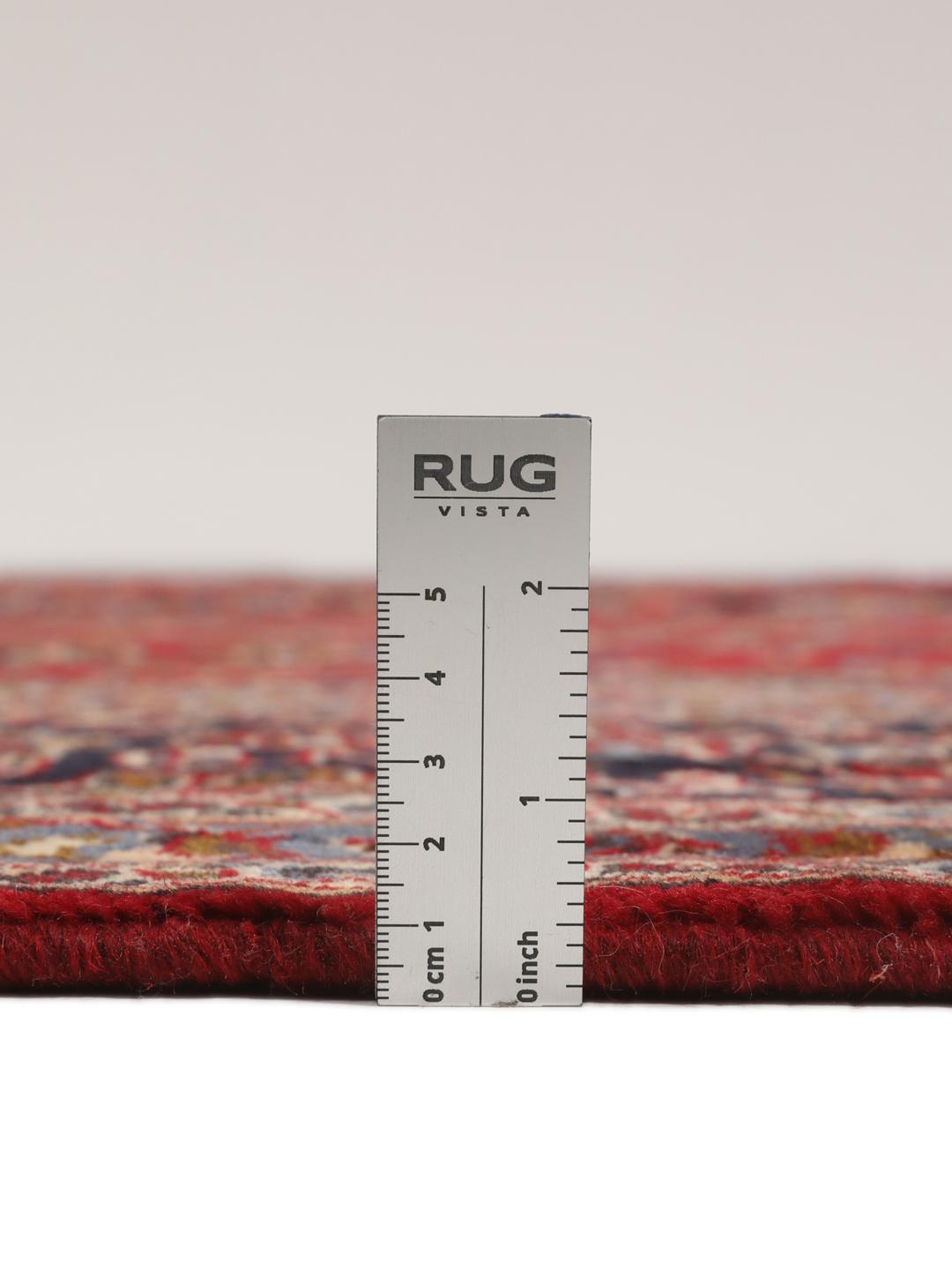
The craft relies on traditional hand-knotting techniques, where artisans follow intricate patterns passed down through generations. This method requires immense focus, as the weaver must maintain consistent tension across the entire surface to ensure the pile is uniform and the pattern remains crisp throughout the life of the rug.
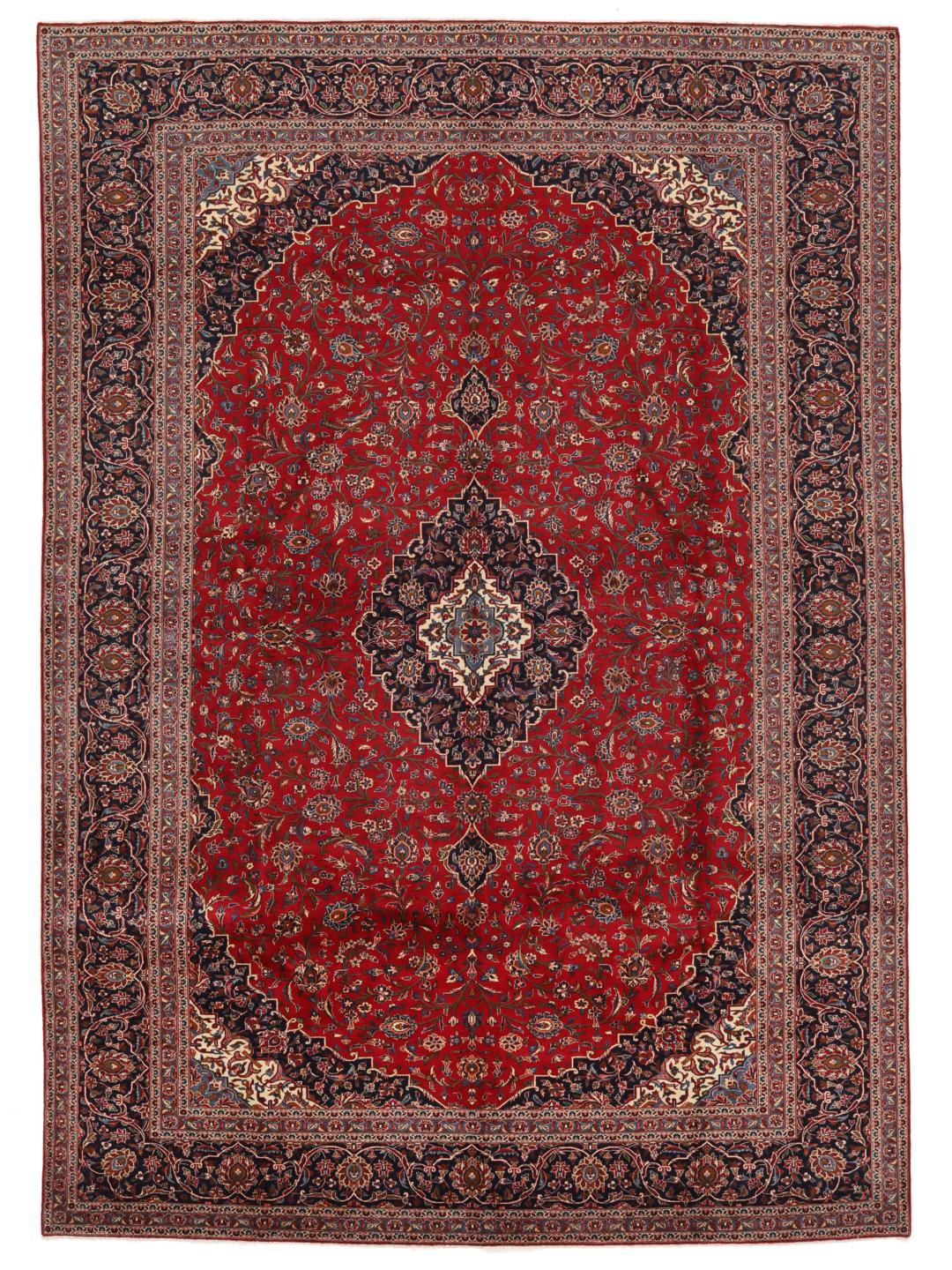
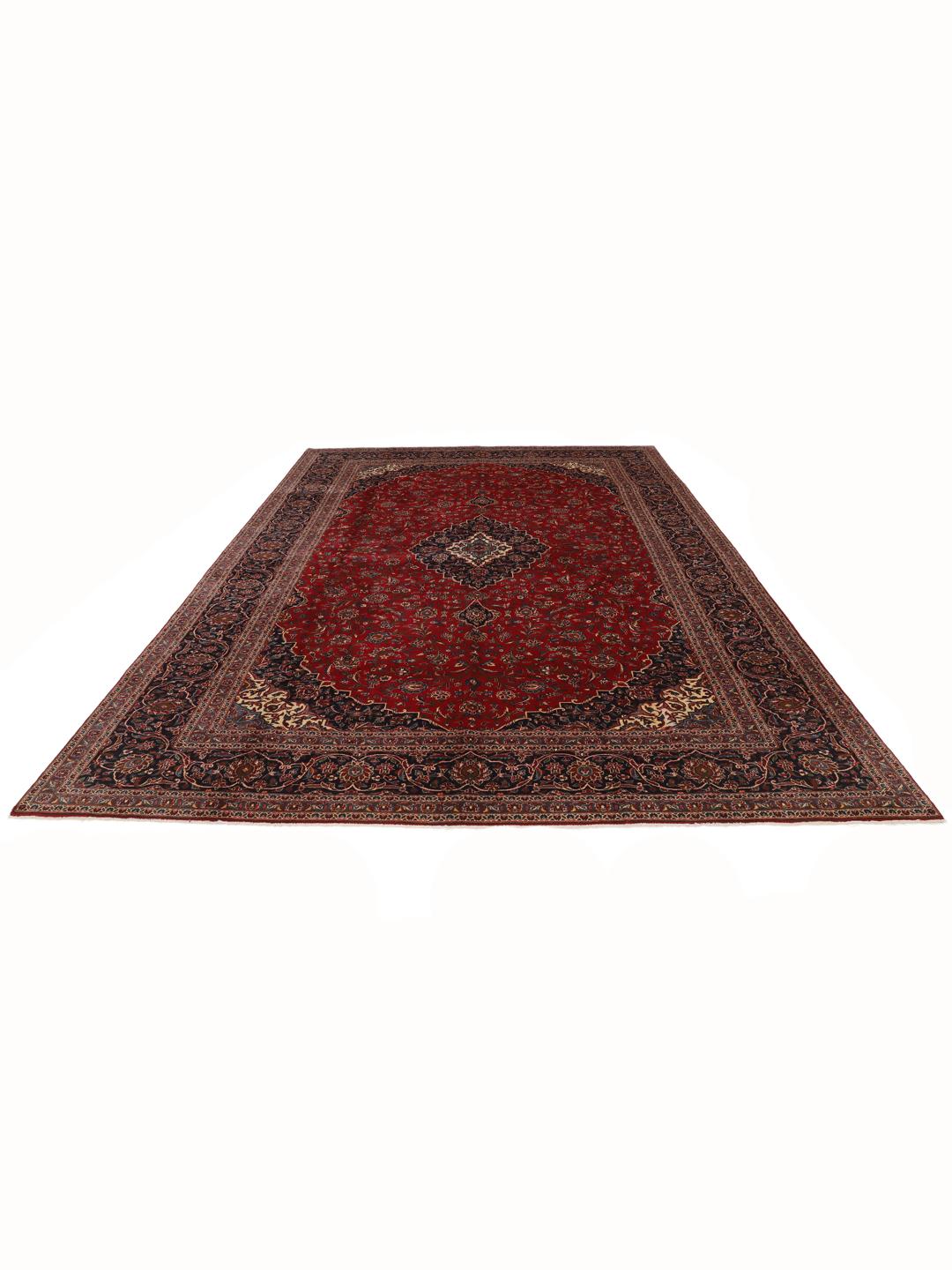
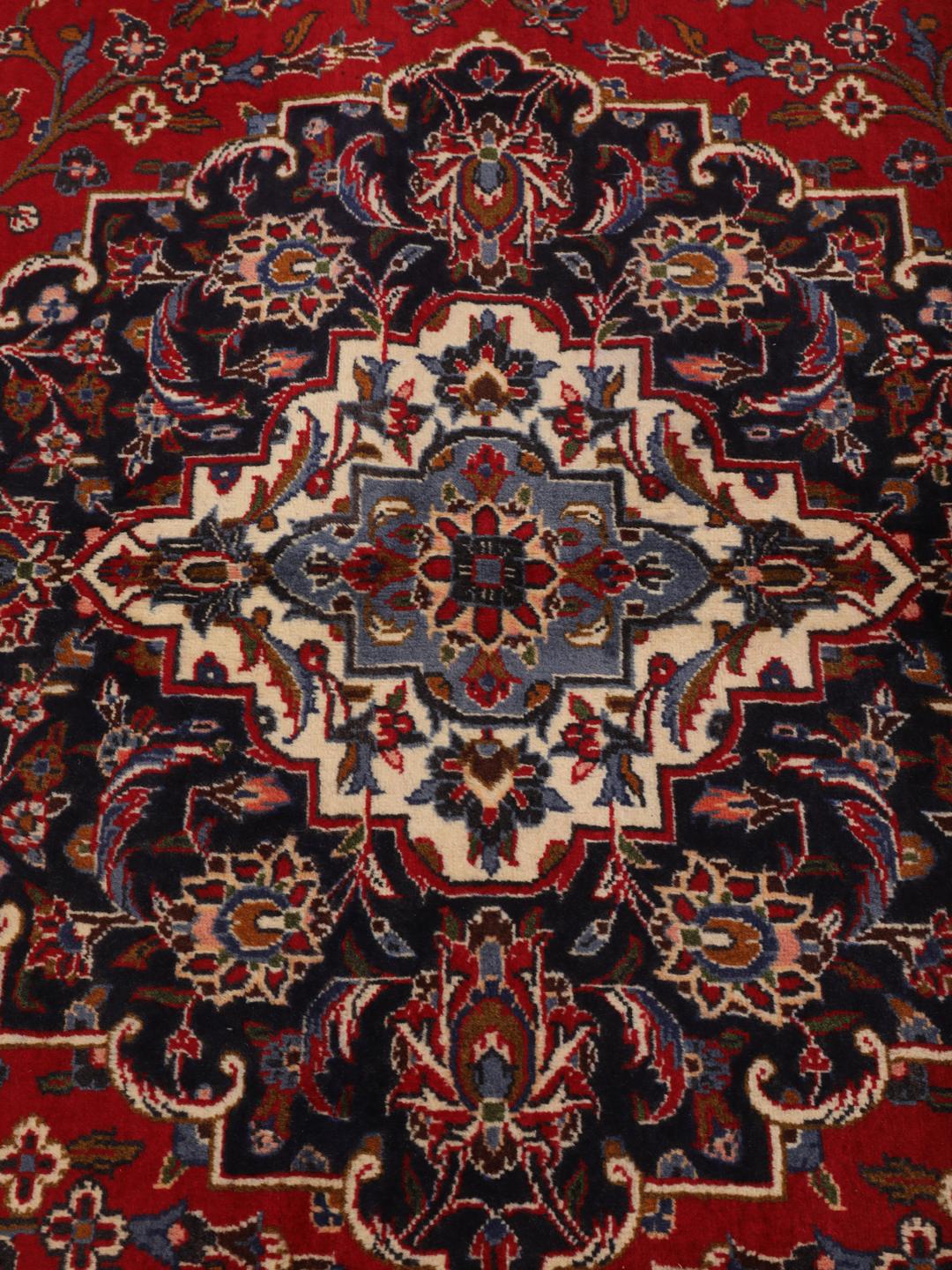
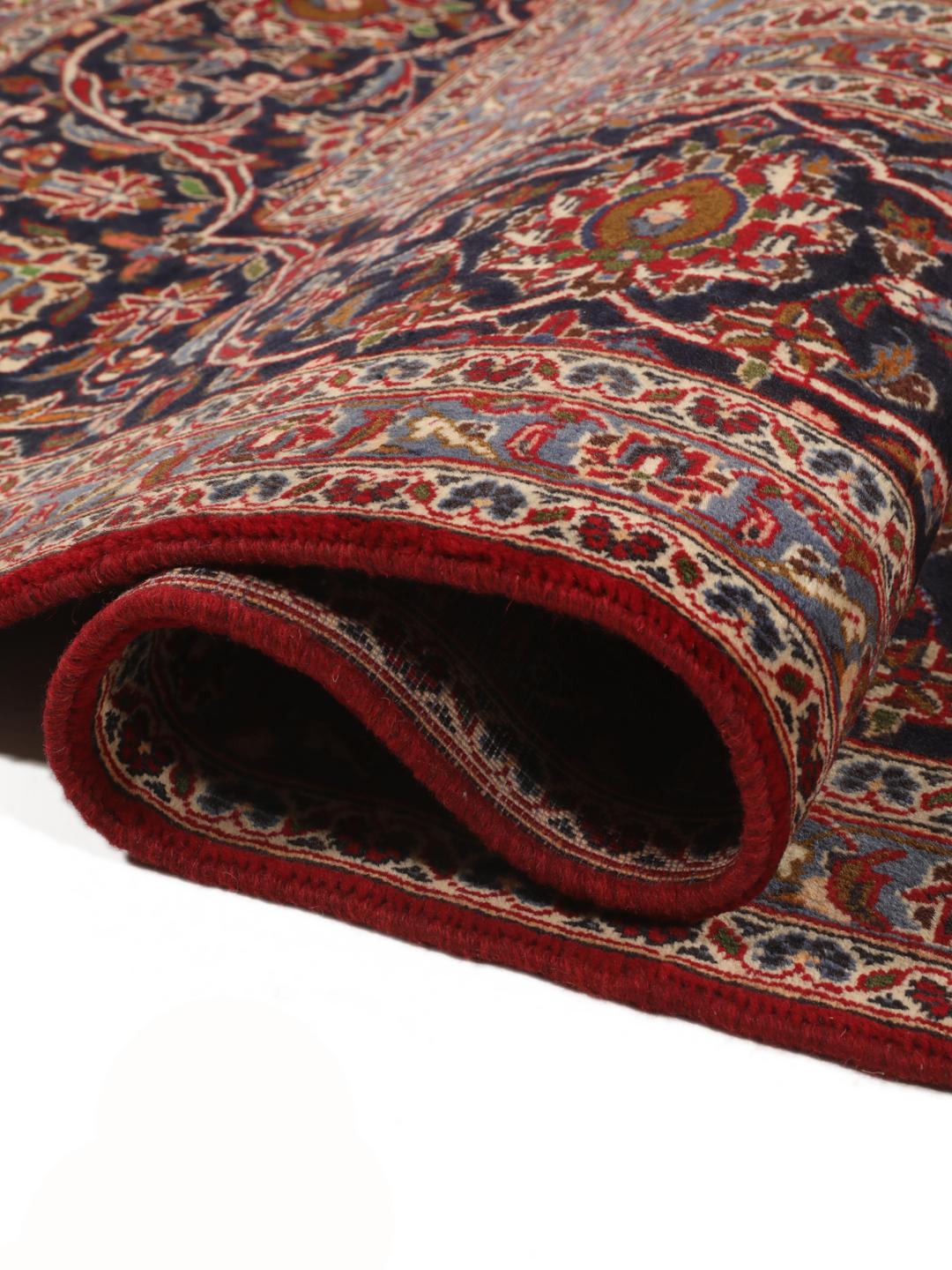
Visually, Keshan rugs are defined by their elegant central medallions, which are typically surrounded by a field of scrolling vines, palmettes, and floral sprays. This design is usually encased by a wide, decorative border that balances the complexity of the centre, creating a harmonious and formal aesthetic that is synonymous with the style.
Collectors value these pieces not only for their beauty but for their cultural significance. Owning a genuine hand-knotted Keshan is an investment in a storied craft tradition, representing a standard of skill and artistic dedication that has remained largely unchanged for centuries.