Kelim rugs have been woven for centuries across the Middle East, Central Asia, and beyond, serving as essential, multi-purpose textiles for nomadic and village populations. These flat-woven rugs were historically used as floor coverings, wall hangings, and storage bags, reflecting a culture that valued both utility and beauty. The tradition of weaving in Afghanistan is particularly storied, with local artisans passing down complex patterns through generations.
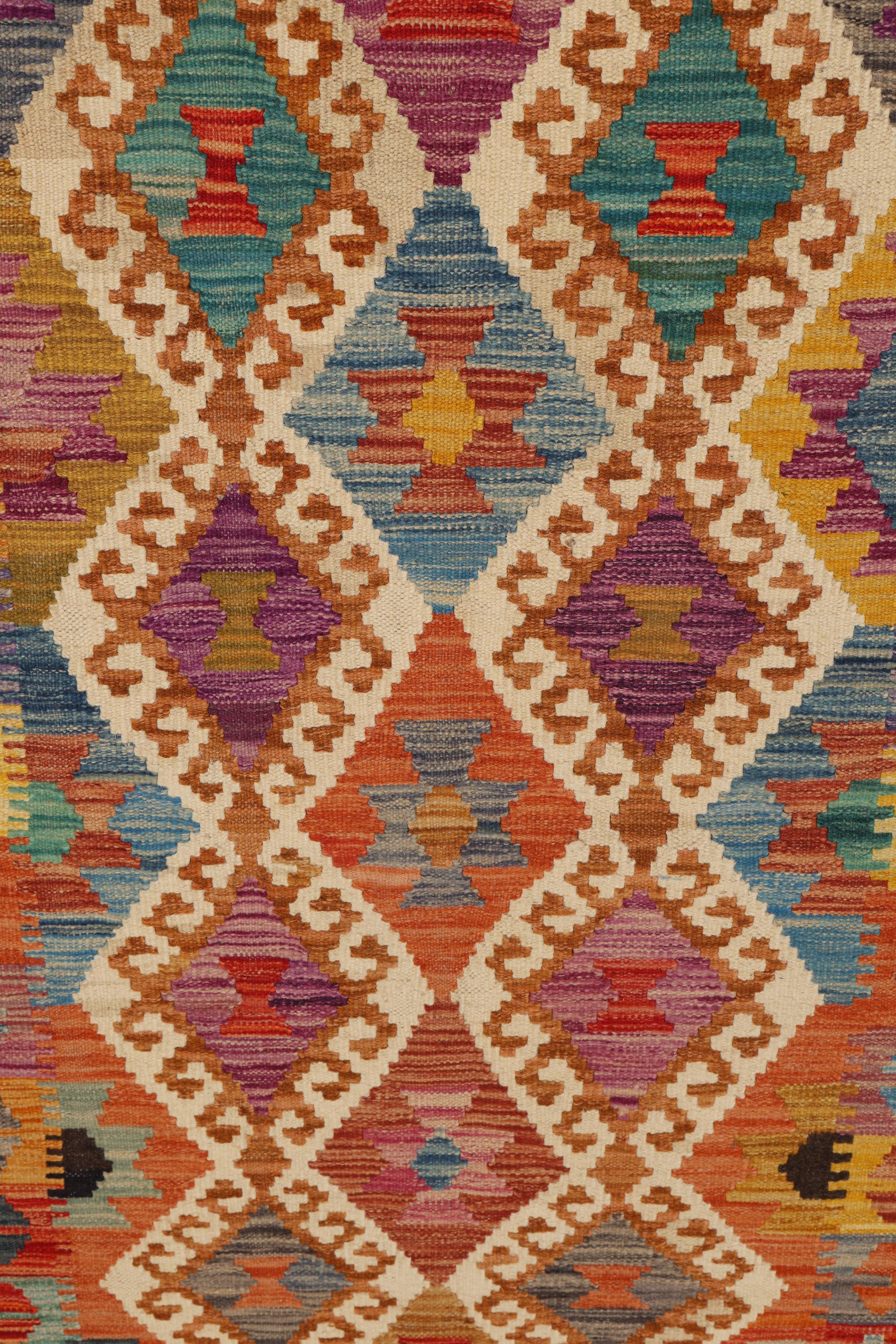
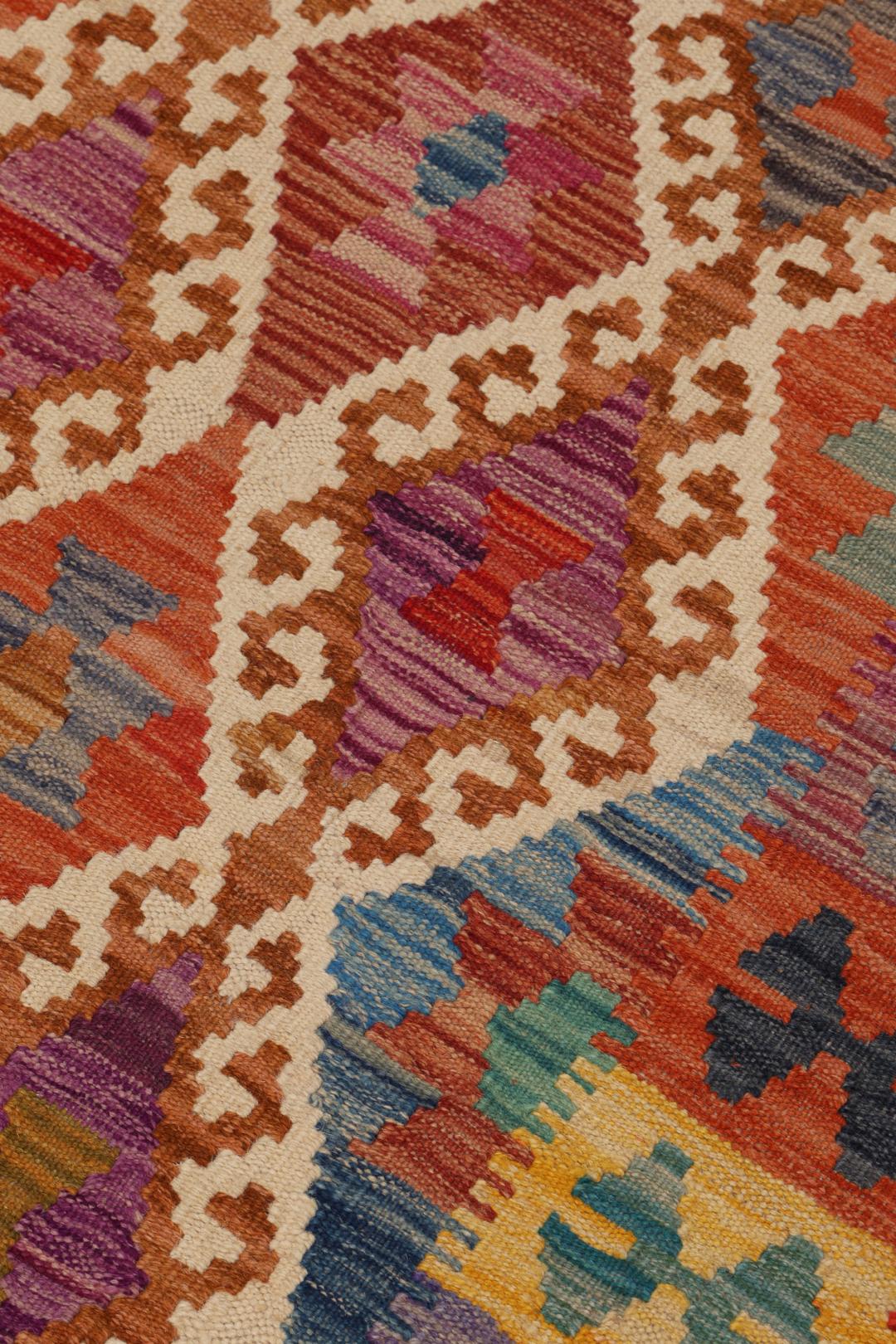
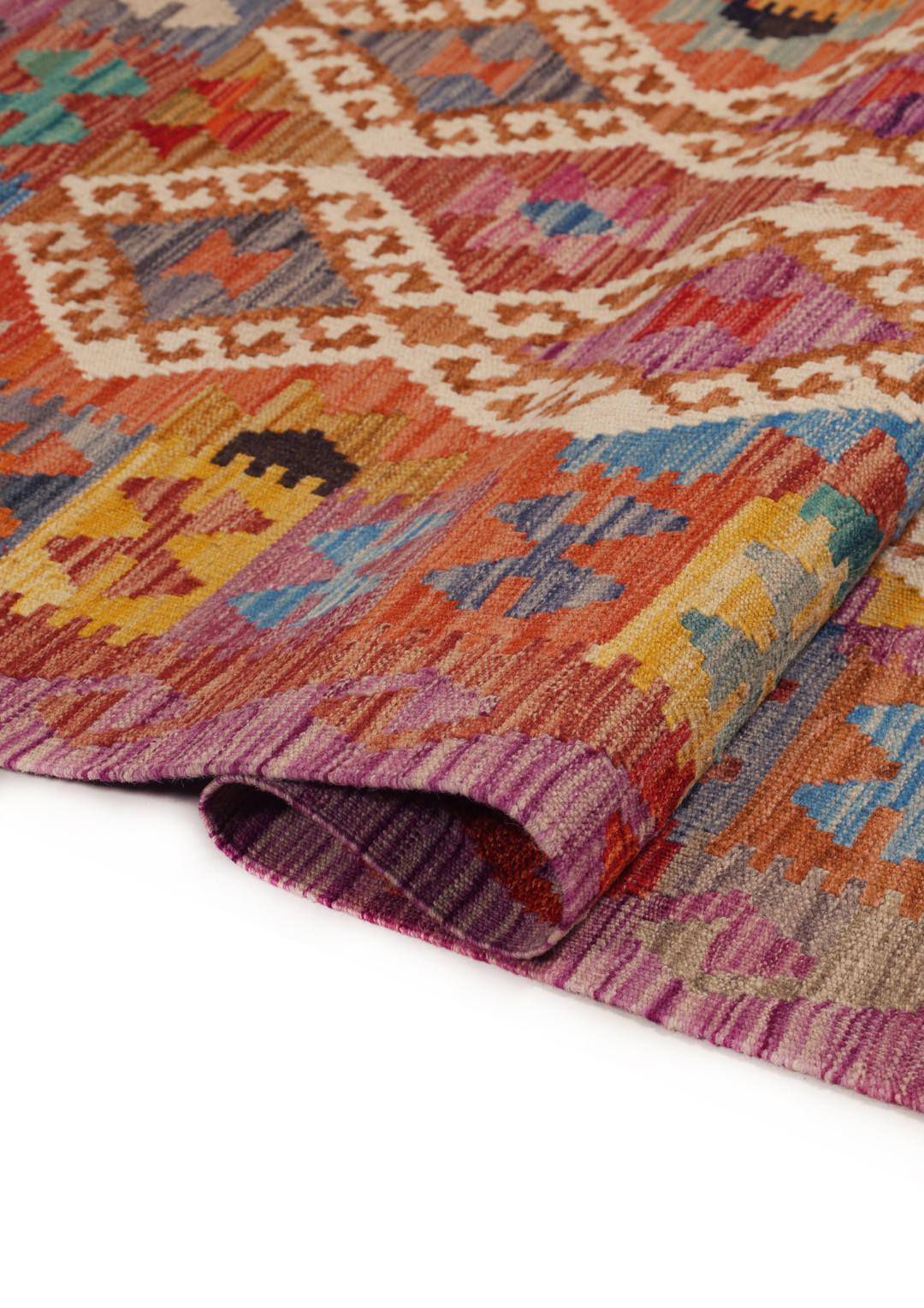
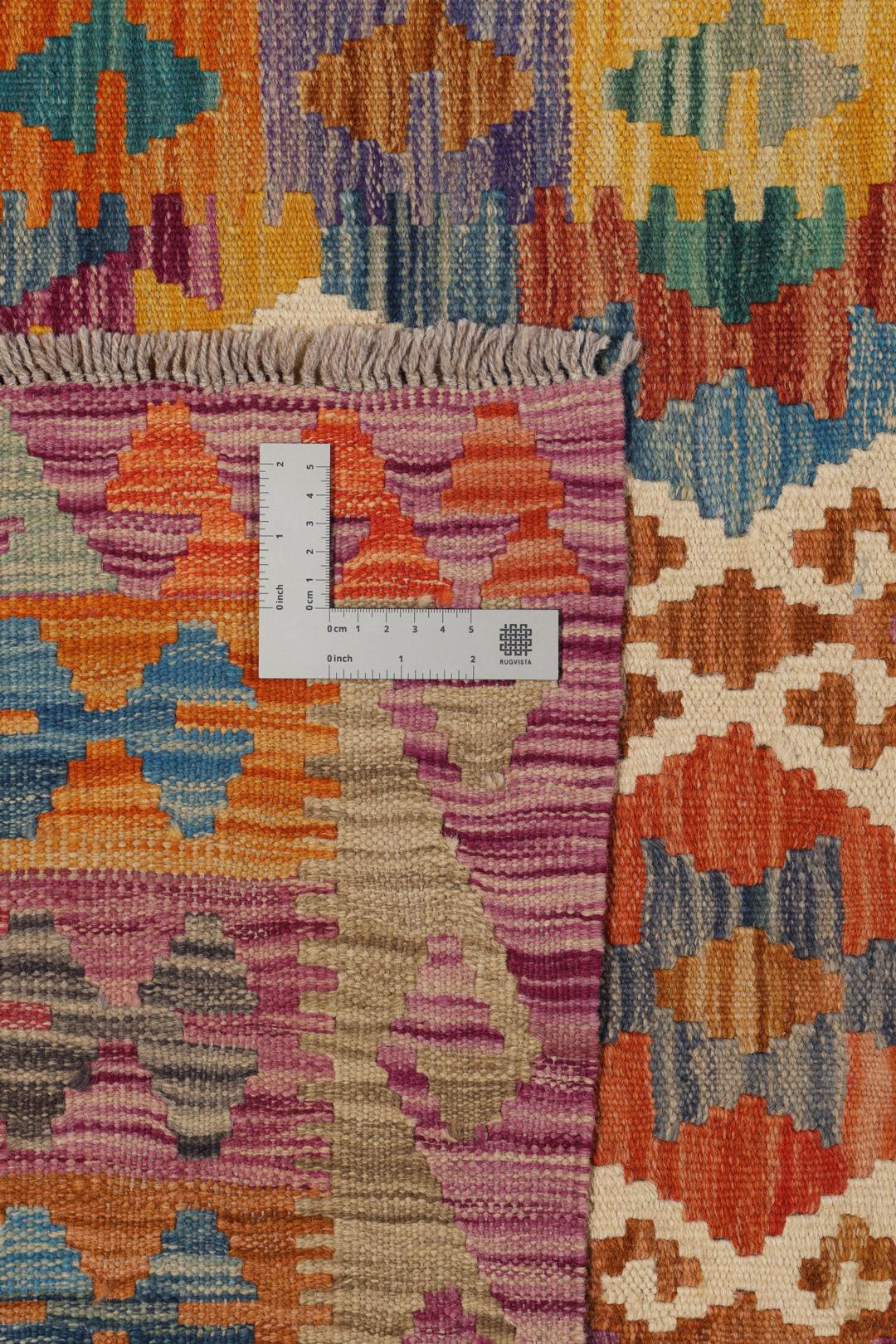
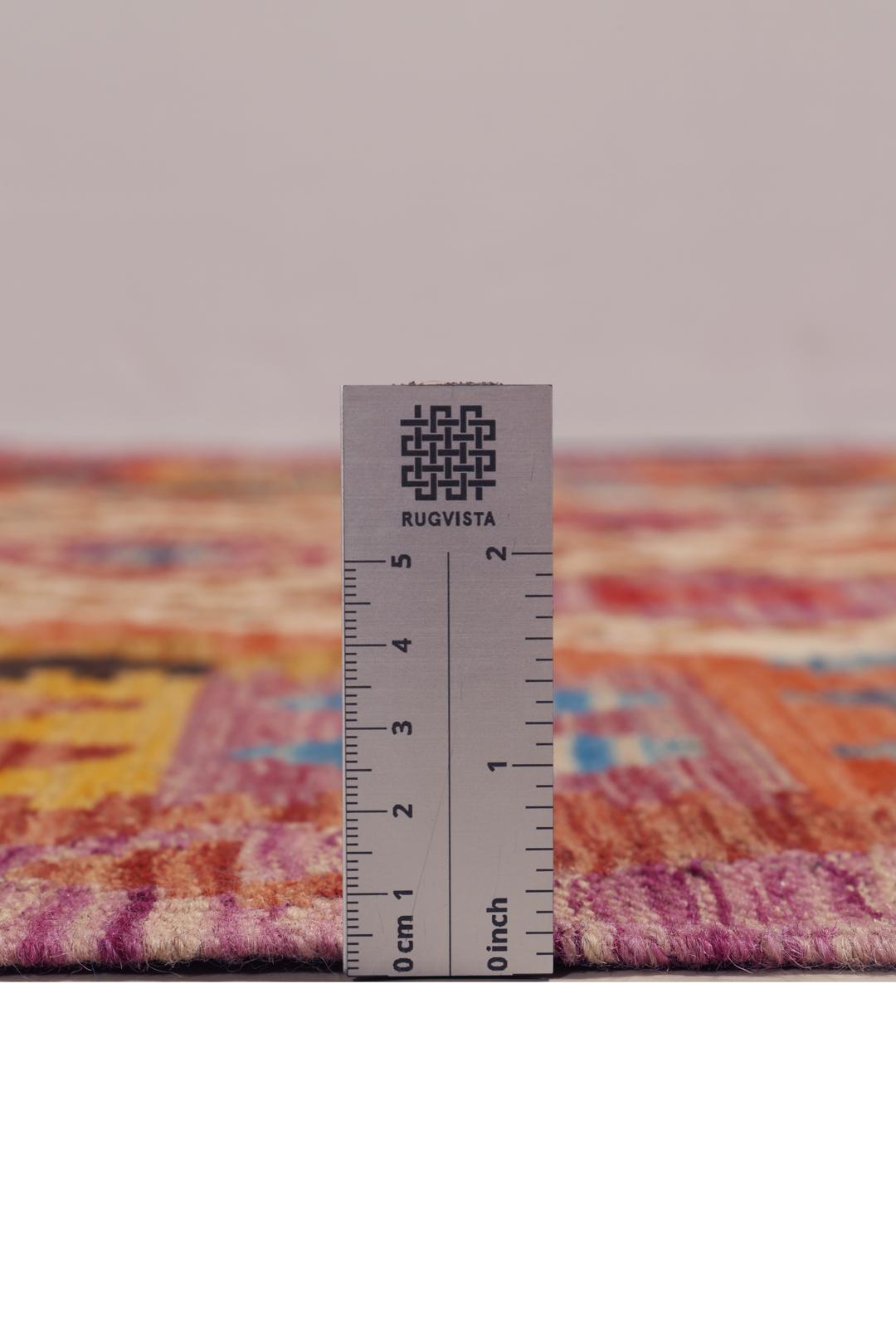
The term 'Kelim' refers specifically to the tapestry-weave technique used to construct the rug. Unlike pile rugs, where individual knots are tied to a foundation, a Kelim is created by interlocking the weft threads with the warp threads, covering the foundation entirely. This creates a reversible, flat, and durable fabric that is lightweight yet incredibly strong, making it a masterpiece of functional design.
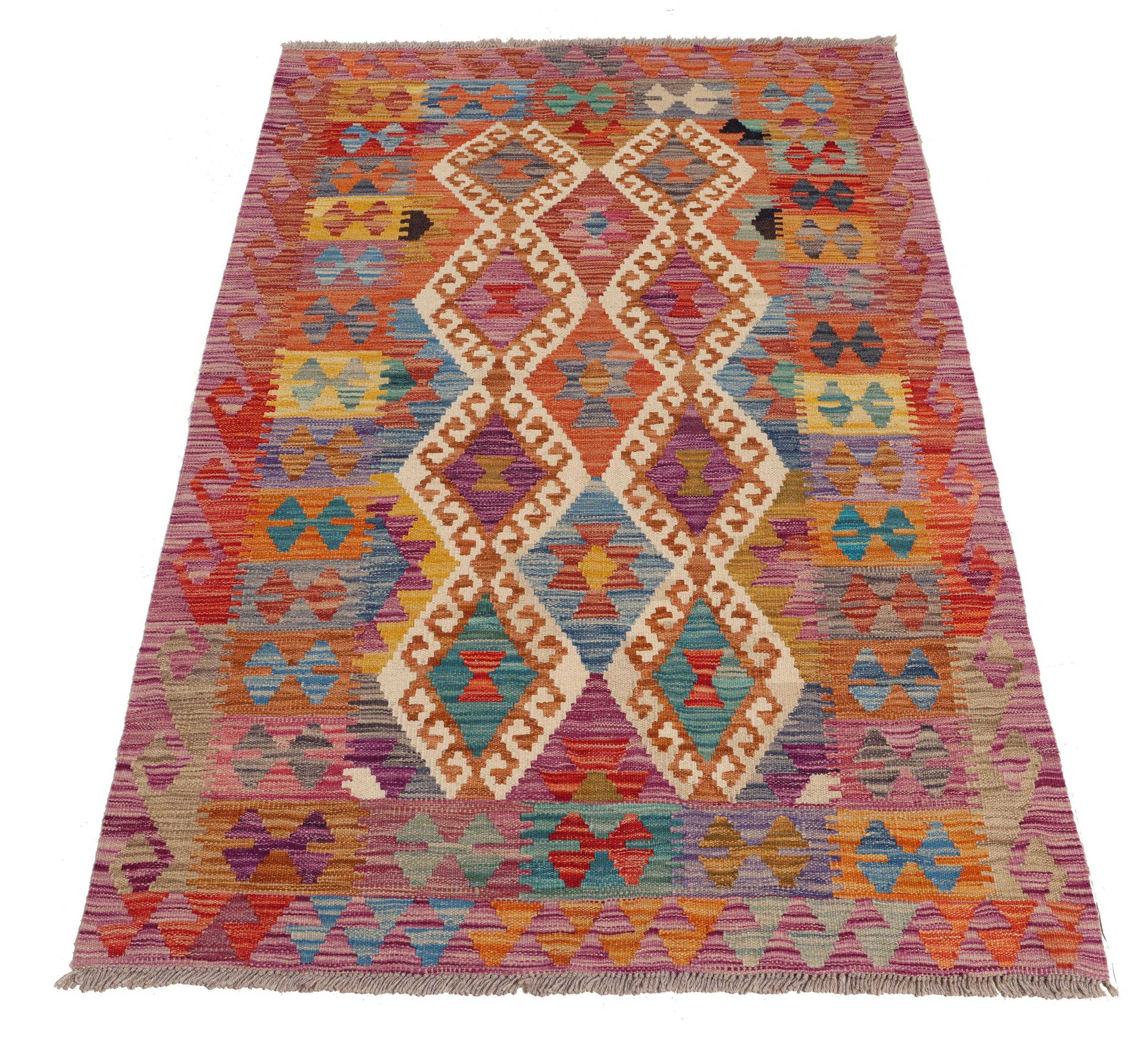
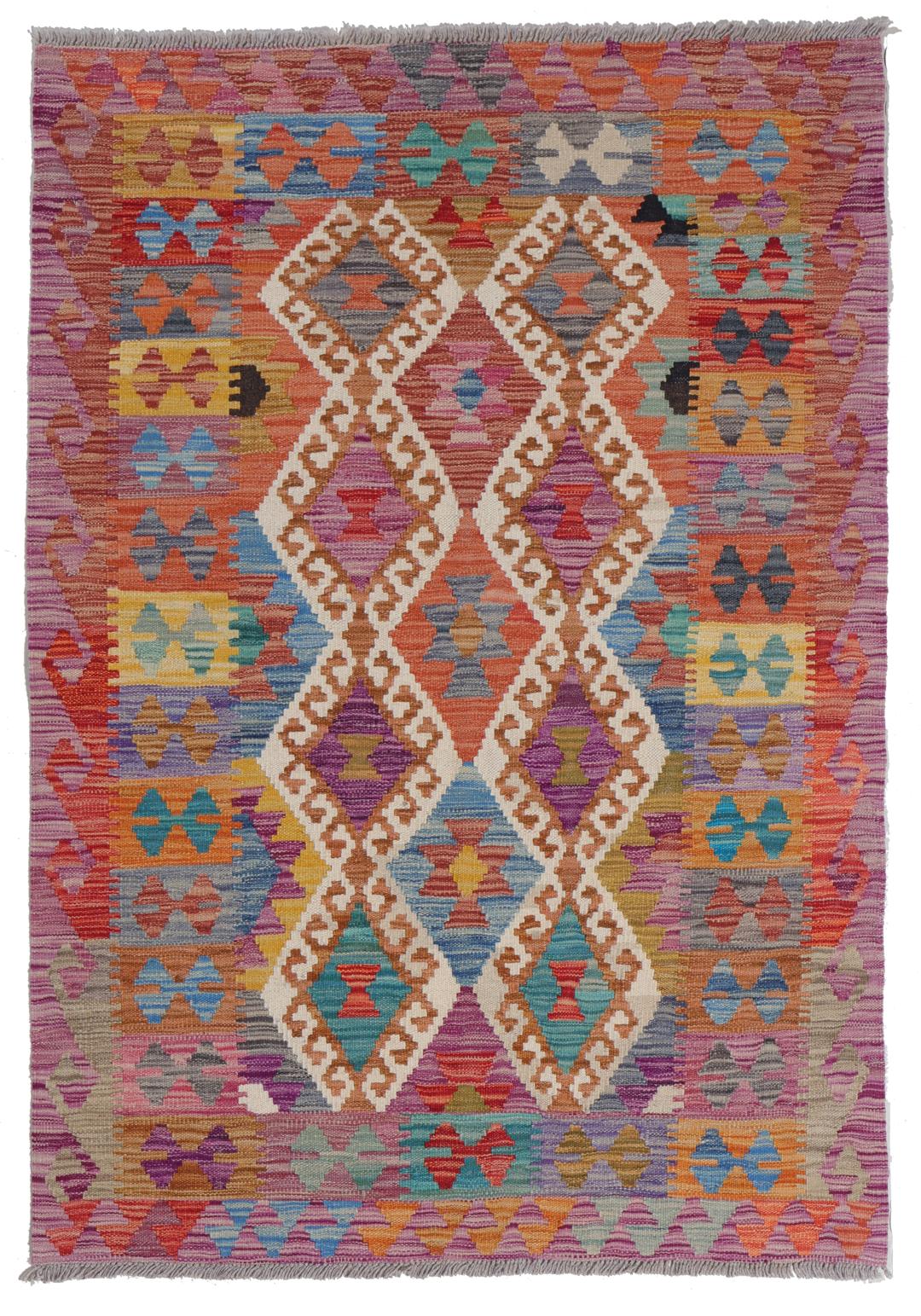
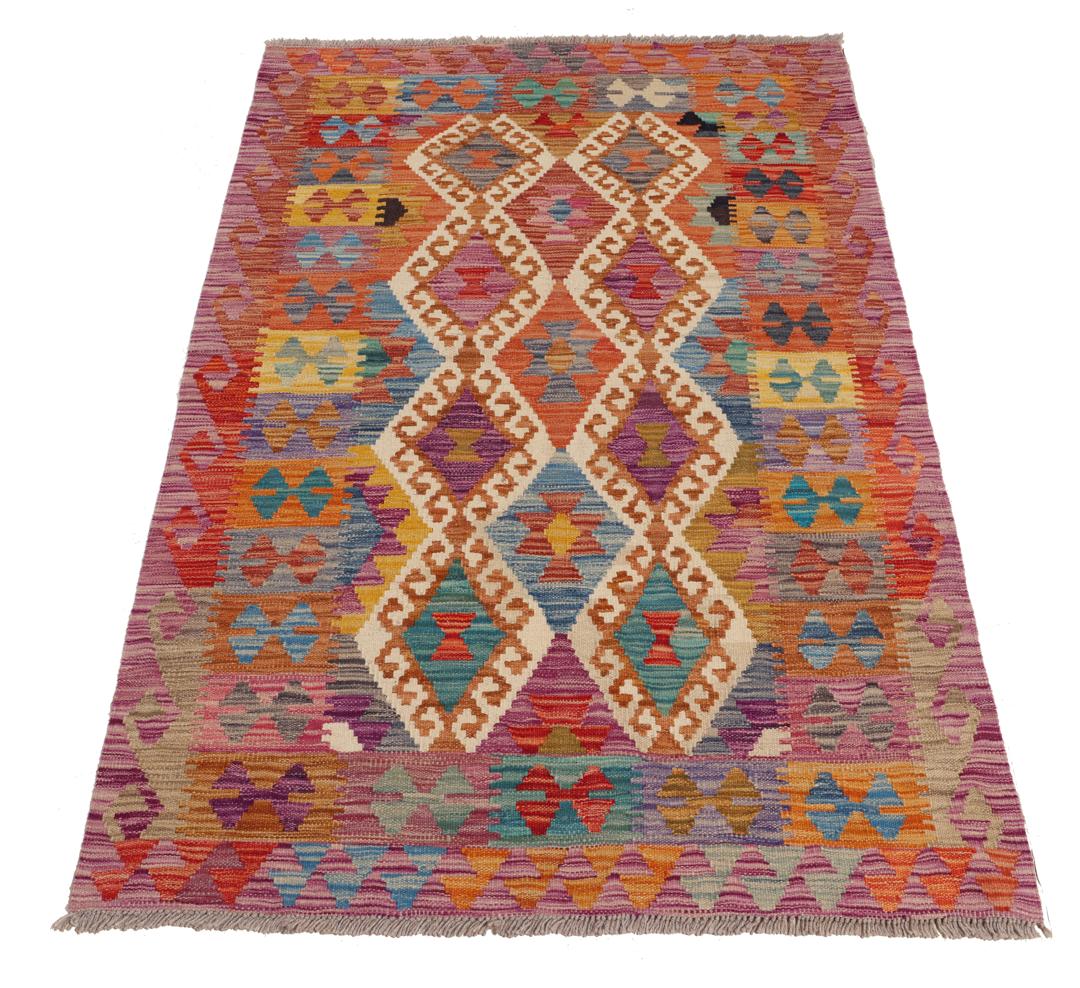
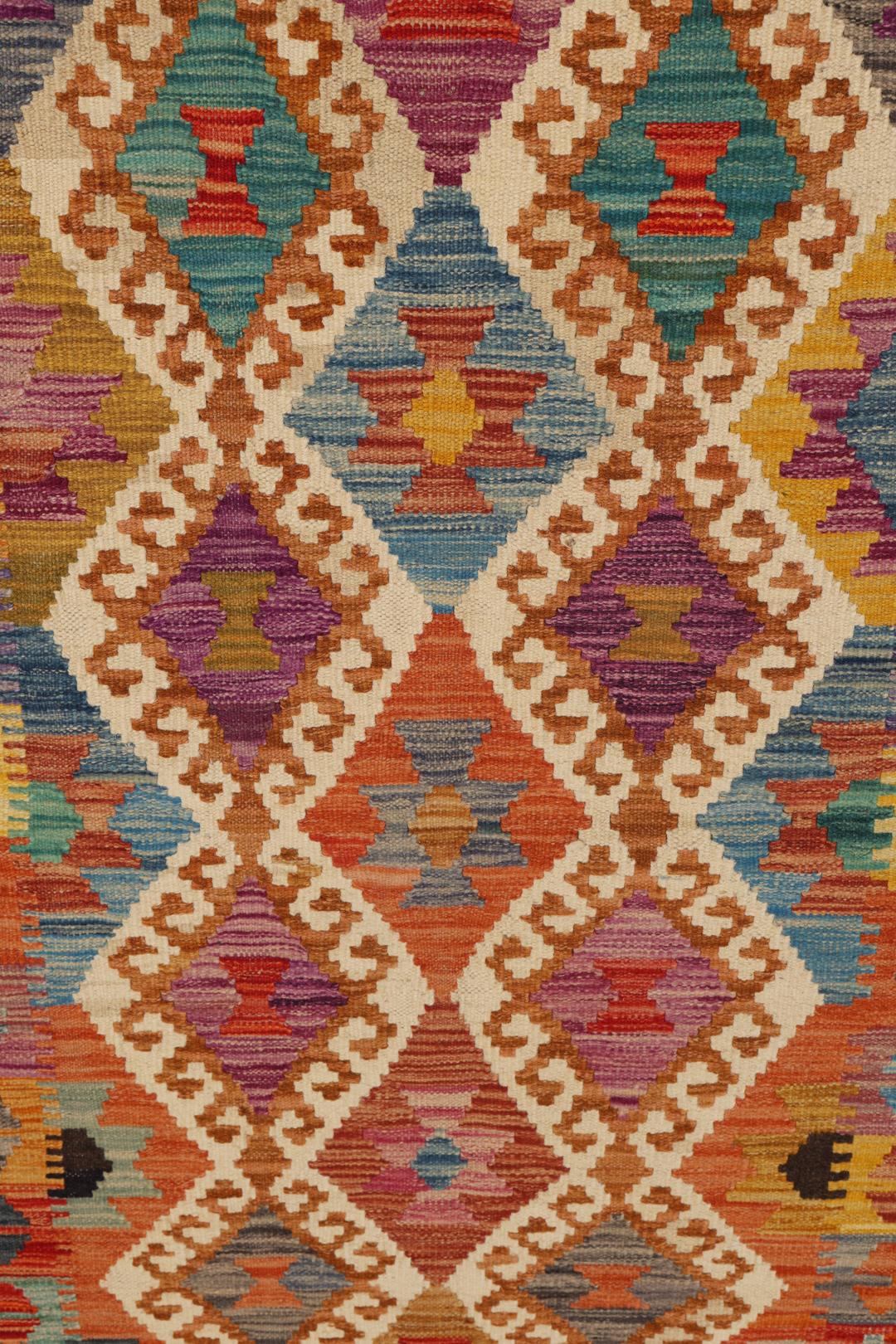
Signature elements of these rugs include bold, geometric motifs such as diamonds, triangles, and stylized floral forms. The patterns often carry symbolic meaning, acting as a visual language that communicates the weaver's heritage and environment. This specific rug features a striking diamond-based composition, showcasing the classic Afghan preference for strong, balanced geometry and a rich, evocative colour palette.
Collecting a Kelim is an investment in cultural heritage, as each piece serves as a snapshot of the time and place of its creation. These rugs are highly valued for their authenticity and the sheer human effort required to create them. Owning one is an opportunity to preserve a living craft tradition, ensuring that the skill of the weaver continues to be celebrated and appreciated in modern homes.