Kelim rugs have been woven for centuries across the Middle East and Central Asia, serving as both functional floor coverings and essential household textiles. These rugs are traditionally created by nomadic and semi-nomadic tribes, who developed unique design vocabularies that reflected their environment and cultural identity. The Afghan tradition, in particular, is celebrated for its bold use of colour and geometric precision, which has evolved over generations to become a globally recognised craft.
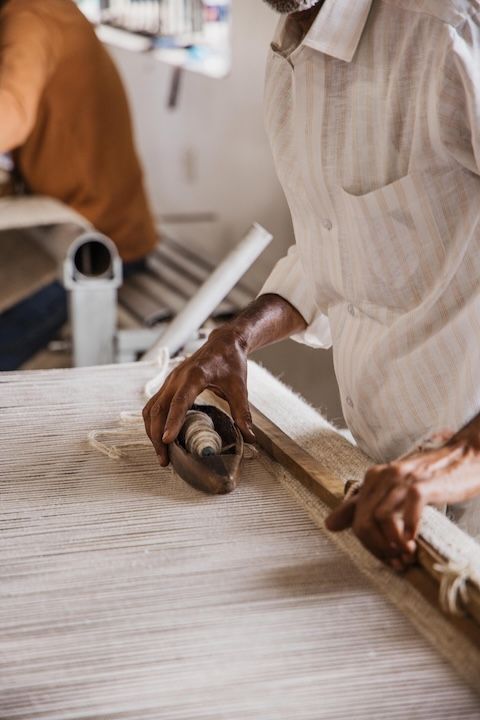
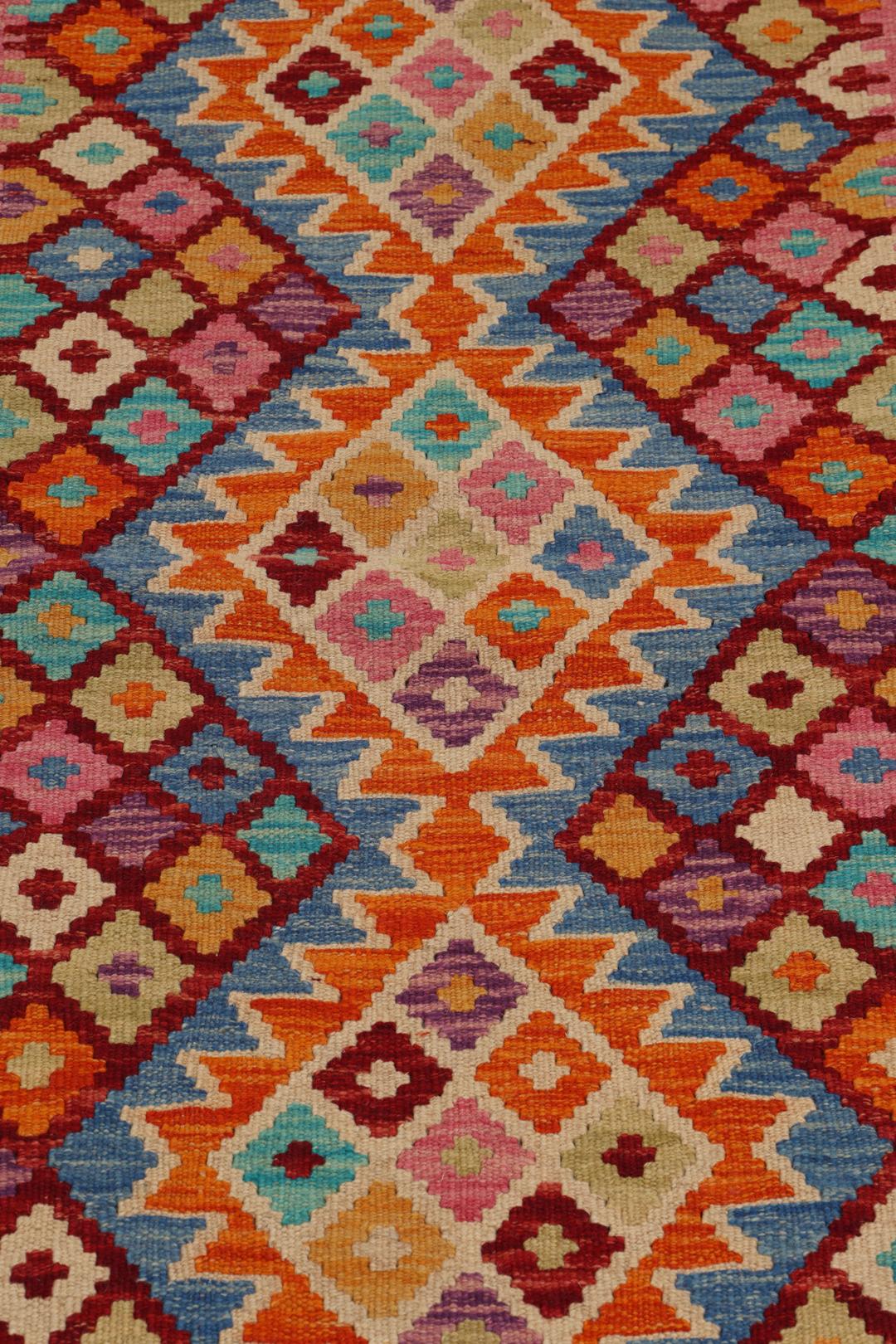
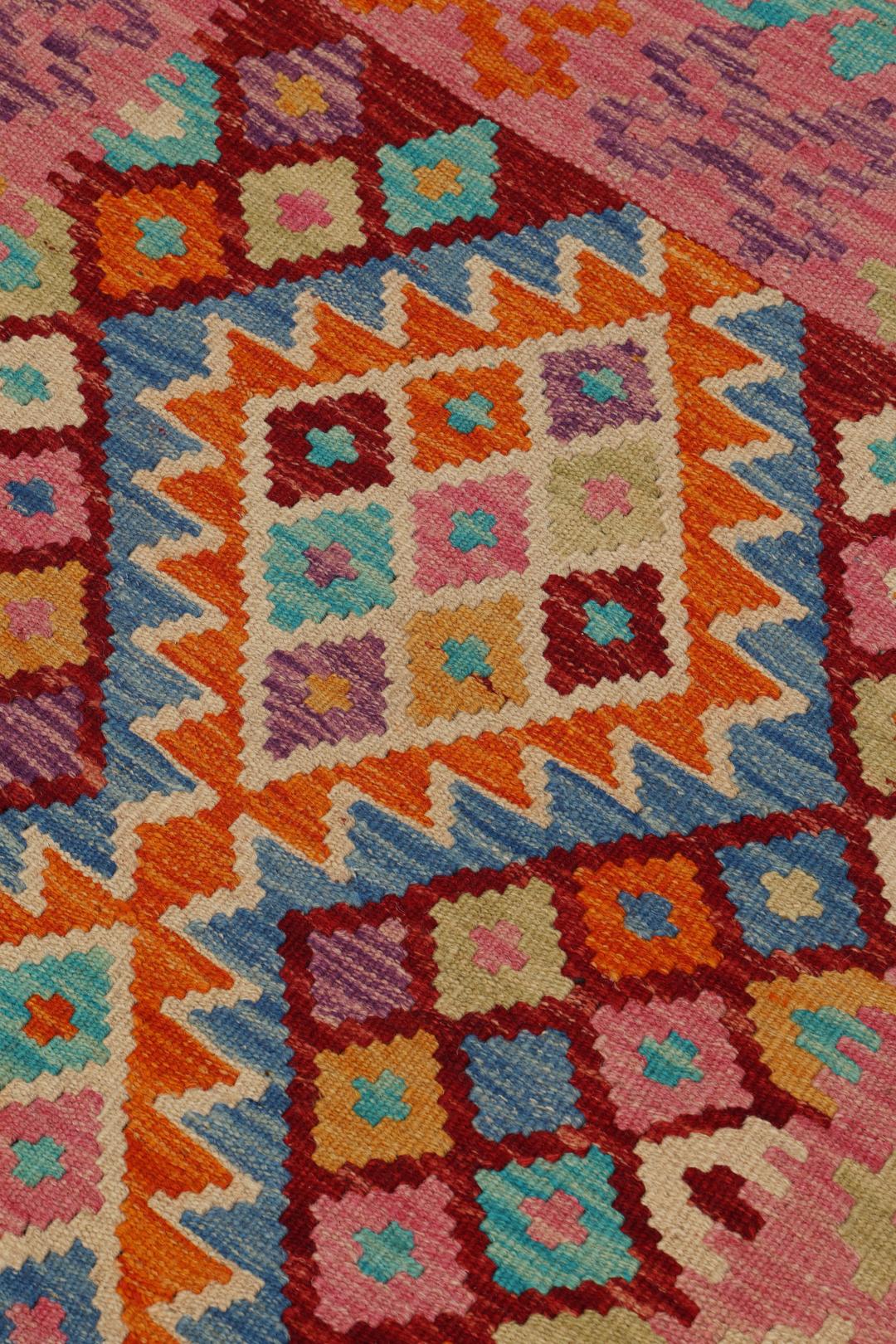
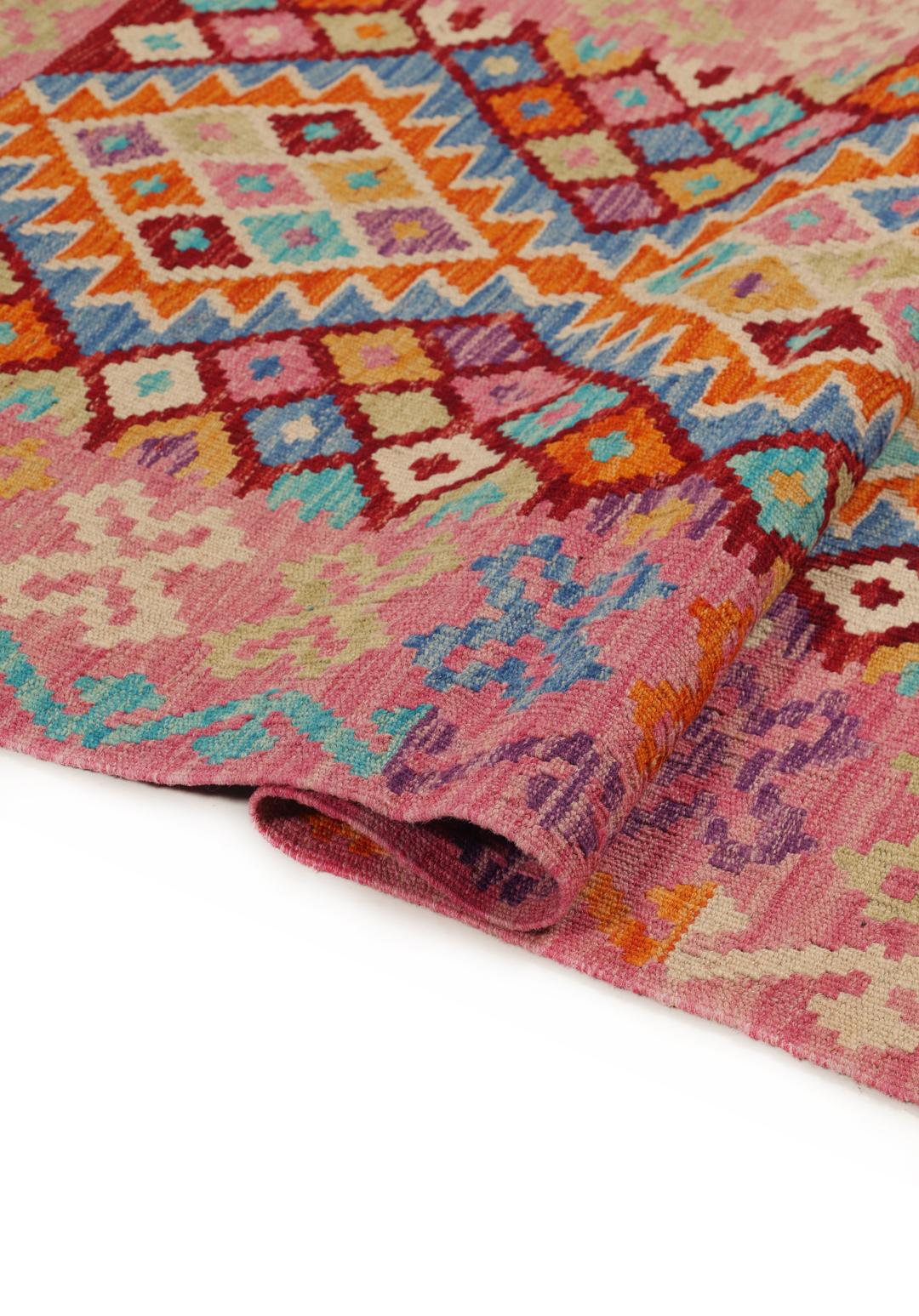
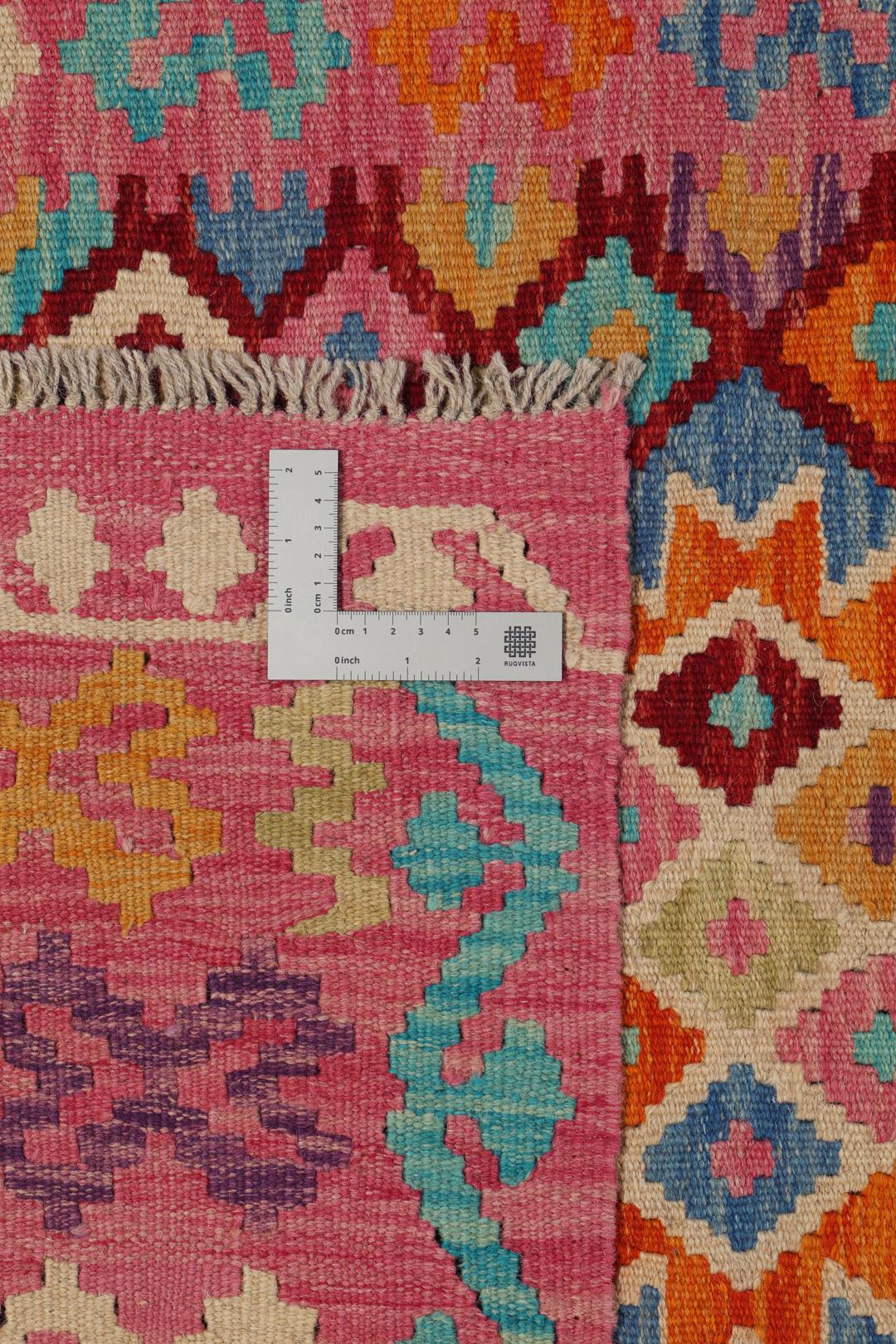
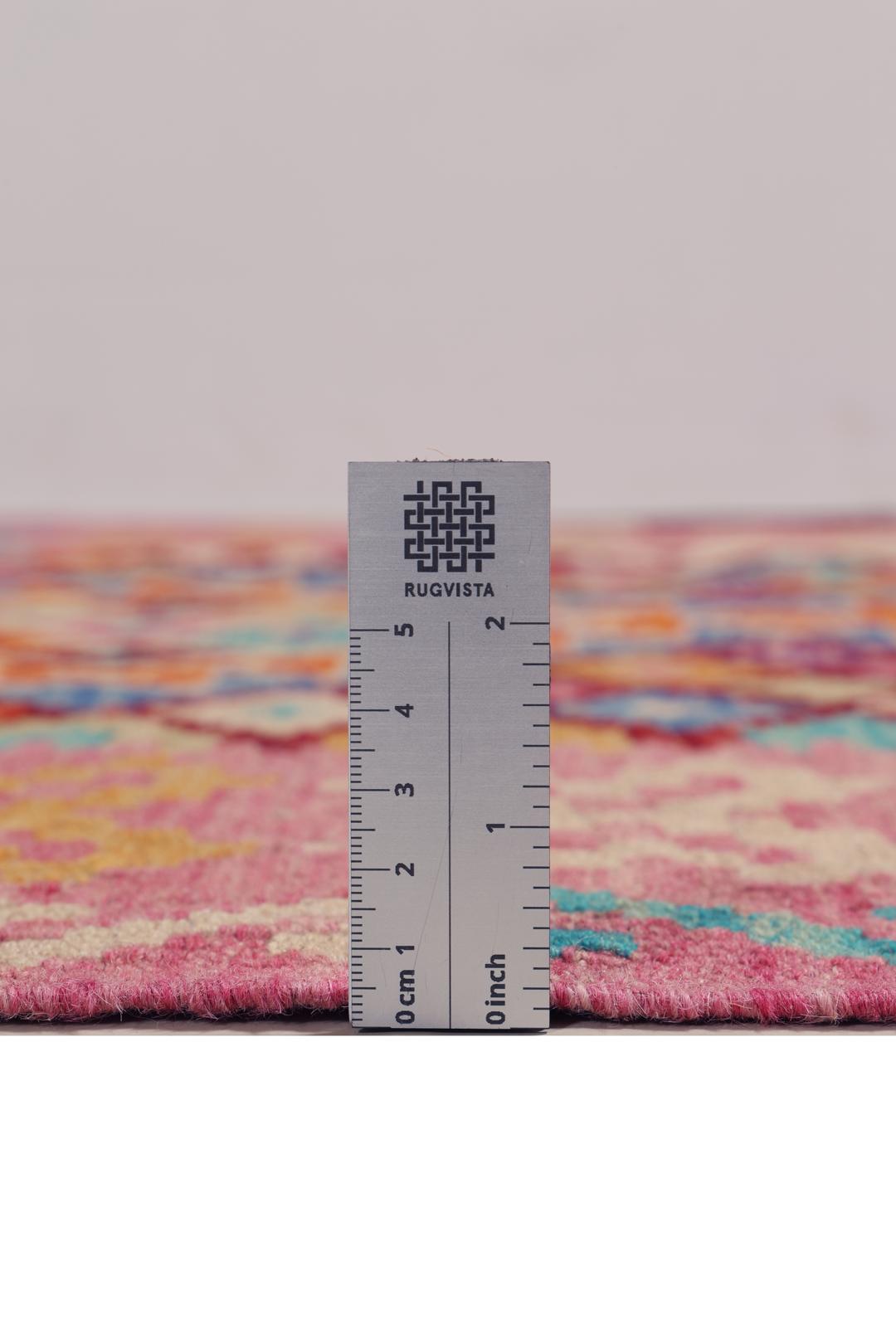
The term 'Kelim' refers specifically to the flat-weaving technique used to create these rugs. Unlike pile rugs, Kelims are made by tightly interlacing the warp and weft strands, resulting in a smooth, reversible surface that is both lightweight and incredibly durable. This technique allows for the creation of sharp, clean geometric lines, which is why these pieces are so highly regarded for their intricate, graphic designs.
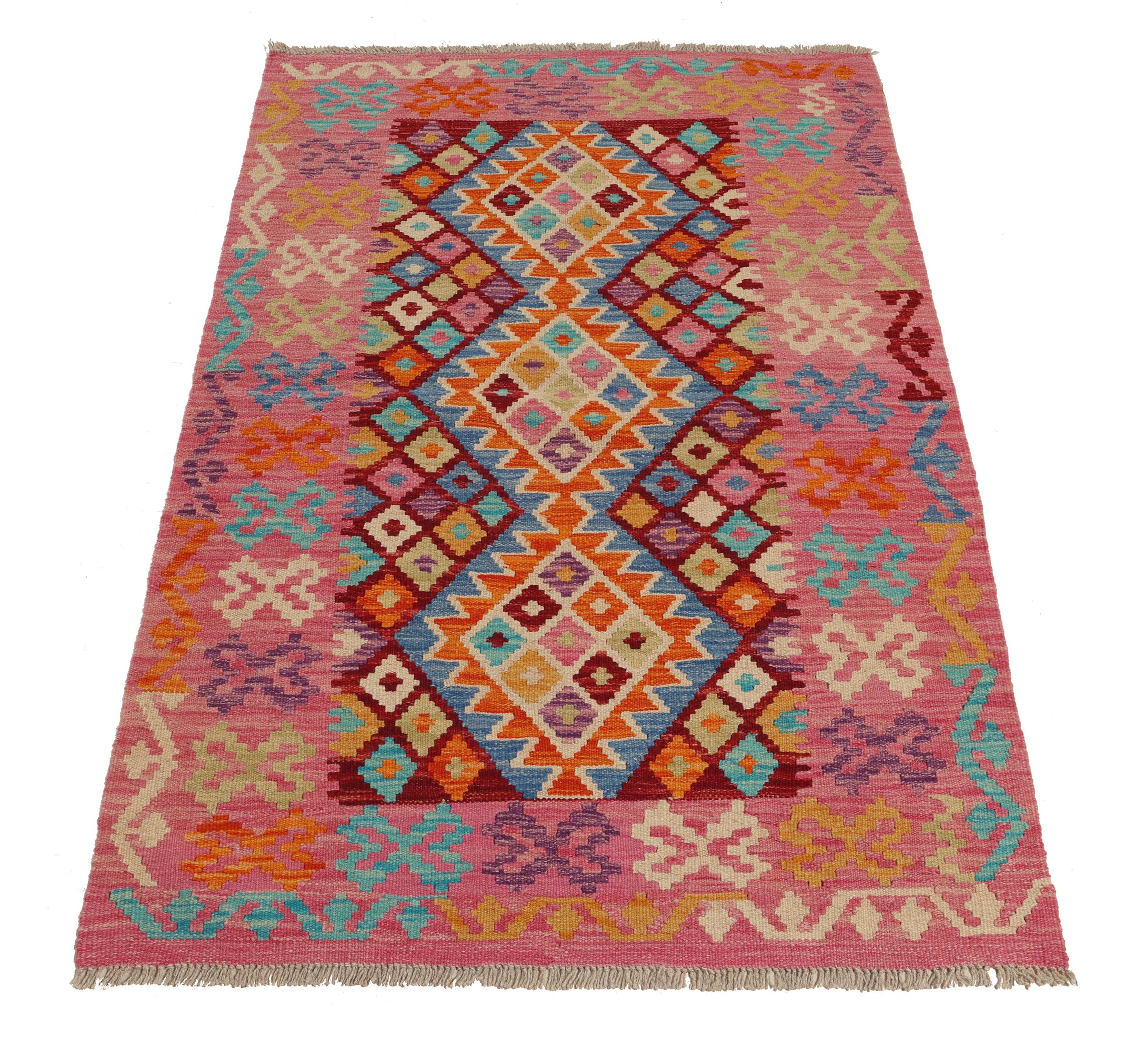
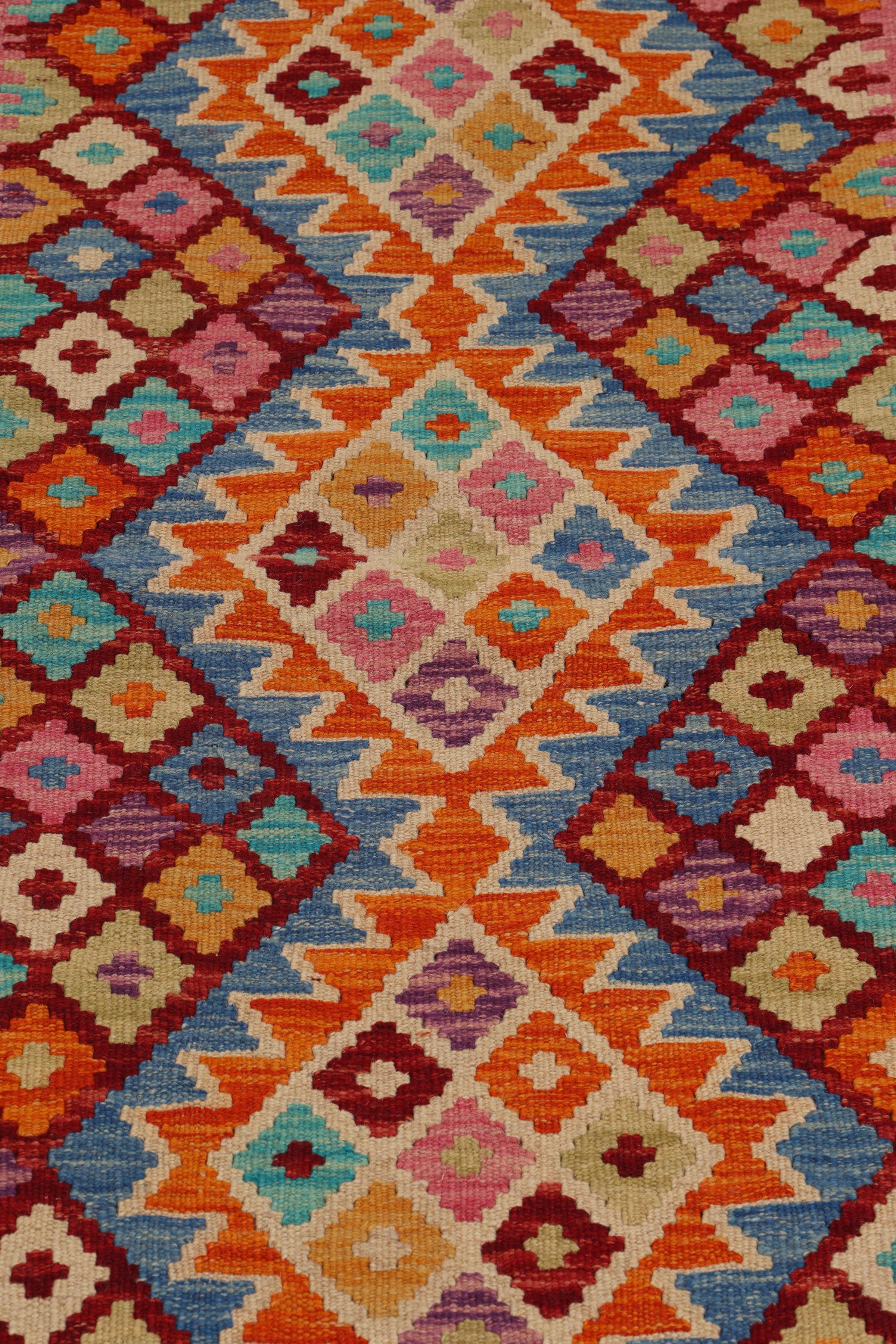
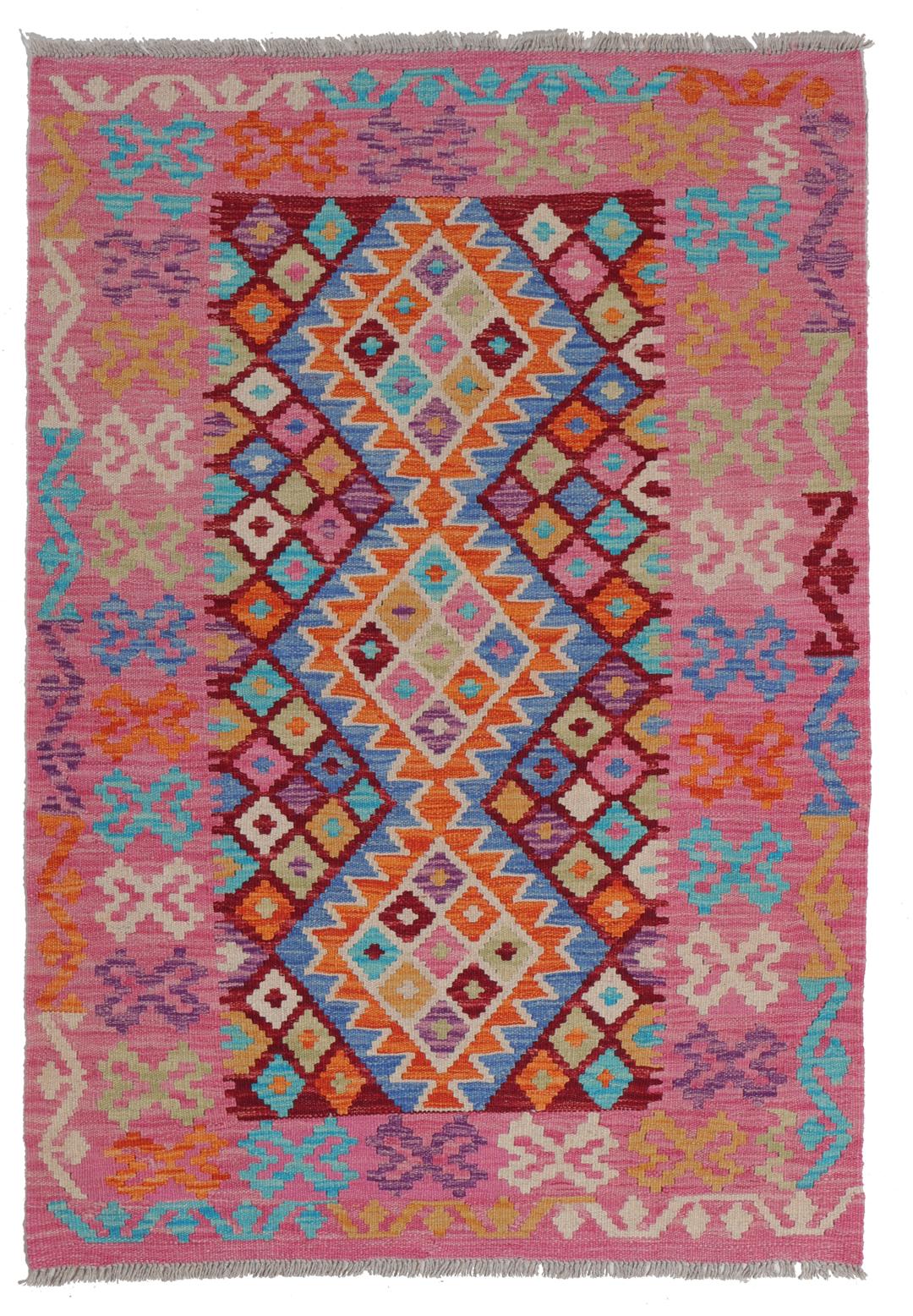
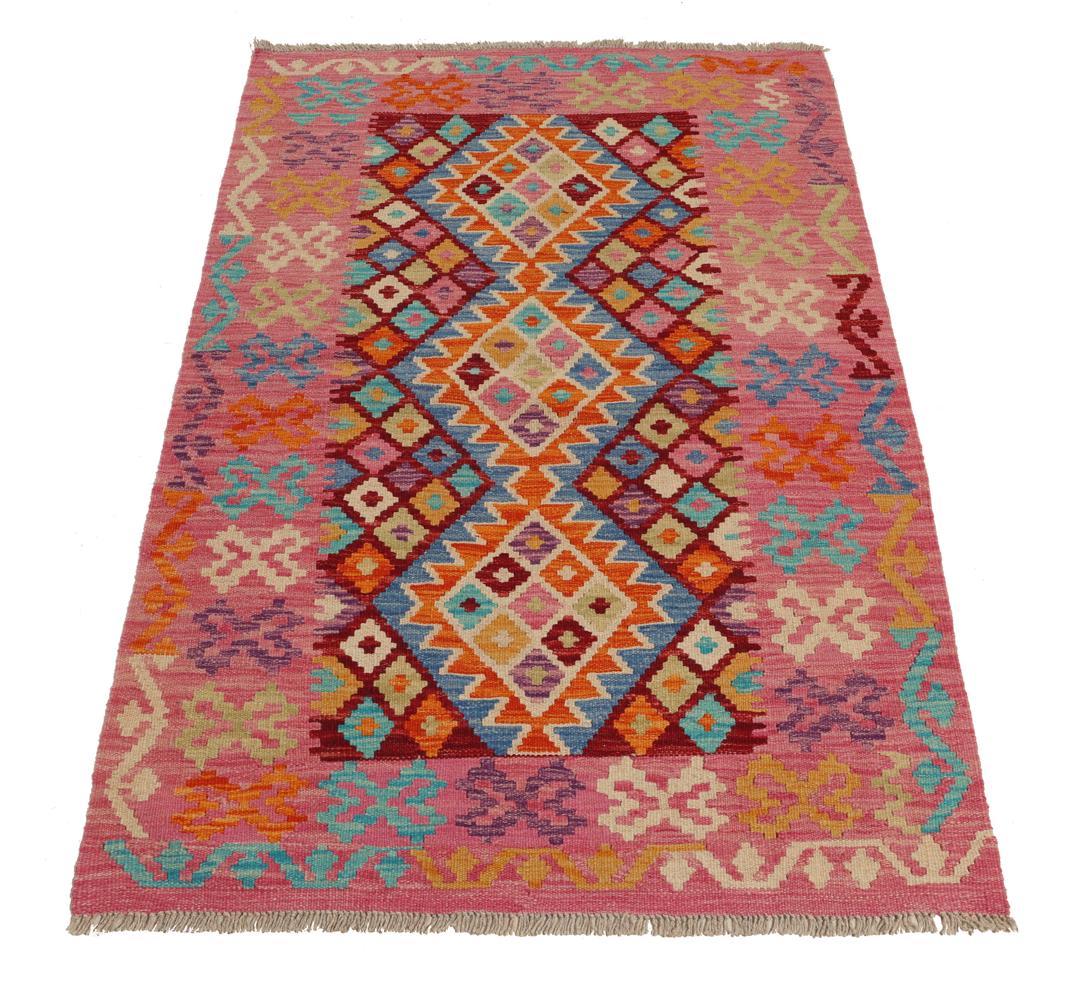
Signature design elements in Afghan Kelims often include stylised medallions, diamonds, and repeating motifs that hold symbolic meaning within their culture. This particular piece features a striking diamond-based composition, showcasing how artisans manipulate colour to create depth and movement within a flat-weave structure. The colour choices are often inspired by natural dyes, leading to the rich, earthy, and vibrant tones that define this classic aesthetic.
Collecting these rugs means acquiring a piece of living history. They are valued not only for their beauty but for the immense skill required to weave them without the support of a loom-based pile. By owning this piece, you are helping to preserve a centuries-old craft that continues to be a vital part of the cultural heritage of the region, ensuring that these traditions remain vibrant and relevant for future generations.