Kelim rugs have a storied history rooted in the nomadic cultures of the Middle East and Central Asia. Originally created as functional items for desert life, these rugs were used as floor coverings, wall hangings, and storage bags, designed to be easily transported during the seasonal migrations of tribal groups.
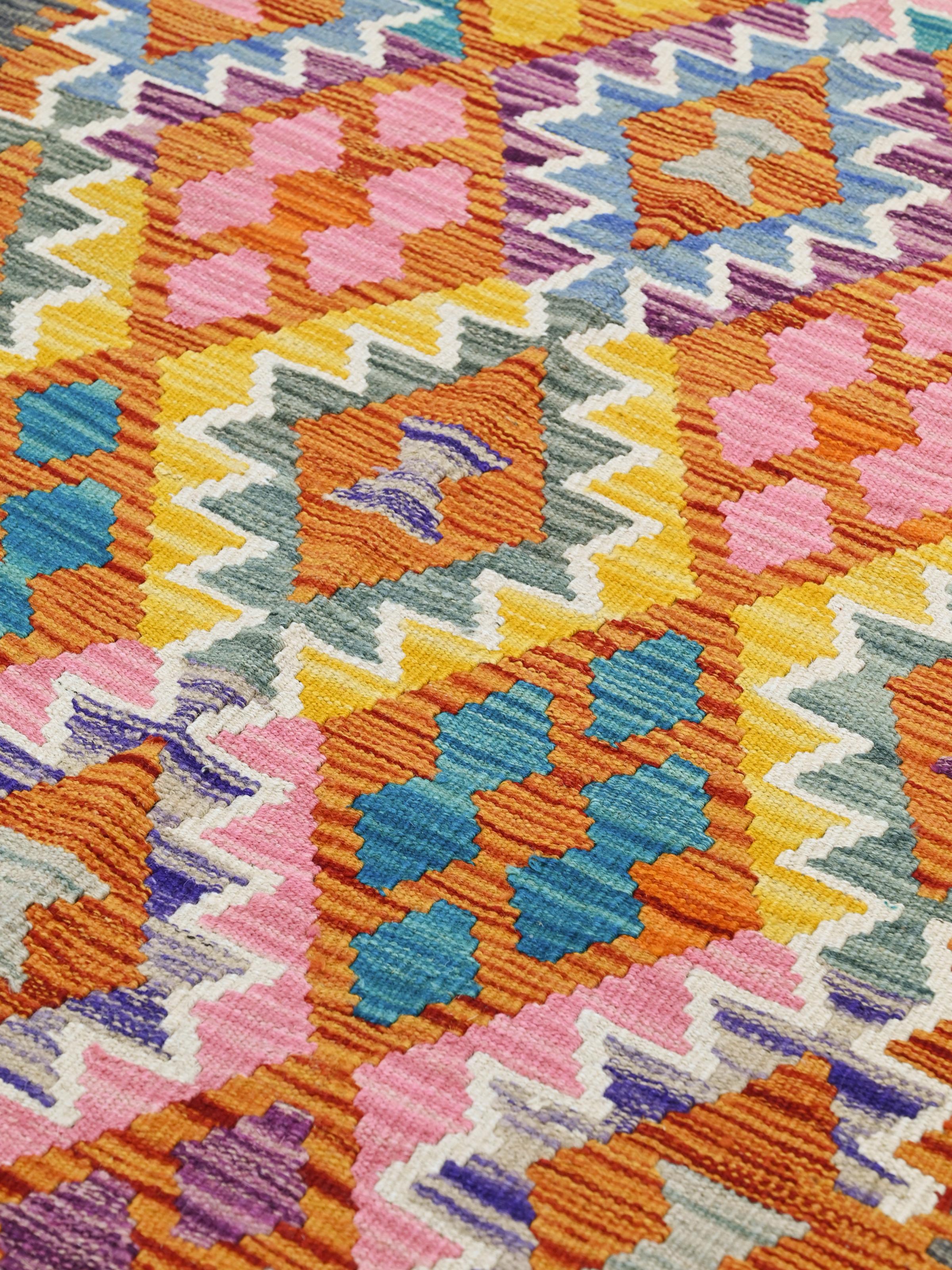
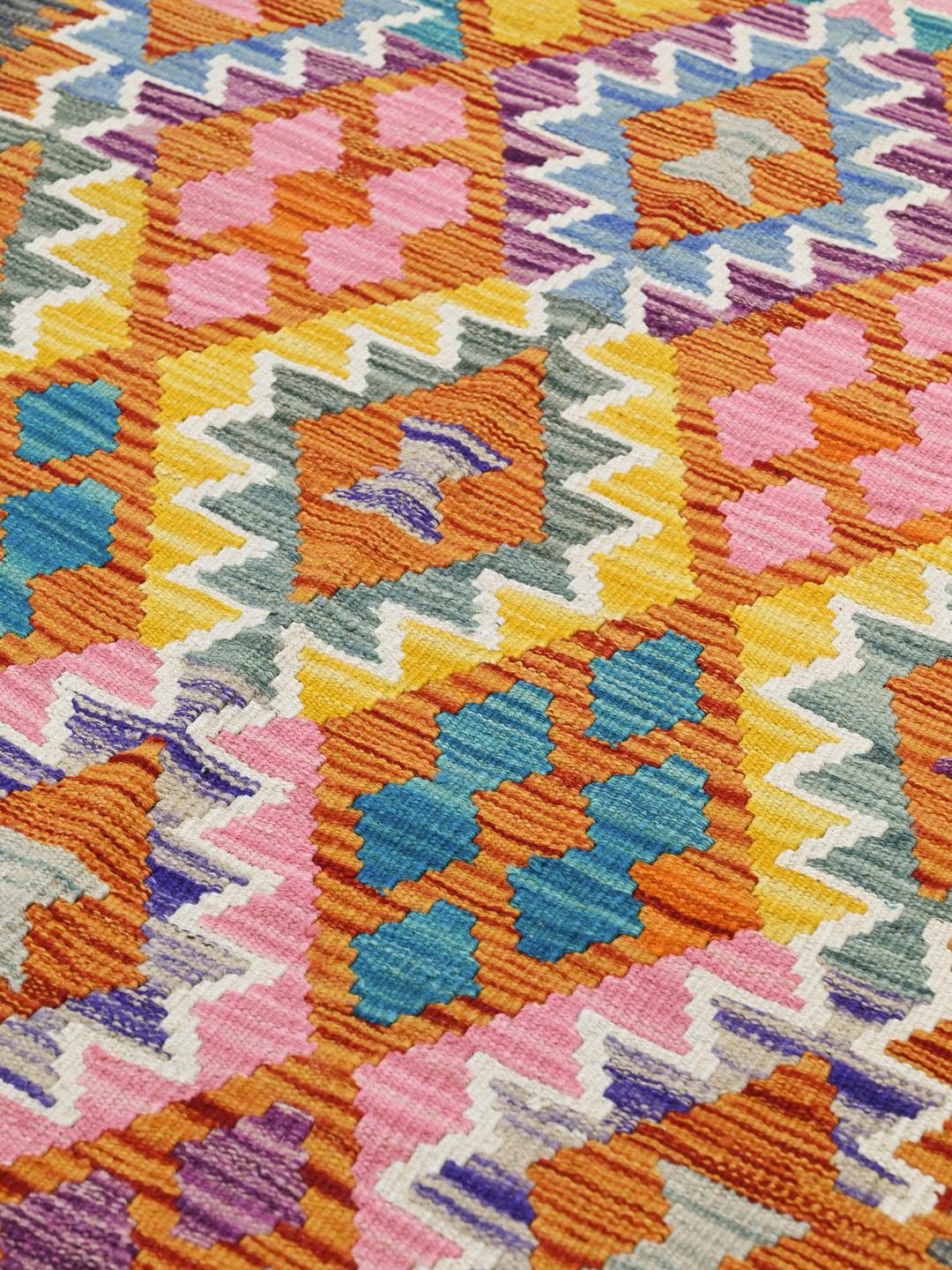
The term 'Kelim' refers to the specific flat-weave technique where the weft strands are pulled tightly down to hide the warp strands, creating a smooth, pile-less surface. This method is what gives these rugs their distinctive, clean look and exceptional durability, as there are no pile fibres to wear down over time.
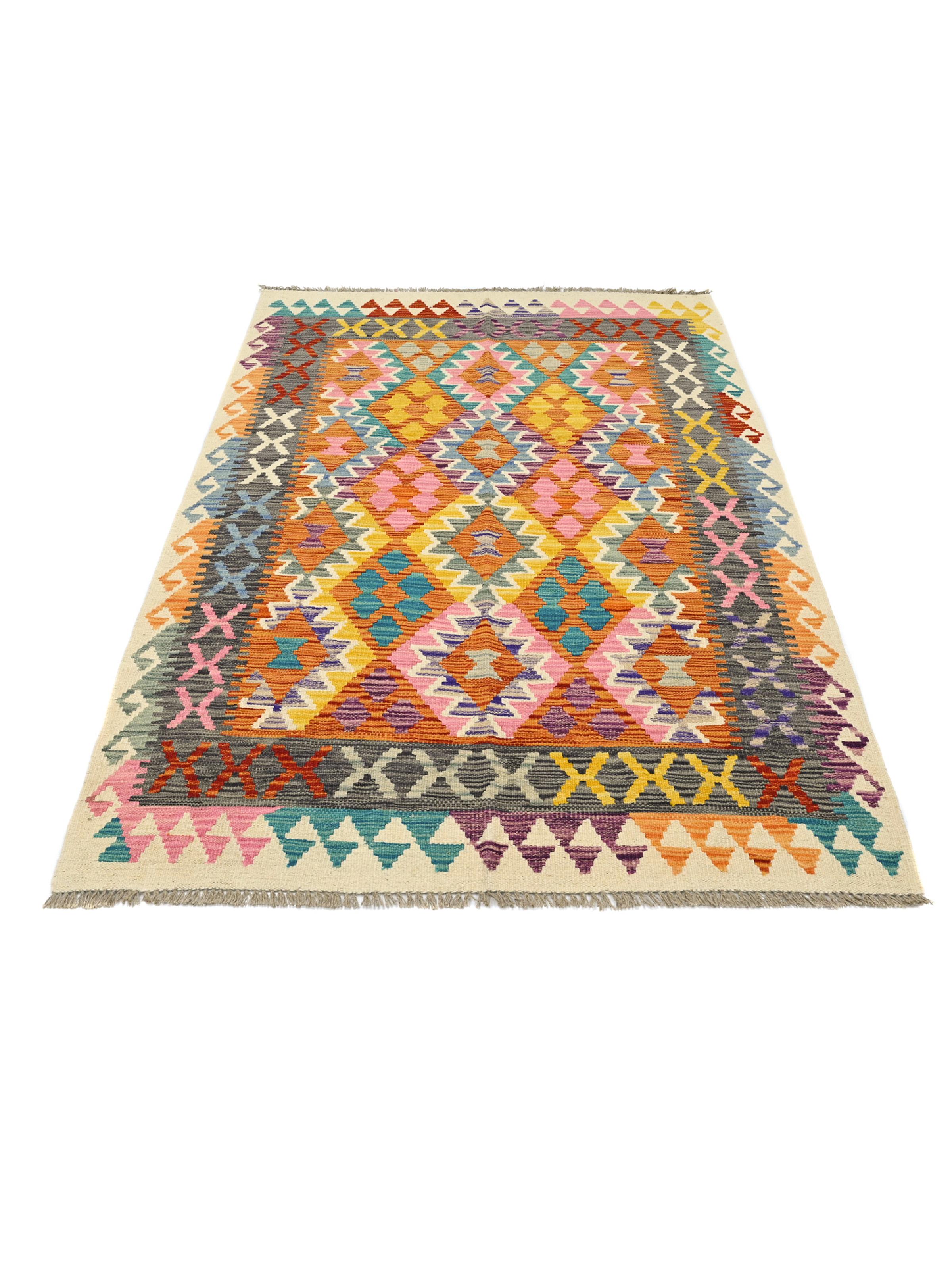
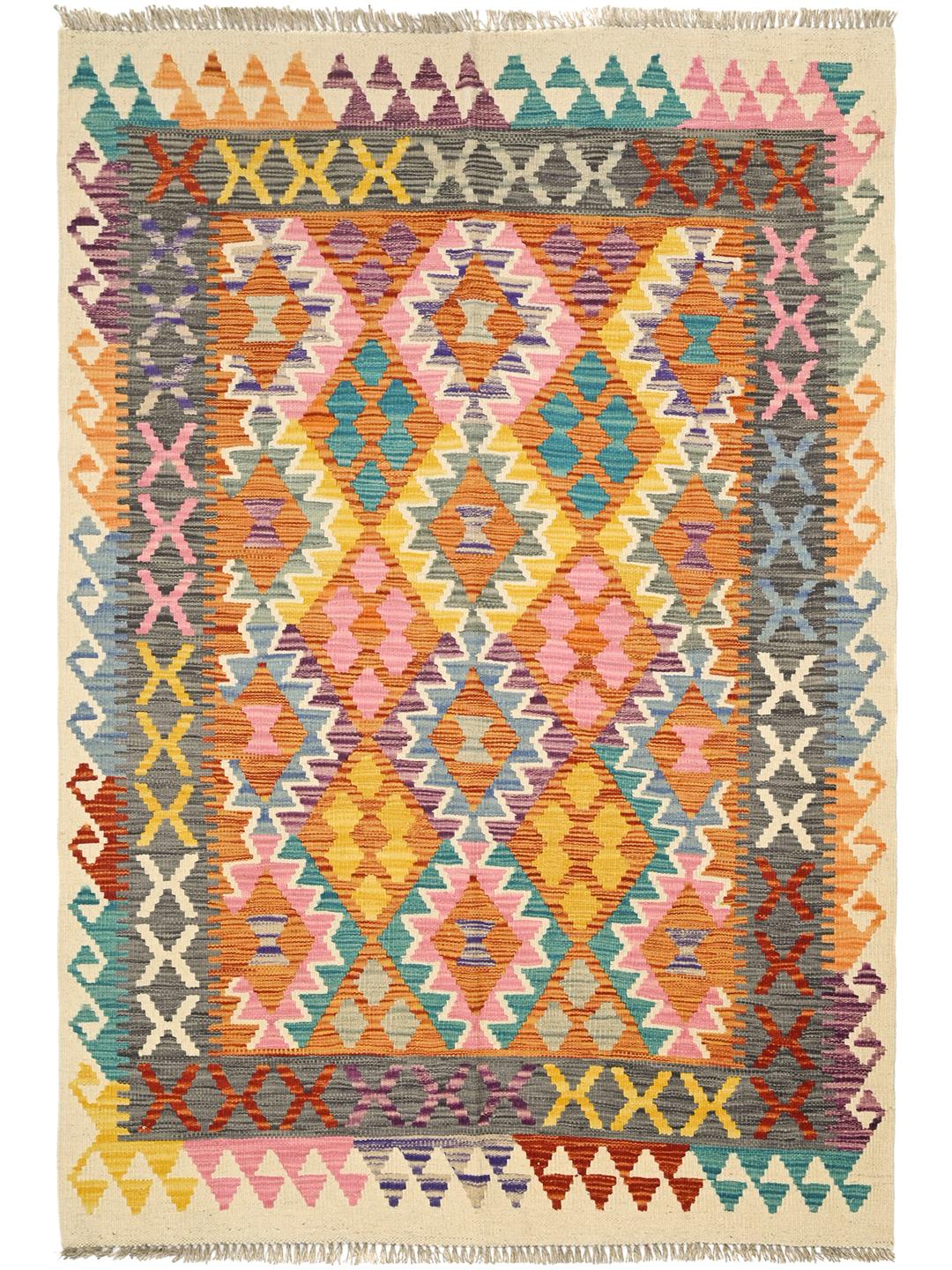
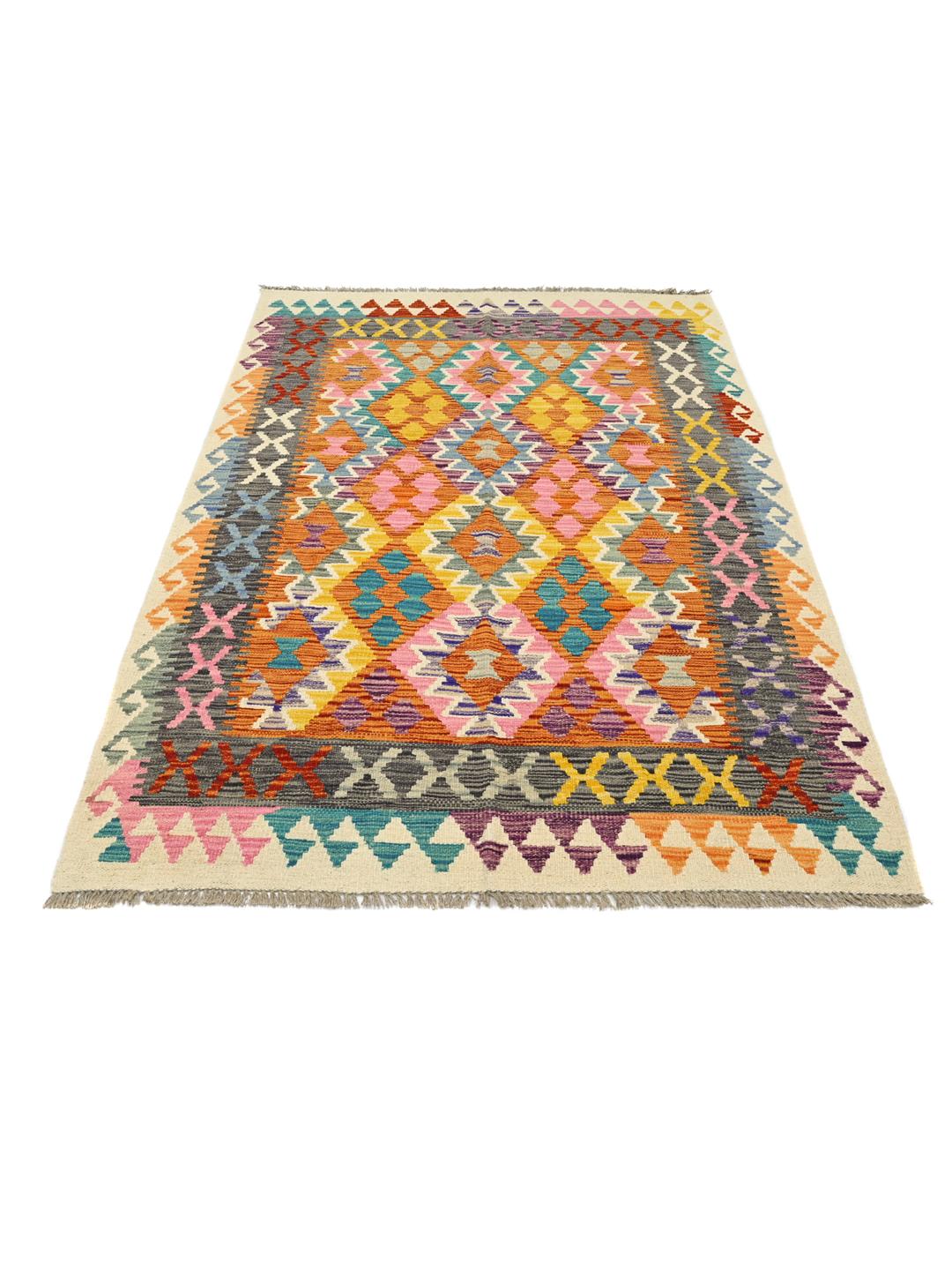
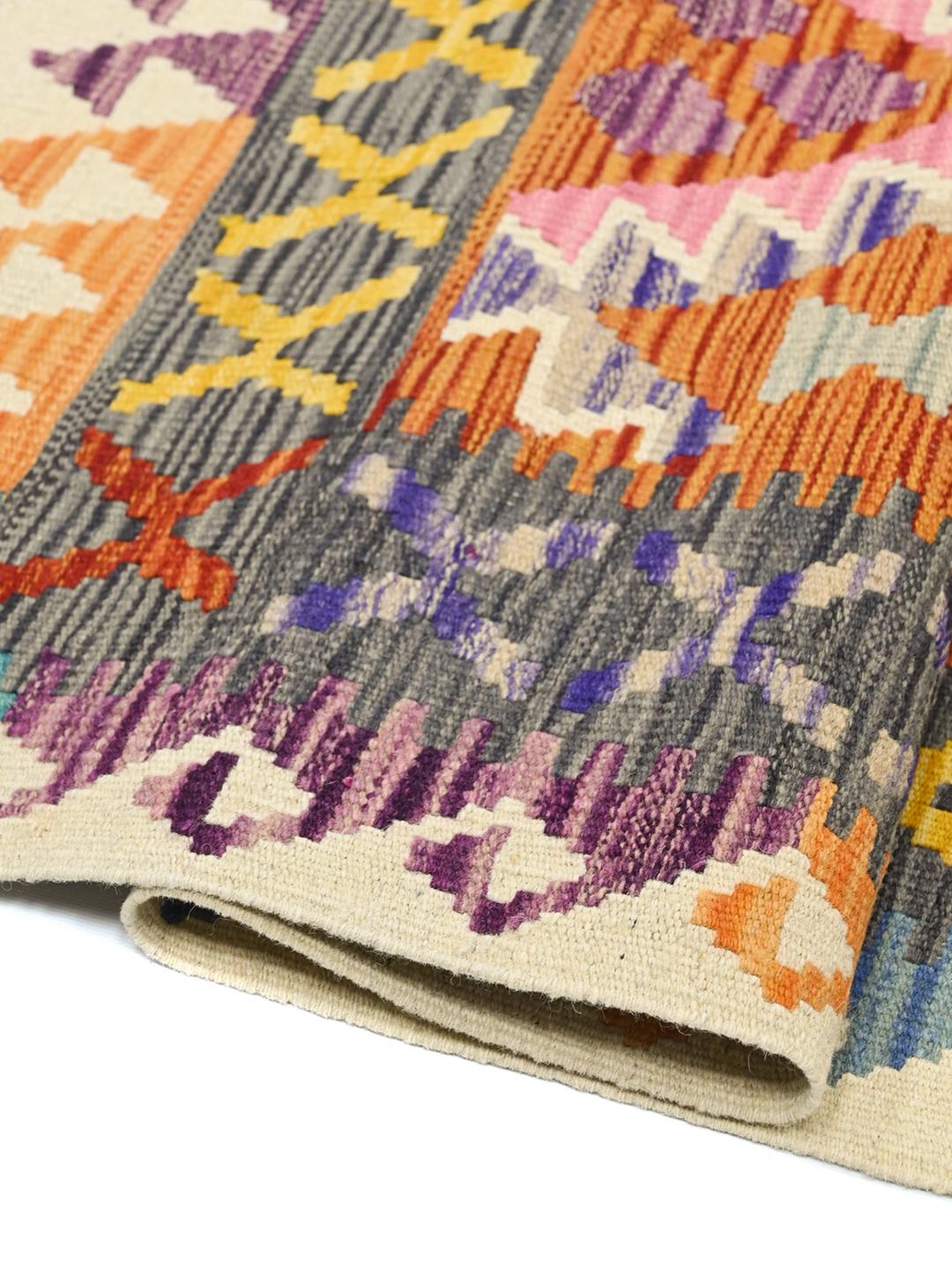
The visual language of Afghan Kelims is defined by bold, geometric motifs. You will often see diamond shapes, triangles, and intricate borders, all rendered in vibrant, earthy tones derived from traditional dyeing methods. These patterns are not merely decorative but are deeply symbolic, often reflecting the history, identity, and aspirations of the weaving community.
Collecting a Kelim is an investment in cultural heritage. These rugs are highly valued for their authenticity and the incredible skill required to maintain such precise patterns without the aid of modern technology. By bringing one into your home, you are connecting with a living tradition that celebrates human creativity and the enduring beauty of hand-crafted art.