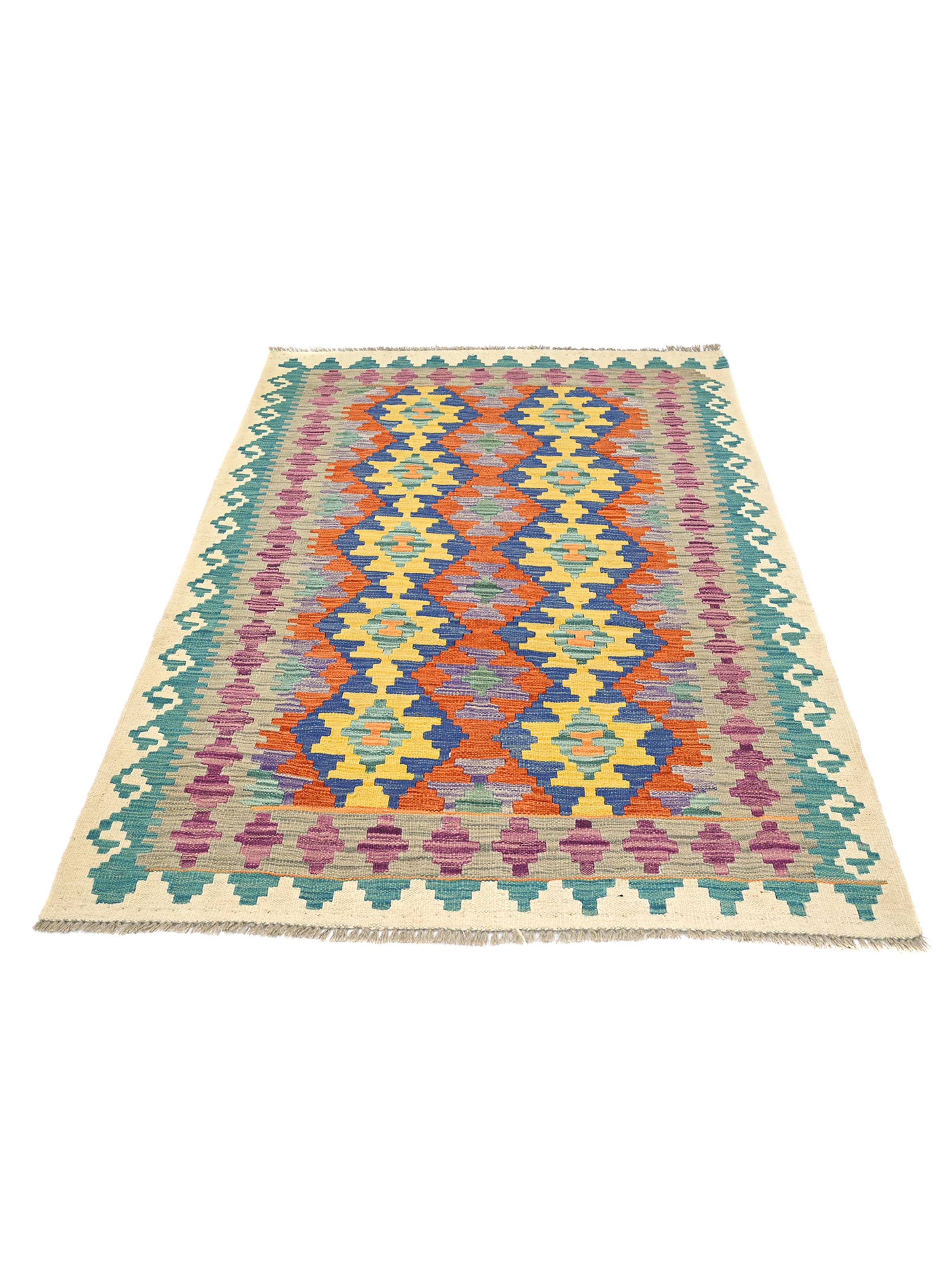
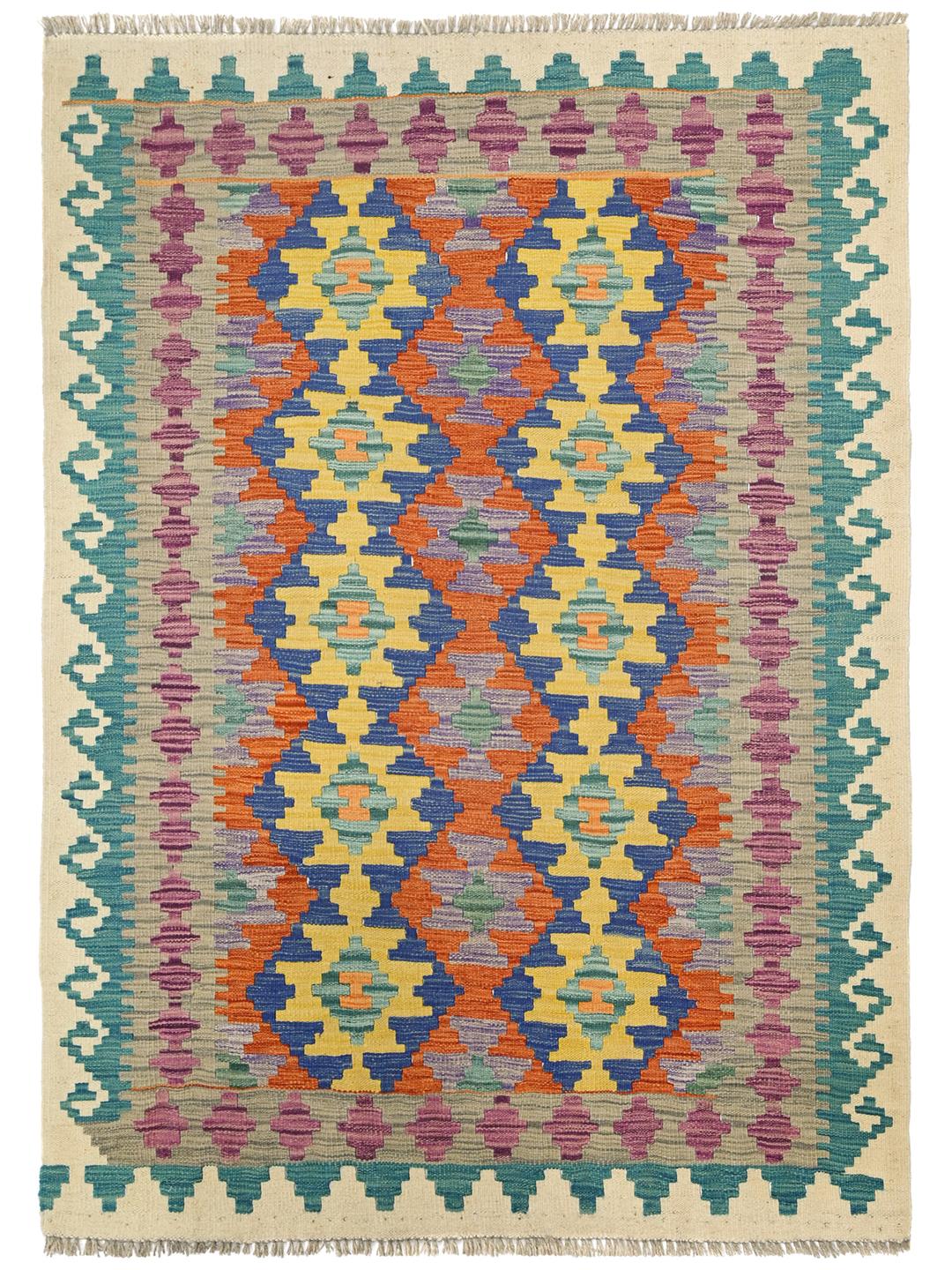
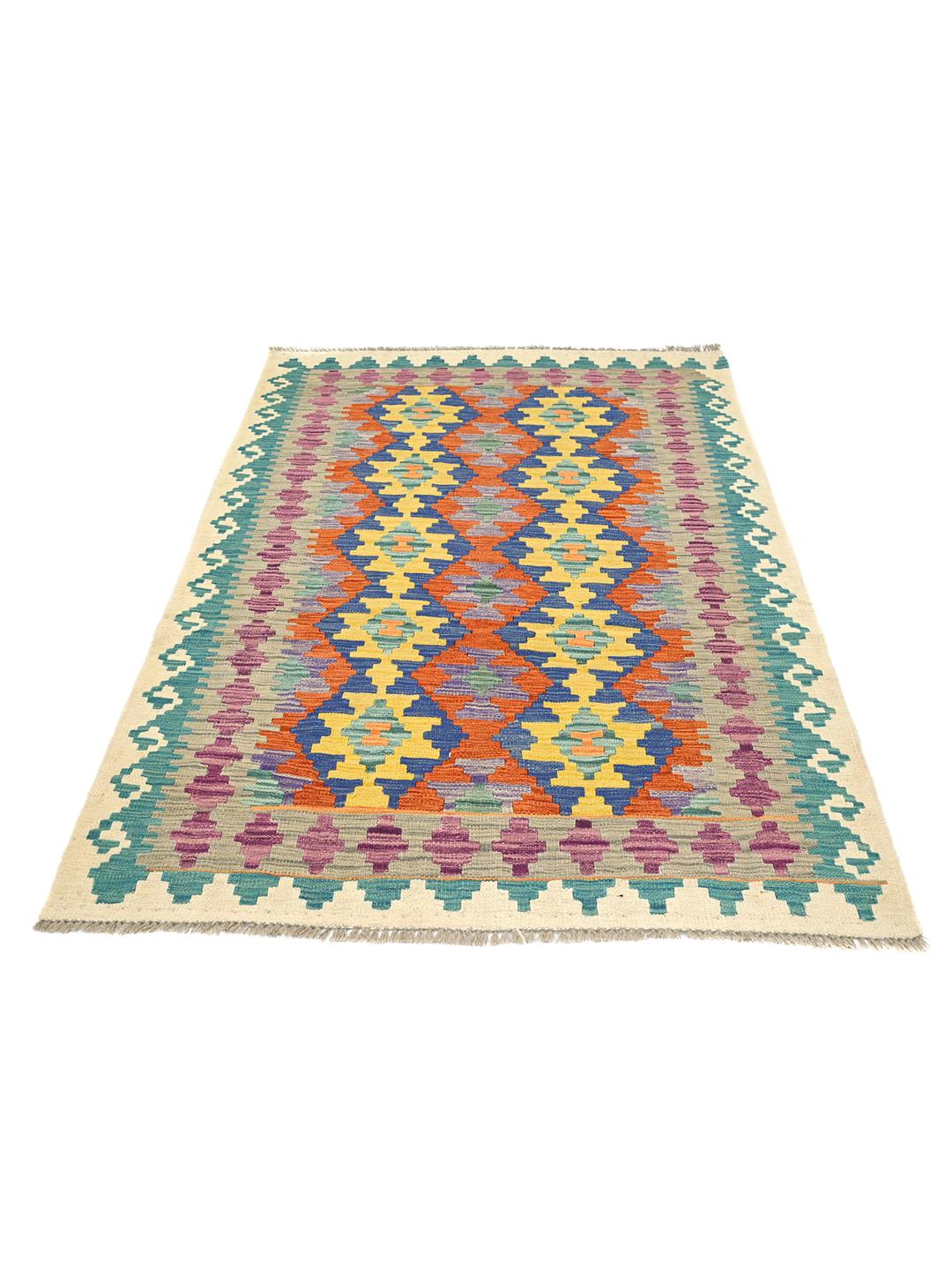
The Kelim Afghan Old Style tradition is deeply rooted in the nomadic and semi-nomadic cultures of the Middle East. These rugs have been woven for centuries, serving both functional purposes in tents and homes and as expressions of cultural identity. The craft has evolved over generations, blending ancient regional techniques with a design language that is instantly recognisable for its boldness and clarity.
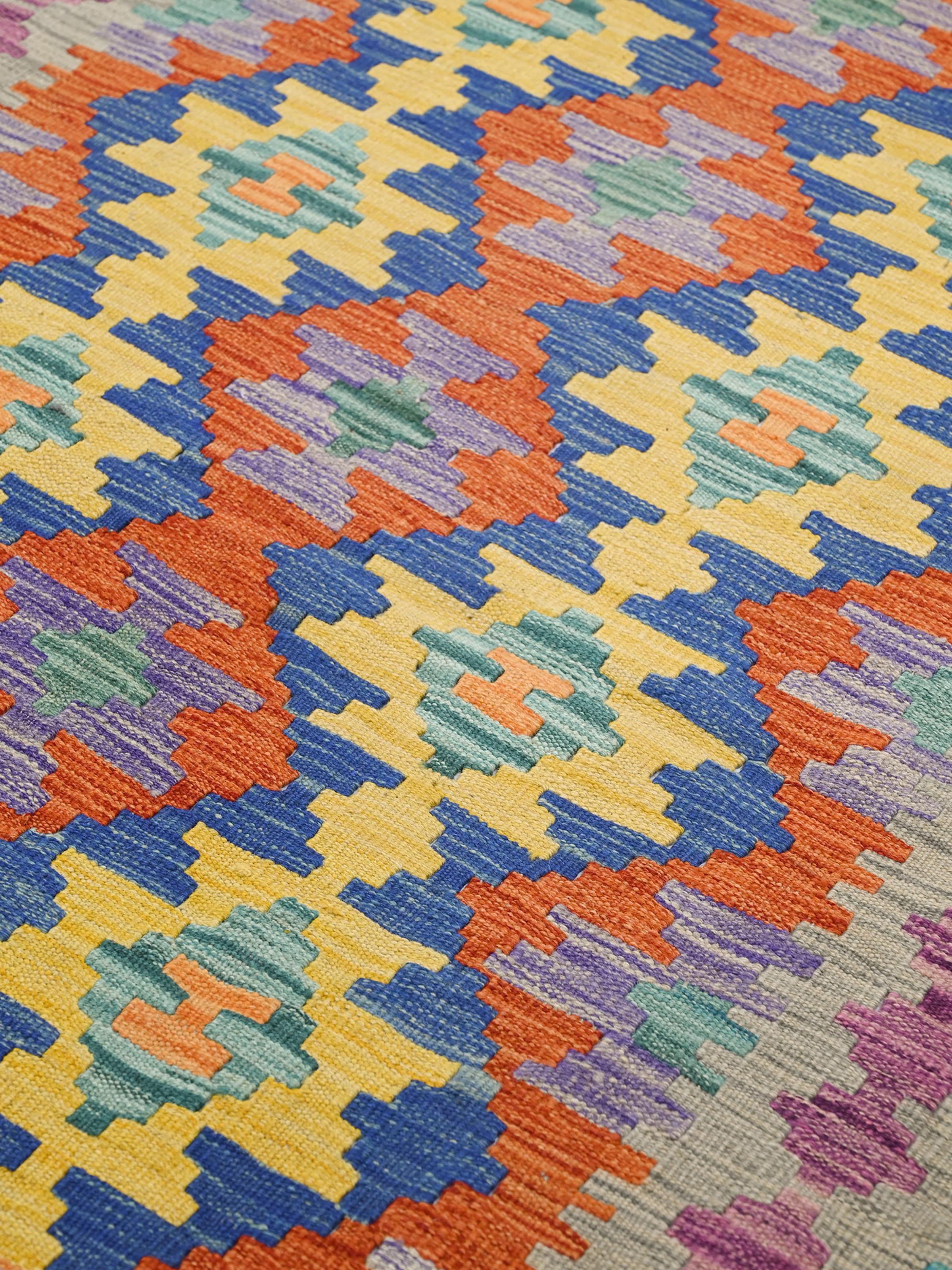
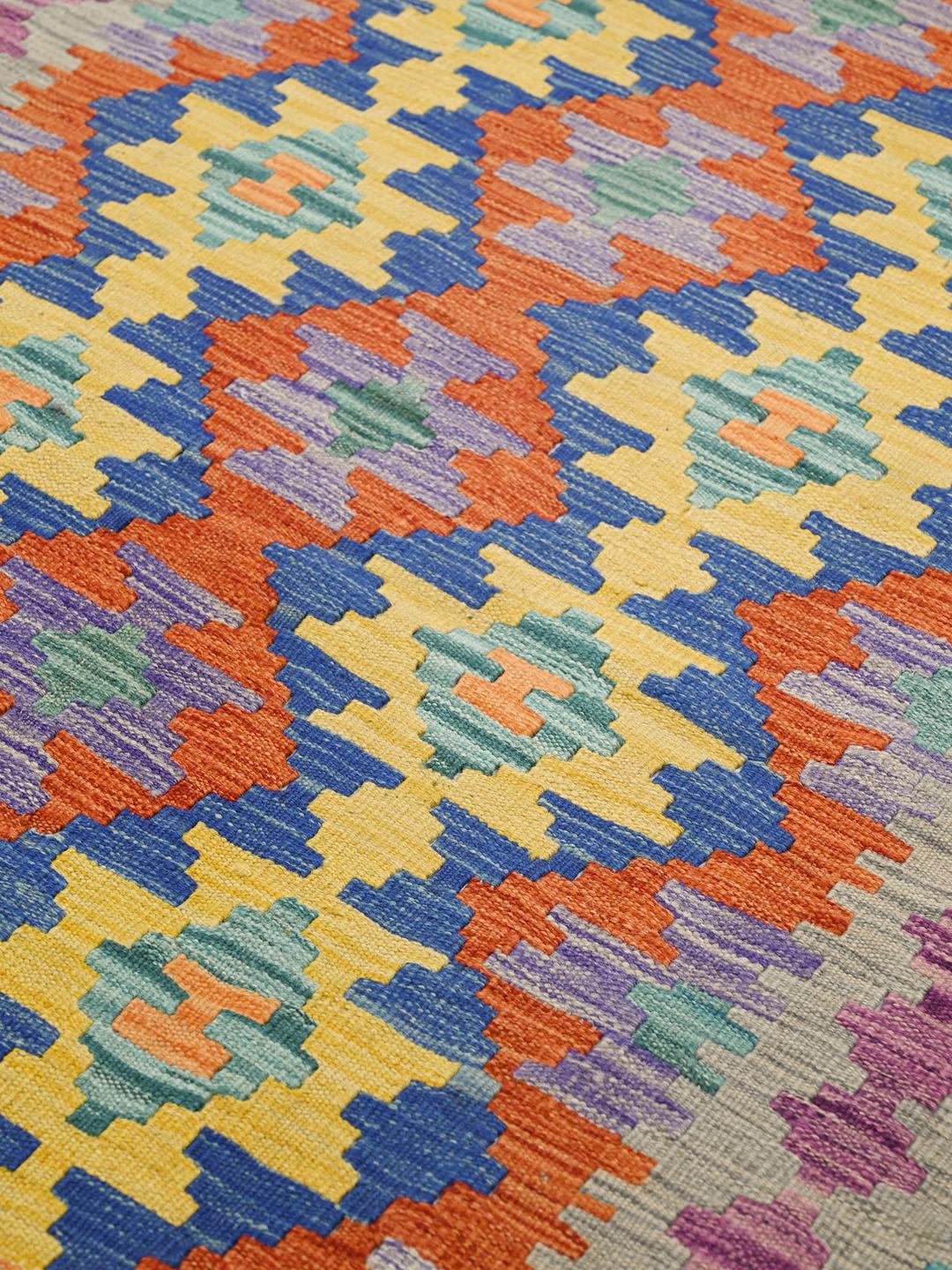
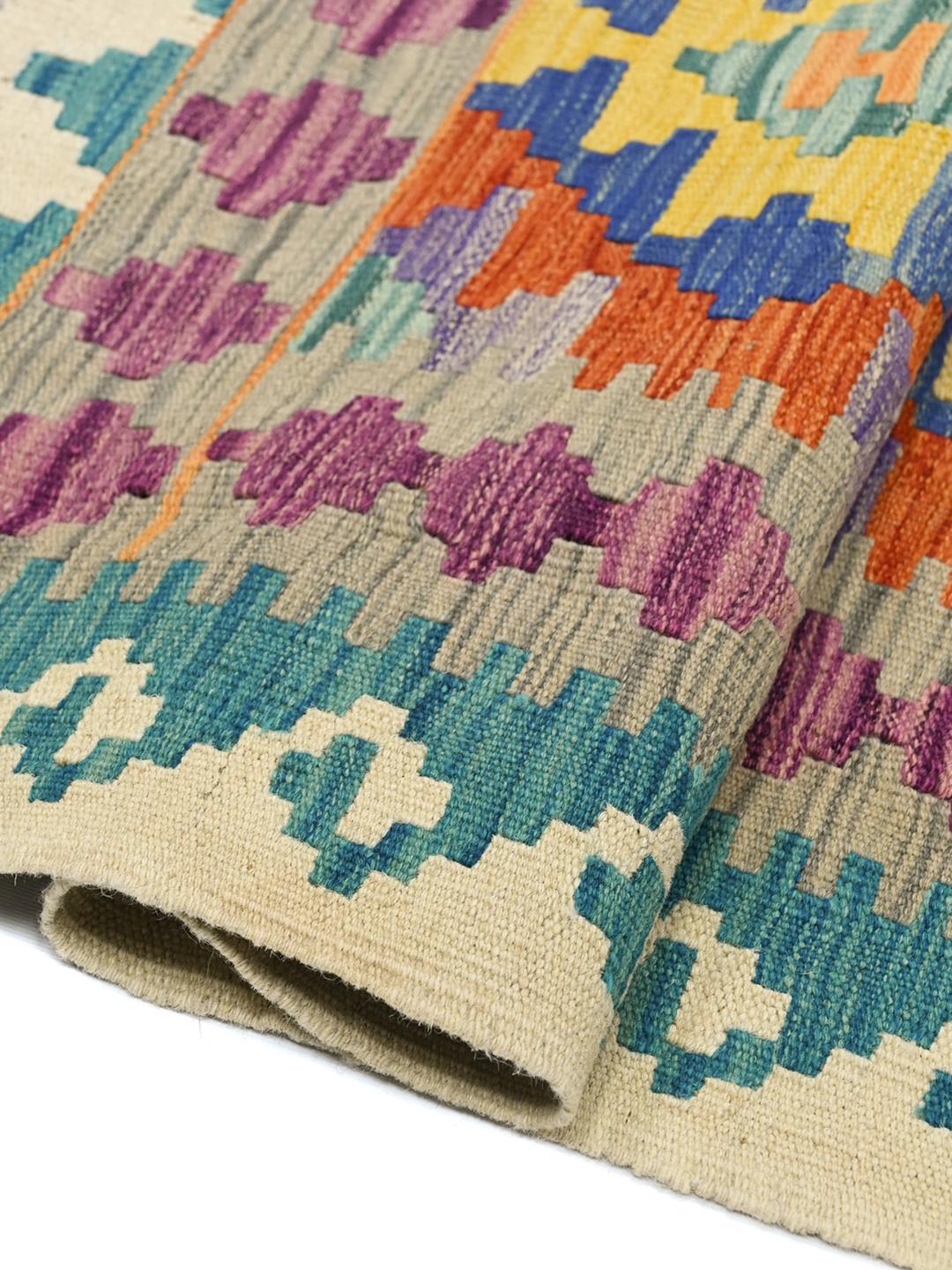
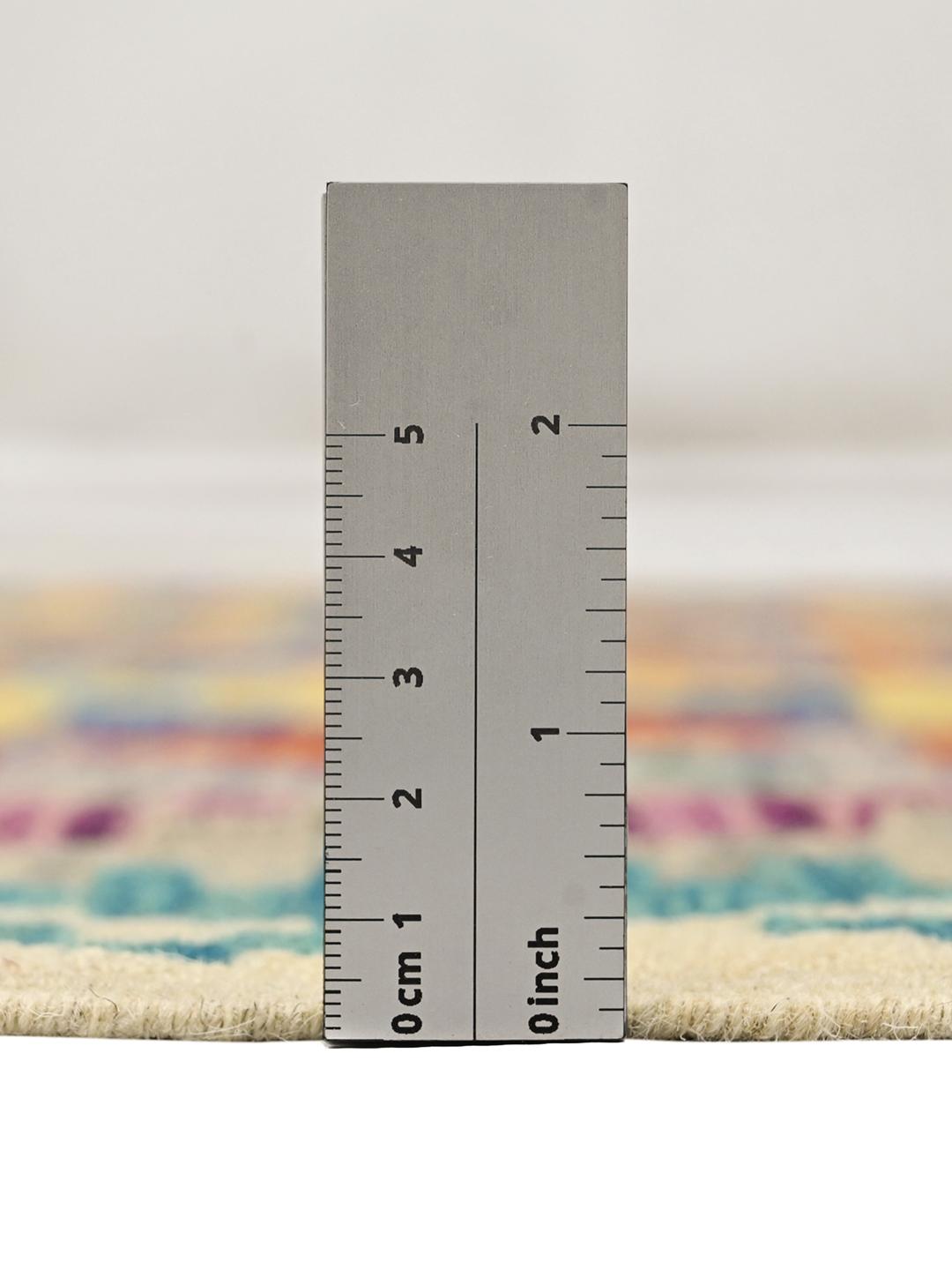
A kelim is a flat-woven rug, meaning it lacks a raised pile. This construction is achieved by tightly interlocking the weft and warp threads, a method that results in a lightweight yet exceptionally durable textile. The absence of pile allows for intricate geometric designs and vibrant colour blocks, as the pattern is built directly into the structure of the weave rather than being knotted into a foundation.
The signature design elements of these rugs include bold geometric shapes, often featuring diamonds, triangles, and stylised floral motifs arranged in repeating patterns. The borders are typically decorative, framing the central field with precise, rhythmic designs. The use of vibrant, saturated colours is a hallmark of the style, often derived from natural dyes that age beautifully over time.
Owning a piece from this tradition is an opportunity to connect with a rich heritage of textile artistry. These rugs are highly valued by collectors for their authenticity and the skill required to produce them. Each rug tells a story of its maker and the region, making it a meaningful addition to any home that values lasting quality and cultural significance.