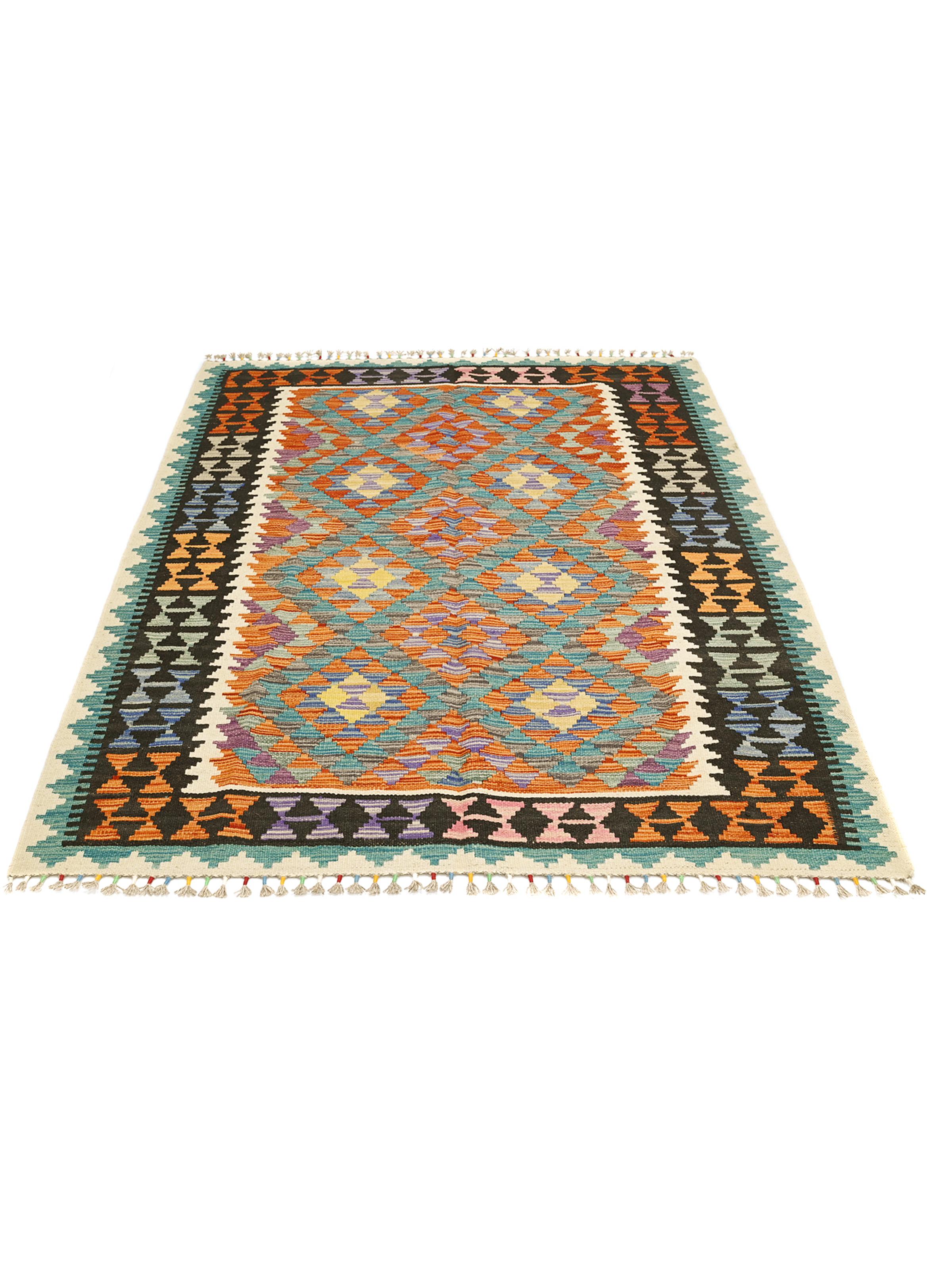
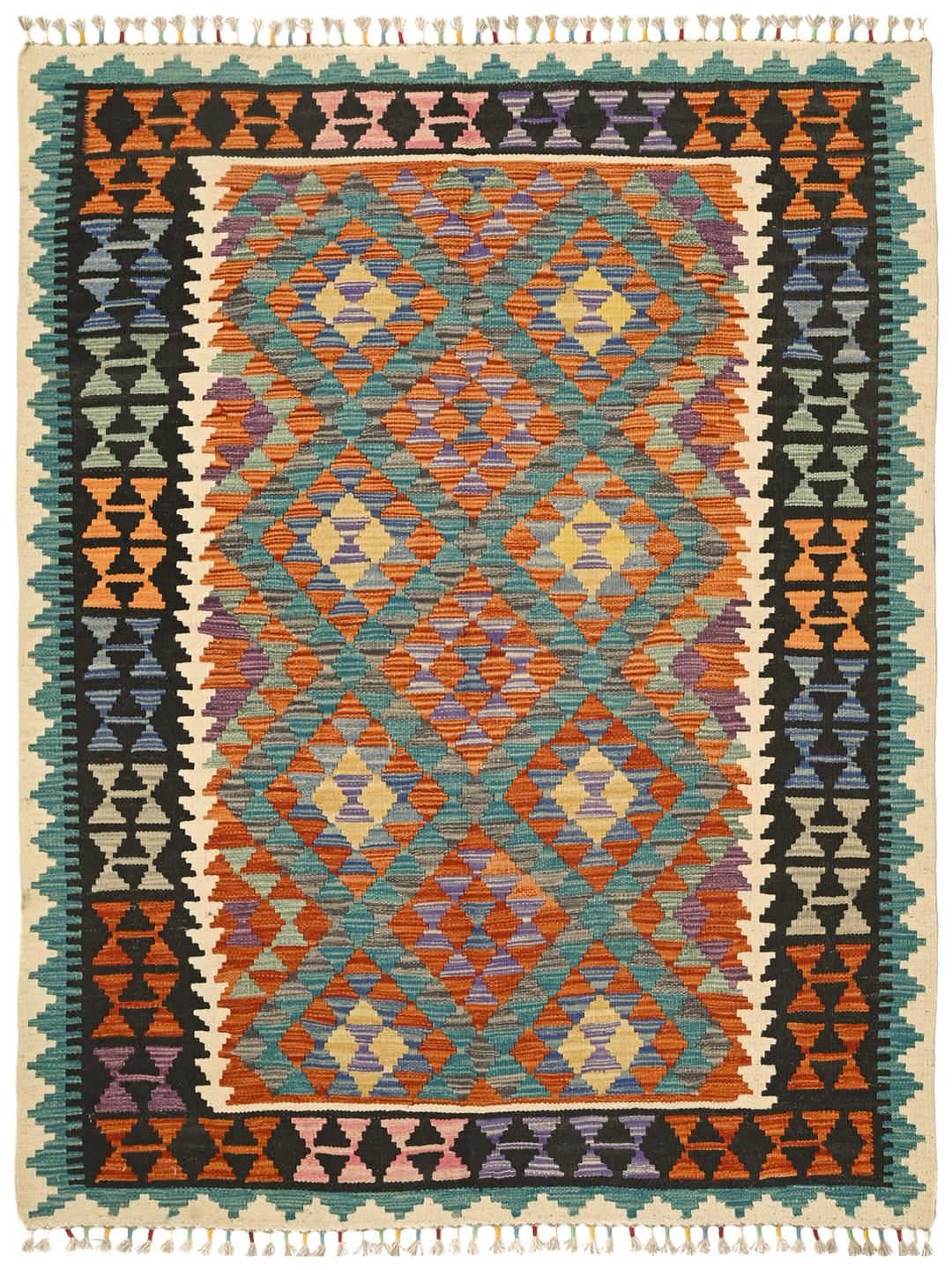
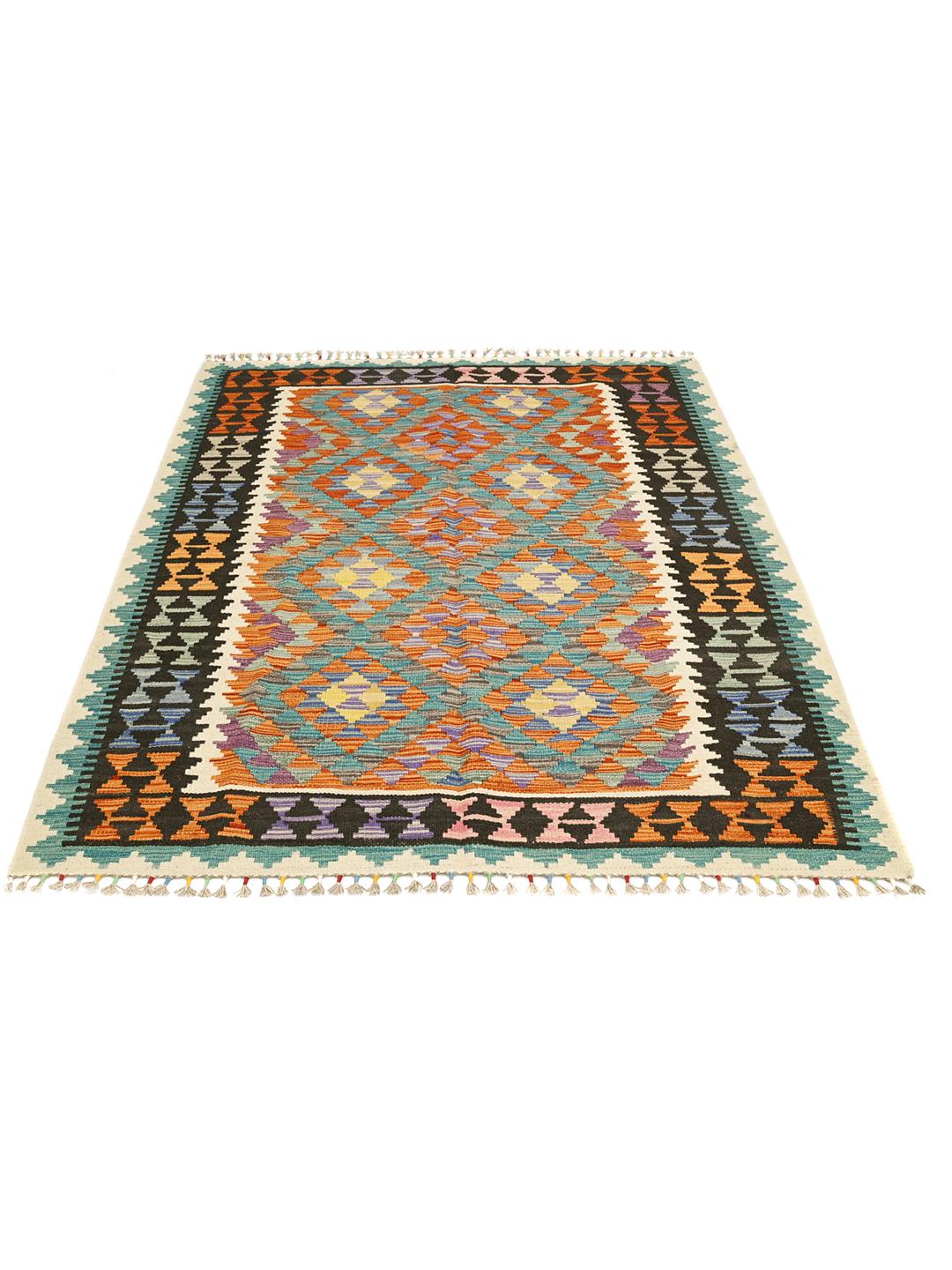
The Kelim Afghan Old Style rugs belong to a rich lineage of flat-woven textiles from the Middle East. These rugs are historically significant, serving as essential, versatile items for nomadic tribes who required durable yet portable floor coverings and wall hangings. The evolution of these designs reflects the cultural exchange along ancient trade routes, blending local aesthetics with broader regional influences.
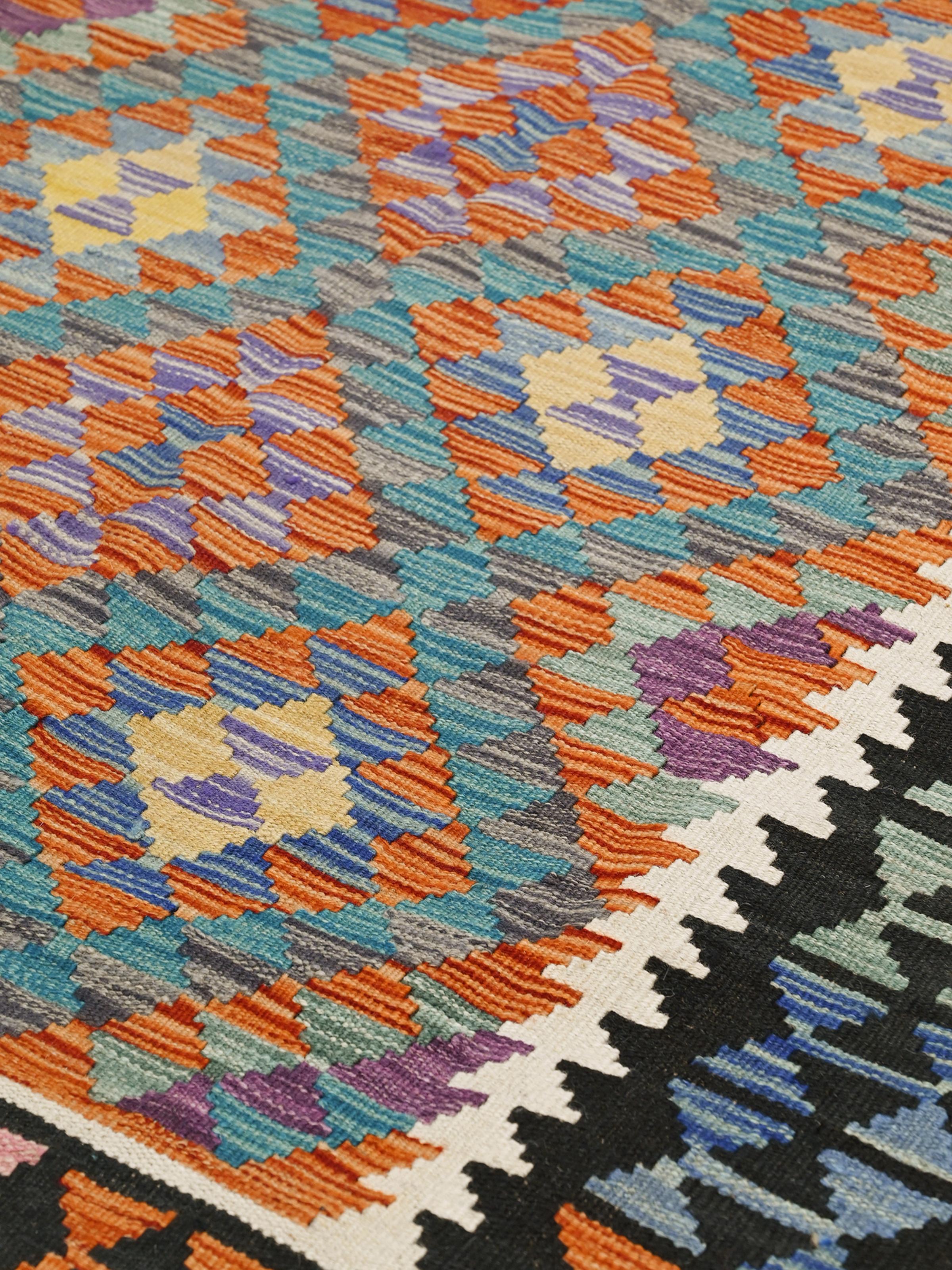
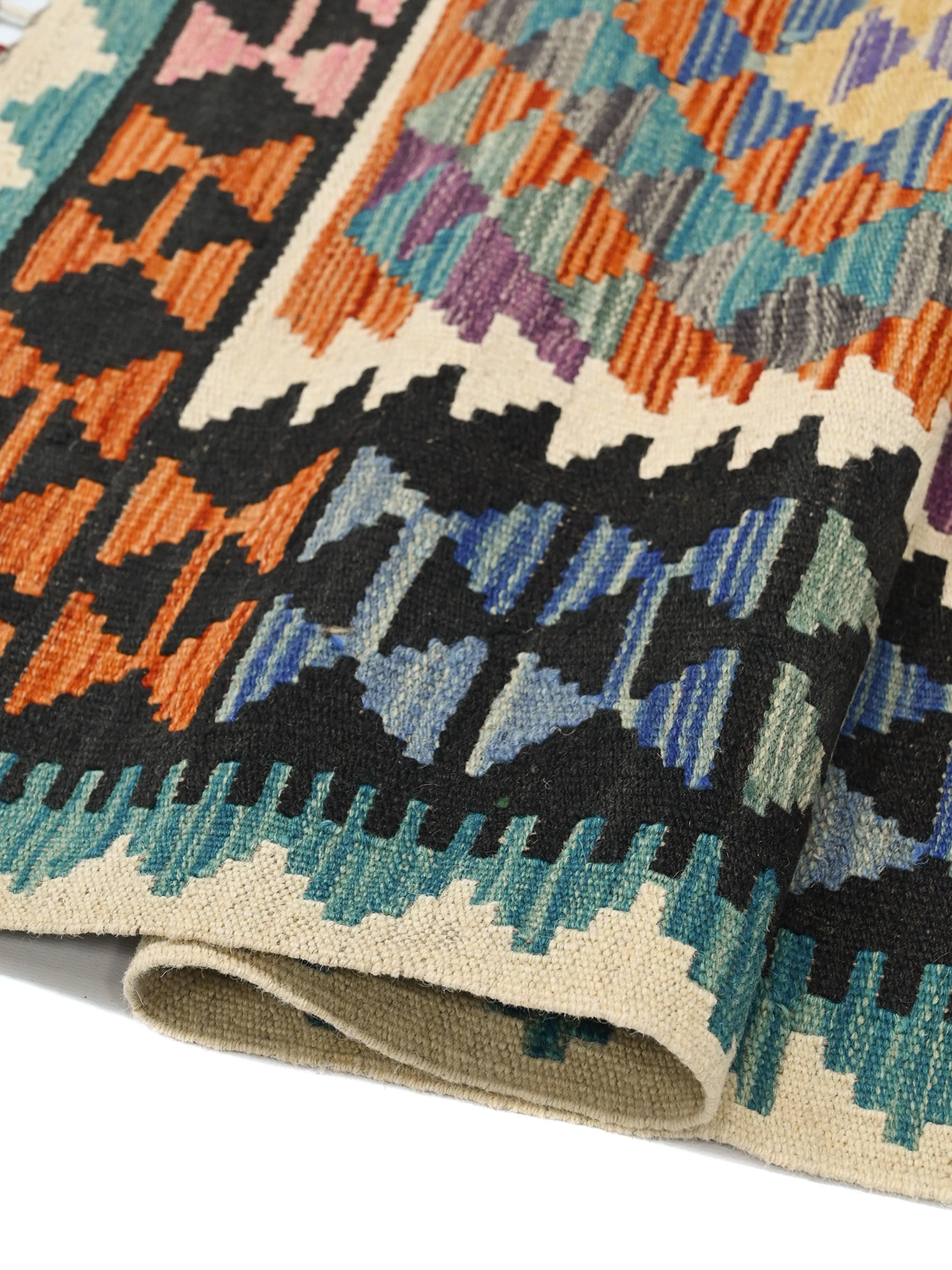
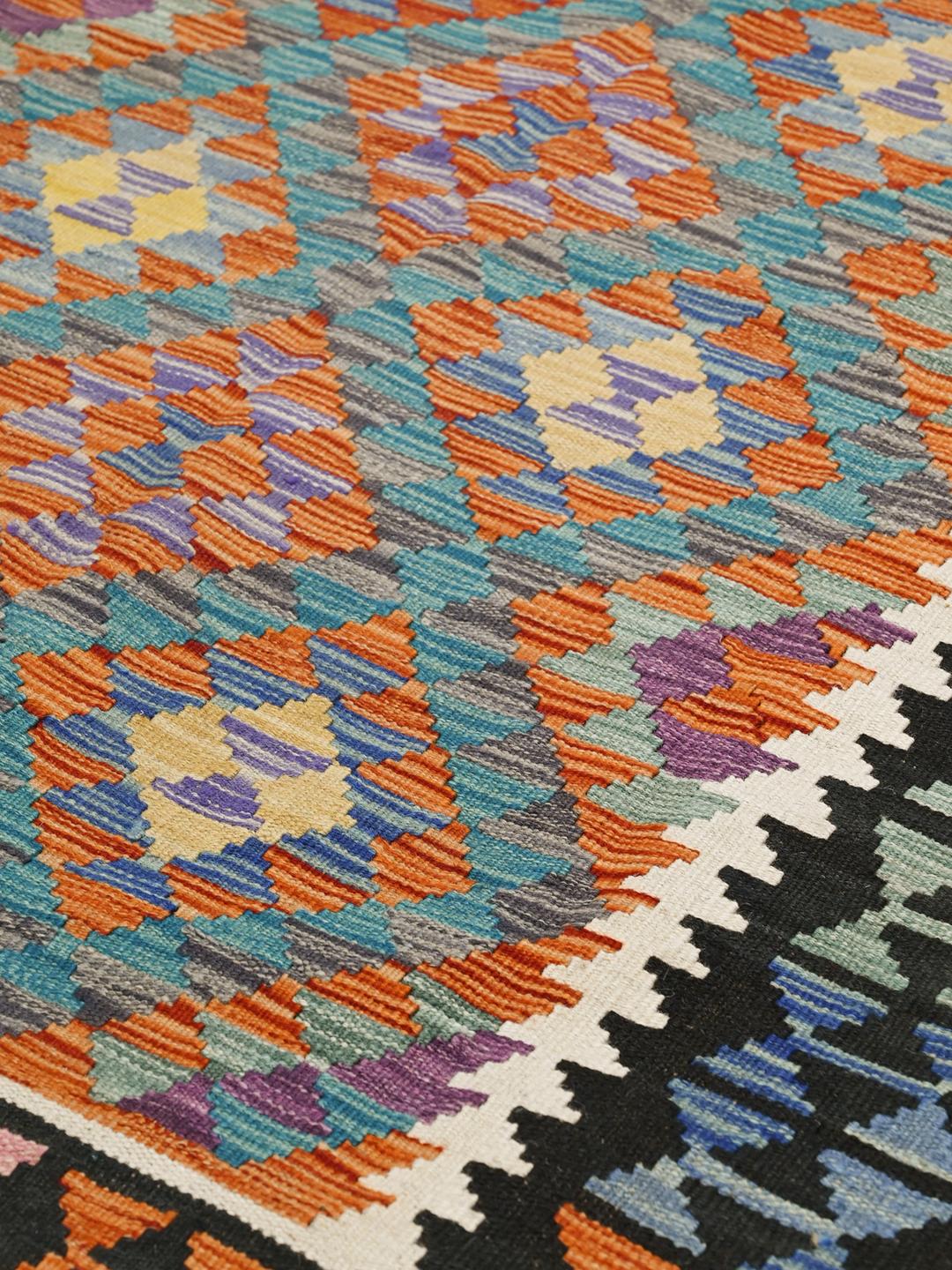
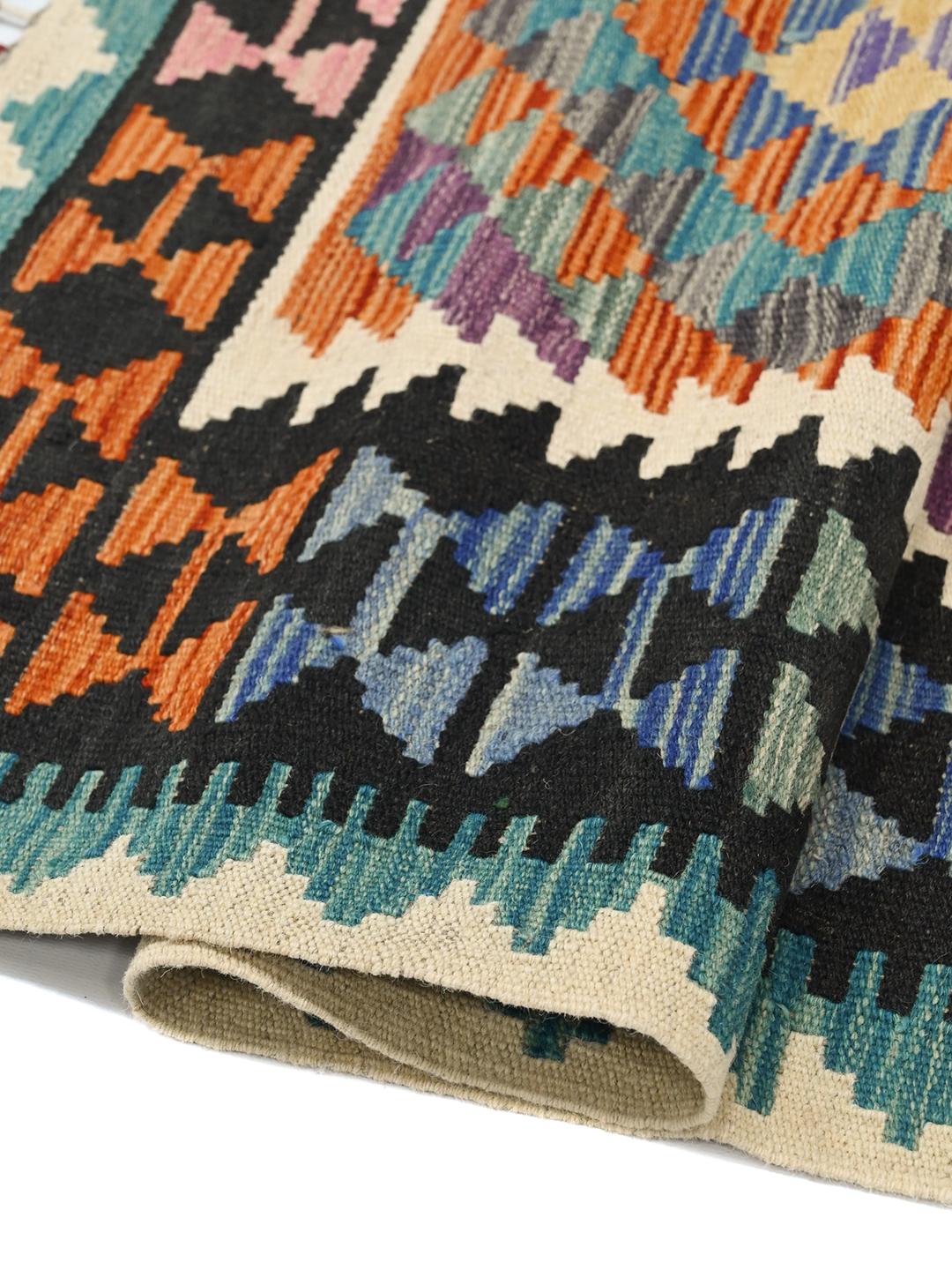
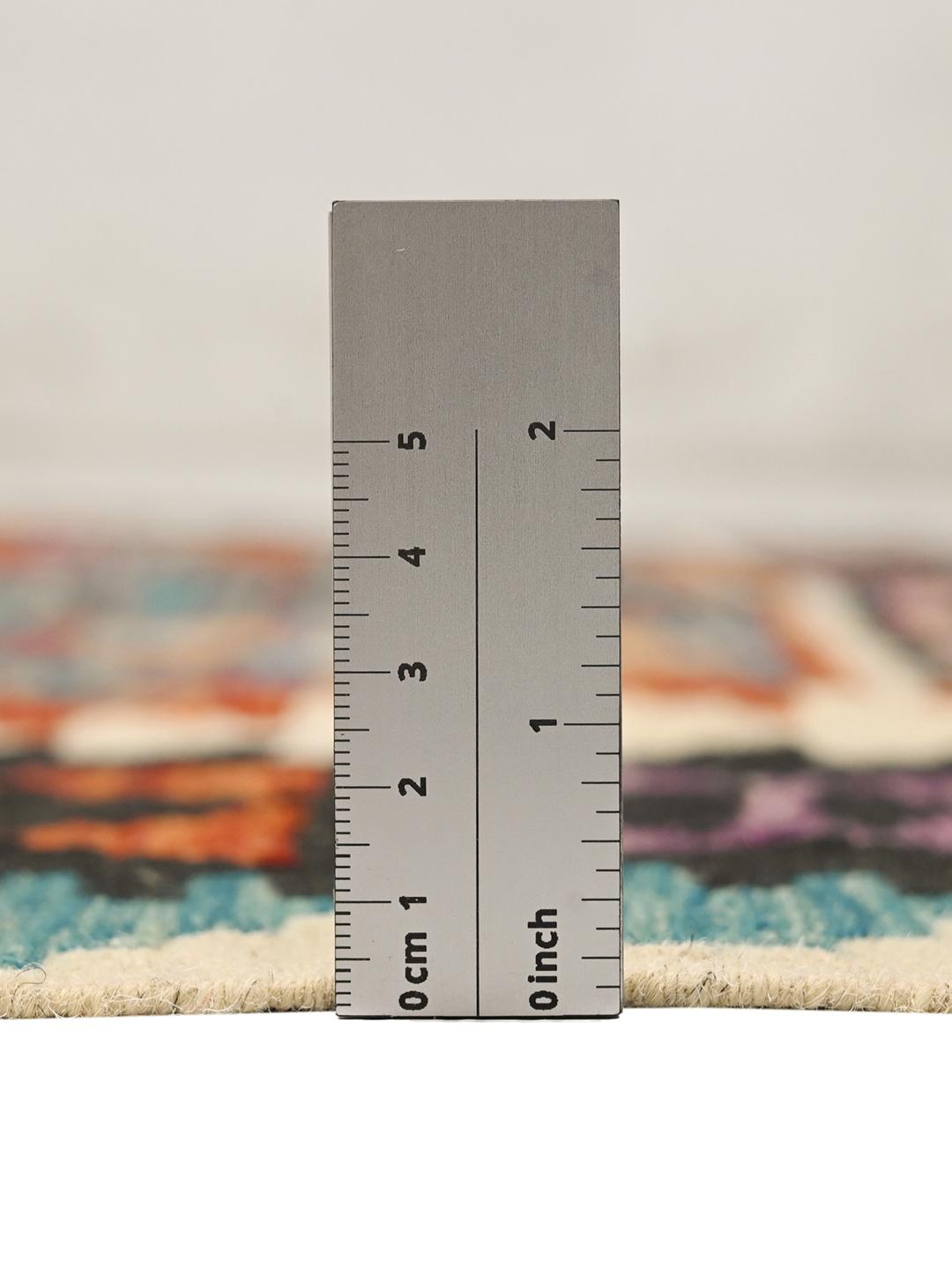
The term Kelim, or Kilim, refers to a specific flat-weaving technique where the weft strands are pulled tightly down to conceal the warp. This method creates a thin, pileless fabric that is incredibly robust. Unlike knotted rugs, the pattern is created by the weaving process itself, resulting in a design that is often identical on both sides, which adds to the longevity and practical value of the rug.
Visually, these rugs are defined by their bold geometric motifs and striking colour palettes. Traditional designs often utilise diamonds, triangles, and zig-zag lines, which are arranged in symmetrical, rhythmic compositions. The use of natural dyes historically gave these rugs their characteristic depth, and even in modern iterations, the focus remains on maintaining that iconic, sharp-edged aesthetic that separates a Kelim from a traditional knotted pile rug.
Collecting these rugs is an investment in cultural heritage. They represent a level of skill passed down through generations, where the weaver's intent is visible in every line. By acquiring an Afghan Kelim, you are preserving a piece of artisanal history that celebrates the human touch and the enduring nature of traditional craftsmanship.