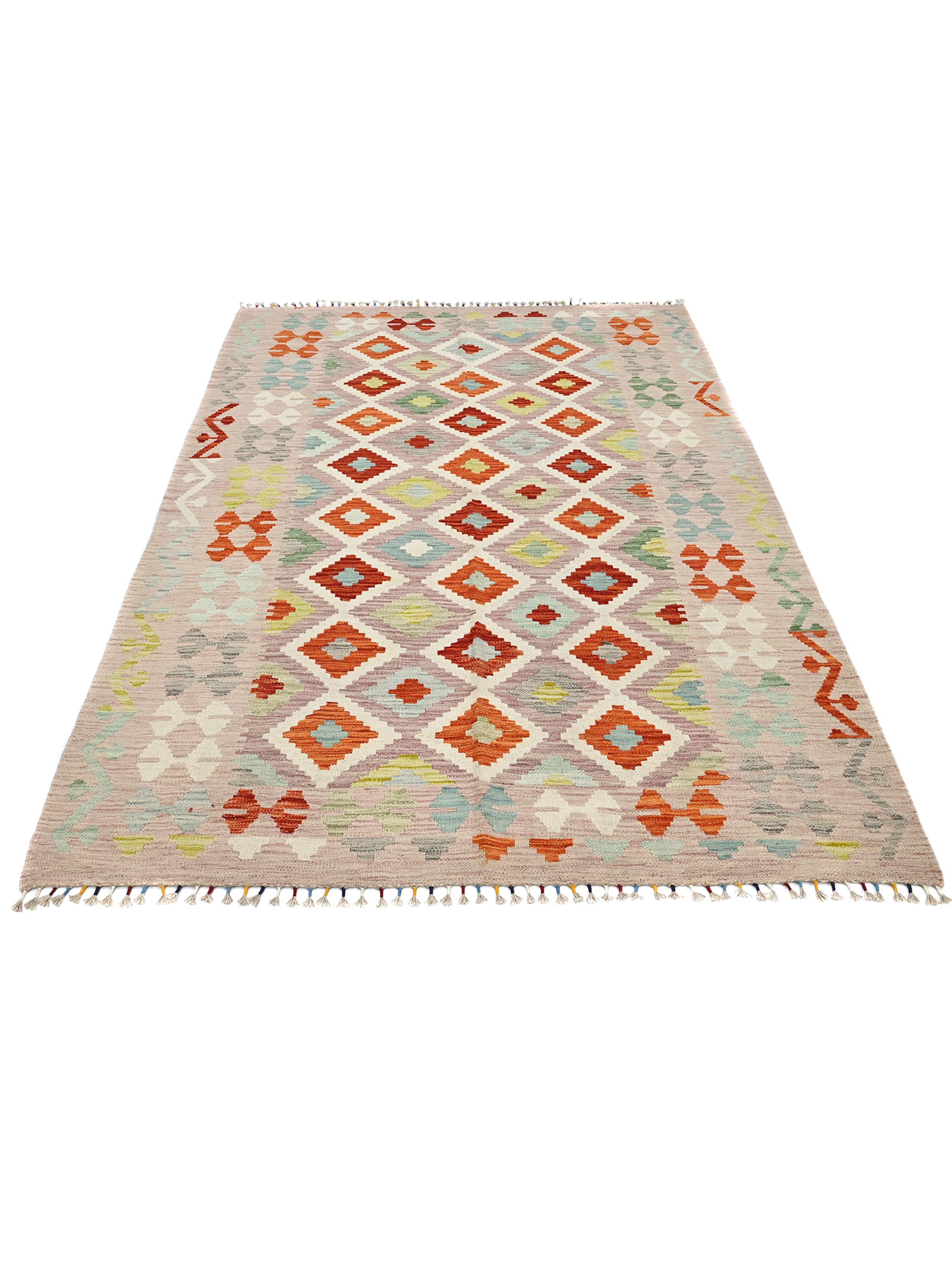
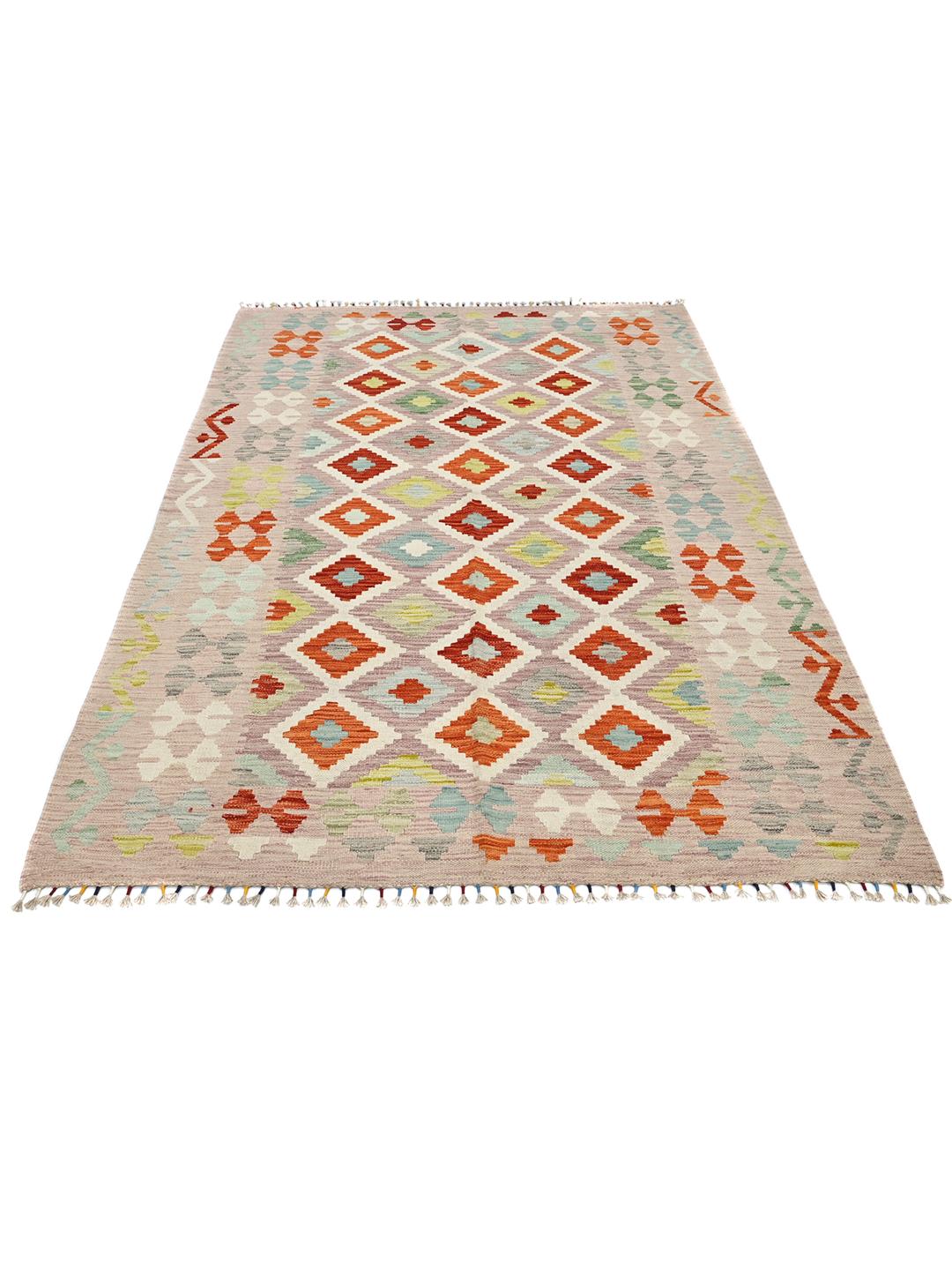
Kelim rugs have long been a cornerstone of nomadic life across the Middle East and Central Asia. Originally designed as functional, portable textiles for tents, these flat-woven rugs were essential for insulating floors and walls. Today, the tradition continues in Afghanistan, where weavers maintain the ancient methods that have been passed down through generations of families.
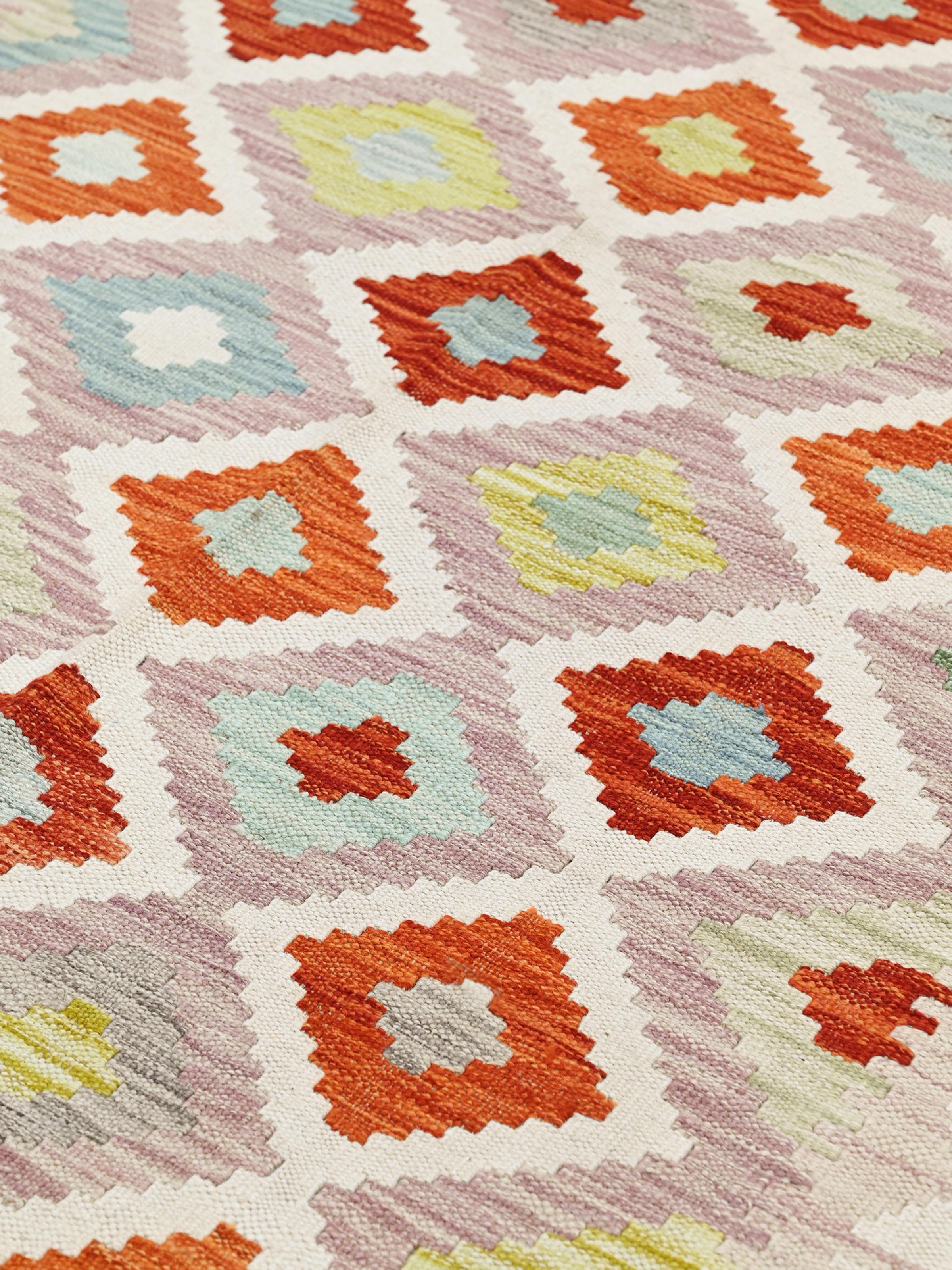
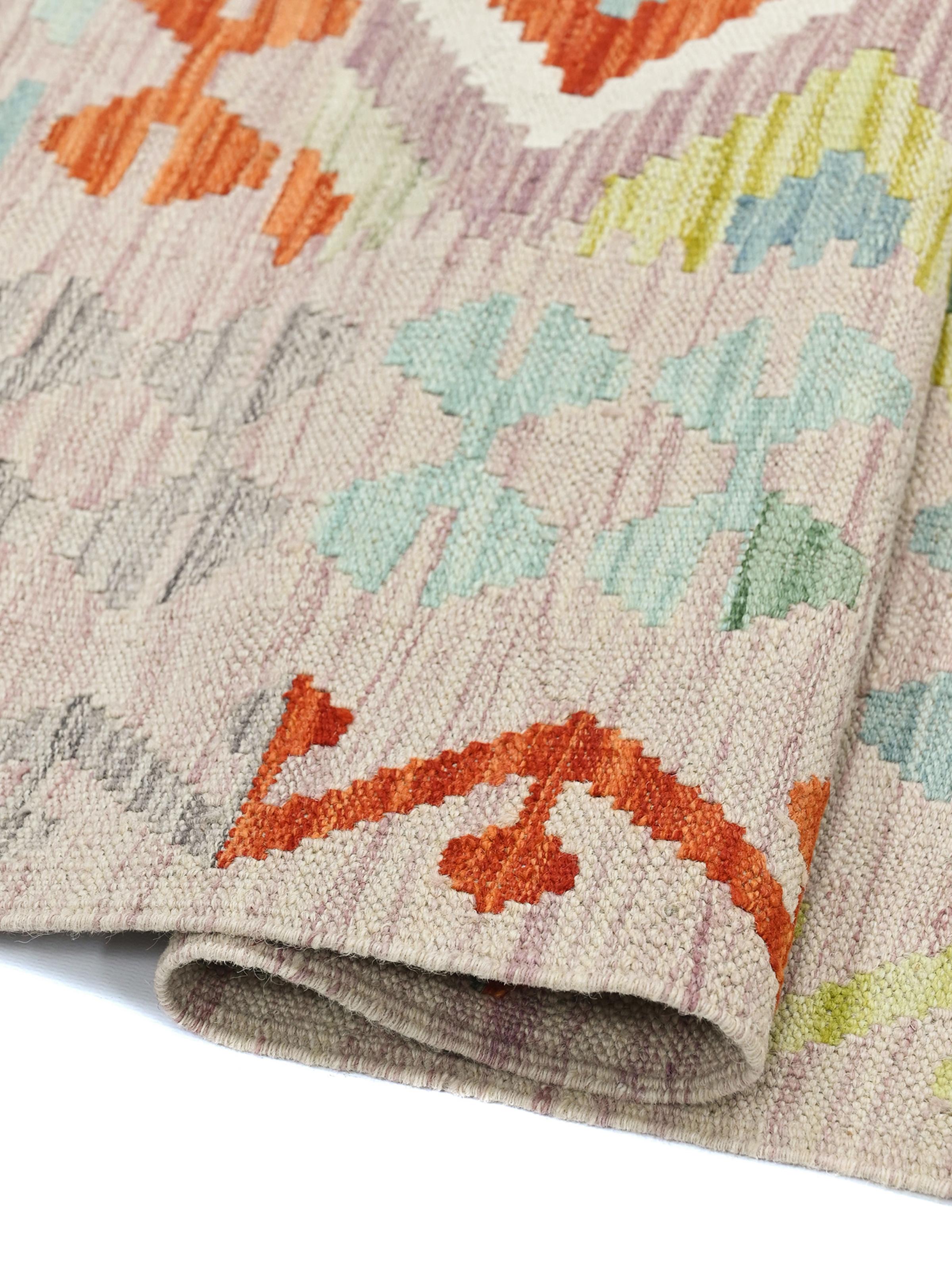
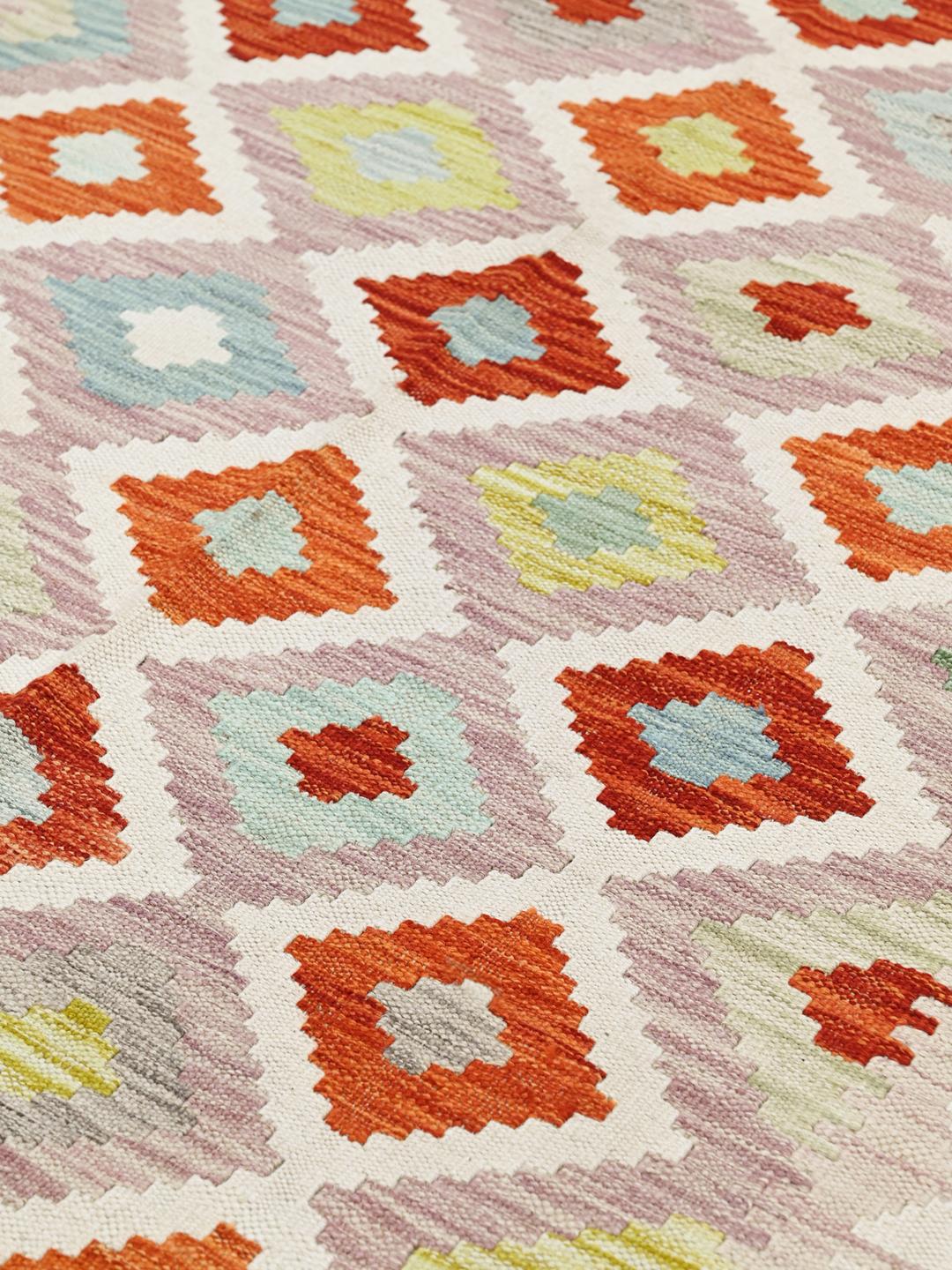
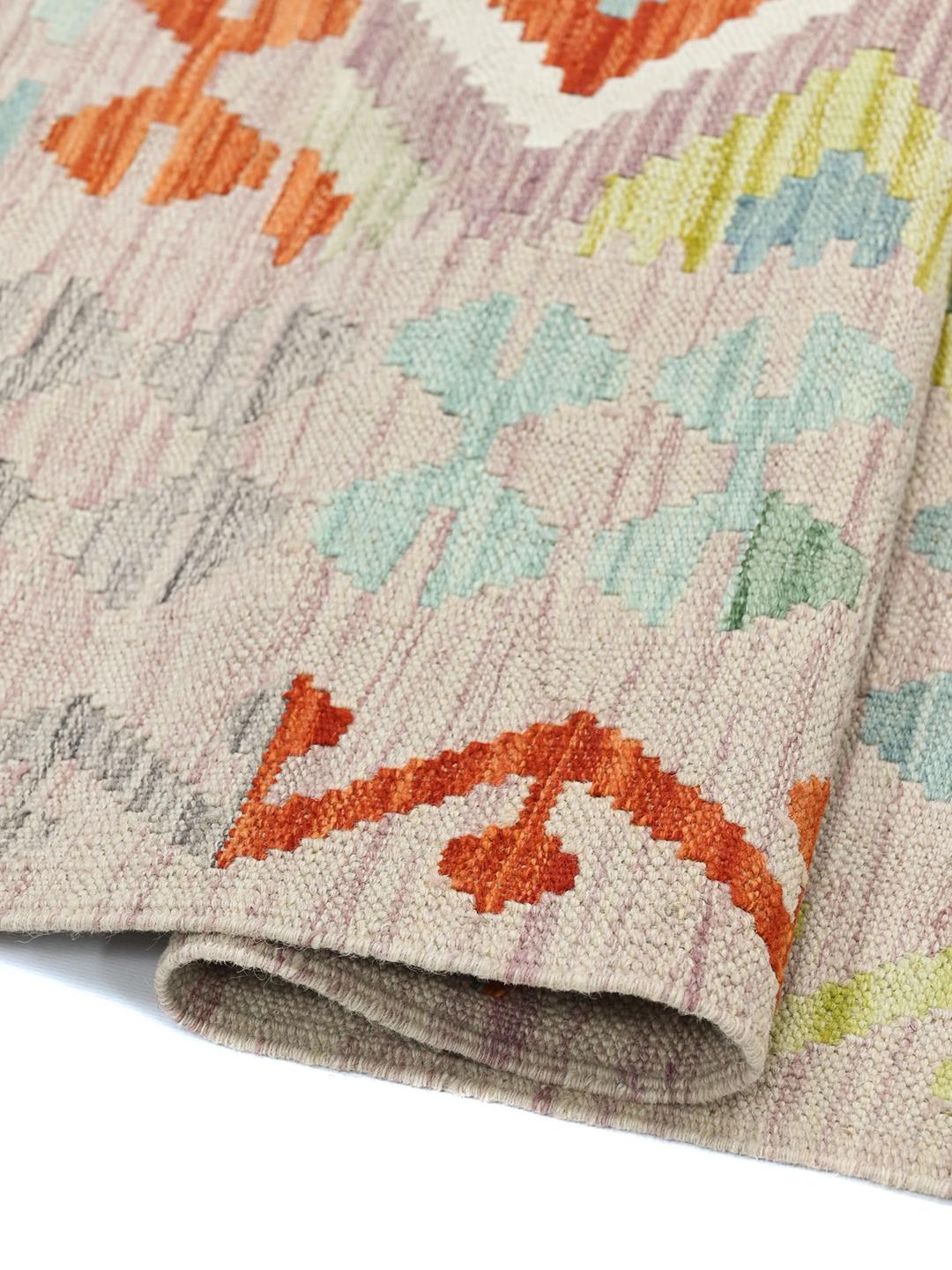
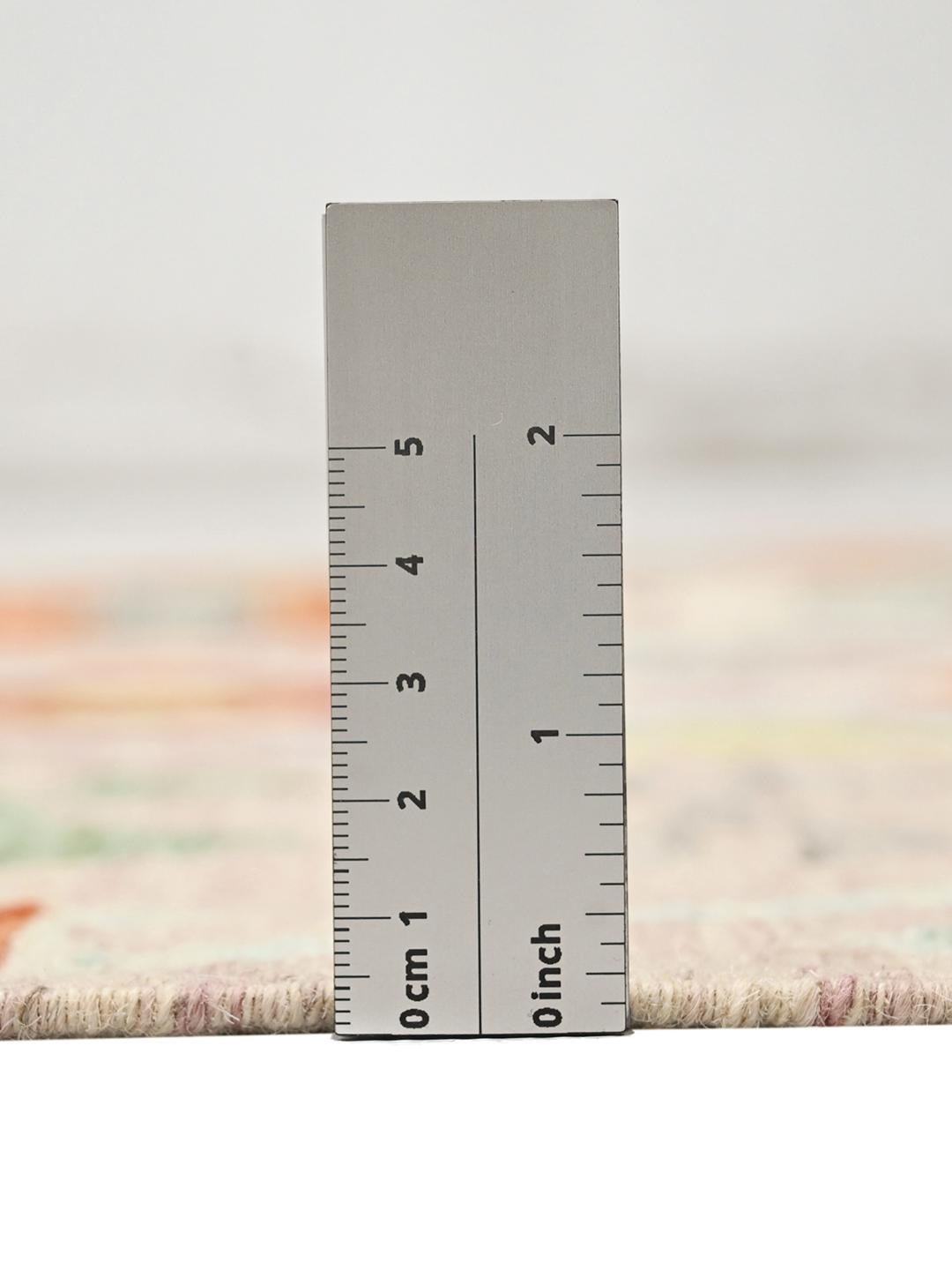
The term 'Kelim' refers to the specific flat-weave technique where the pattern is created by the interweaving of the warp and weft threads, rather than by tying individual knots. This method results in a lightweight, reversible rug that is prized for its versatility and clean, graphic lines. The absence of a pile means the design is integral to the structure, requiring the weaver to have a masterful grasp of tension and geometry.
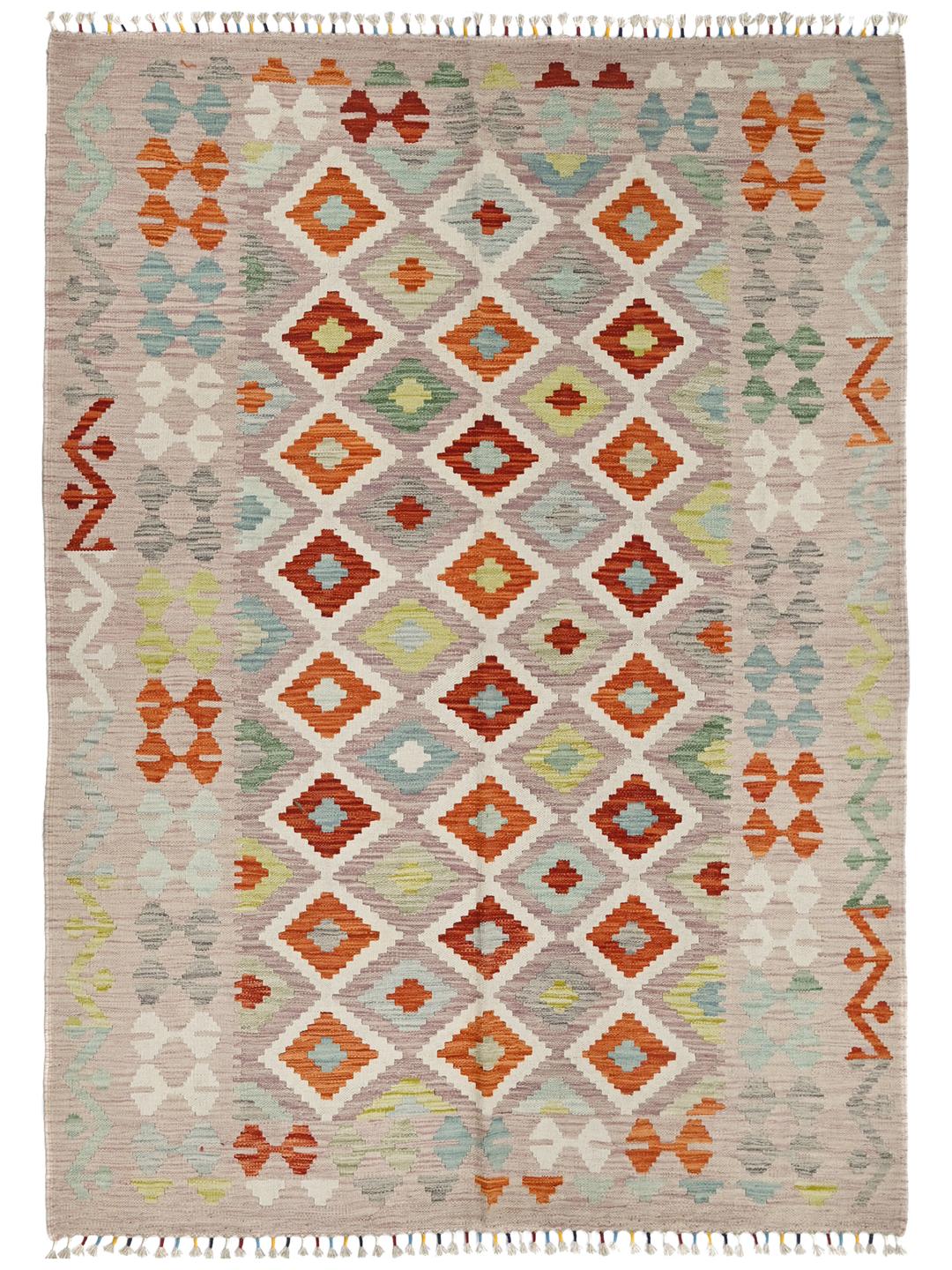
Visually, these rugs are defined by their bold geometric language, most notably the repeating diamond motifs and sharp, angular borders. While each region possesses its own distinct design lexicon, the Afghan style is often characterised by its rich, earthy tones and a rhythmic arrangement of shapes that seem to vibrate with energy. This particular piece showcases this heritage through its clear, intentional play of colour and form.
Collecting a Kelim is an investment in cultural heritage. Because each rug is a product of its weaver's personal expression and local traditions, they are highly valued by those who appreciate the skill and history behind every thread. To own one is to keep a piece of ancient textile history alive, bringing a timeless, human-centred beauty into a contemporary home.