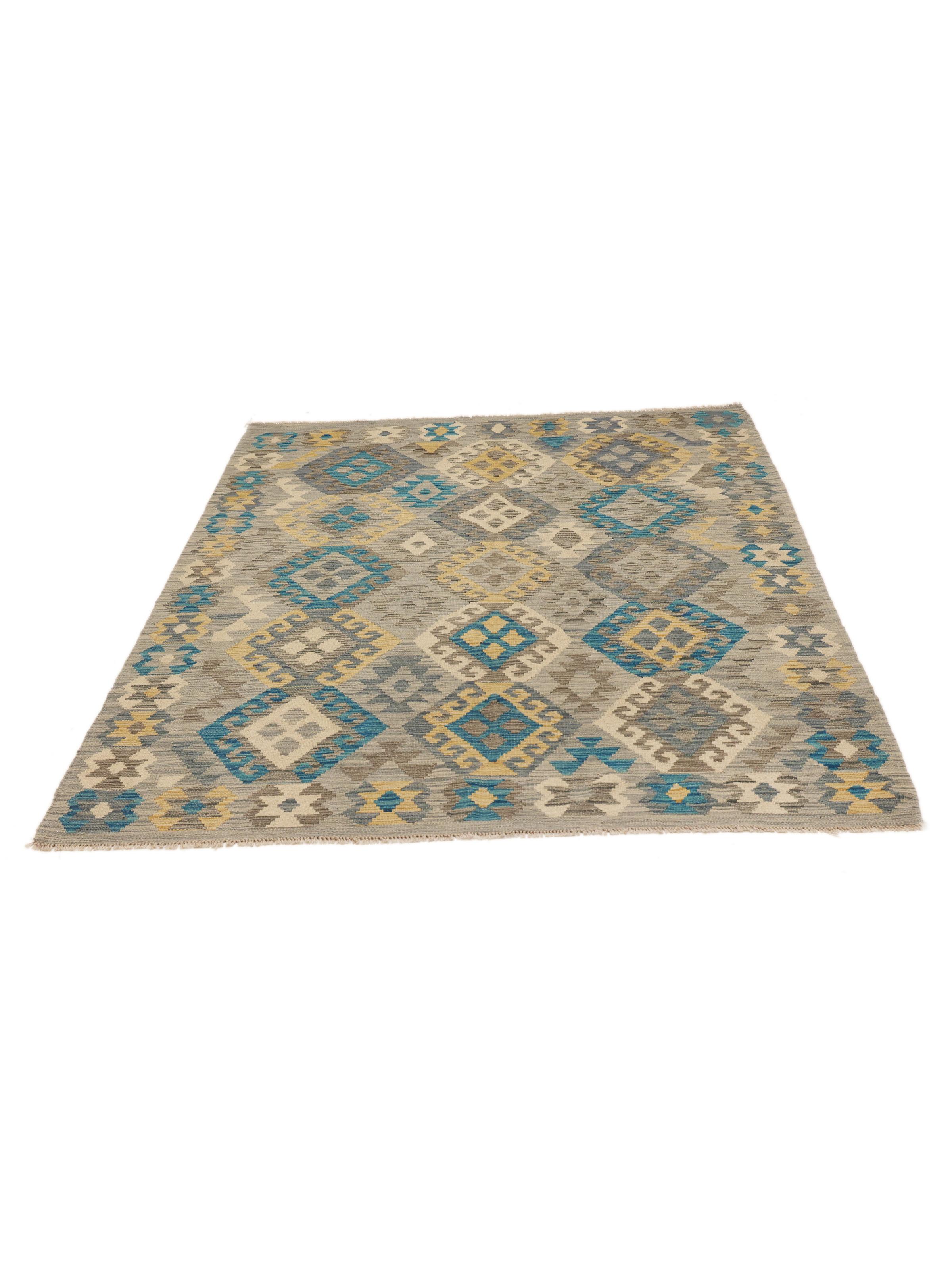
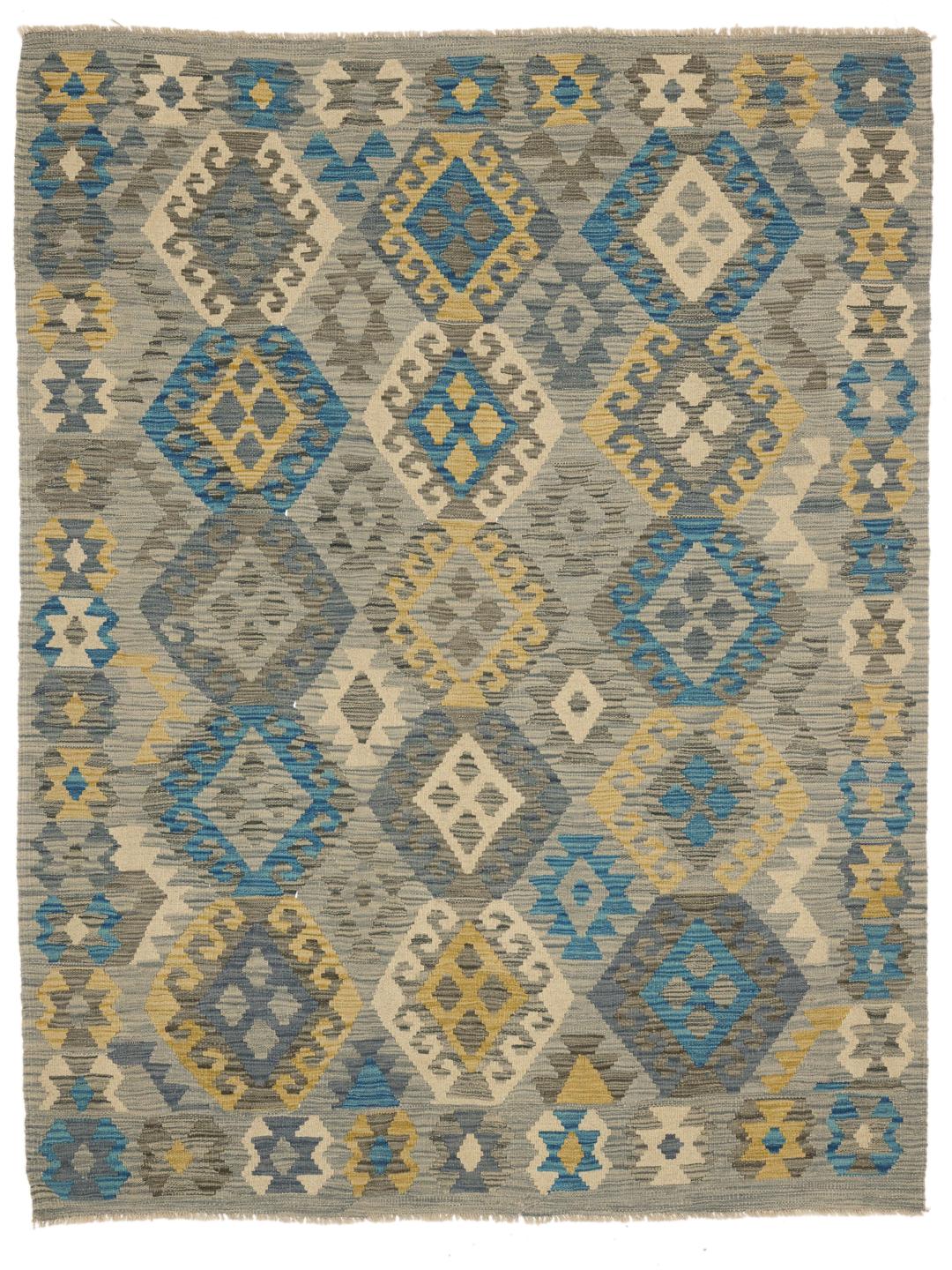
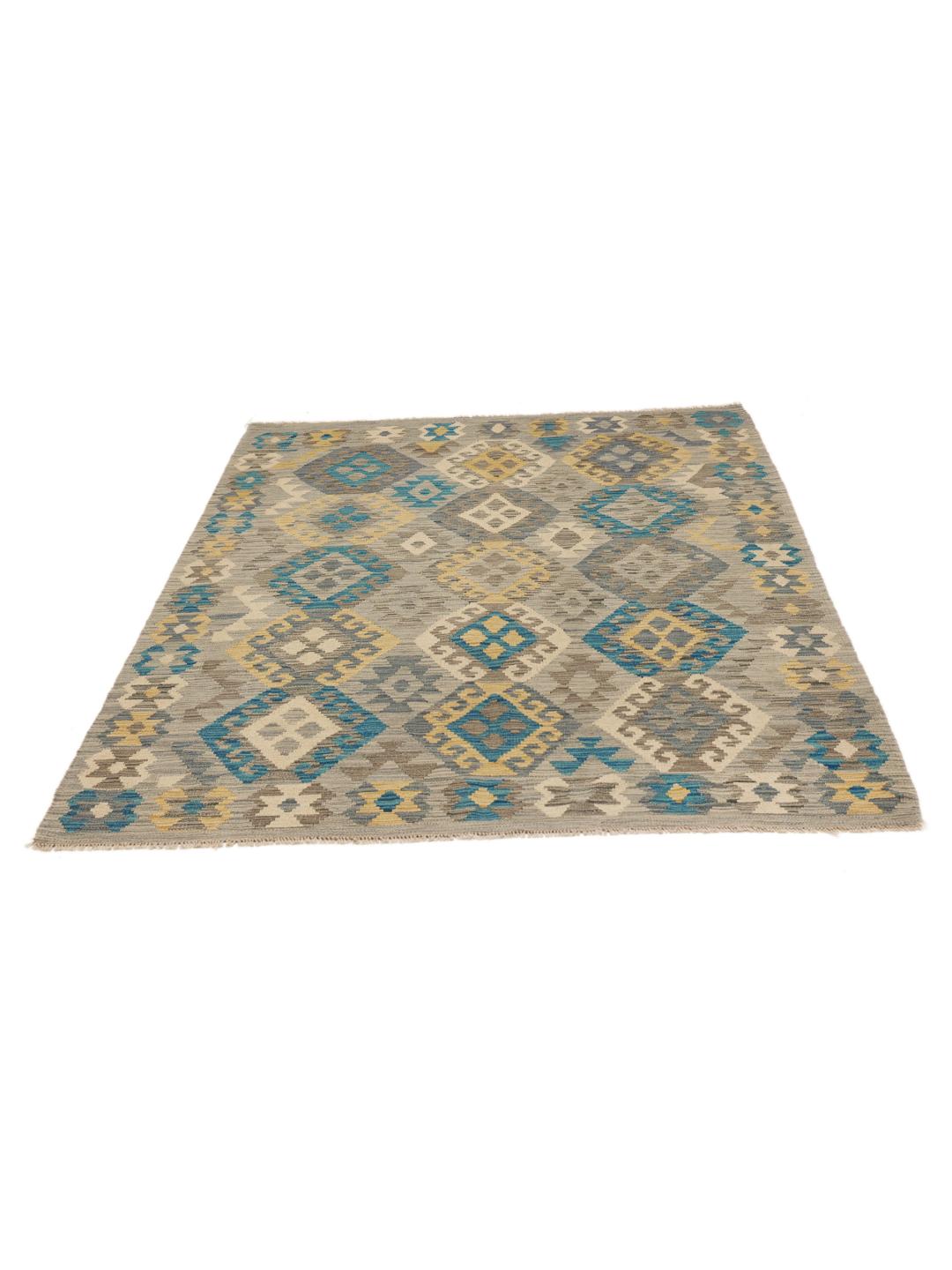
Kelim rugs have long been a cornerstone of nomadic life across the Middle East and Central Asia. These flat-woven textiles were originally created by tribal communities as functional, portable items that could serve as floor coverings, wall hangings, or even saddlebags. Their design language is deeply rooted in the cultural identity of the regions they emerge from, with patterns often passed down through generations.
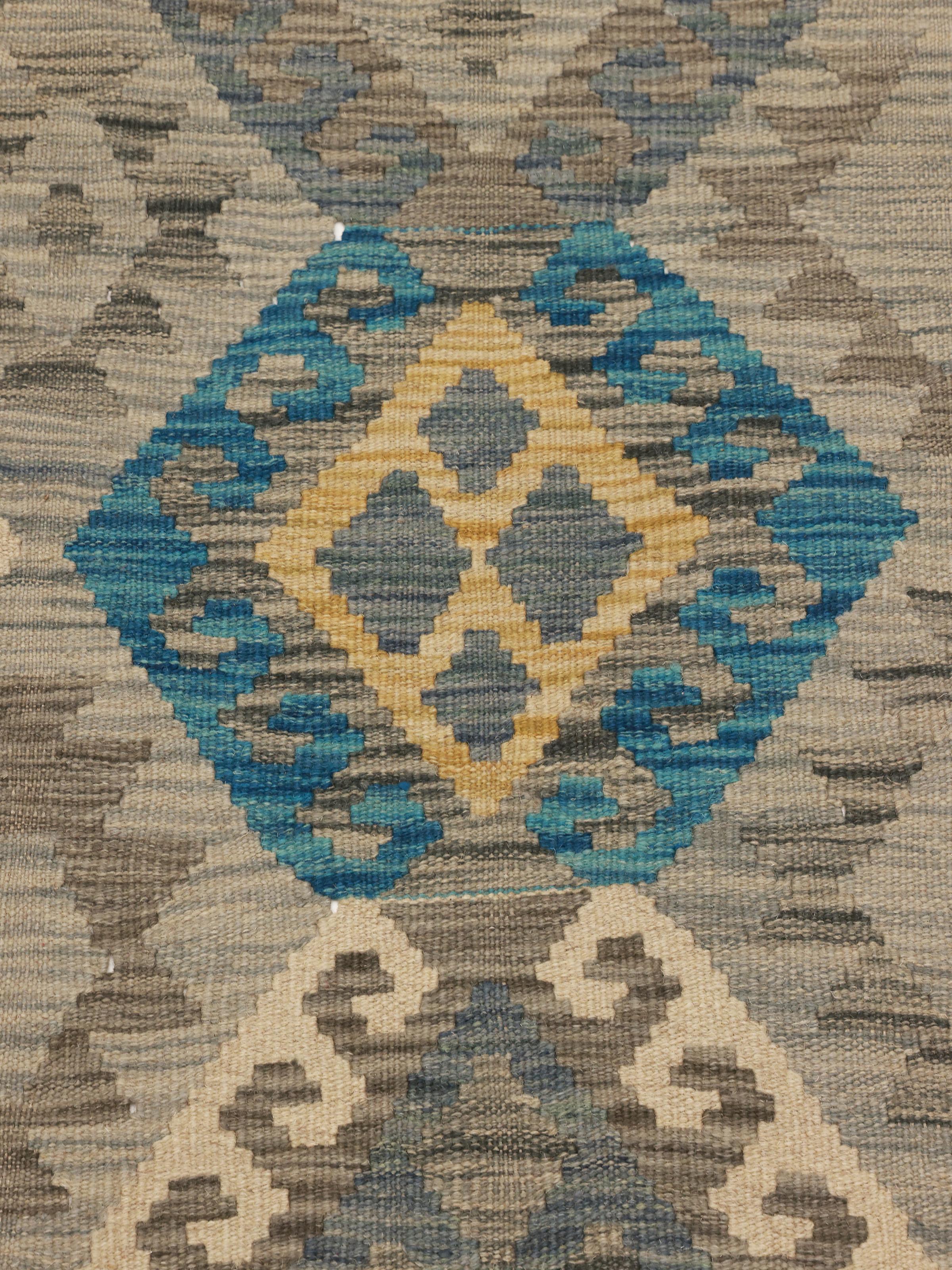
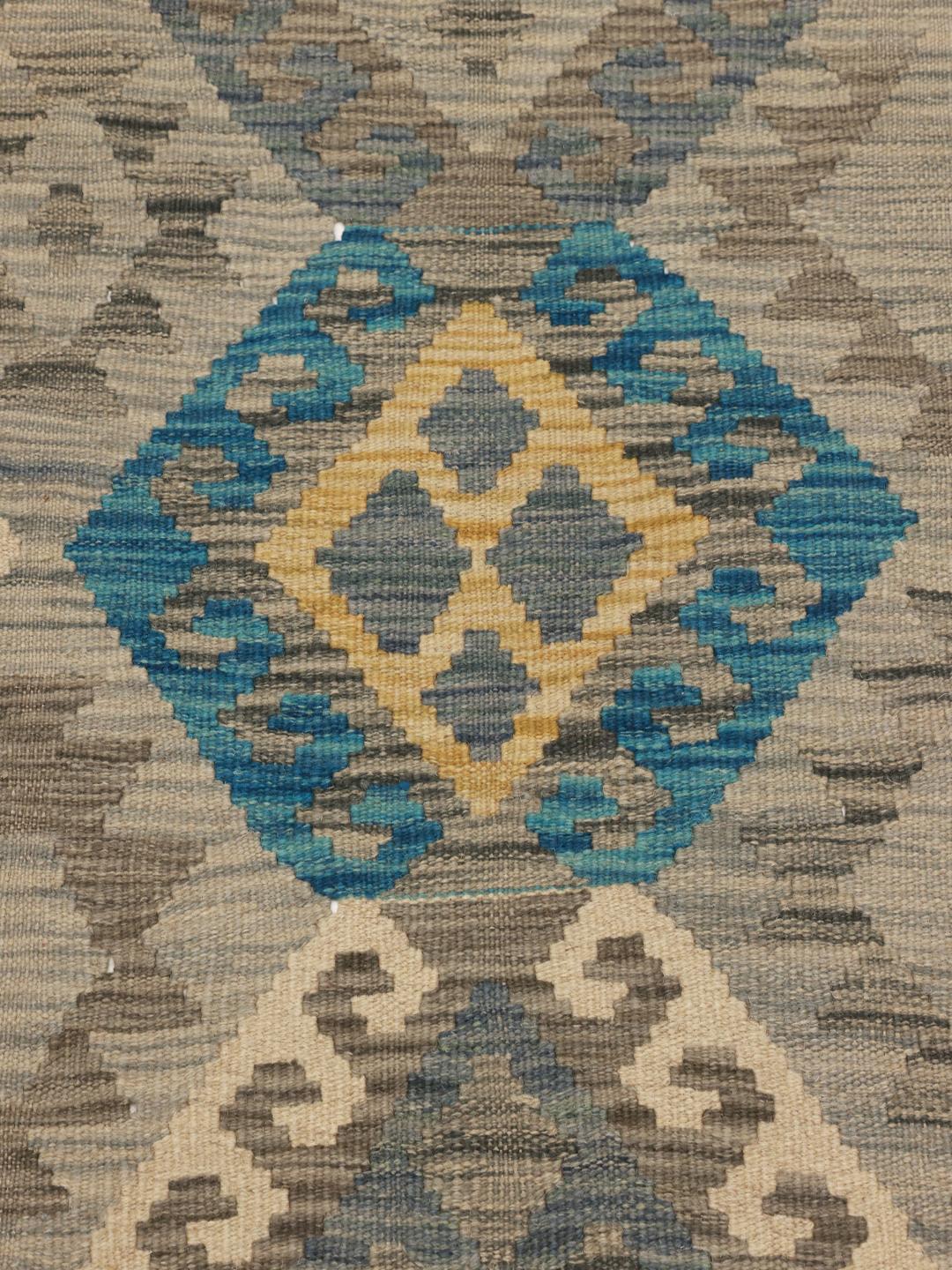
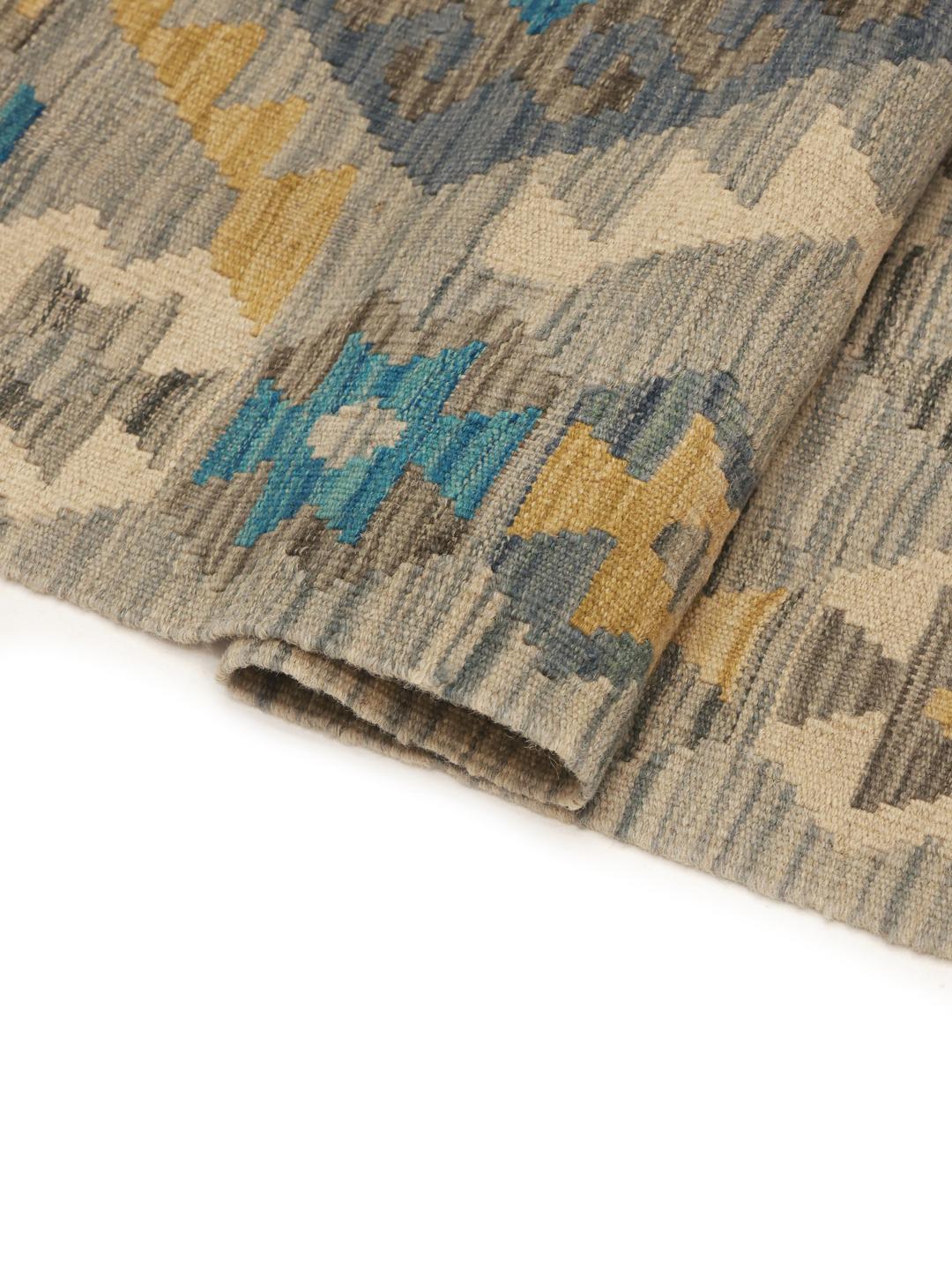
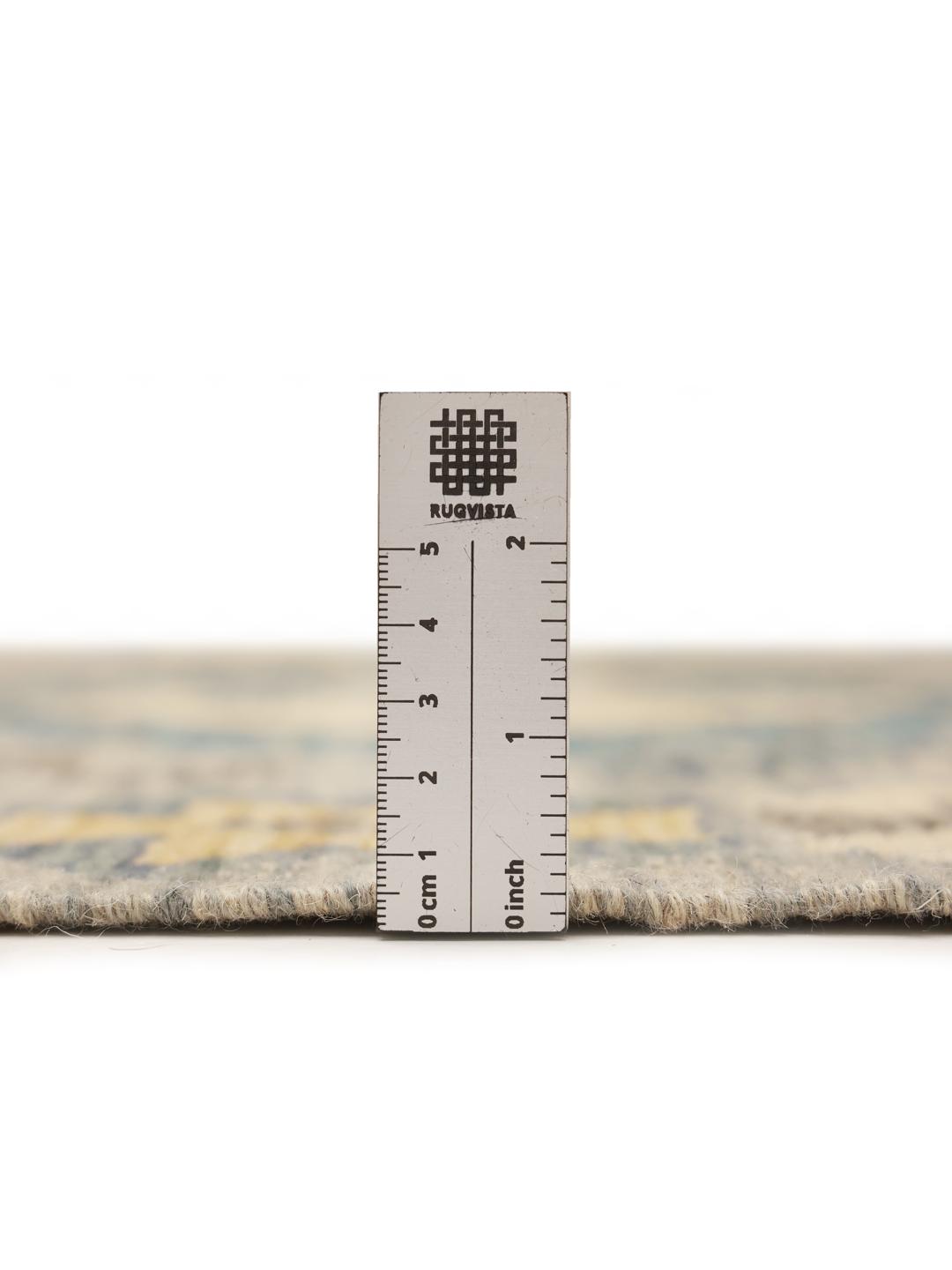
The term Kelim refers to the specific slit-weave technique used in their production. This method involves the weaver passing the weft threads back and forth through the warp, leaving a small gap or 'slit' where colours change. This technique is what gives these rugs their characteristic flat, thin profile and sharp, distinct geometric edges, as the structure does not rely on a pile to hold the design.
Design-wise, these rugs are defined by their bold geometric motifs, which often include diamonds, triangles, and stylised floral elements. These patterns are not merely decorative but often carry symbolic meanings related to protection, fertility, or the natural landscape of the weaver's homeland. The use of natural dyes historically gave these rugs their signature palettes, which have evolved into the rich, nuanced tones we see today.
Collecting a Kelim is a way of preserving a piece of history that is becoming increasingly rare in an industrialised world. They are highly valued for their versatility and the immense skill required to produce them without the aid of modern equipment. By owning one, you are participating in a tradition that celebrates human ingenuity, lasting durability, and the enduring beauty of hand-wrought textiles.