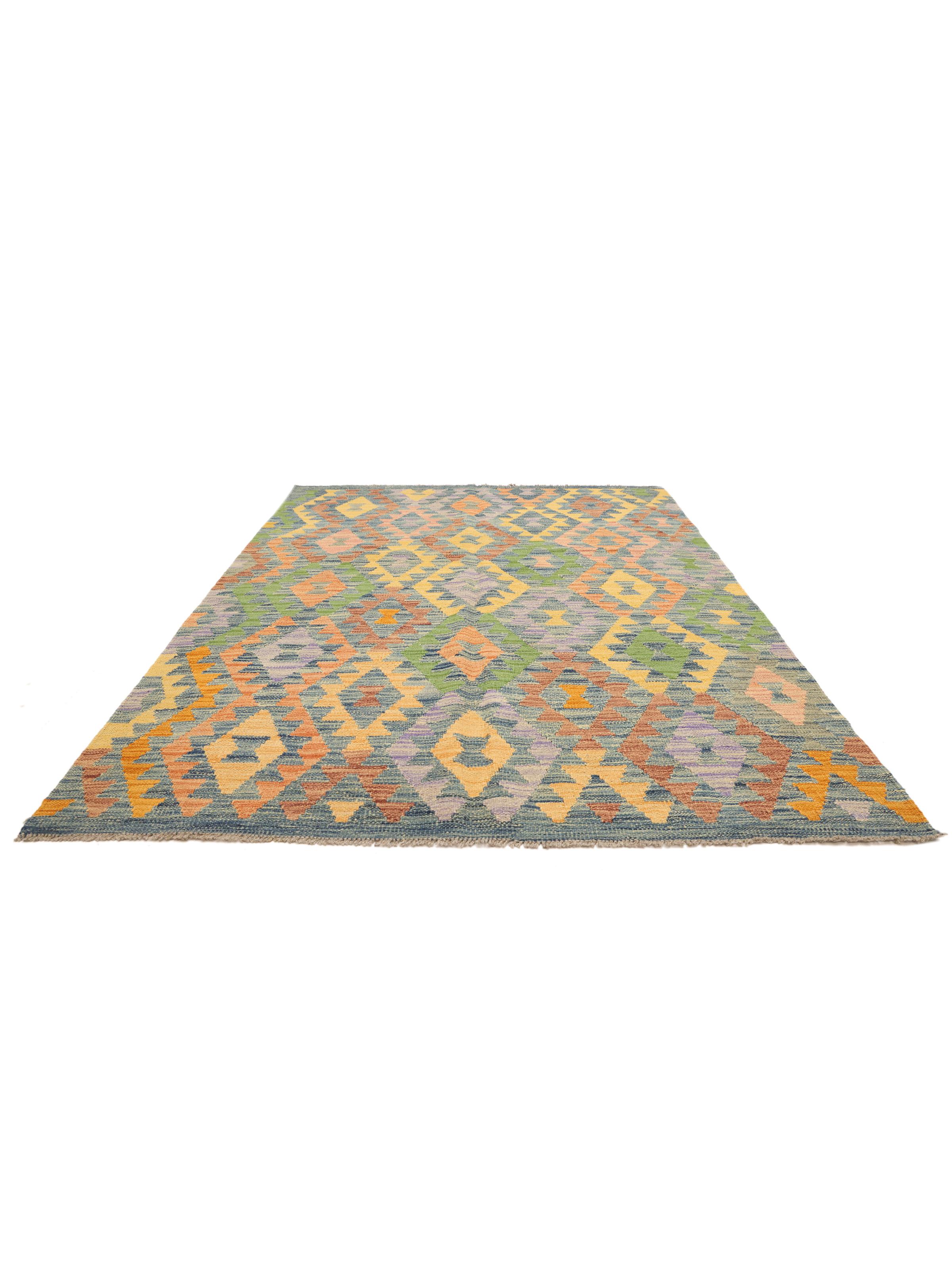
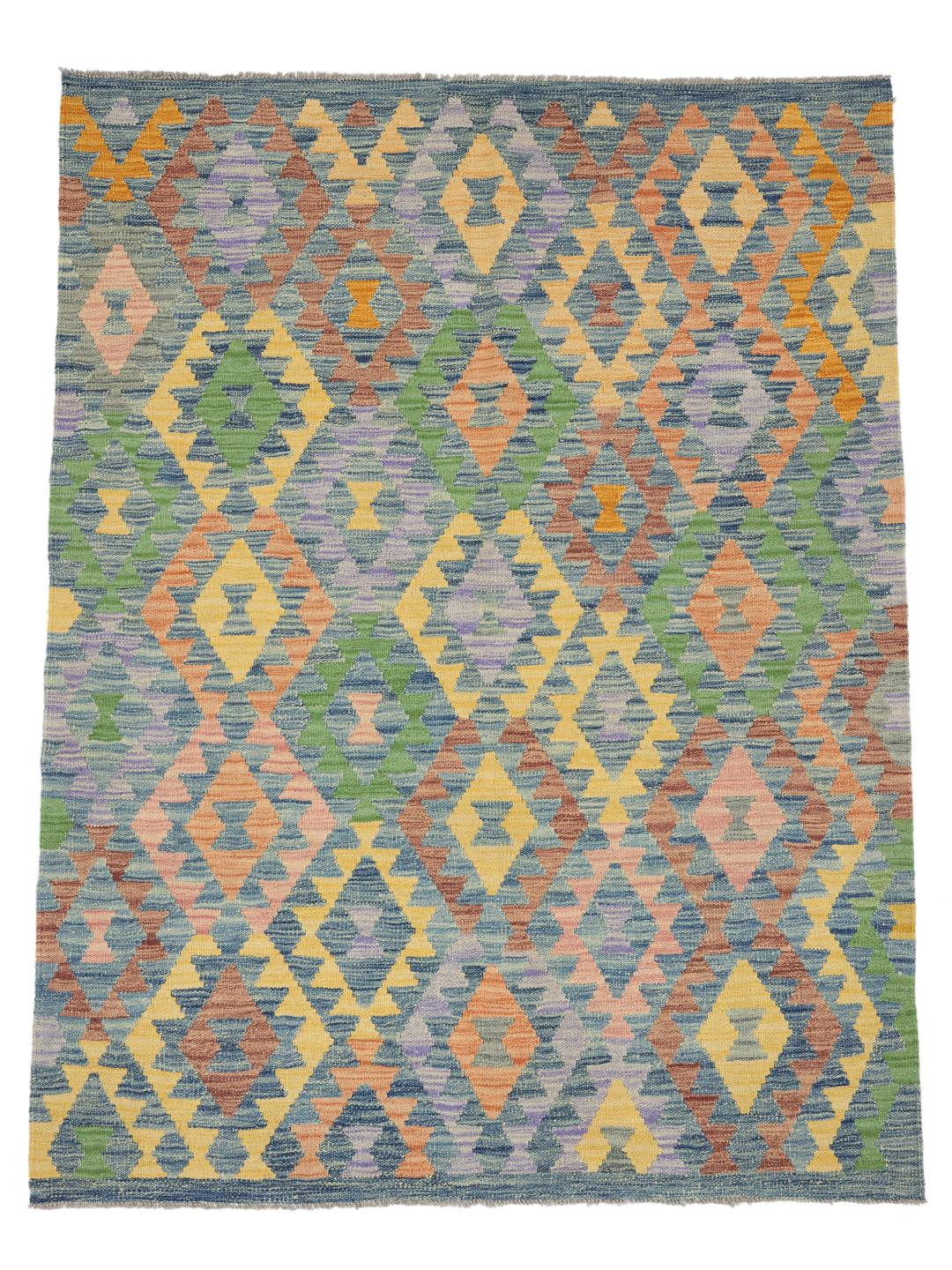
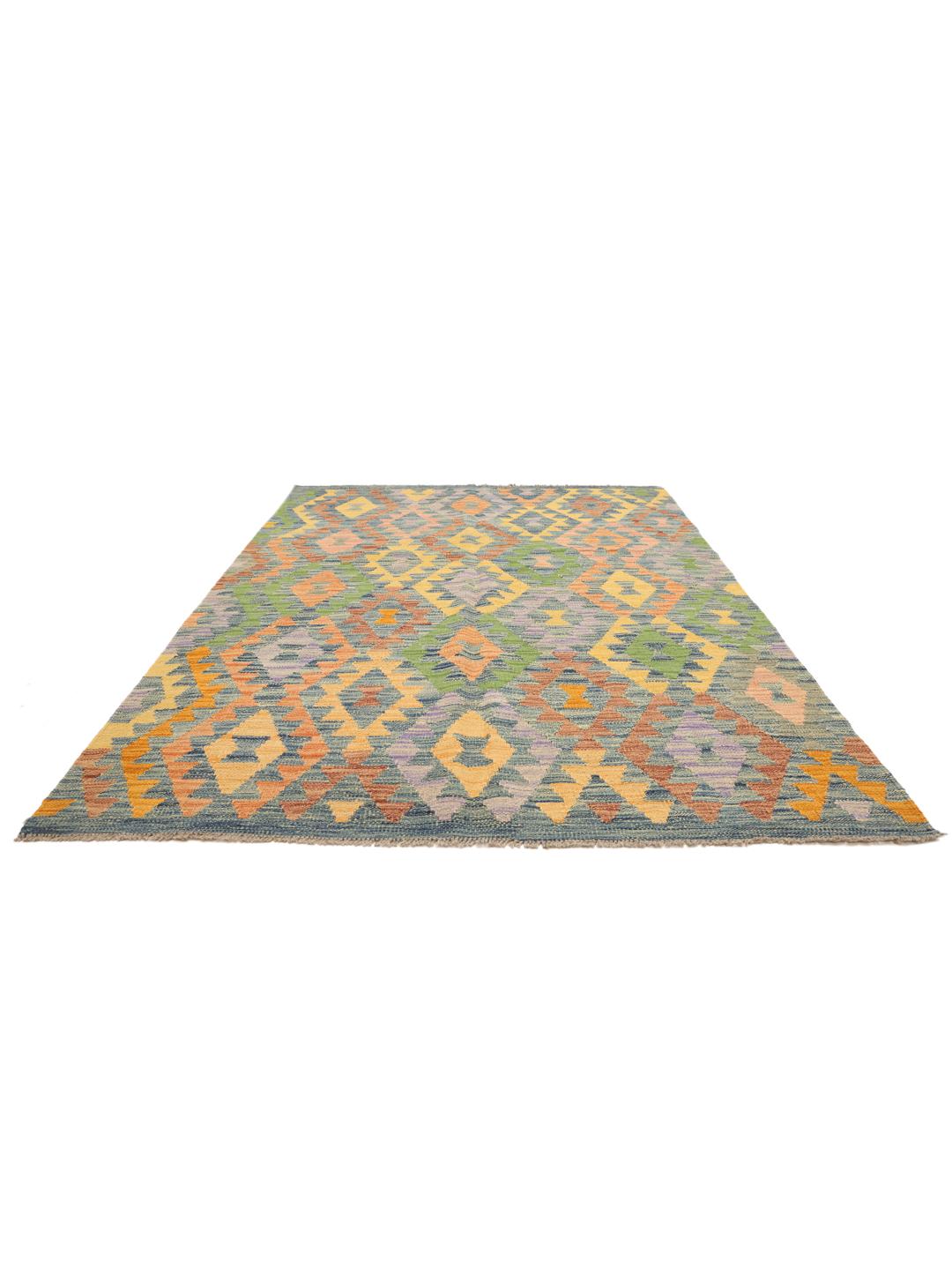
The Kelim tradition in Afghanistan is a testament to the resilience and creativity of nomadic and semi-nomadic cultures. These flat-woven rugs have been produced for generations, serving as essential, portable furnishings that could be easily transported, used as floor coverings, or even as decorative wall hangings.
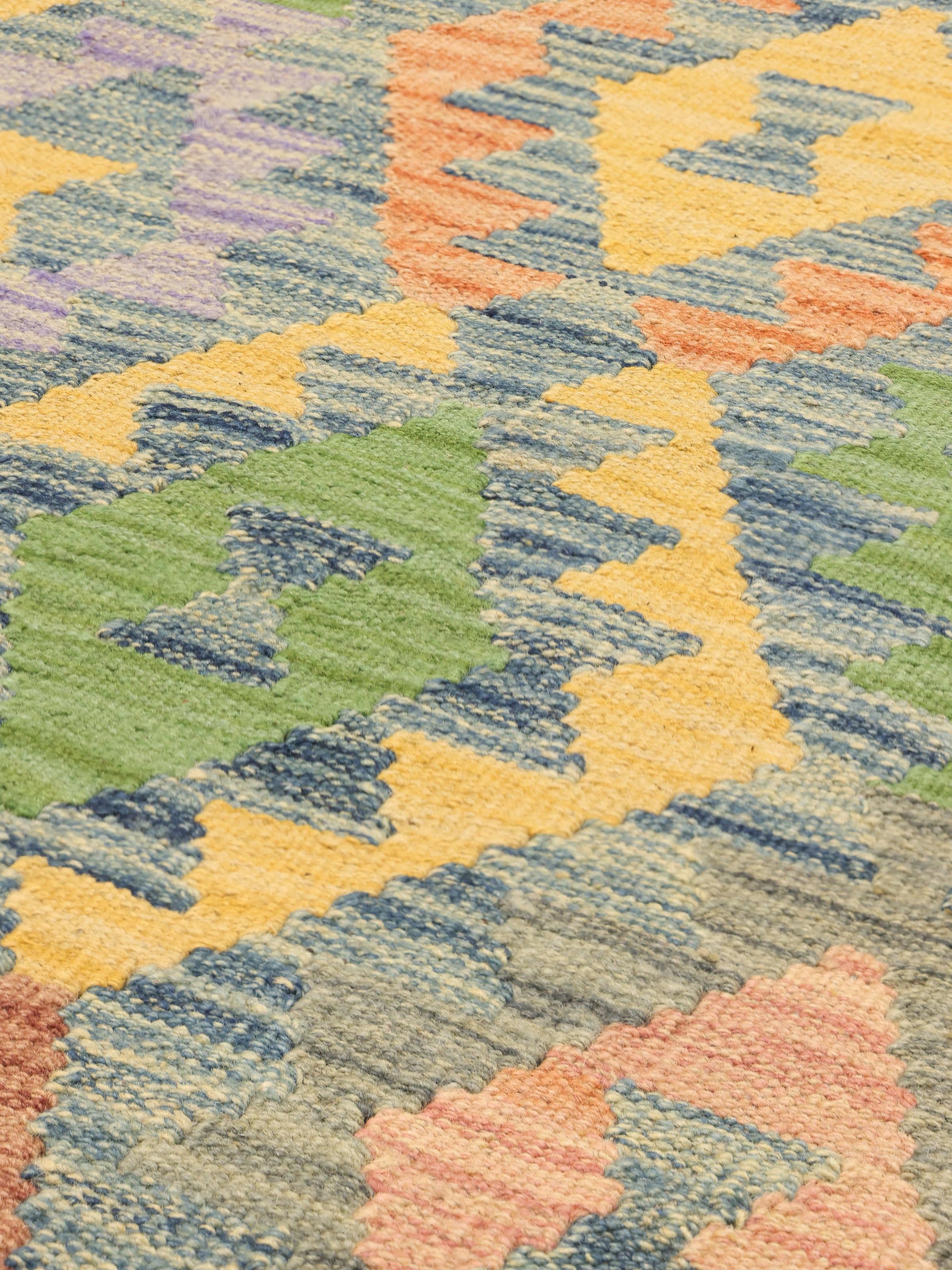
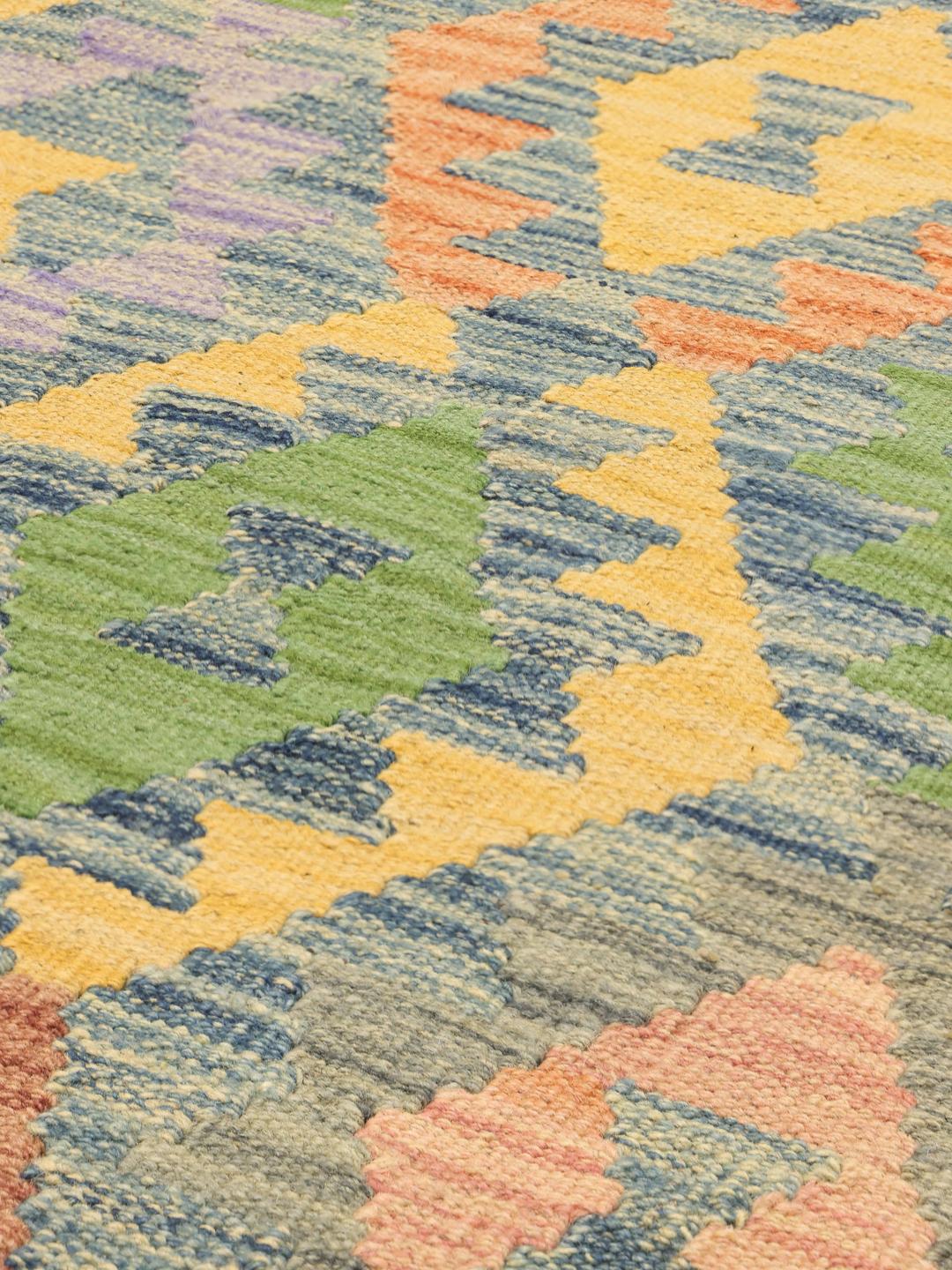
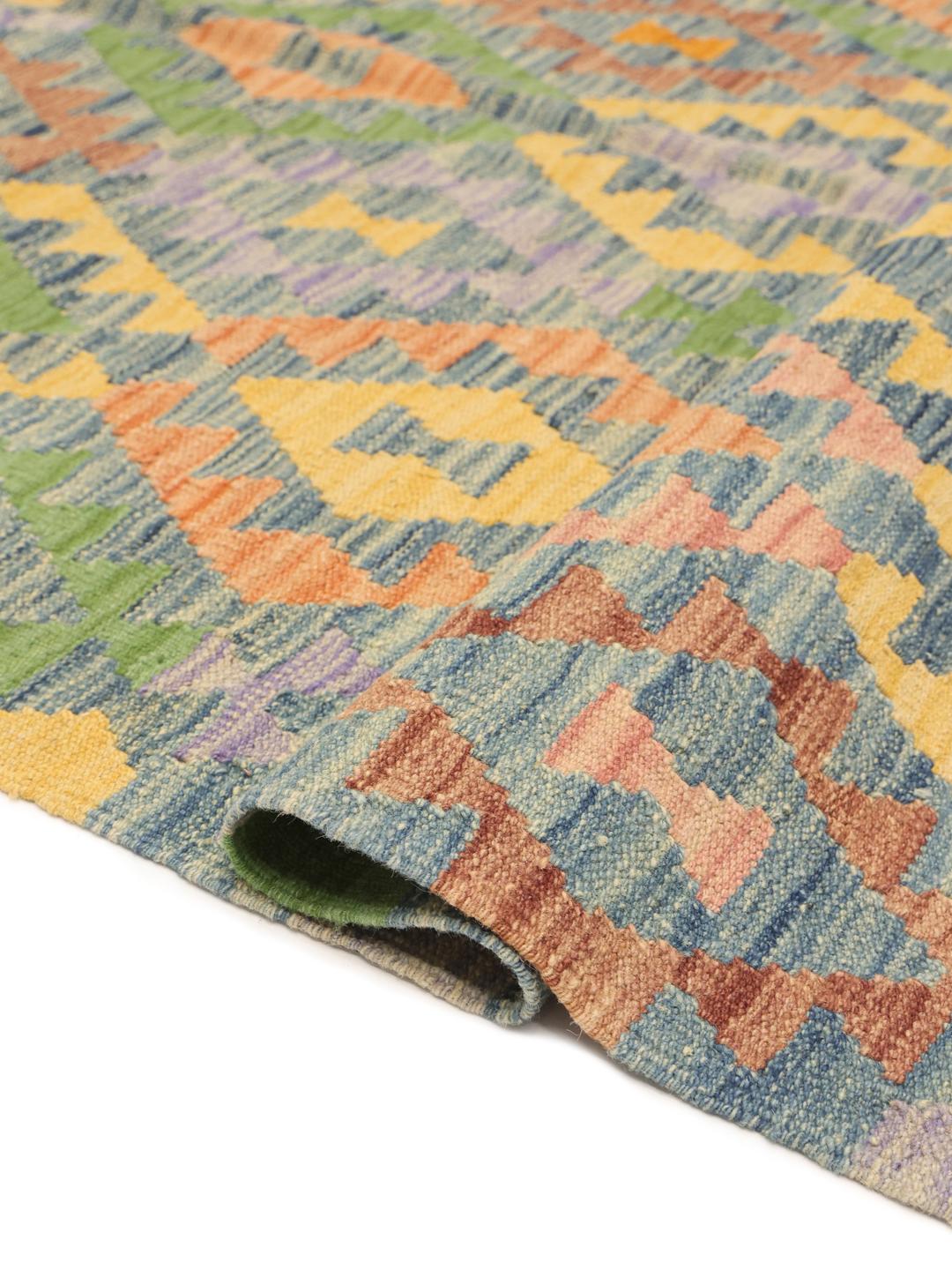
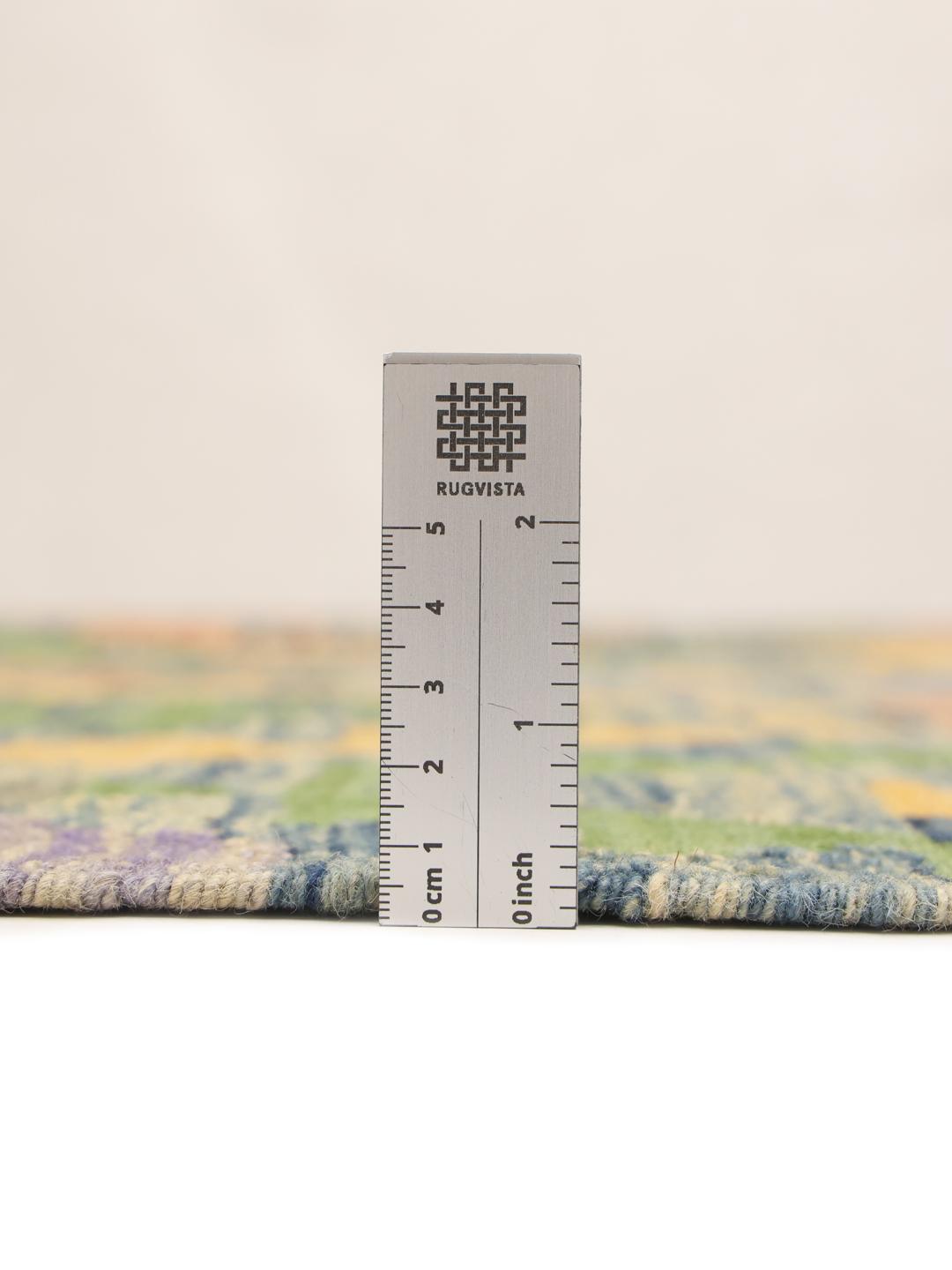
A Kelim is defined by its lack of pile, a technique where the coloured weft threads are woven through the warp to create the pattern. This style of construction results in a reversible rug, a hallmark of high-quality craftsmanship that highlights the skill of the weaver in maintaining consistent tension and design precision throughout the entire process.
The signature design elements often include geometric motifs, with diamonds and triangles being among the most prominent. These shapes are not merely decorative but are deeply symbolic, often representing protection, prosperity, or the natural landscape of the region. The colour palette typically features natural dyes that have mellowed over time, giving these rugs their distinctive, lived-in aesthetic.
Today, these rugs are highly valued by collectors and design enthusiasts alike for their historical significance and authentic character. By choosing a Kelim, you are acquiring a piece of textile art that embodies the heritage of Middle Eastern weaving, offering a unique bridge between ancient traditions and contemporary home living.