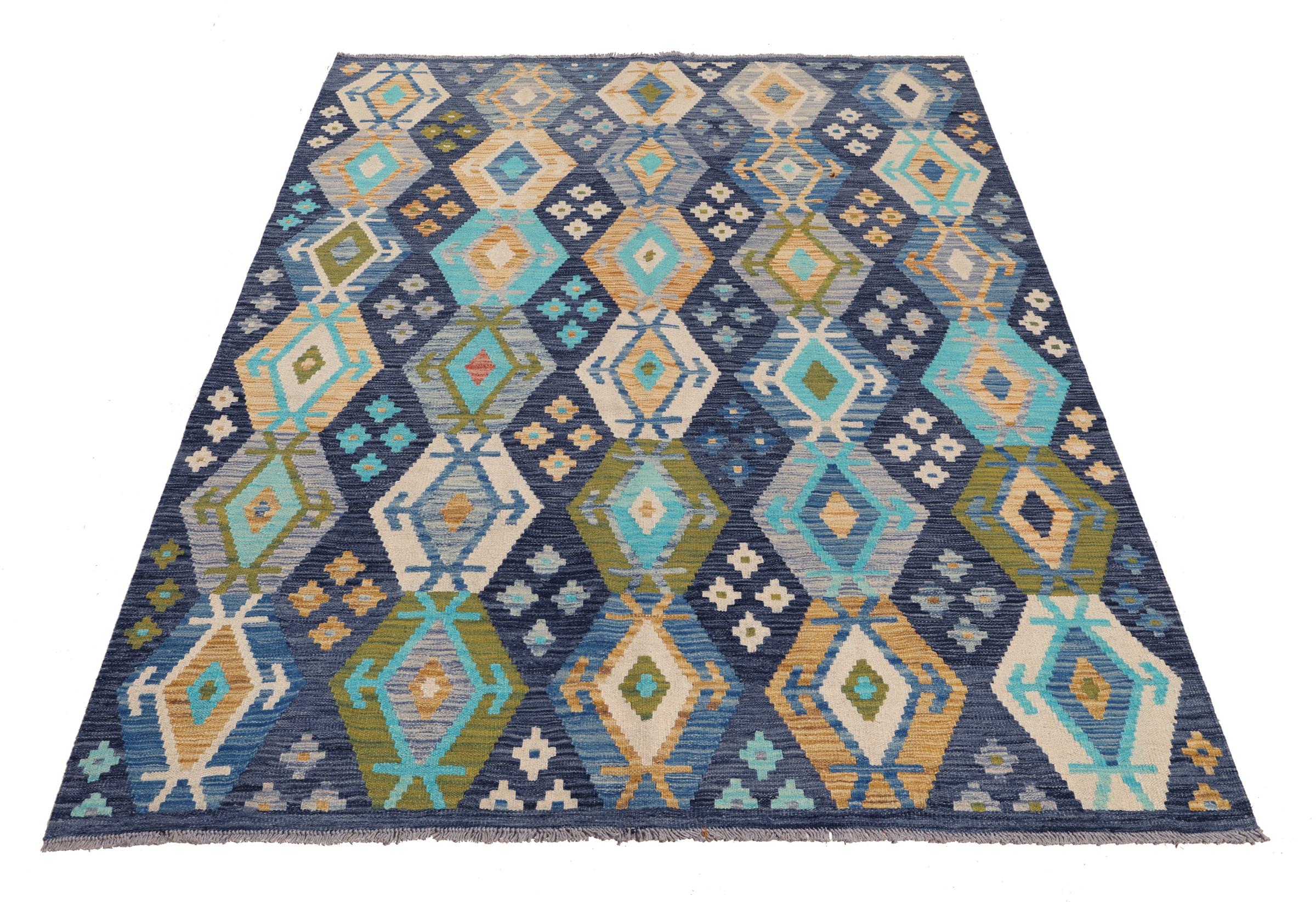
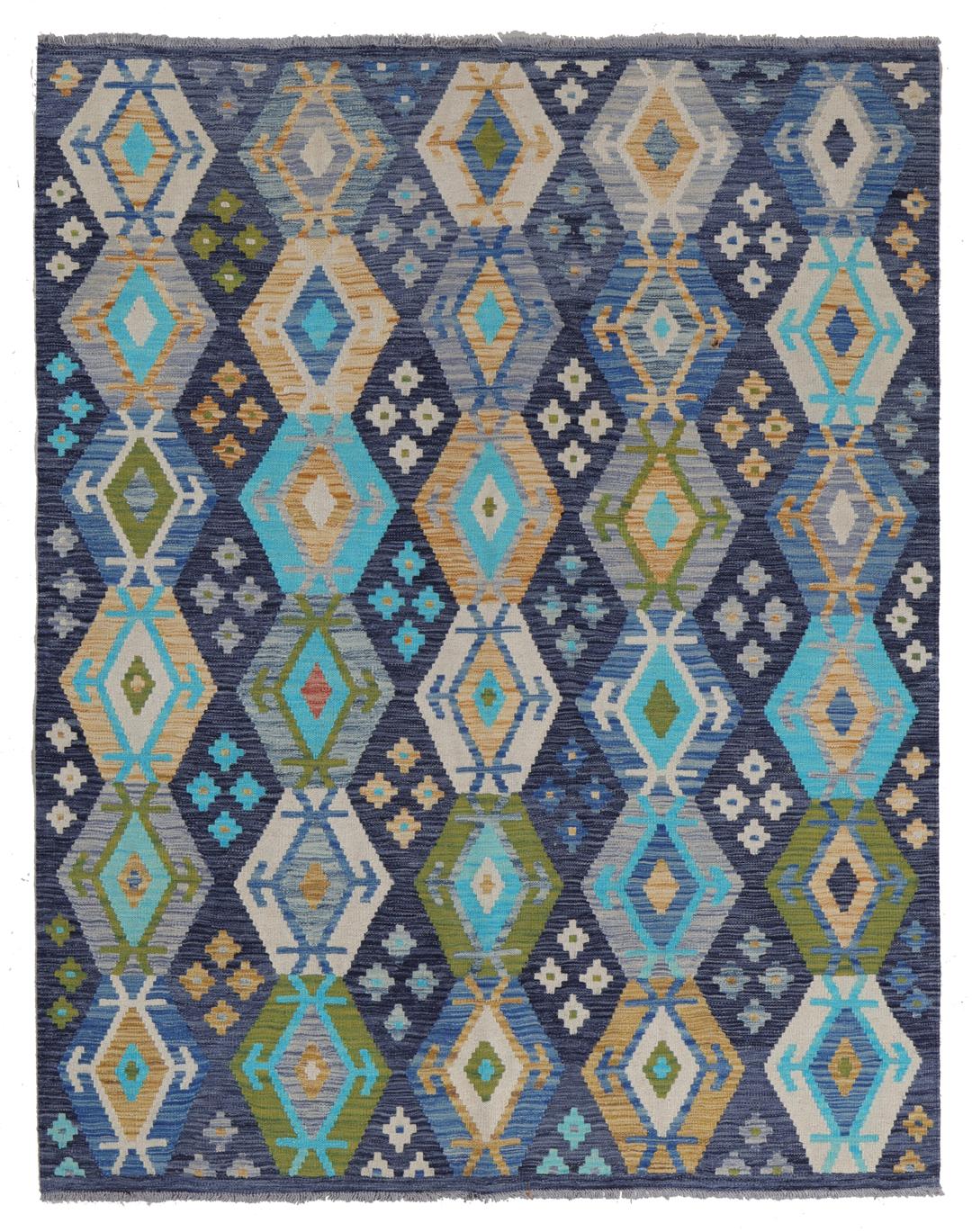
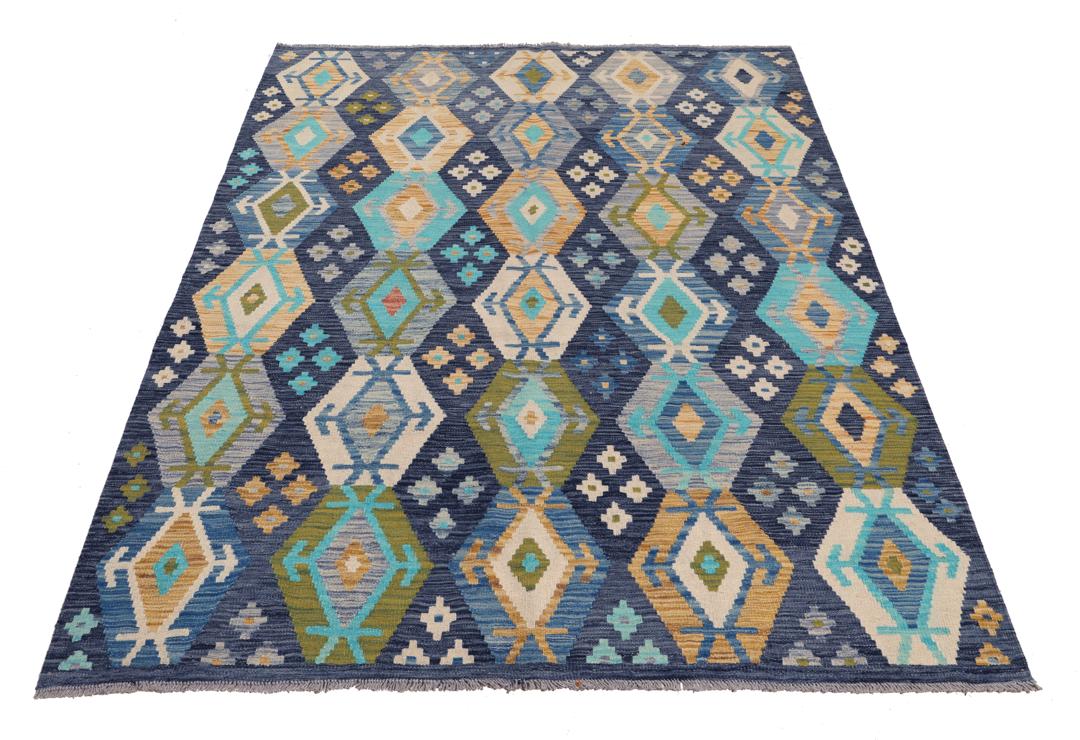
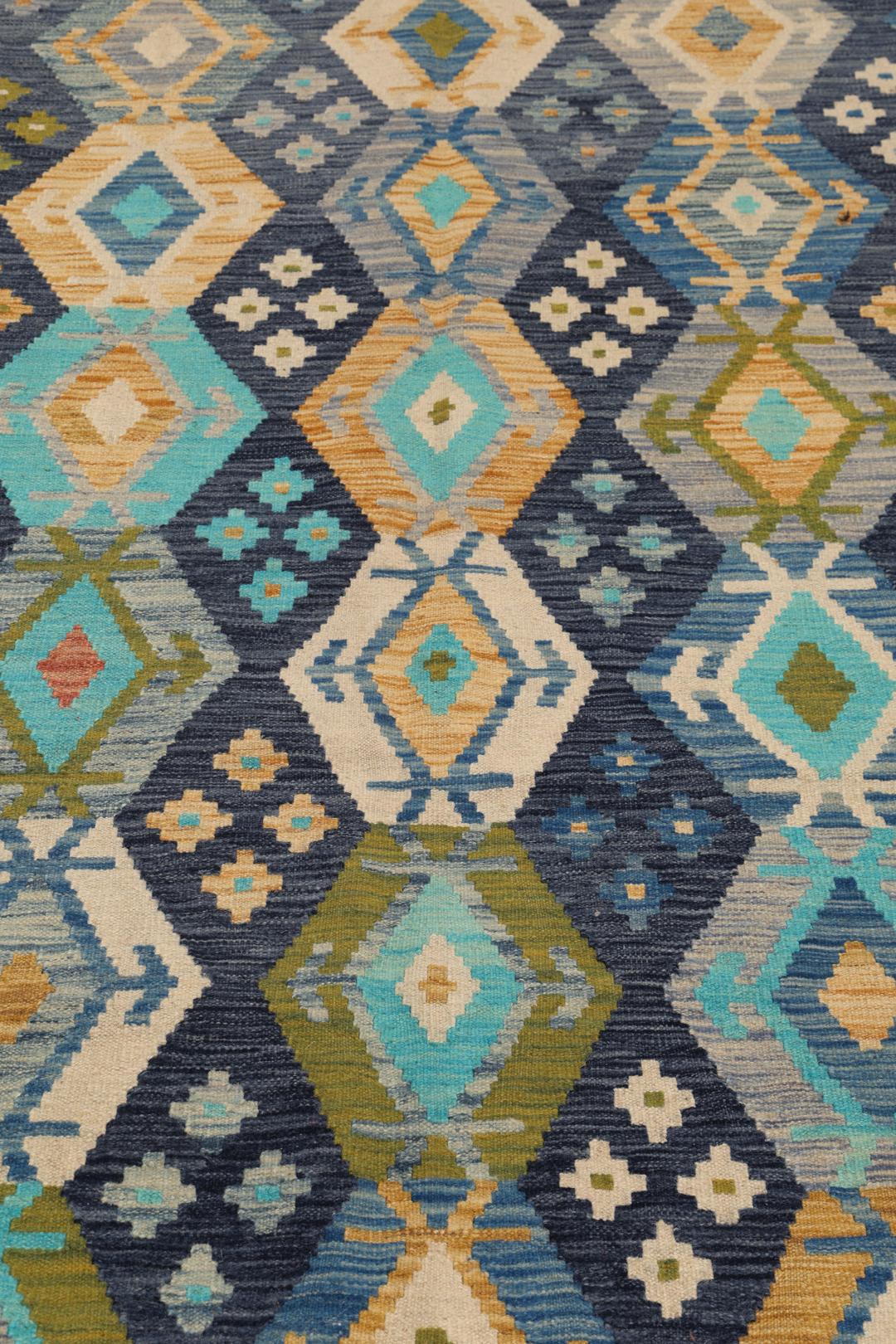
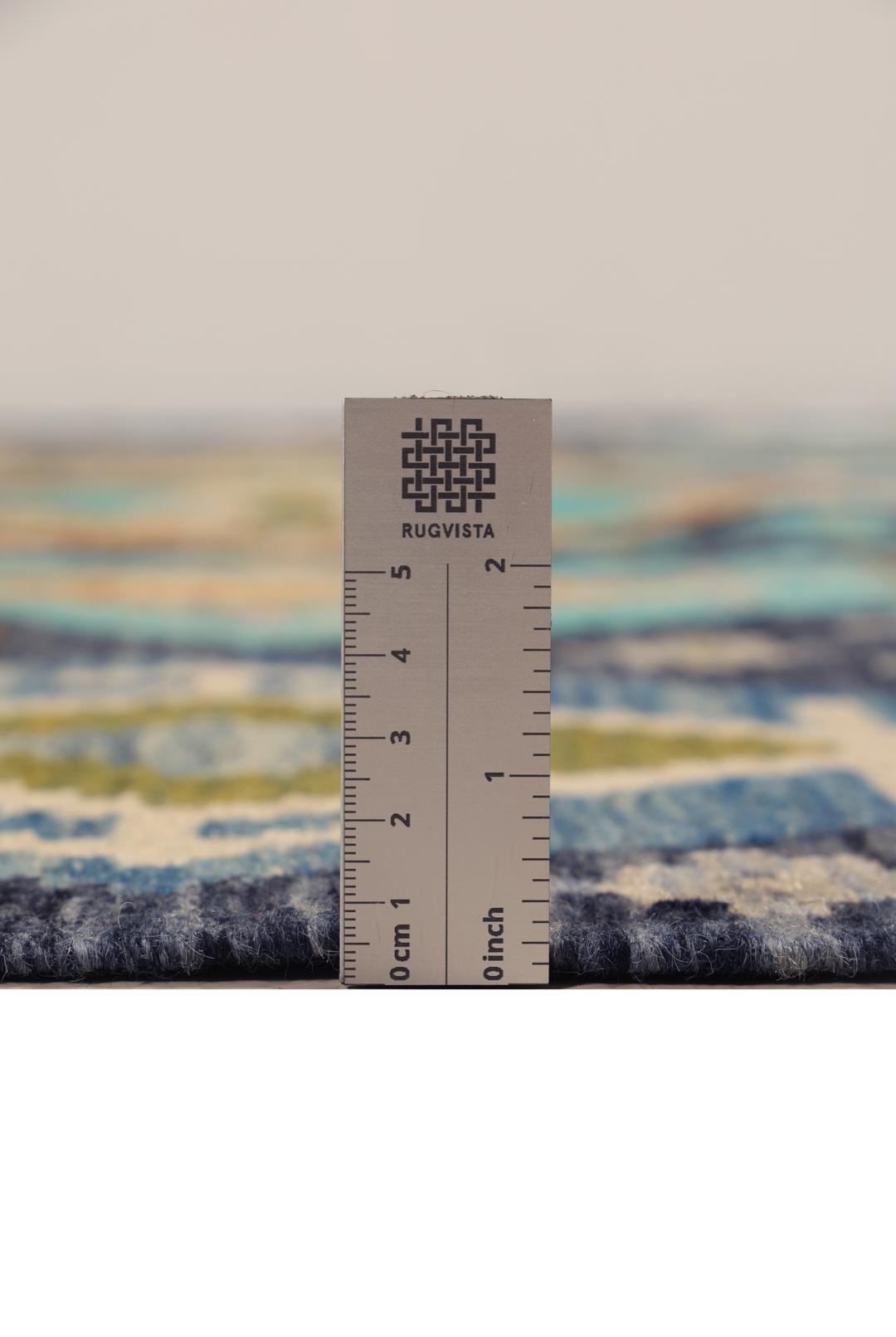
Kelim rugs from Afghanistan are deeply rooted in the nomadic and semi-nomadic traditions of the region. These textiles were originally created by tribal weavers as functional items for daily life, serving as floor coverings, wall hangings, or storage bags. Over generations, the skills required to produce these flat-woven pieces have been passed down, keeping the aesthetic traditions of the Afghan highlands alive.
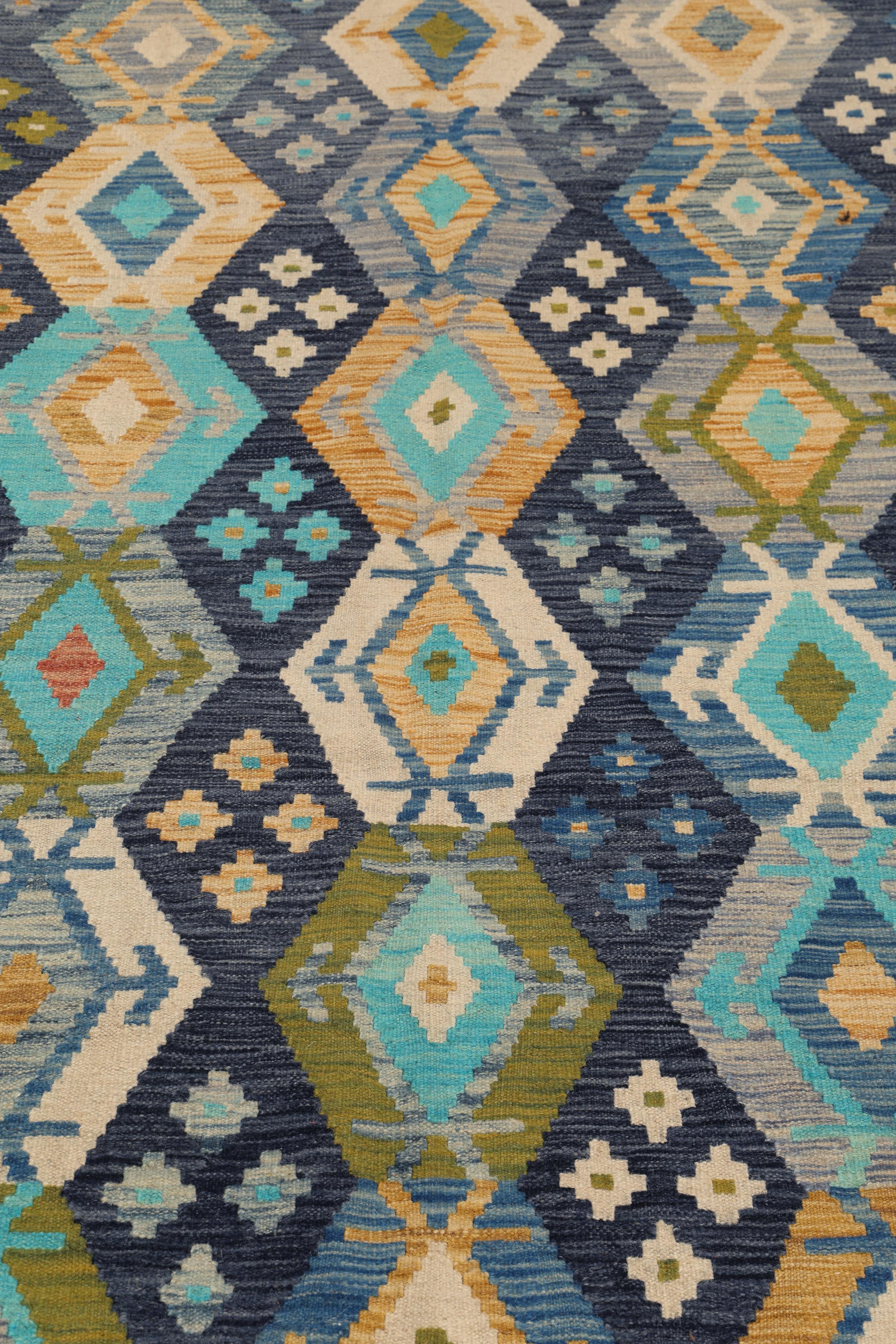
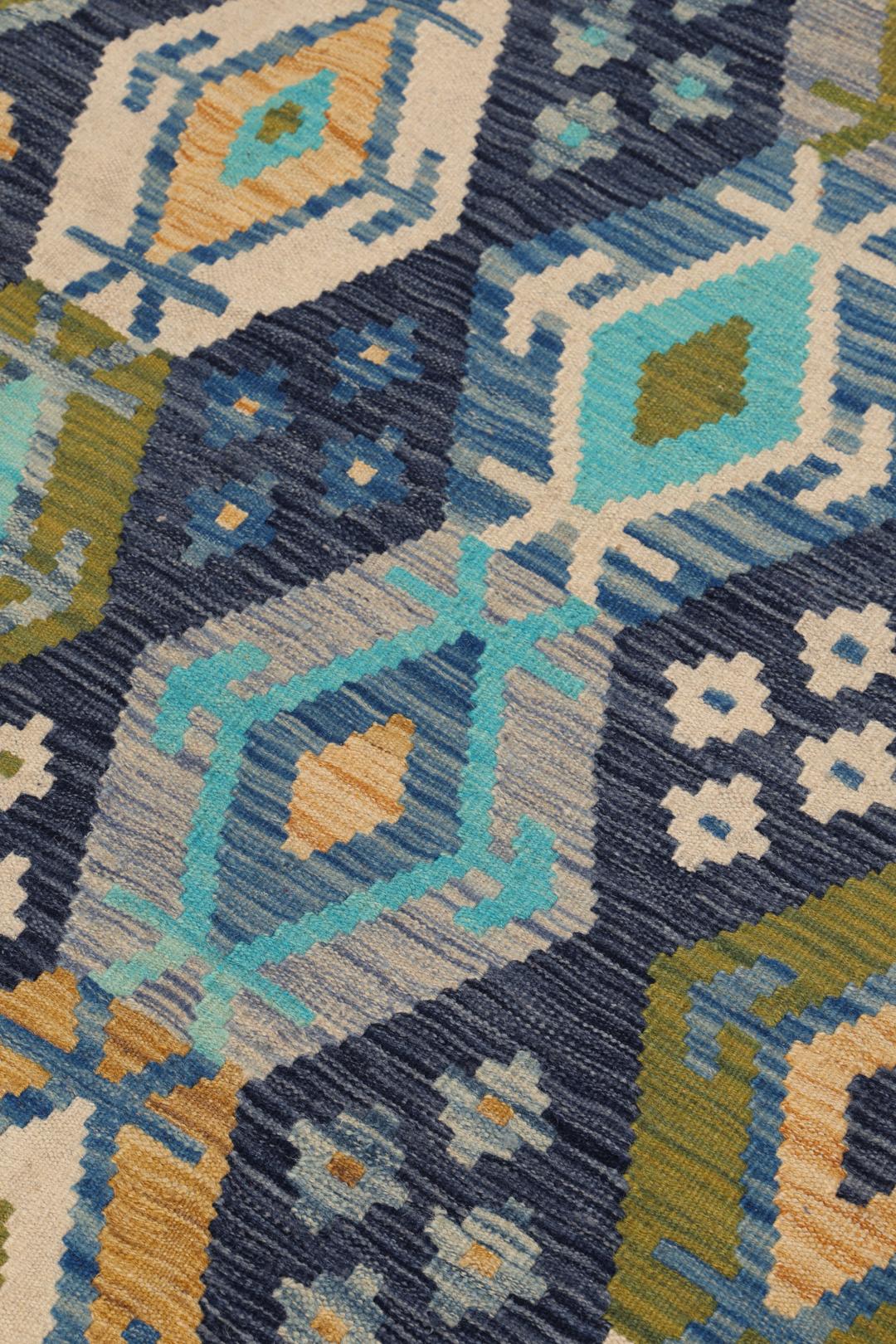
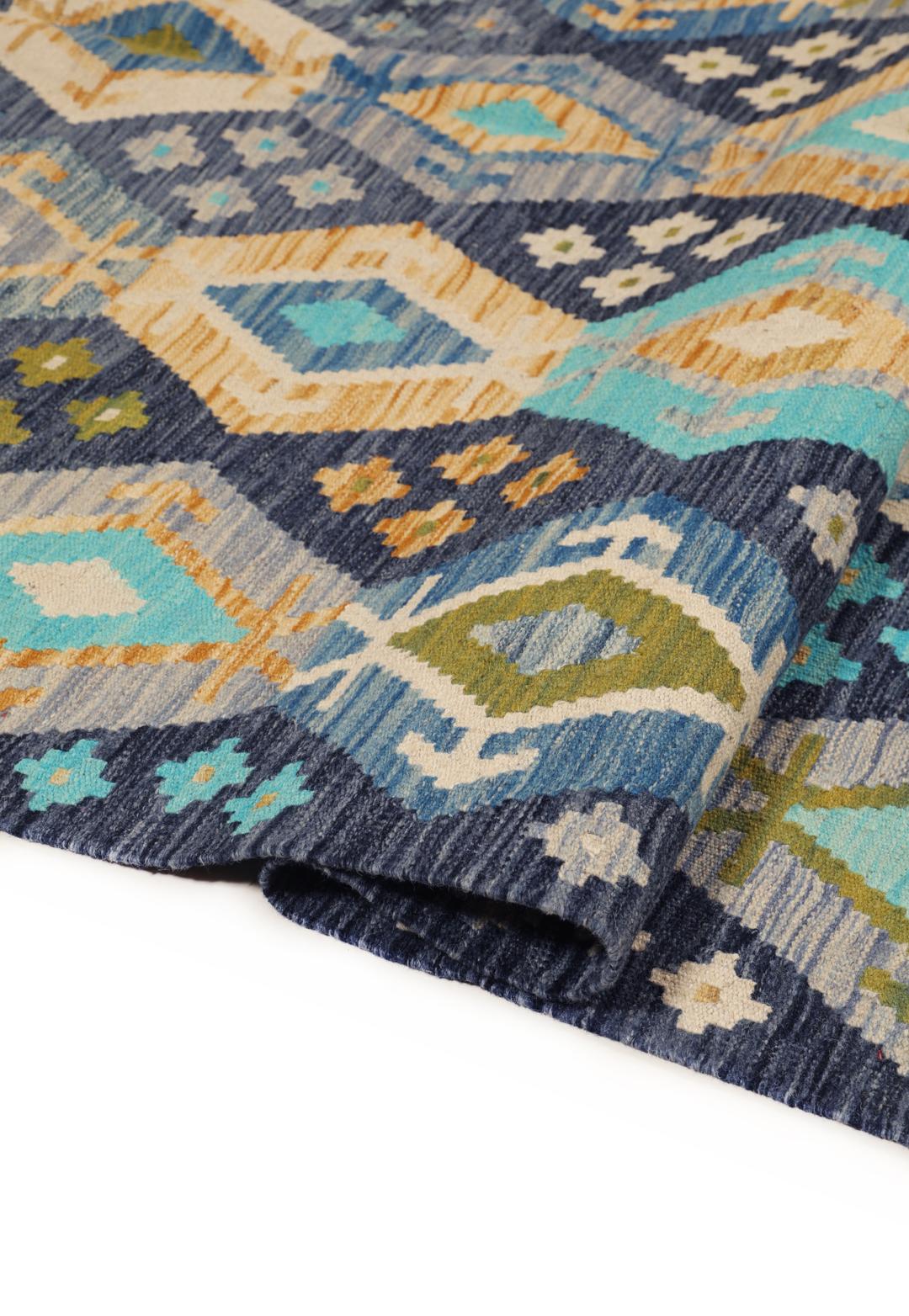
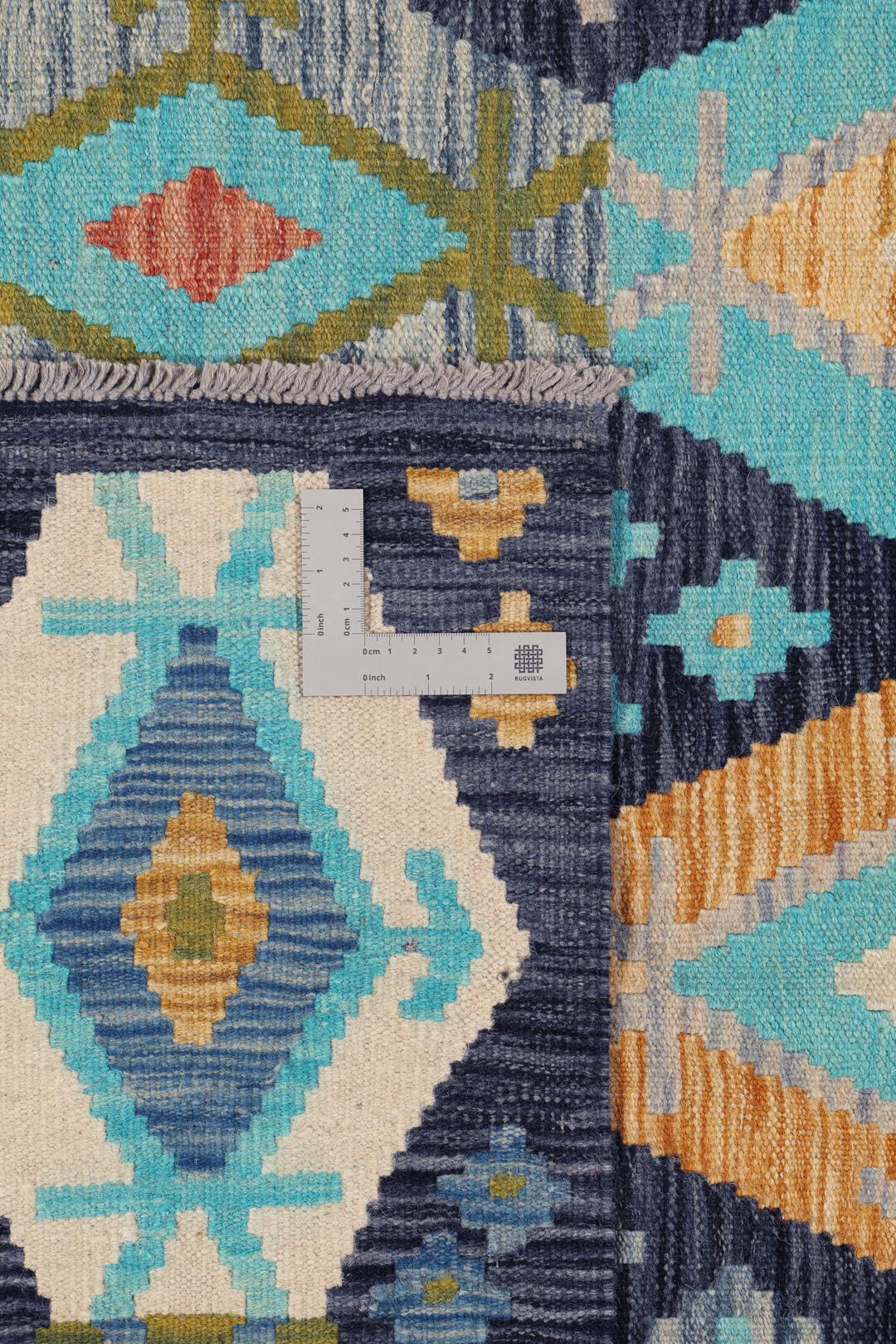
The term 'Kelim' refers specifically to the flat-weaving technique where the weft threads are passed through the warp threads to create the pattern, resulting in a rug without a pile. This method is highly prized for its clarity of design, as it allows for sharp, crisp geometric shapes that are difficult to achieve in knotted pile rugs. The durability of a well-made Kelim is a testament to the strength of the wool used and the tightness of the weave.
Signature elements of Afghan Kelims often include geometric repeats, such as the diamond or latch-hook motifs seen here, which are frequently inspired by the natural surroundings and cultural symbols of the weavers. These designs are not merely decorative; they often carry meanings related to protection, fertility, or family identity, making each rug a canvas for cultural expression.
Collecting these rugs has become a way to preserve a rich craft heritage. Because each piece is handmade without the aid of a digital pattern, small variations naturally occur, marking them as authentic human creations. Owning an Afghan Kelim means participating in a legacy of resilience and artistry that has defined domestic life in Central Asia for centuries.